

How artists painted Siberia (PICS)
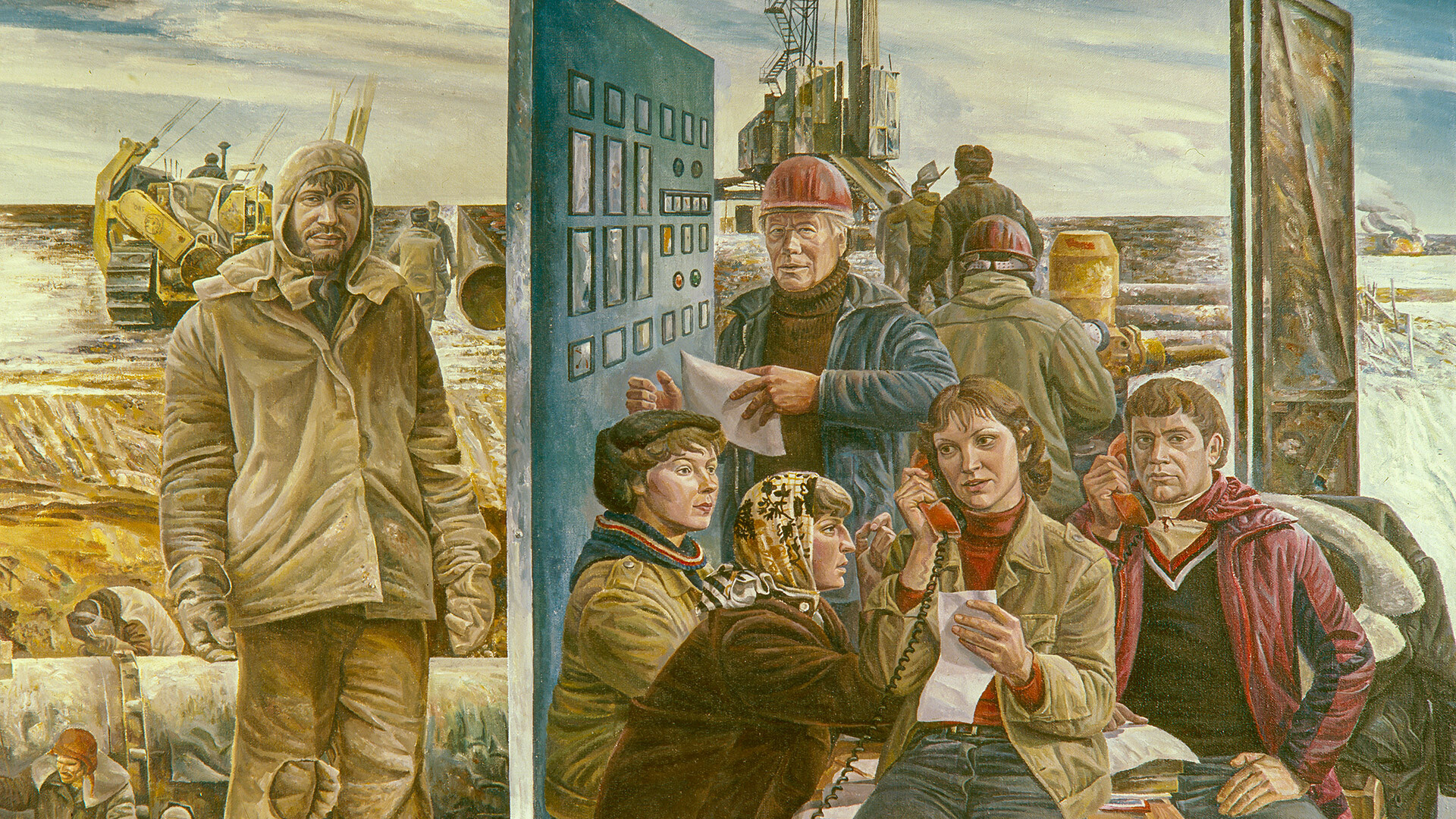
This harsh region has always attracted artists for its immense size, wild and beautiful nature and plethora of climates.
Russians came to Siberia en masse in the second half of the 16th century. After overcoming the “Stone” (aka the Ural Mountains), tsarist troops and Cossack detachments began to move slowly, but surely, eastward.
Along the way, they founded small fortresses, which later turned into major cities (such as Irkutsk and Yakutsk). More than four centuries have passed since then, but even today the vast region is still underdeveloped and underpopulated.
In the era of the Russian Empire, Siberia served as a place of exile for political opponents of the supreme power, revolt and rebellion participants, as well as all kinds of revolutionaries and anarchists. Until the early 1960s, this was also practiced in the Soviet Union.
Today, Siberia is the treasury of Russia. There are enormous reserves of various minerals, including lead, platinum, peat, coal, copper, gas, silver and, of course, “black gold”.
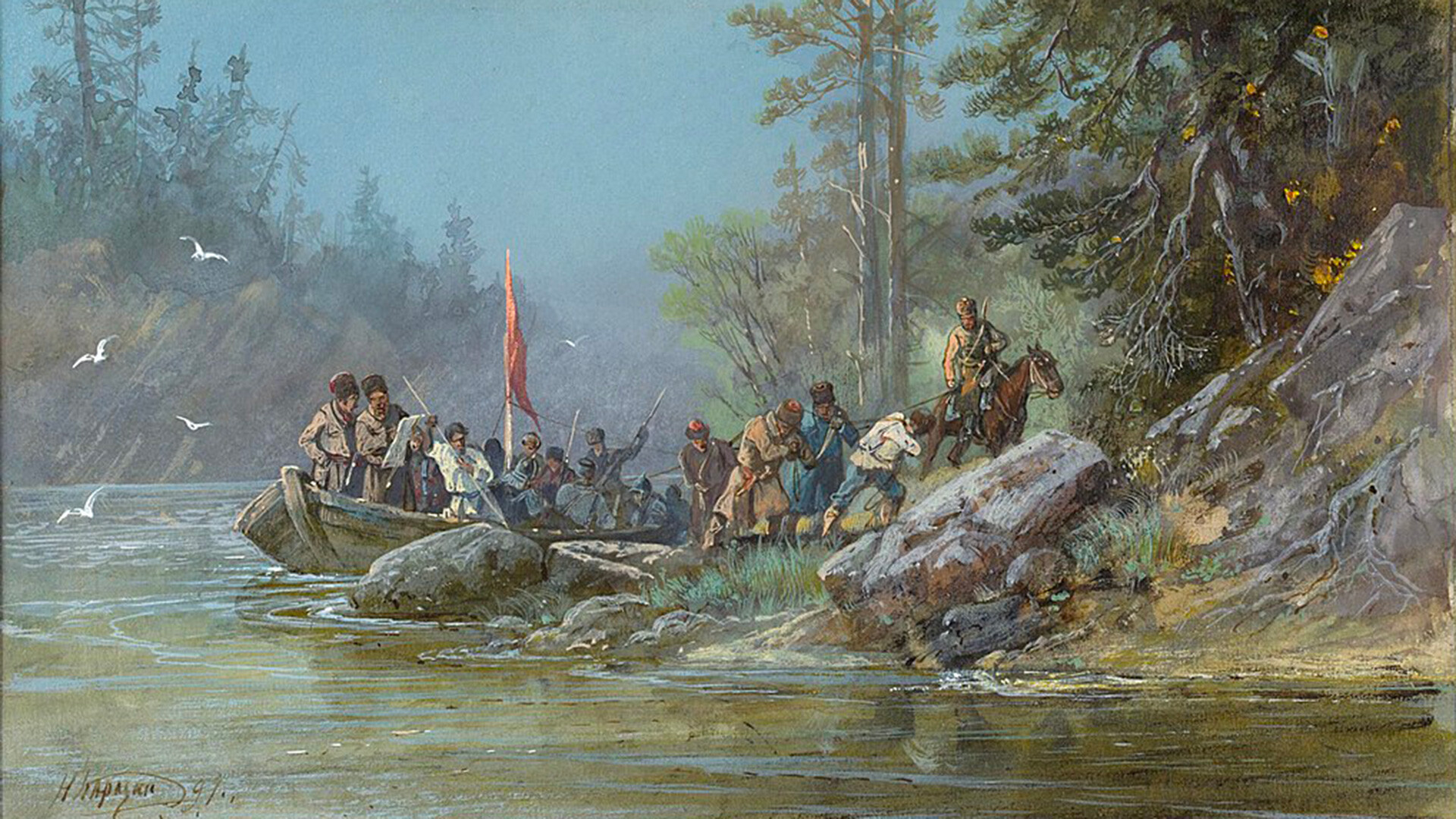 Siberian Cossacks at the Inspection of New Lands, 1891.
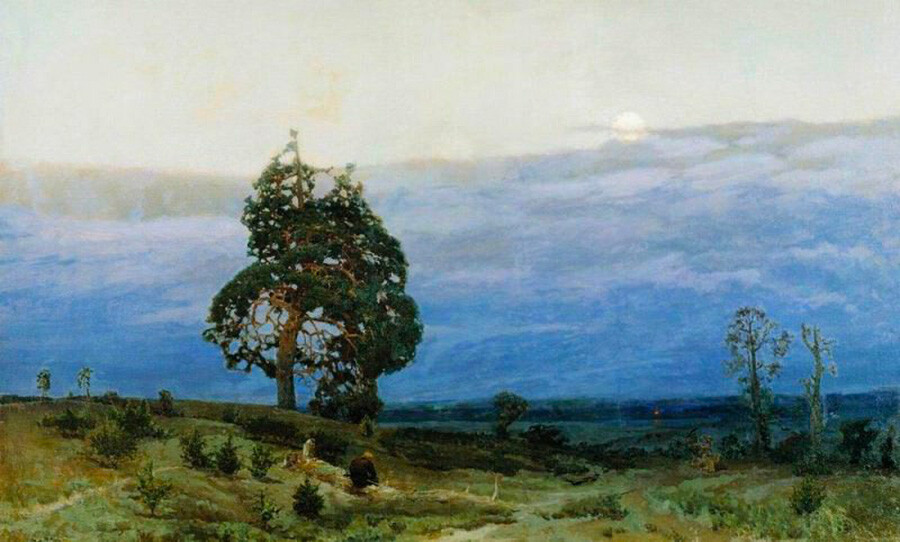 Thick twilight, 1889.
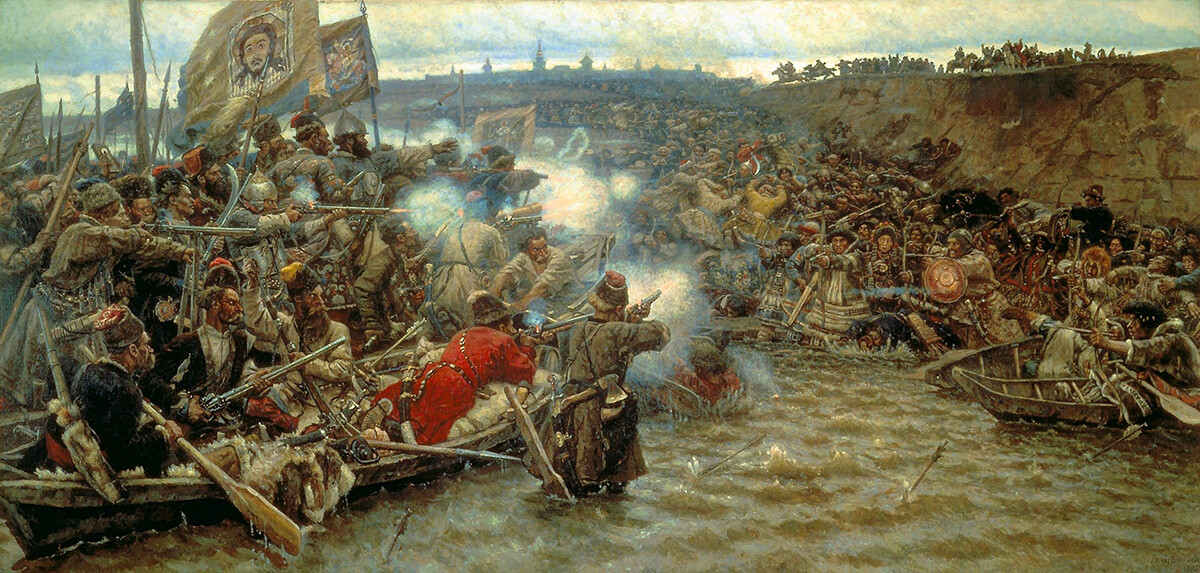 The Conquest of Siberia by Yermak Timofeyevich, 1895.
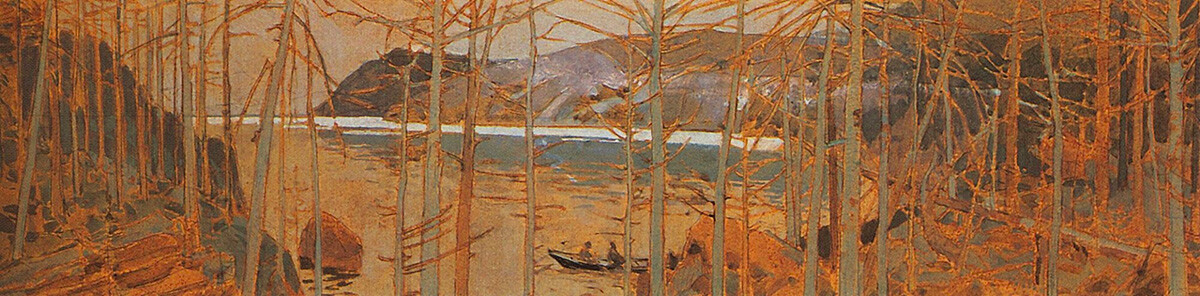 Taiga near Lake Baikal, 1900
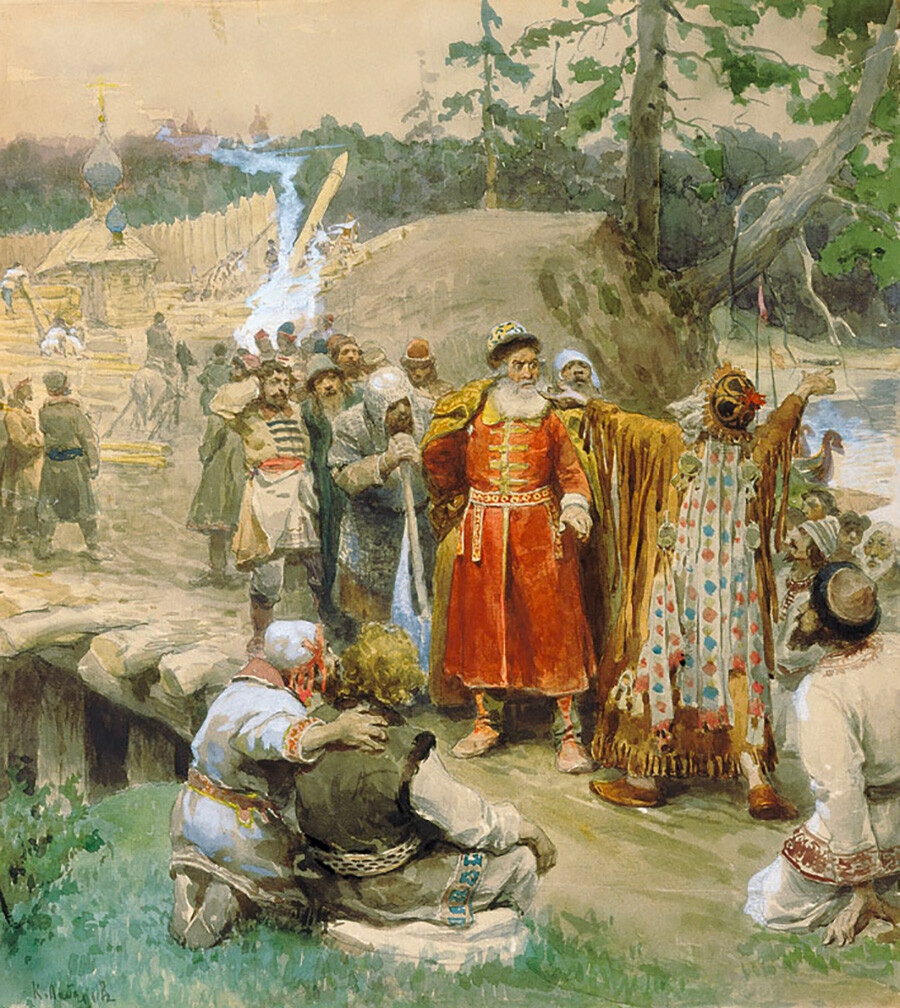 Russian exploration of new lands, 1904.
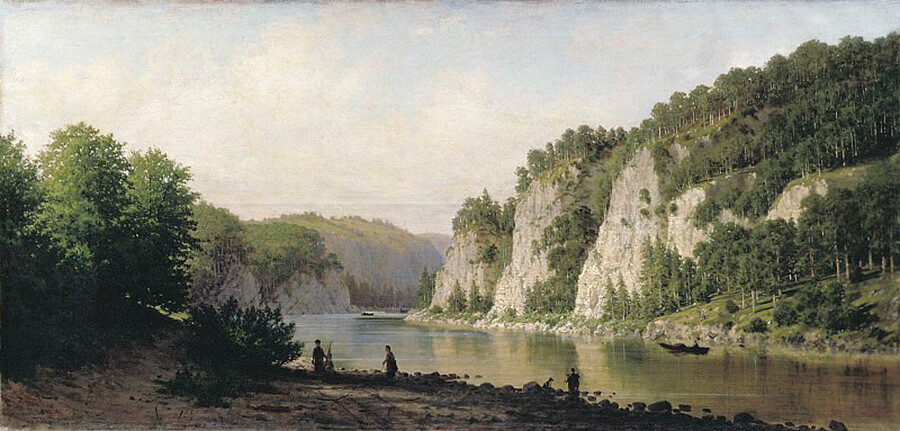 Pisaniy Stone on the Chusovaya River, 1877.
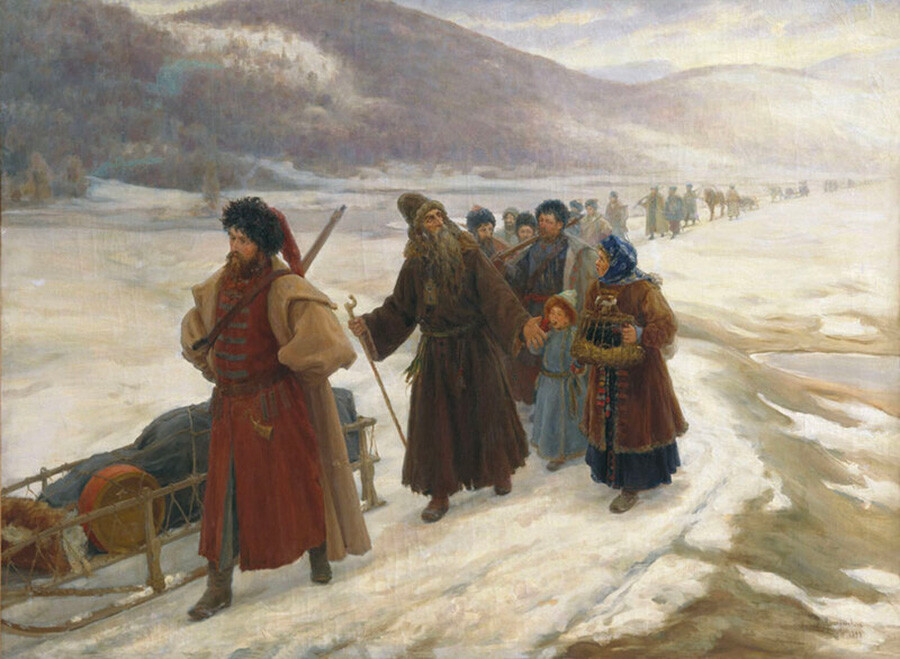 Avvakum’s Journey in Siberia, 1898.
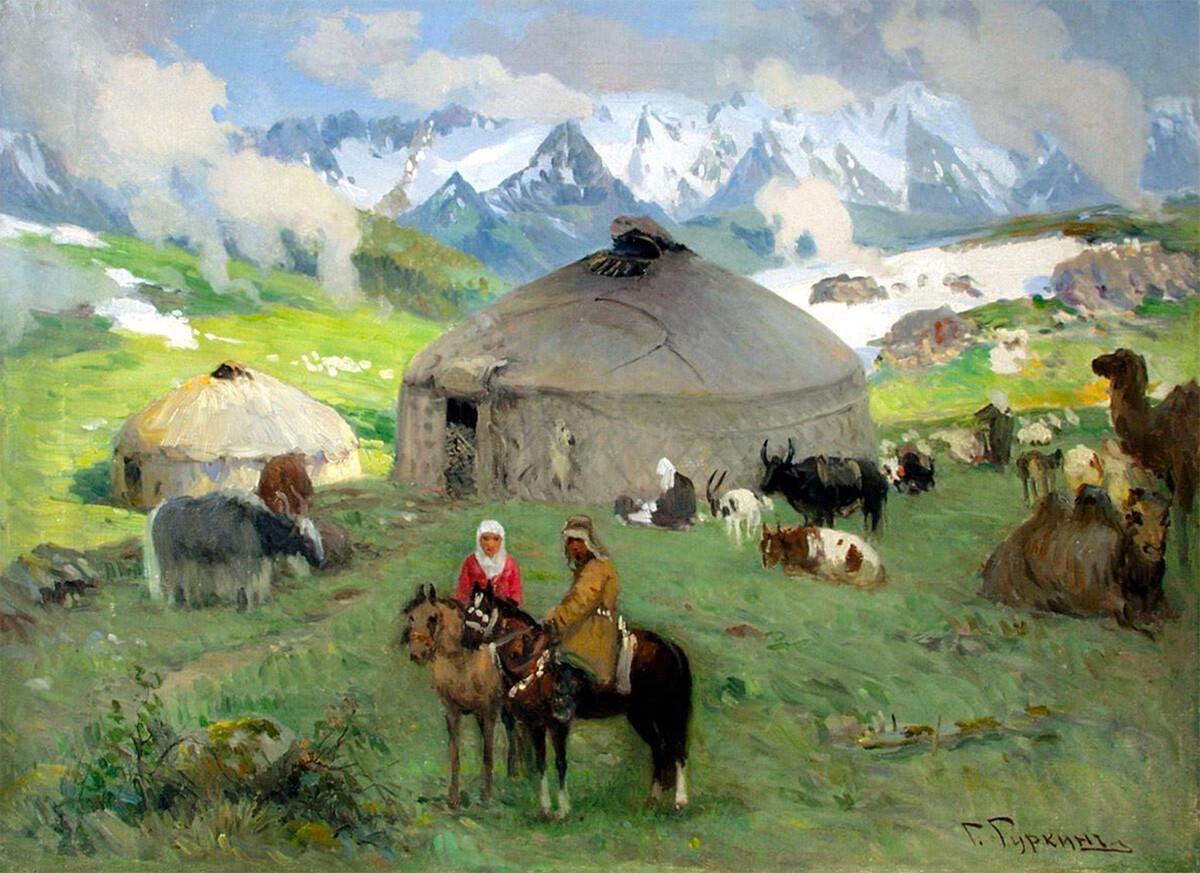 Nomadism in the Altai Mountains, 1920s.
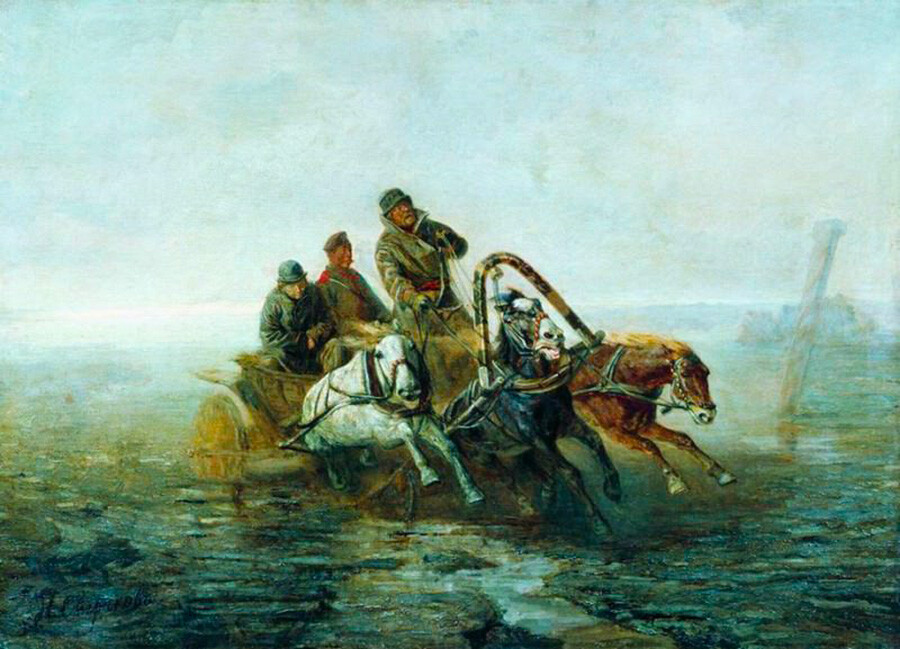 Along the Great Siberian Way (In Exile), 1883.
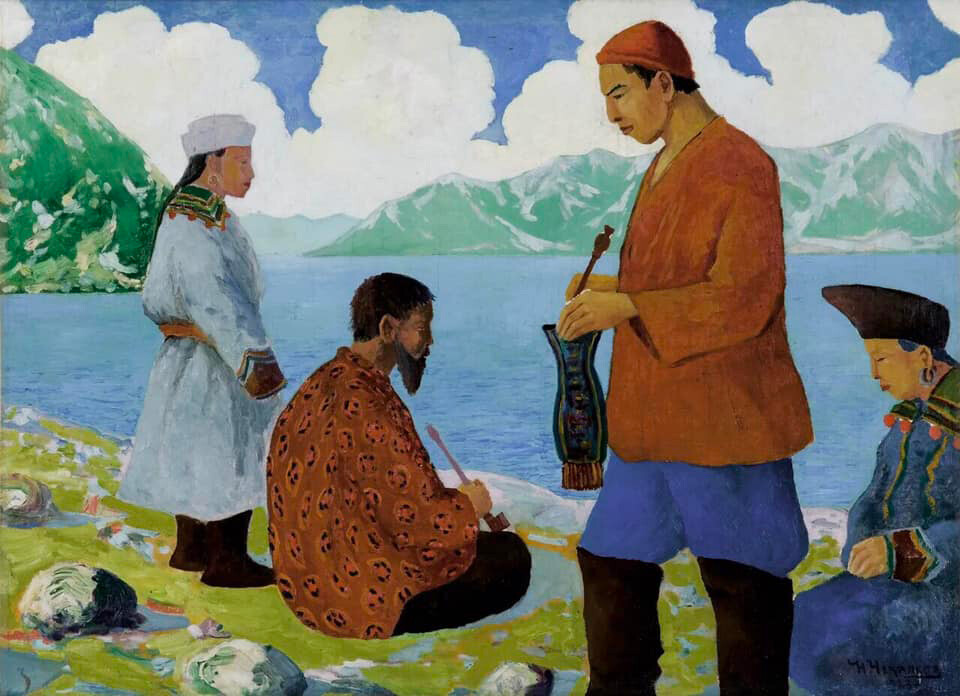 On the Teletskoye Lake, 1926.
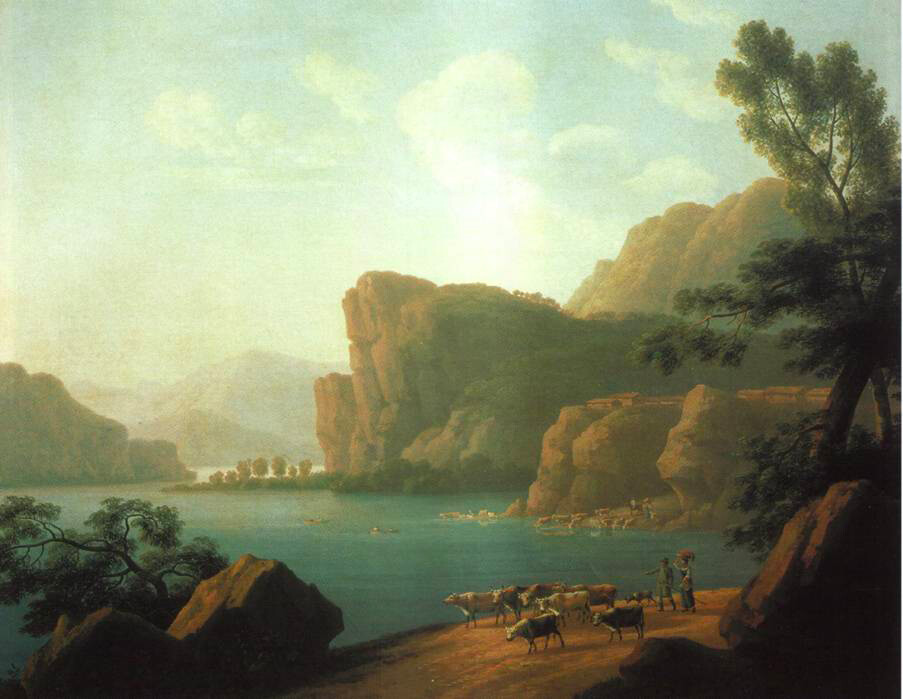 View of the Selenga River in Siberia, 1817.
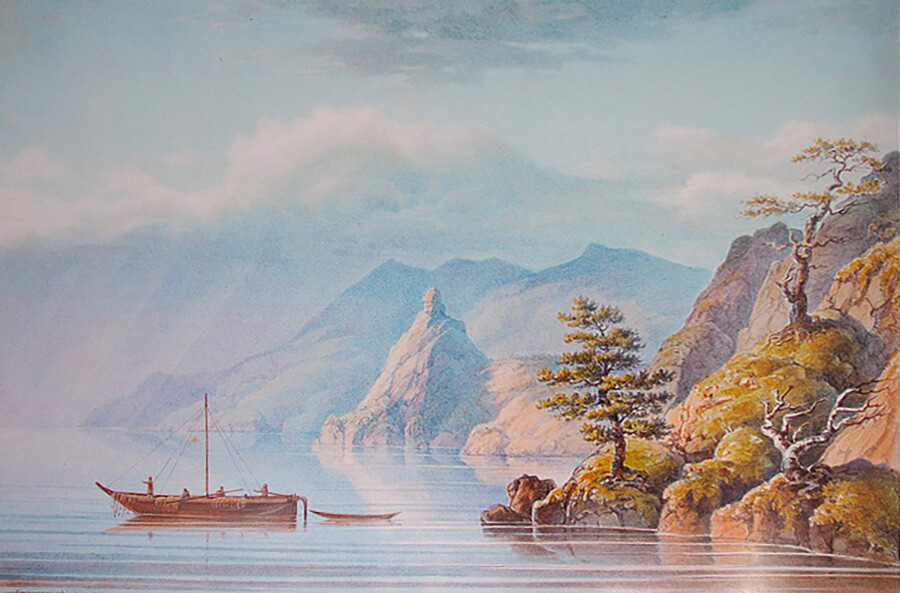 Lake Baikal. The Rock of the Little Bell in Sandy Bay, 1840-1850.
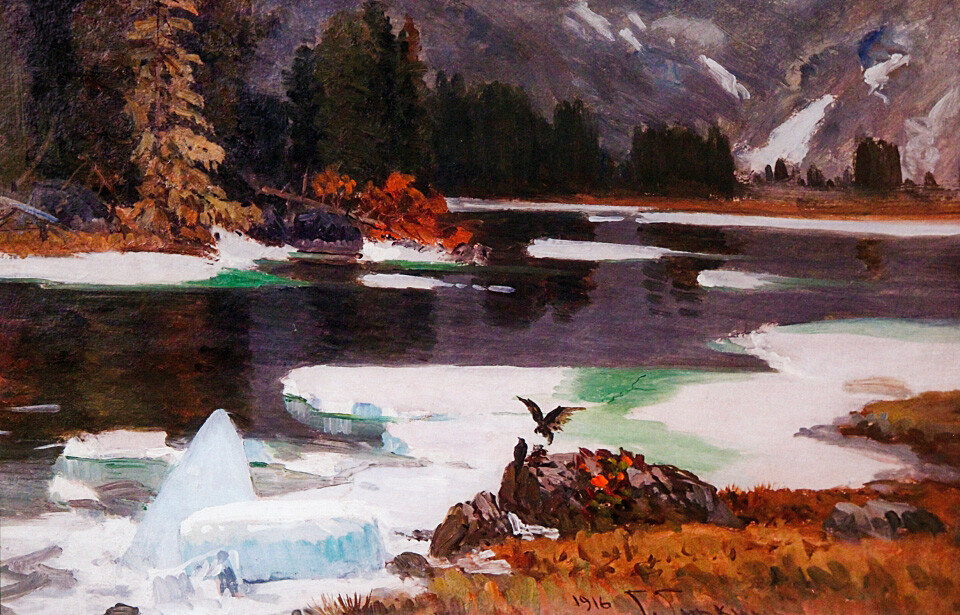 Lake Karakol, 1916.
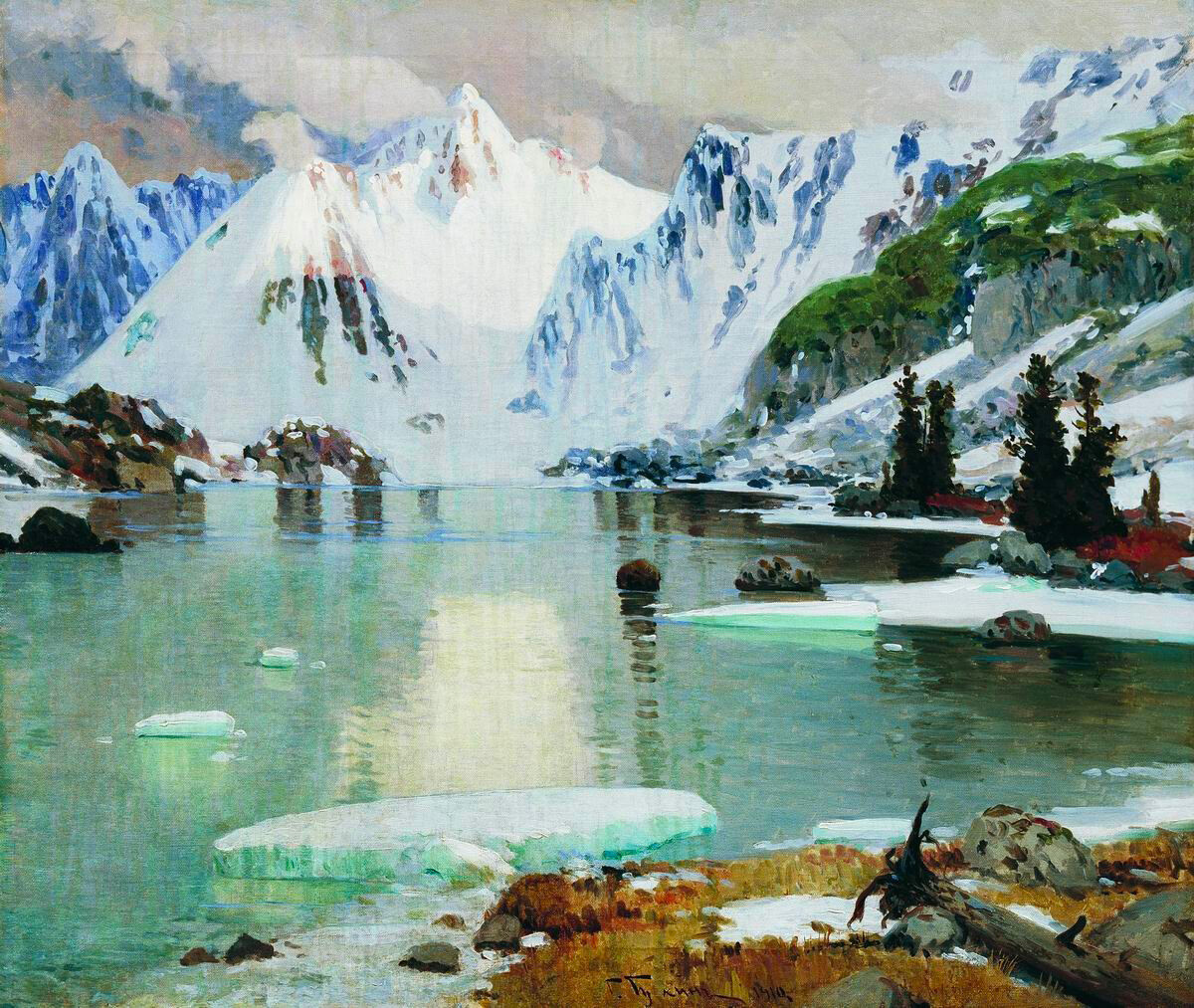 Lake of Mountain Spirits (Dena Der), 1910.
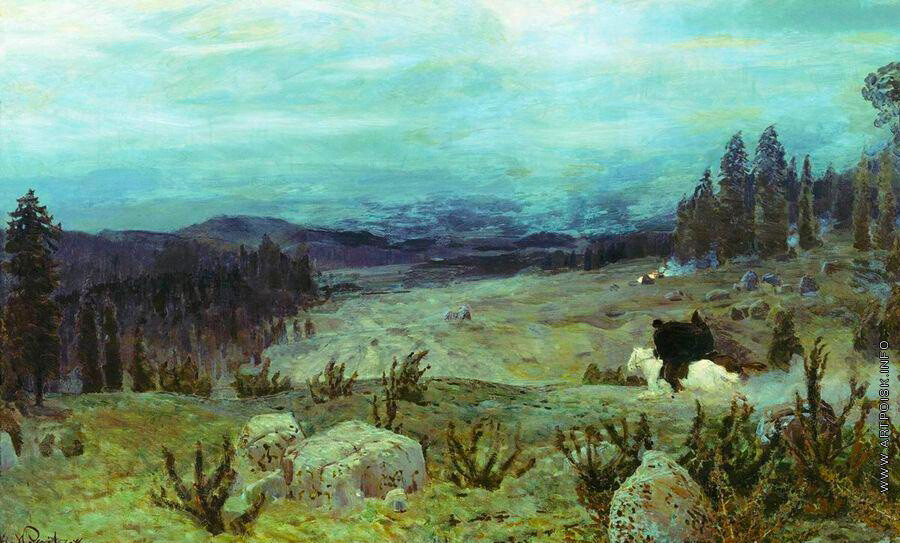 Siberia, 1894.
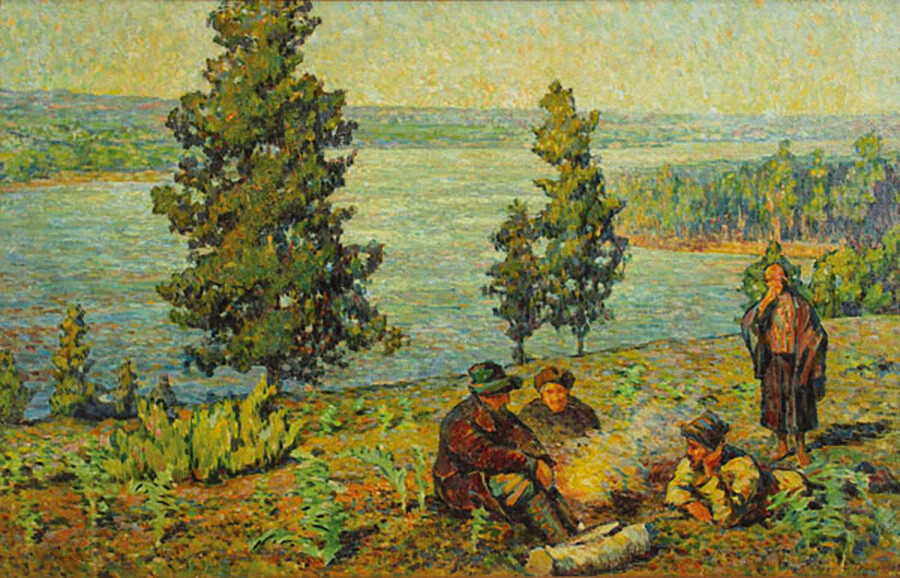 Irtysh River, 1928.
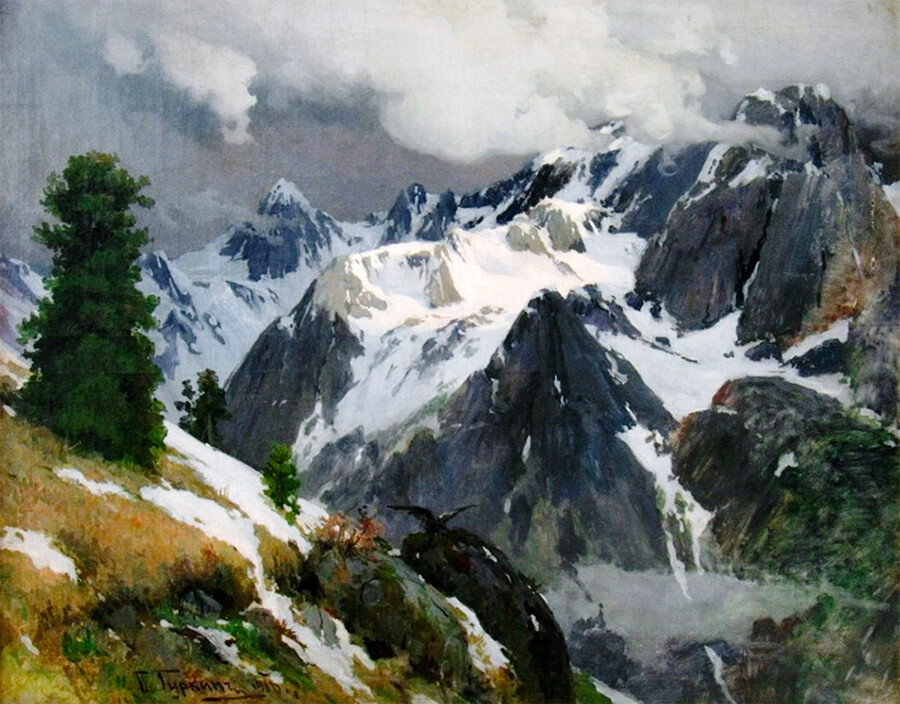 The Khan Altai, 1912.
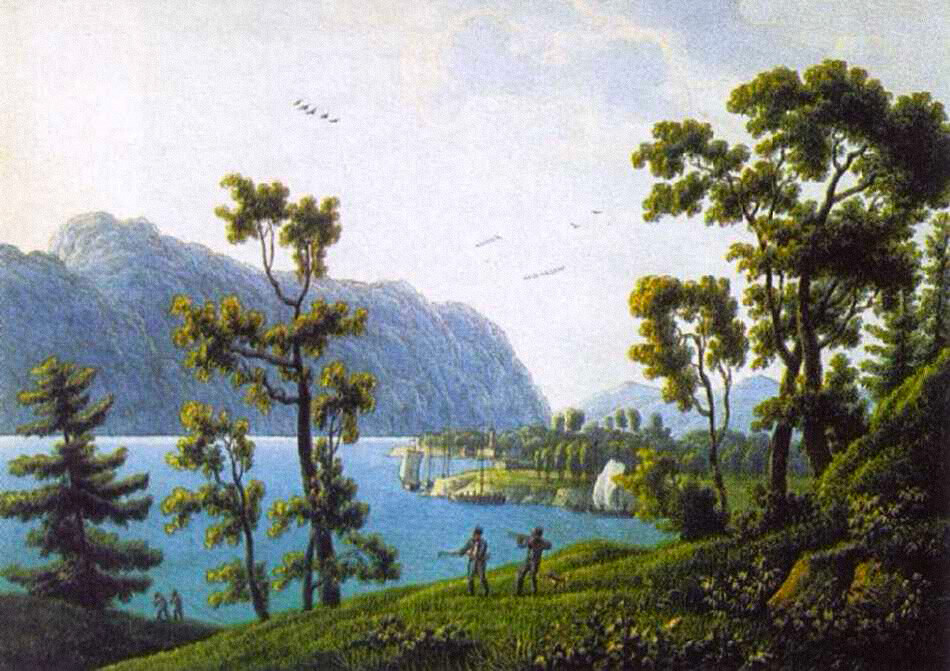 View of St. Nicholas Monastery on Lake Baikal, 1806.
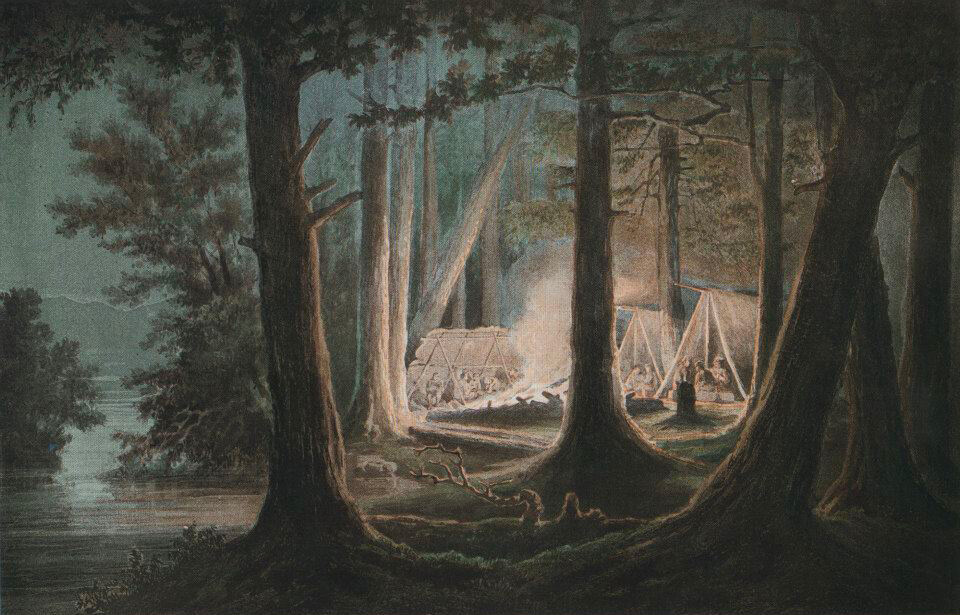 Overnight stay in the forest along the Okhotsk Highway, 1856.
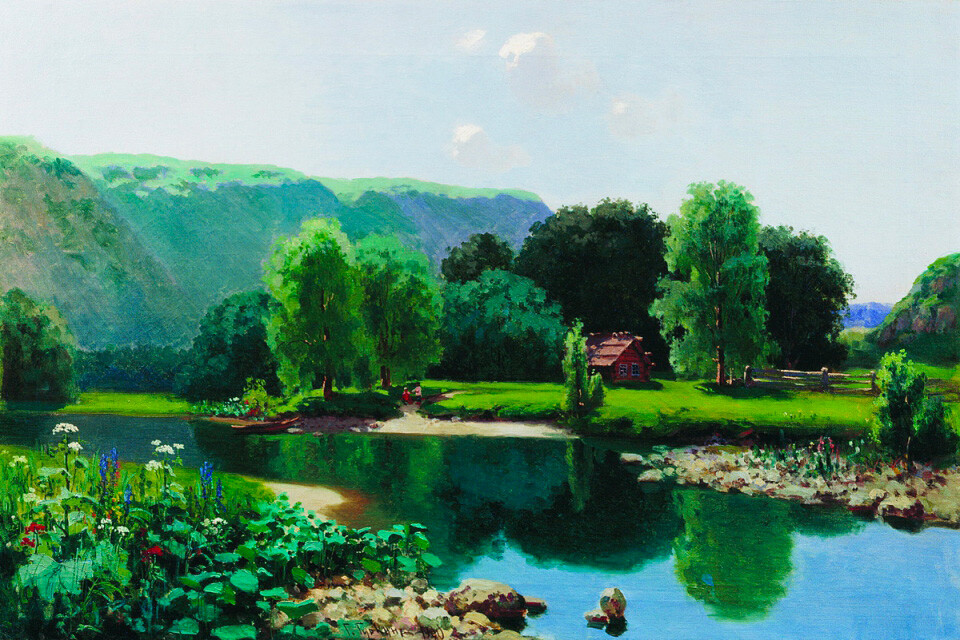 The Outskirts of Ulala, 1900.
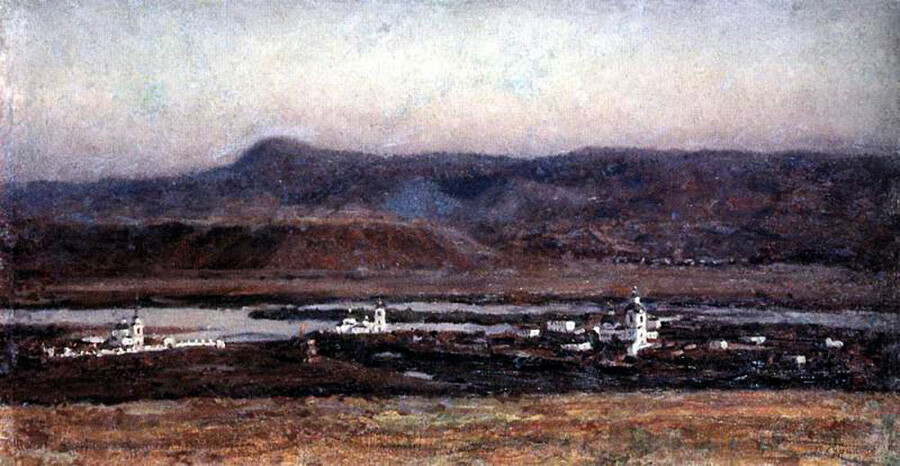 Old Krasnoyarsk, 1914.
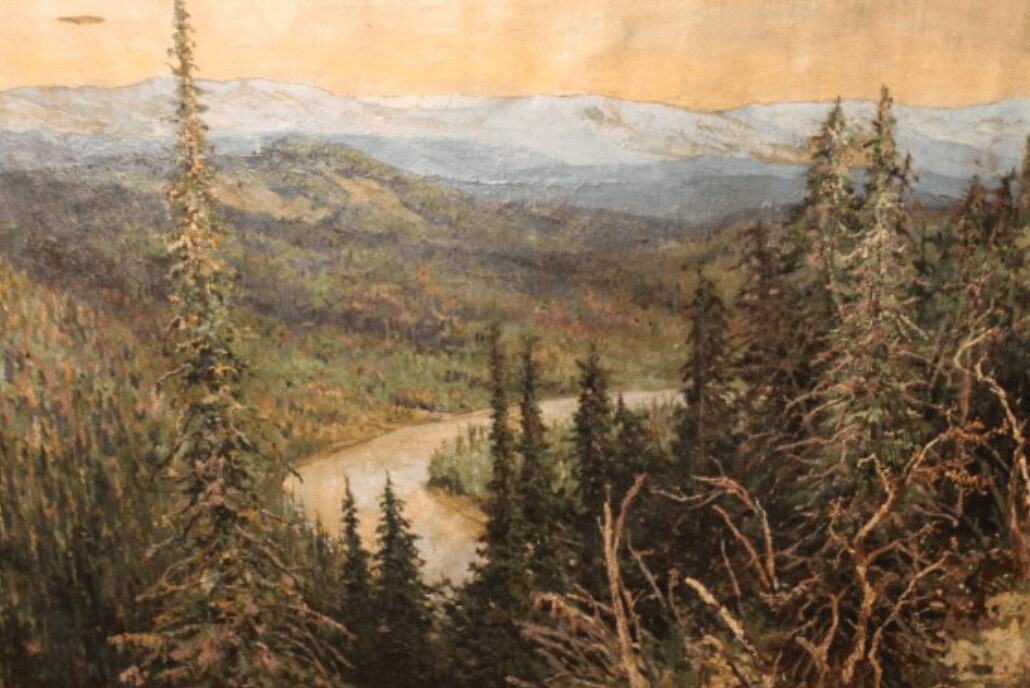 Landscape, 1930.
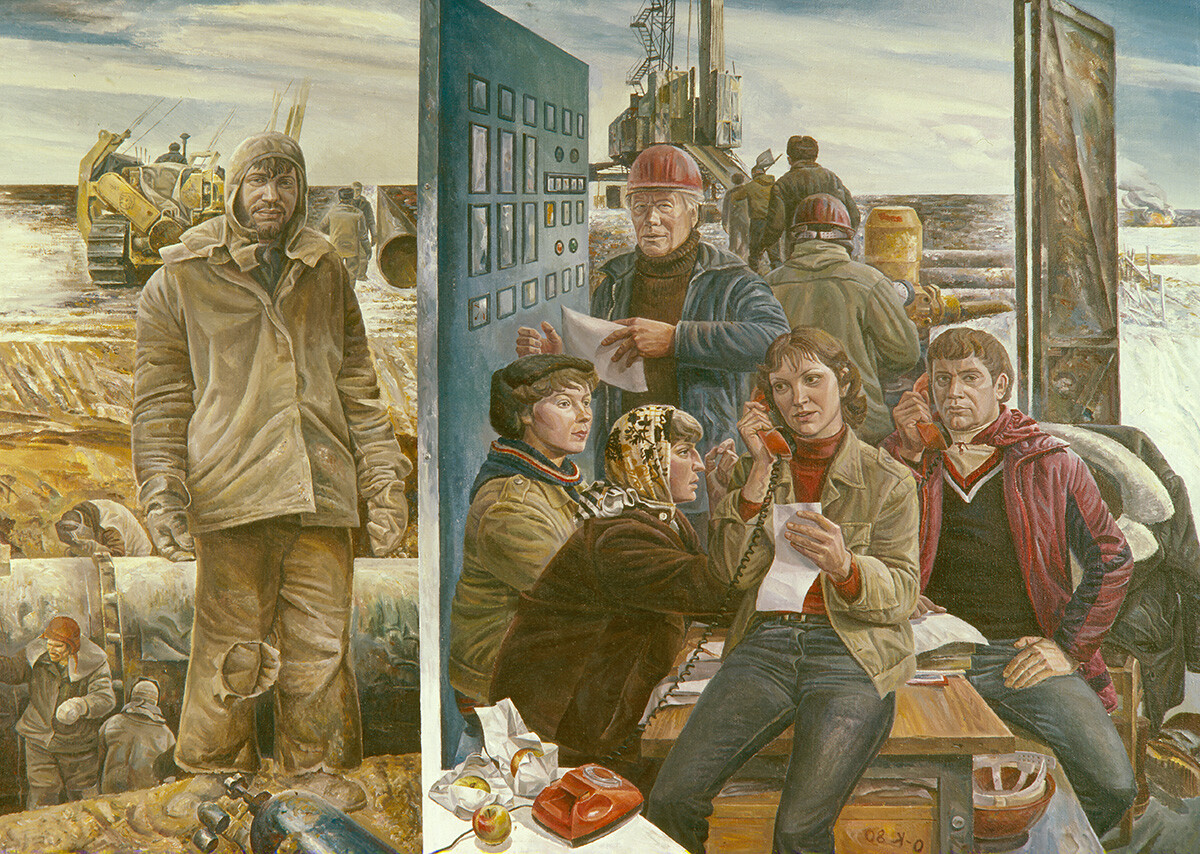 Siberian oilmen, 1980.