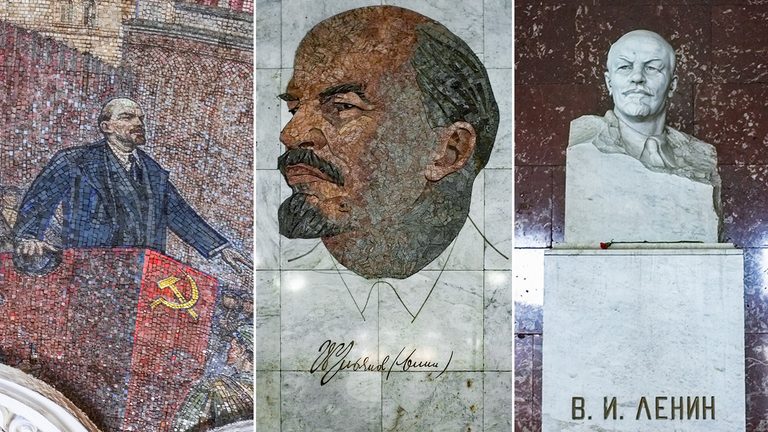


Why did Lenin want to DEMOLISH the Bolshoi Theater?

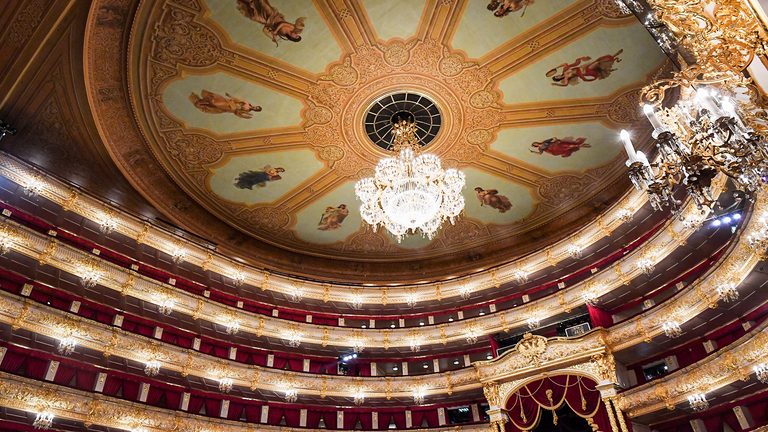
In the first years of Soviet power, the fate of the famous theater hung in the balance.
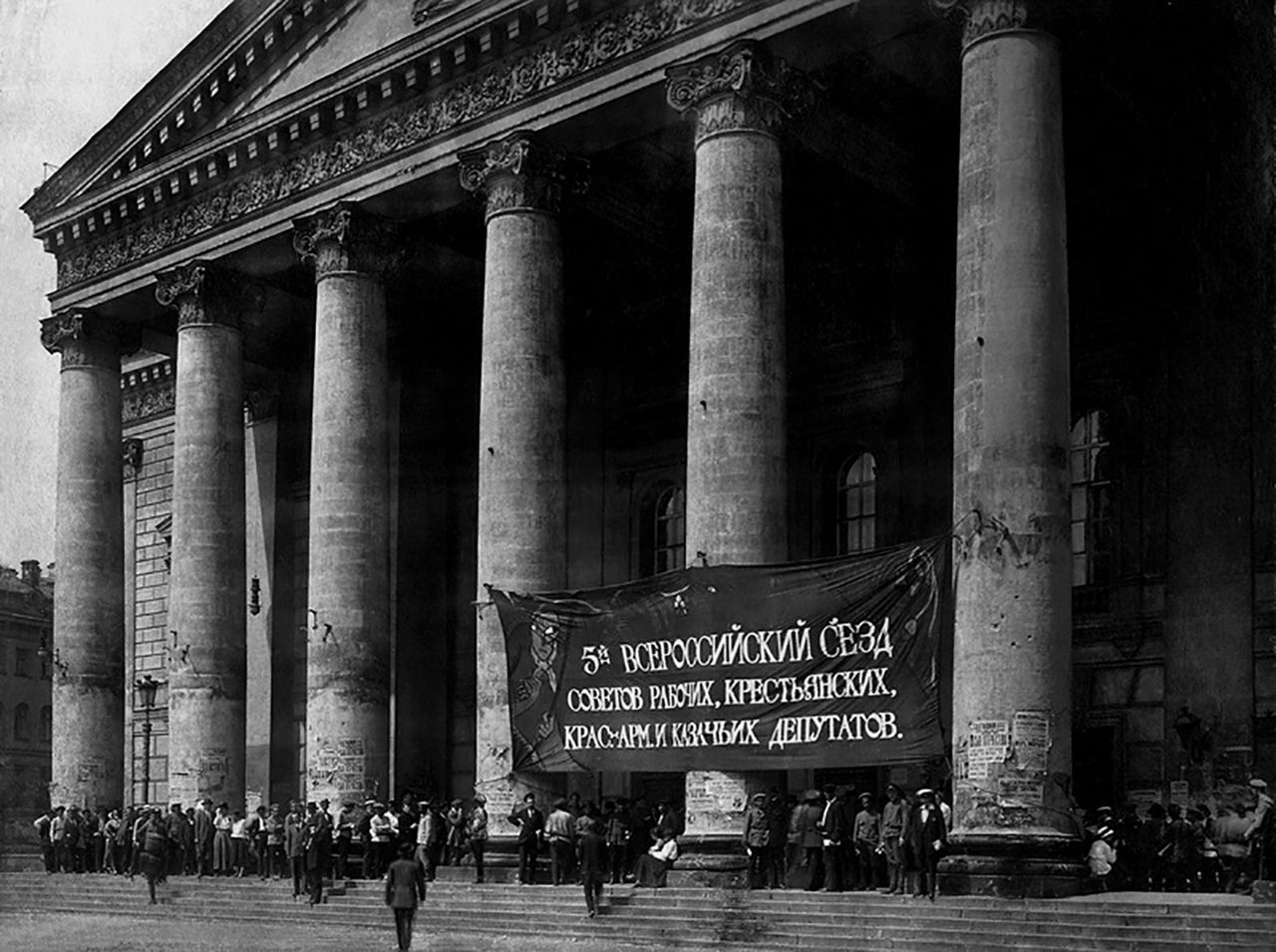
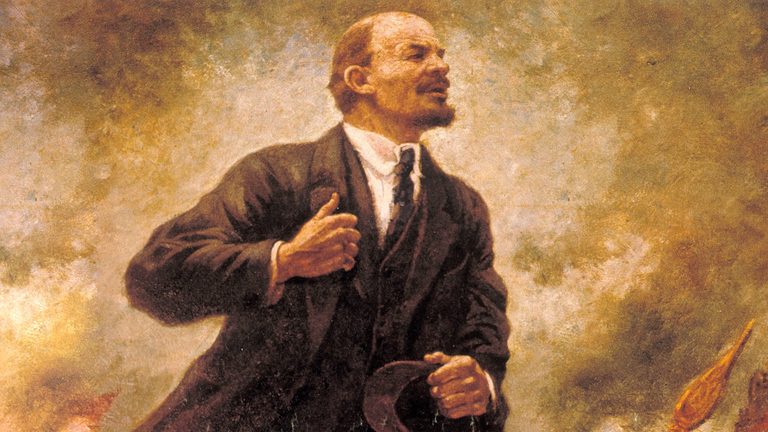
After the 1917 Bolshevik Revolution, with the young state desperately short of funds, the Bolsheviks believed that maintaining the Bolshoi Theater would be an unaffordable luxury. Furthermore, Vladimir Lenin himself, although he respected art, believed opera and ballet to be “alien” to the proletariat.
On the stage of the Bolshoi, alongside classical productions, one could see ballets like ‘Stenka Razin’ and operas like ‘Battleship Potemkin’, which aligned with the ideology of the time. But, the costs for the opera and ballet companies, the sets and the upkeep of the building itself were simply enormous.
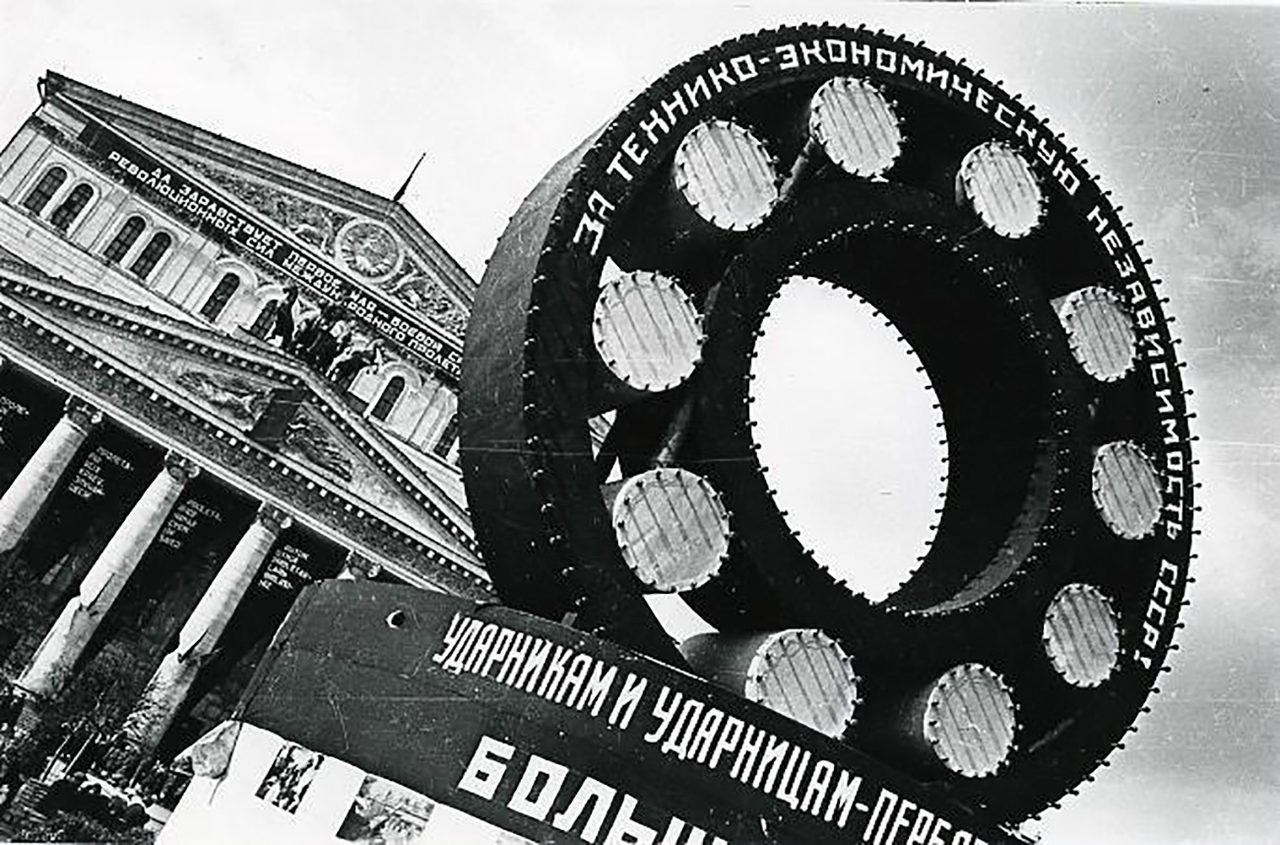
In 1921, the work of the Bolshoi was reviewed by a commission for the reorganization of Russian institutions. Experts calculated that the monthly cost of maintaining the theater was enough to support 4,000 schoolteachers.
In 1922, on Vladimir Lenin's initiative, a Politburo resolution was issued to close the Bolshoi Theater.
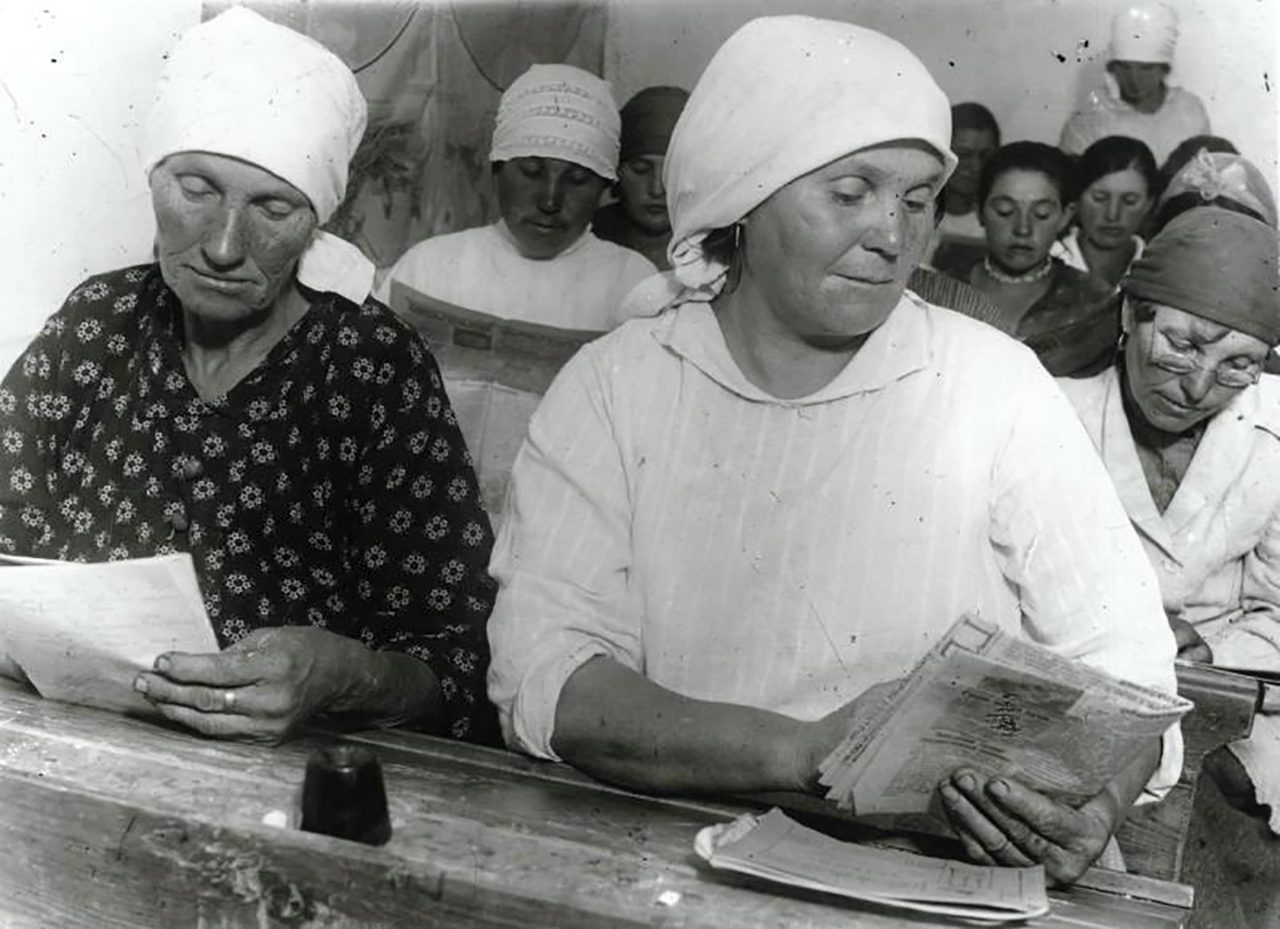
Lenin proposed retaining only a few dozen performers, so that their performances could be profitable. The freed-up funds would then go toward combating illiteracy. Later, he also proposed closing the Mariinsky Theater in St. Petersburg.
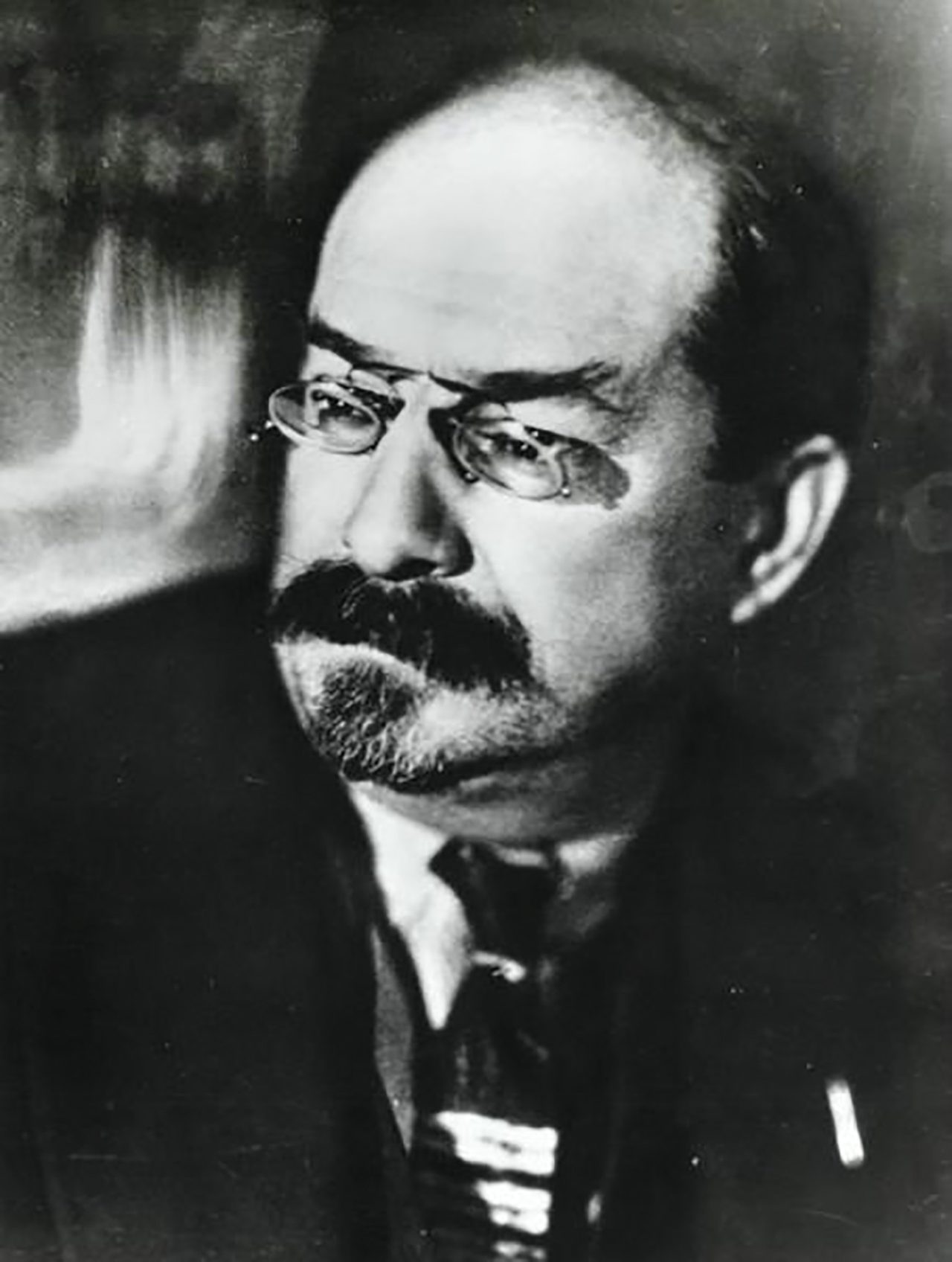
But Anatoly Lunacharsky, the People's Commissar for Education, who considered opera and ballet a national treasure, intervened. He presented Lenin with compelling evidence of the theater's economic benefits and then won over others to his side, including Joseph Stalin, who was a frequent attendee at the Bolshoi. In the end, the idea was abandoned and Stalin later transformed the Bolshoi Theater into a cultural symbol of the USSR.