
5 reasons to watch the Russian animated series ‘Masha and the Bear’
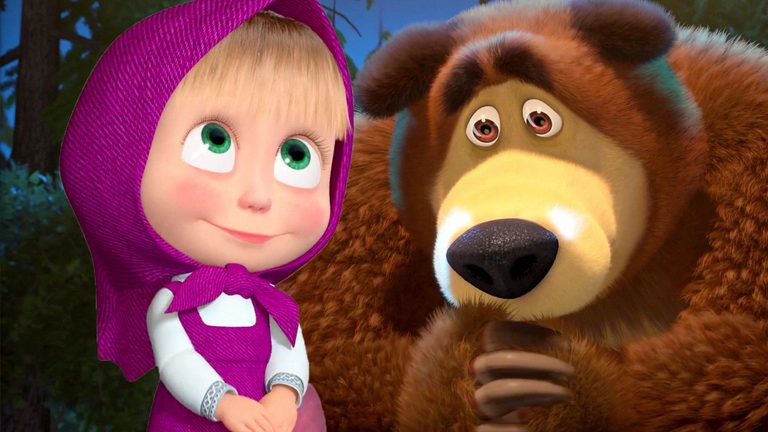
It’s already spawned countless international memes and a universal language describing parent-child relationships over the past 17 years.
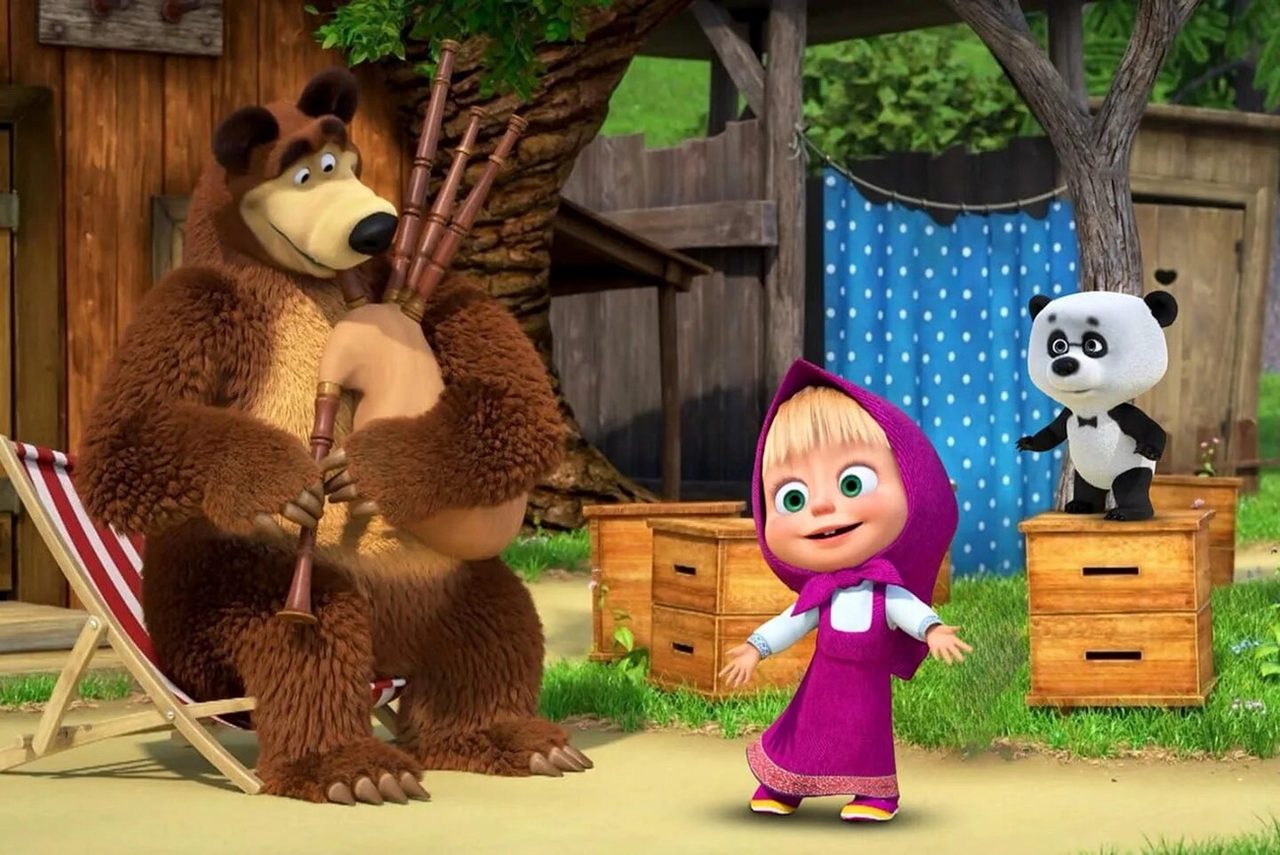
The animated series ‘Masha and the Bear’, in which Masha, a matryoshka doll-like girl wearing a headscarf, regularly goes to play at the bear's house and chaos ensues. It’s been translated into 25 languages and is broadcast in over 100 countries around the world. The episode ‘Masha Plus Porridge’ made it into the Guinness World Records as the most-viewed animated video on YouTube. In 2015, the animated series won the prestigious ‘Kidscreen Awards’ and, now, Netflix has acquired two new seasons.
So, what is it that appeals to viewers worldwide and why are the two new seasons just as good as the previous seven?
1. The heroine is based on a real girl
Oleg Kuzovkov, creator of the series, was once vacationing in Crimea when noticed a lively little girl who wouldn’t leave anyone alone. She was so full of life and restless, active and outgoing that, after a couple of days, vacationers began hiding from her. These character traits make the character relatable to parents and children all over the world.
2. A universal language of communication
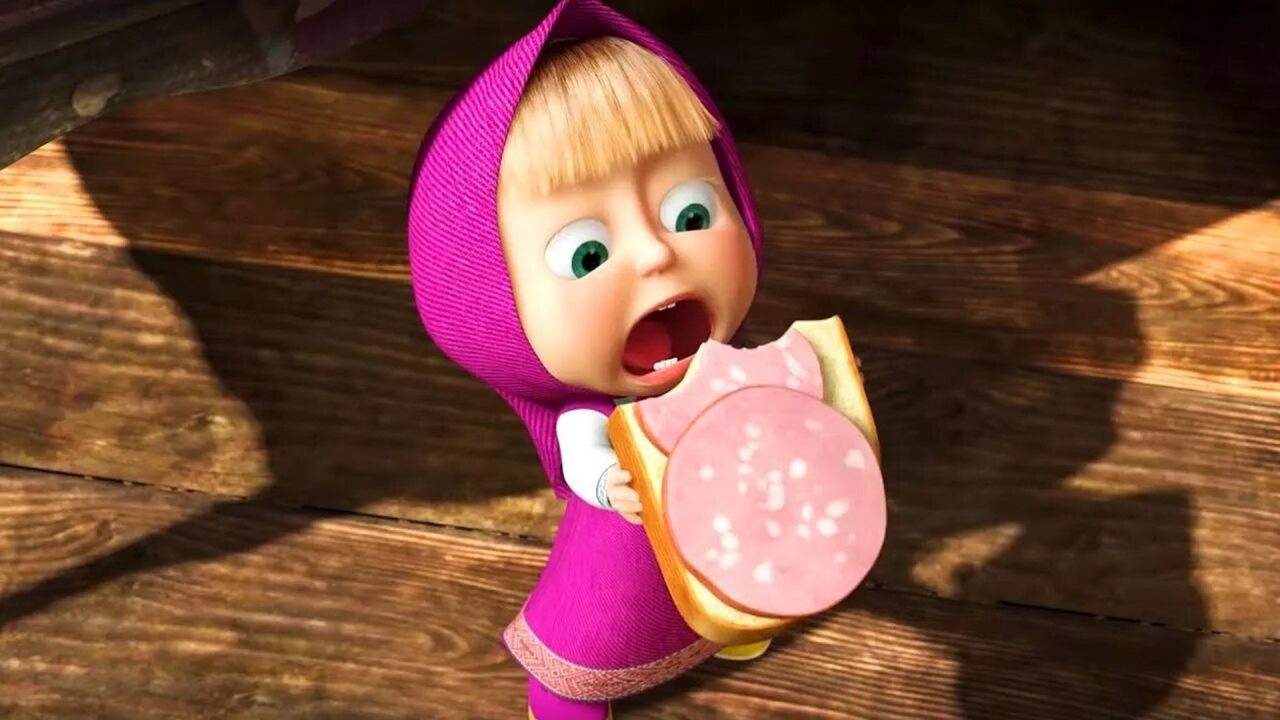
The plot revolves around the relationship between a mischievous, energetic child and a patient, caring adult (the Bear). The cartoon has little dialogue, but plenty of action and expressive facial expressions. In terms of format, it’s similar to silent films and pantomime, which is why it is understood and appreciated worldwide. Its humorous and relatable conflicts are familiar and close to the heart of every family, regardless of where they live.
3. "Two-Level" humor for children & adults
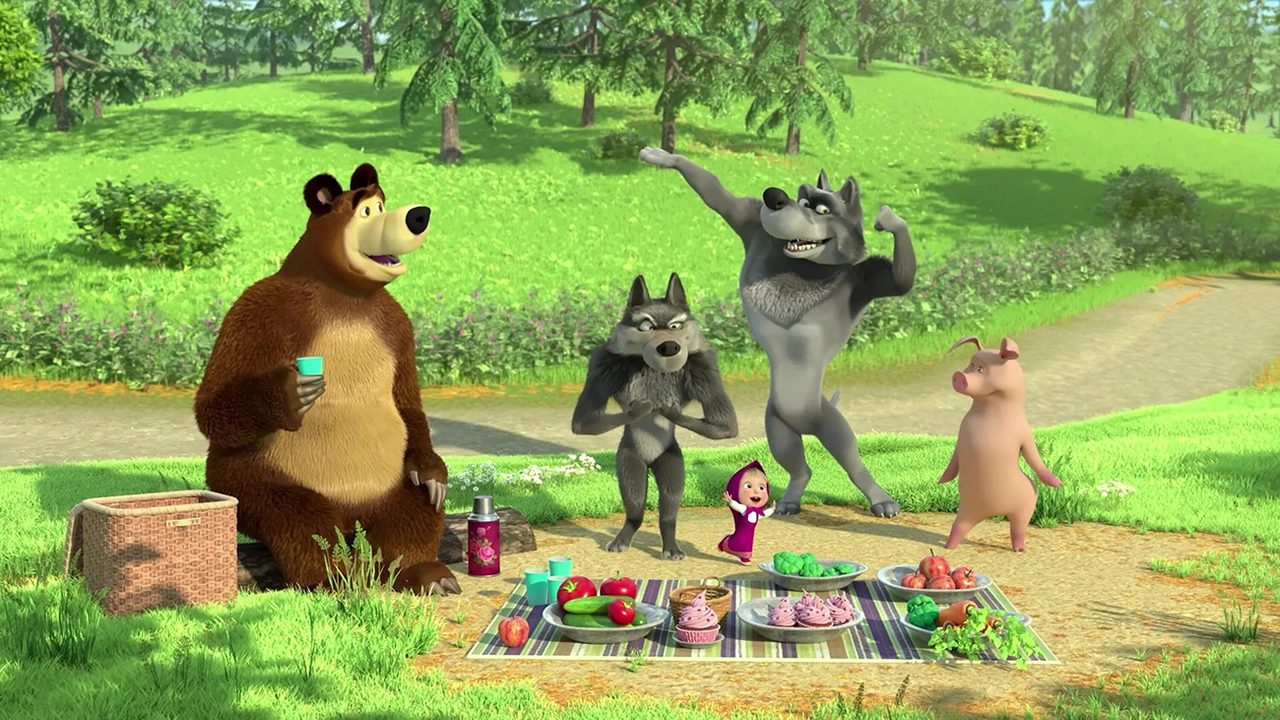
For children, these are fun, dynamic adventures. For adults, the creators include "cultural clues" – references to classical literature, opera, jazz and folklore. For example, an entire episode might be a parody of Charles Perrault's ‘Little Red Riding Hood’. Or it might be based on a performance of Alexander Alyabyev's famous romance ‘The Nightingale’.
4. No didacticism or moralizing undertones
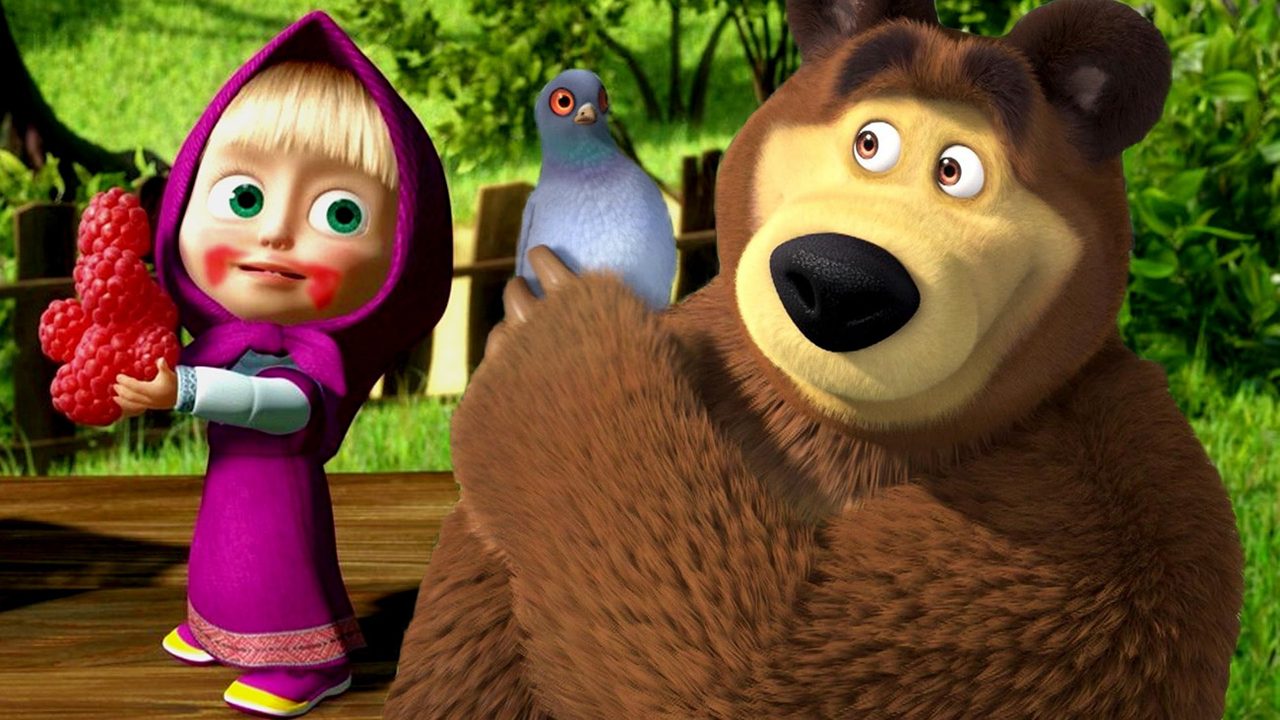
Instead of boring lectures, the cartoon uses humor and adventure to demonstrate the importance of true friendship, care, knowledge, skills, competence and creative freedom. It teaches values through action and emotion, not through direct instruction.
5. Lots of Music
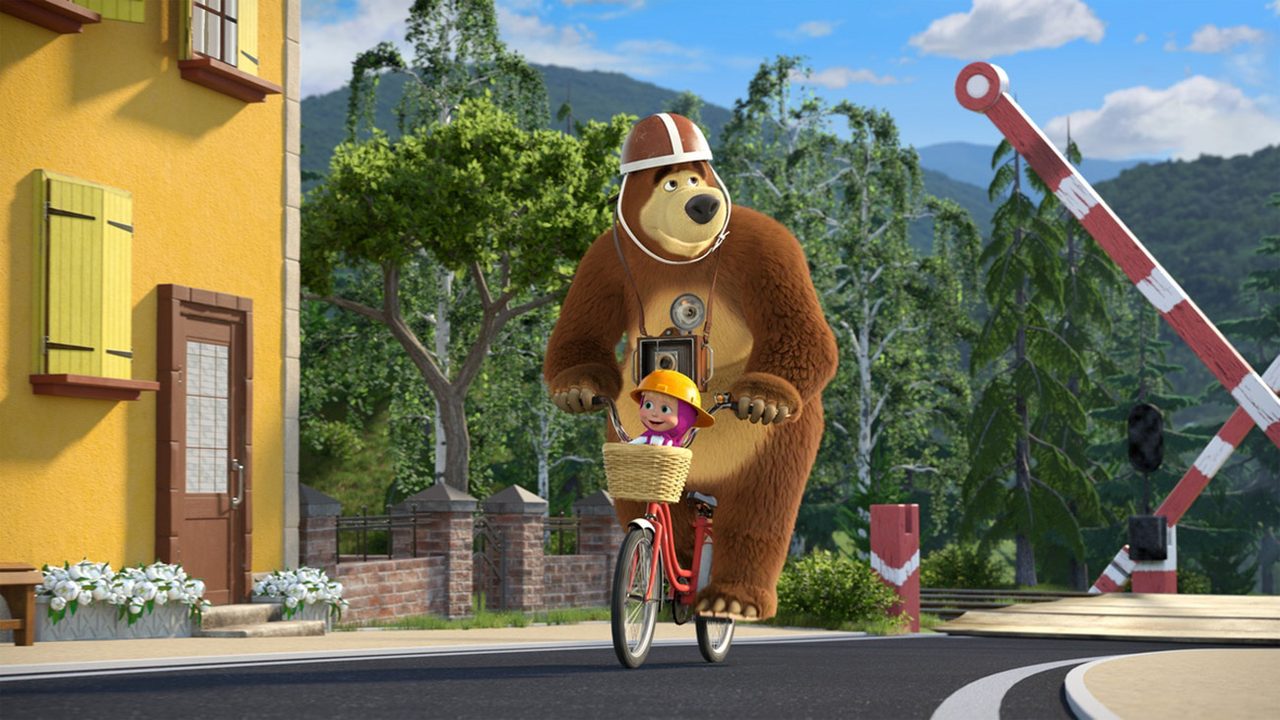
The music in the animated series, composed by Vasily Bogatyrev, is not just background music, but a fully-fledged part of the narrative: it combines electronic arrangements with classical references (like Beethoven's ‘Moonlight Sonata’ in the series' ‘Wolf Sonata’), circus motifs and hard rock interludes and also features over 50 original songs that have since become hits.