
The Russian North through the eyes of artists (PICS)
A land of untouched wildlife, polar lights and island monasteries are just a few of the magnificent wonders that inspired Russian artists.
“The North is harsh and unfriendly, but I am drawn to it. I will go again to the Arctic Ocean, to great strong people,” artist Vasily Perepletchikov wrote in the early 20th century.
The so-called Russian North starts at the coast of the Arctic Ocean and the impenetrable forests of Arkhangelsk Region and stretches almost as far as St. Petersburg. Despite its geographic location, the city is not considered to be the Russian North, probably because of its distinctly Western European flavor.
There, in an almost desolate land, monks sought refuge from the hustle and bustle of our world. For a long time, timber, wax and furs were brought from all over the country to the northern port of Arkhangelsk for shipment to Europe. Only with the founding of St. Petersburg and the incorporation of Riga and Revel (now Tallinn) in the first half of the 18th century as a result of the Great Northern War (against Sweden), commodity flows were redirected to the Baltic.
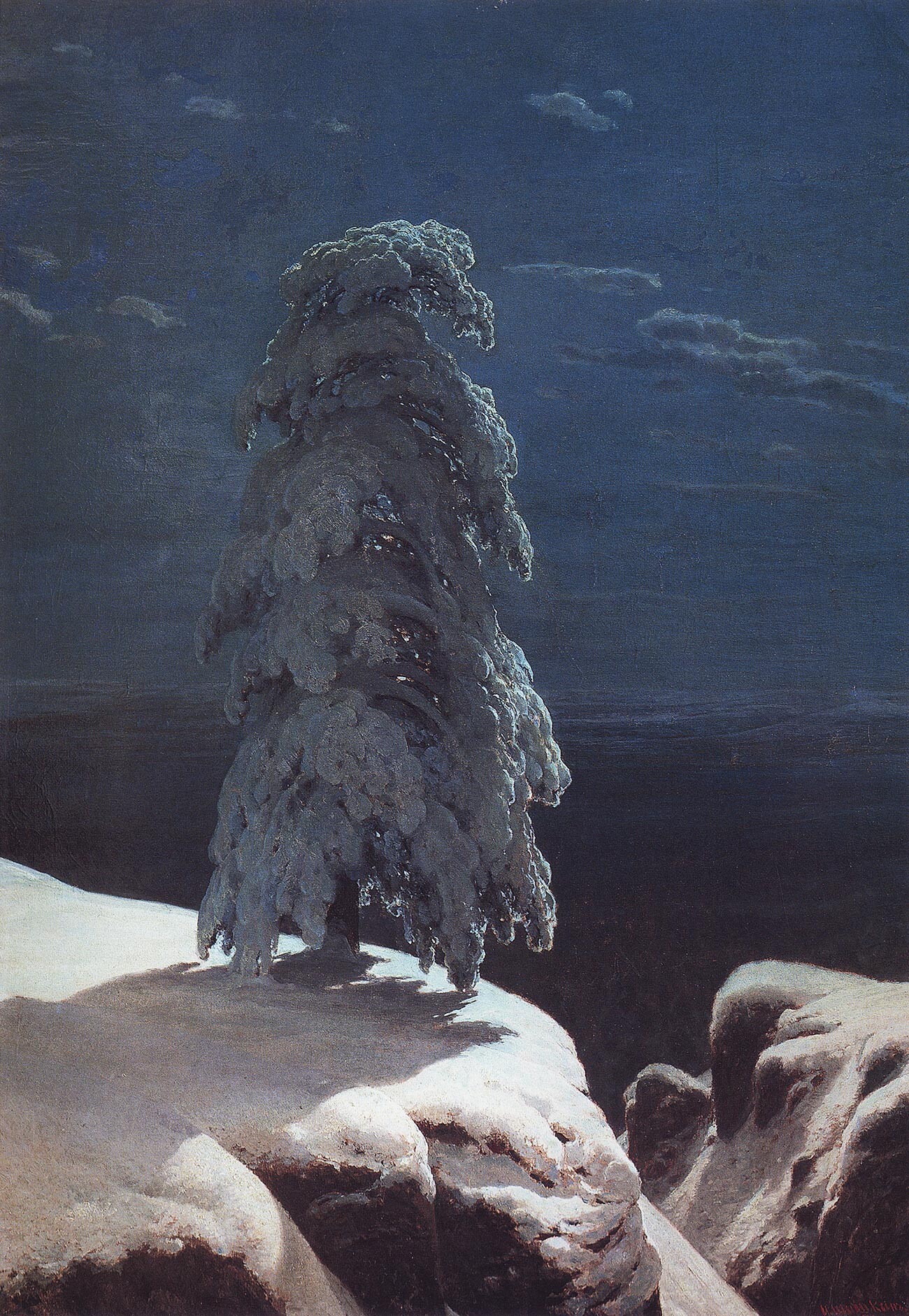 The Wild North, 1890.
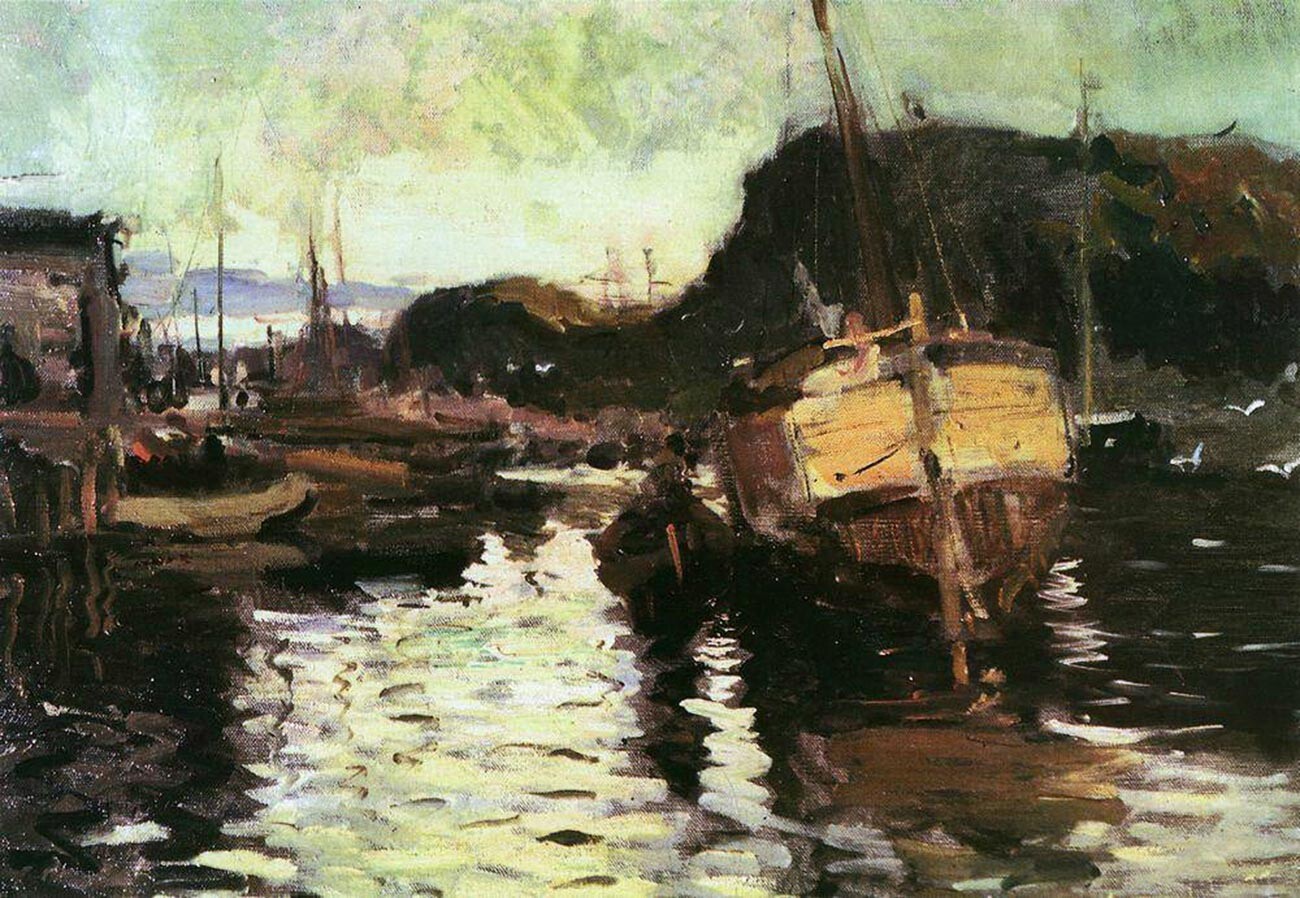 In the North, 1899.
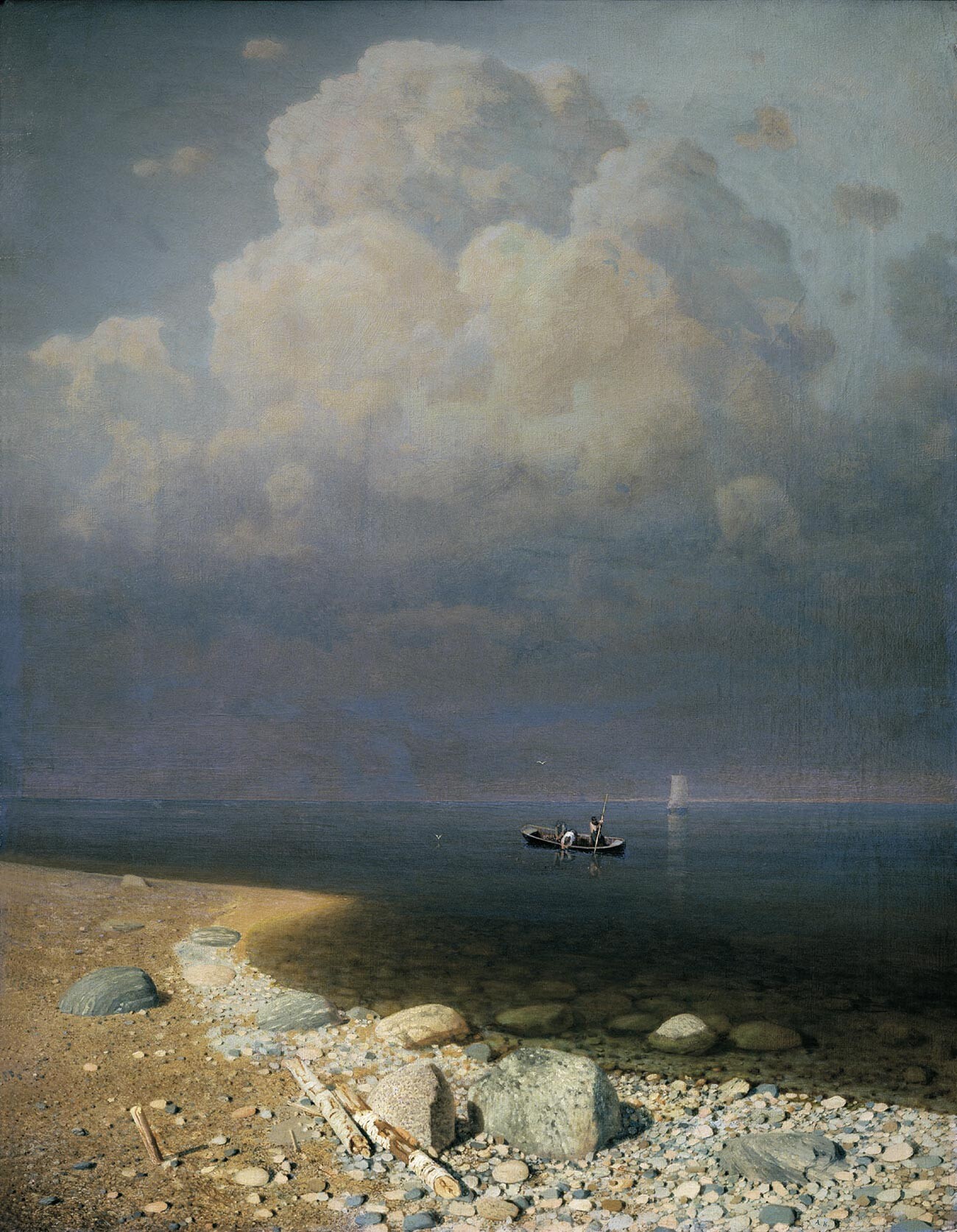 Lake Ladoga, 1873.
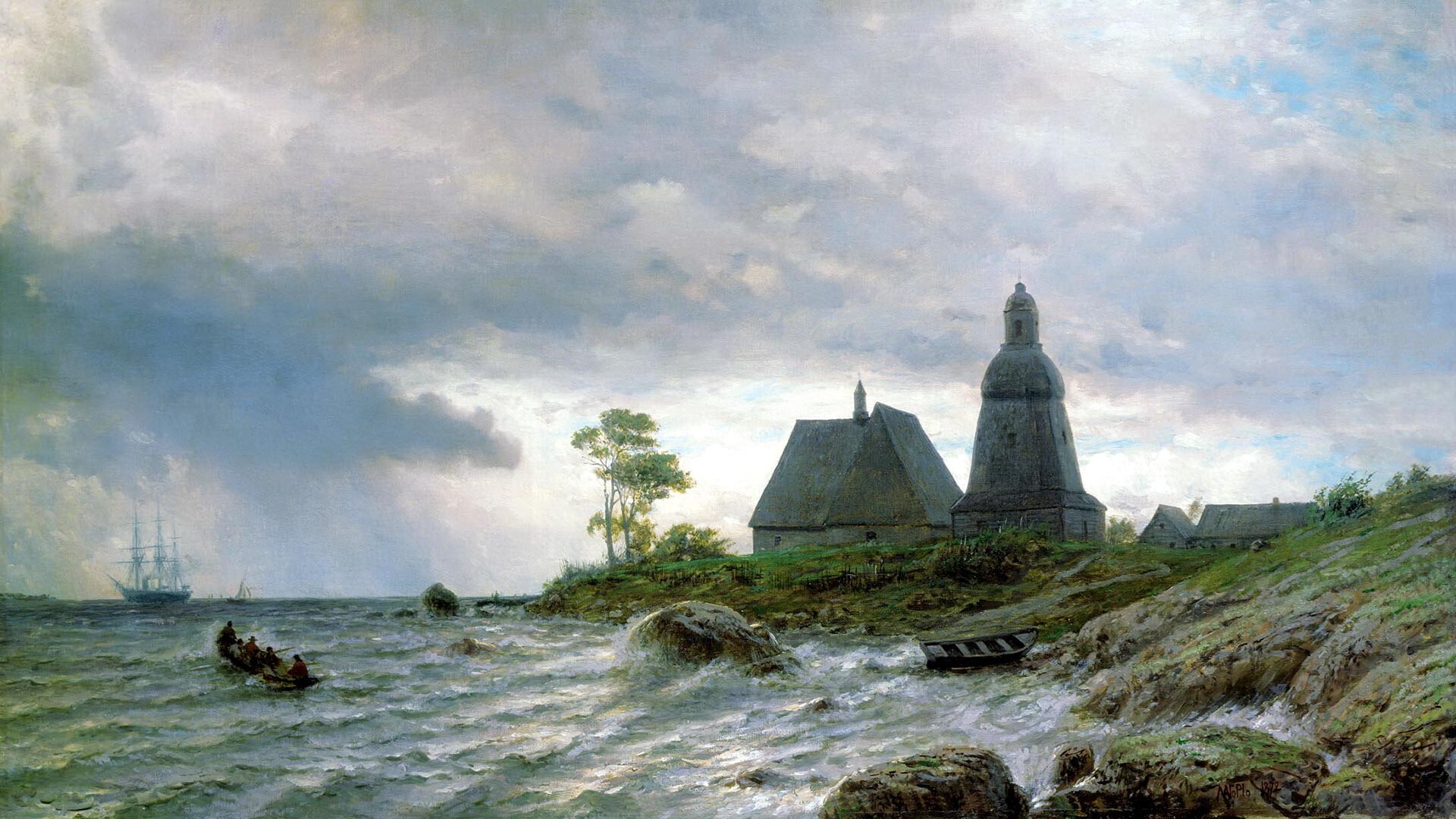
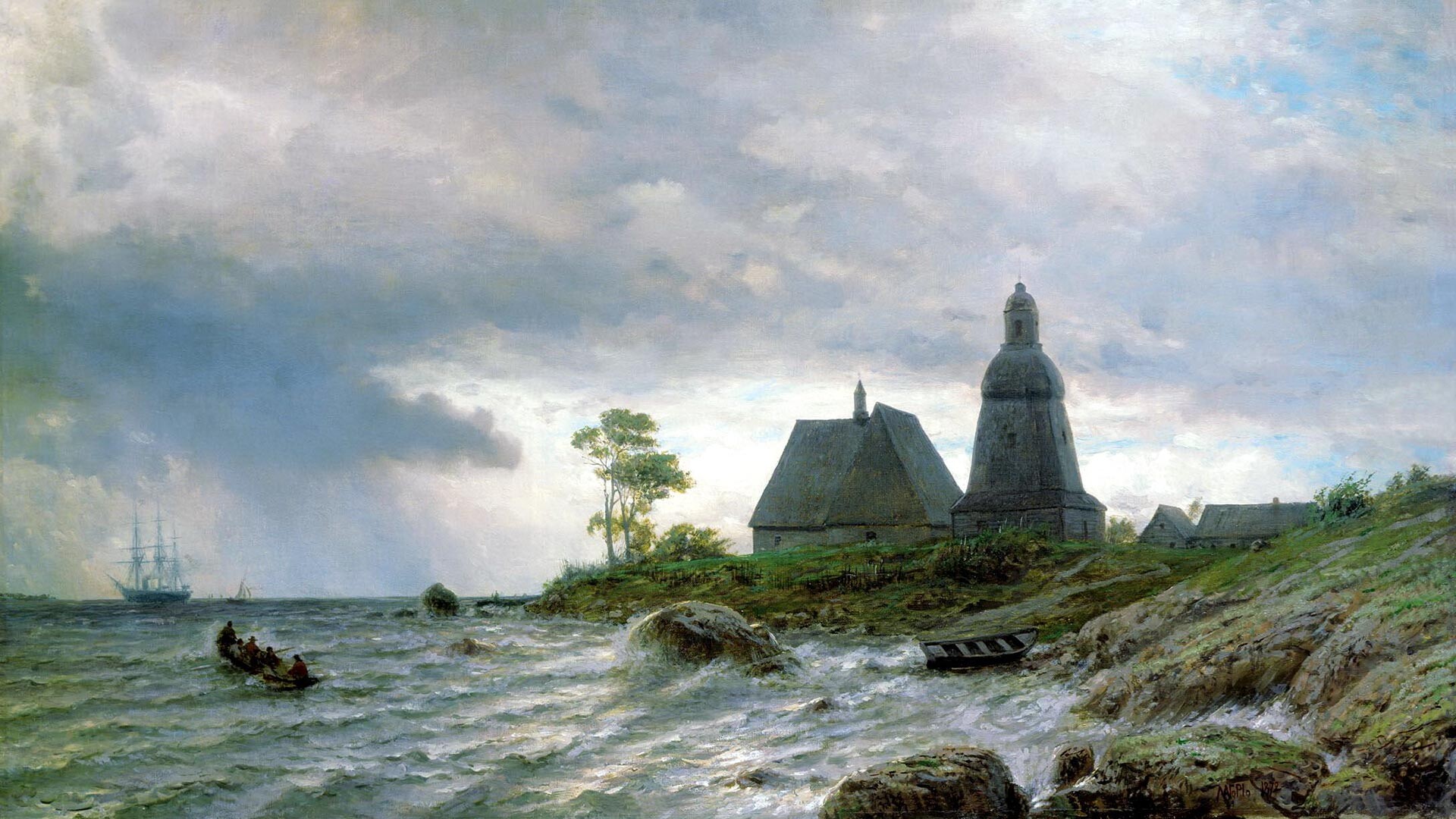 Northern landscape, 1872.
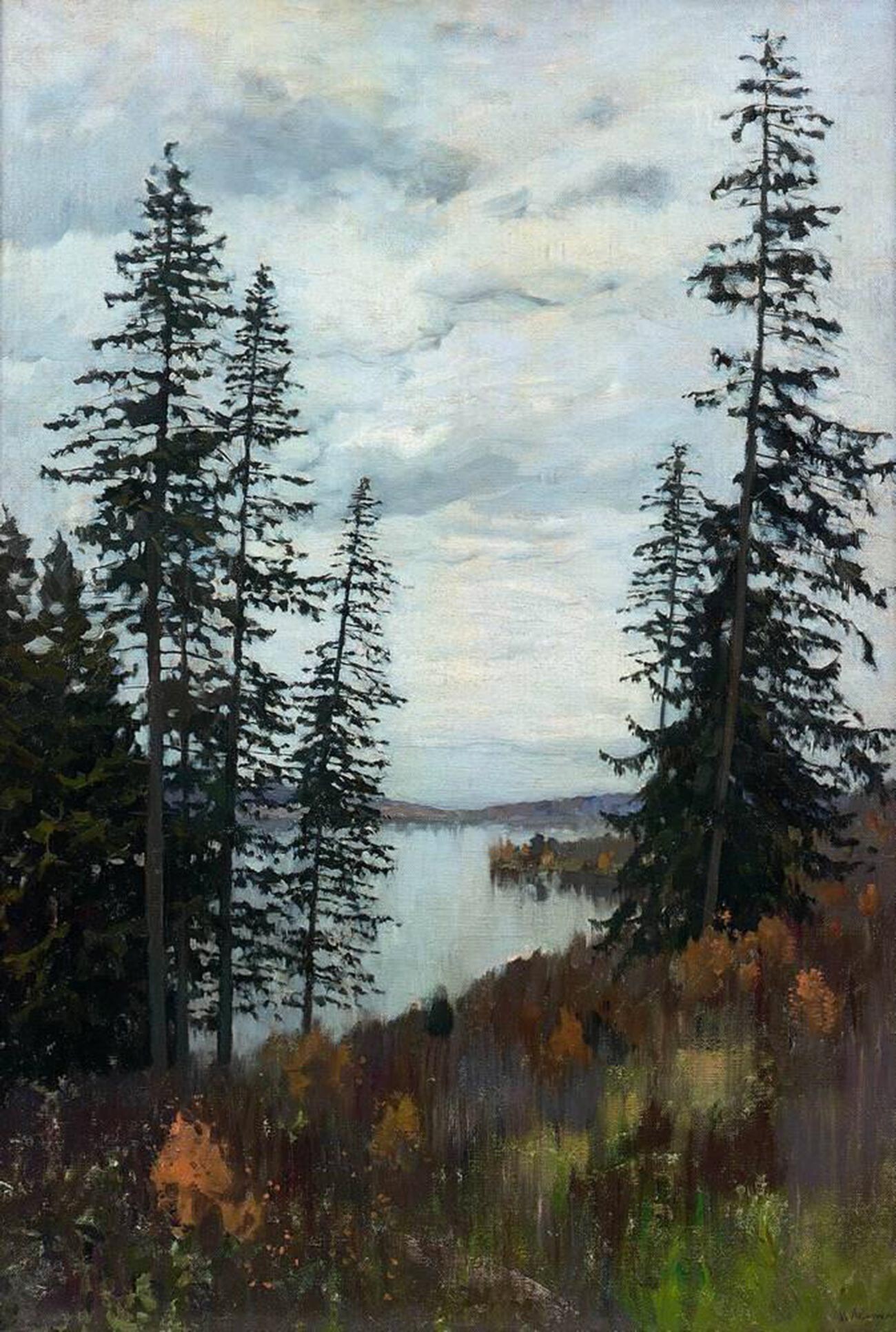 Up to the North, 1896.
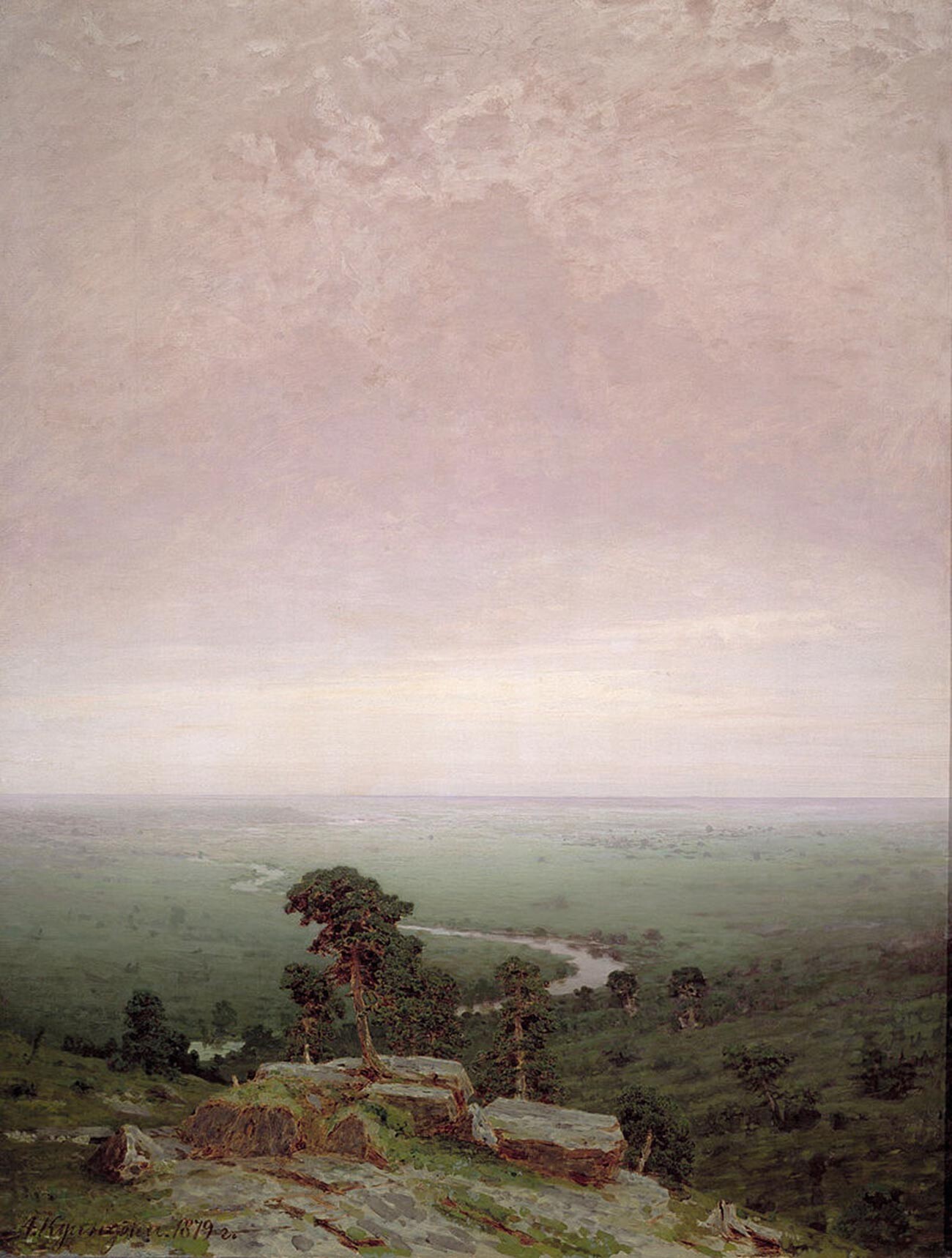 North, 1879.
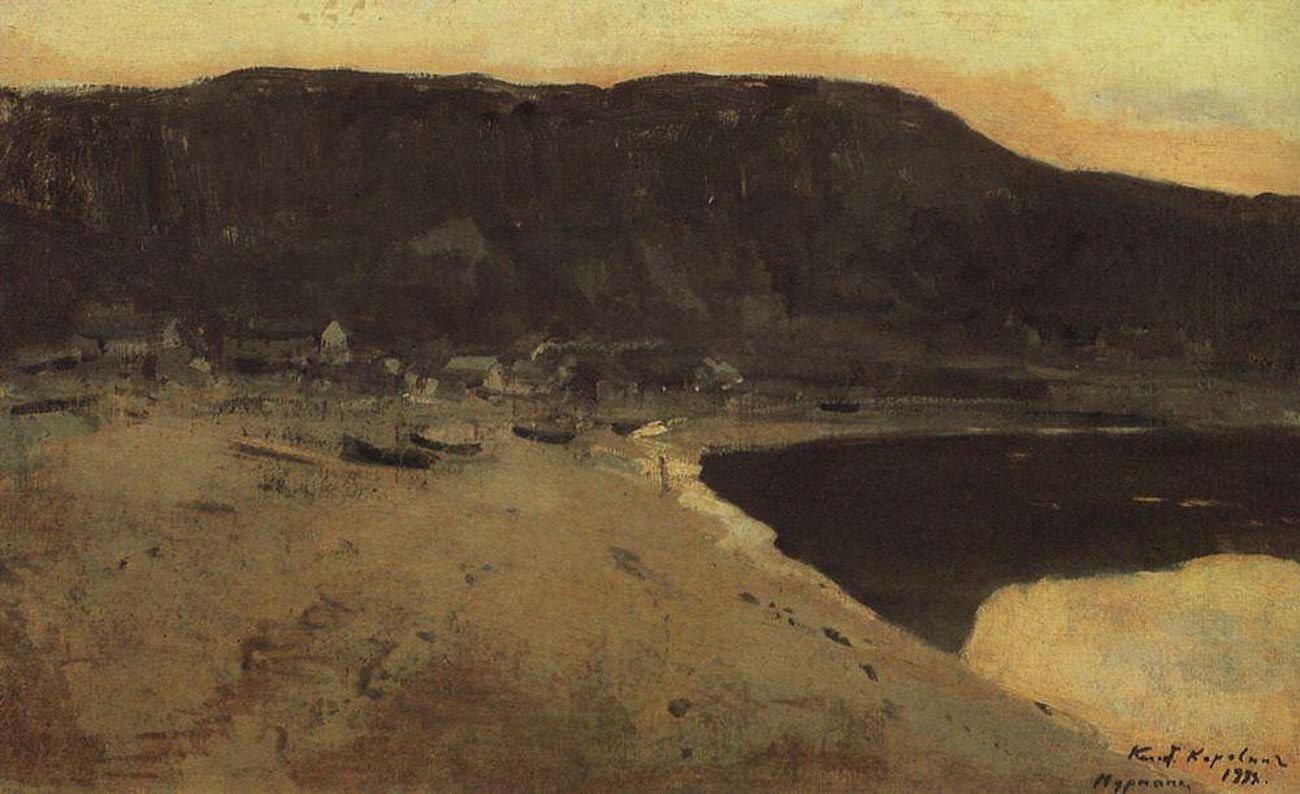 Murmansk coast, 1894.
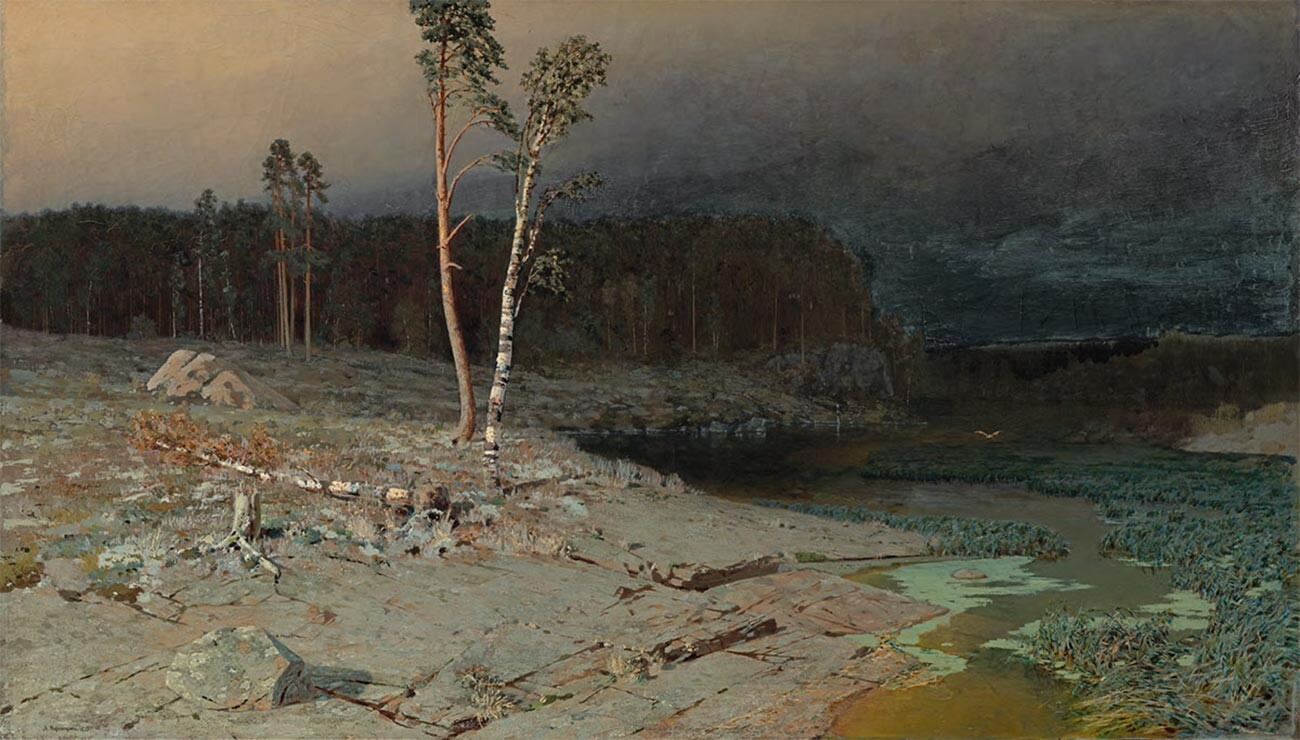 On the island of Valaam, 1873.
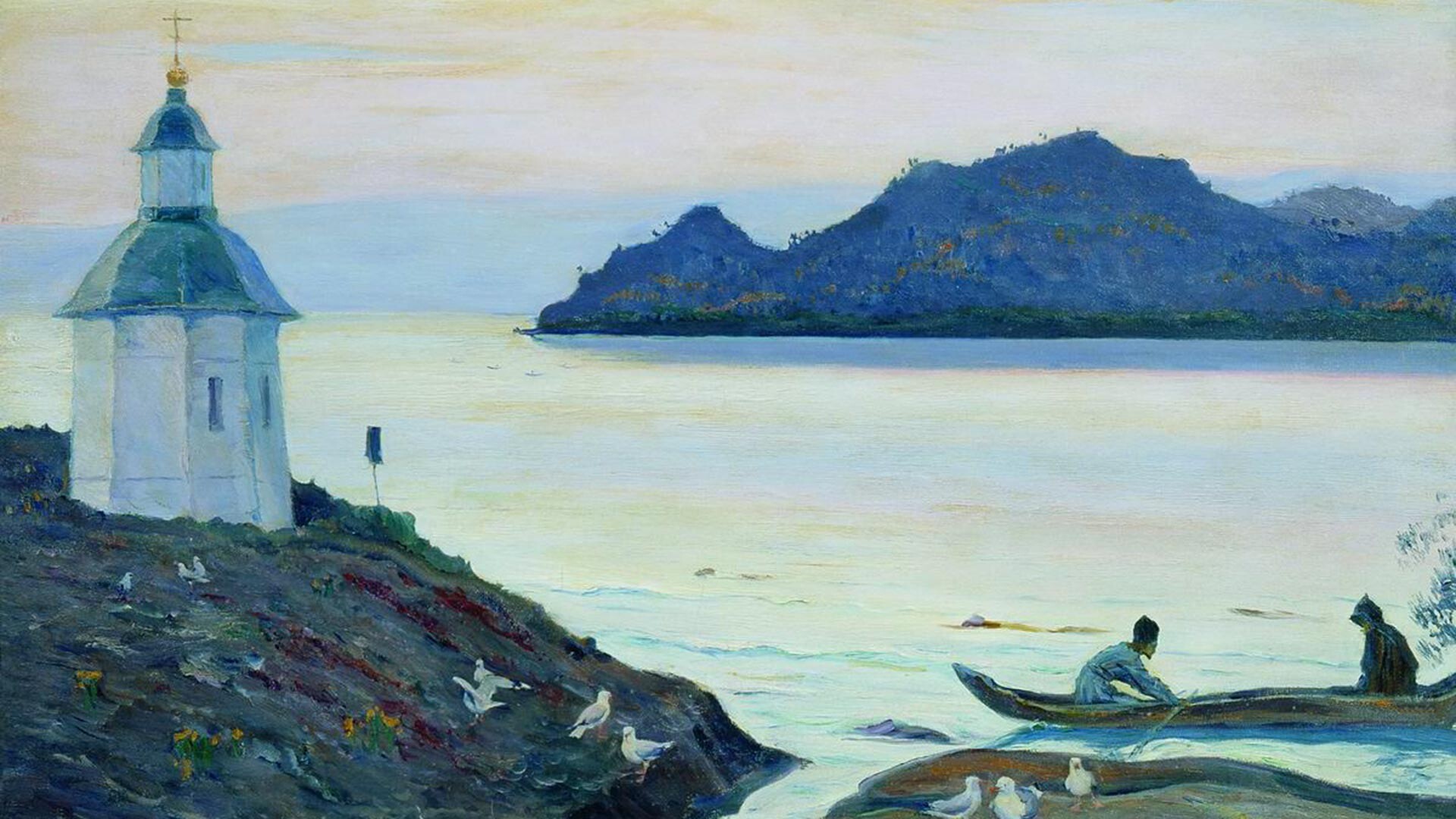 Solovki, 1917.
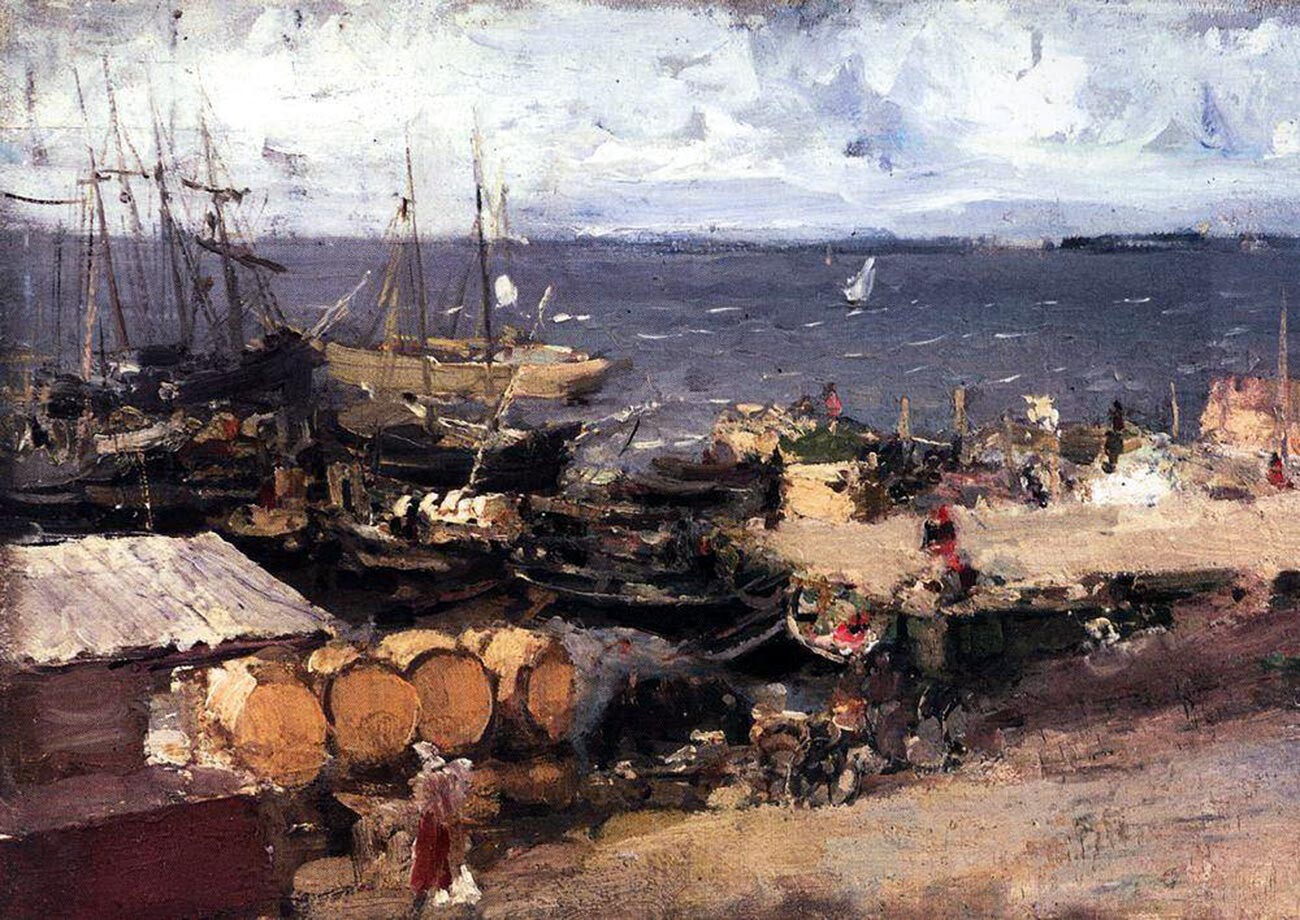 Port of Arkhangelsk on the Dvina River, 1894.
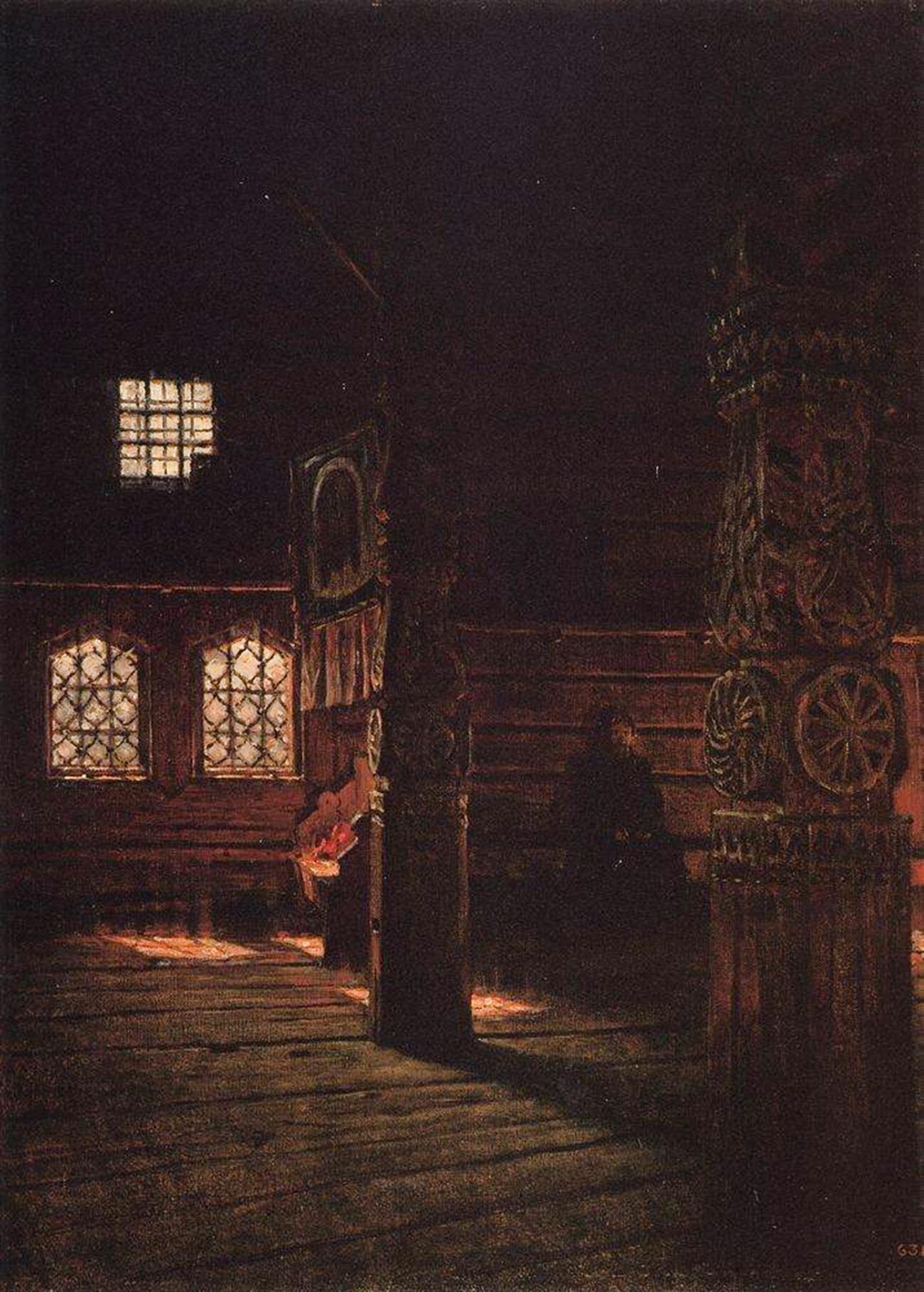 Interior view of the wooden church of Peter and Paul in Puchuga, 1894.
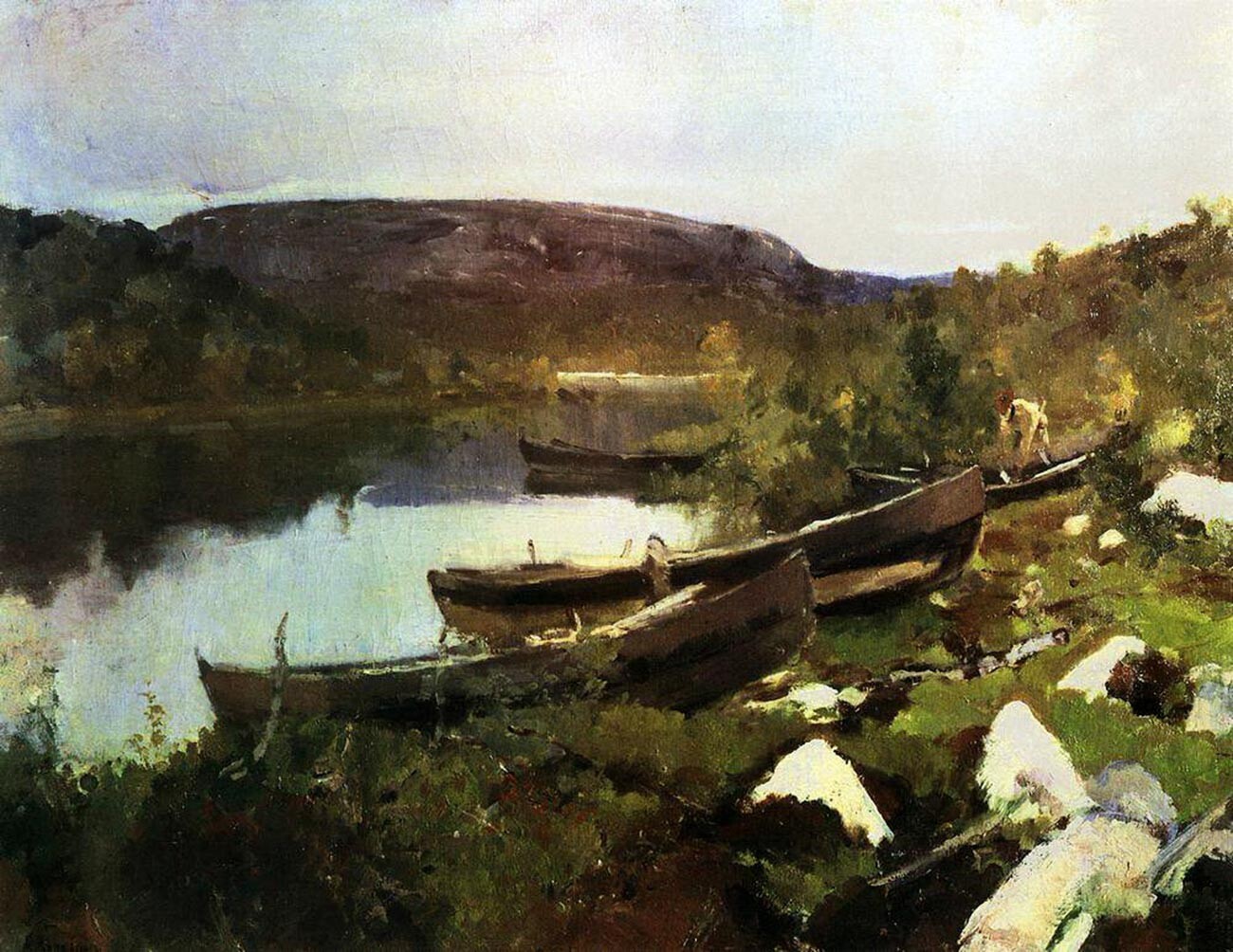 The St. Trifon’s Creek at Pechenga, 1894.
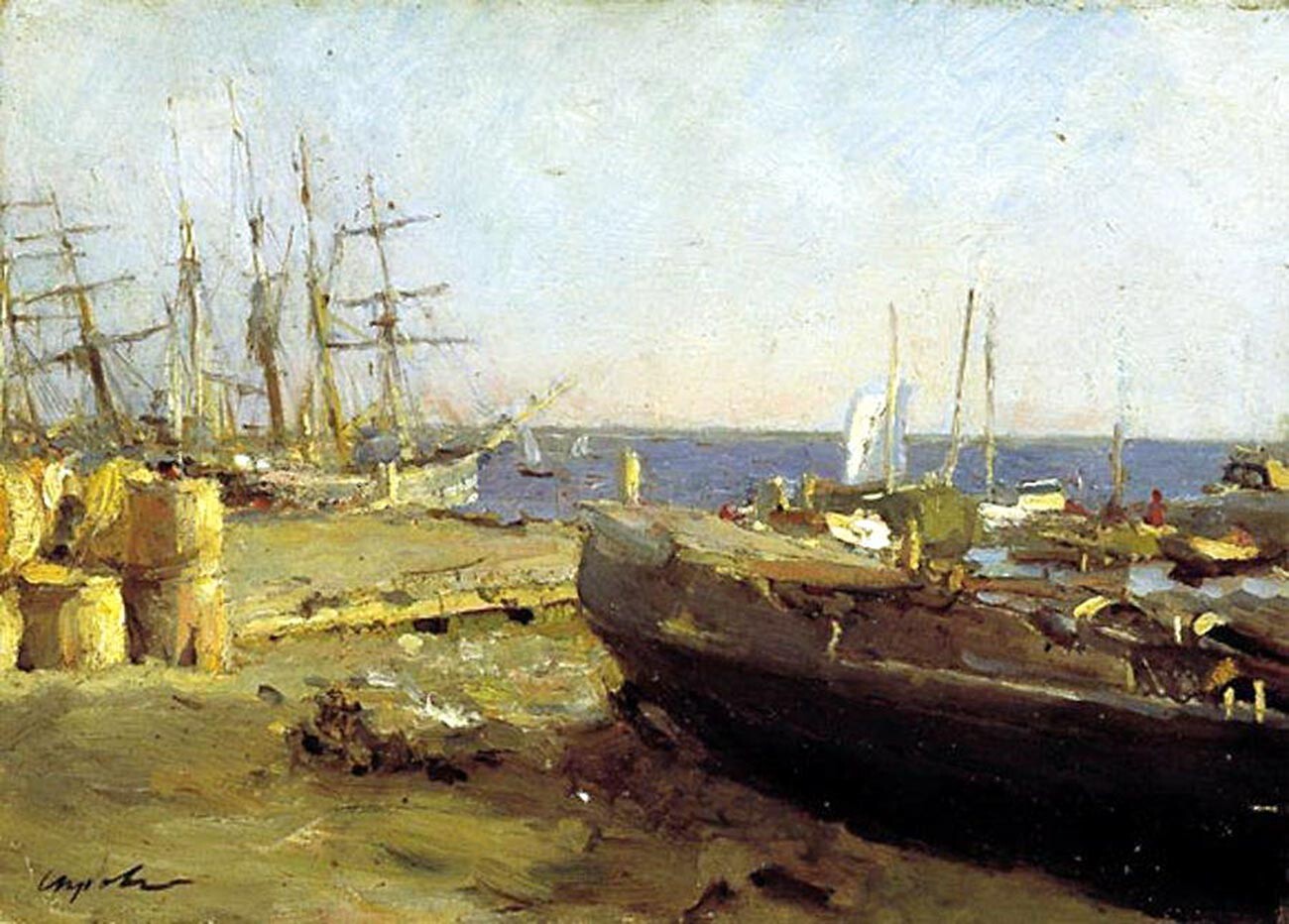 Fishing boats in Arkhangelsk, 1894.
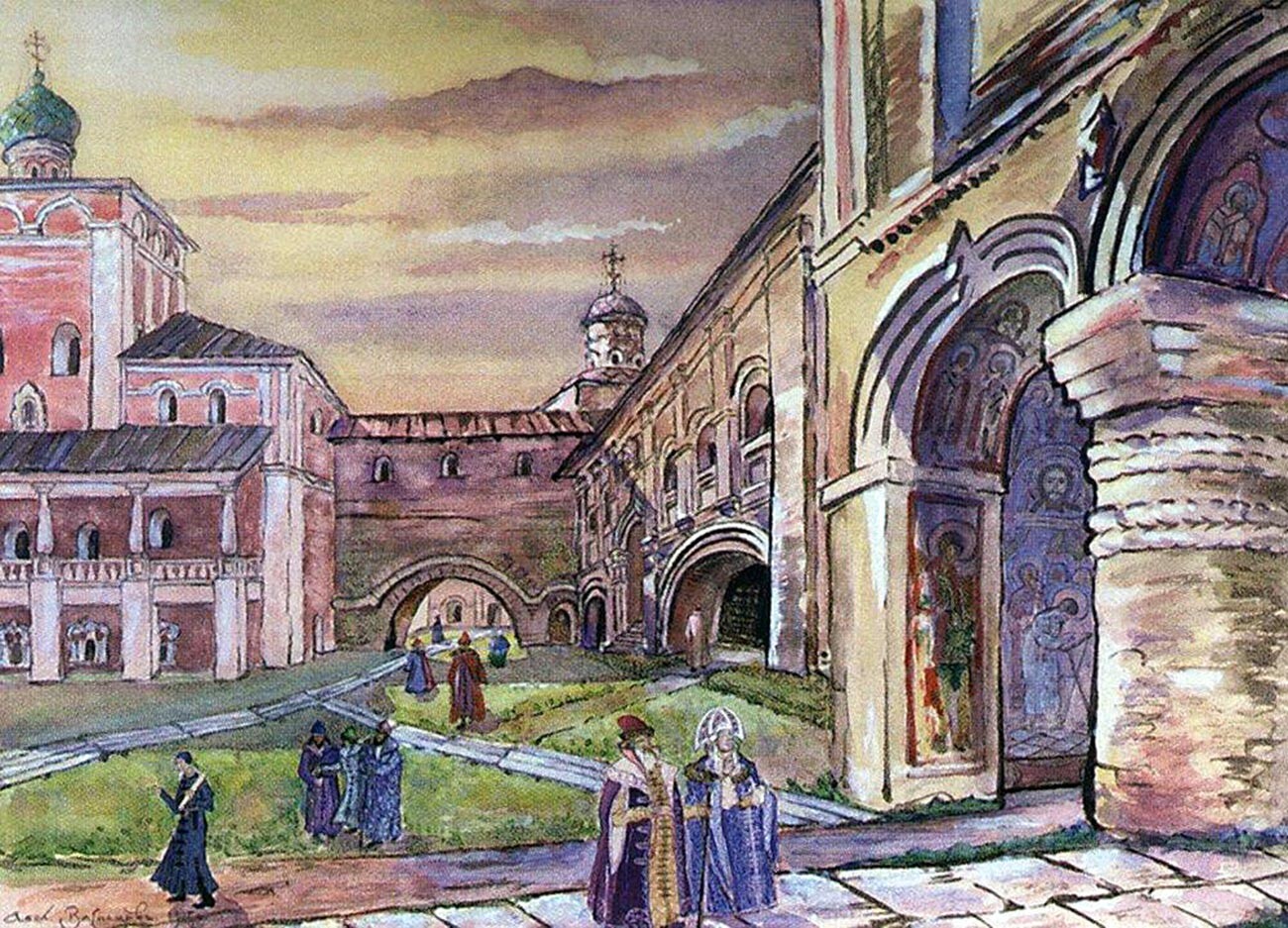 Kirillo-Belozersky monastery, 1915.
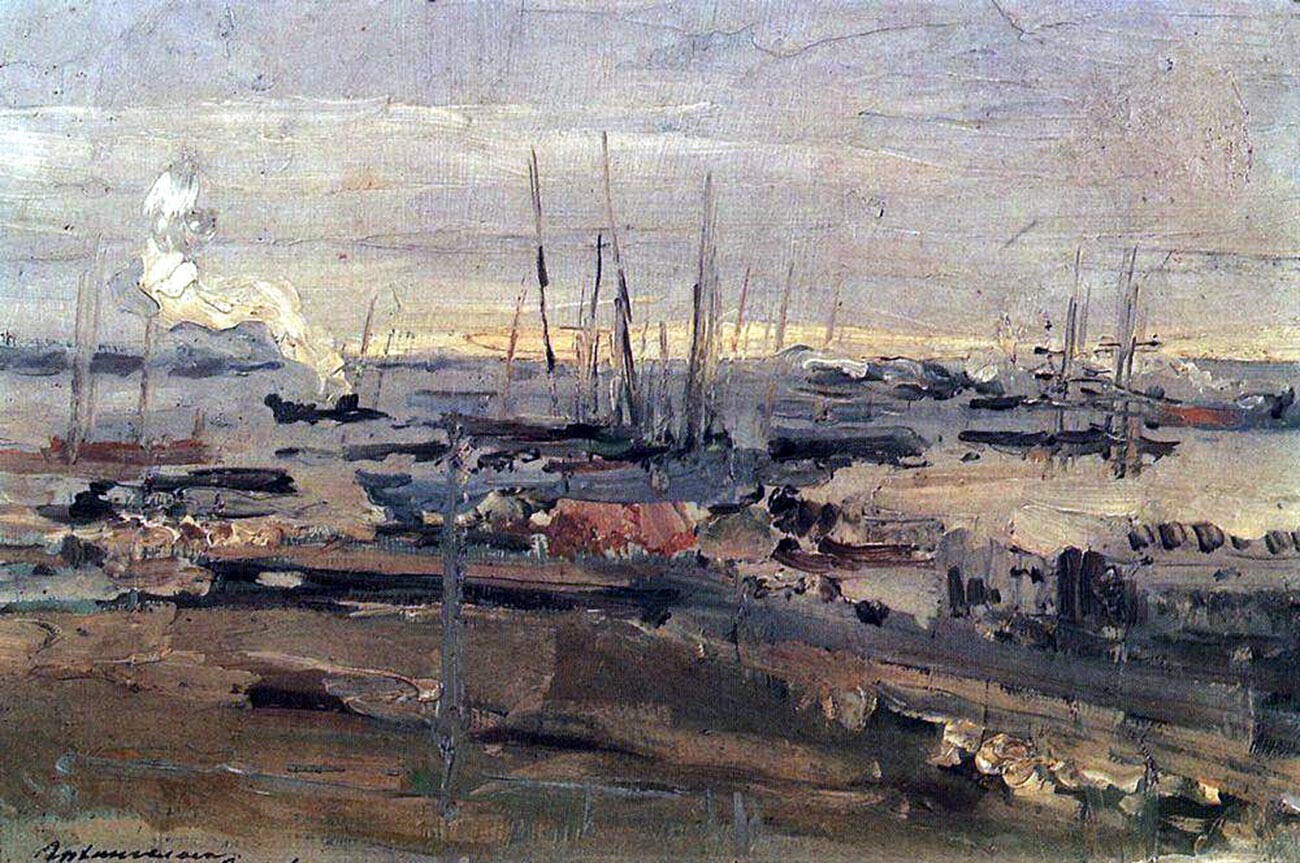 Arkhangelsk, 1897.
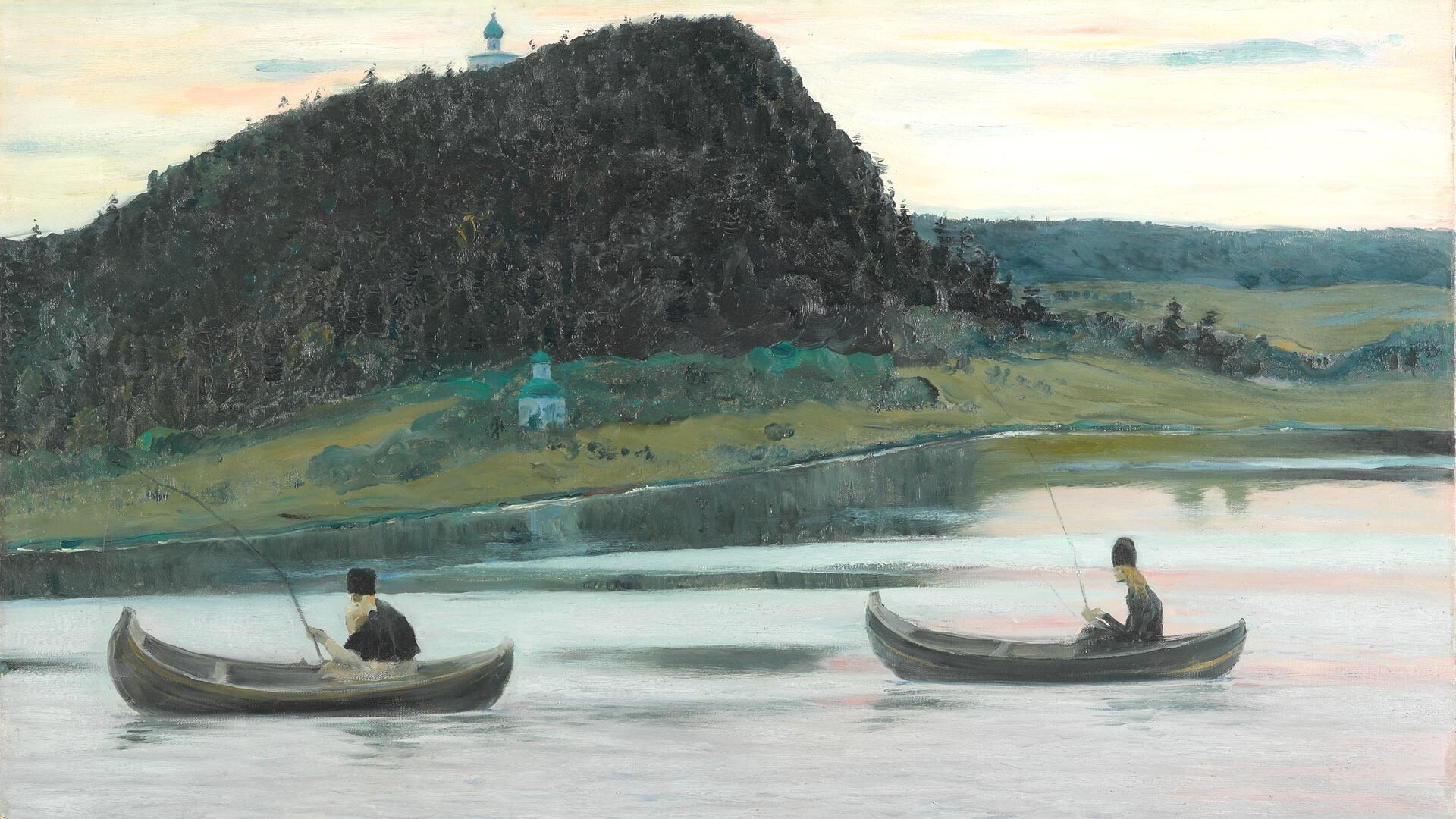 Silence, 1903.
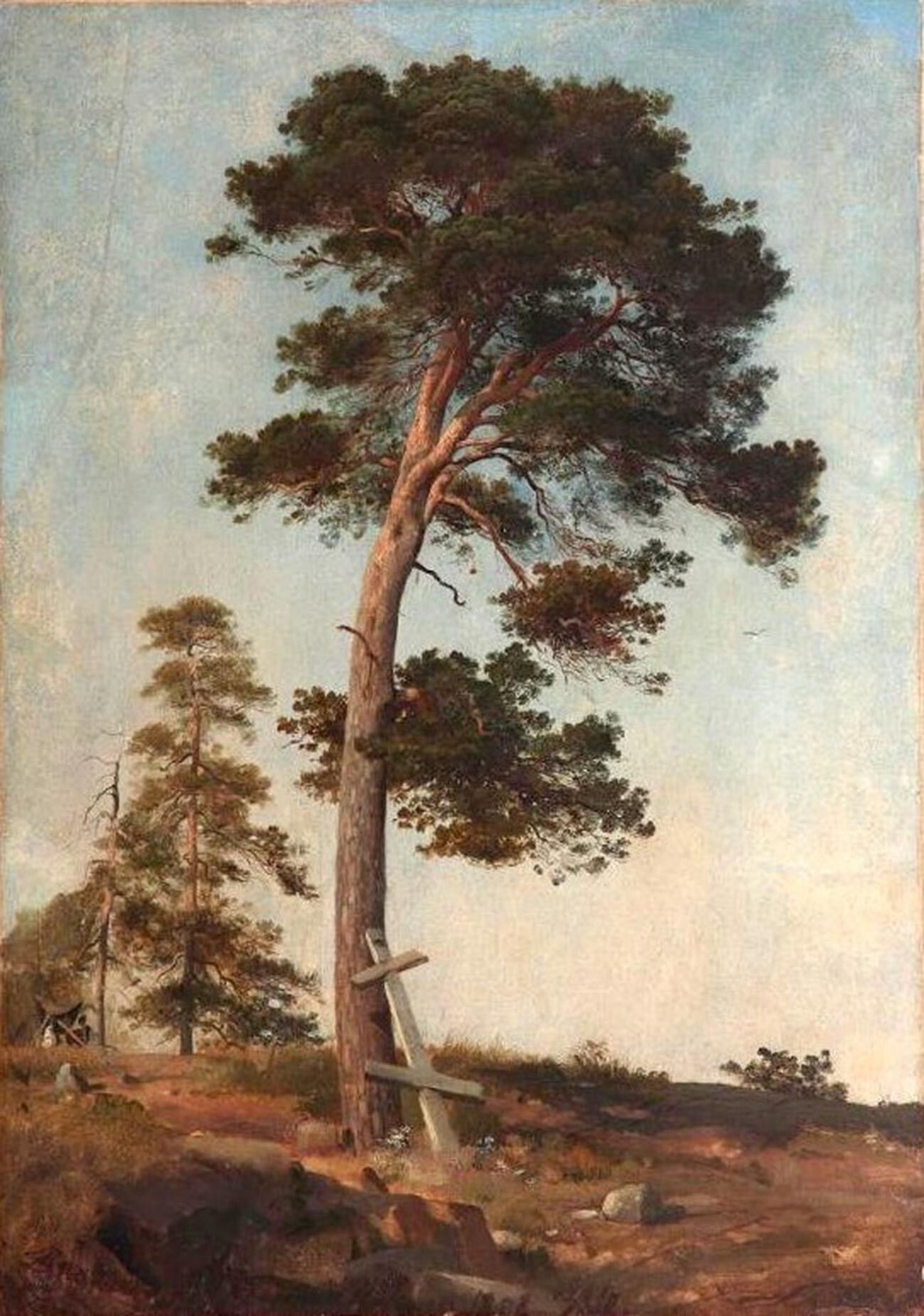 Pine on Valaam, 1858.
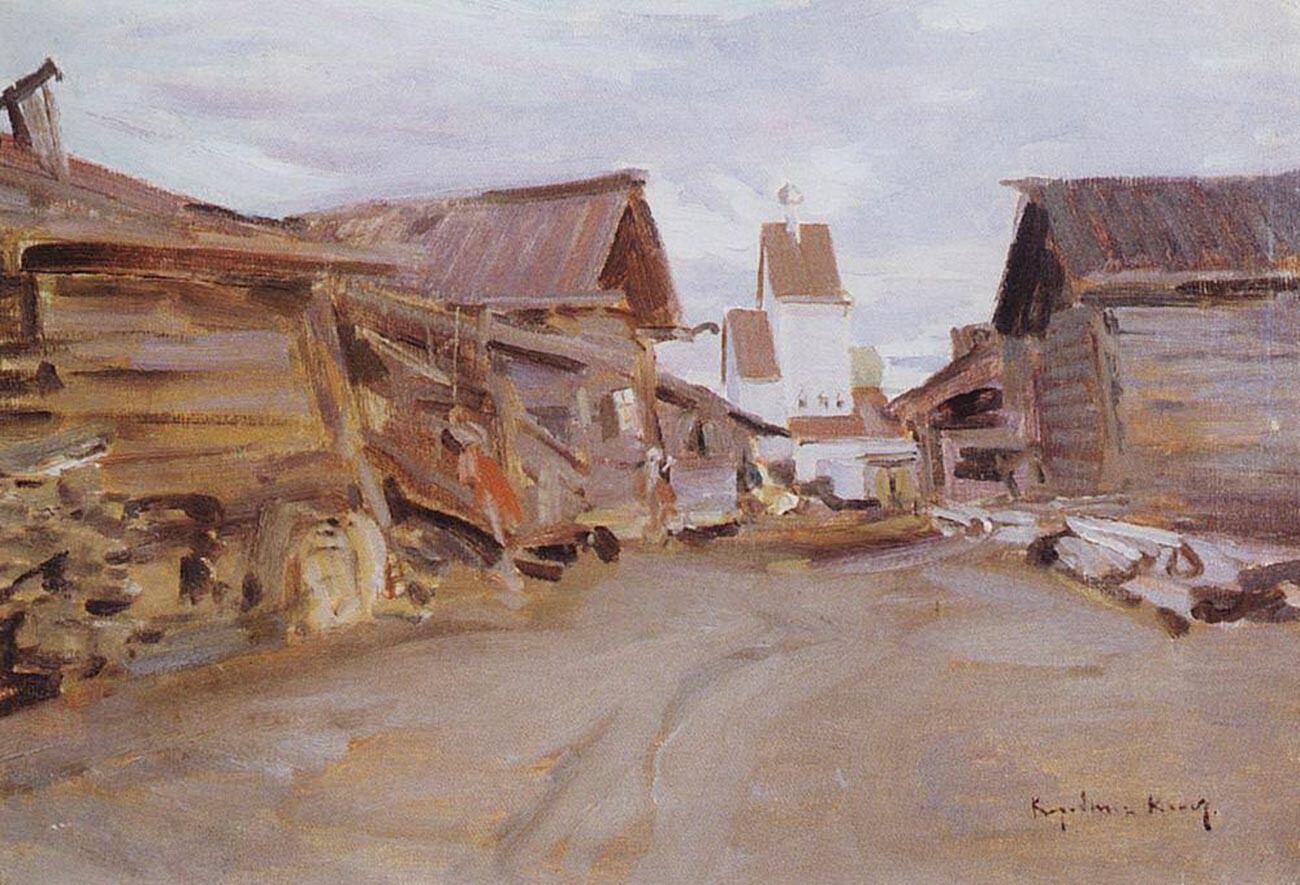 A village in northern Russia, mid-1890s.
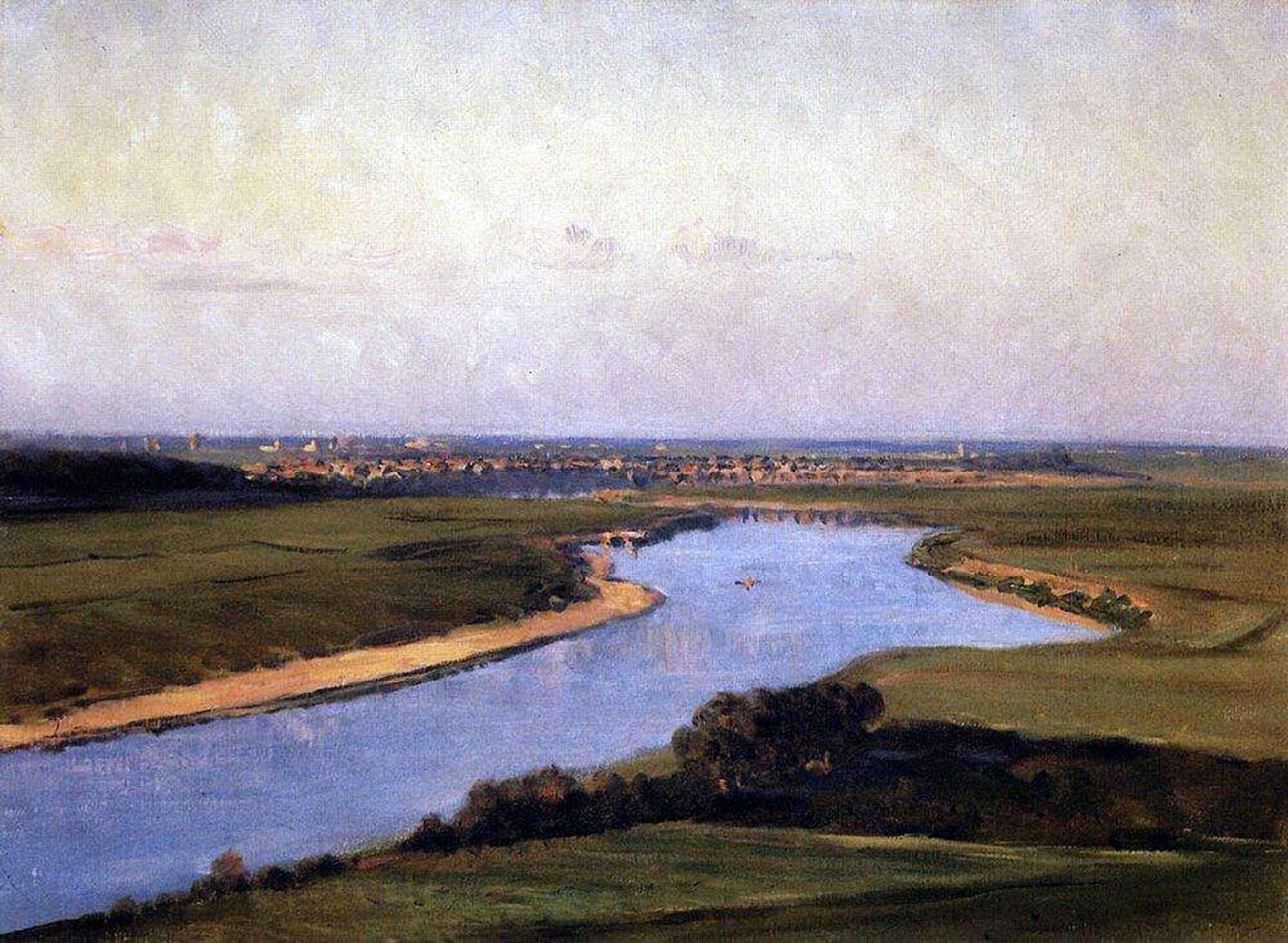 Northern Dvina, 1894.
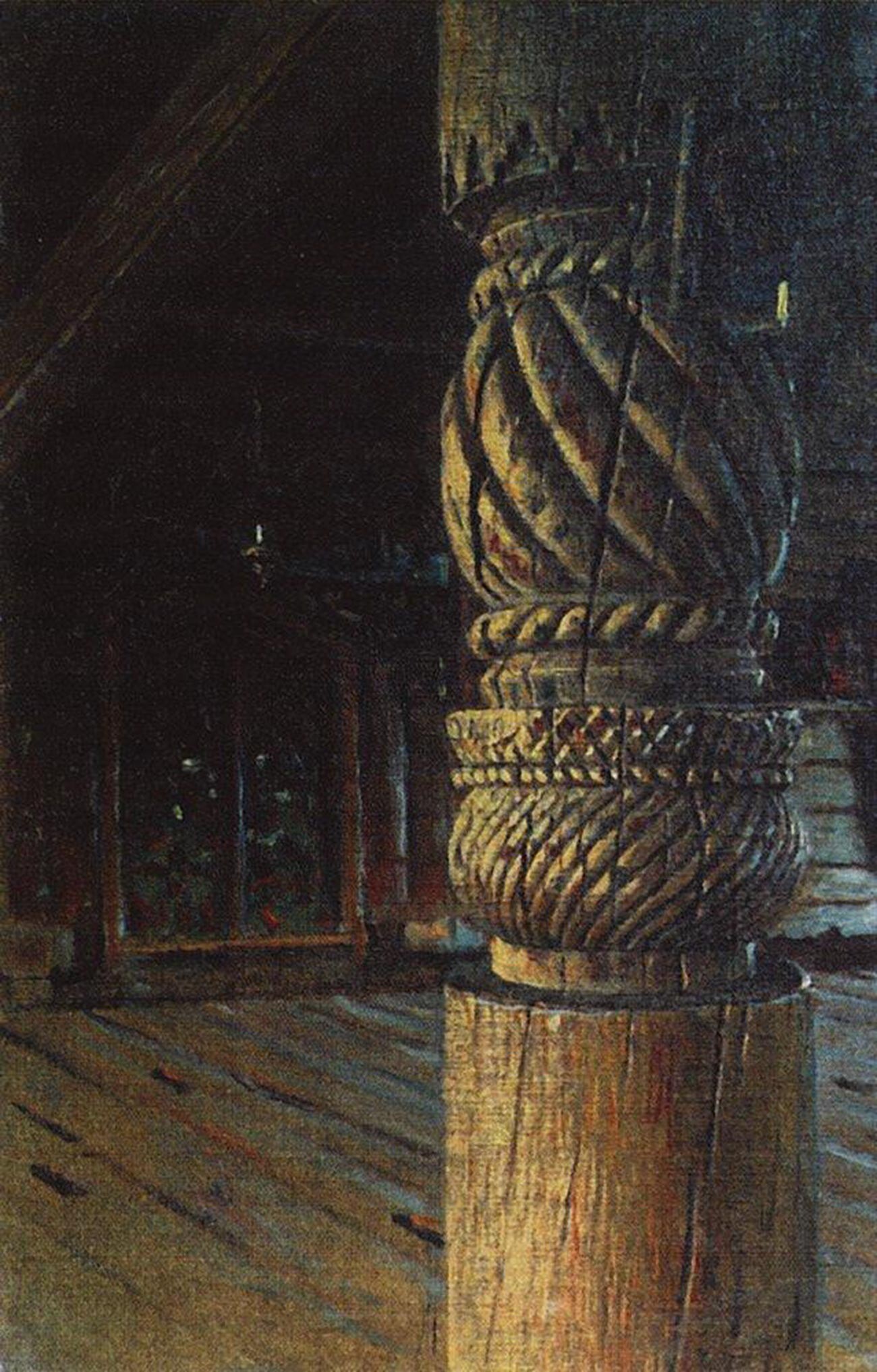 A carved column in the refectory of the Church of Saints Peter and Paul in the village of Puchuga, Vologda Province, 1894.
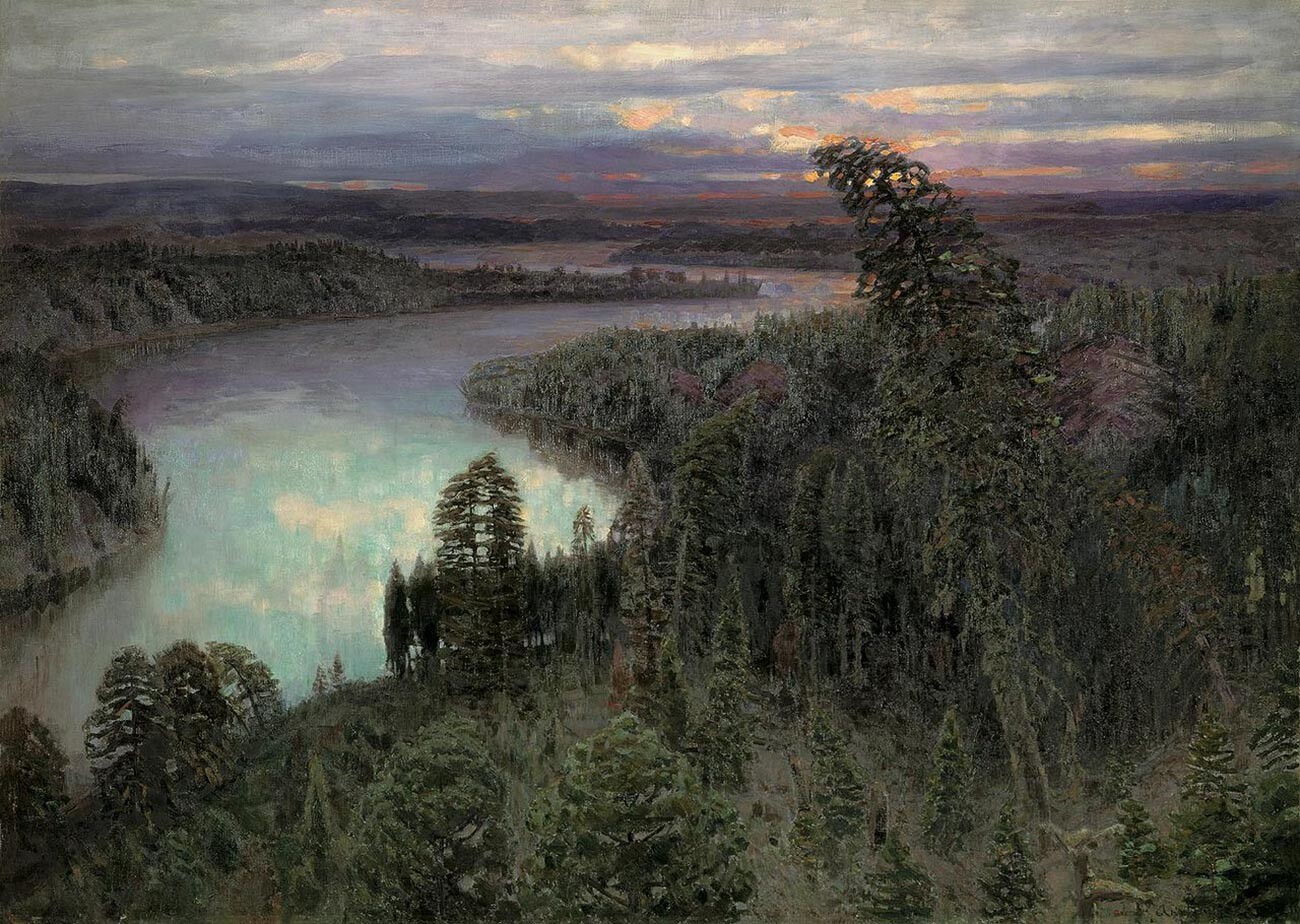 The North Country, 1899.
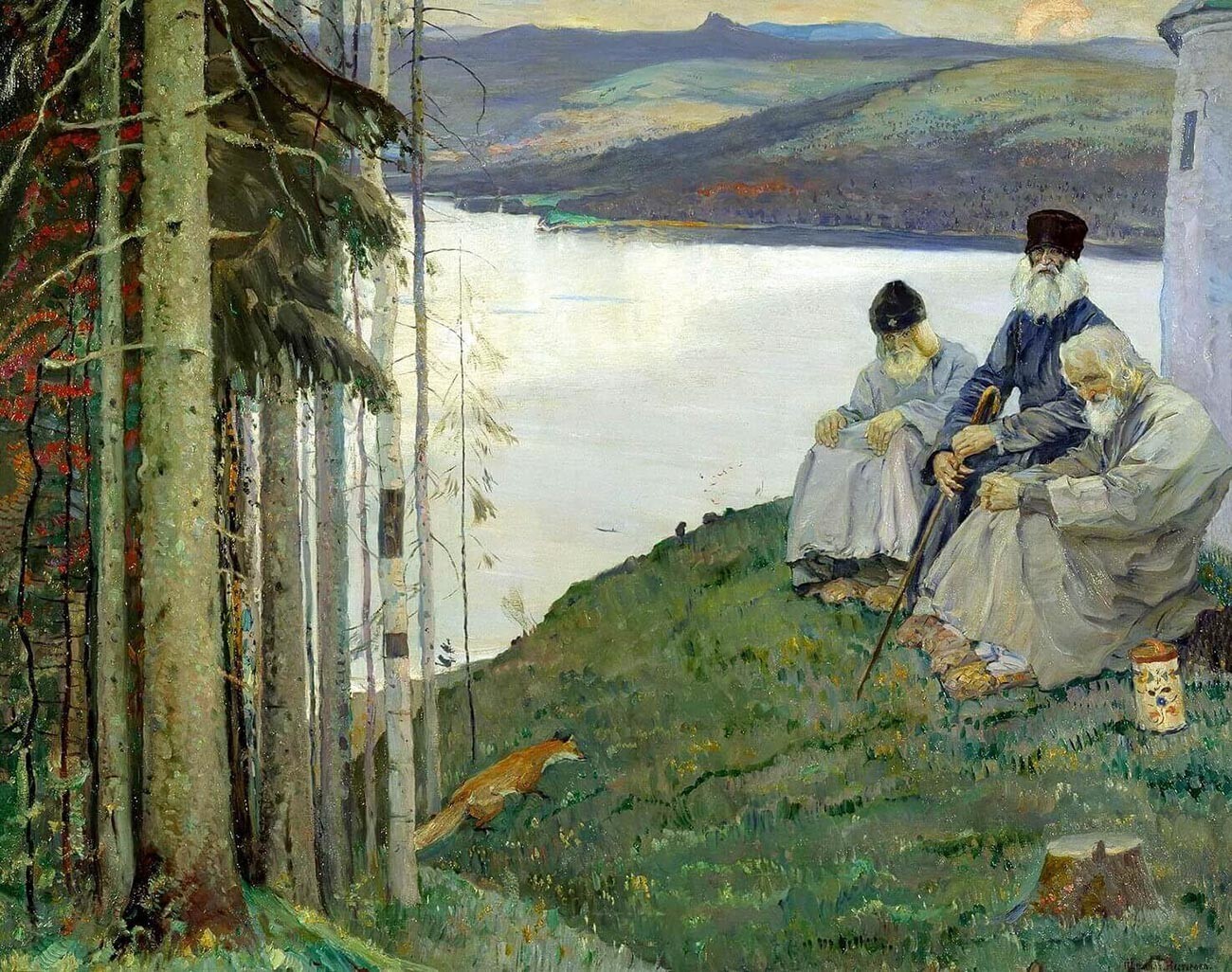 Foxy, 1914.
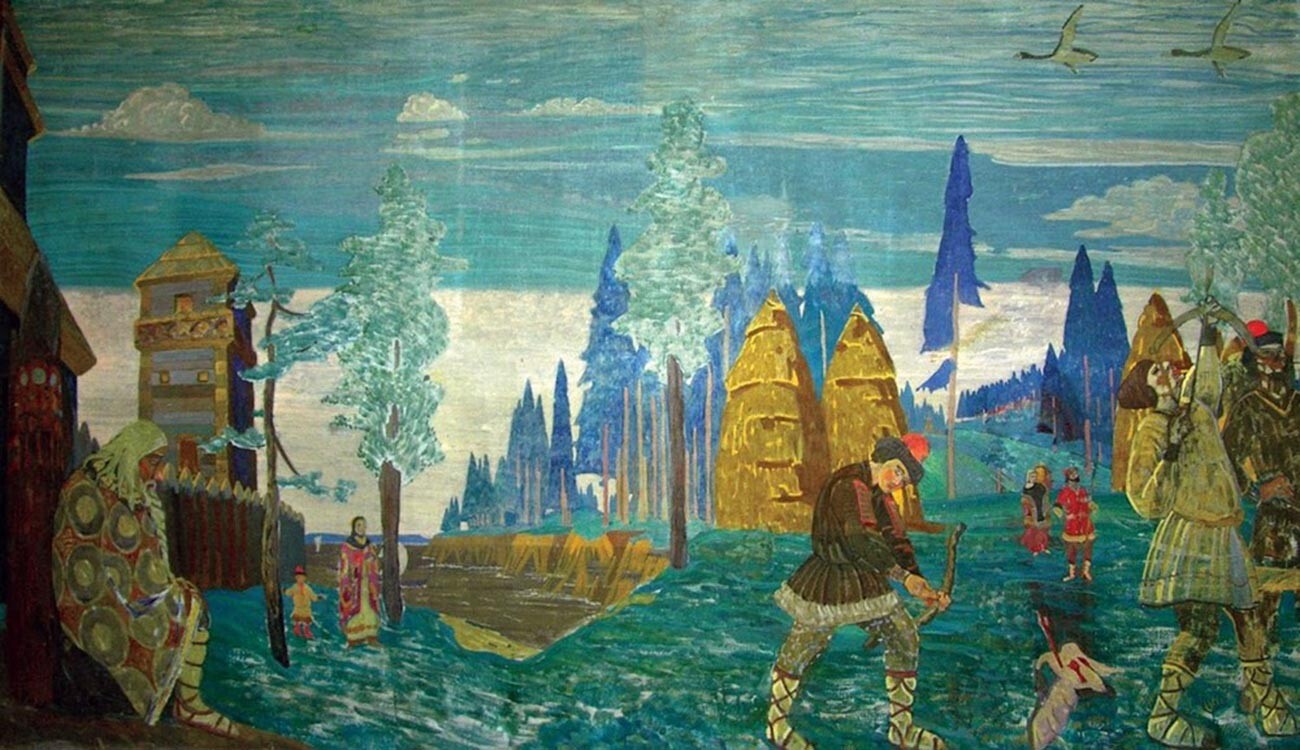 Pomorians. Morning, 1906.
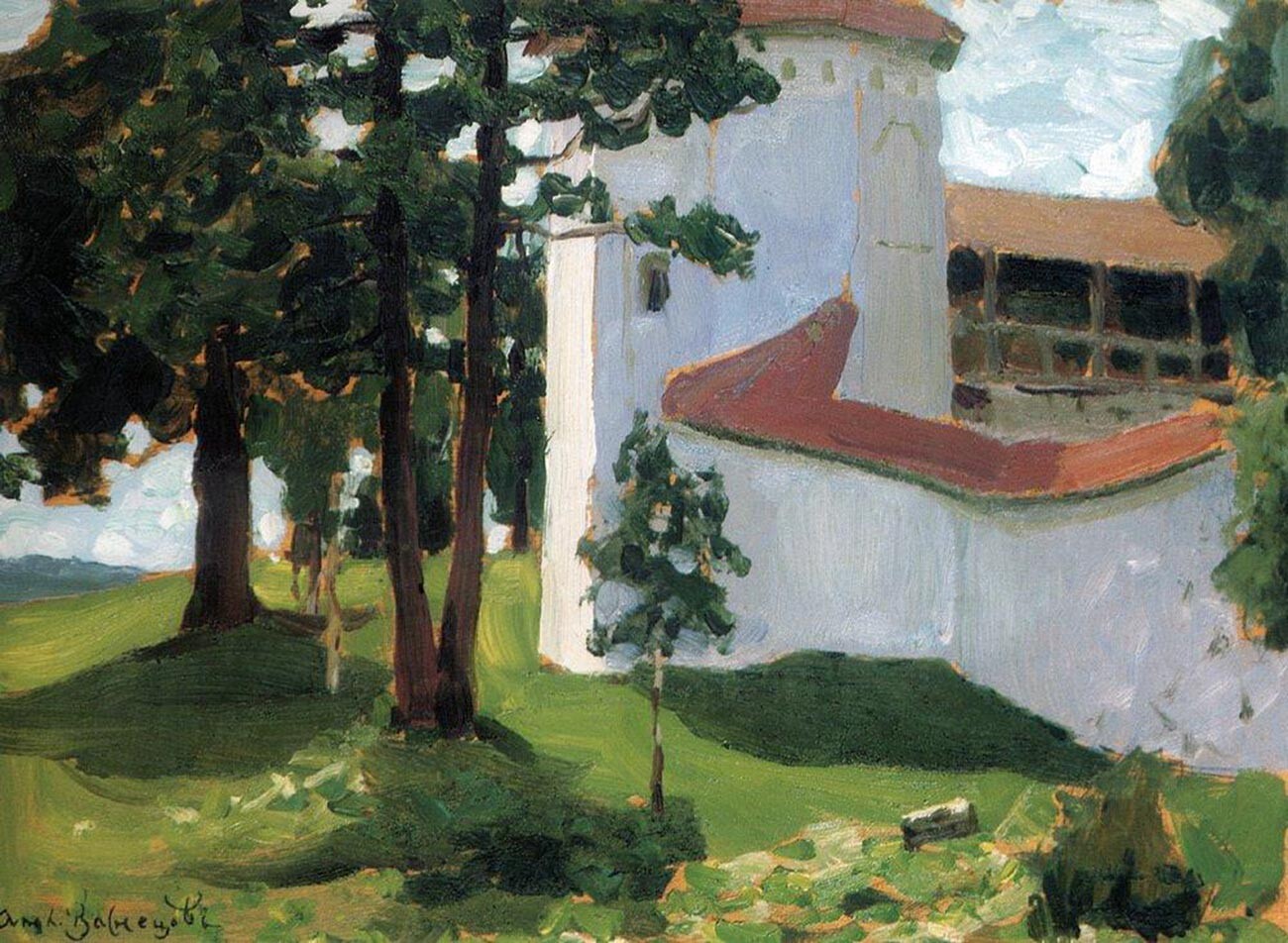 Valday Monastery. 1901.
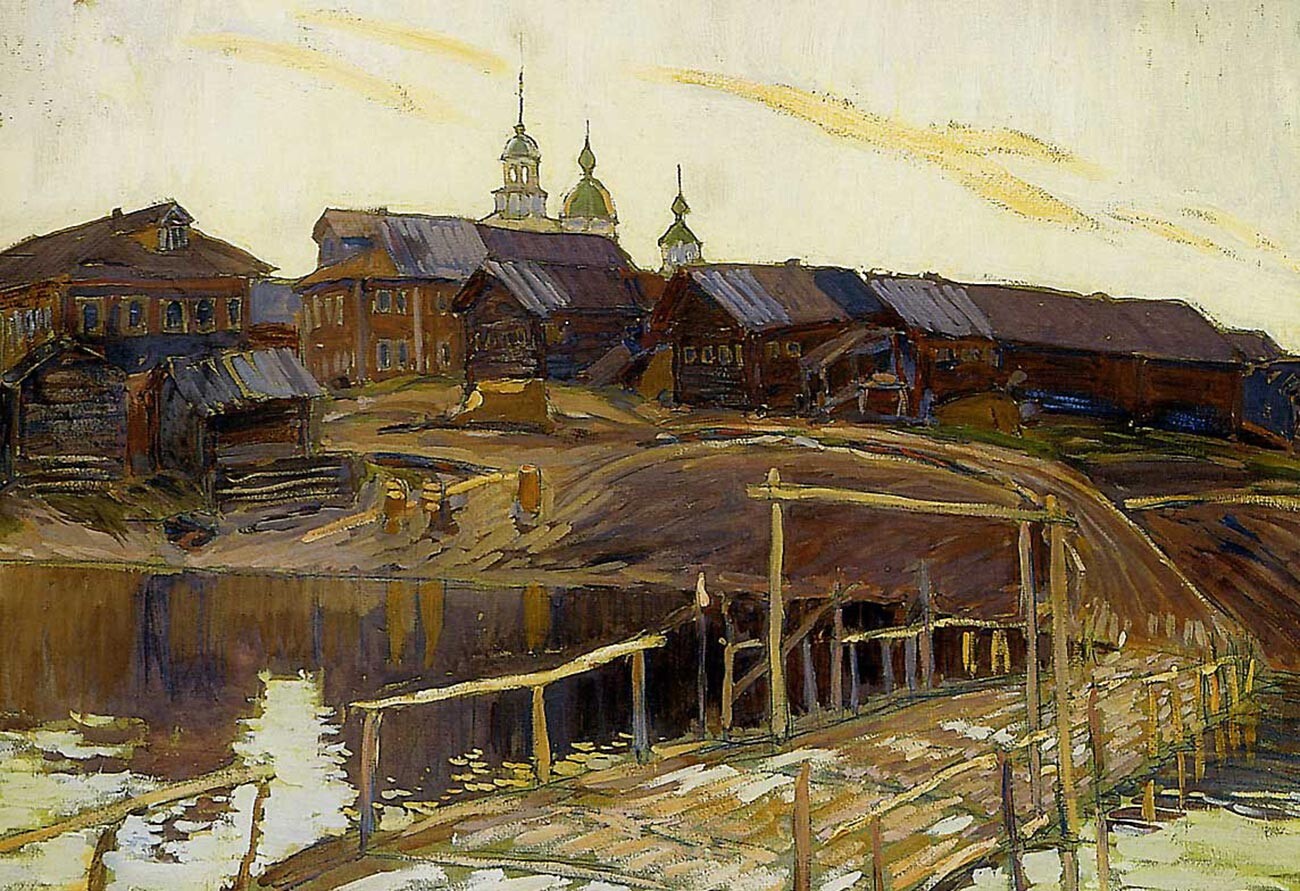 The Village of Porog on the Vonguda River, 1911.