

What the WORLD Championship of Russian Language for Foreigners looks like

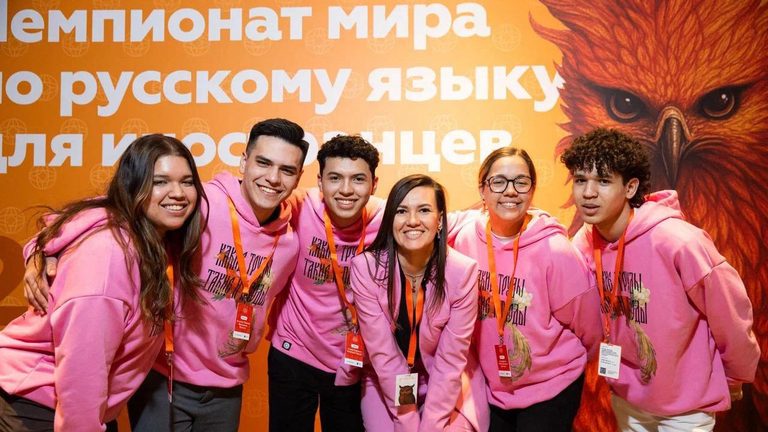
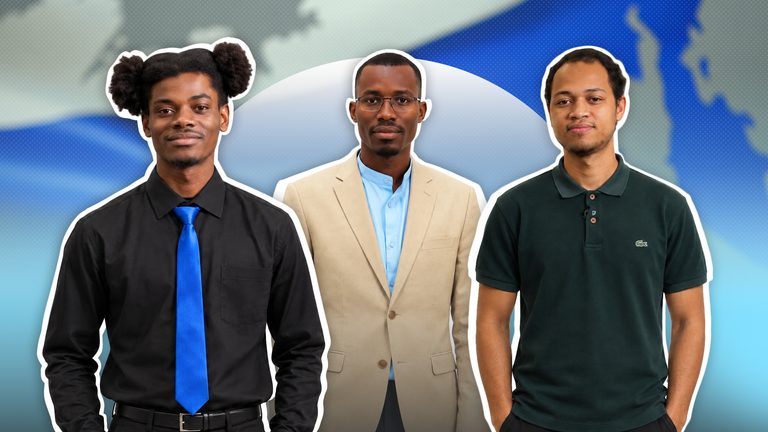
More than 4,000 foreigners aged 16 to 22 recently underwent two months of qualifying trials to compete in the Superfinal. Who won and how was it?
How are ‘земля’ (earth) and ‘дерево’ (tree) connected? What links ‘школа’ (school) and ‘книга’ (book)? What do ‘часы’ (clocks) and ‘направление’ (direction) have in common? These were just some of the warm-up questions that participants in the final of the ‘World Championship Russian Language for Foreigners’ had to go through like shelling sunflower seeds. In Russian, of course!
So, who participated?
This year, a record number of applicants registered for the championship, about 4,500 people from 66 countries. Out of these, 705 teams were formed and divided geographically into five divisions:
- ‘Near Abroad’ (424 teams from Uzbekistan, Kazakhstan, Kyrgyzstan and Tajikistan)
- Asia and Oceania (107 teams from China, India, Vietnam, Mongolia and other countries)
- America (95 teams, most from Venezuela, but also from Nicaragua, Cuba and Colombia)
- Africa (45 teams, mainly from Eswatini, Algeria and Egypt)
- Europe (33 teams from Slovakia, Hungary, Turkey and other countries).
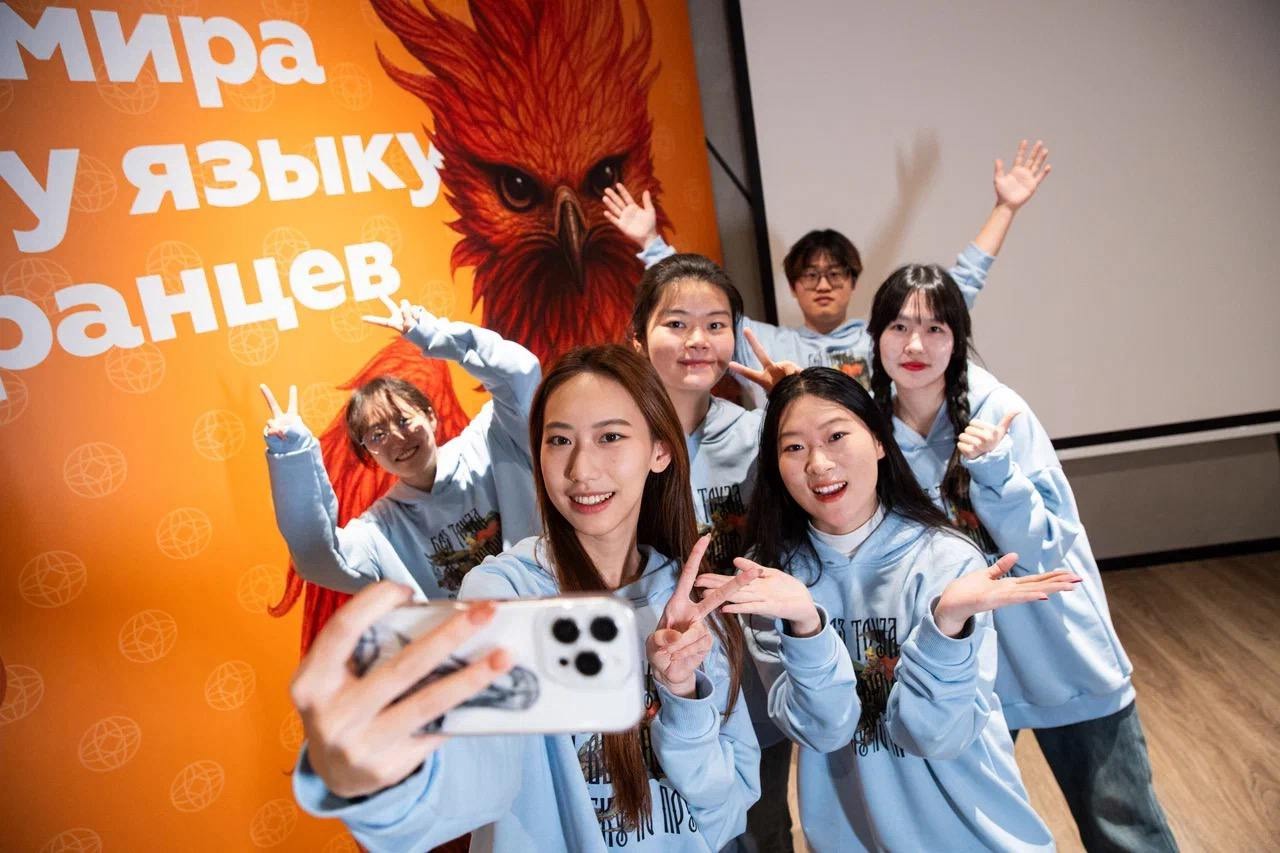
Each team was assigned an adult mentor (or leader). Most qualifying rounds were held online and, in December 2025, the top 10 teams (about 60 participants) were invited to Moscow for the final stage.
What were the competition challenges like?
“The hardest part was the Russian riddles,” shared a finalist from Egypt.
Here, not only the Russian language level was assessed, but also knowledge of Russian culture, argumentation skills, ability to solve complex intellectual tasks, as well as teamwork.
The championship has nothing to do with official state exams or traditional language proficiency tests. Instead, it’s an engaging competition in the form of quizzes, quests, debates and blitz rounds with diverse tasks.
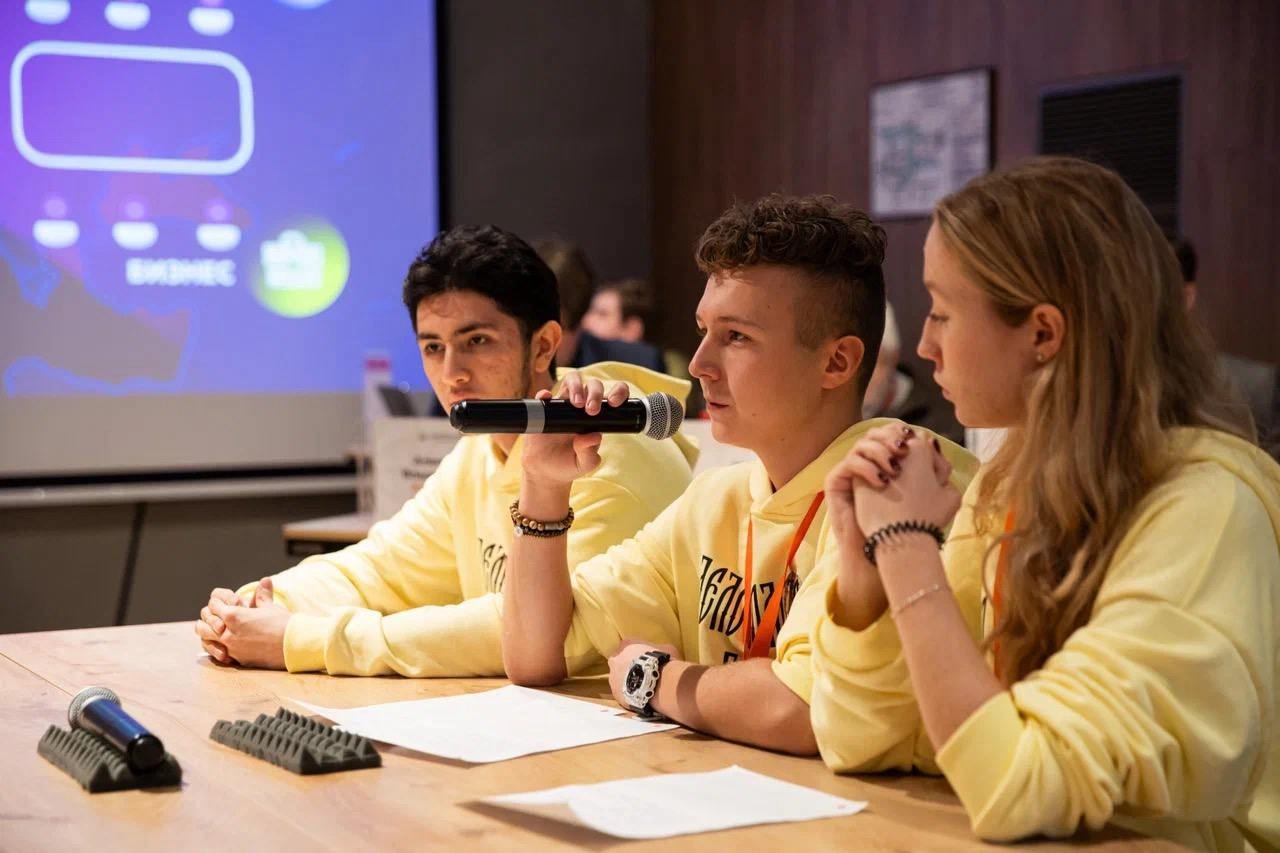
In the final, for example, team captains delivered speeches in Russian, discussing the connection between emotions, reason and artificial intelligence or reflecting on the role of progress in societal development.
“If you put native Russian participants here, they would also struggle with these challenges. The key here isn’t just language knowledge, but also wit and cultural experience,” noted Alexander Korotyshev, Director of the Secretariat of the International Association of Teachers of Russian Language and Literature and a jury member.
Who won?
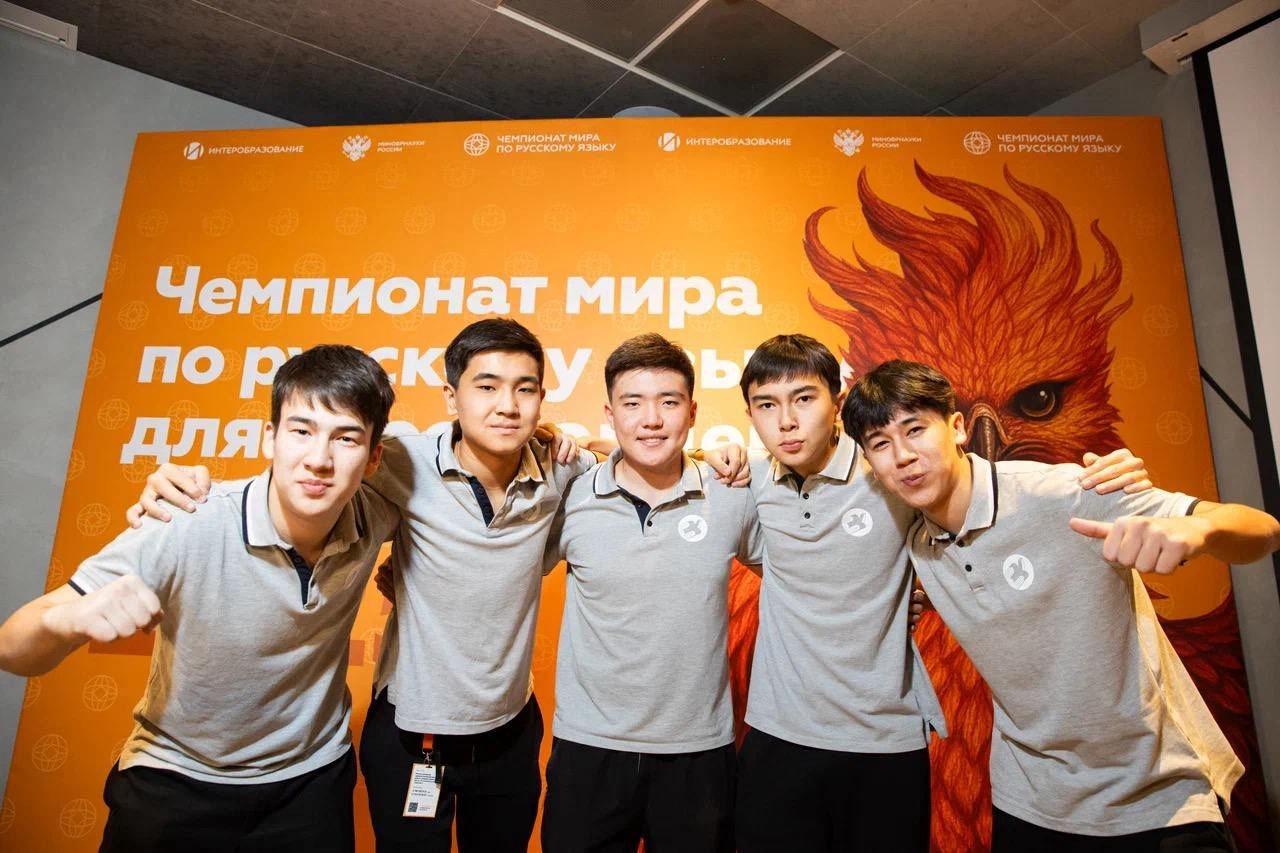
The superfinal took place on December 17. Five teams qualified: from Uzbekistan, Lithuania, Venezuela, Algeria and China.
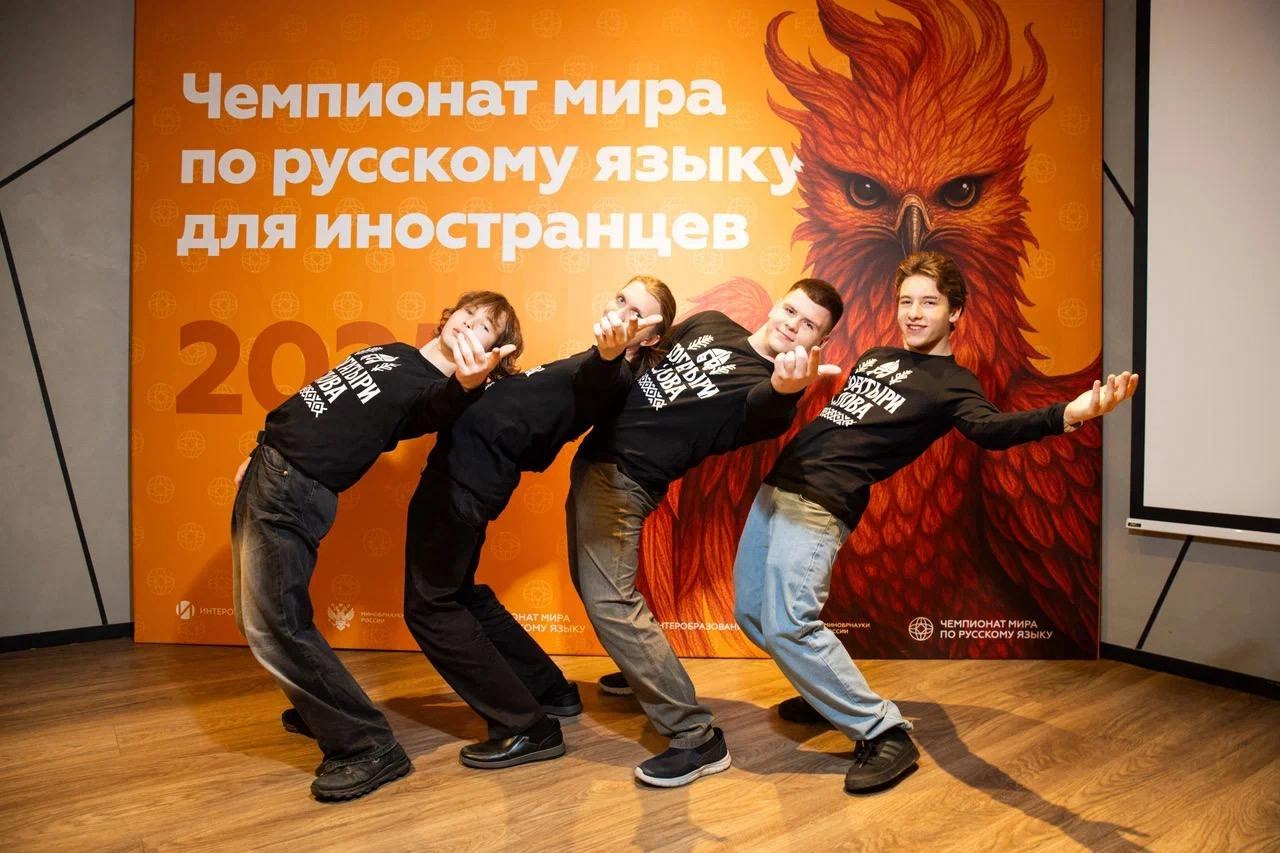
And, by a margin of just half a point, the winner’s trophy went to the ‘Богатыри слова’ (‘Word Heroes’) team from Lithuania.
According to the team’s mentor, almost all participants are bilingual, but the use of Russian in their environment is now limited and, overall, its position in Lithuania is very precarious. Thus, participating in the championship was an important step in preserving their native language and cultural traditions.
How to participate in the future?
The ‘World Championship of Russian Language for Foreigners’ is being held for the second time by the ‘Interobrazovanie’ Federal State Budgetary Institution with the support of the Russian Ministry of Science and Higher Education.
If you also want to participate in the championship (as a player or mentor), registration for 2026 is already open. If you don’t have a team, they will help you find one, so feel free to submit an application on the website russianchampionship.com!