
Boris Rossinsky: ‘The Grandfather of Russian aviation’
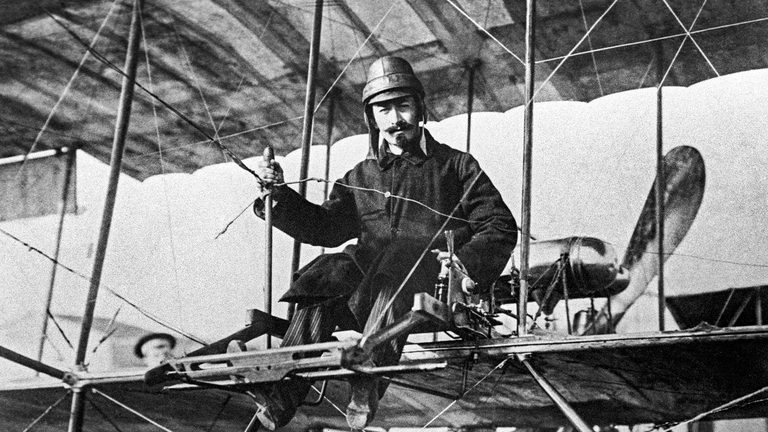
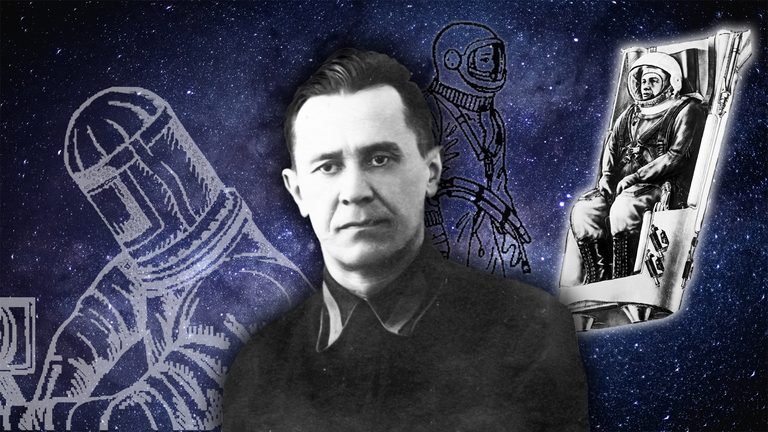
That's how Vladimir Lenin dubbed the legendary pilot. Boris Rossinsky surprised the Soviet leader on May 1, 1918, when he performed as many as 18 loops during an air parade.
Rossinsky made his first flight in a homemade bamboo glider. He then learned to fly properly in France and so skillfully that French inventor Louis Blériot even made him an airplane of his own design.
In the 1910s, he flew throughout the empire, promoting the achievements of aviation. One of his flights nearly ended in his death – he required extensive treatment for a spinal injury.
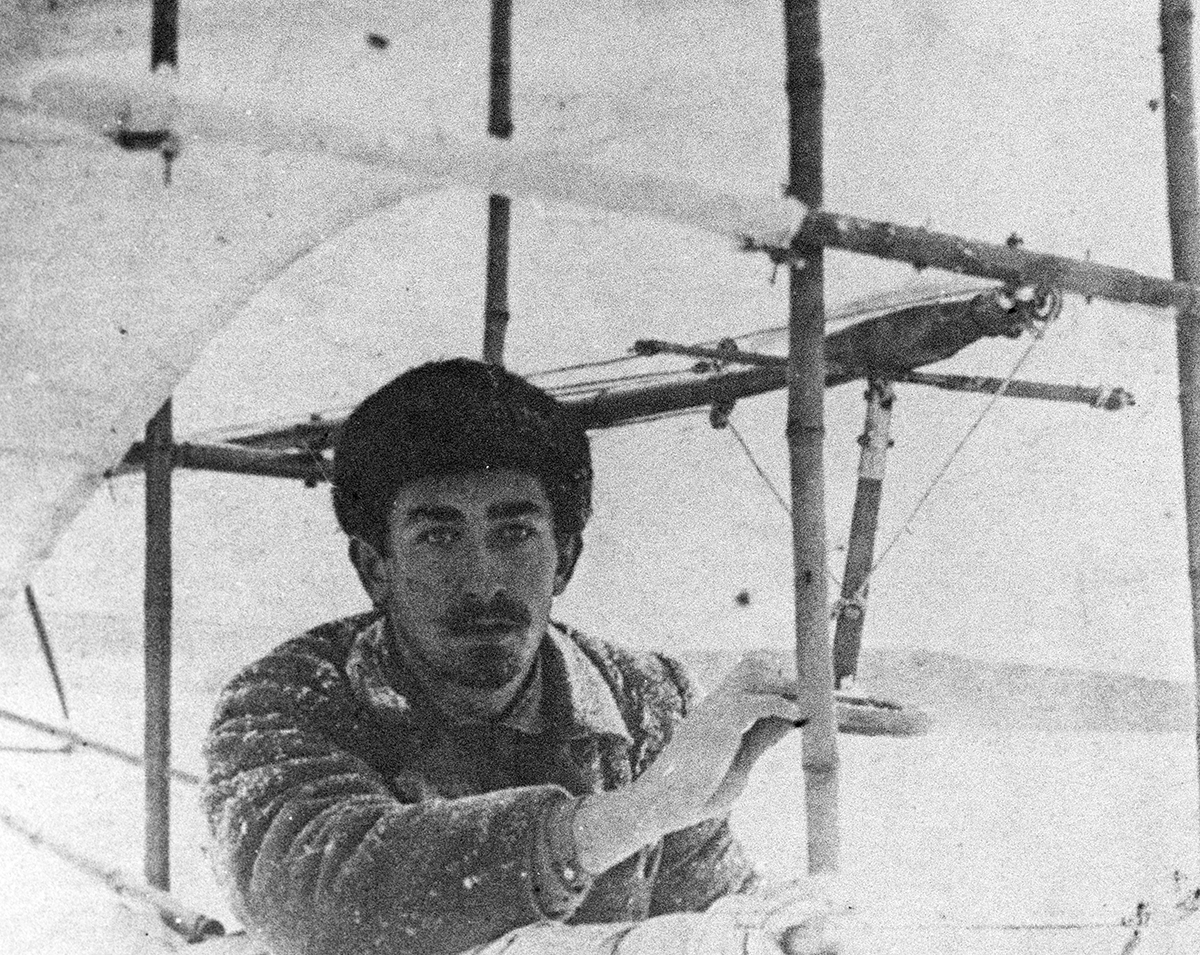
The future "grandfather" literally lived at the airfield. The Moscow City Duma allowed him to build a hangar on Khodynka Field, where he not only kept his airplane, but also set up a shelter.
In 1912, Rossinsky became a test pilot for the ‘Dux’ aircraft factory. During World War I, he tested five to six aircraft a day and, in total, flew over 1,500 aircraft.
After the 1917 Bolshevik Revolution, Boris Rossinsky combined his work as a test pilot with his position as head of the ‘Flying Laboratory’ – an aircraft facility for scientific research. It made a significant contribution to improving flight safety and aircraft performance.
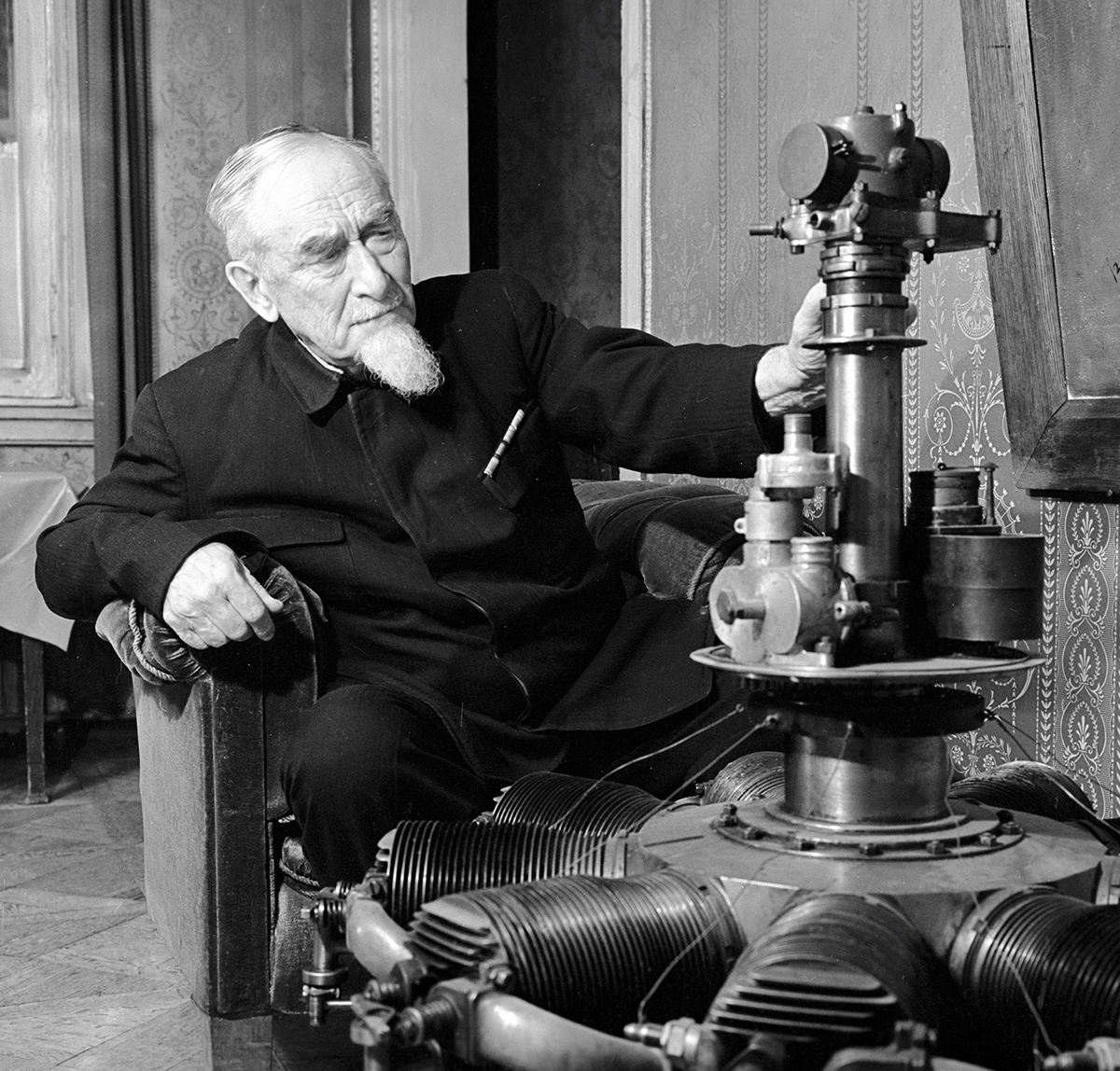
Rosinsky, subsequently, conducted propaganda flights throughout the country, but then faded into obscurity. He resurfaced in 1962, when he was nearly 80 years old. The ‘Grandfather of Russian aviation’ requested admission to the Communist Party. The authorities recognized the veteran's achievements and accepted him without the usual probationary period.
Boris Rossinsky died in Moscow in 1977 at the age of 92.