
What Russia was like in 1906 (PHOTOS)
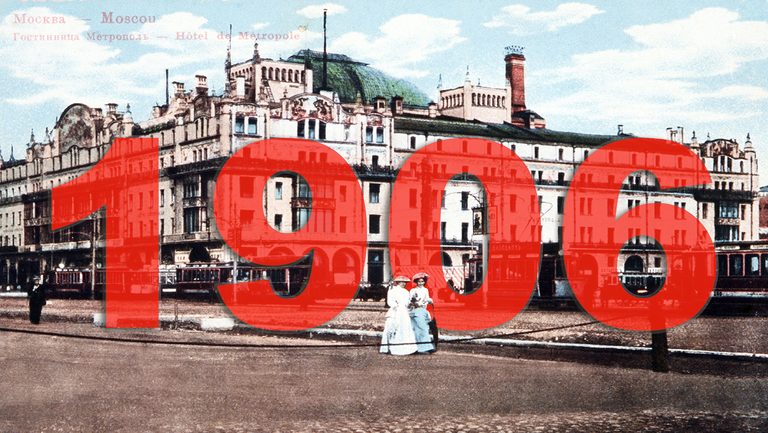
The First State Duma, agrarian reform, revolutionary riots and other events. This is how the Russian Empire lived and looked like 120 years ago.
The result of the first Russian revolution in 1905 was the Manifesto of Nicholas II ‘On the Improvement of State Order’, according to which autocracy was limited to the elected body of people's representatives, the State Duma.
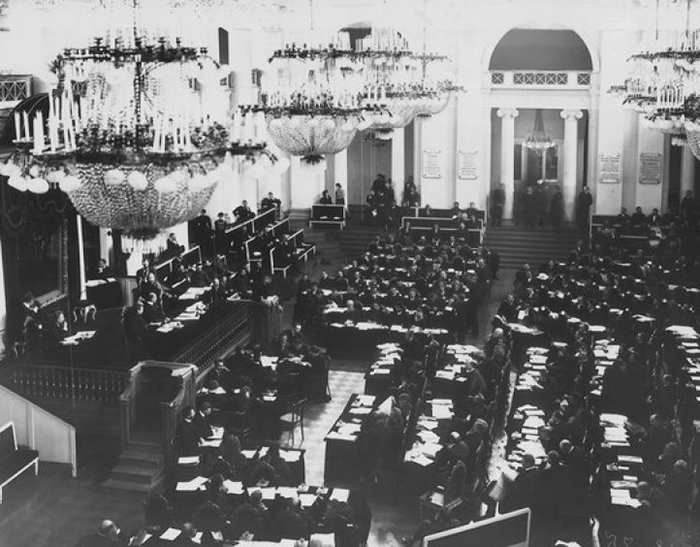
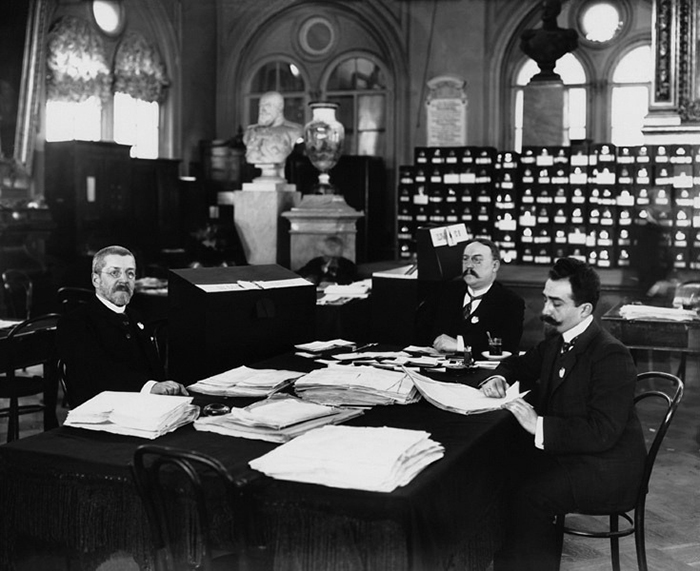
First elections in the Duma took place in 1906. The photo below features the election commission.
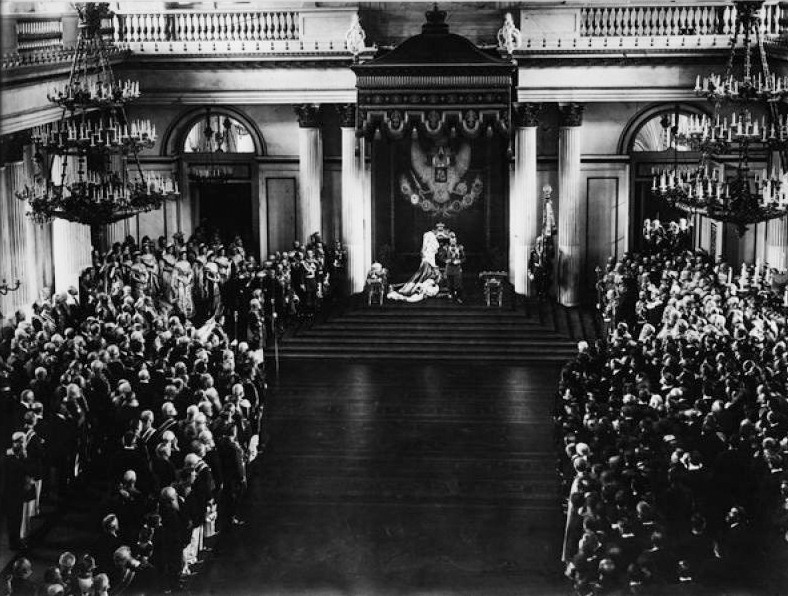
And, on May 10, 1906, the first Duma meeting was held, with the emperor greeting the delegates on the opening day.
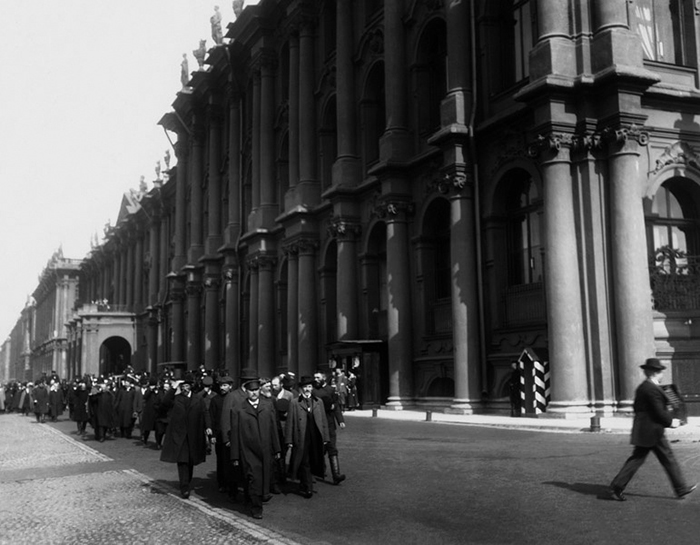
St. Petersburg's photographer Karl Bulla captured how members of the State Duma left the Winter Palace after the tsar reception. The photo shows that the palace was a different color in those years (now it is white and green, but then it was plain, dark red).
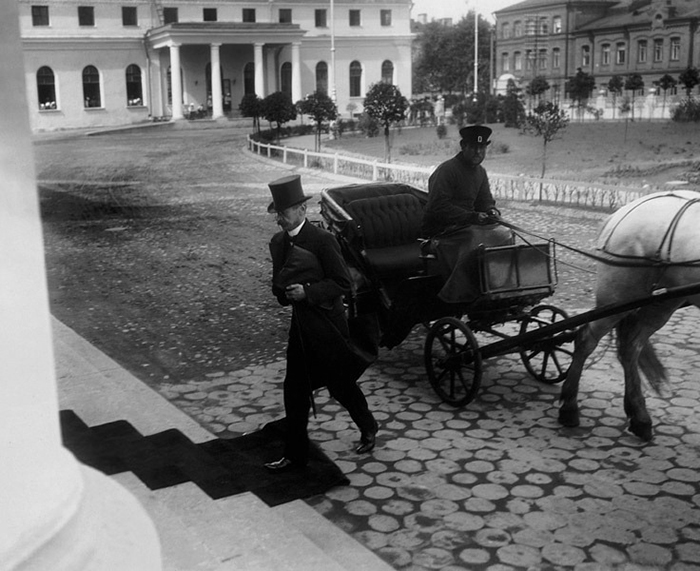
And the photo below captured the delegates arriving for the first meeting at the Tauride Palace. The First Duma lasted 72 days, after which Nicholas II dissolved it.
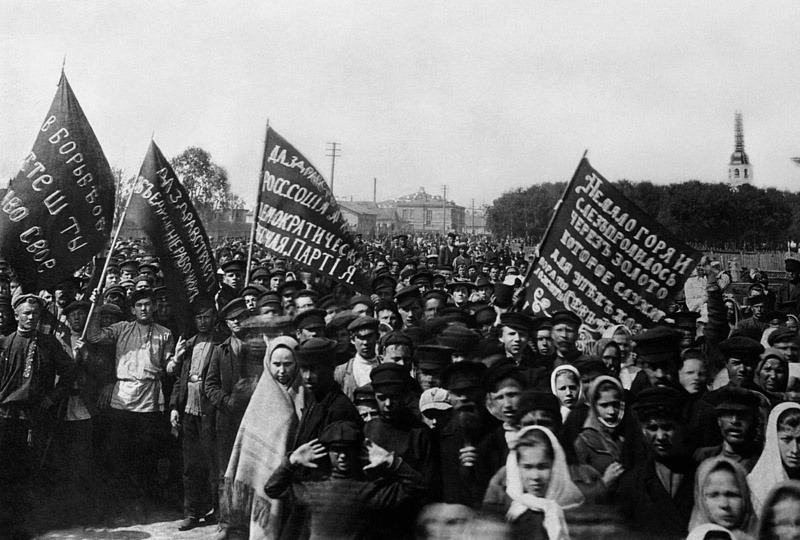
The revolutionary turbulent times, however, were still not over and, up to the year 1907, strikes and riots would take place from time to time across the country. The photo below shows a rally in Arkhangelsk.
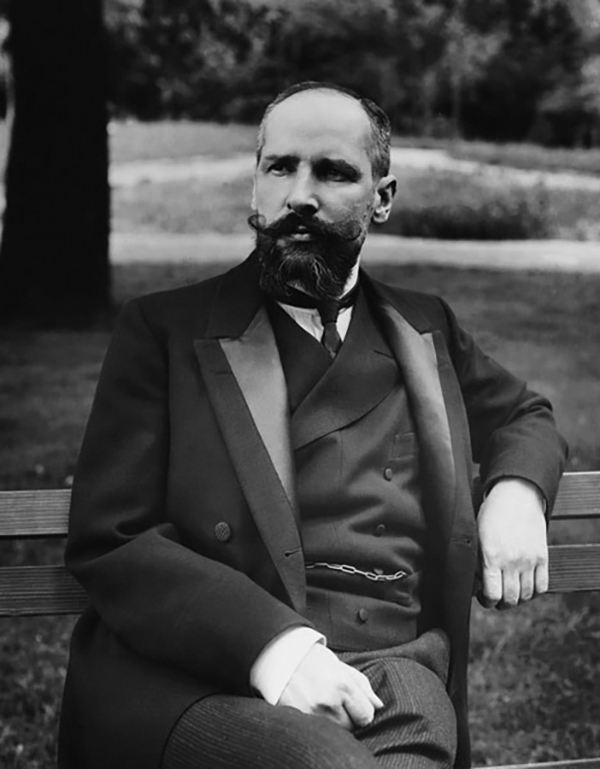
In 1906, the tsar appointed statesman Pyotr Stolypin to the position of Minister of the Interior Affairs and, soon after that, to the chairman of the Council of Ministers. Stolypin had played an important role in the suppression of the 1905 Russian Revolution.
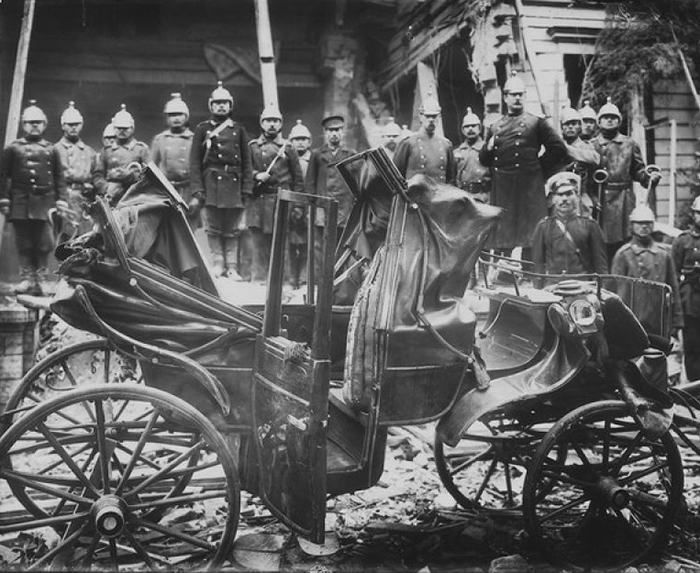
His charisma, as well as his oratorical and political talents made Stolypin a target of the revolutionaries. In 1906, one of the 11 (!) assassination attempts was carried out on him. The terrorists set off a huge explosion near his cottage on Aptekarsky Island outside St. Petersburg, shouting: “Long live the revolution!” The photo below shows the carriage which brought the criminals to the place.
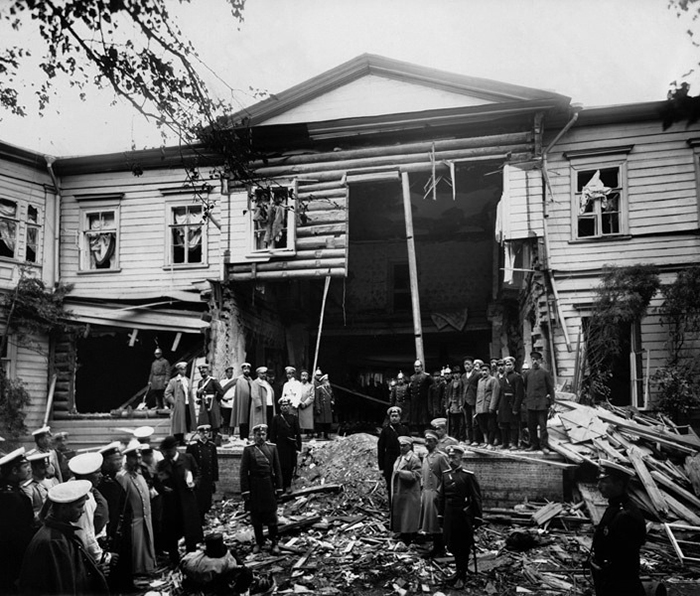
As a result, 24 people were killed and 30 more were injured, but Stolypin himself stayed absolutely safe. This is what his cottage looked like after the explosion.
In 1906, the implementation of the Stolypin agrarian reform began. Peasants were given the opportunity to become owners of land and leave the community. In the photo, Stolypin receives a report from the village foreman.
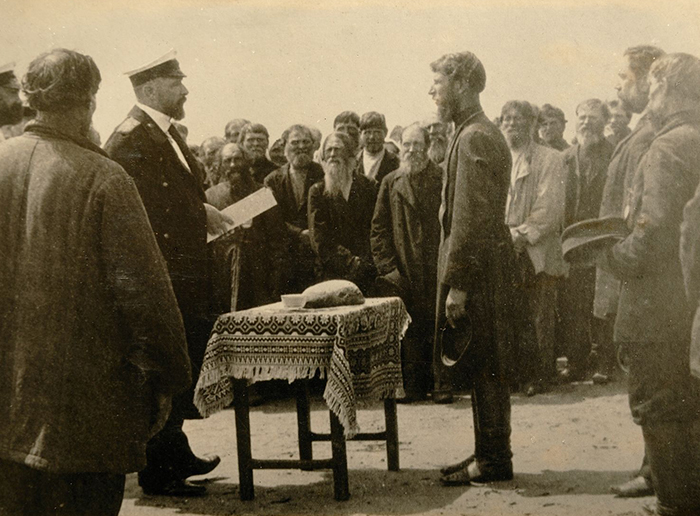
In 1906, the first expedition to explore the Ussuri region also took place, which was the most important mission in the Russian Far East at the time. It was led by military ethnographer Vladimir Arsenyev. He was accompanied by a local hunter and expert on the taiga, a Nanai man named Dersu Uzala. Later, Arsenyev would publish notes and the Soviet-Japanese film adaptation by director Akira Kurosawa, titled ‘Dersu Uzala’ (1975), would win an Oscar.
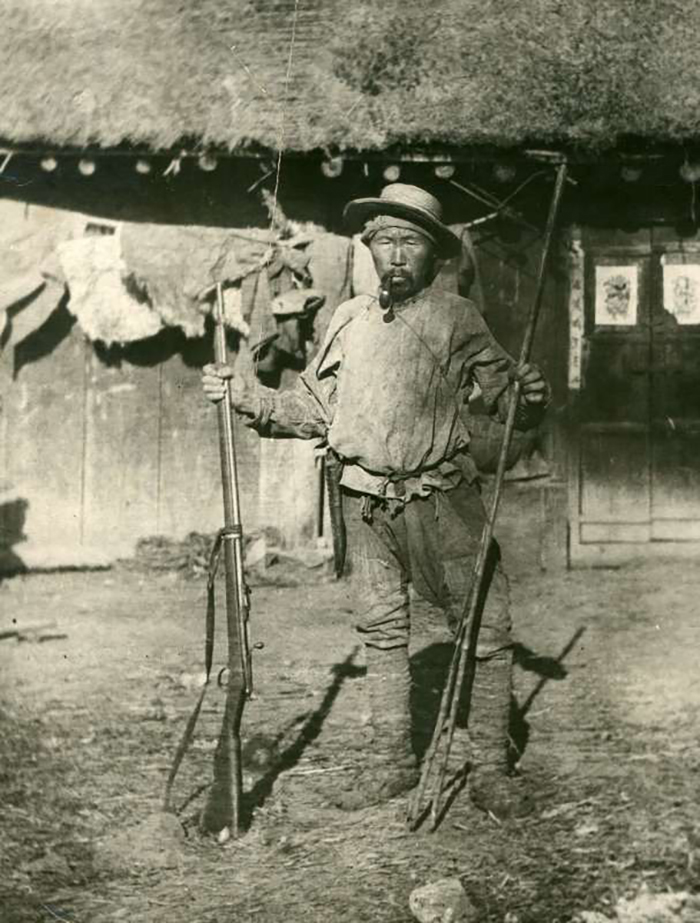
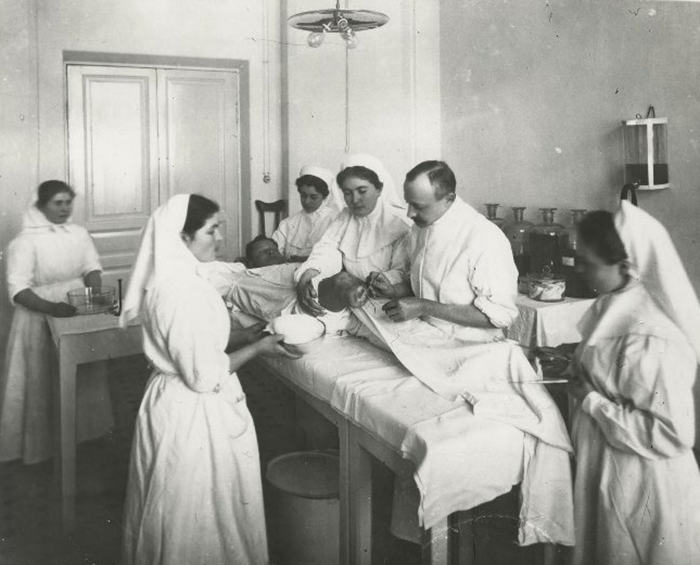
In 1905, the Russo-Japanese war ended, which brought defeat to the Russian Empire. In 1906, the prisoners were allowed to return home. In the photo below, St. Petersburg doctors are tending to a wounded soldier.
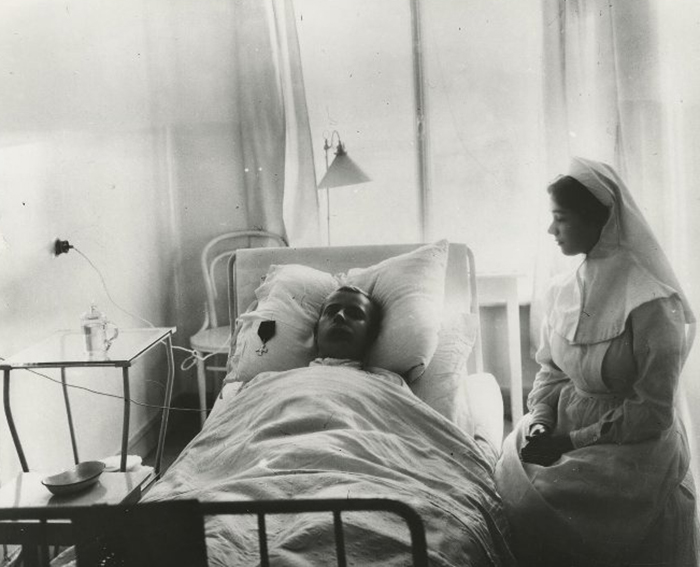
Seriously wounded soldiers and officers were still being treated in hospitals across the country.
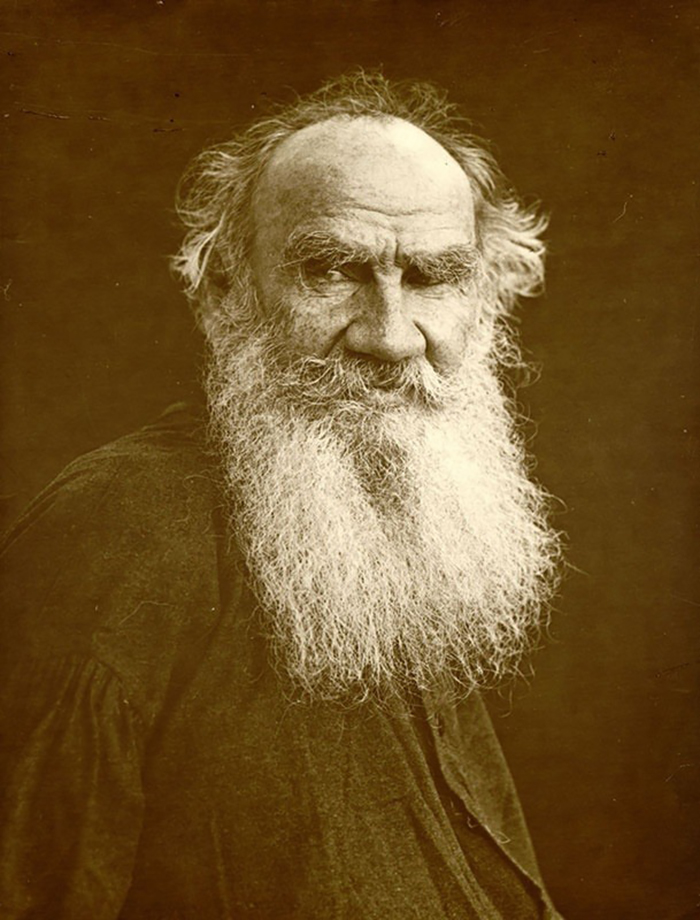
In 1906, Leo Tolstoy was nominated for the Nobel Prize in Literature. However, the writer rejected it in advance.
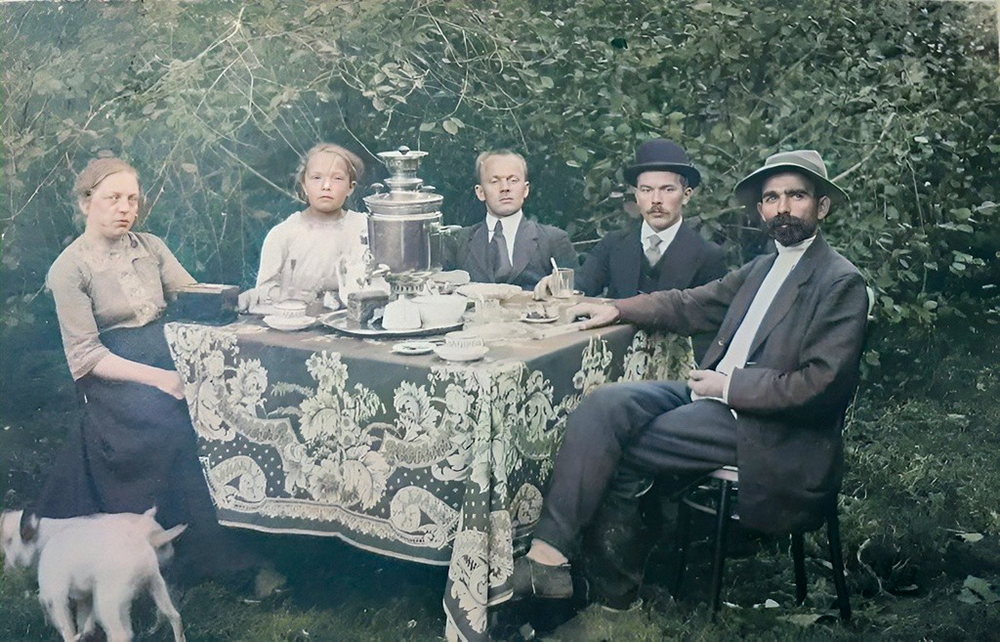
But, what did the ordinary life of ordinary people look like? They were busy drinking tea from a samovar.
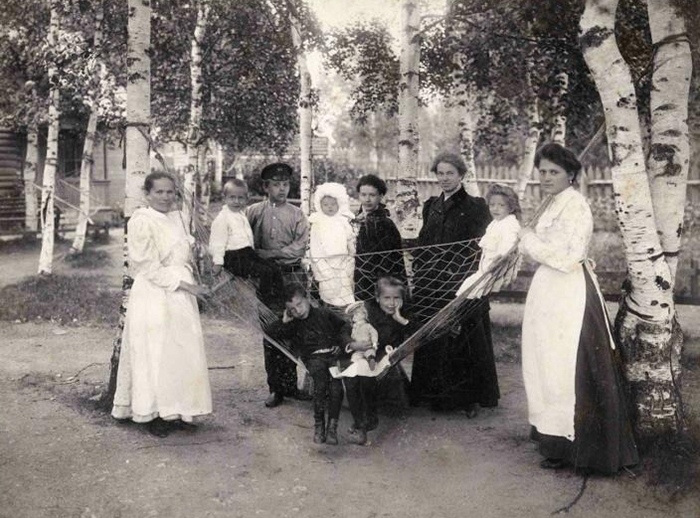
They also spent great time at their dachas (country houses).
Young women were increasingly striving to get an education. In the photo below, high school girls from Yaroslavl pose for a group photo.