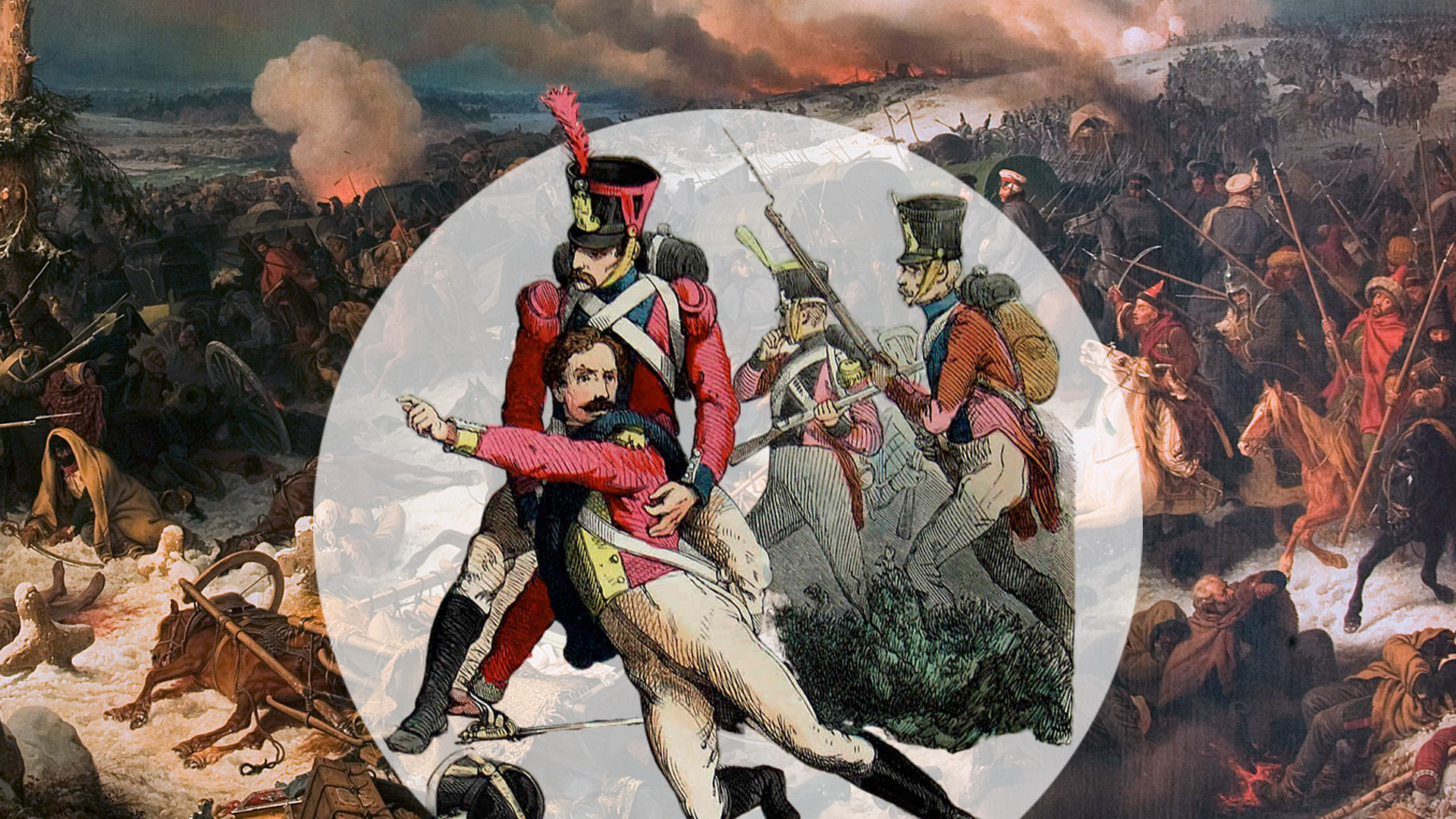

How the Poles once carried out a massacre in Moscow
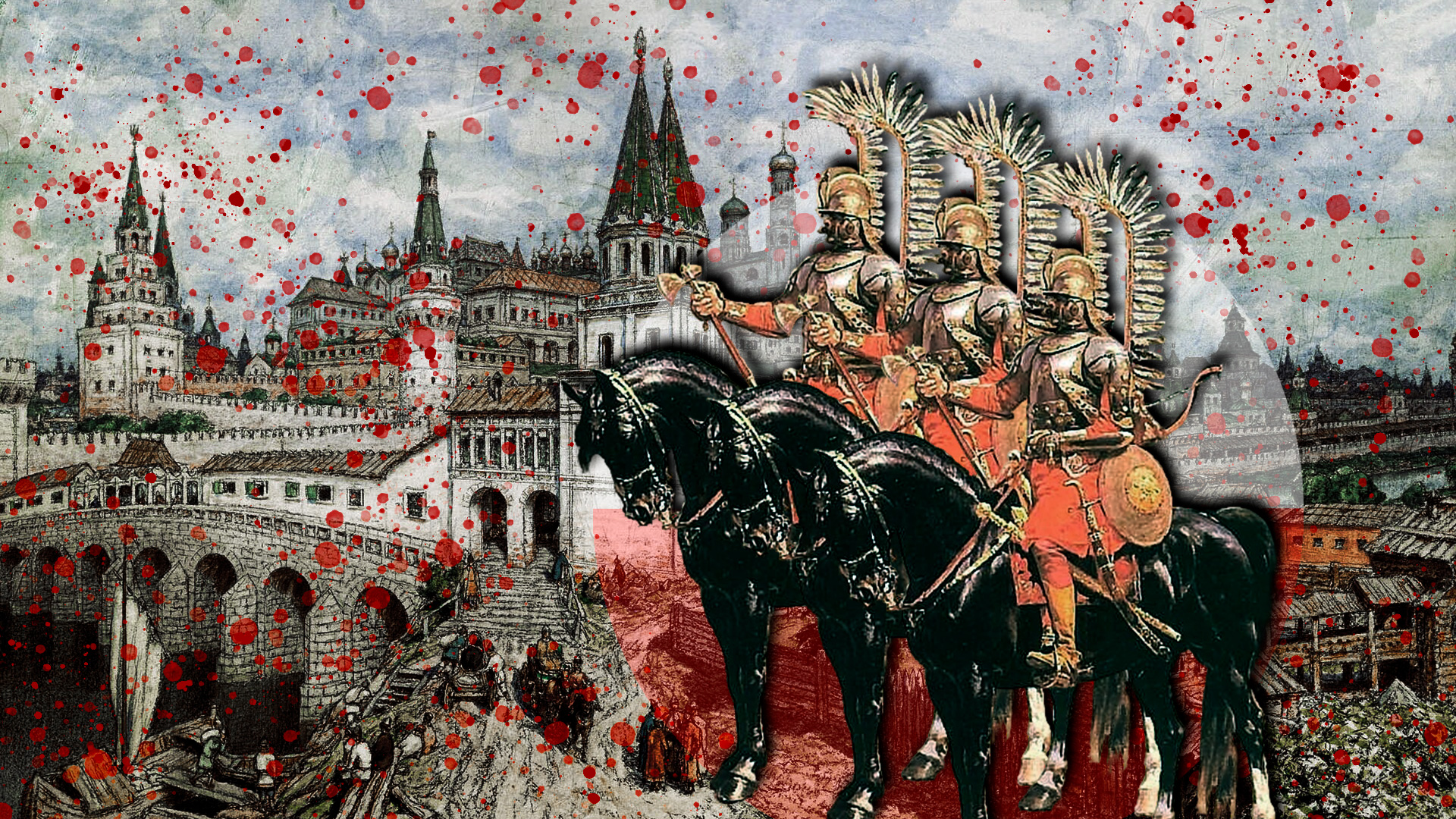
"Six or seven thousand Muscovites perished. In the stores, called ‘kleti’, arranged like the cloth halls of Krakow, the bodies of the slain were piled one on top of another."
At the beginning of the 17th century, Russia was experiencing a severe political crisis, known as the ‘Time of Troubles’. Rulers rapidly succeeded one another, impostors emerged, posing as long-dead tsareviches, and foreign troops moved throughout the country as if they were at home.
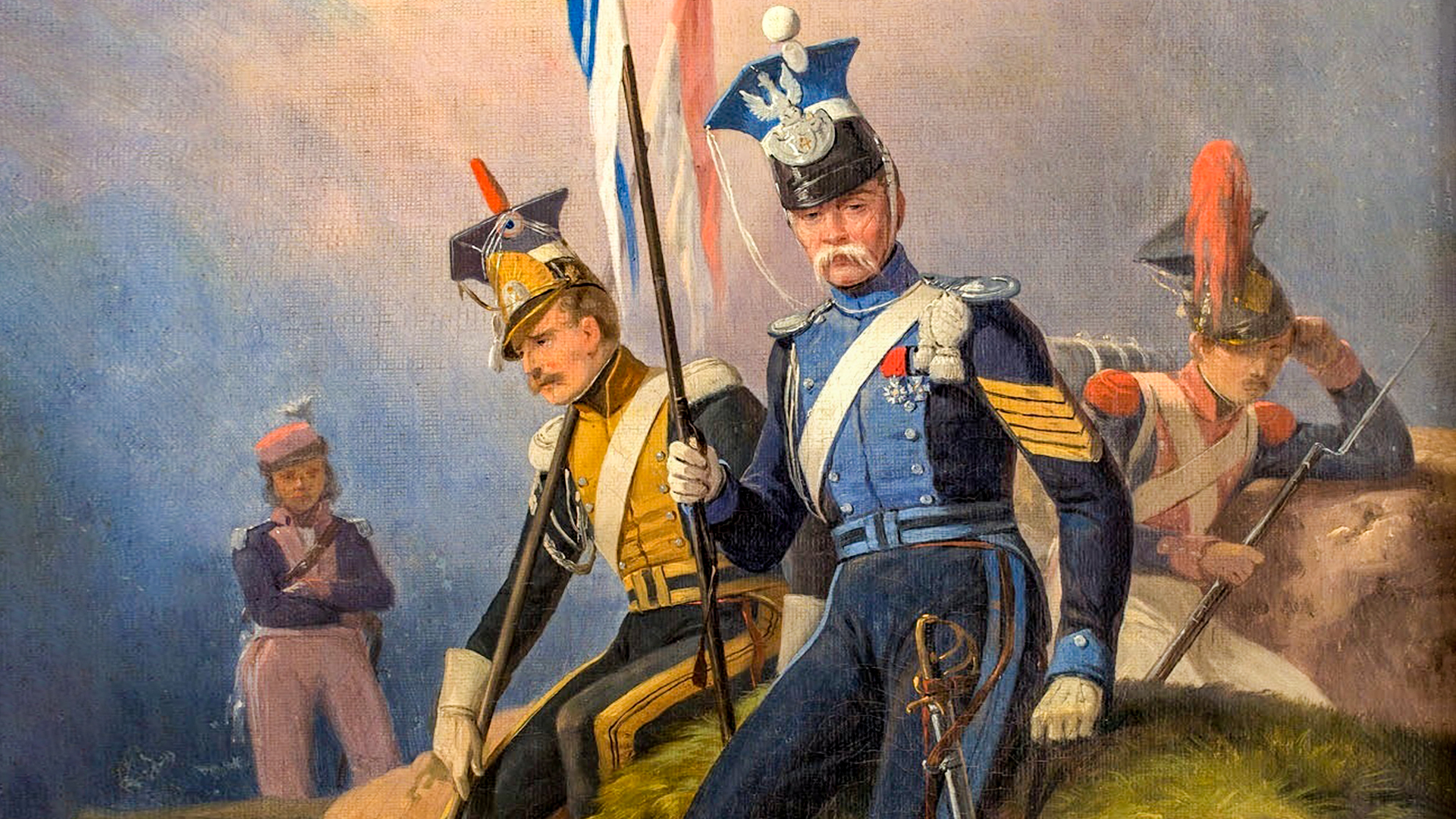
In September 1610, a government of seven boyars, known as the ‘Semiboyarshchina’, invited Polish Prince Władysław to assume the Russian throne. By October, a Polish-Lithuanian garrison had entered Moscow.
However, not everyone in Russia was delighted with the union with the Polish-Lithuanian Commonwealth. In January 1611, a people's militia began to assemble in the provinces, the stated goal of which was to expel the invaders from the capital.
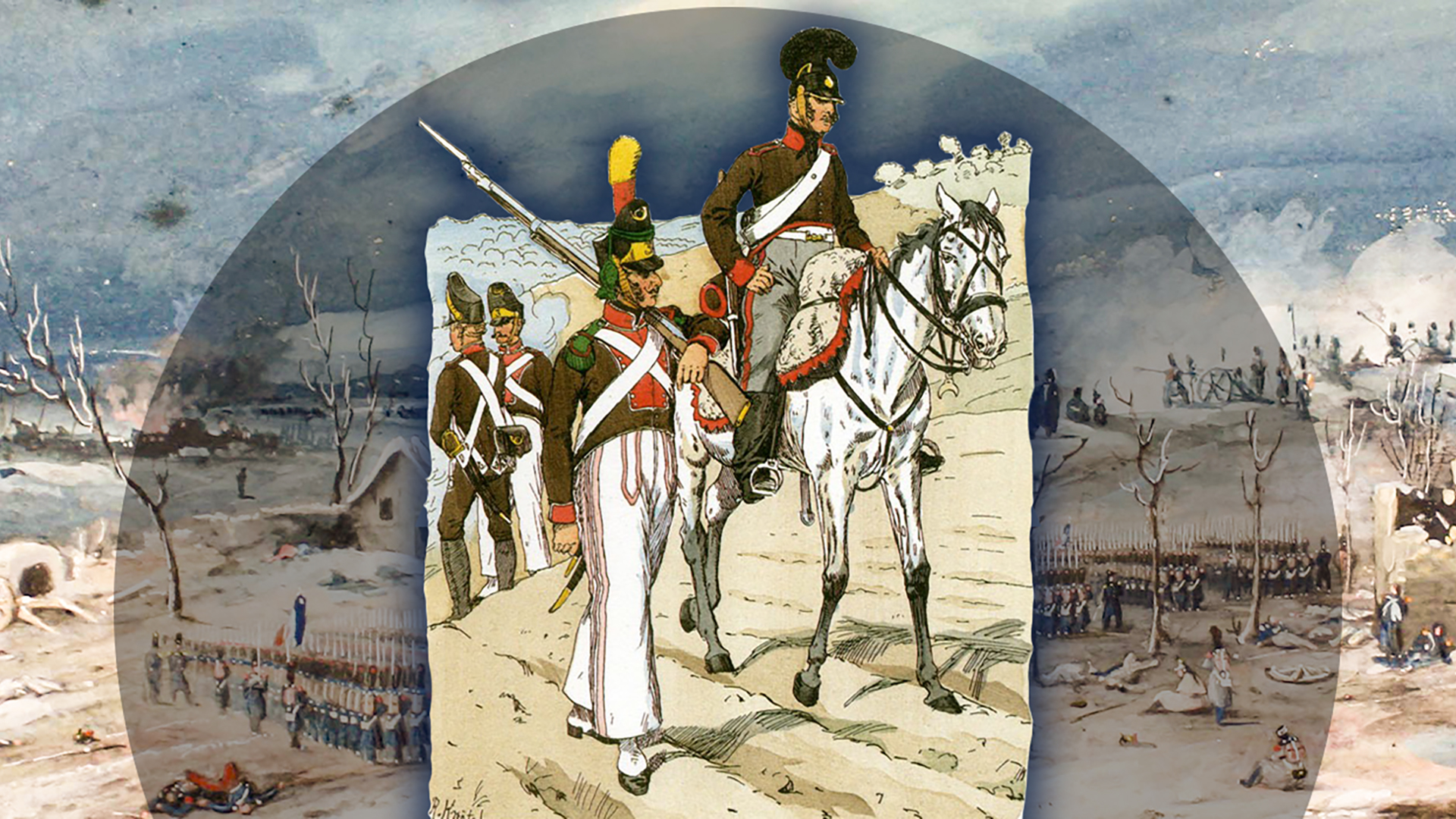
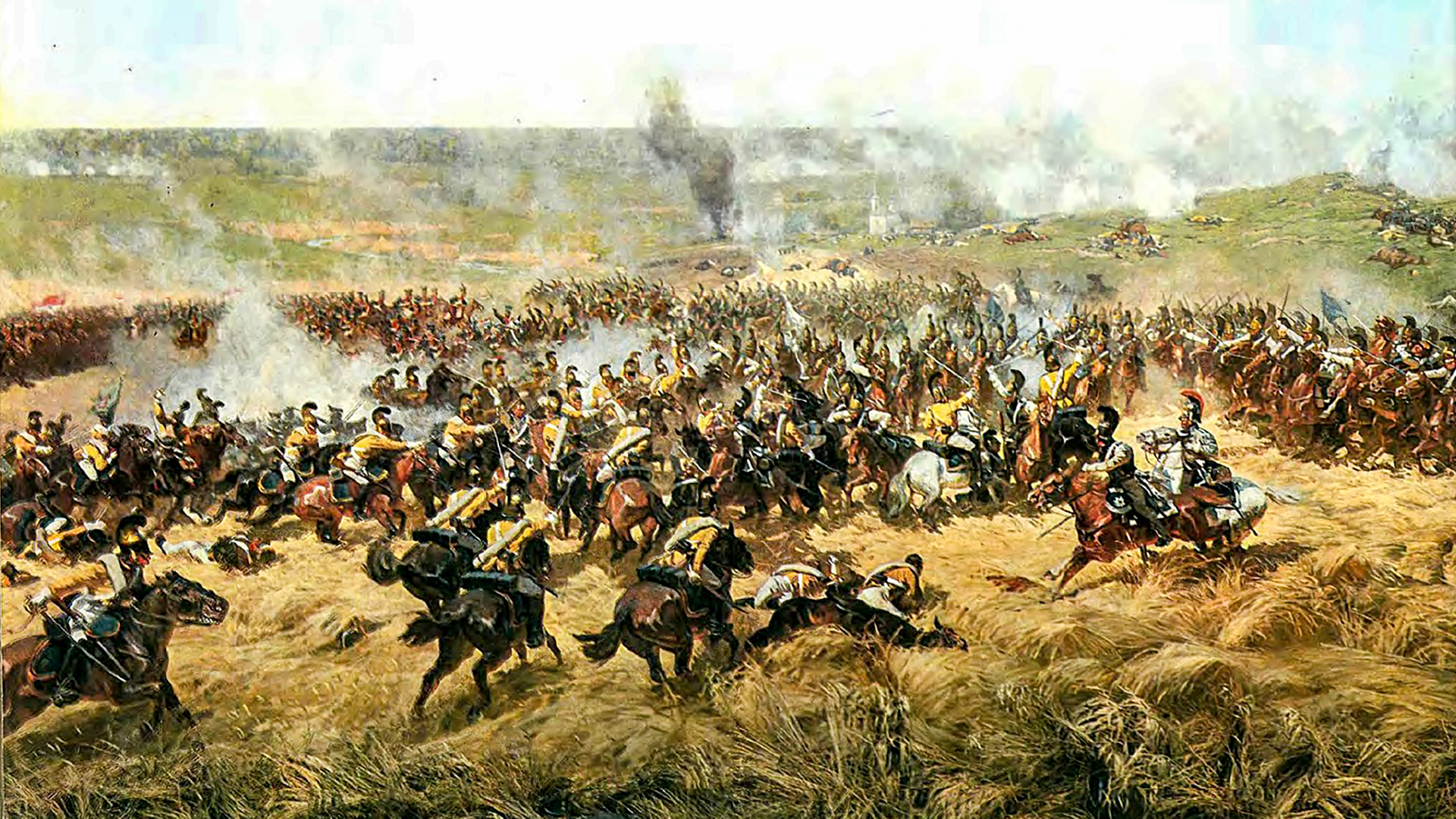
Meanwhile, in Moscow, discontent with the Poles reached its peak; they behaved as if they were in a captured city. When garrison commander Alexander Gonsevsky ordered residents to install cannons on the Moscow Kremlin walls on March 19, a riot erupted.
Brutal fighting began in the city center, involving advance units of the militia that had infiltrated the city. Gonsevsky then ordered the burning of the trading quarters and, under cover of the confusion, the crackdown on local boyar opposition. By March 21, with the help of German mercenaries, he had managed to suppress the rebellion.
"Six or seven thousand Muscovites perished. In the stores, called ‘kleti’, arranged like the cloth halls of Krakow, the bodies of the slain were piled one on top of another," recalled Polish Rittmaster (Captain) Nikolai Marchotsky.
After such a massacre, the number of Vladislav's supporters in Russia sharply declined. And although the first militia failed to liberate Moscow from the invaders, the second militia successfully accomplished this task in 1612.