
Why is Leonid Brezhnev's reign called the ‘Era of Stagnation’? (PHOTOS)
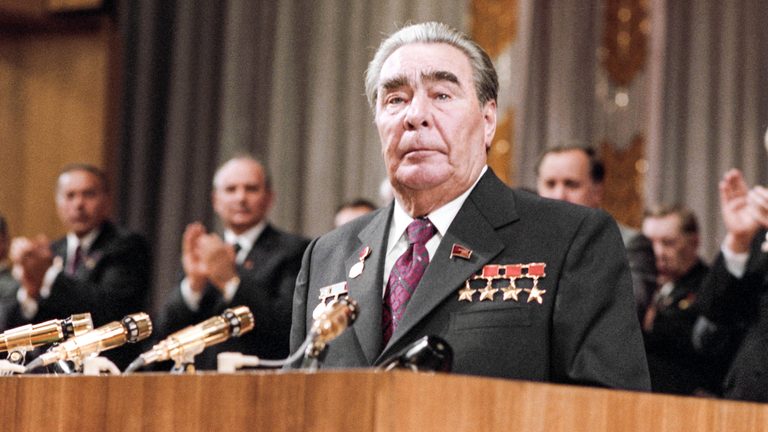
At the time, rigidity in the upper echelons of power and a reluctance to undertake radical economic reforms coexisted with a relatively high standard of living for the average citizen.
“The practical actions of party and government bodies lagged behind the demands of the times and of life itself. Problems with the country's development problems were mounting faster than they were being resolved… Signs of stagnation began to appear in society," said Mikhail Gorbachev, the last leader of the USSR, in 1986, assessing the legacy of his predecessors. First and foremost, that of Leonid Brezhnev, who held power from 1964 to 1982. Since then, the term ‘stagnation’ has become firmly established in common usage.
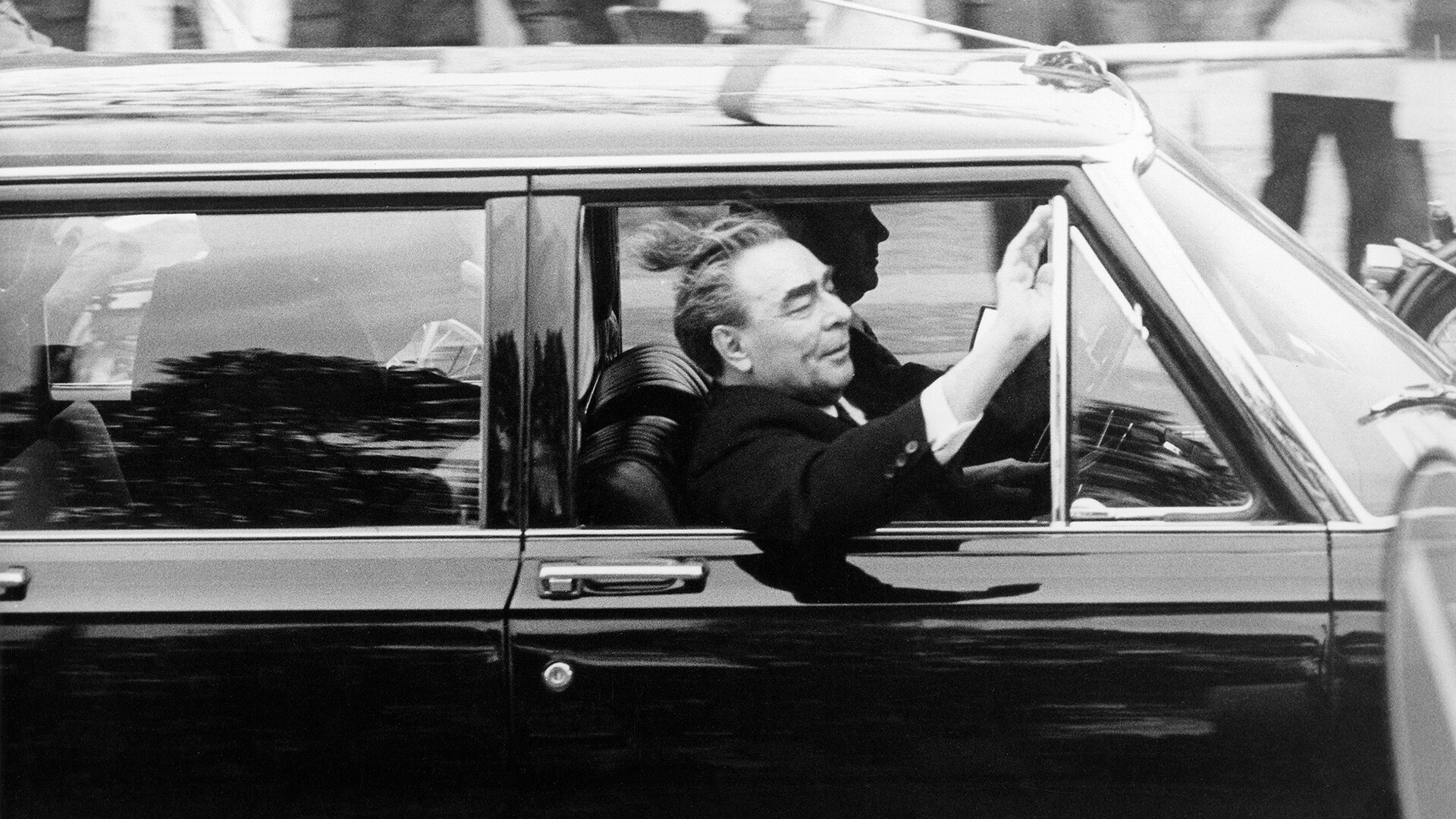
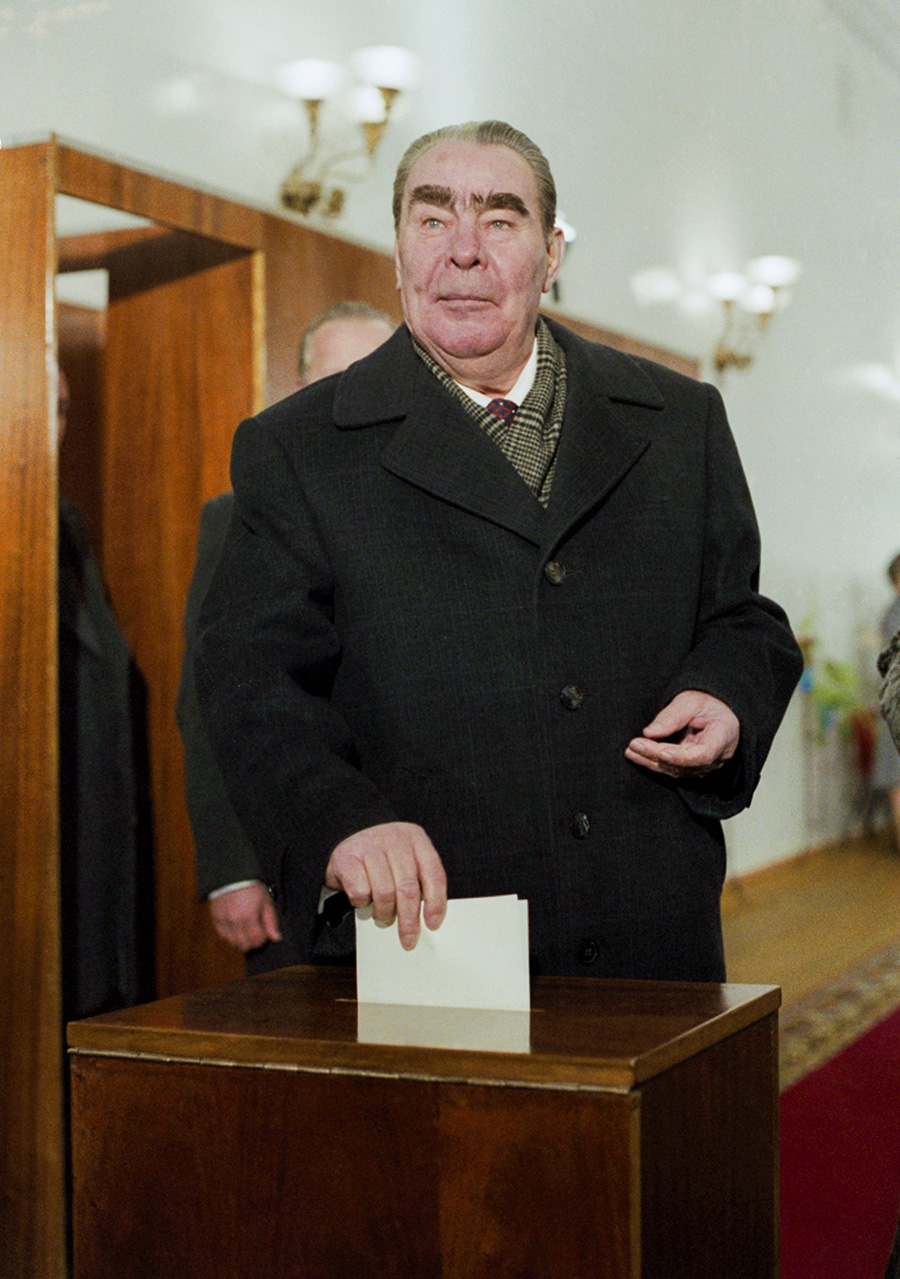 Leonid Brezhnev at a polling station while voting, 1979.
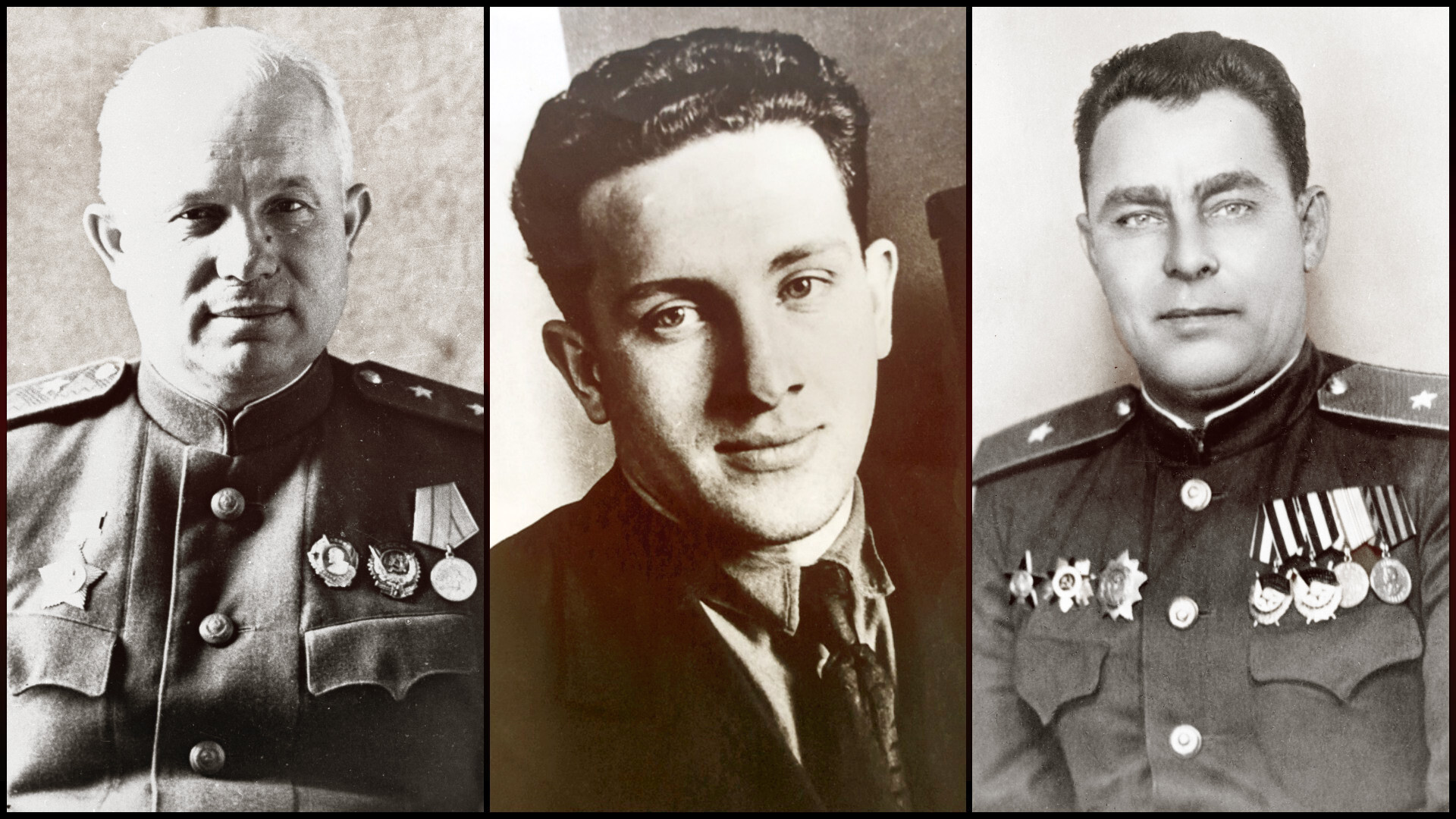
The era of stagnation is primarily associated with rigidity in the upper echelons of power and the immutability of the political elite. In theory, anyone could enroll in the top party schools. In practice, however, admission was largely limited to relatives and acquaintances of party officials, and the advancement of a capable person “from the street” was stalled at some point. The average age of government members was 70. At the time of Brezhnev’s death in 1982, the “youngest” member of the Politburo was the 51-year-old Gorbachev.
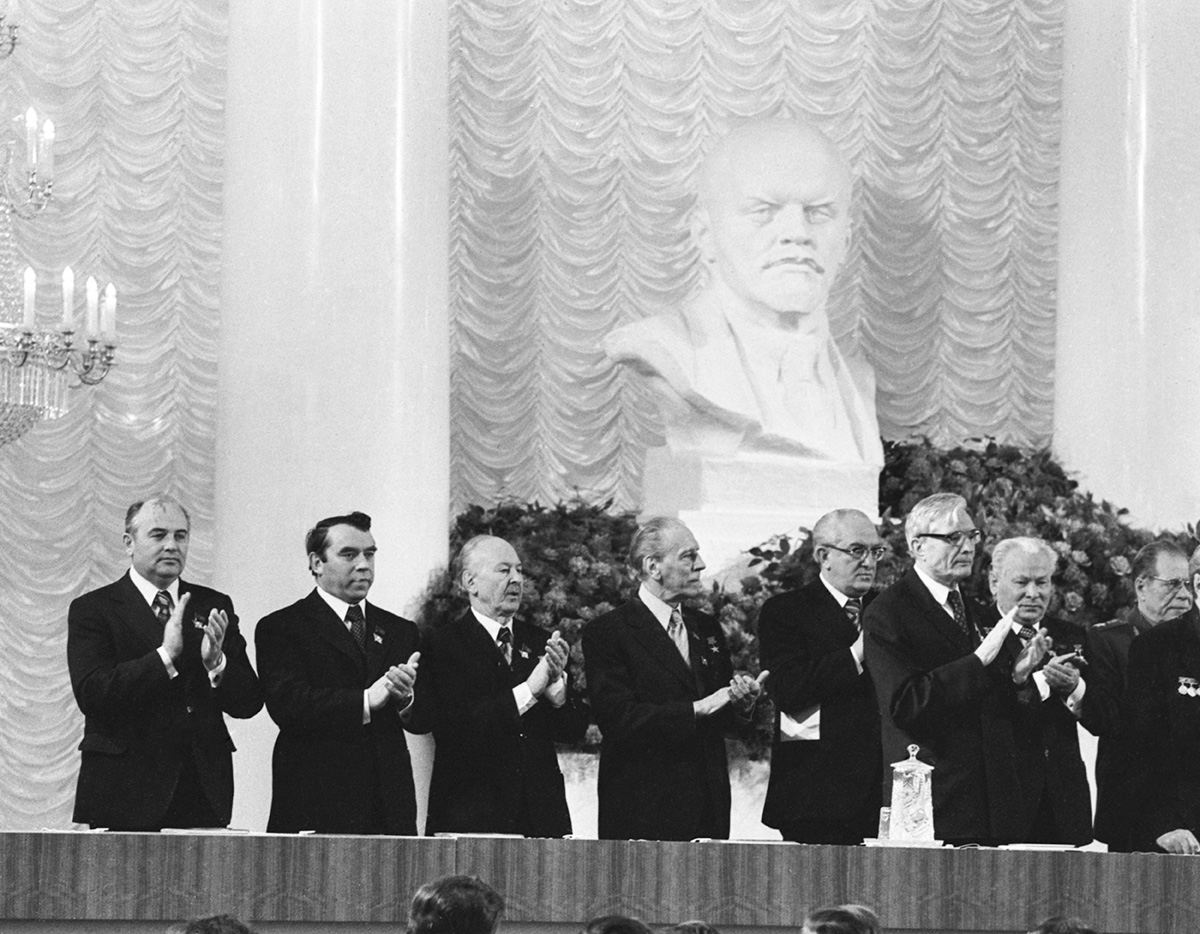 The 23th Conference of Moscow City Communist Party Organization, 1979.
At the same time, bureaucracy was expanding. By the early 1980s, the number of administrators had risen to 18 million, with one official for every six workers. About 10 percent of the state budget was spent on their salaries. In 1986, Gorbachev called bureaucracy “a serious obstacle to… accelerating the country’s socioeconomic development and the associated fundamental restructuring of the economic system”.
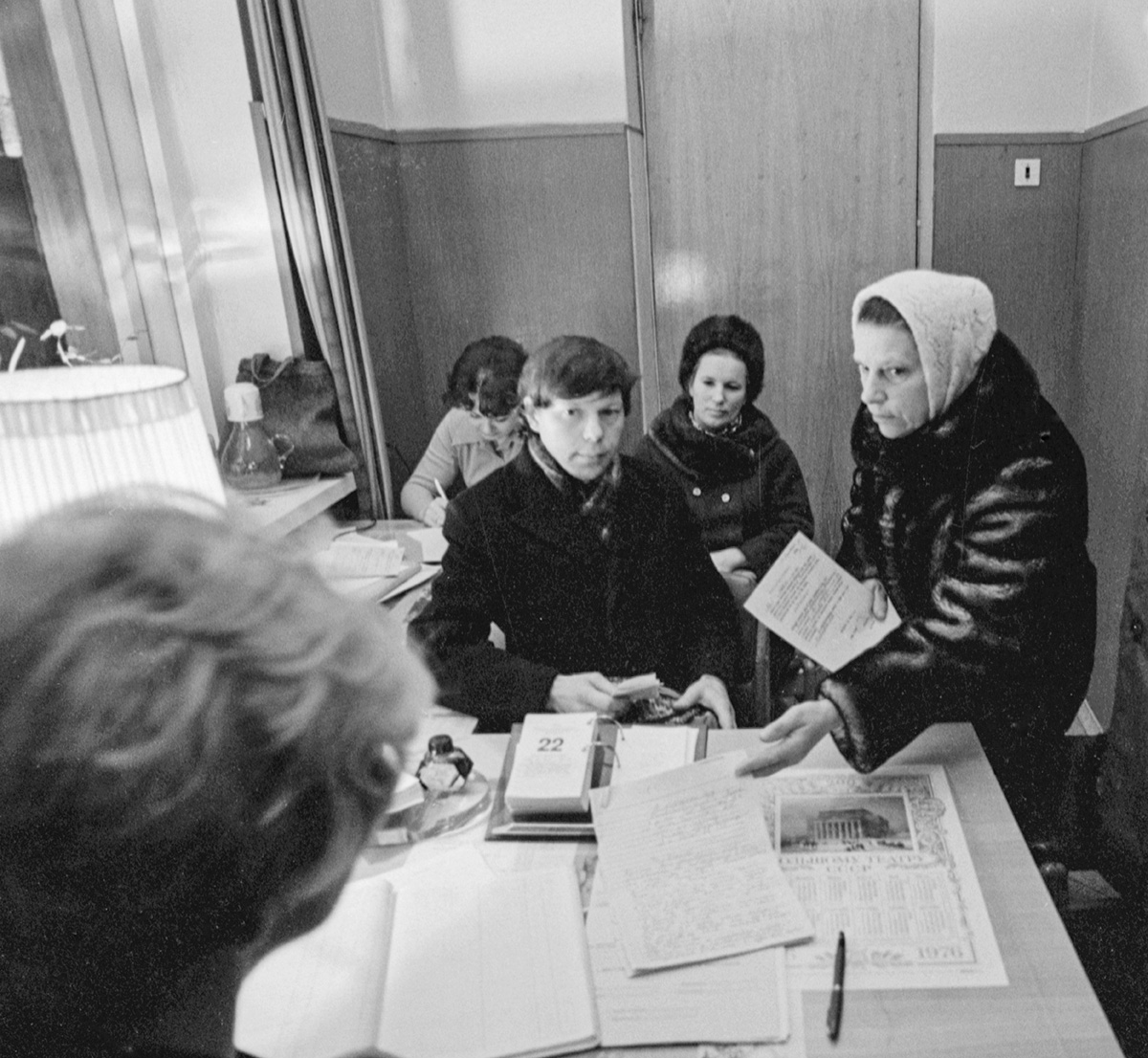 People's Judge N. Udalova meeting with citizens.
In the economy, stagnation manifested itself in the authorities' reluctance and fear of undertaking large-scale reforms. The reforms of Alexei Kosygin, Chairman of the Council of Ministers of the USSR, in the mid-1960s – which gave enterprises greater autonomy – had only a temporary effect and were quickly rolled back. The fundamental principles of the economic structure remained unchanged; the economy continued to pursue a predominantly extensive development path, production rates slowed and the technological lag behind Western countries widened.
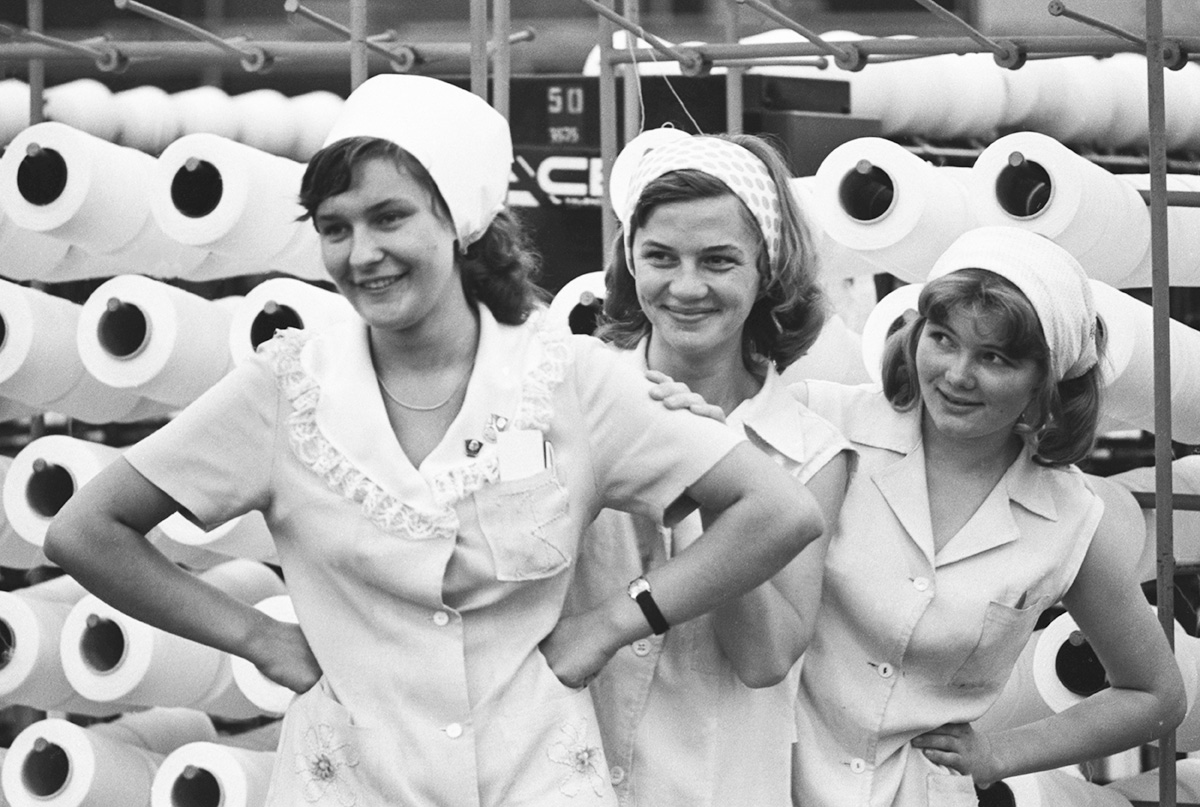 Advanced shop workers of bulk yarn in Kaunas artificial fiber plant.
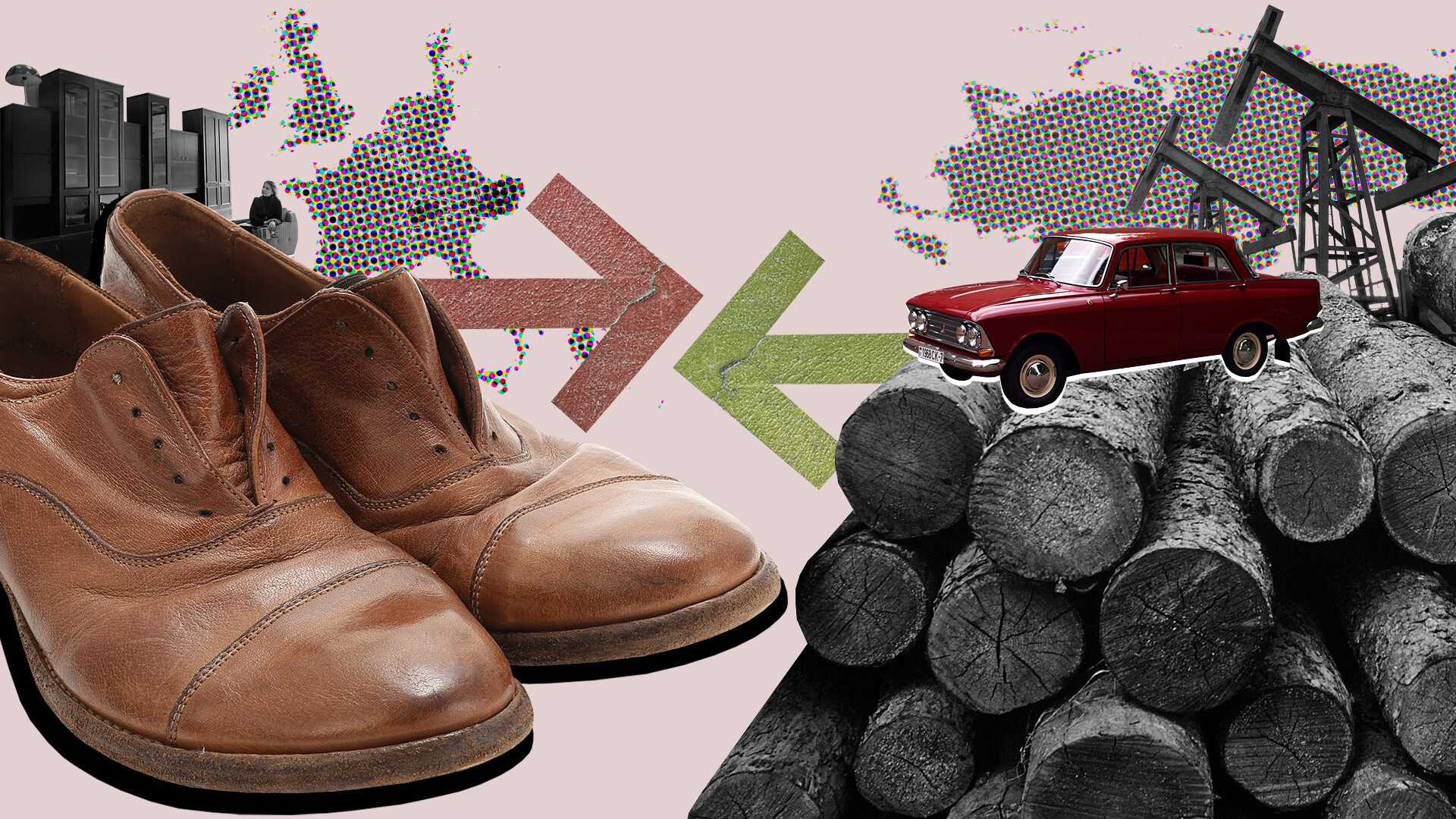
In the mid-1970s, global oil and gas prices soared and the USSR, as one of the leading exporters, began to generate enormous revenues. This further diminished the government's desire for change. The lion's share of funding went toward developing the military-industrial complex and the space industry, while the light industry and food industry were chronically underfunded. This led to shortages of goods and food products, constant waiting lines and the emergence of a black market and shadow economy.
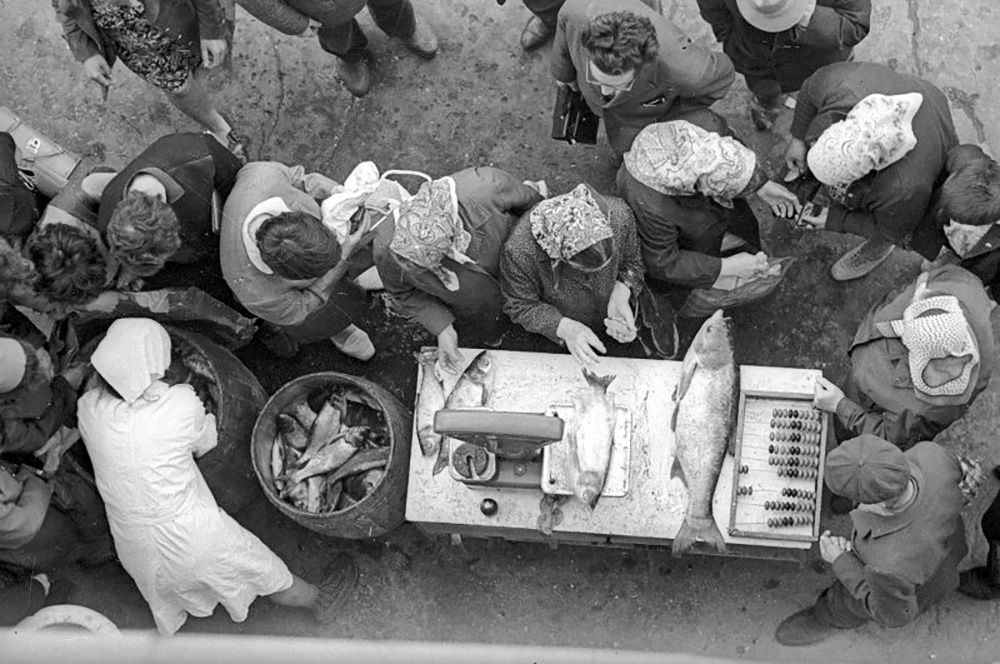
But, for ordinary citizens, the era of stagnation brought a sense of confidence in the future. By the early 1980s, tens of millions of people had received apartments in new buildings, the average salary had increased by 1.5 times and utility bills remained nominal. In this way, the authorities allowed people to enjoy the stability and benefits of "developed socialism" while communism was still being built.