
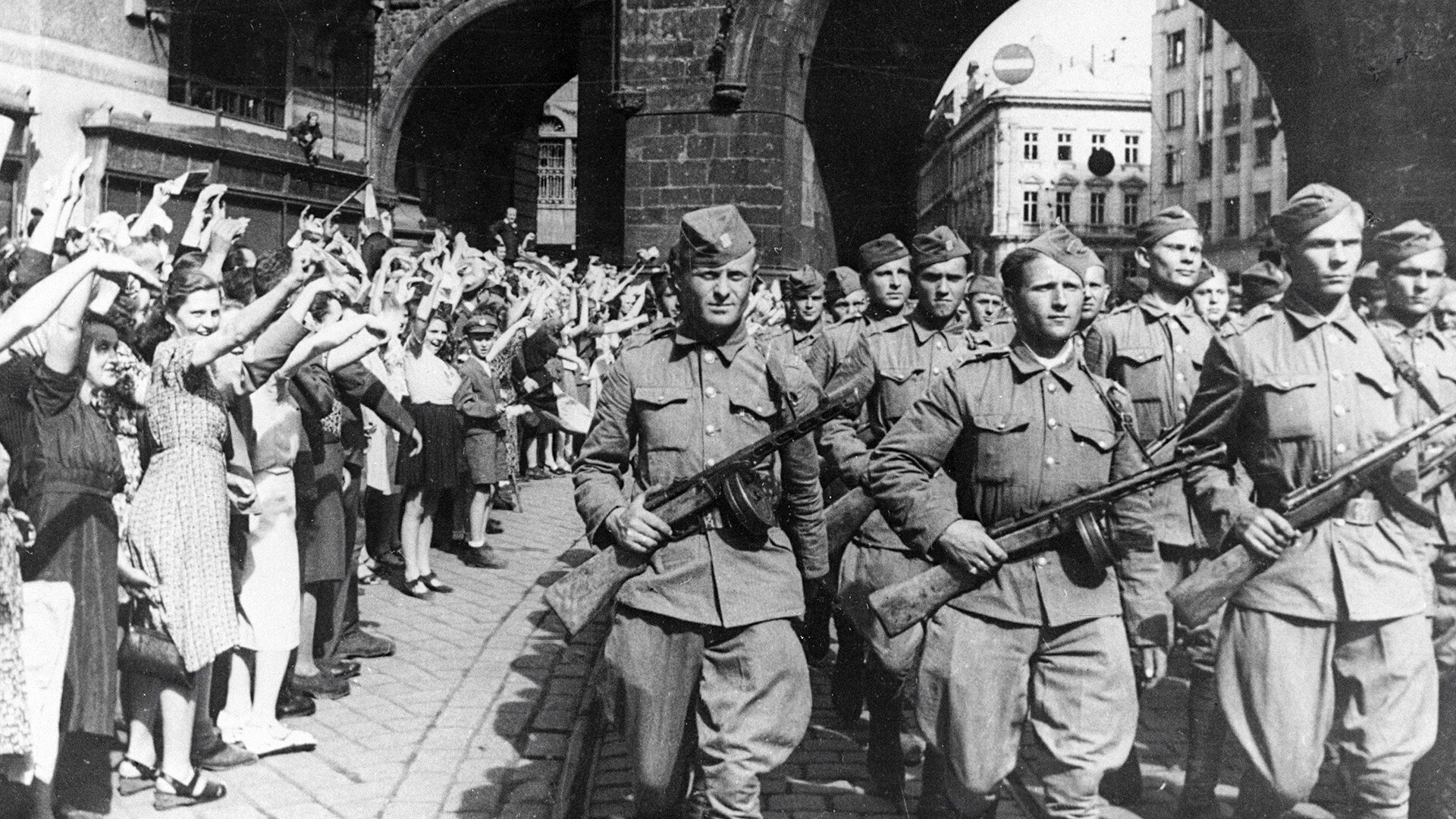
Did the Czechs & Slovaks trigger the Russian Civil War?
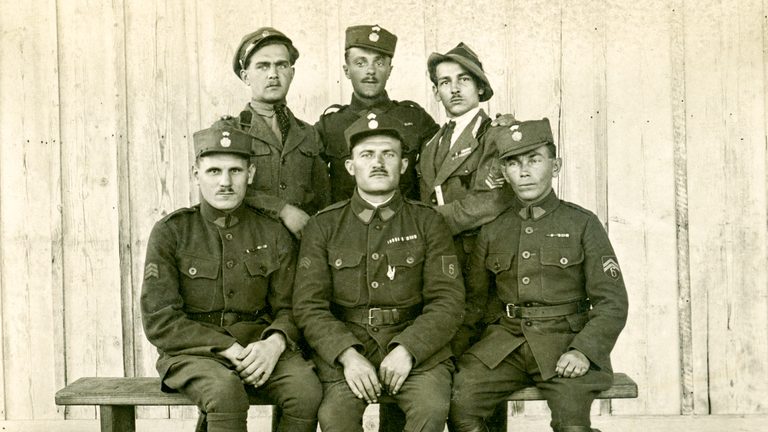
At one point, the Czechoslovak Legion was the most combat-ready military formation in all of Siberia.
“The intervention of the Czechs in the Russian Revolution… proved… truly fatal,” wrote Soviet diplomat and historian Ivan Maisky, assessing the armed uprising of the Czechoslovak Legion against the Bolsheviks in Spring 1918. The legion had been formed during World War I from Czech and Slovak prisoners of war who wished to fight against the Habsburgs.
However, after coming to power, the Bolsheviks set a course for withdrawing from the war, leaving the legion without a mission. In January 1918, Moscow reached an agreement with the Entente to place the corps under French command and transport it to the Western Front via the Far East. In April, trains carrying the legionnaires began moving toward the Pacific coast.
Problems soon arose. London and Paris had just launched an intervention in Russia and decided to use the Legion as the “vanguard of Allied forces” right there, rather than in France. The first soldiers to arrive in Vladivostok found that no ships had been prepared for them. Meanwhile, Germany sought to prevent the Legion’s deployment to the West, exerting diplomatic pressure on Moscow. The Czechoslovak troops found themselves stranded in trains along the Trans-Siberian Railway, angered by Soviet demands to surrender their weapons and convinced that the Bolsheviks intended to hand them over to the Germans.
In May, this mounting tension boiled over. The legionnaires staged an uprising and began seizing cities one by one across the Volga region, the Urals and Siberia. Anti-Soviet forces immediately mobilized in these areas and Bolshevik authority in the eastern part of the country collapsed like a house of cards. Alternative governments sprang up everywhere, such as the Committee of Members of the All-Russian Constituent Assembly. A full-scale Civil War erupted and the Czechs and Slovaks took part in it almost until the very end.
Maisky believed that, had it not been for the armed uprising of the legionnaires, this war could have been avoided and the situation would have been limited to “minor local uprisings” that the Soviet authorities could have easily suppressed. “It’s difficult to find words strong enough to describe the dark and treacherous role they played,” noted the diplomat.