

How seaweed was harvested on the Solovki Islands during World War I

At the beginning of the 20th century, Russia purchased iodine from Europe, but when the war began, it had to hastily organize its own production.
Many peoples of the world had known about the benefits of seaweed since ancient times, but industrial harvesting began only in the 19th century, when iodine was discovered. First of all, this element was used in medicine for disinfection.
An important import

Most of Russia’s supplies came from Chile via Germany and England. But, in 1914, World War I began and iodine became a critically important product for the armies of all countries. European countries refused to supply iodine to Russia, while neutral ones drove up prices. The shortage had to be solved with their own resources.
In search of seaweed
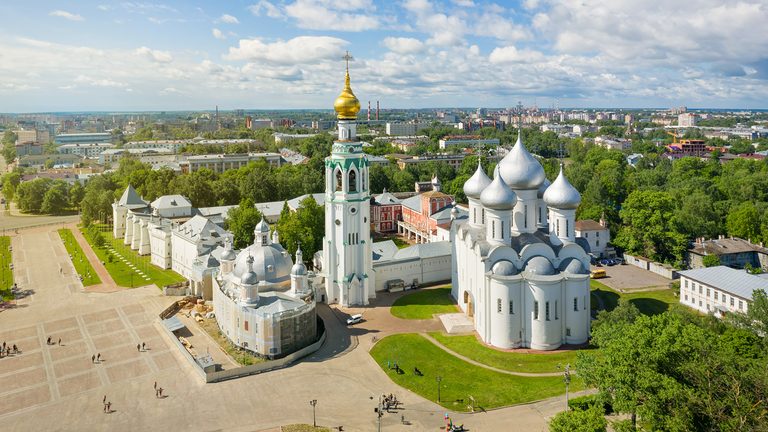
In Russia, a special committee was organized to search for locations suitable for the production of medicines. One scientific expedition set out for the White Sea, near the Solovetsky Monastery, where seaweed with a high iodine content was often found. Another expedition went to the Barents Sea, where massive quantities of seaweed was washed ashore during severe storms, forming waves.
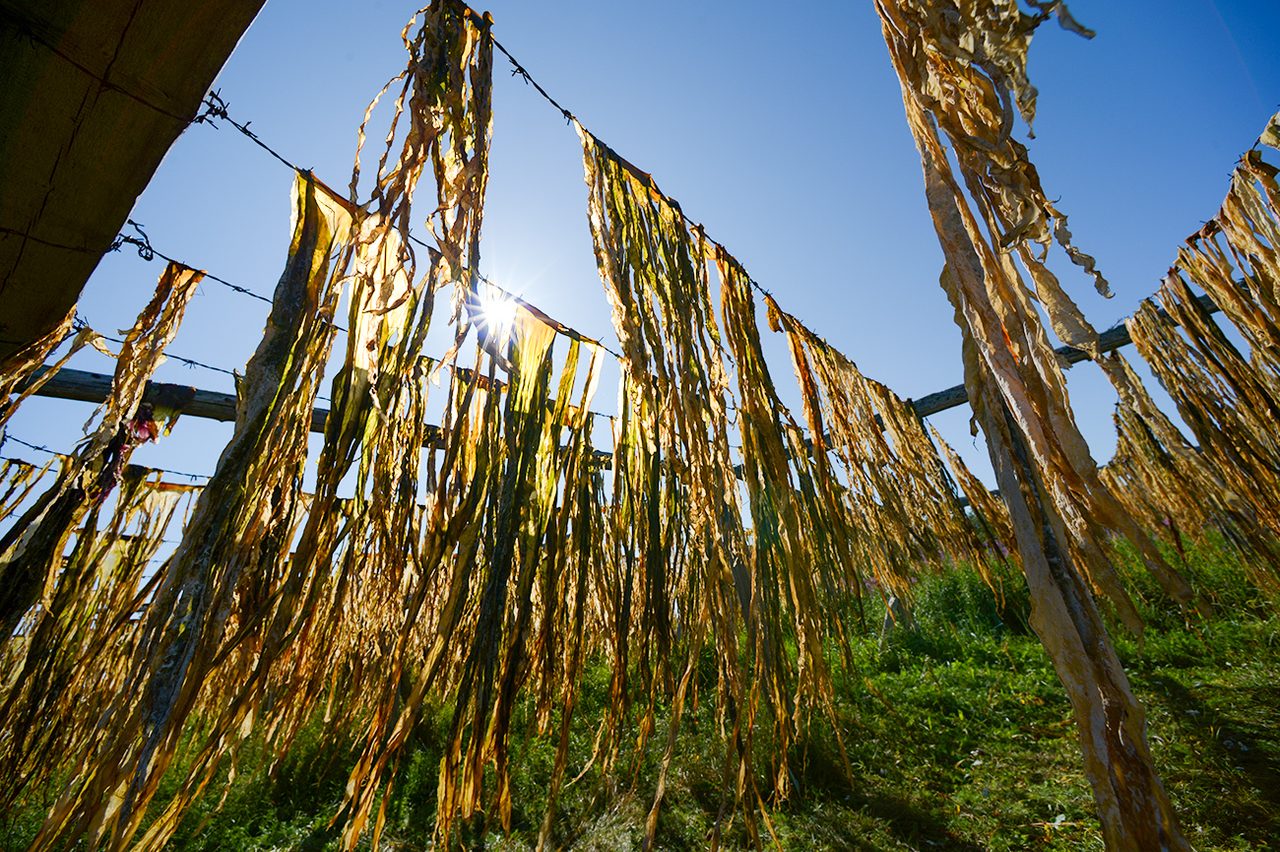
At the same time, the committee studied both the salt marshes near the Sea of Azov and the seaweed growing in the Far East. The best results were shown by experiments on the remote islands of the White Sea.
In 1916, a decision was made to build a plant in Arkhangelsk for processing iodine from seaweed. The committee estimated that eight tons of iodine would be produced there annually. And although the first batch was received that same year, due to the war, it was not possible to reach full capacity.
Manual labor
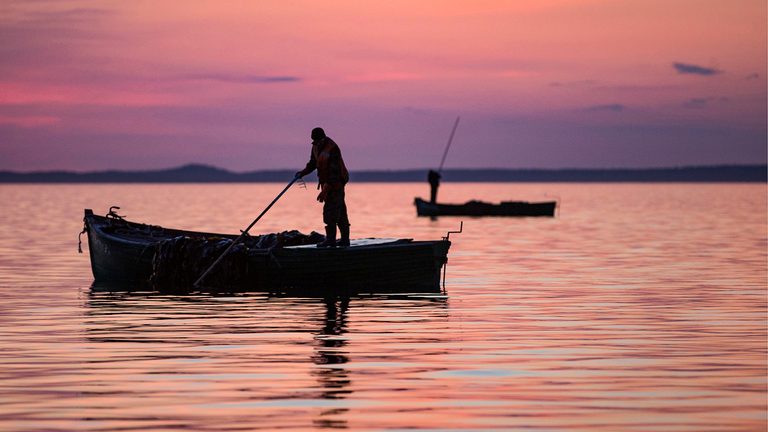
A couple of years later, already after the revolution, the Arkhangelsk Seaweed Combine was officially opened. Kelp was harvested by hand near the island of Malaya Muksalma using a special sickle.
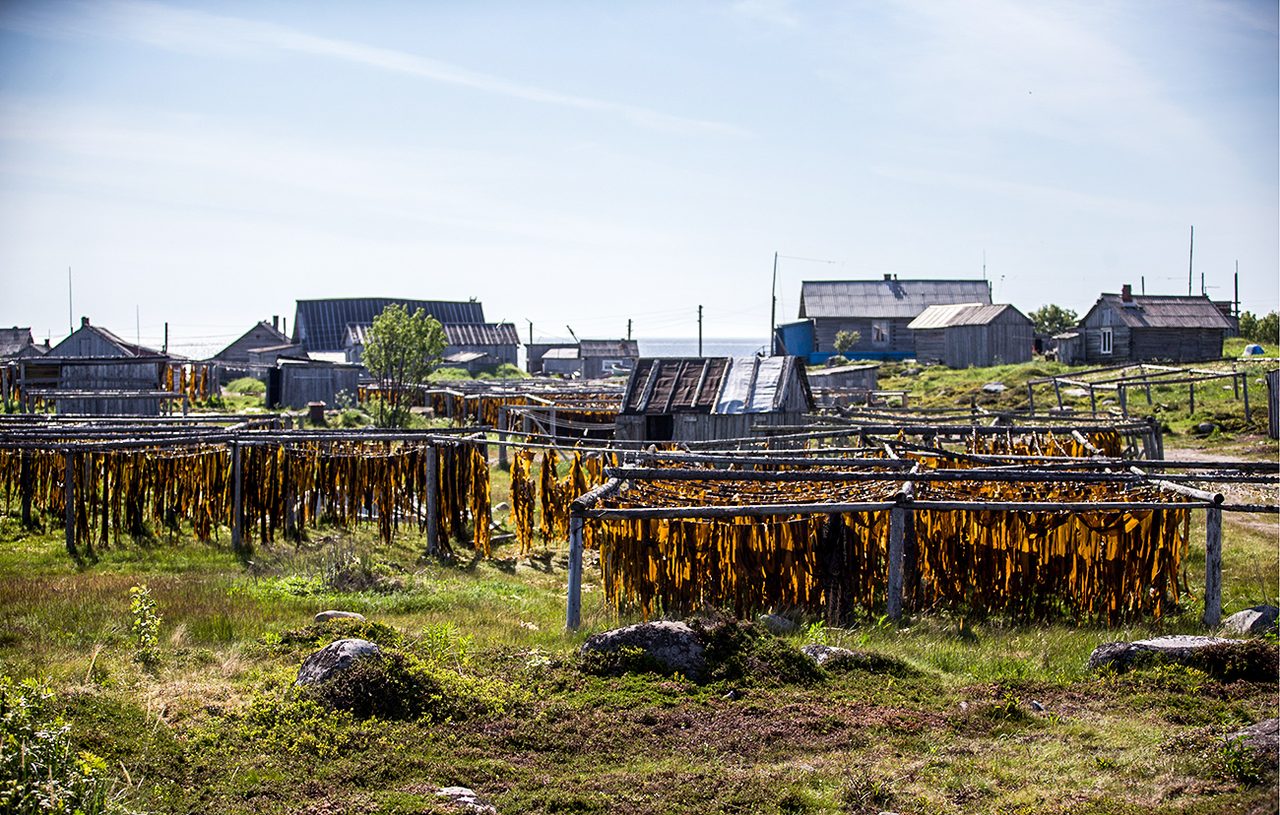
That’s how it’s harvested today, as well: in the Soviet era, attempts were made to automate the harvest, but, it turned out that this harmed the plants.
Now, the seaweed is also used for food, cosmetics and the production of dietary supplements.