
What architectural styles can be found in Russia? (PHOTOS)
Architecture of past eras makes it easier to trace how people lived, how they spent their time and what they considered necessary versus aesthetic.
There is a view that even the Baptism of Old Russia was influenced by architecture's impact on people's perceptions. In the first Russian chronicle, ‘The Tale of Bygone Years’, the words of Prince Vladimir's envoys are recorded, who witnessed a service in the Cathedral of Saint Sophia in Constantinople: “We knew not whether we were in heaven or on earth, for surely there is no such splendor or beauty anywhere on earth…” In the 10th century, the design of this structure with its high domes, glittering mosaics and the power of natural lighting astonished people and seemed like a miracle.
Ancient Greek architecture
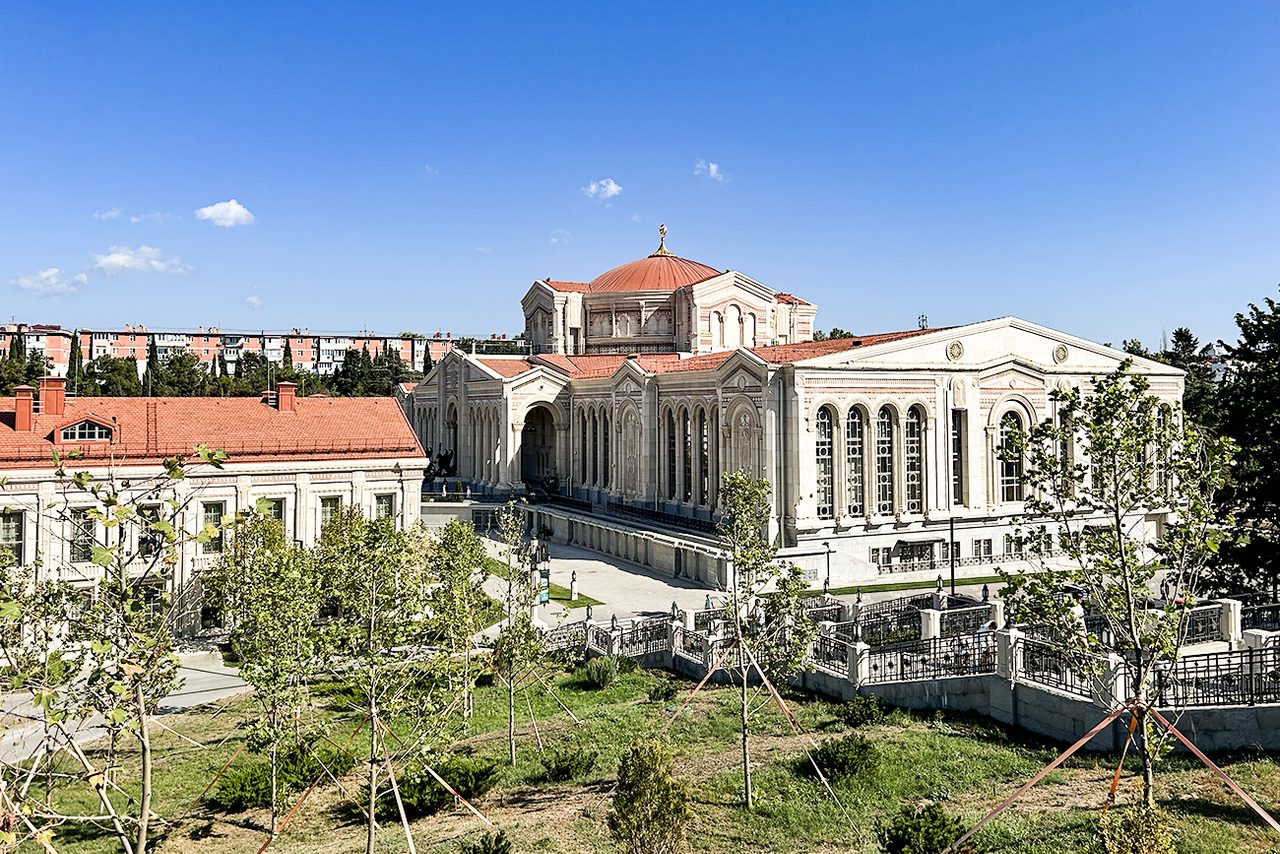
Pediments, colonnades, caryatids and atlantes – all those elements became symbols of classical architecture. In Russia, one of the surviving monuments of ancient Greek architecture is located in Crimea. The Tauric Chersonese museum-preserve safeguards the heritage of a city founded in the 5th century BC.
Ancient Roman architecture
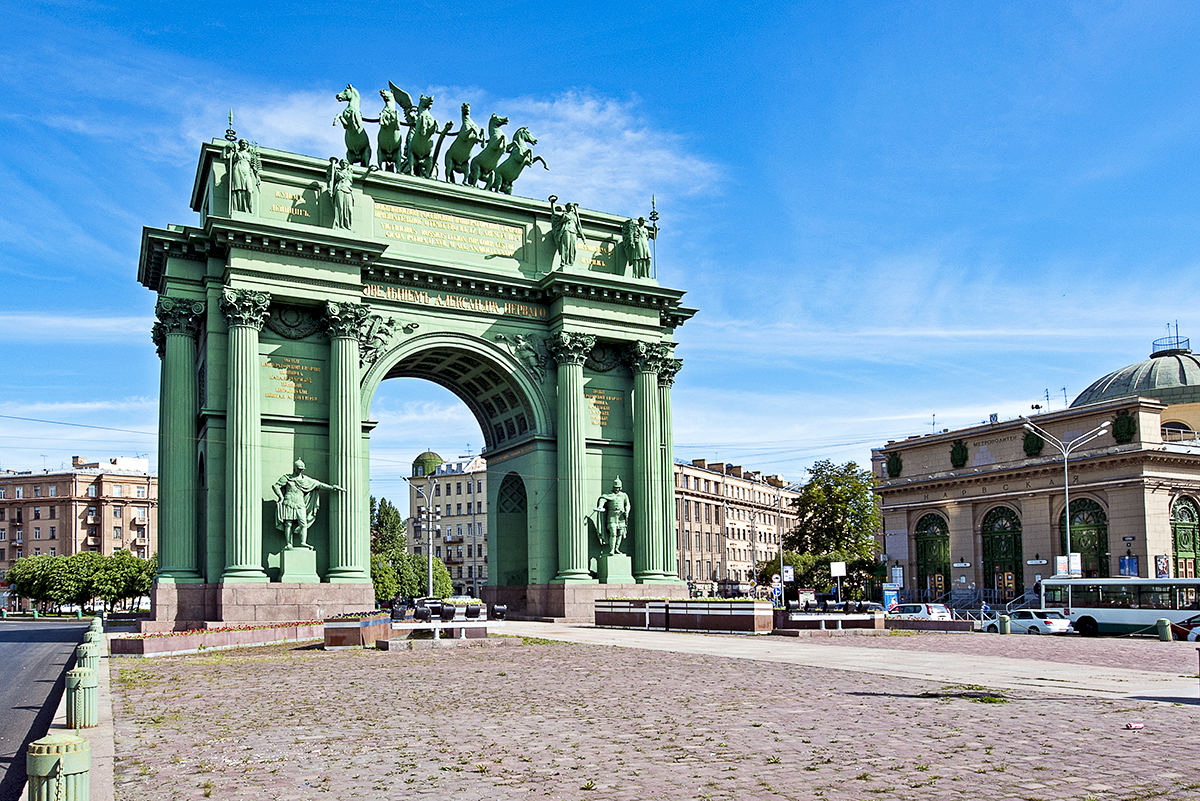
In the architecture of this era, new engineering structures took a special place. The ancient Romans began widely using concrete and constructing arches and entire arcade systems. In Russia, one of the most famous such structures is the Narva Triumphal Gate. It was built for the ceremonial welcome of the victors of the Patriotic War of 1812.
Byzantine architecture
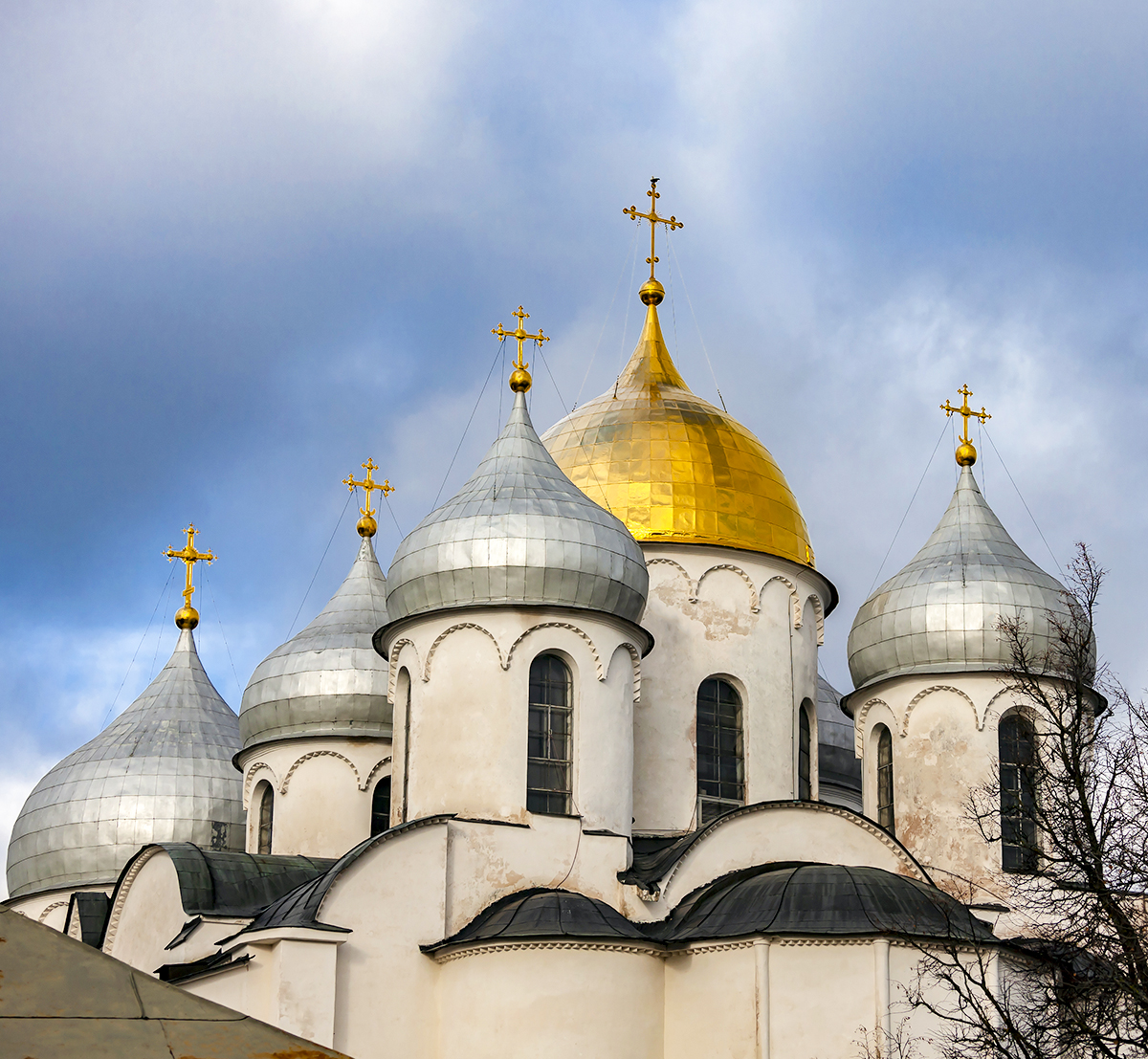
Byzantine culture grew out of ancient Roman culture. Architects of that era used Roman achievements, but altered and improved them. Cross-domed churches following the Byzantine model began to be built in Old Russia. One of the oldest examples is considered to be the Cathedral of Saint Sophia in Veliky Novgorod.
Romanesque style
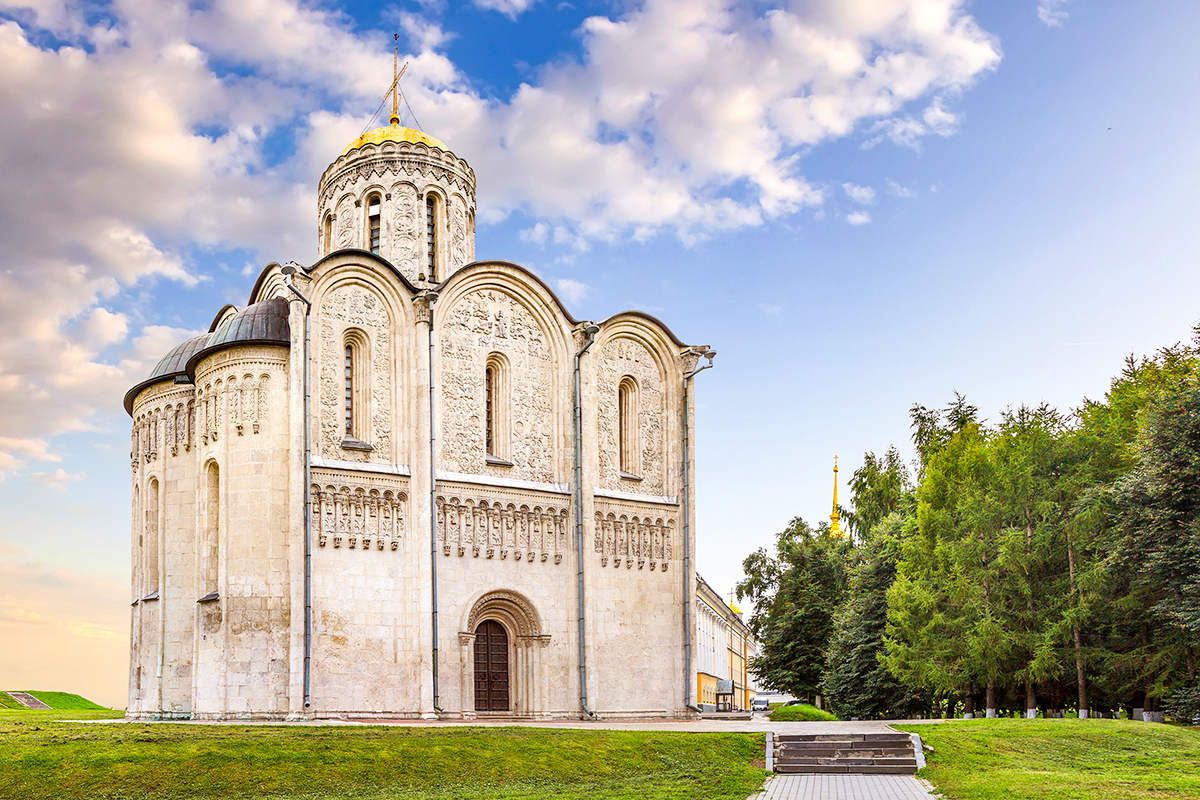
In Western and Central Europe during the 11th–12th centuries, churches were built with massive load-bearing walls, few and narrow window openings and tall towers. A Russian variant of the Romanesque style (which later became 'Russian Romanesque') can be found in ancient cities: in Vladimir, Galich and Suzdal. For example, the 12th-century white-stone Church of Boris and Gleb in the village of Kideksha near Suzdal or the Dmitrievsky Cathedral in Vladimir.
Gothic style
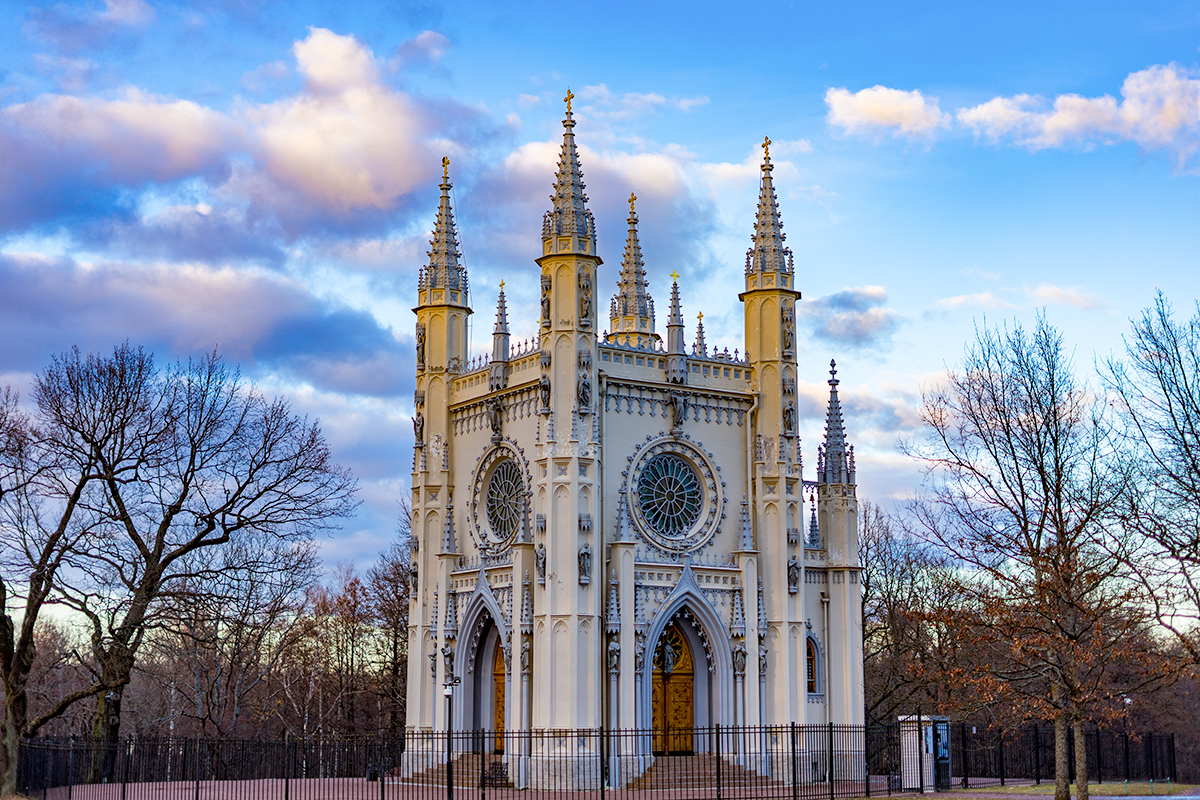
Gothic can be recognized by slender, pointed arches and spires, lancet windows with stained glass and an abundance of carvings and sculptures. In modern Russia, examples of genuine medieval Gothic have been preserved and can be found in Kaliningrad Region, which previously belonged to East Prussia. These are ruins of old fortresses, Lutheran churches and simple chapels. Interest in the Gothic style among Russian architects emerged later, in the 18th-19th centuries. One of the striking examples of Neo-Gothic is the Gothic Chapel in the Alexandria park of Peterhof.
Medieval Russian Regional Schools
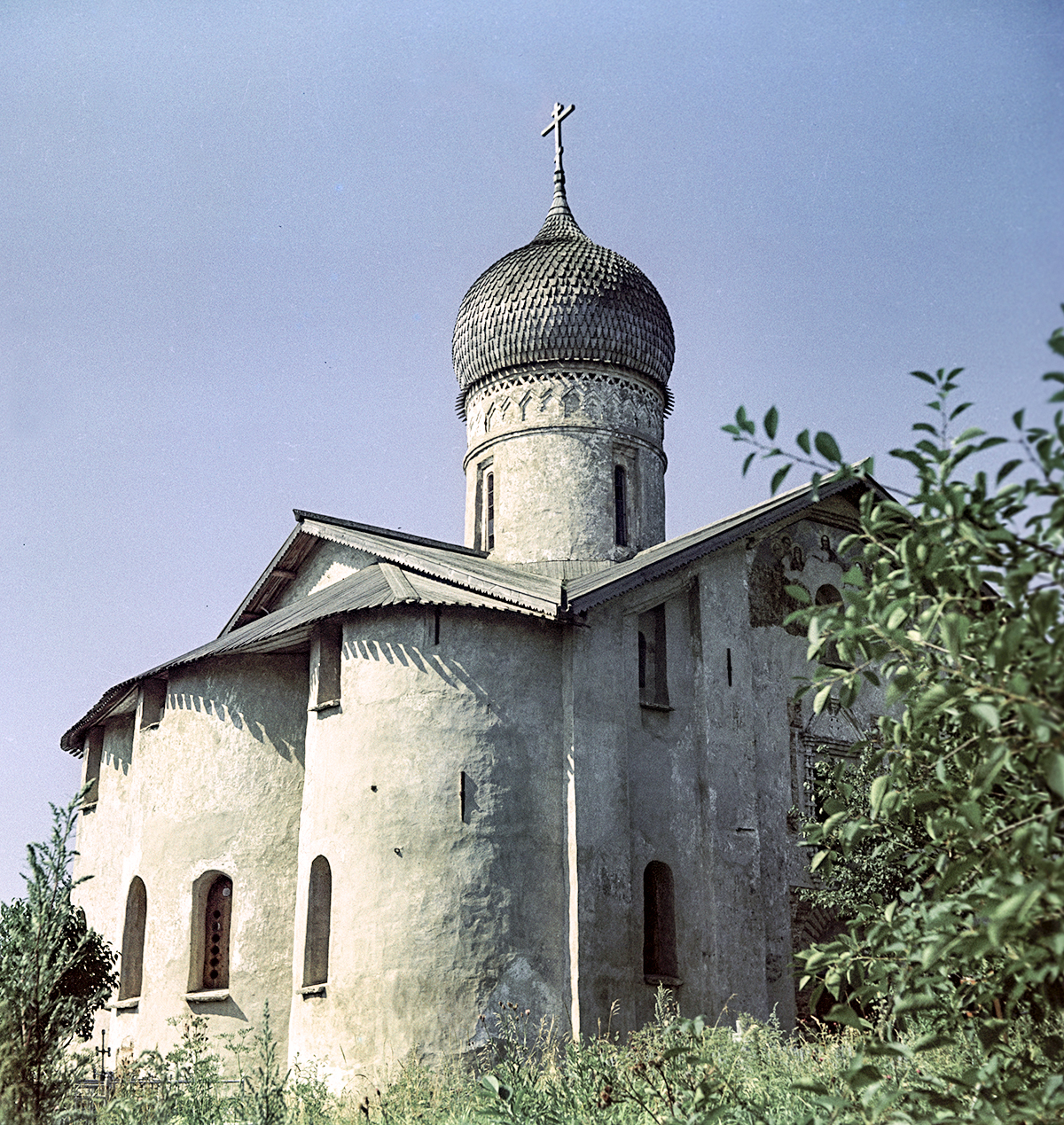
In the 12th century, in feudal-fragmented Old Russia, distinct architectural schools began to emerge. In Novgorod, instead of large cathedrals, they began building small single-domed churches with almost no external decoration. The oldest such building is the 1179 Annunciation Church near the village of Arkazhi. Pskov architects created single-domed cubic-shaped churches, often with multi-span bell towers nearby. The Vladimir-Suzdal architectural school was distinguished by clarity, refinement and even aristocracy and this direction is also known as Russian Romanesque.
Tent-roofed churches
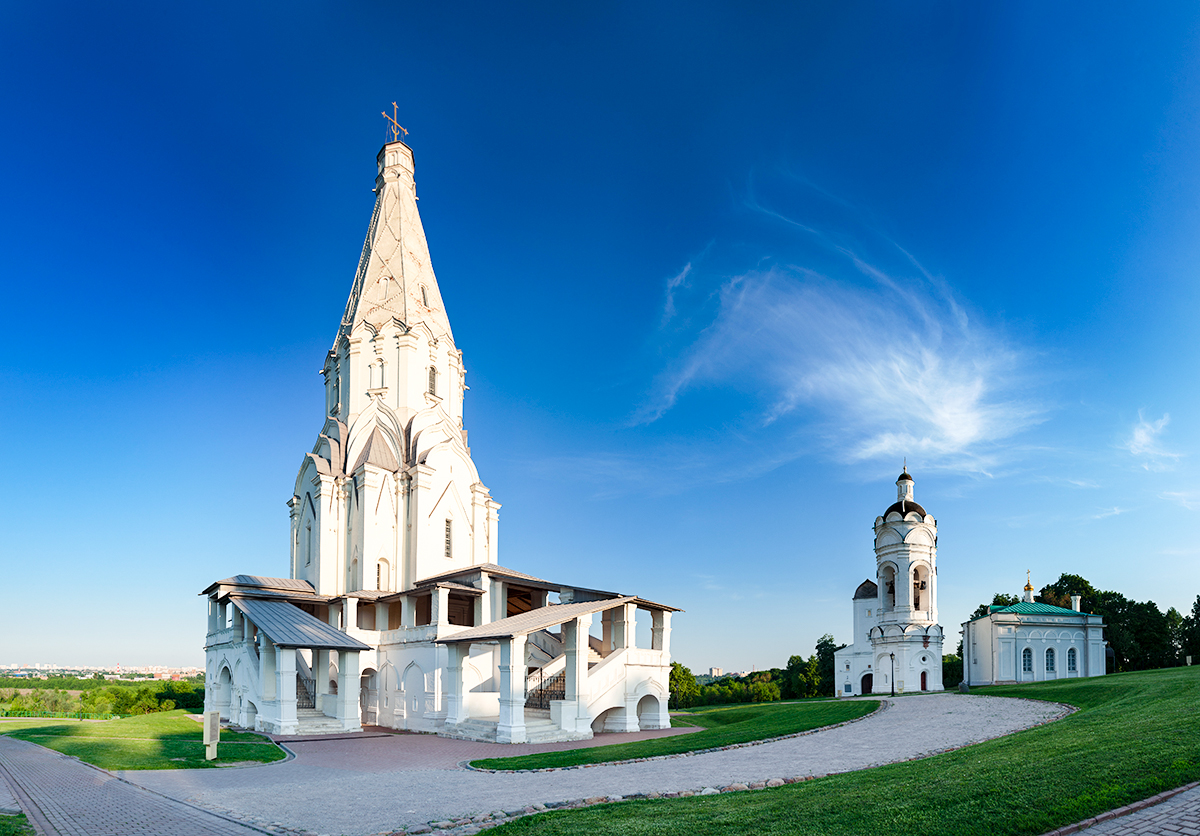
For Russian architecture, the 16th century became a crucial period. A new type of church appeared, such as the “tent-roofed” church. They looked like tall, tower-like structures topped with a pointed tent-shaped roof crowned by a small dome. The first stone tent-roofed buildings are considered to be the Ascension Church in Kolomenskoye (Moscow) and the Trinity Church (now Pokrovskaya) in the town of Alexandrov in Vladimir Region.
Baroque
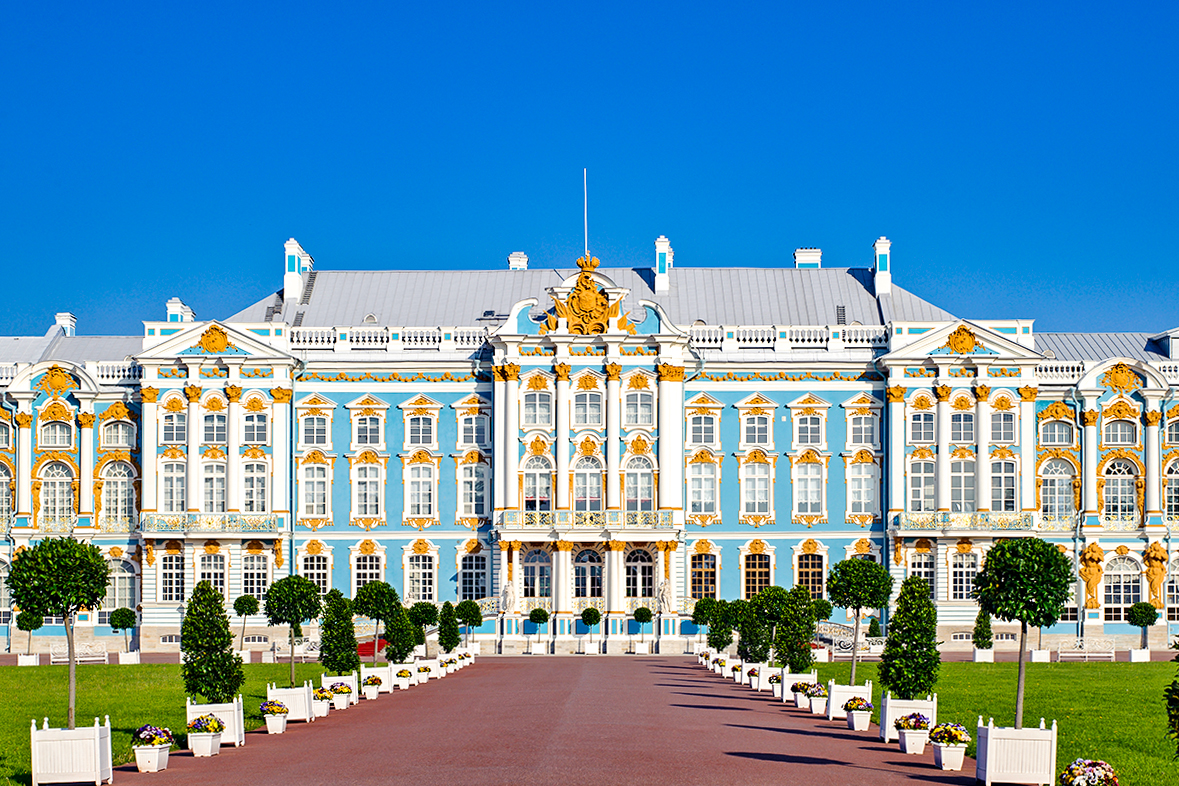
In the 1680s, churches in an ornate style, standing out from the general background, began to appear in Moscow. The most famous monuments of Russian Baroque became the buildings erected during the reign of Peter the Great’s daughter, Empress Elizabeth: the Winter Palace in St. Petersburg, the Grand Palace in Peterhof and the Catherine Palace in Tsarskoye Selo.
Rococo
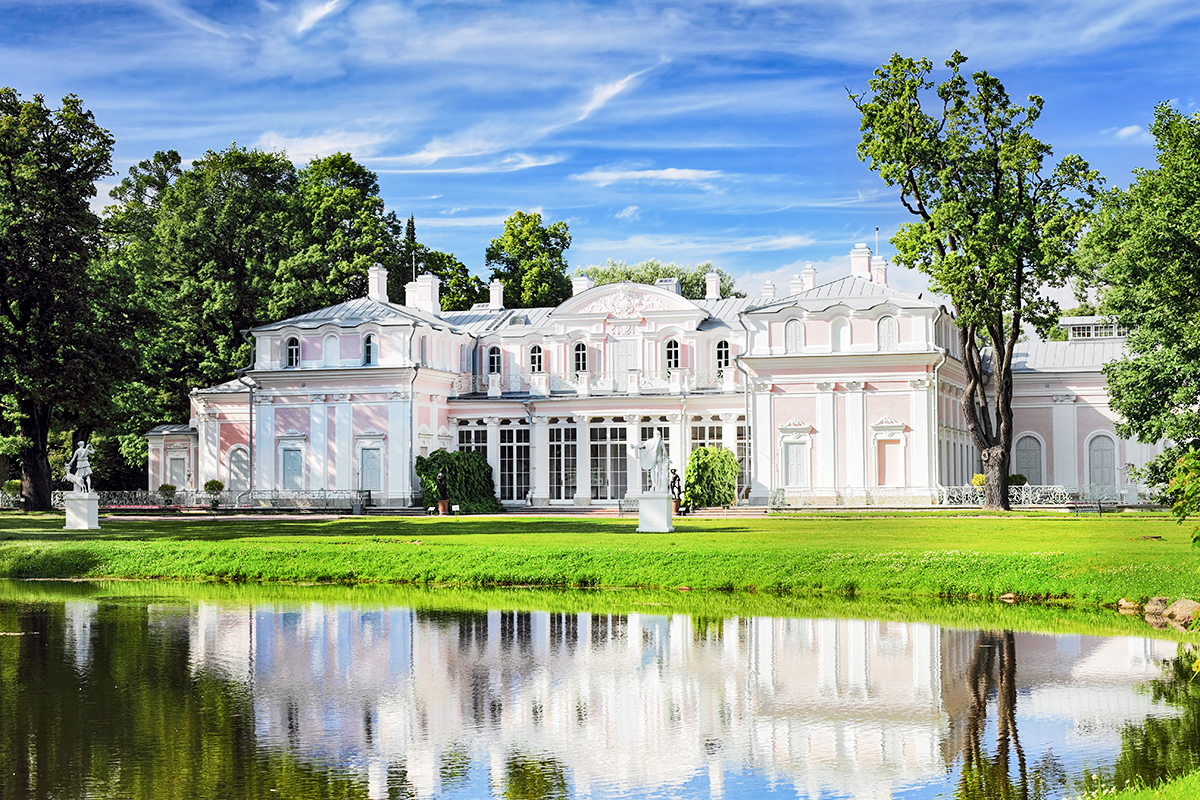
The style became a continuation of Baroque, but more elegant and light: buildings were lavishly adorned with exquisite scrolls, shells and floating cherubs. In Russia, the Rococo style did not linger for long, but, in the St. Petersburg suburb of Oranienbaum, two monuments remain, the Chinese Palace and the Sliding Hill pavilion.
Classicism
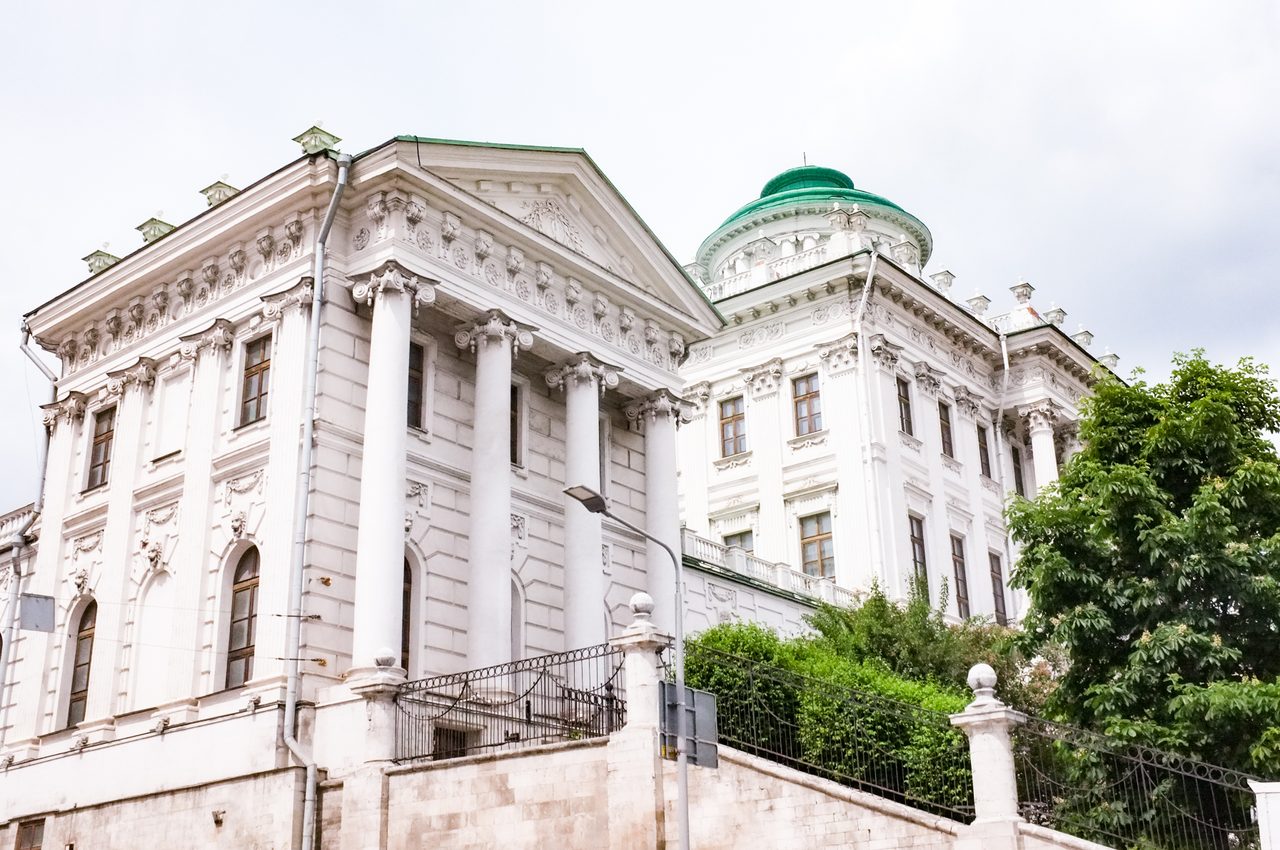
Buildings in this style are characterized by restraint, symmetry and laconic decoration. In Russia, such structures can be found in many cities: one of the striking examples is the Tauride Palace in St. Petersburg or the Pashkov House in Moscow.
Eclecticism & historicism
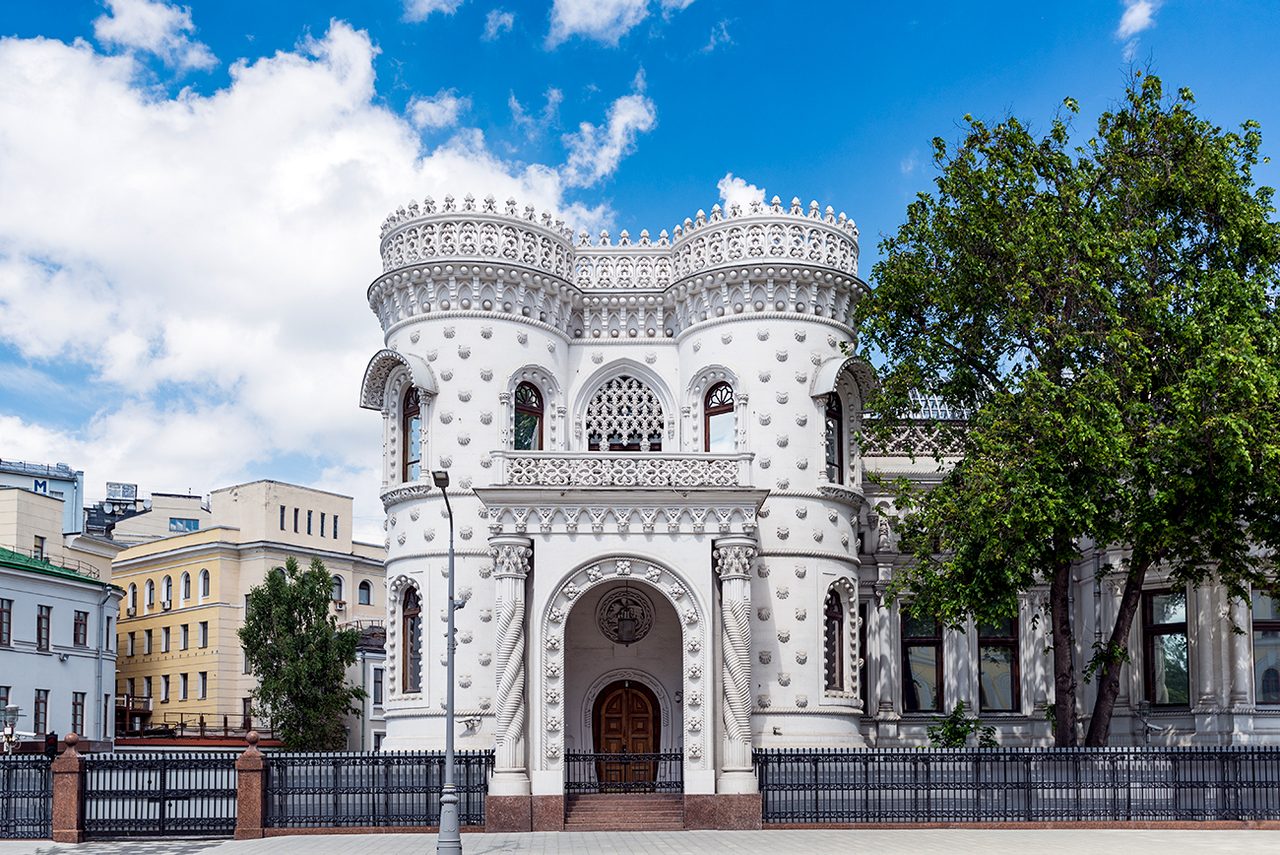
In the 19th century, architects once again turned to historical heritage, giving rise to Neoclassicism, Neo-Romanesque, Neo-Gothic, Neo-Byzantine style and many others. Sometimes, motifs from different styles were combined in one architectural complex. One striking example of this approach is Arseny Morozov’s mansion (or the ‘House with Shells’ in Moscow).
Art Nouveau
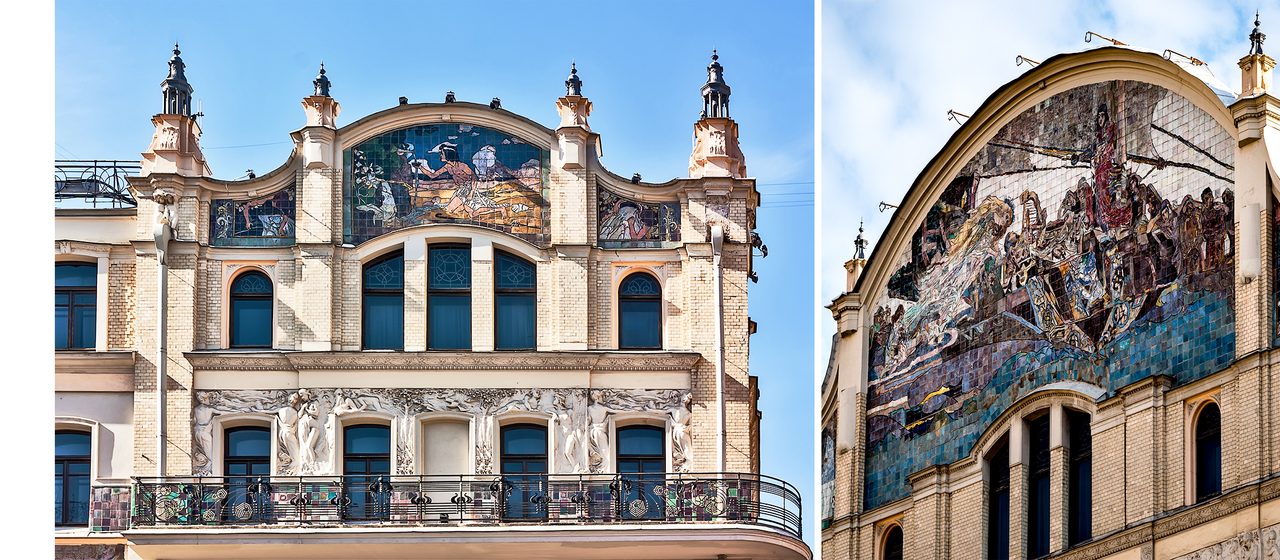
The Art Nouveau style appeared at the turn of the 20th century. New construction technologies, such as the use of reinforced concrete, the possibility of glazing facades, gave architects greater creative freedom. Unusual curved lines, ornaments and plant motifs in mosaics, stucco and paintings on facades, as well as asymmetry of volumes, came into fashion. A vivid example of Art Nouveau in Russia is the Metropol hotel in Moscow.
Modernism & avant-garde
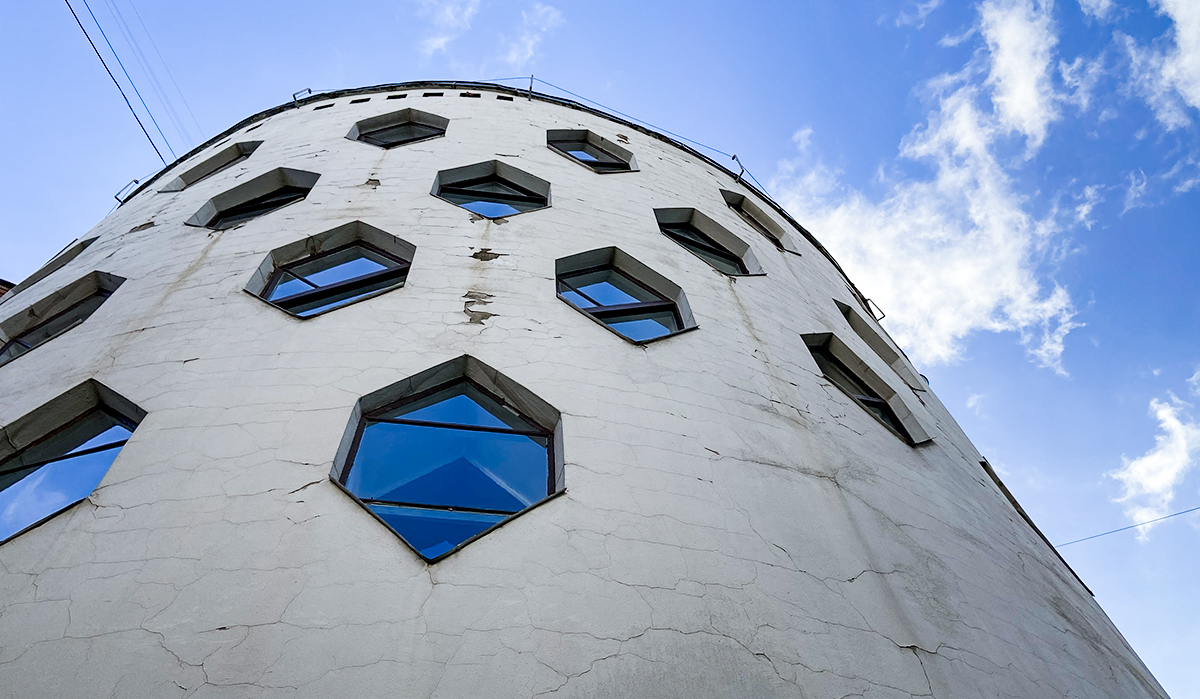
The 1910s became a turning point in the visual arts. Many authors opposed historical continuity and various movements began to appear. One of the first innovations was a fundamental rejection of excessive decoration and an emphasis on functionalism. Architects erected colossal new buildings of reinforced concrete, with smooth facades, ribbon glazing and flat usable roofs.
Constructivism
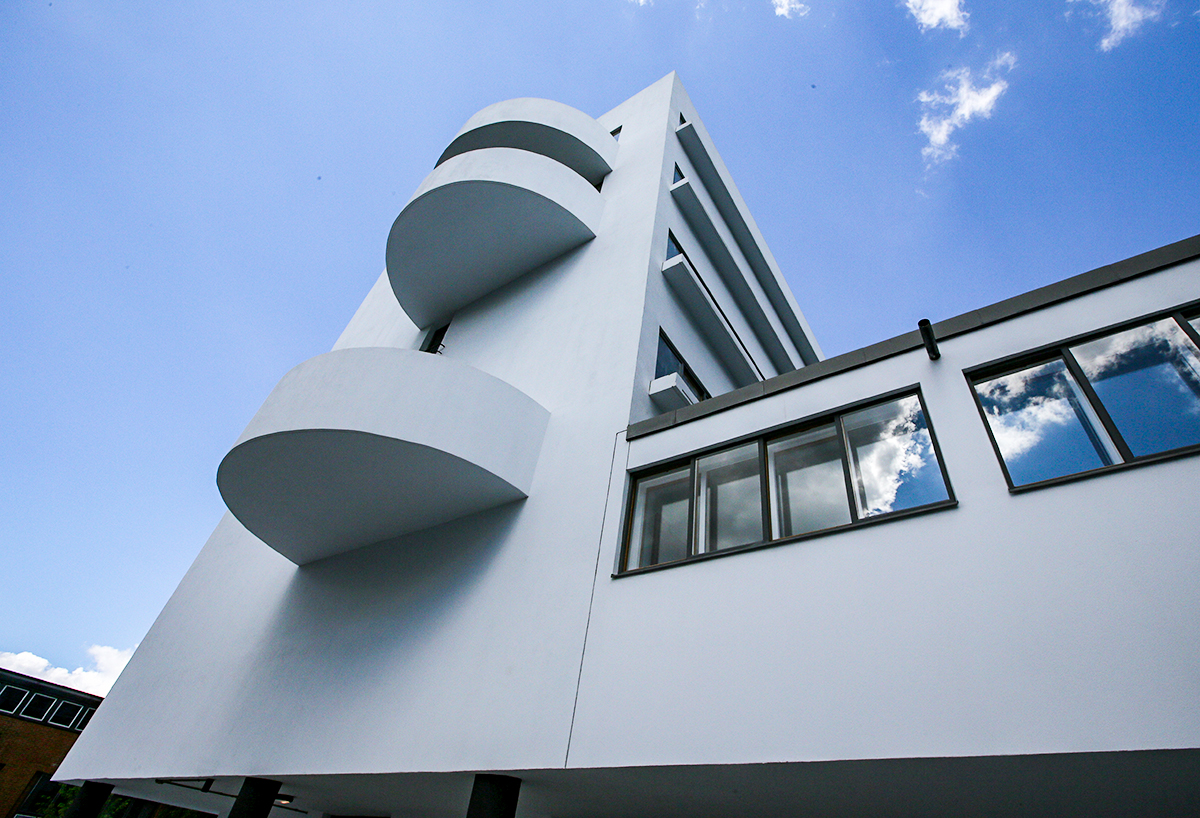
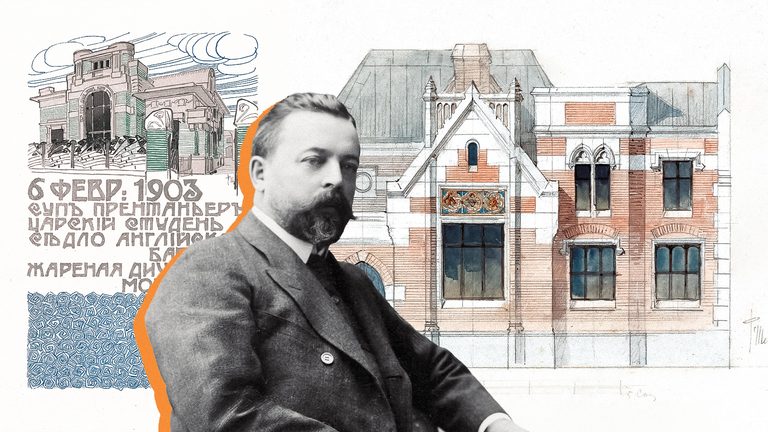
After the 1917 Bolshevik Revolution, Soviet Constructivism became a special chapter in new architecture. The buildings were not always convenient for everyday life, but revealed the new character of Soviet society. The purpose of the buildings also refers to the spirit of the time: these are commune houses, factory-kitchens and houses of culture. Among the most famous buildings in the Constructivist style are the ‘Narkomfin’ Building, the Zuev Workers' Club, the ‘ZIL’ Palace of Culture, the commune house on Ordzhonikidze Street in Moscow, the factory-kitchen of the Maslennikov Plant in Samara and the Kushelevsky Bakery in St. Petersburg.
Stalinist Empire style (Soviet monumental Classicism)
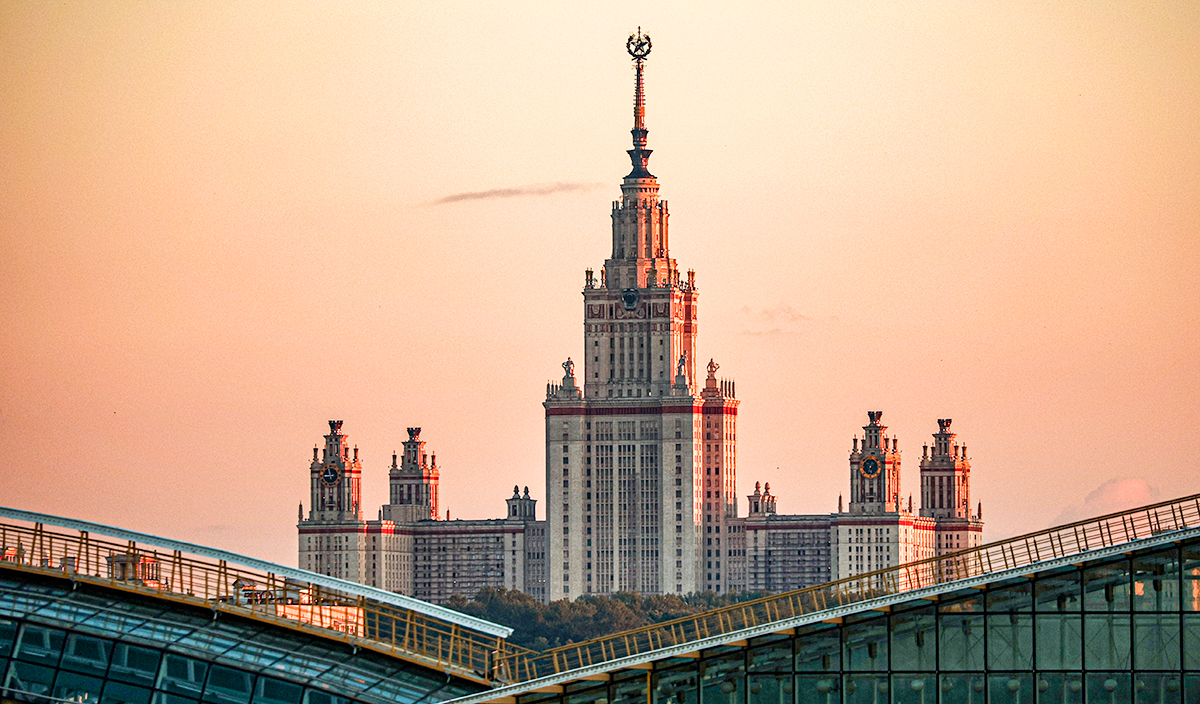
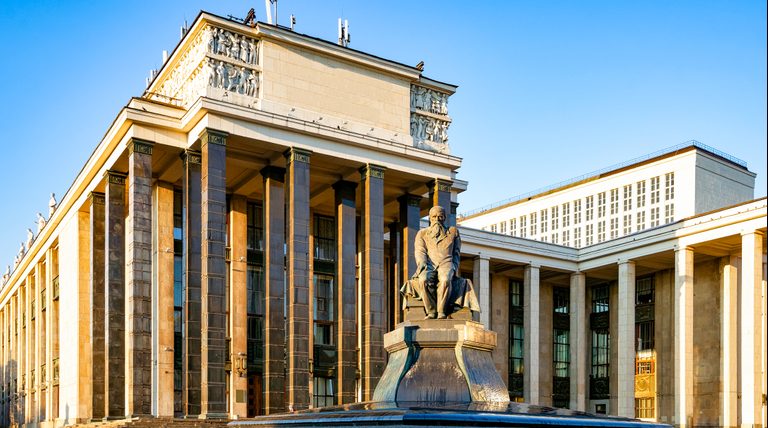
During the rule of Joseph Stalin, after World War II, Soviet architects, once again, returned to the heritage of Classicism, but reinterpreted it. Buildings of that time were majestic and pompous, with elements of the classical order and stucco, adorned with wall paintings and Soviet symbolism. Among the most recognizable constructions of that era are the Central Academic Theater of the Russian Army (formerly Soviet Army) in the shape of a five-pointed star and Moscow State University’s main building.
Soviet standardized architecture of the second half of the 20th century
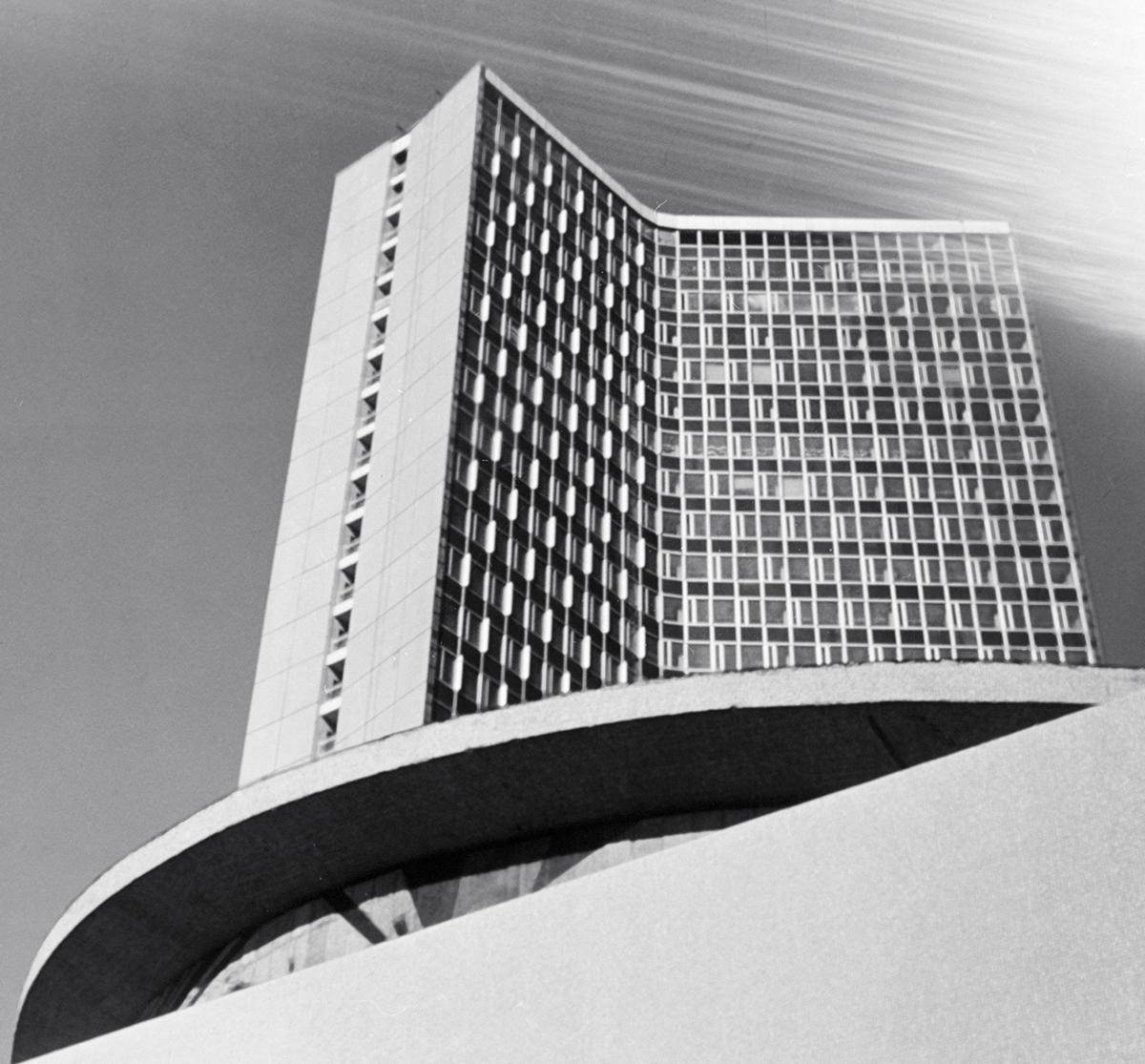
In 1955, Khrushchev decreed the elimination of “excesses” in design. Buildings began to be constructed according to economical standard projects. This affected both residential development and public architecture (cinemas, schools, hospitals, etc.). The brightest example, familiar to every resident of the post-Soviet space, is the so-called ‘khrushchyovka’ apartment blocks, which are abundant in residential districts.
Postmodernism
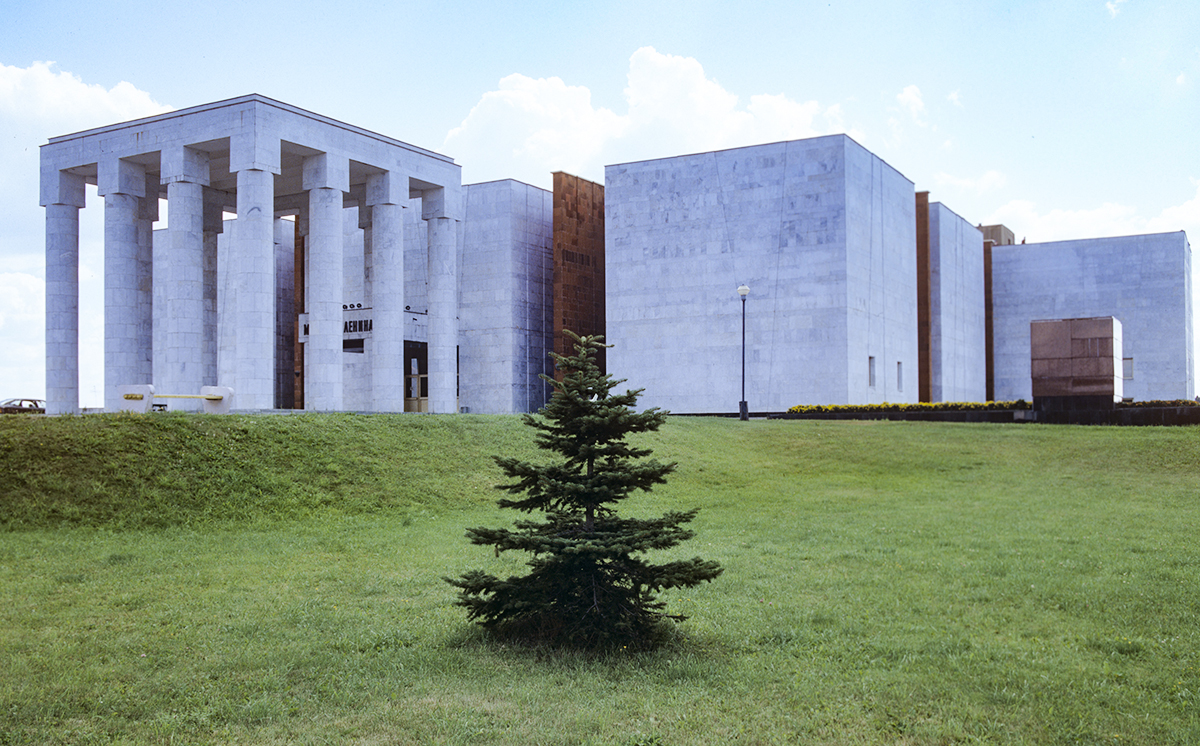
In the last two decades of the 20th century, architects returned to the styles of past eras, but played with them in unexpected ways. One of the first examples of such architecture was the V. I. Lenin Museum in Gorki. Researchers also classify the reconstructed ‘Shut’ Puppet Theater in Voronezh from the 1980s as an example of the playful architecture of postmodernism.
Newest trends
In the 1990s-2000s, architects simultaneously turned to many directions: High-Tech with an abundance of glass and metal, Deconstructivism with reconfigured forms and the revitalization of avant-garde movements. One example of such architecture in Moscow is the Moscow City business center and complex of buildings. The business center by Zaha Hadid on Sharikopodshipnikovskaya Street can also be considered to be a vivid example of Deconstructivism.

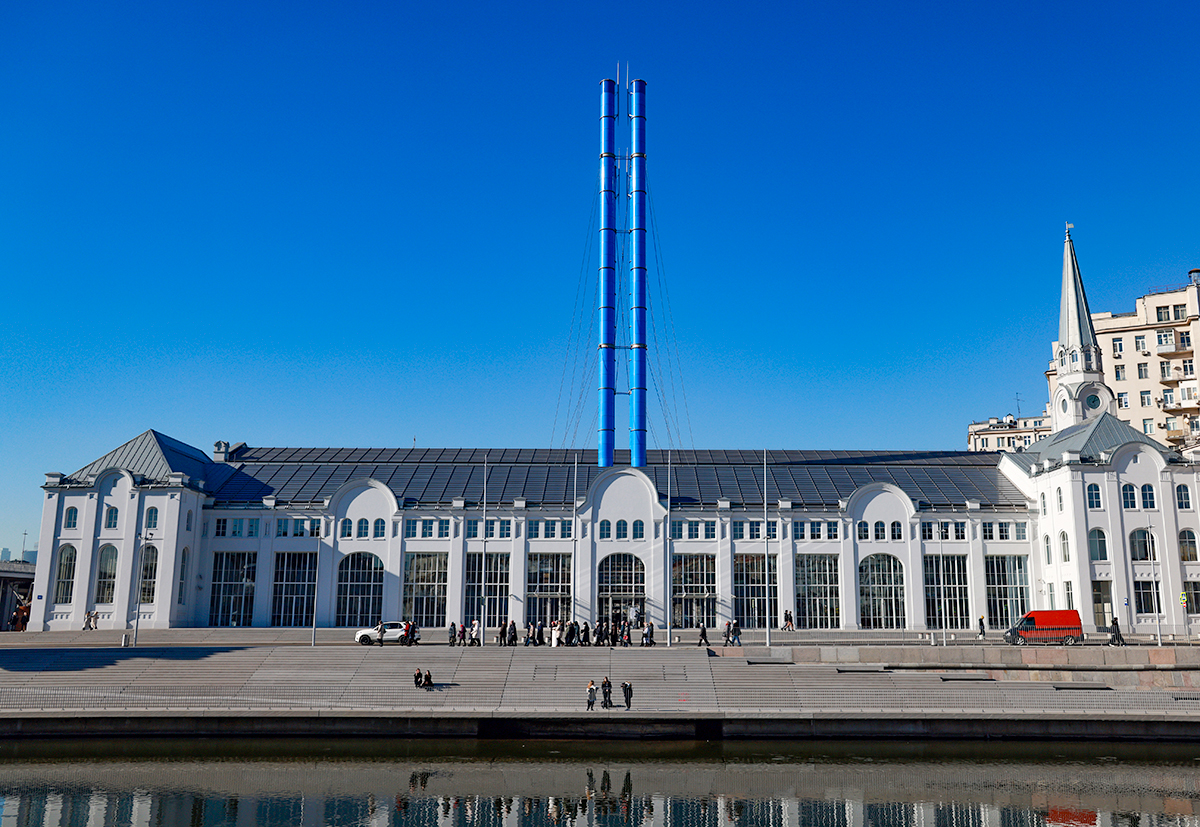
Zaryadye Park is an example of a public space with attention to ecology and sustainable development. A trend has also emerged for repurposing existing structures. For example, in 2021, after the reconstruction of a former power station, the GES-2 House of Culture opened.
And, in 2024, a previously abandoned factory-kitchen building gained a second life in Samara. After extensive restoration and refurbishment work, today it houses a branch of the Tretyakov Gallery, becoming a new cultural center for the region.
The full version of the longread on how to read architecture can be found (in Russian) on the Culture.ru website.