
How Russian ballet costumes have changed over 300 years (PHOTOS)
When did the first tutus appear, which men danced on pointe and which outfit offended the
empress?
Baroque costumes
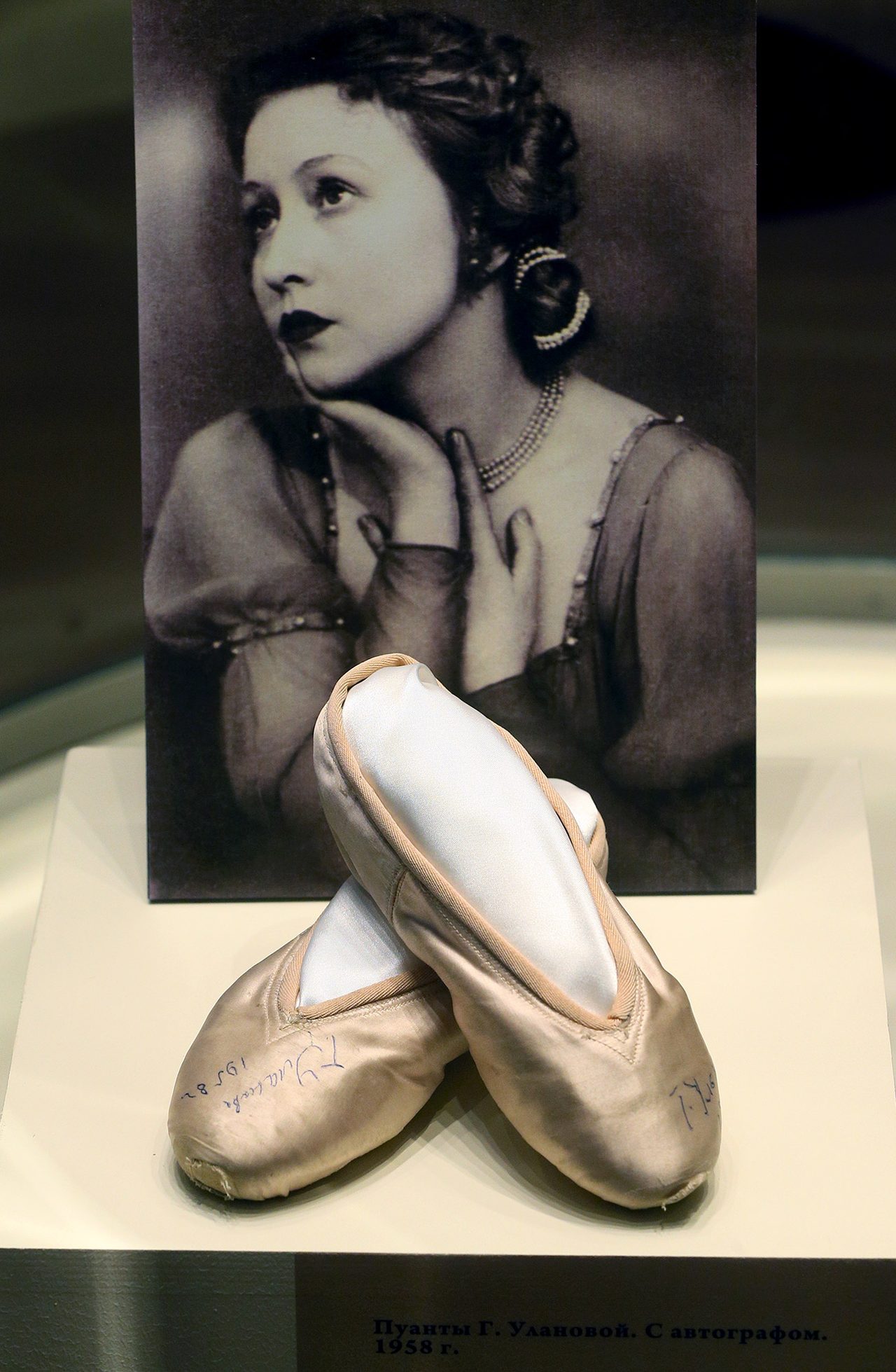 Ballerina Galina Ulanova's pointe shoes
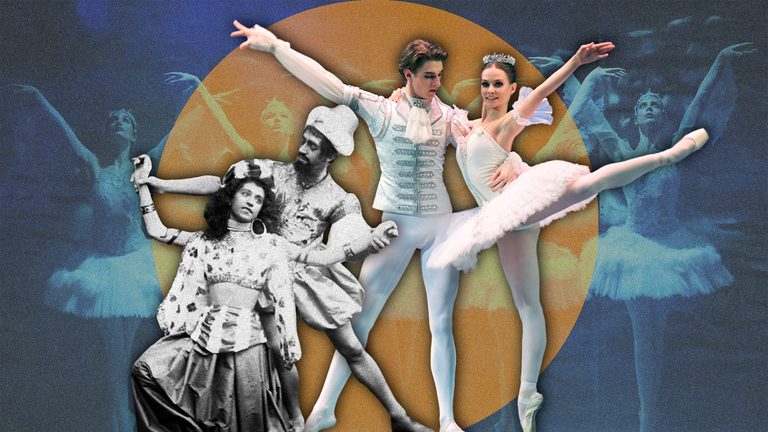
The first ballets in Russia in the 17th century were performed between acts of a dramatic play. The movements were almost indistinguishable from elements of traditional ballroom dancing and the performers' costumes resembled the festive attire typical of that era.
The first costumes for specific roles appeared in the early 18th century, when ballet became a separate performance. As choreography grew more complex, men's stage costumes became lighter, while women's became even more revealing.
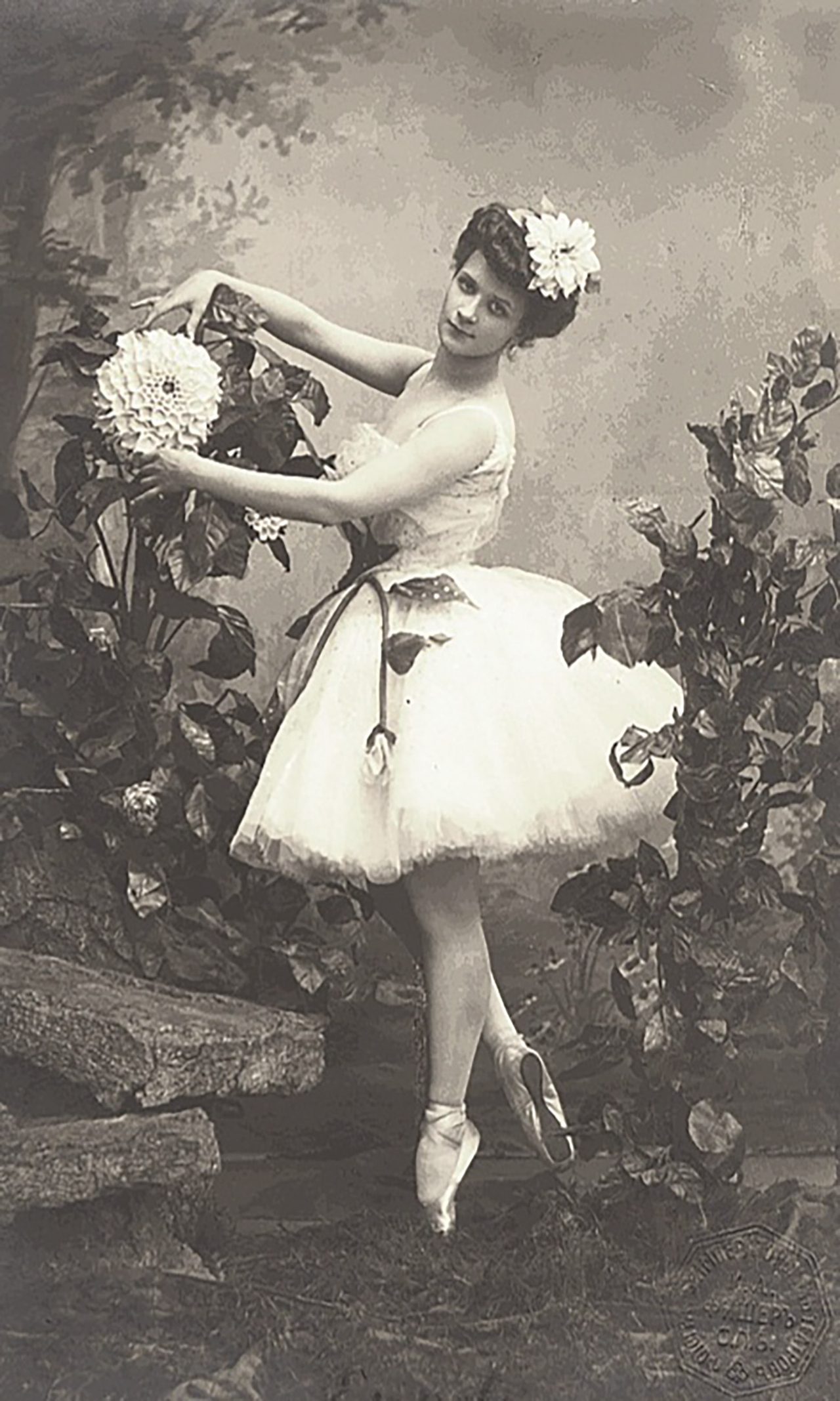 The ballerina Lubov Egorova in the dancer Pavel Gerdt's revival of the choreographer Marius Petipa and the composer Cesare Pugni's ballet "The Blue Dahlia".
French dancer Marie-Anne Camargo first wore a shortened skirt in Paris in 1730. She also toured and performed at the Imperial Theaters, so Russian dancers adopted the fashion for such dresses.
Empire style
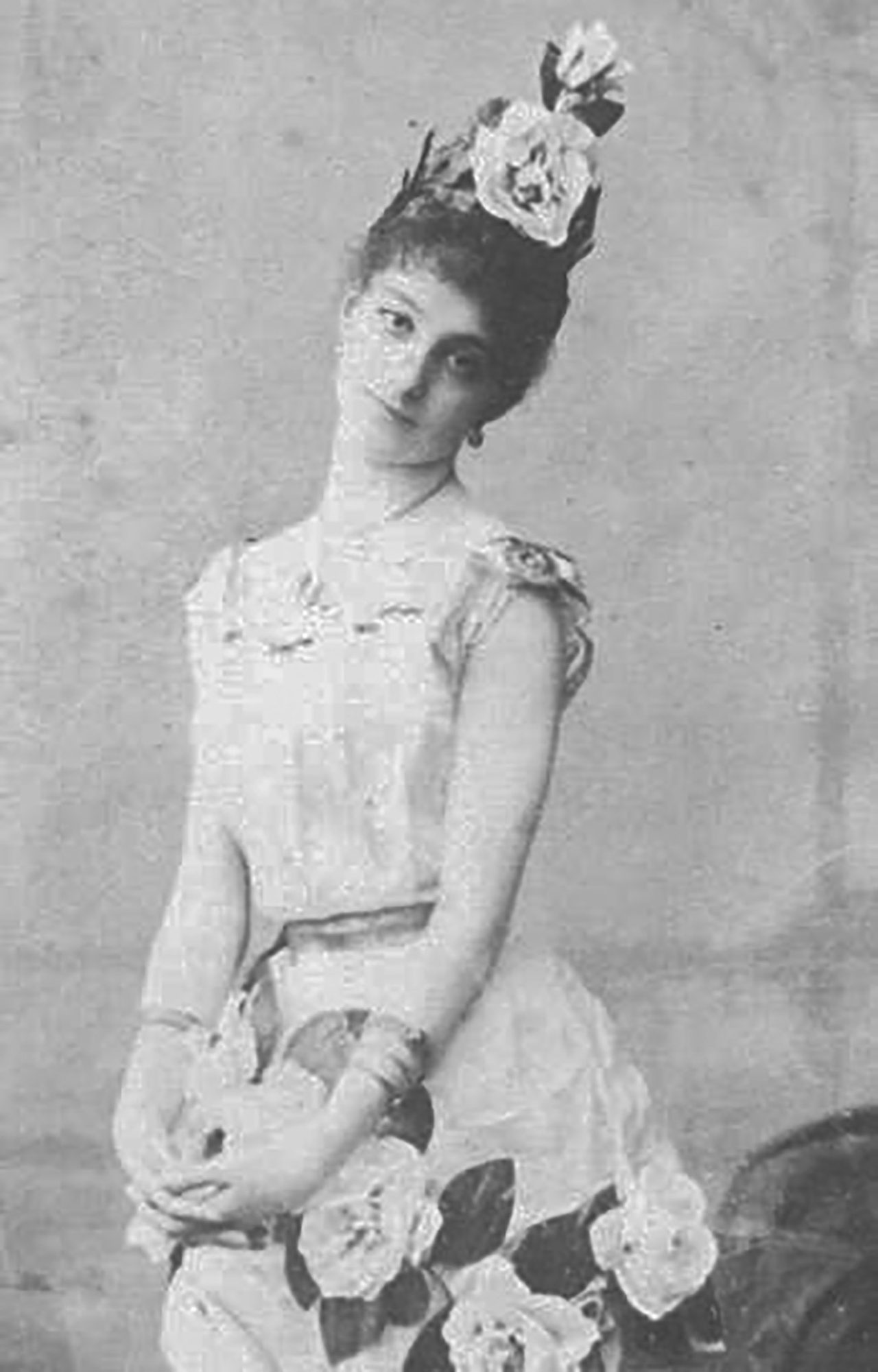 Portrait of a dancer from Petipa's ballet
In the early 19th century, the Empire style came into fashion, with its light, semi-transparent dresses. Bulky crinoline-based costumes were replaced by flowing theatrical attire, modeled after ancient Greek garments – tunics.
Heeled shoes were gradually replaced by sandals in the ancient Roman style or satin shoes with flat soles. They were fastened on the feet with long, elegant ribbons – this is how pointe shoes were born.
The first tutu & dancing on pointe
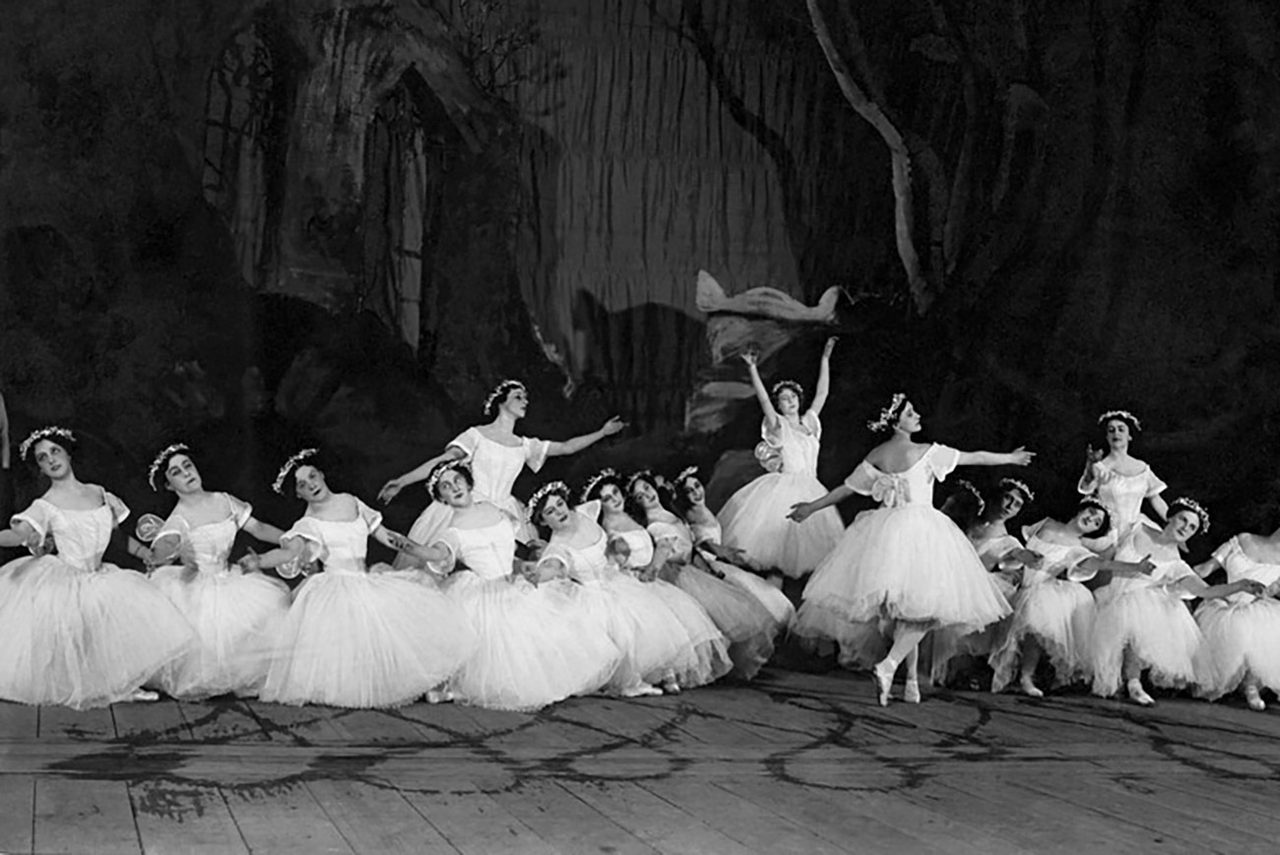 A scene from the ballet 'Sylphides'
The Italian dancer Maria Taglioni first performed a dance in a tutu and on pointe in 1832. Tutus were also used in Russia, in the ballets of Marius Petipa.
The choreographer added complex jumps and turns – pirouettes and fouettés. And the skirts became even shorter.
In the 19th century, men also danced on pointe. Dancer Nikolai Domashev performed such elements on stage at the Bolshoi Theater in 1888–1889.
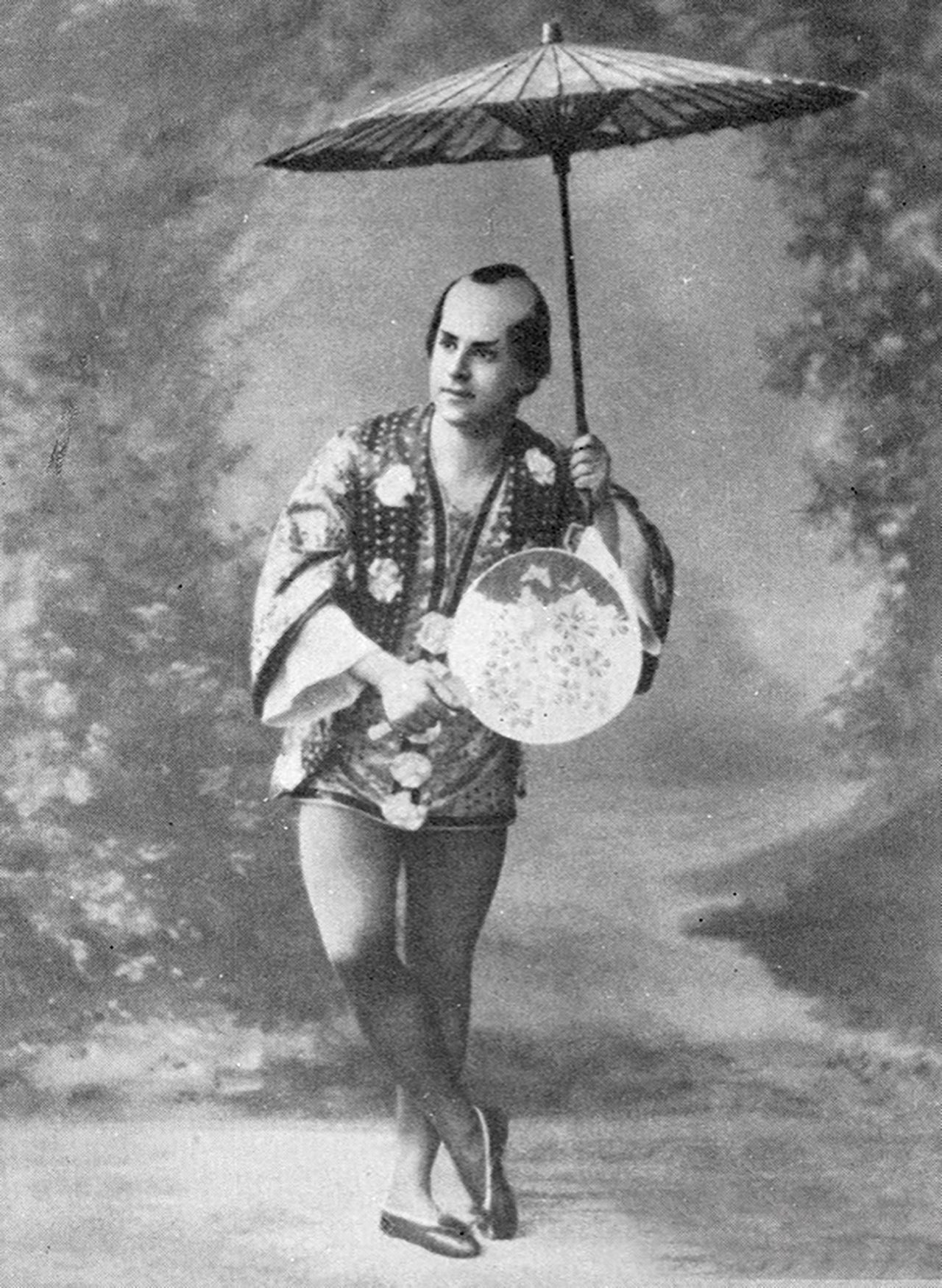 Dancer Nikolai Domashev
Avant‑Garde and contemporary costumes
At the beginning of the 20th century, ballet attire became even bolder and daring. In 1911, the dancer Vaslav Nijinsky first appeared on stage in a form‑fitting leotard.
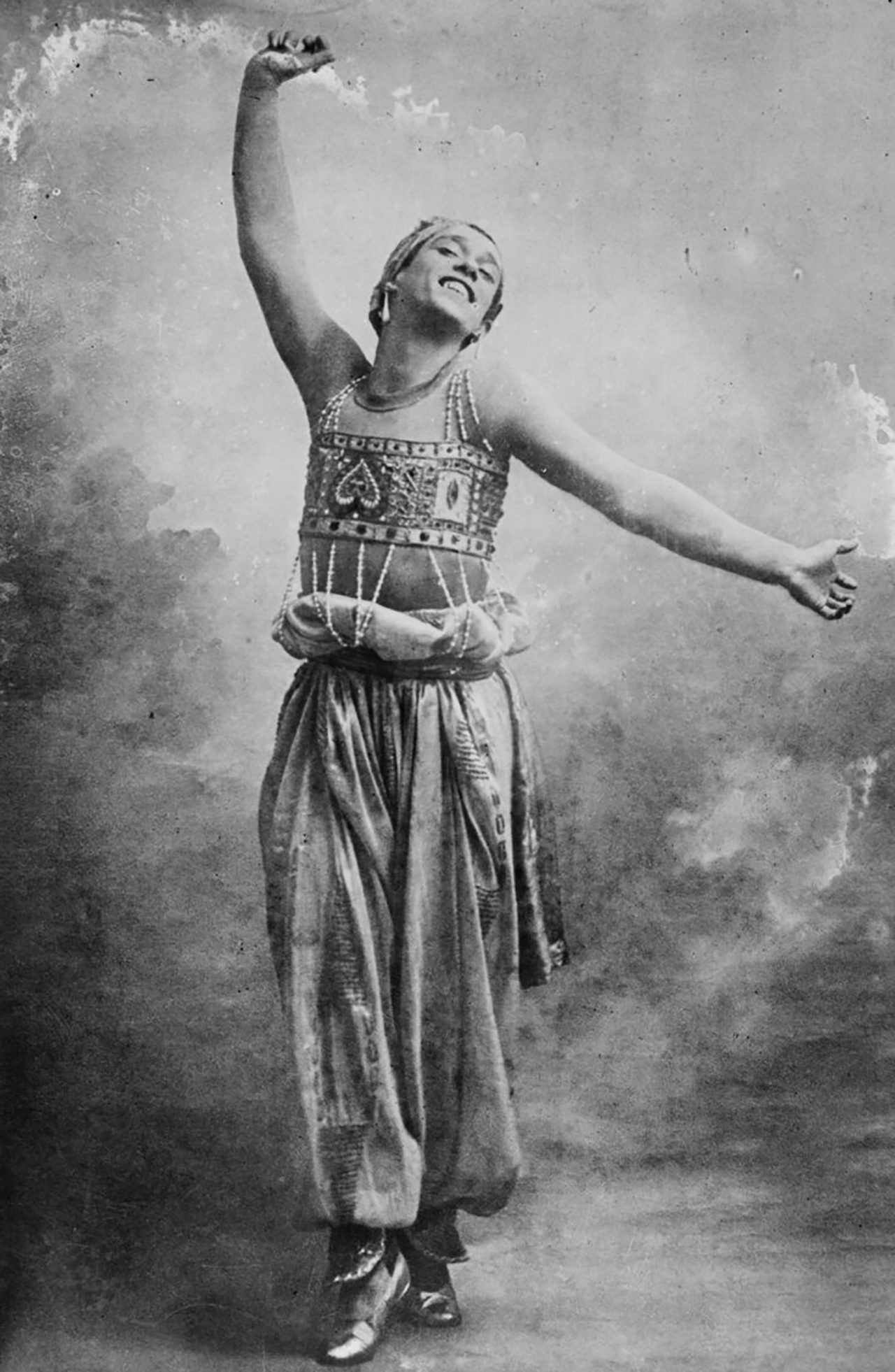 Vaslav Nijinsky
This cost him his position at the Imperial Theatre: Empress Maria Feodorovna attended the ballet and was offended by the lead dancer's appearance.
Later, the more technically demanding the dance became, the simpler the dancers' attire became.
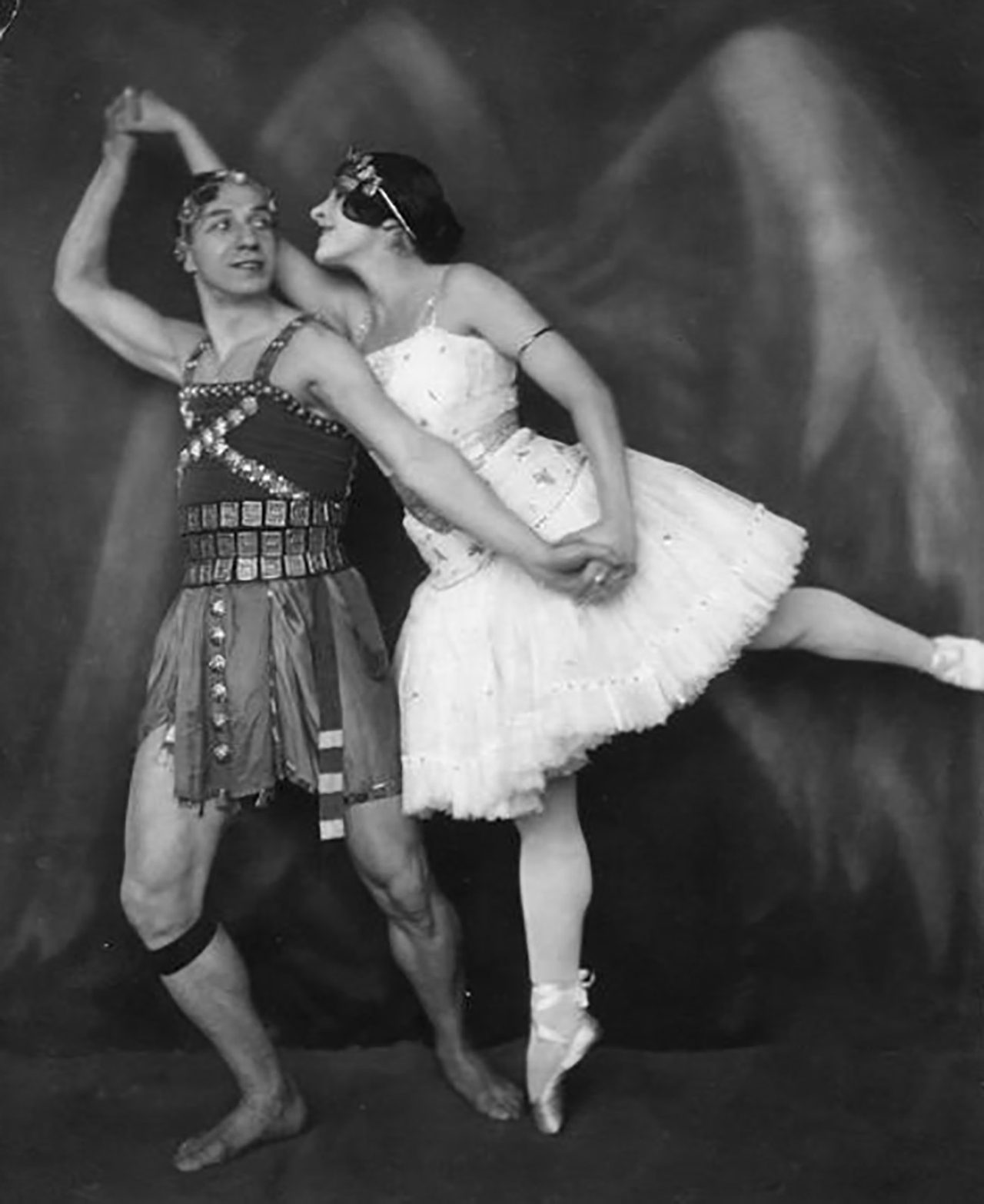 A scene from ballet, 1910-1915
In the USSR, dancers performed in dance belts, leotards and cotton pants or ‘culottes’ that only covered the hips. In the ballet ‘Spartacus’, dancers performed in loincloths with elements of armor.
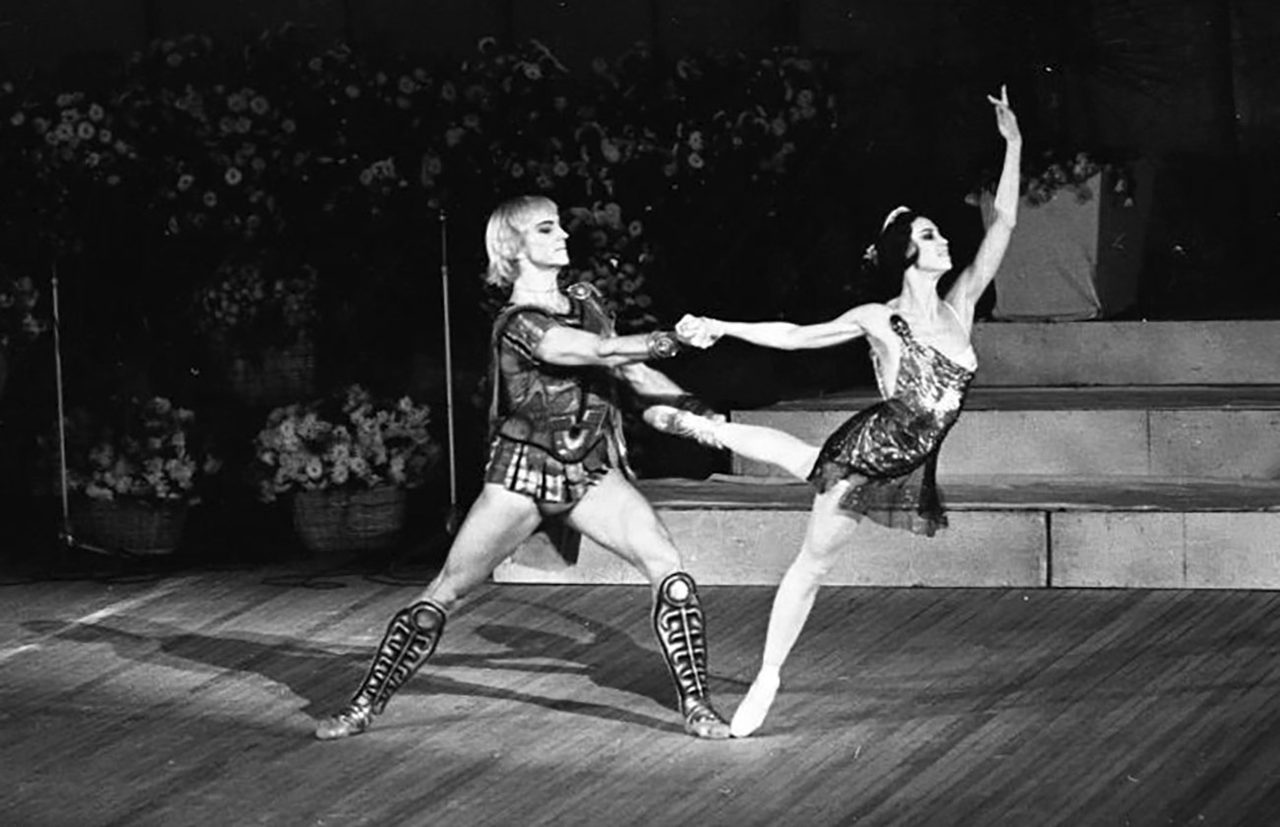 Maris Liepa and Marina Kondratieva in a scene from the ballet "Spartacus"
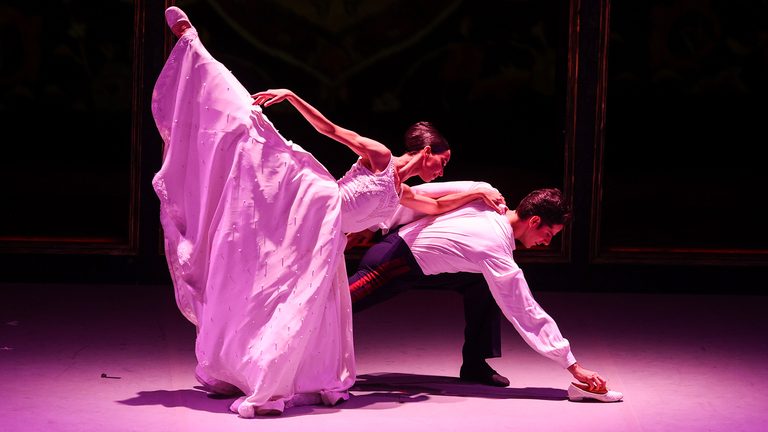
These days, costume designers are not limited to a specific style.
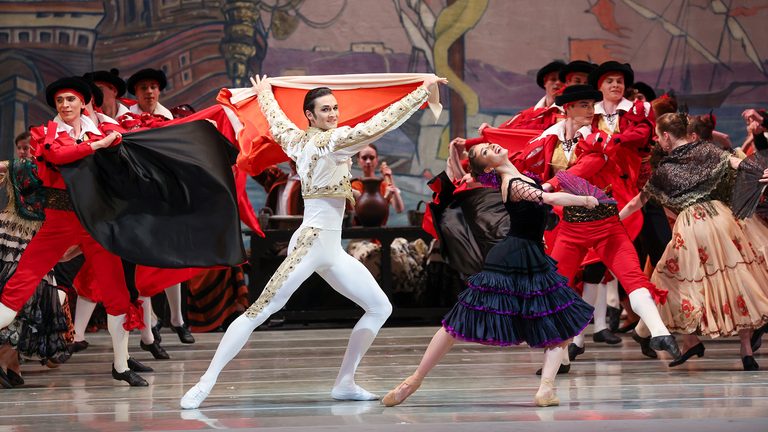
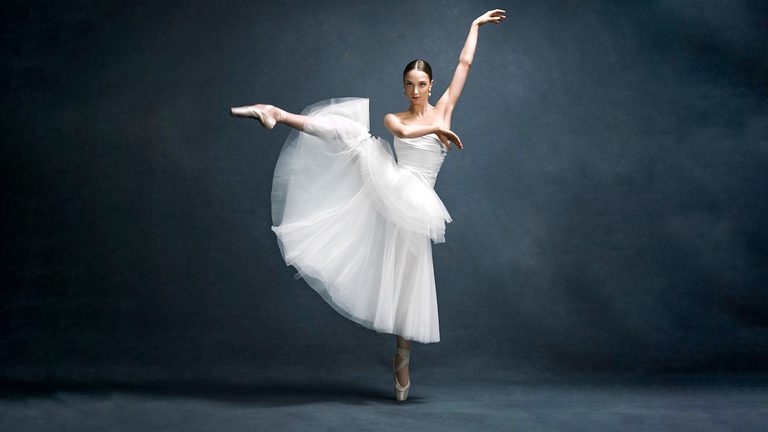
In ‘Swan Lake’ and ‘The Sleeping Beauty’, ballerinas dance in short tutus. A full skirt reaching the knee can be seen in ‘Giselle’. Male roles in classical ballets are performed in tights and a jacket – the upper part of the costume.
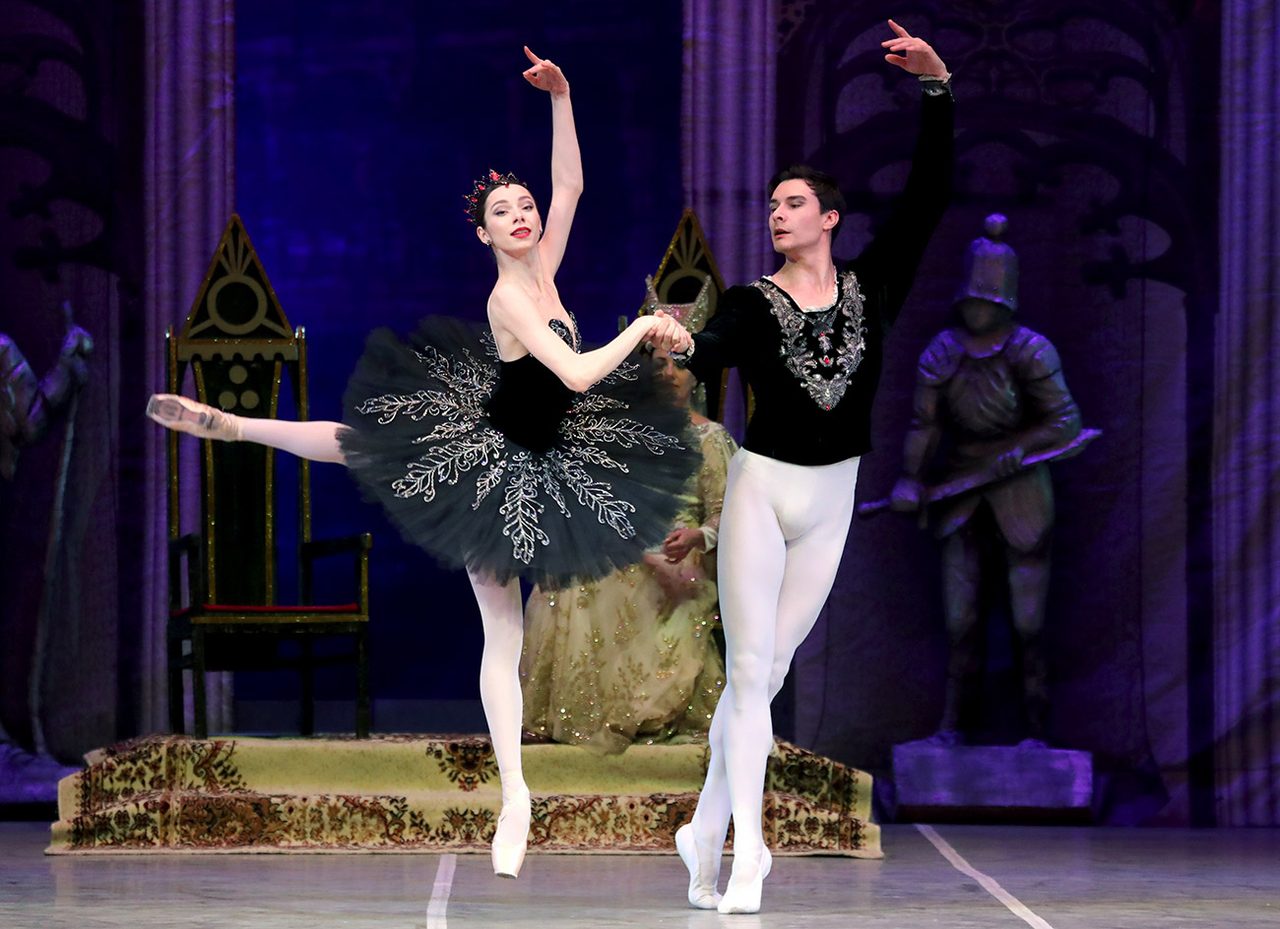 Swan Lake
The full version of this article (in Russian) can be found on the Culture.ru website.