
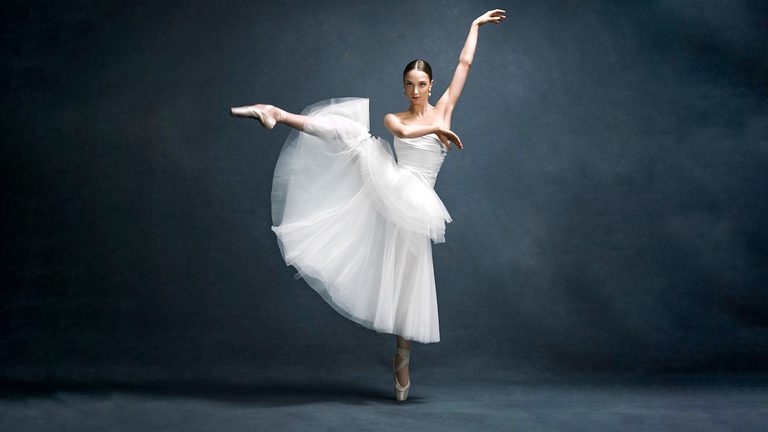
How Russians founded ballet in the U.S.

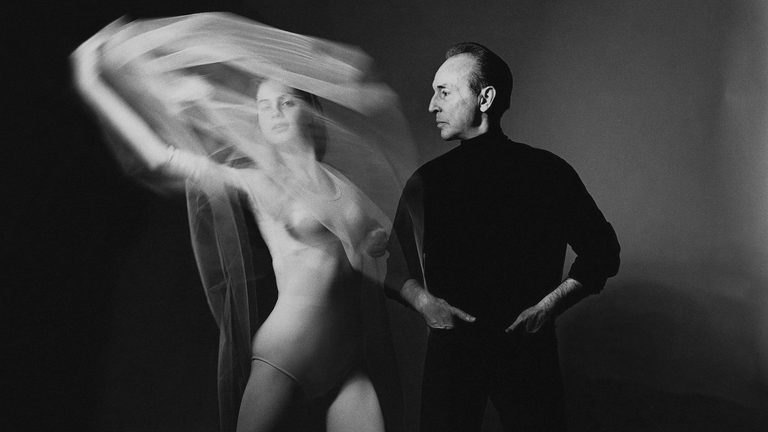
Following the stunning success of the ‘Russian Seasons’ in Europe and North America, Russian artists began opening their own schools abroad. And, today, some have become legends of American ballet.
At the beginning of the 20th century, Russian ballet reached far beyond the theaters of Moscow and St. Petersburg. Sergei Diaghilev's ‘Russian Seasons’ toured Europe and the United States with stunning success, captivating the hearts of millions. By that time, ballet in Russia had already achieved academic perfection, while, in other countries, it was only just emerging.
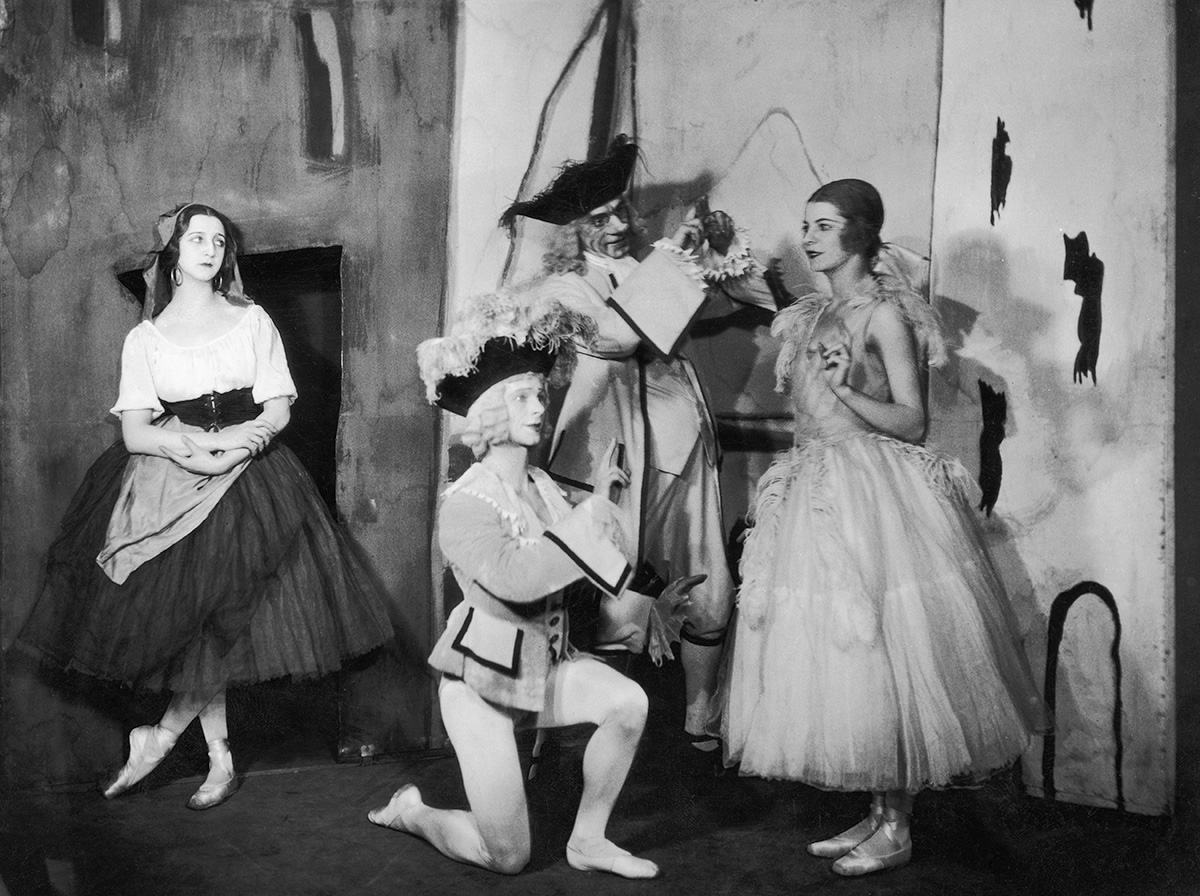 1924: The Ballets Russes perform 'Pulcinella' in Monte Carlo, under the direction of Diaghilev.
Subsequently, many dancers and choreographers from Diaghilev's company played a key role in developing ballet abroad. Tamara Karsavina became vice president of the Royal Academy of Dance in London; Olga Preobrazhenskaya, Lyubov Egorova and Matilda Kshesinskaya opened their own ballet schools in Paris; while Adolph Bolm, Mikhail Mordkin and George Balanchine all helped develop ballet in the U.S.
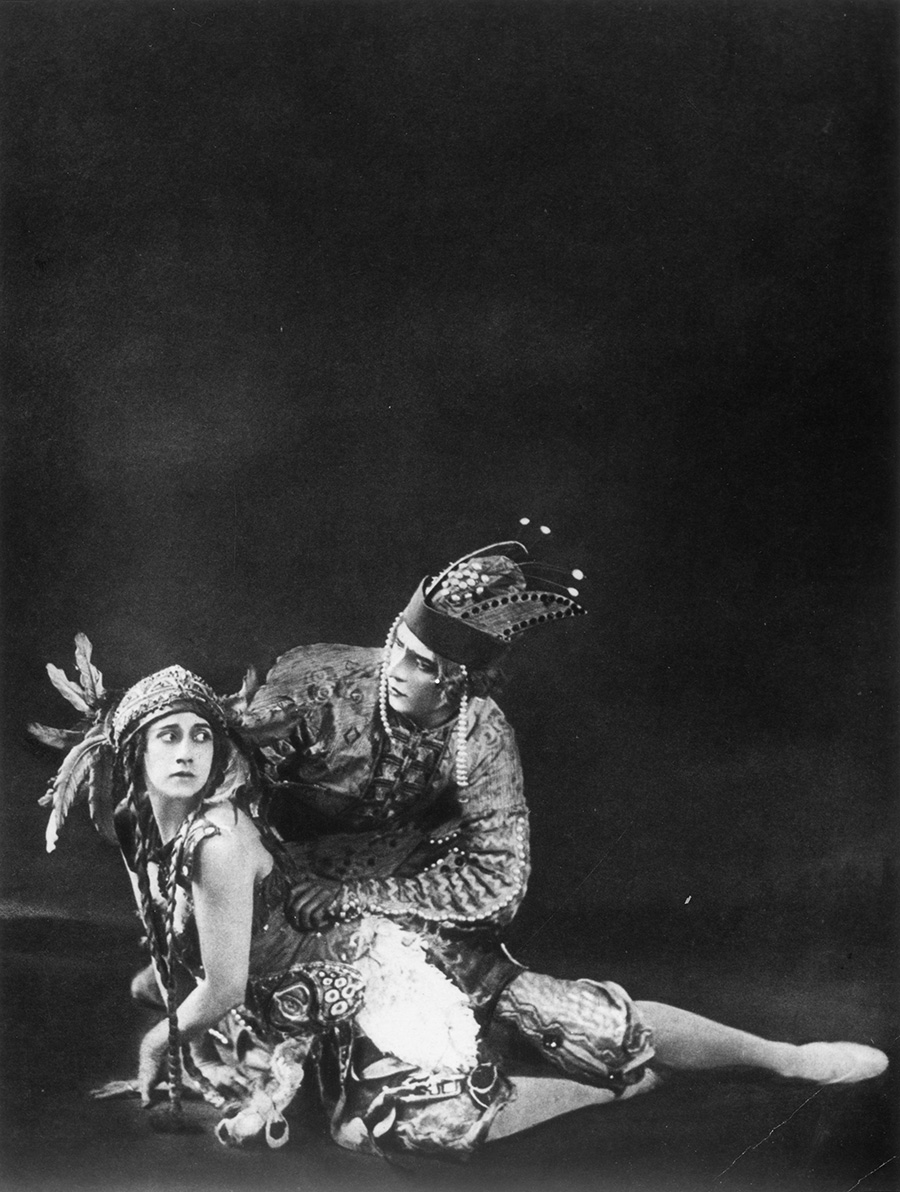 The Firebird circa 1911: Adolph Bolm (1884 - 1951) and Tamara Karsavina (1885 - 1978) in the original Ballet Russe's production of 'The Firebird'.
Adolph Bolm & the San Francisco Ballet
The oldest professional ballet company in the United States was founded in 1933 at the San Francisco Opera. The ballet company was headed by Russian dancer Adolph Bolm.
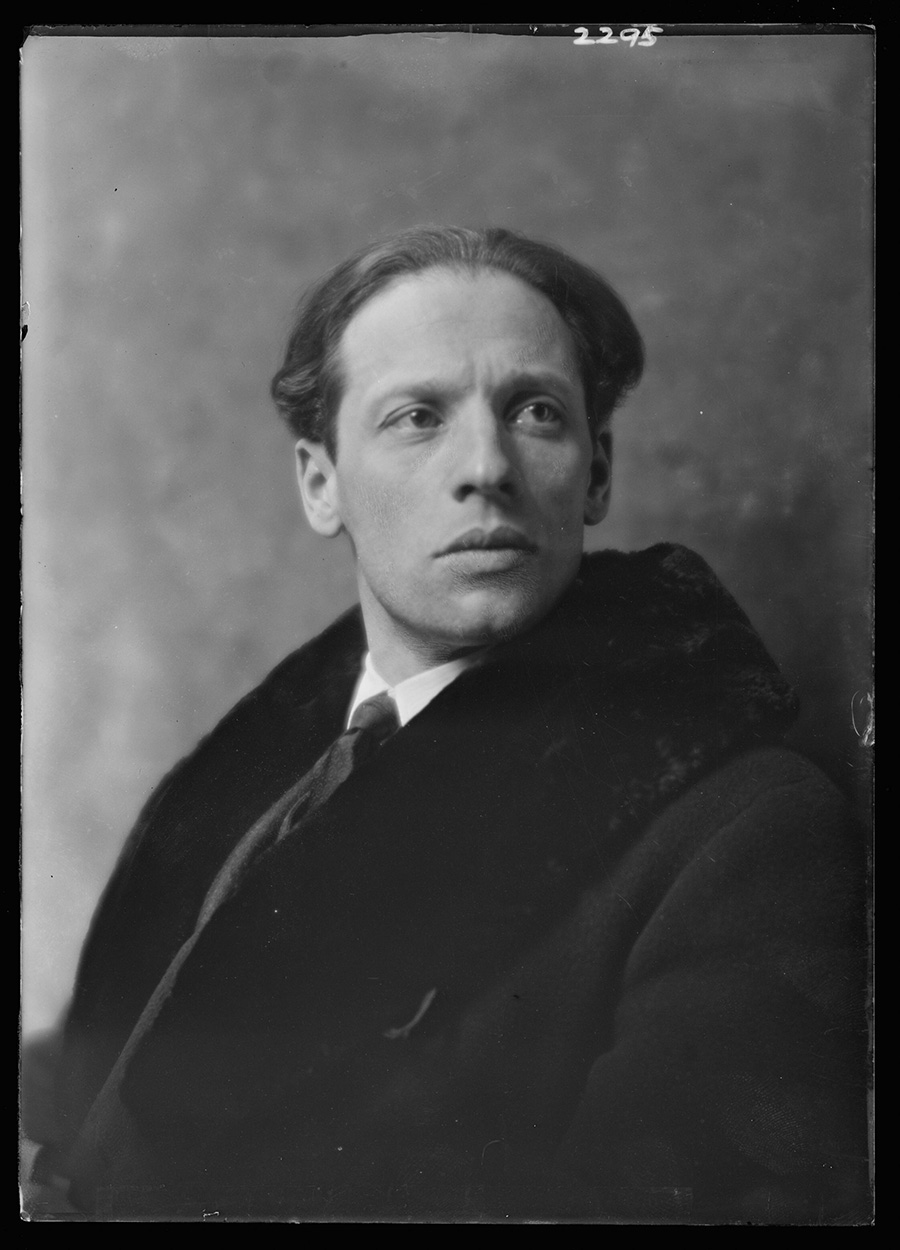 Adolph Bolm
A former Mariinsky Theater artist and outstanding dancer in Diaghilev's company, Bolm was injured during a U.S. tour in 1916. He stayed on and founded his first chamber company, ‘Ballet Intime’, which combined classical choreography with modern dance. Bolm then worked on ballet productions at the Metropolitan Opera and the Chicago Opera and then went on to head the San Francisco Opera Ballet.
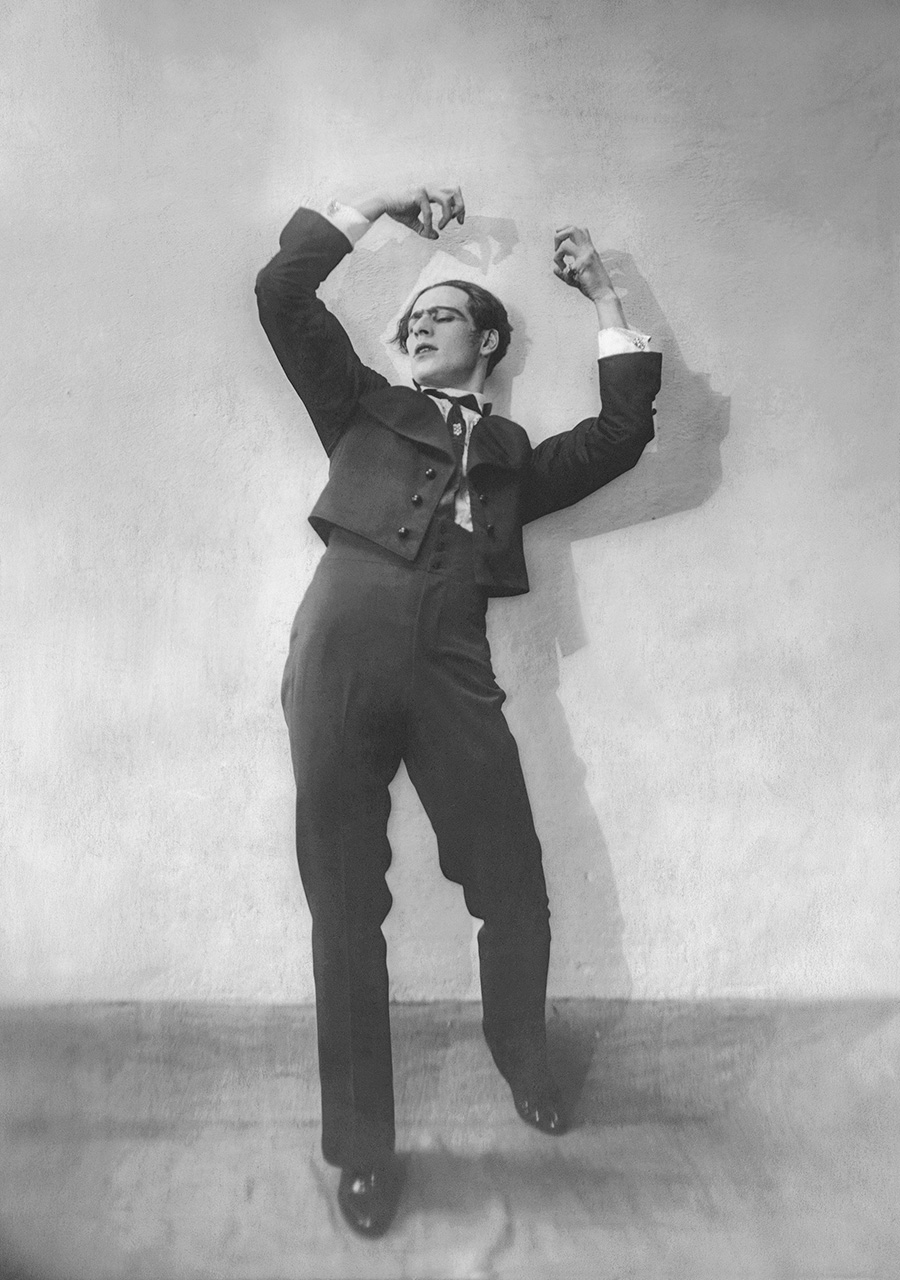 Vanity Fair 1922. Adolph Bolm.
He established the first repertoire and laid the professional foundation for the future company. In the late 1930s, Bolm moved to Hollywood, where he choreographed for films and taught.
In 1942, the San Francisco Ballet became an independent company under the direction of the Christensen brothers. They continued the traditions of Russian ballet, however in a more modern interpretation.
In 1944, on Christmas Eve, San Francisco staged the first full production of ‘The Nutcracker’ in the United States. And so, the Americans developed their own tradition of Christmas ‘Nutcrackers’.
Mikhail Mordkin & the American Ballet Theatre
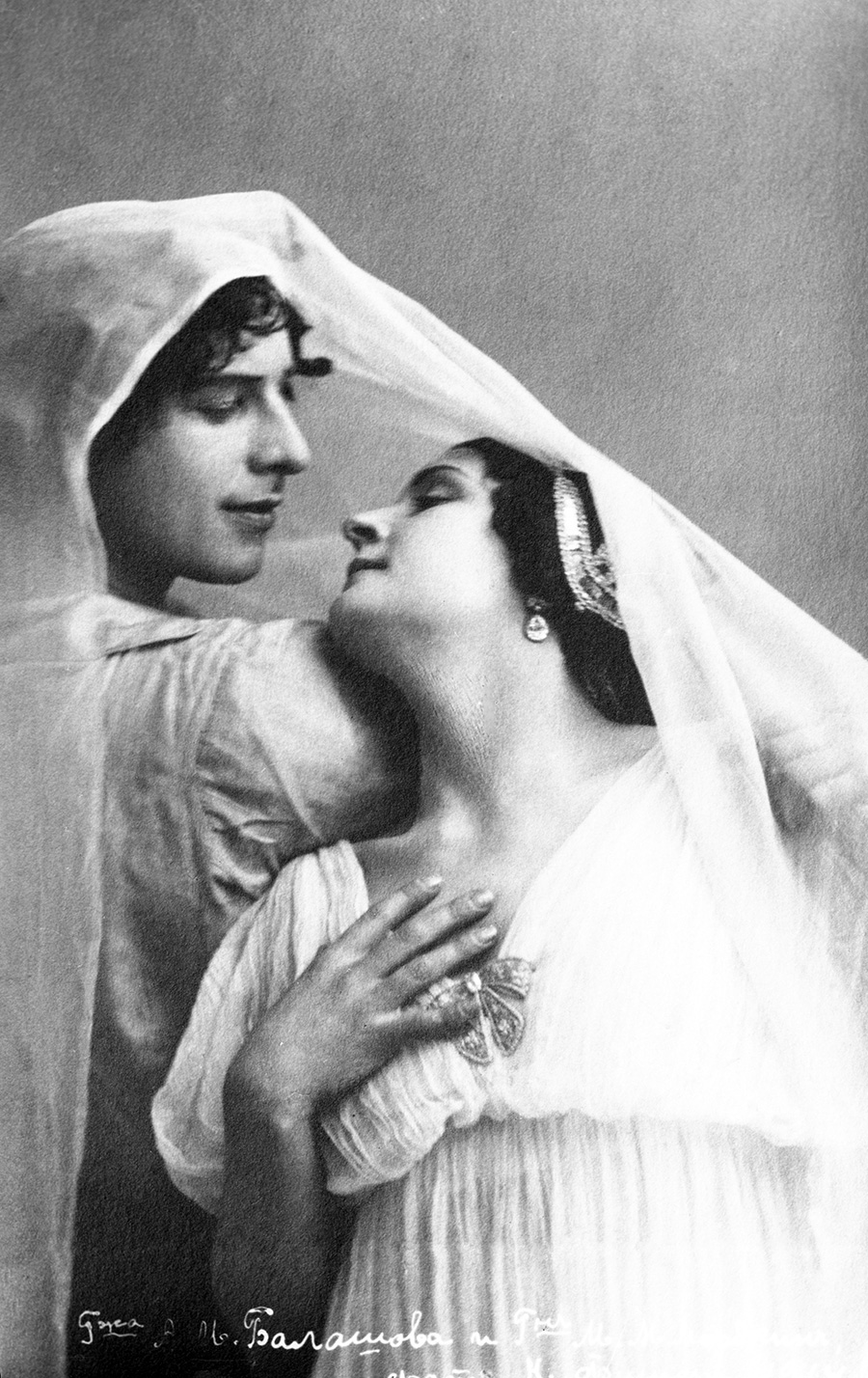 Mikhail Mordkin (1880-1944) & Alexandra Balashova (1887-1979). 1914.
A representative of the Moscow school and former premier of the Bolshoi Theatre, Mikhail Mordkin became a pioneer of ballet in New York. In 1925, he opened his own ballet school there and, two years later, founded the ‘Mordkin Ballet’ company.
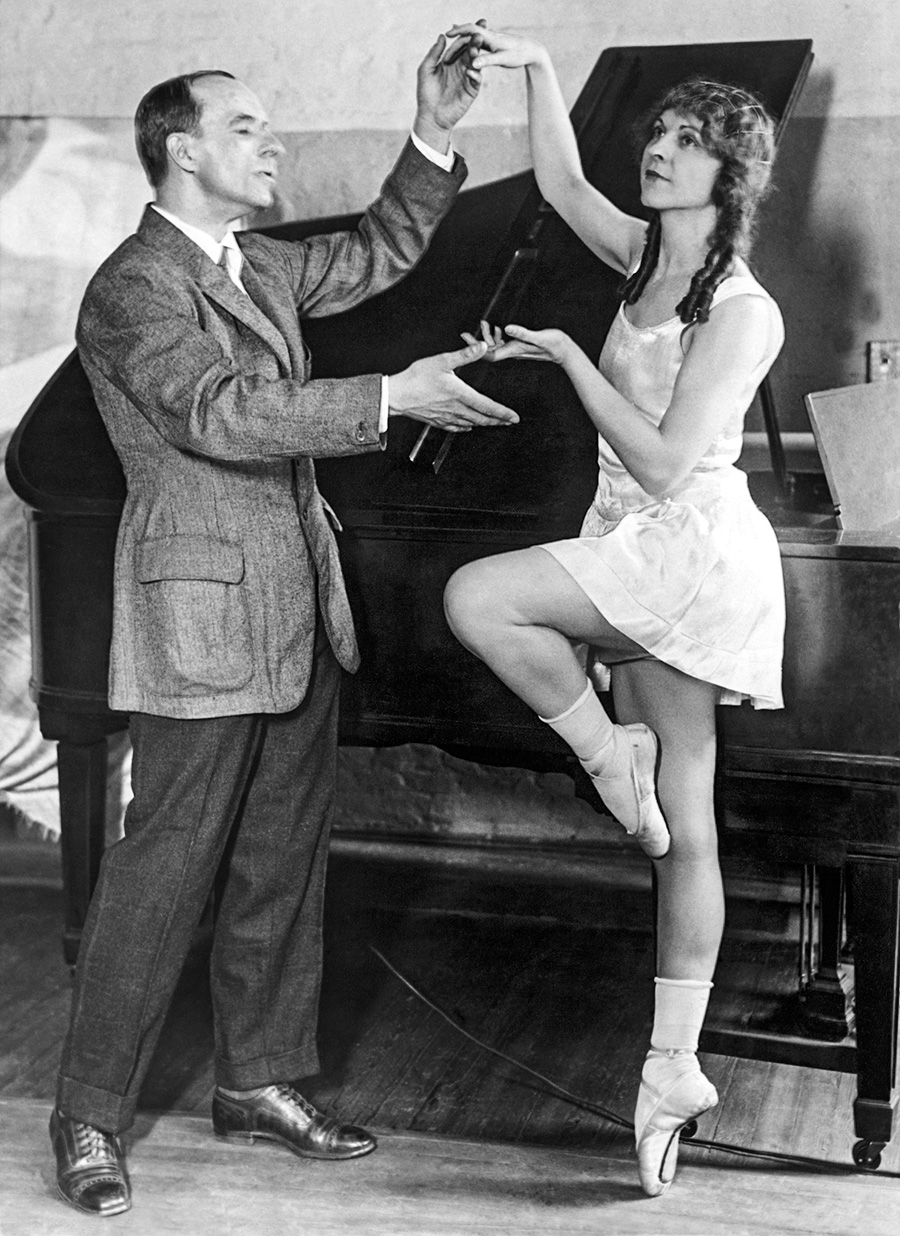 Mikhail Mordkin working with one of his students in New York City in 1925.
In 1940, together with his student Lucia Chase, he founded the ‘Ballet Theatre’. Today, this company is known worldwide as the ‘American Ballet Theatre’ (ABT).
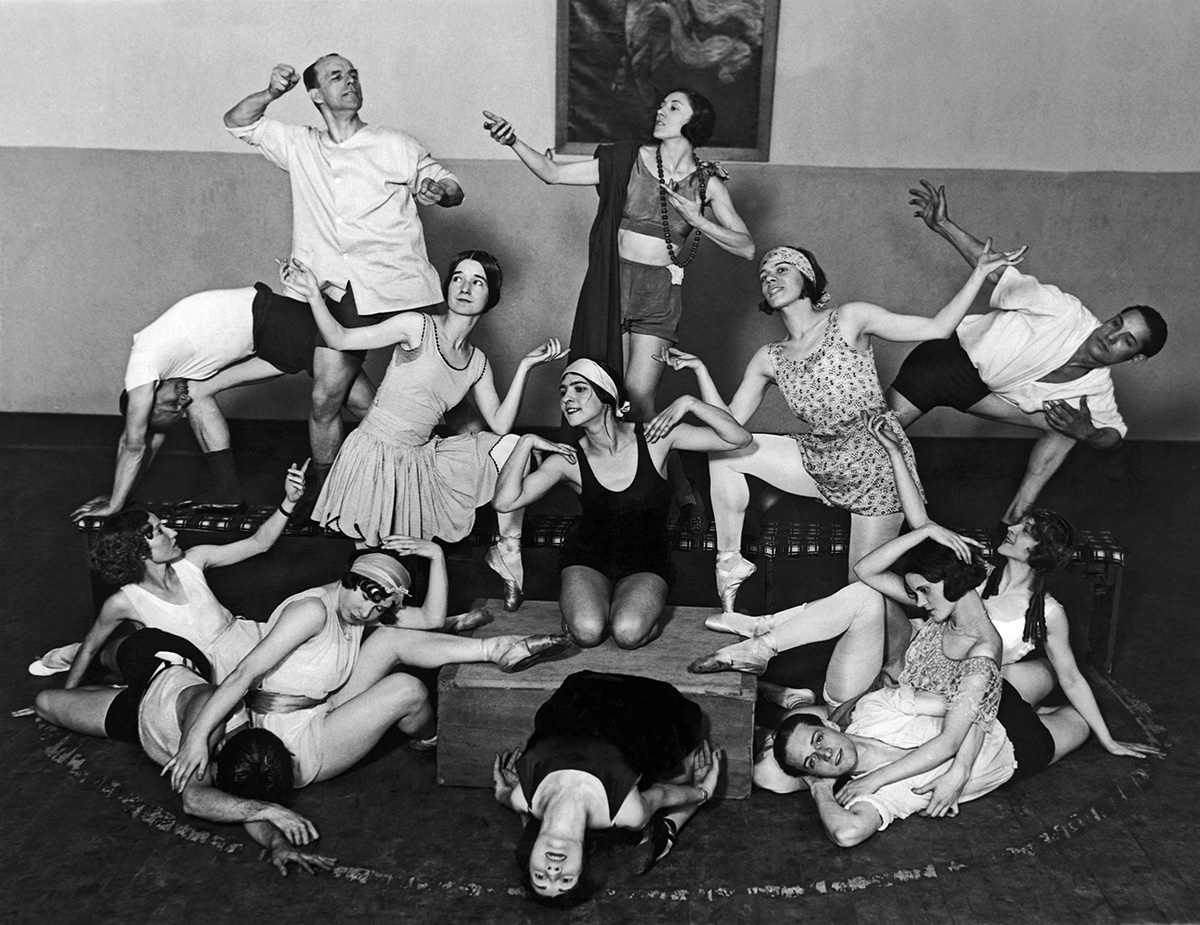 Mikhail Mordkin working with his students in New York City, June 30, 1925.
ABT was the first American ballet company to tour the USSR in 1960. Among its dancers were Alexander Godunov, Mikhail Baryshnikov (who also directed the company from 1980 to 1989), Natalia Makarova and Diana Vishneva.
George Balanchine & the New York City Ballet
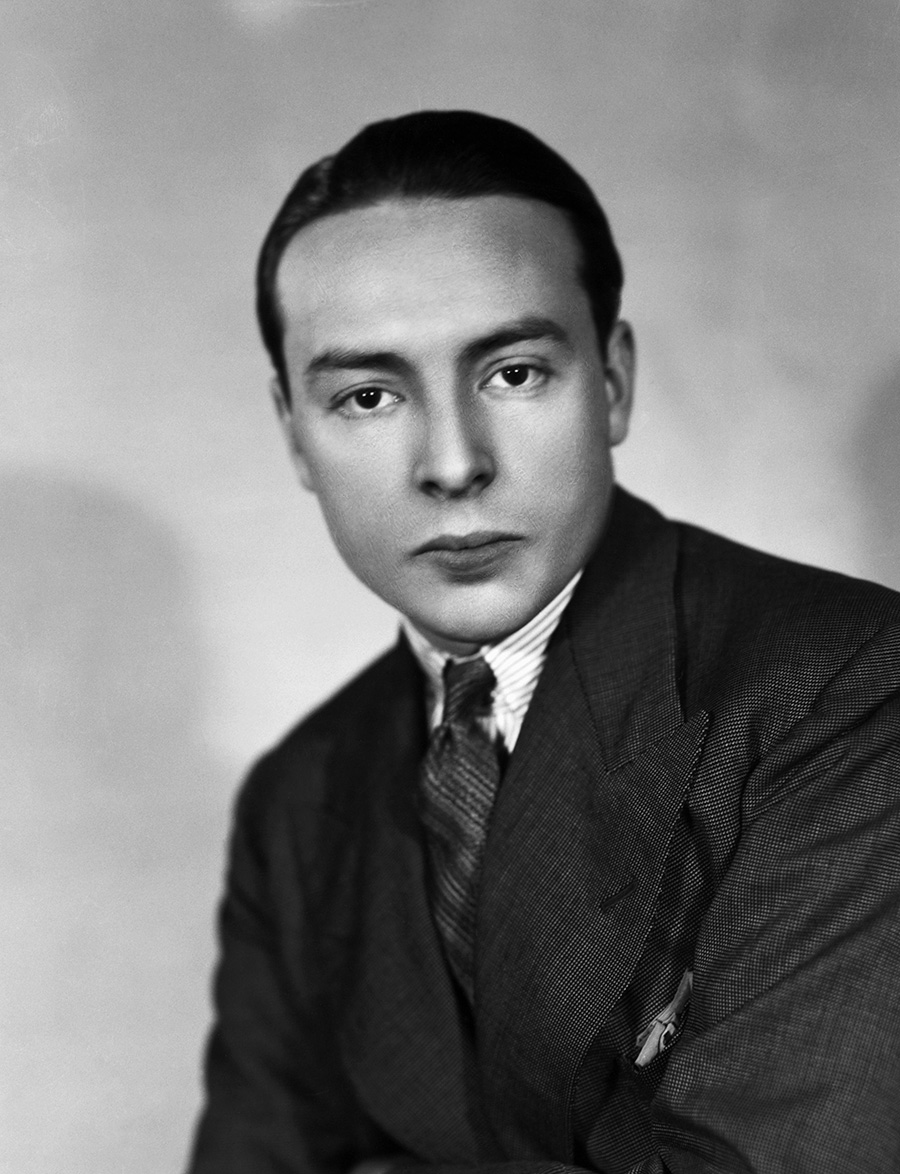 Russian ballet dancer, choreographer and teacher Georges Balanchine. 1930.
But, perhaps, the central figure of American ballet is the brilliant George Balanchine. The young St. Petersburg dancer Georgi Balanchivadze adopted an American-sounding stage name on the advice of Sergei Diaghilev.
He arrived in the United States in 1933. There, he met patron Lincoln Kirstein, with whom he founded several dance companies.
In 1948, he founded his main enterprise – the ‘New York City Ballet’ (NYCB), which became, in essence, the national school of American ballet.
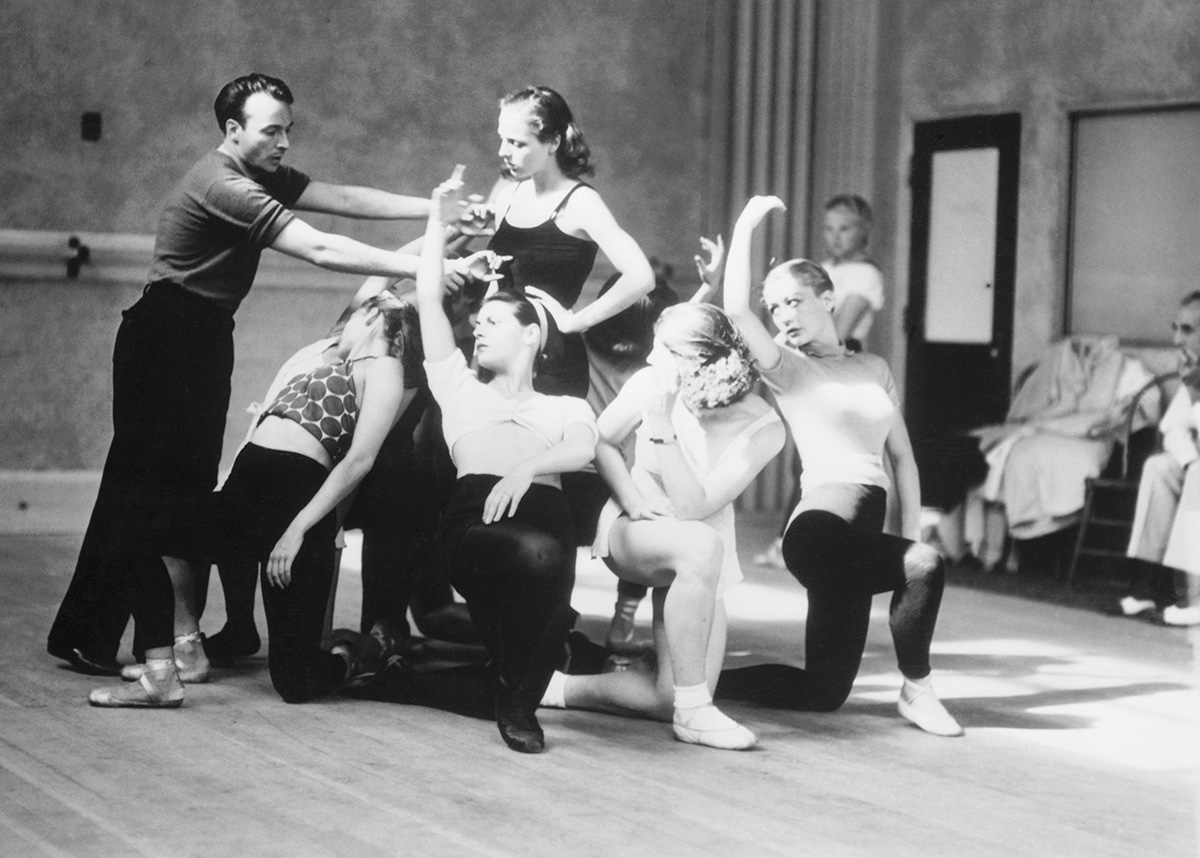 Hollywood's First Ballet. The girls are trained for the ballet from early childhood, so they know what it's all about when director Balanchine "sets" a dance formation. October 11, 1937.
Balanchine transformed Russian classical ballet for American audiences, making it dynamic and modern. His signature became the so-called "plotless ballet" with its pure musical forms.
Instead of lavish sets and fairy-tale plots, he offered dance for dance's sake, where music and movement were one. This resonated incredibly with the spirit of American culture. Balanchine created a repertoire that remains a vital part of NYCB to this day.
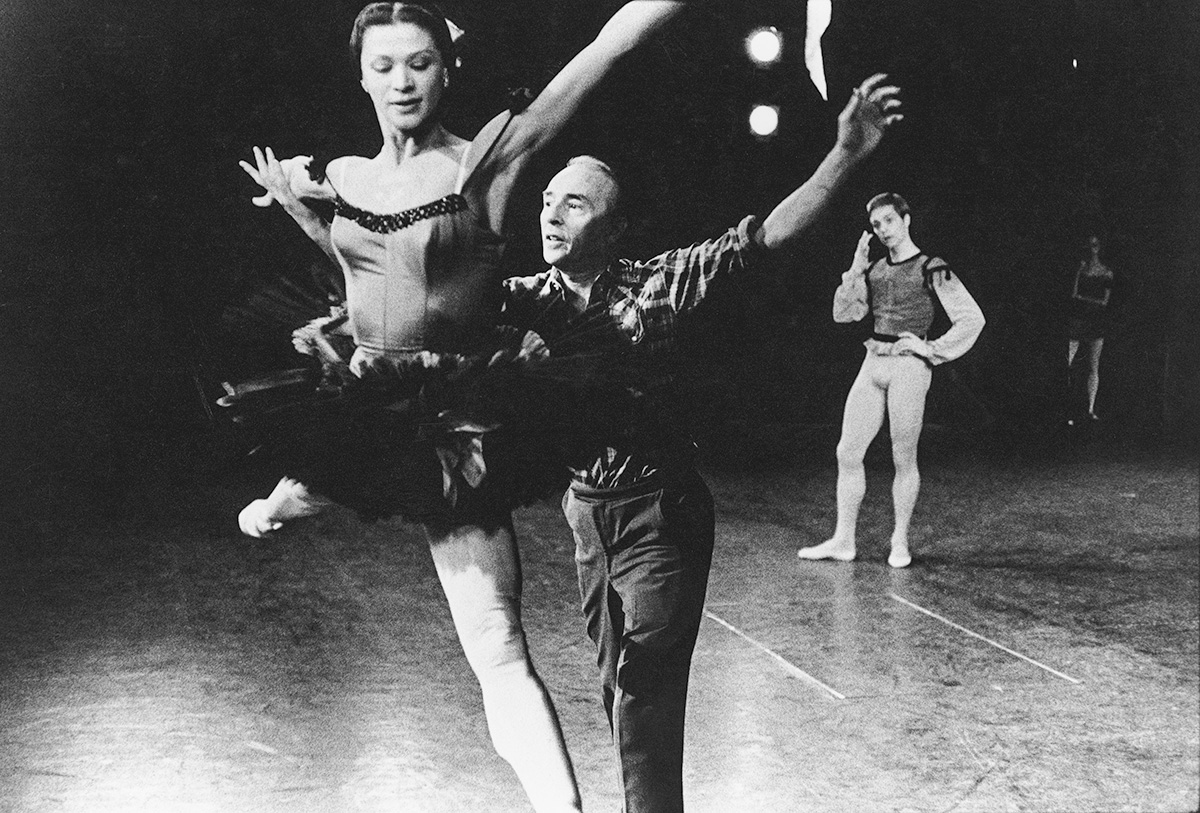 George Balanchine New York City Ballet, 1960.
Balanchine's version of ‘The Nutcracker’ (1954) is considered one of the best in the world. Another gem of the choreographer remains the three-act ballet ‘Jewels’ (1967), in which each act is dedicated to a precious gem and references different schools of dance.