

8 TERRIFYING paintings by Russian Artists (PICS)
These works literally sent shivers down the spines of contemporaries.
1. Mikhail Klodt. ‘Ivan the Terrible and the Shadows of His Victims’, circa 1855
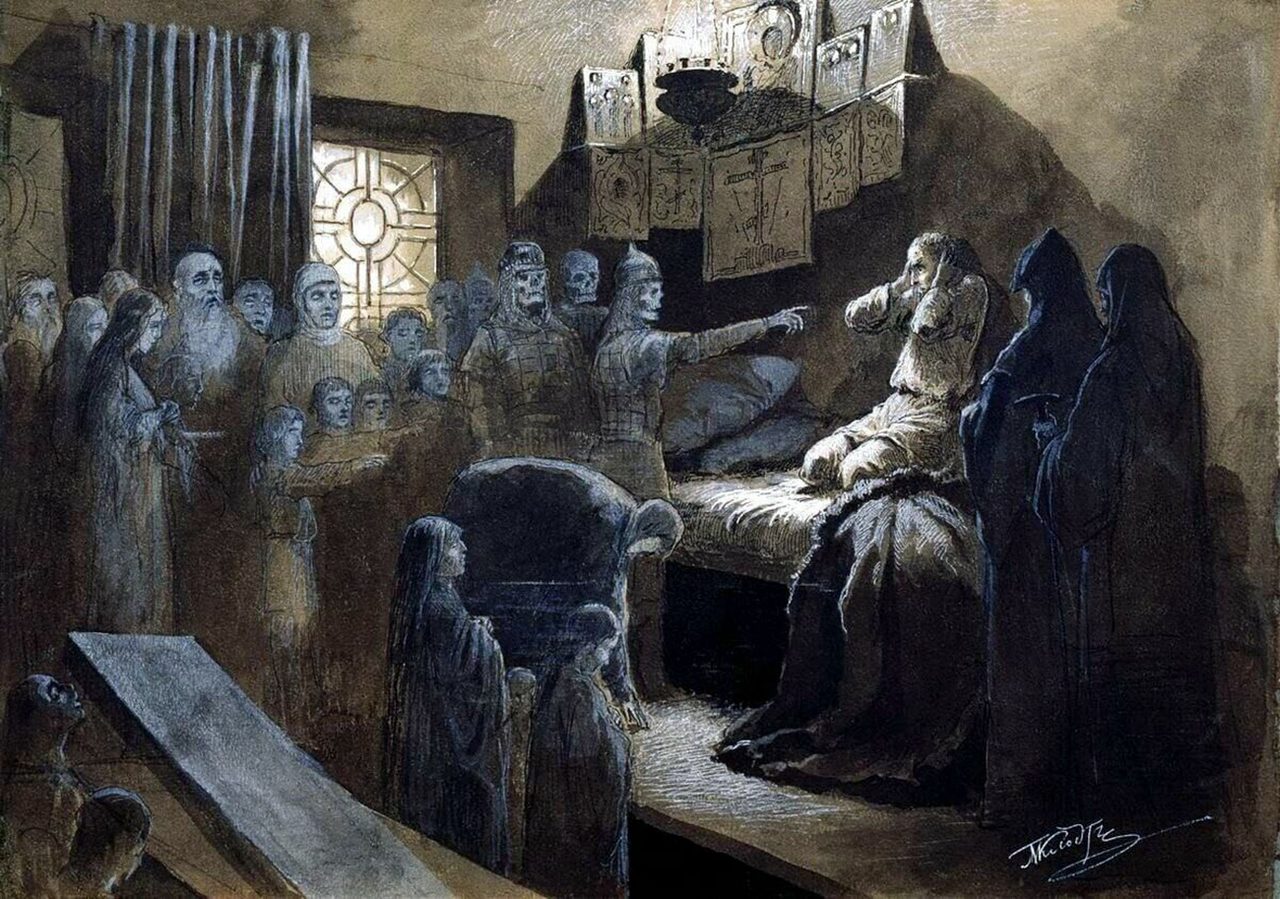
According to legend, before his death, Ivan IV was visited by the ghosts of people he had ordered killed. The tsar was often tormented by suspicions of a conspiracy against him and, during the ‘oprichnina’, he launched campaigns against non-existent traitors. Entire cities suffered: Klin, Novgorod, Tver, Pskov – the ‘oprichniki’ killed everyone indiscriminately. Later, filled with remorse, Ivan the Terrible compiled the so-called ‘Synodicon of the Disgraced’. He included around 4,000 people in the list of the dead and sent it to monasteries, along with donations, so that they could pray for their souls.
2. Ivan Kramskoy. ‘Sleepwalker’, 1871
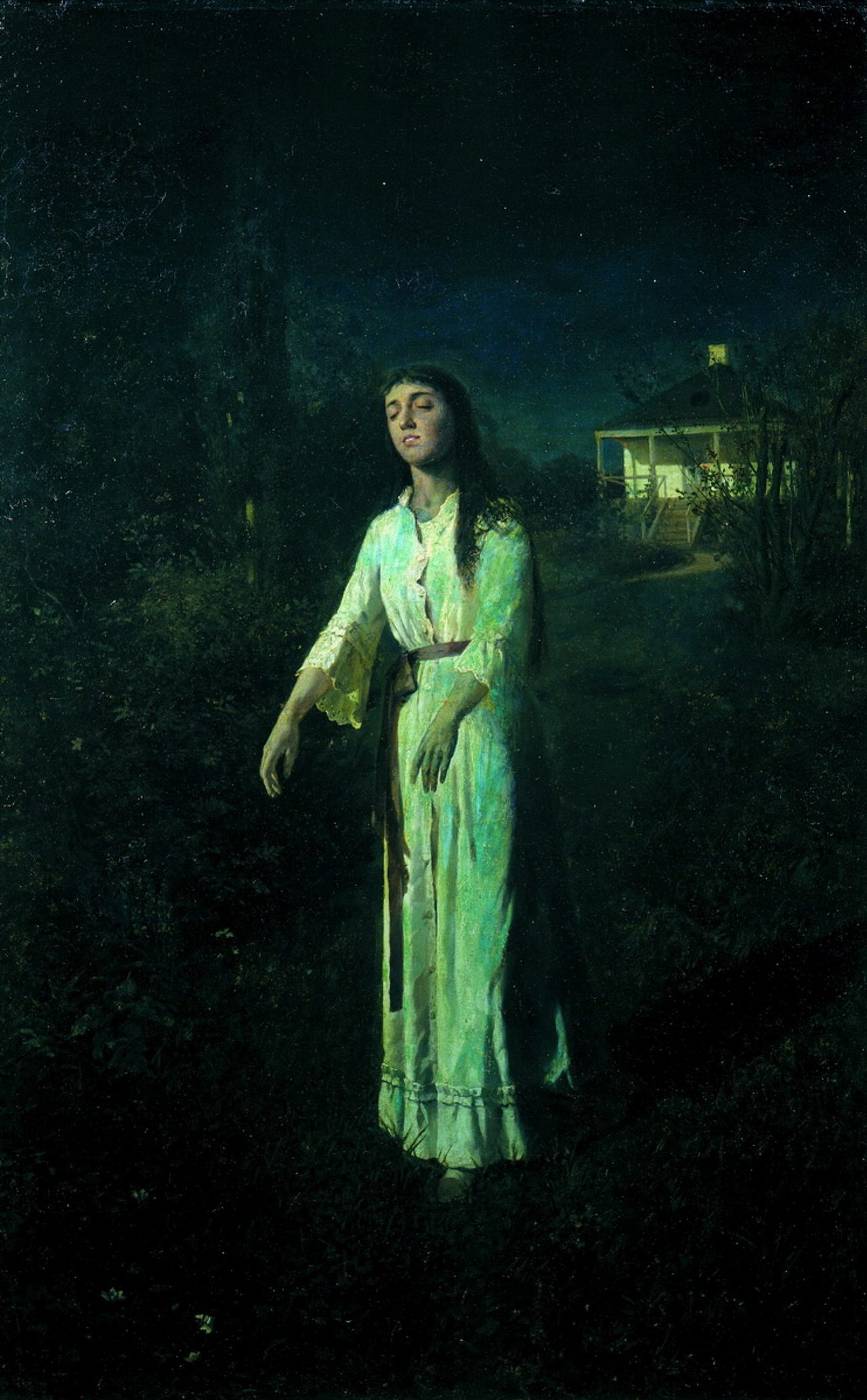
In Summer 1871, the artist traveled to the village of Khoten in the Kharkov province. He drove up to the house he was staying in at night and noticed the dark garden, with the moonlight glimmering. It seemed as if ghosts would appear on the path outside the house at any moment or mermaids would sing somewhere. "I waited for ghosts at night, but none came," he wrote half-jokingly in a letter home.
Kramskoy's imagination immediately suggested several subjects: from Khoten, Kramskoy brought back two paintings – ‘Mermaids’ and ‘Sleepwalker’ with a walking girl.
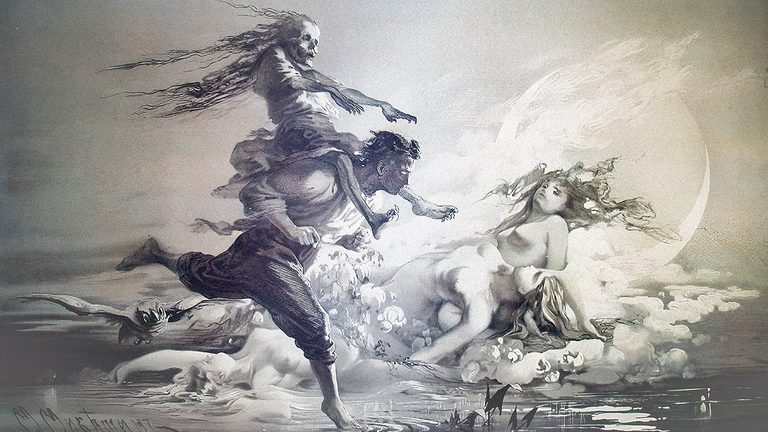
3. Mikhail Mikeshin. ‘The Witch on Khoma Brut’, 1882
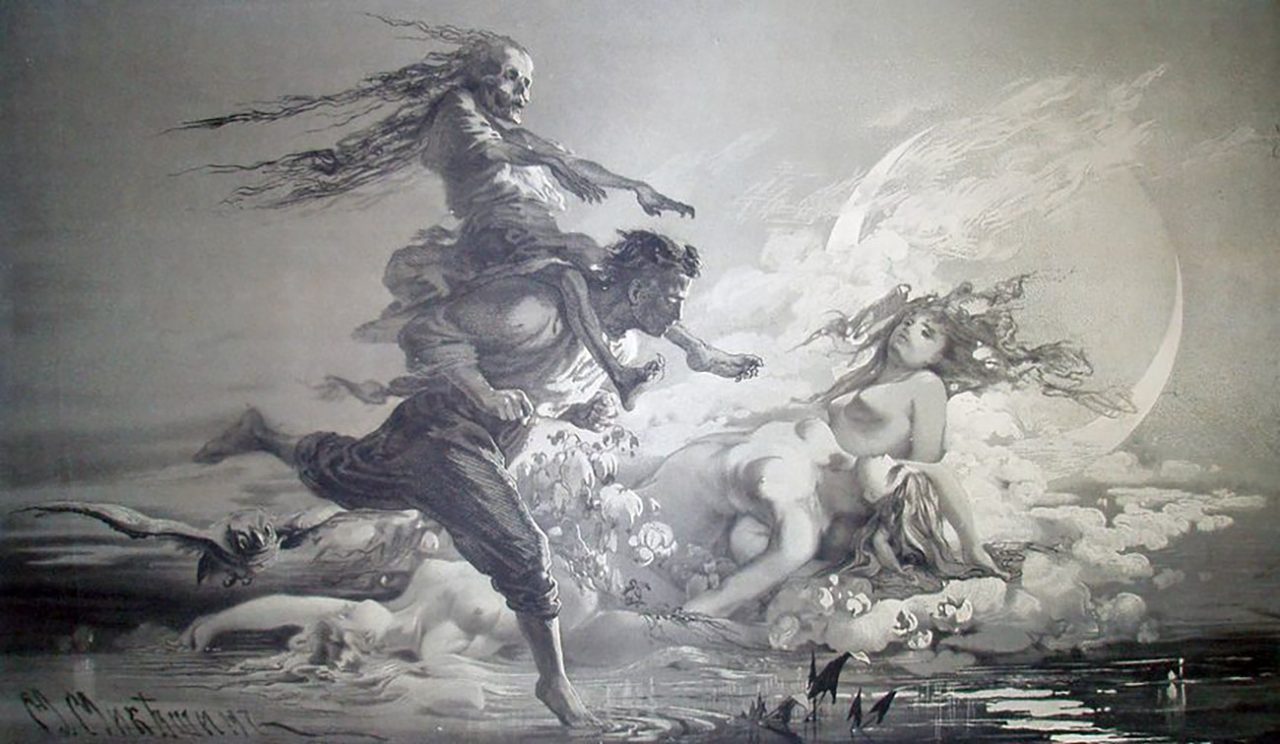
Mikeshin is known as the creator of the monument to the ‘Millennium of Russia’ in Veliky Novgorod. He also illustrated the works of Pushkin and Gogol, including ‘Viy’.
4. Ivan Aivazovsky. ‘On the Death of Alexander III’, 1890
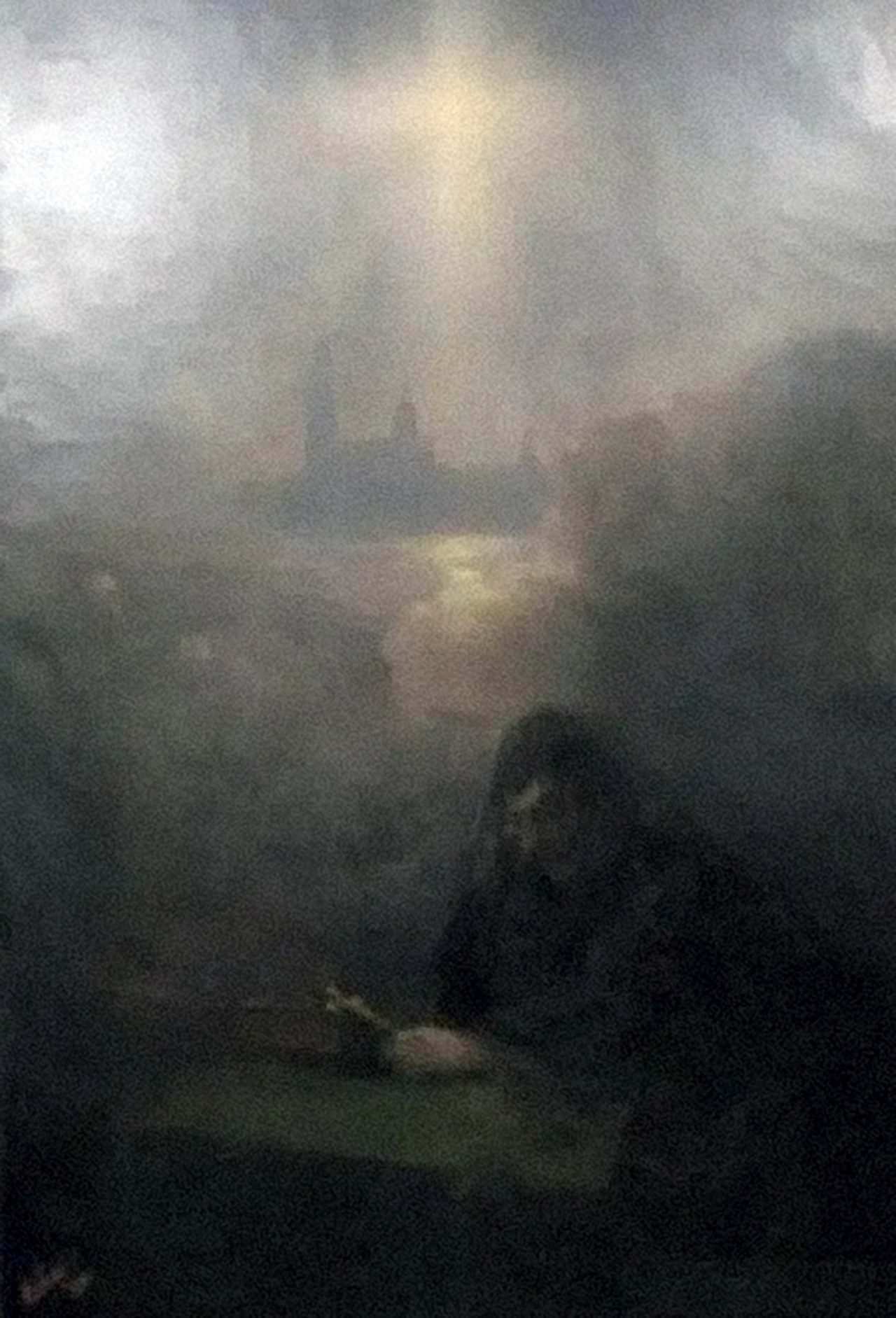
This artist never showed this painting to anyone. It was intended to depict the victory of life over death, but the result was far from convincing. The shadows of ghosts seem to emerge from the fog of the Peter and Paul Fortress and the image of a widow in black, at certain angles, transforms into the image of a mustachioed man. Perhaps one of the terrorists who attempted to assassinate the tsar or, perhaps, his heir, the future Nicholas II. The painting was first shown to the public only in 2003 and, since then, it has been on display in a separate hall of the Feodosia Museum.
5. Mikhail Vrubel. ‘The Demon Downcast’, 1901–1902
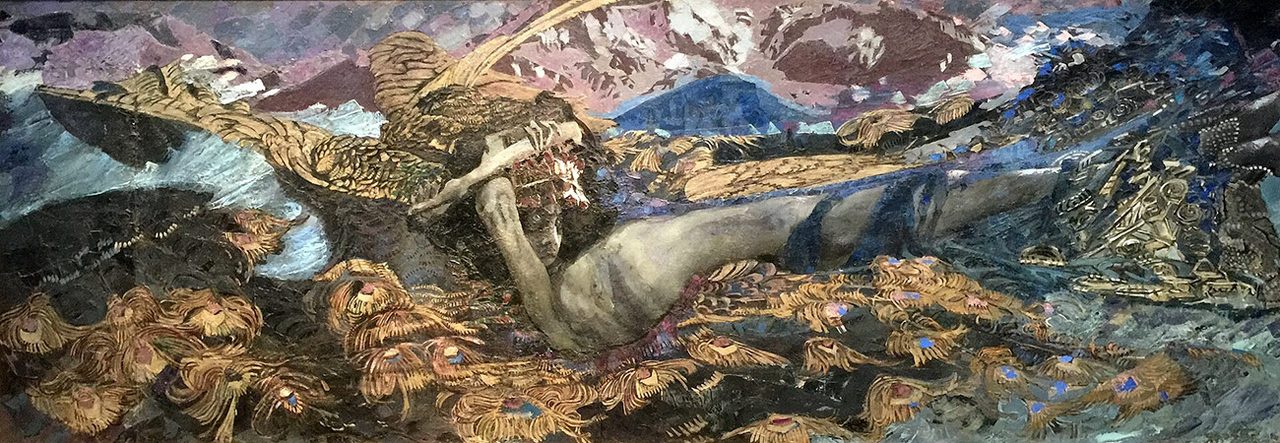
The artist simultaneously painted two paintings featuring the Demon: ‘The Flying Demon’ and ‘The Demon Downcast’. Gradually, this painting became the sole focus of his thoughts: Vrubel worked on it nonstop. But, he was unsatisfied with the result and he repainted the painting again and again. In 1902, it was shown in St. Petersburg at an exhibition of the ‘World of Art’ association, but, even there, the artist constantly tweaked the painting, adding new touches to the Demon's appearance. It was said that Vrubel repainted his face at least 40 times. Eventually, the artist's condition worsened so much that he had to be placed in a psychiatric clinic.
6. Viktor Borisov-Musatov. ‘Ghosts’, 1902
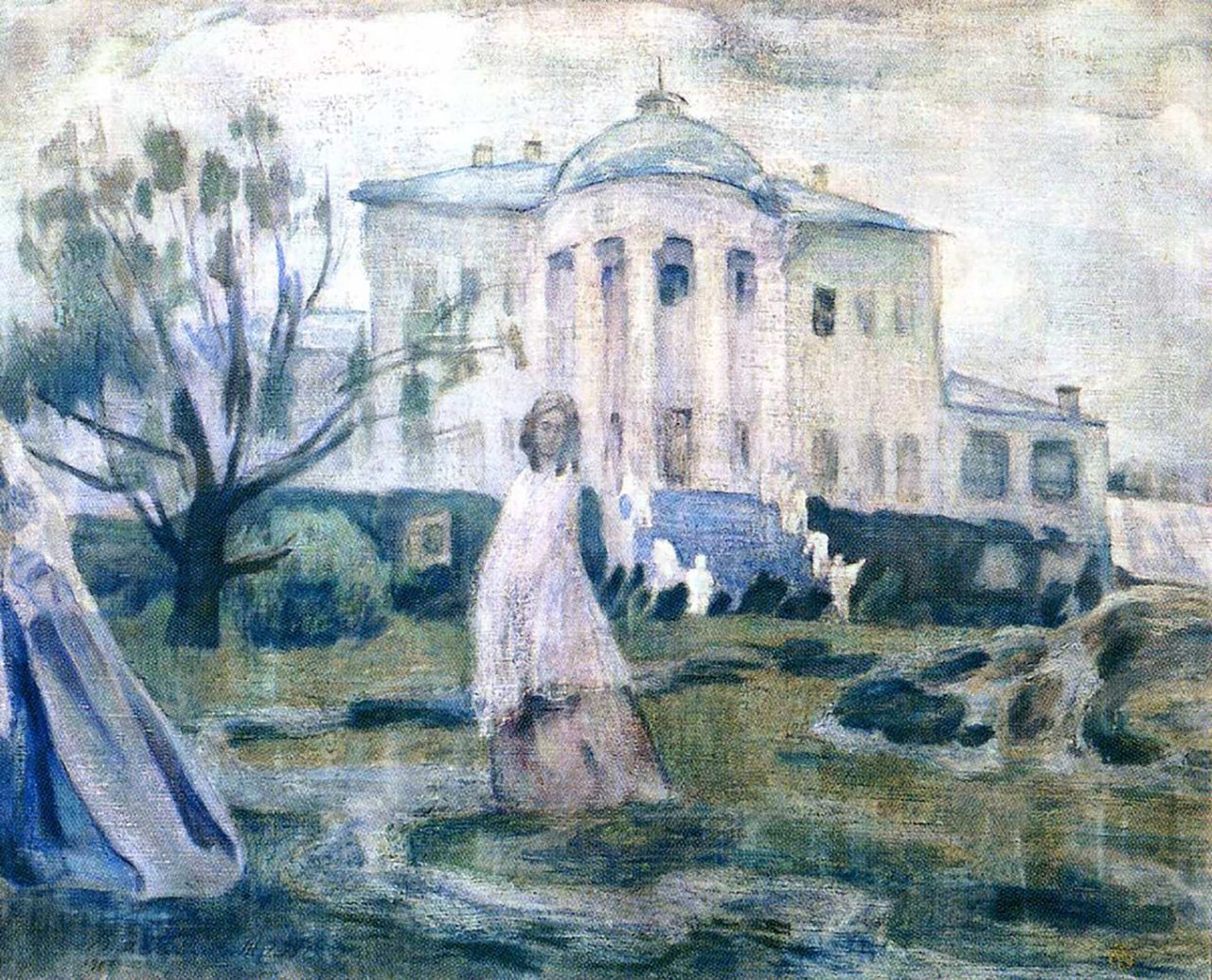
The artist created this melancholy painting at the Zubrilovka Estate. He spent a summer there with his sister and fiancée. With the onset of fall, they left, leaving Borisov-Musatov alone. The weather was deteriorating and, one evening, the artist noticed how the setting sun illuminated the old house. Thus, emerged a melancholic landscape in which the estate is depicted as unreal, disappearing into the haze, like the receding ghostly figures of women.
7. Pavel Filonov. ‘Feast of Kings’, 1913
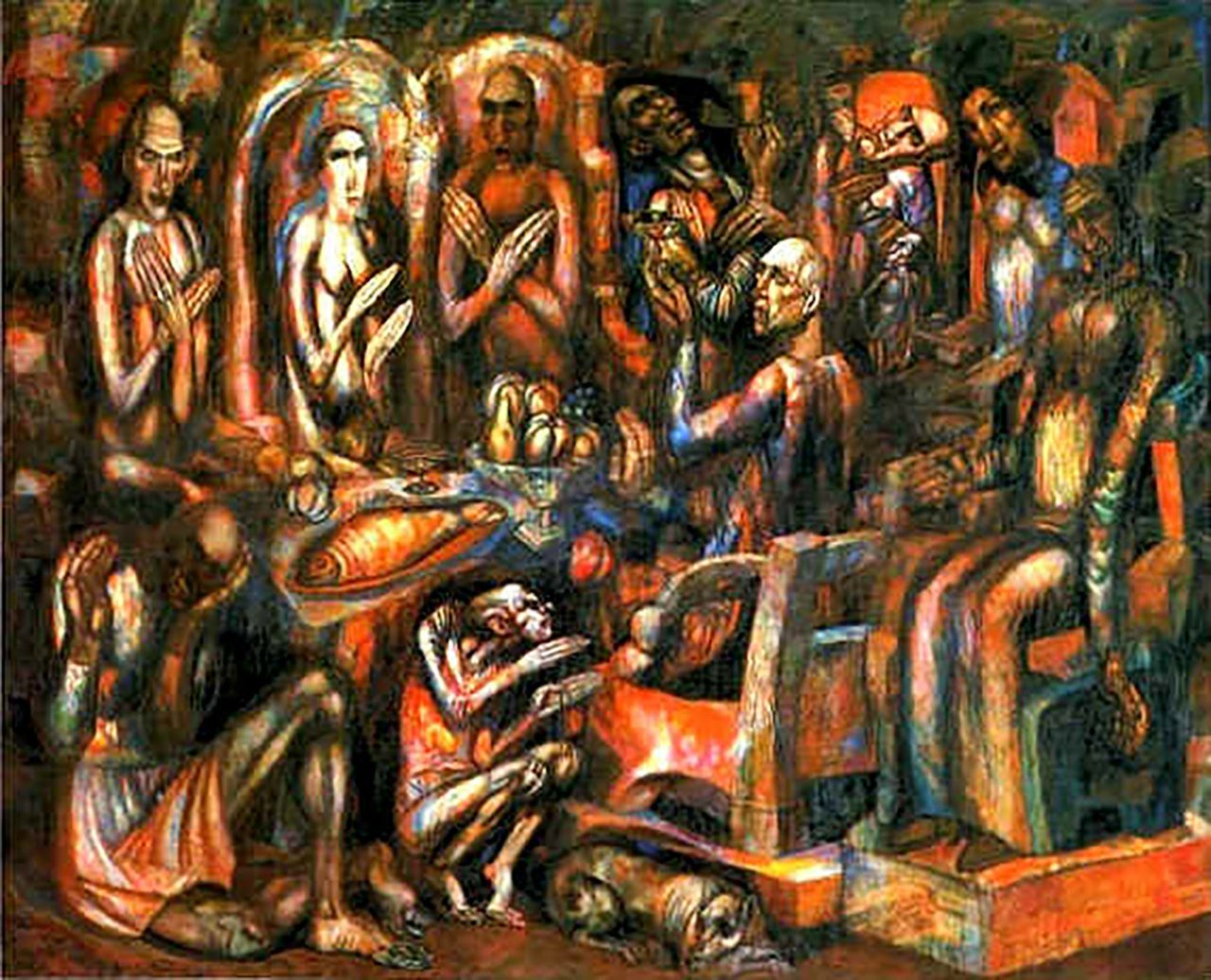
When an inspection came to the artist's studio in 1936, his wife, Ekaterina Serebryakova, began to tell the commission: "I'm telling you: here they are all: Hitler, Chamberlain, Mussolini and all the fascists of the world…" Filonov painted this painting a year before the outbreak of World War I. It also reflected his anxiety about the future, a premonition of impending disaster. Poet Velimir Khlebnikov believed that the artist had depicted "a feast of corpses, a feast of revenge".
8. Viktor Vasnetsov. ‘Baba Yaga’, 1917
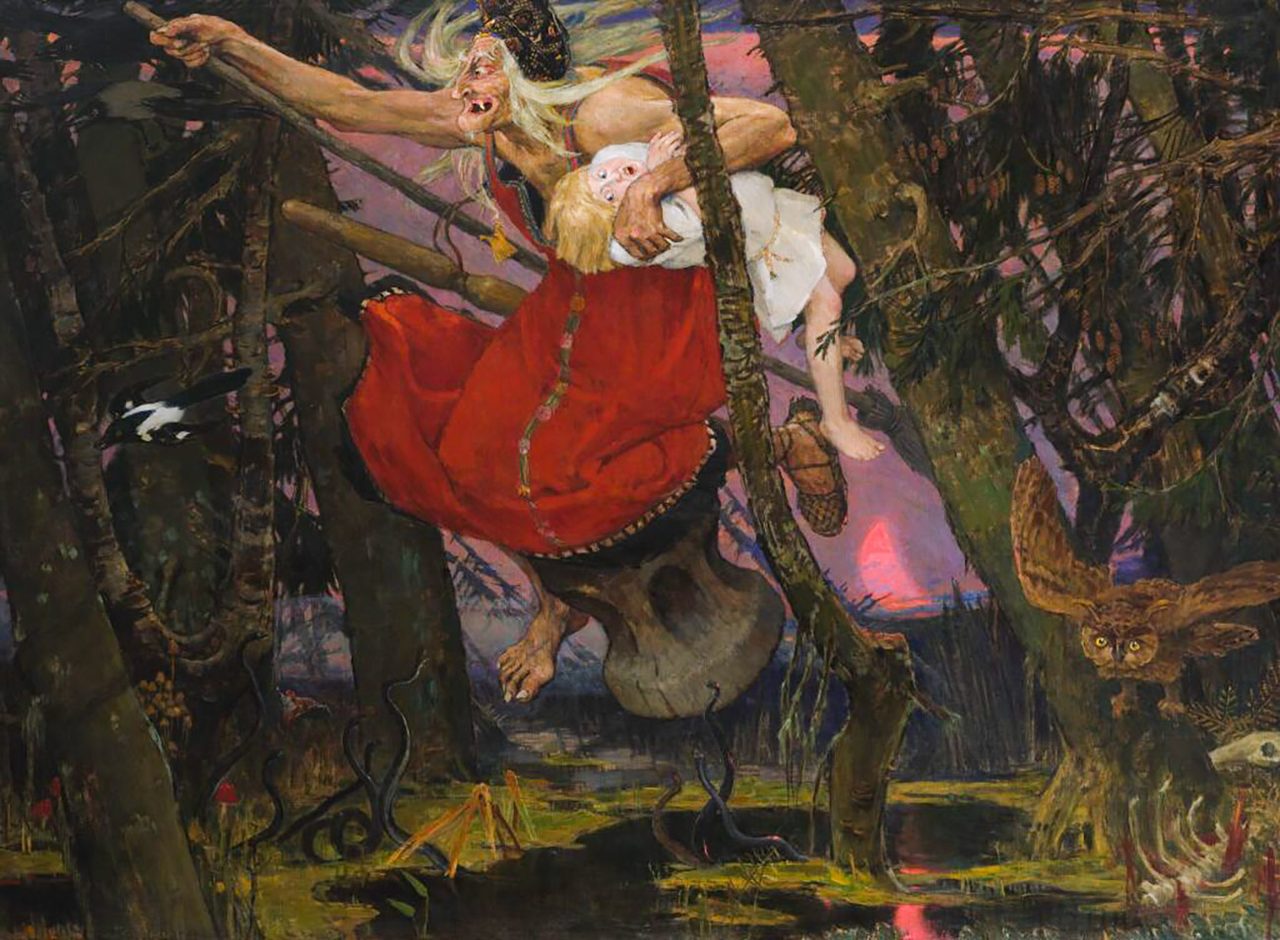
A frightened boy looks down at a swamp teeming with snakes, over which ‘Baba Yaga’ flies. She has just stolen him, pretending to be his mother, and is wearing a married woman's outfit: a ‘sarafan’ scarf and a ‘kokoshnik’ headdress. A scarlet moon rises behind the witch and the forest parts before her. Vasnetsov worked on this painting, based on the fairy tale ‘Ivashko and the Witch’, for 20 years, finishing it in the revolutionary year of 1917.