
7 must-see movies by Stanislav Govorukhin

He believed that cinema should tell stories of people’s lives.
Before becoming a director, Stanislav Govorukhin (1936–2018), at his mother's insistence, became a geologist, traveling across nearly the entire country. But, he wanted something more, got a job at a television studio in Kazan and, from there, in 1961, he left for Moscow to enroll in the renowned Gerasimov Institute of Cinematography (VGIK).
His very first feature movie, ‘Vertical’, brought fame not only to the director, but also to Vladimir Vysotsky, who played one of the roles. In addition to directing, Govorukhin wrote screenplays and acted himself. He was the author of the story for one of the most successful Soviet movies, the thriller ‘Pirates of the 20th Century’, while his most notable acting role was as a crime boss in Sergei Solovyov's cult classic ‘Assa’.
His interests weren't limited to cinema. In the 1990s, he took up painting and said that, thanks to his landscapes, he was able to see not only the world, but also himself, in a new light. In his free time, he enjoyed billiards and chess. During perestroika, the director became involved in politics and, in 2000, even ran for president of Russia.
However, he is remembered primarily as the director of movies and TV series that have become classics of Russian cinema. Here are the main ones:
1. ‘Vertikal’ (1967)
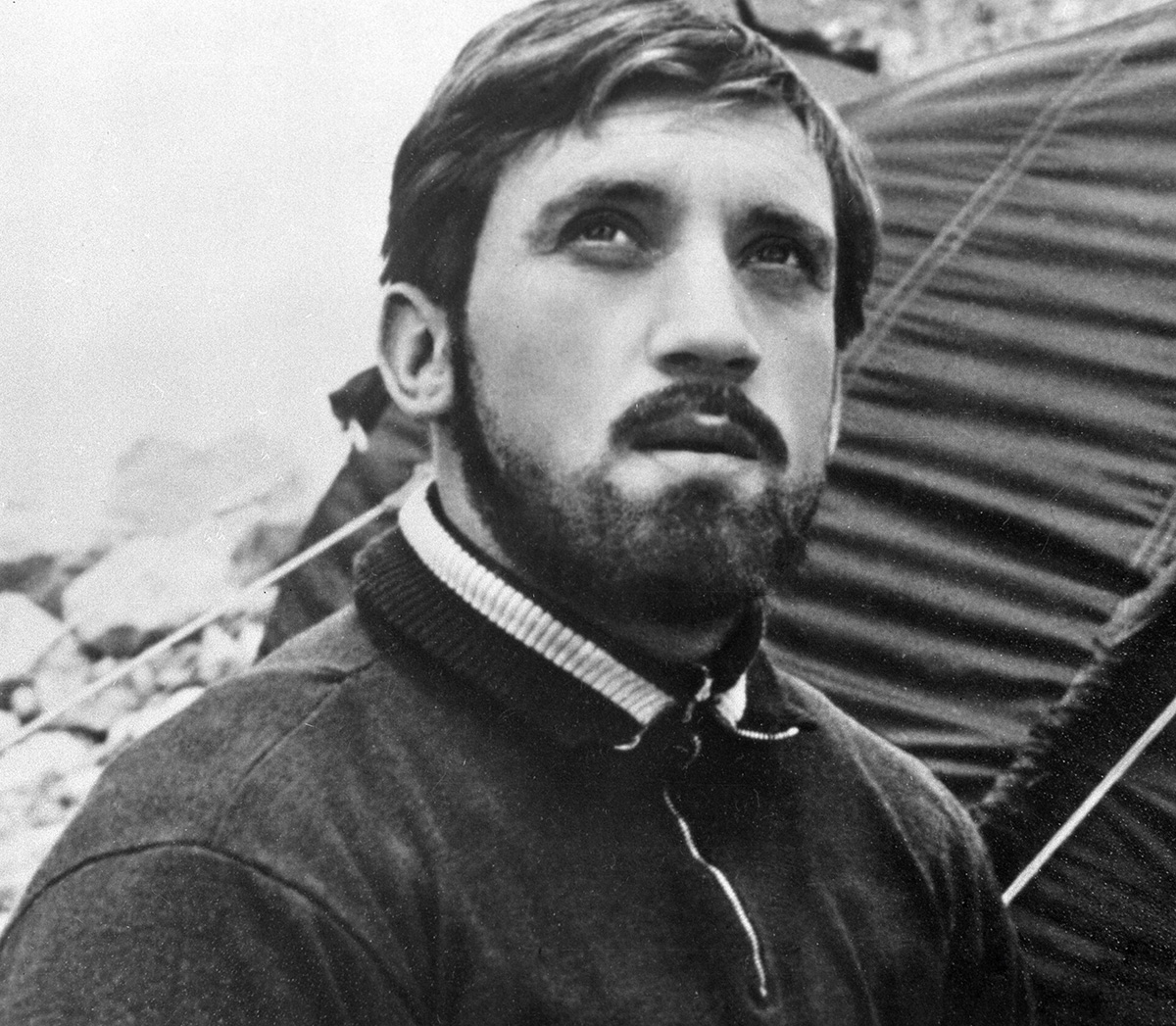
Govorukhin shot his first feature movie with fellow classmate Boris Durov. The story of a group of climbers caught in a snowstorm on a mountain peak was filmed in the Mount Elbrus region. ‘Vertikal’ explores a moral dilemma: after receiving information from a radio operator about an approaching storm, one of the climbers decides to keep it secret. He hopes to conquer a new peak and impress the doctor, Larisa, despite the bad weather.
Govorukhin cast actor and modern bard Vladimir Vysotsky as the radio operator. The songs he wrote during filming were included in the movie.
2. ‘The Meeting Place Cannot Be Changed’ (1978)
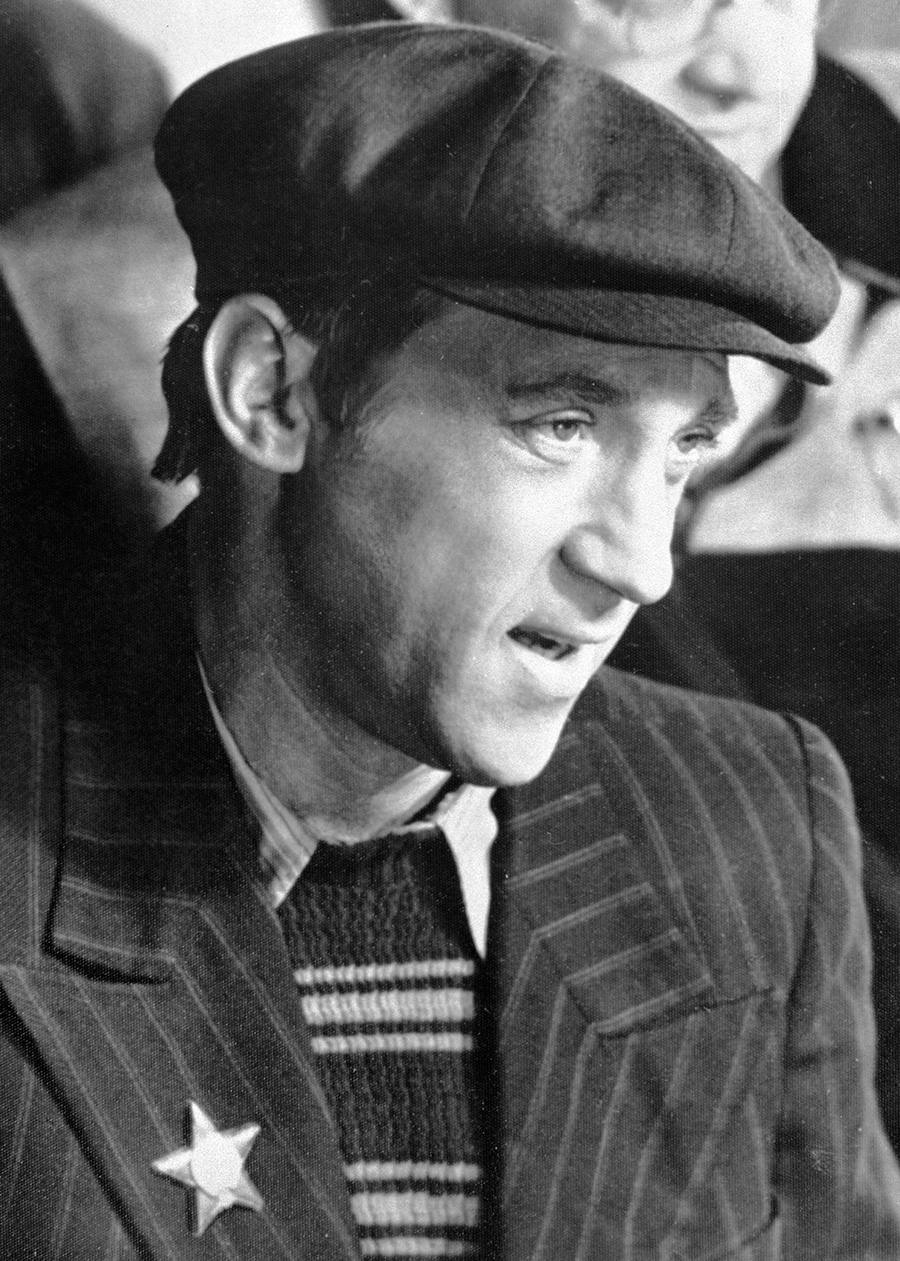
In postwar Moscow, the police are hunting the ‘Black Cat’ gang. Getting close to them is no easy task, so police officer Volodya Sharapov is sent to infiltrate them. This action-packed five-part movie is based on the Vainer brothers' novel ‘Era of Mercy’. Vysotsky, once again, plays one of the main characters, police captain Gleb Zheglov. He also contributed to the screenplay and even directed certain scenes.
The movie became incredibly popular and many of its lines have become part of the national lexicon. "What a mug you have, Sharapov!" "A thief should go to prison!" – These quotes (and many others) make it easy to tell if someone has watched one of the most popular Soviet cinematic experiences.
3. ‘Ten Little Niggers’ (1987; also known as ‘Ten Little Indians’ & ‘And Then There Were None’)
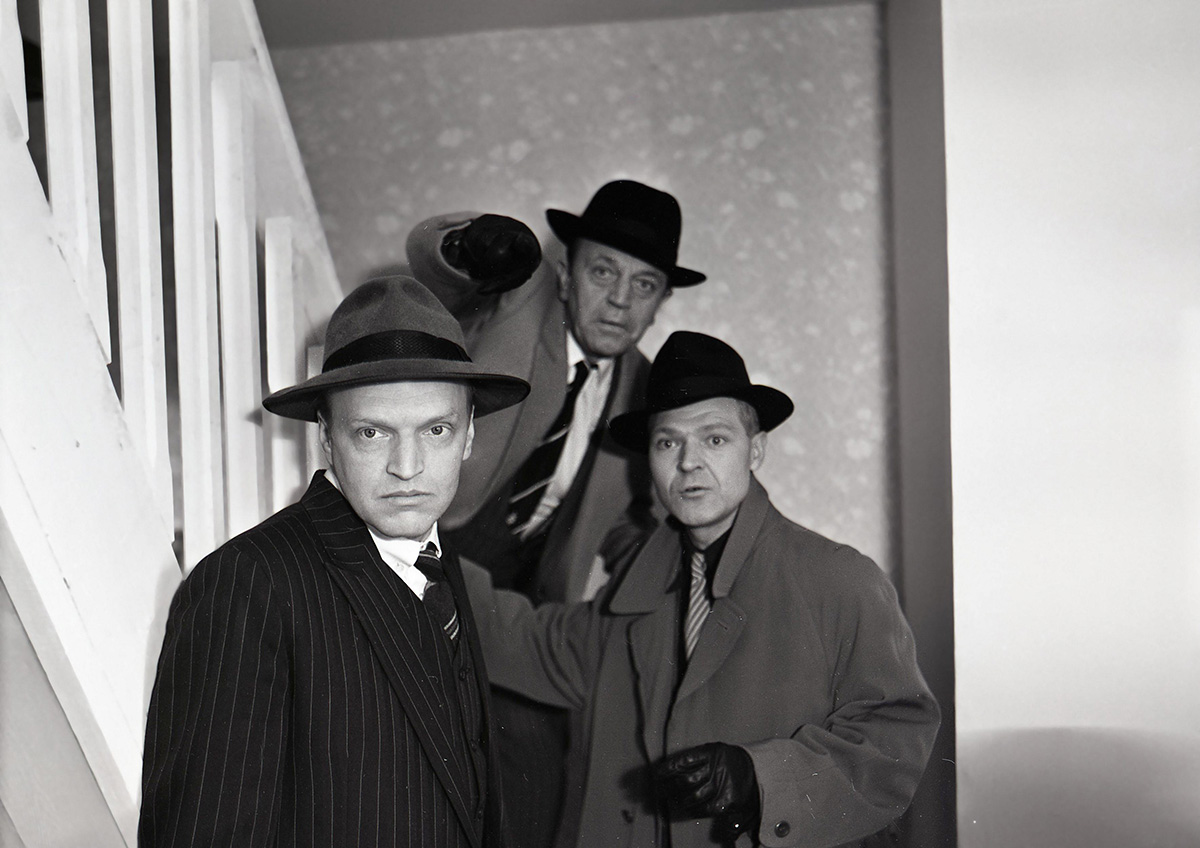
A screen adaptation of Agatha Christie's novel about ten strangers invited to a secluded island – not out of idle curiosity, but to be punished for the crimes they've committed. The sinister anonymous host has prepared an execution for each of them: after each death, a figurine of a little black boy disappears from a tray in the living room, until none remain. However, the result is more than just a detective story, but a movie about inevitable retribution.
Govorukhin considered ‘Ten Little Niggers’ the first Soviet thriller and called it his best work.
4. ‘You Can't Live Like This’ (1990)
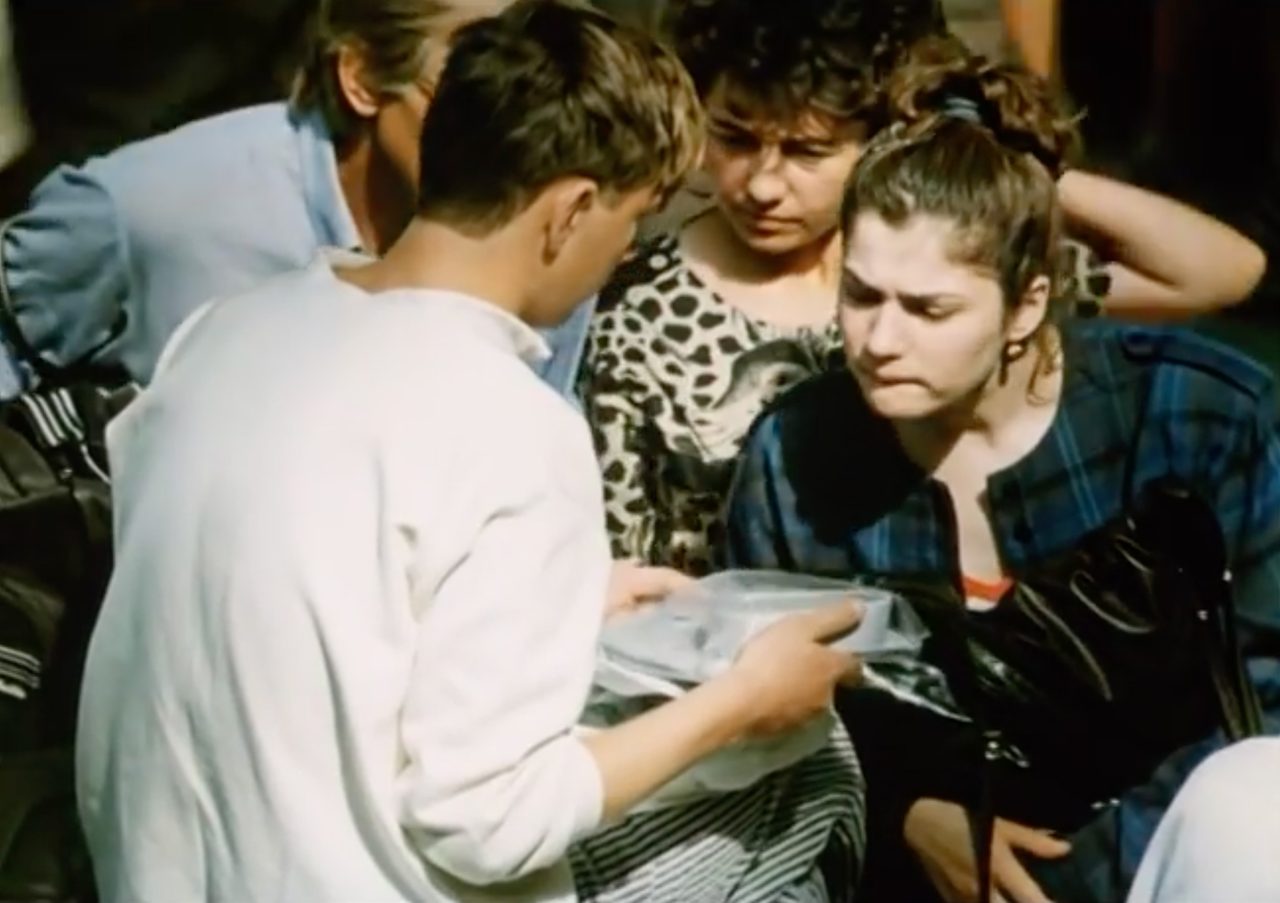
A documentary about the Soviet state at the end of perestroika. Govorukhin filmed in various regions of the country, showing how people's lives changed catastrophically. The footage had the effect of a cold shower: devastation, rampant crime and a crisis of power. Critics called the movie "a glimpse into the abyss". However, years later, the director believed the movie had done more harm than good.
5. ‘The Rifleman of the Voroshilov Regiment’ (1999)
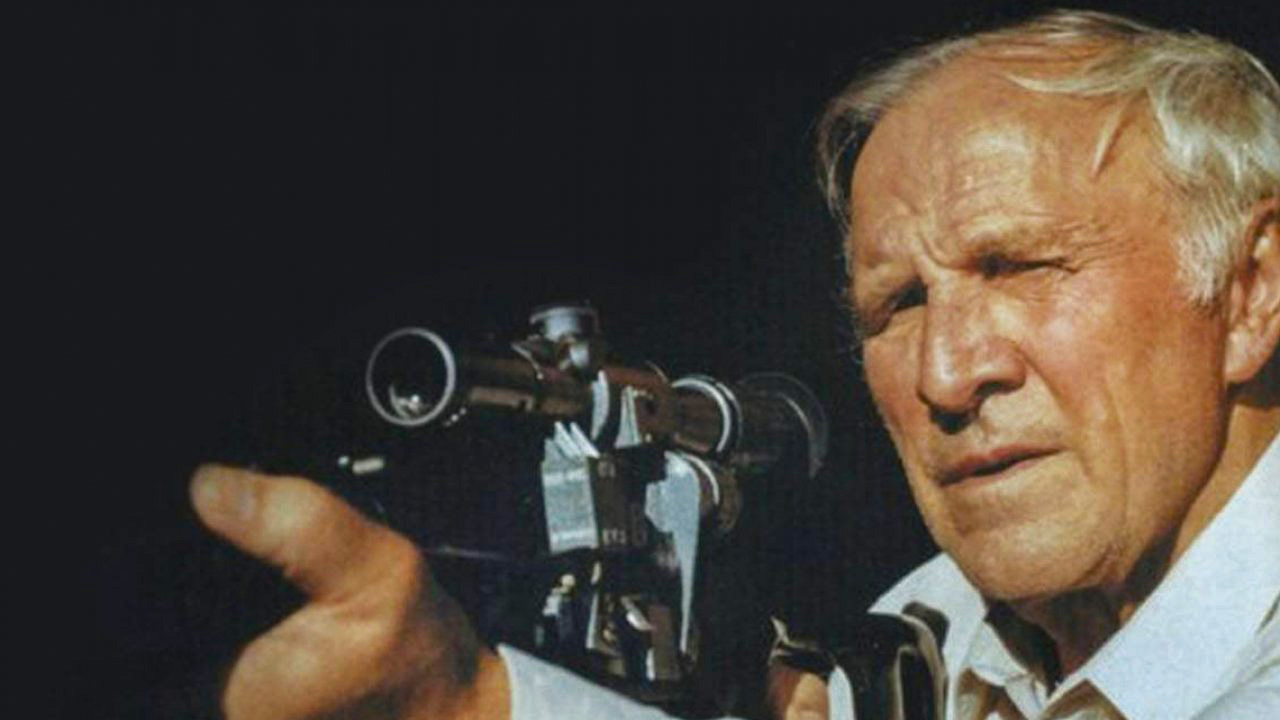
A drama about retribution. Three male friends lure a girl living next door to their place and rape her. Upon learning of the tragedy, her grandfather, a former front line soldier, realizes that the criminals will not be punished. One of them is the son of a police colonel, so the case will be hushed and swept under the rug. He then decides to take justice in his own hands and kills two of the rapists. Only the son of the police officer survives, but he goes mad and shoots his father.
‘The Rifleman of the Voroshilov Regiment’" was criticized for condoning lynching. But, the director believed that retribution should reach the criminals. If it didn’t, "people would begin to live by the laws of the jungle".
6. ‘Bless The Woman’ (2003)
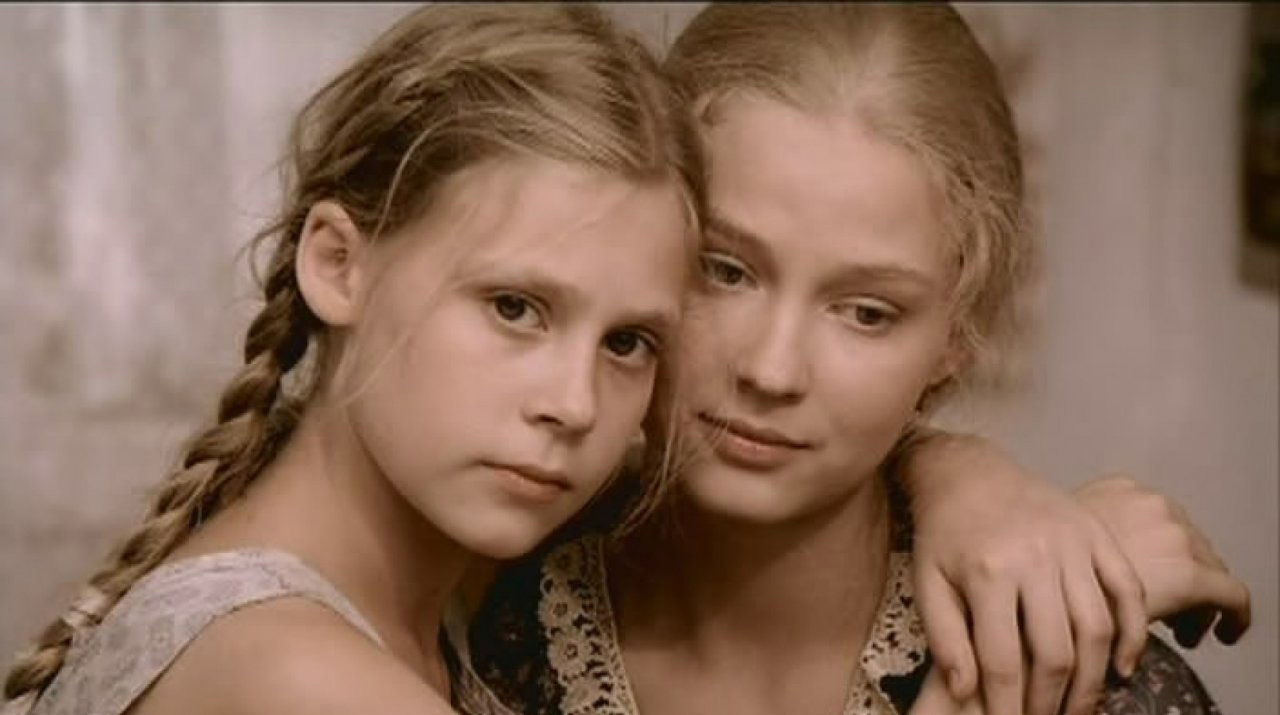
This movie is based on the story of a real-life couple. Vera, the main character, marries a military man named Alexander. From then on, her entire life is devoted solely to his interests and desires. But, after his death, a new chapter begins for her. ‘Bless the woman’ became a breakout movie for Svetlana Khodchenkova, who played the lead role. Govorukhin was so impressed by her talent that he planned to cast her in other movies, as well. The main condition was that she not lose weight. But, the actress decided otherwise.
7. ‘The End of a Beautiful Era’ (2015)
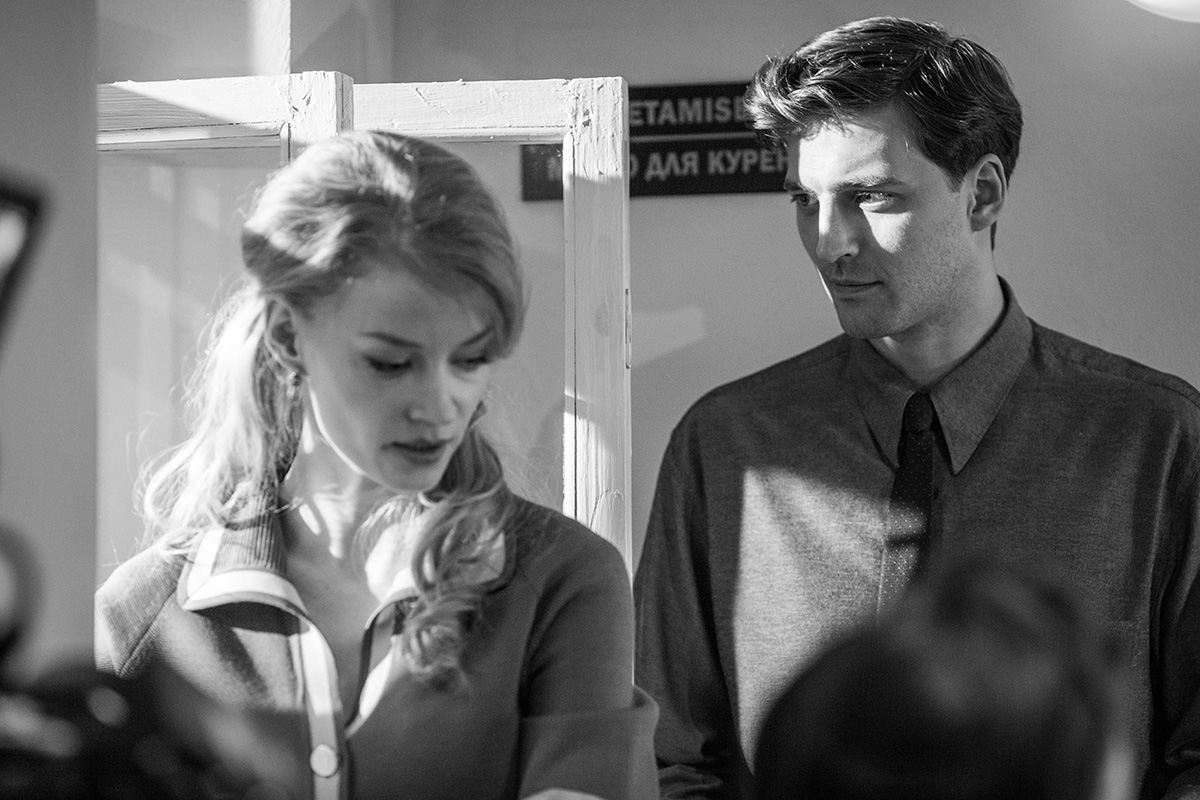
The director openly professed his love for black-and-white cinema. He said he trusted it more. That’s why he decided not to shoot his movie based on Sergei Dovlatov's stories in color. Govorukhin borrowed the movie's title from a poem by Joseph Brodsky. The action takes place in the "golden age" of Soviet history – the time of the ‘Khrushchev Thaw’. A journalist named Andrei Lentulov leaves Leningrad for Tallinn, Estonian SSR. His job at the local newspaper, however, comes to an end when Andrei's manuscript is found in the possession of his dissident friend. This is both a farewell to the "thaw" and a remembrance of it as a happy time of relative freedom.