
5 serf artists who became stars in Tsarist Russia (PICS)

They painted portraits of tsars and nobles and were compared to Titian and Rembrandt. Yet, they were unable to control their talent or even their lives.
Vasily Tropinin (1776–1857)
"Tropinin, Count Morkov's serf. His coloring is similar to Titian's," is how his contemporaries depicted him in the ‘Otechestvennye Zapiski’ journal. His brush produced unique portraits of historian Nikolai Karamzin and poet Alexander Pushkin.
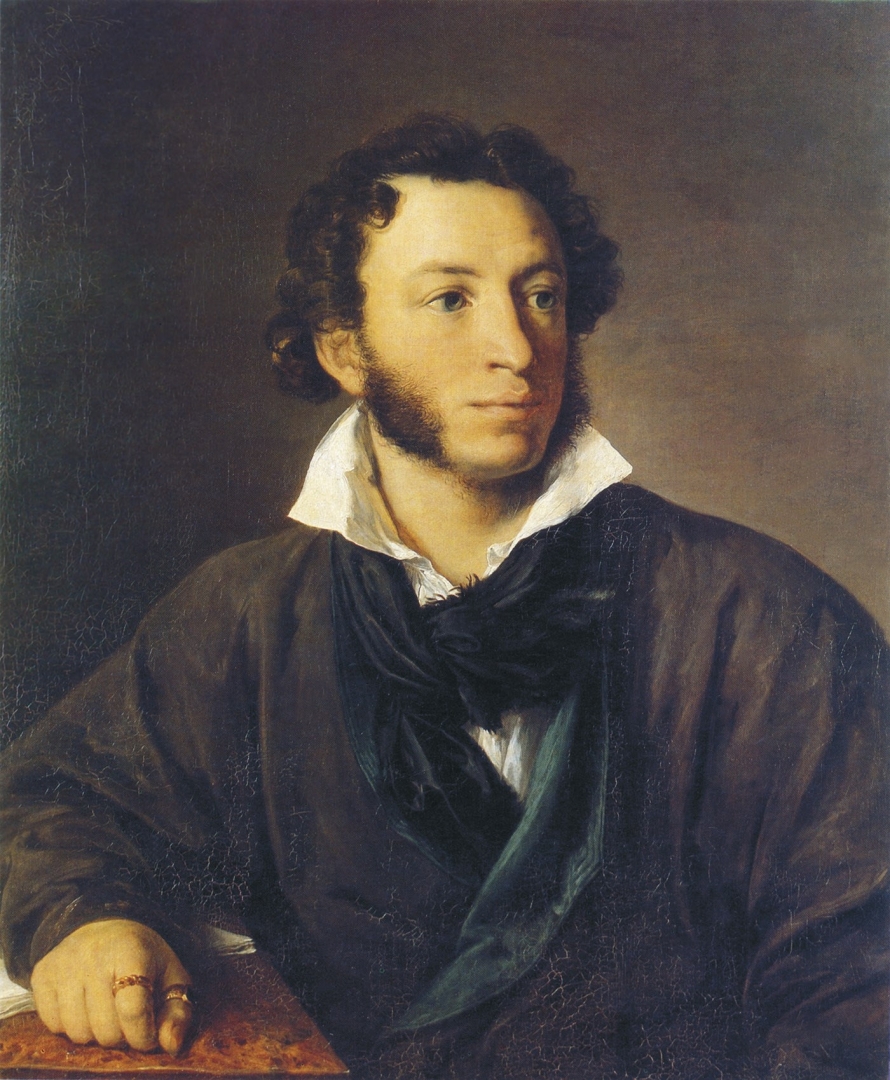
Tropinin was the most prominent Moscow portraitist of the first half of the 19th century. His artistic legacy is enormous – he created approximately 3,000 portraits in total. The artist masterfully combined formality with intimacy in his works. He gained particular fame for his paintings depicting people at their crafts: ‘The Lacemaker’, ‘The Guitarist’ and ‘The Gold Embroiderer’.
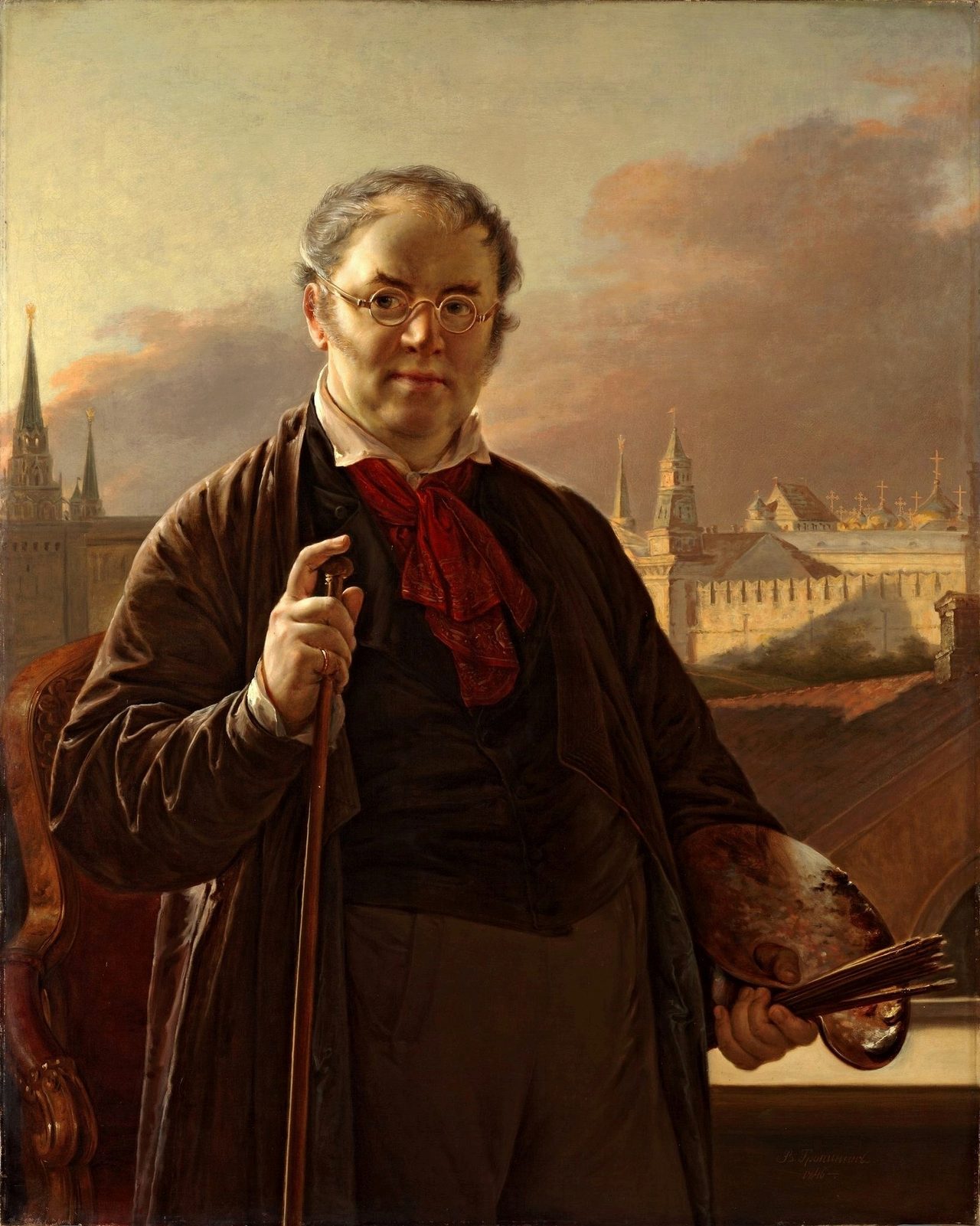
However, until the age of 47, he remained a serf of Count Irakli Morkov. The landowner sent Tropinin to study at the Academy of Arts, but the artist only gained his freedom in 1823, already a recognized master. He then became an academician of the Imperial Academy of Arts.
Orest Kiprensky (1782–1836)
One of the founders of the Romantic portrait in Russia. For his love of the interplay of light and shadow and dramatic contrasts, his contemporaries dubbed him the ‘Russian Rembrandt’. The illegitimate son of a landowner and a peasant woman, he was born a serf, but was freed in early childhood.
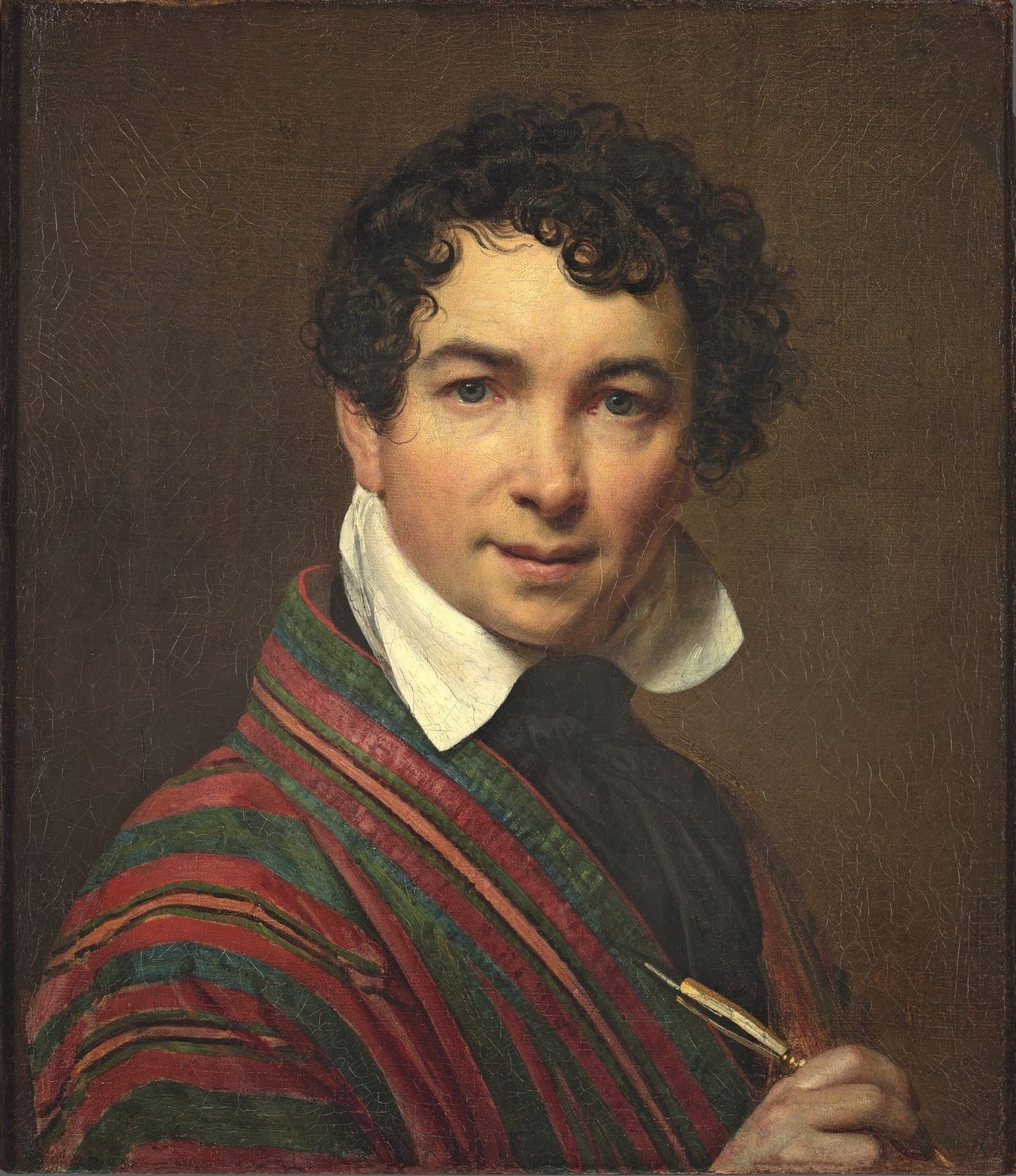
Kiprensky demonstrated exceptional artistic talent from a young age and graduated with honors from the Imperial Academy of Arts. The pinnacle of his artistic career was marked by his romantic portrayals of heroes from the War of 1812 (such as the portrait of Evgraf Davydov) and his famous portrait of Alexander Pushkin.
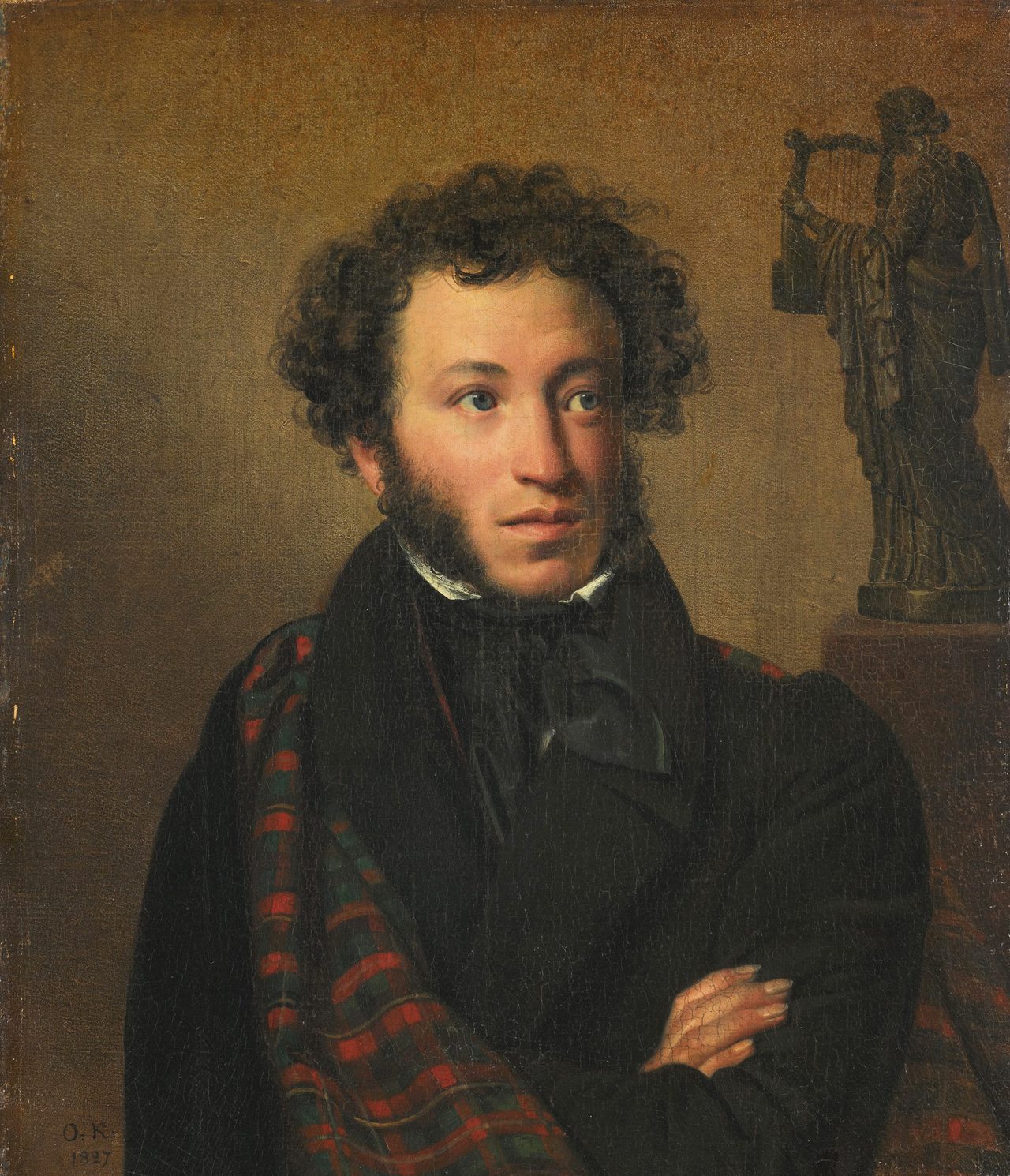
He also spent many years in Italy. But, after the tragic death of his model and girlfriend, he was forced to leave Rome. He later returned to Italy and married the daughter of his late beloved. Three months after their wedding, he died of pneumonia. His artistic legacy forever changed Russian portrait painting, giving it depth and emotional power.
Grigory Soroka (Vasiliev) (1823–1864)
One of Alexei Venetsianov’s most talented artists, whose life was marked by incredible tragedy. Born a serf into a peasant family, he was nicknamed ‘Soroka’ as a child and, later, this nickname became his surname. Having noticed the young man's talent, renowned artist Venetsianov became his teacher and ‘Soroka’ studied under him at his school on the Safonkovo estate.
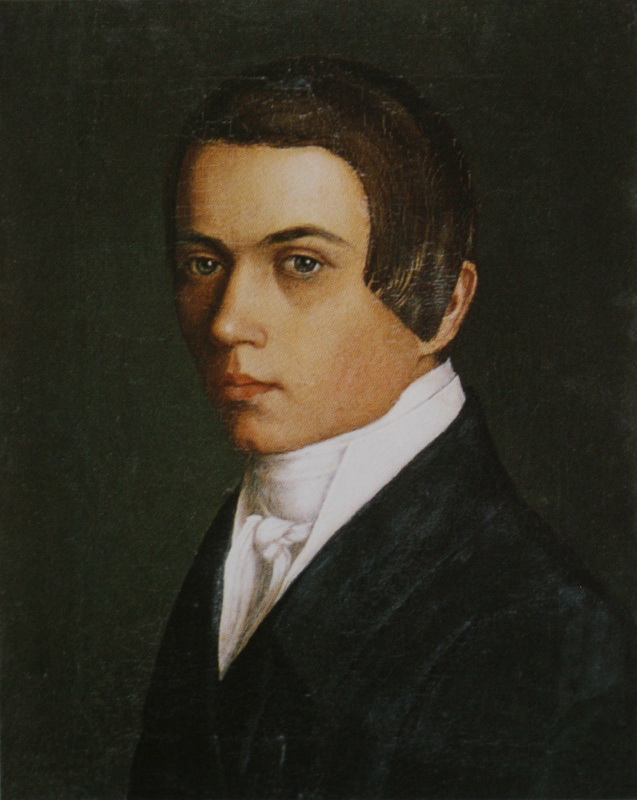
Soroka painted lyrical landscapes, portraits and interiors; his works were distinguished by their poetic quality and subtle perception of the world. However, the artist never managed to gain his freedom: Venetsianov was unable to buy him from landowner Milyukov and ‘Soroka’ only gained his freedom after the 1861 reform.
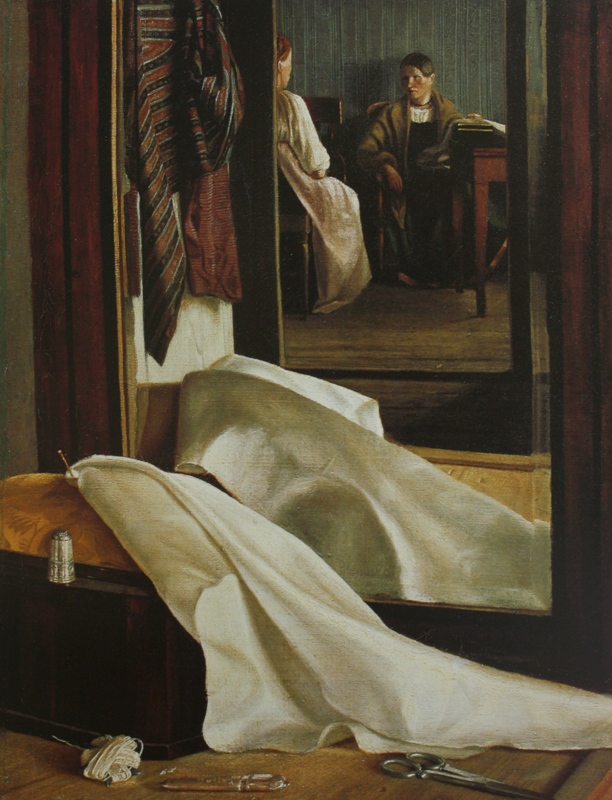
According to legend, Milyukov's eldest daughter, Lydia, and the artist were in love with each other. This allegedly led the landowner to deny ‘Soroka’ his freedom. After the abolition of serfdom, ‘Soroka’ was unable to buy his land. And, for his participation in a peasant uprising, he was sentenced to corporal punishment and took his own life.
Andrei Voronikhin (1759–1814)
A great Russian architect and artist, and one of the founders of the Empire style in Russia. Voronikhin was born into a family of serfs belonging to Count Stroganov and showed an aptitude for drawing from childhood. He studied painting in the studio of the Ural icon painter Gavrila Yushkov. The talented young man and his brother were sent to study painting, and later architecture, in Moscow and St. Petersburg. To gain experience, he carried out small commissions for murals and restoration work at the Trinity-Sergius Lavra.
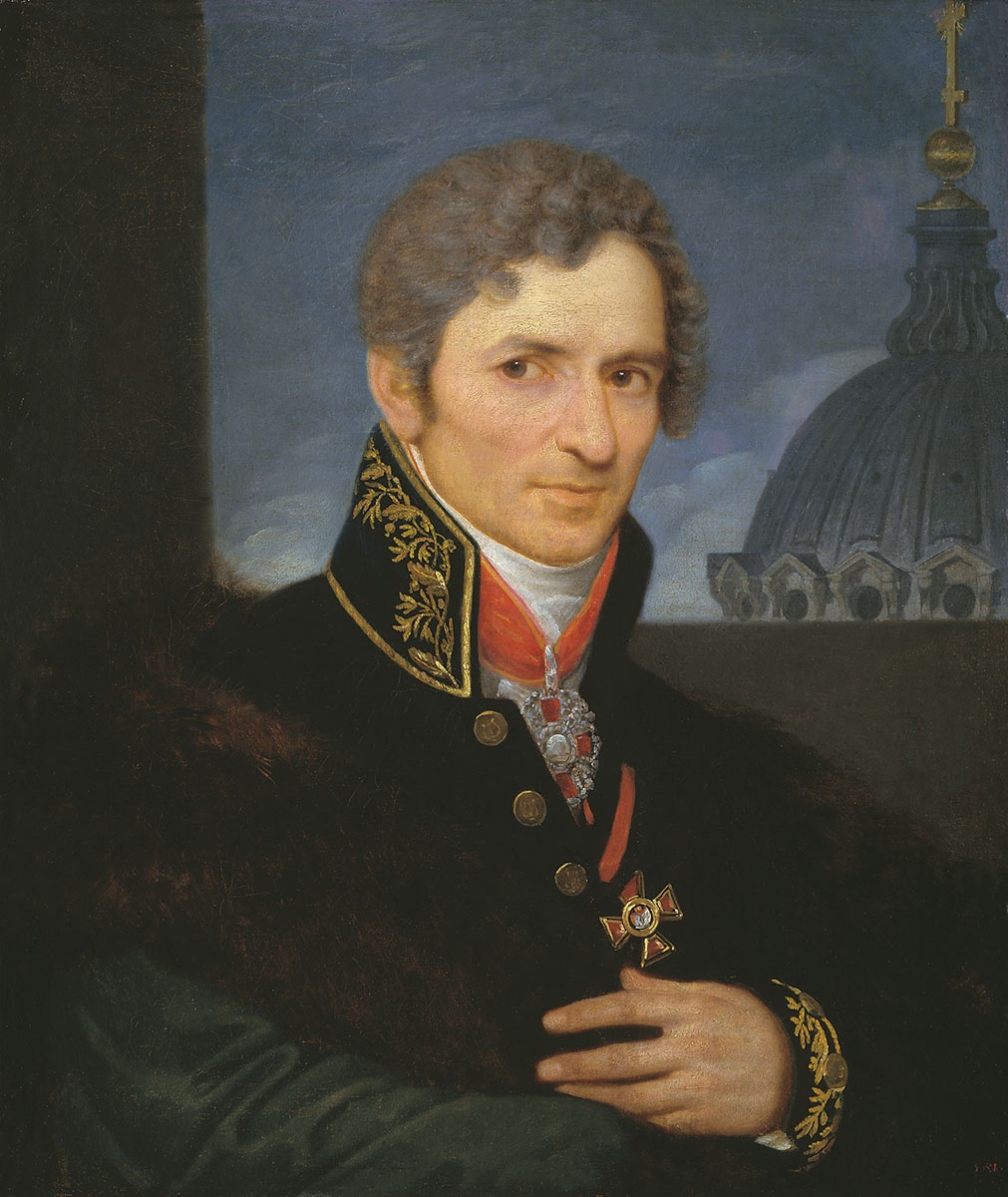
After receiving his freedom in 1786, Voronikhin continued his education in France and Switzerland, where he mastered not only architecture, but also the art of decorative painting. The pinnacle of his career and his magnum opus was the grandiose Kazan Cathedral in St. Petersburg, which he designed from 1801 to 1811.
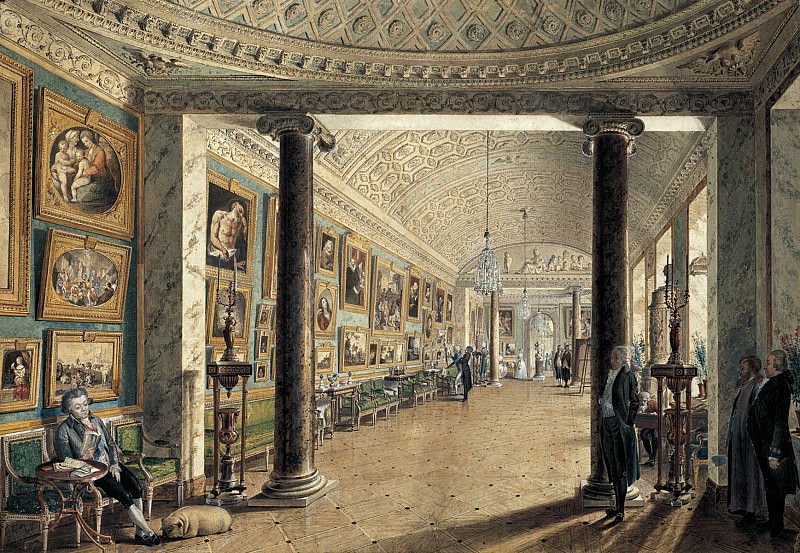
However, Voronikhin also remained a talented artist: he painted numerous portraits (including the famous portrait of Count Stroganov), landscapes and interior murals.
Ivan Argunov (1729–1802)
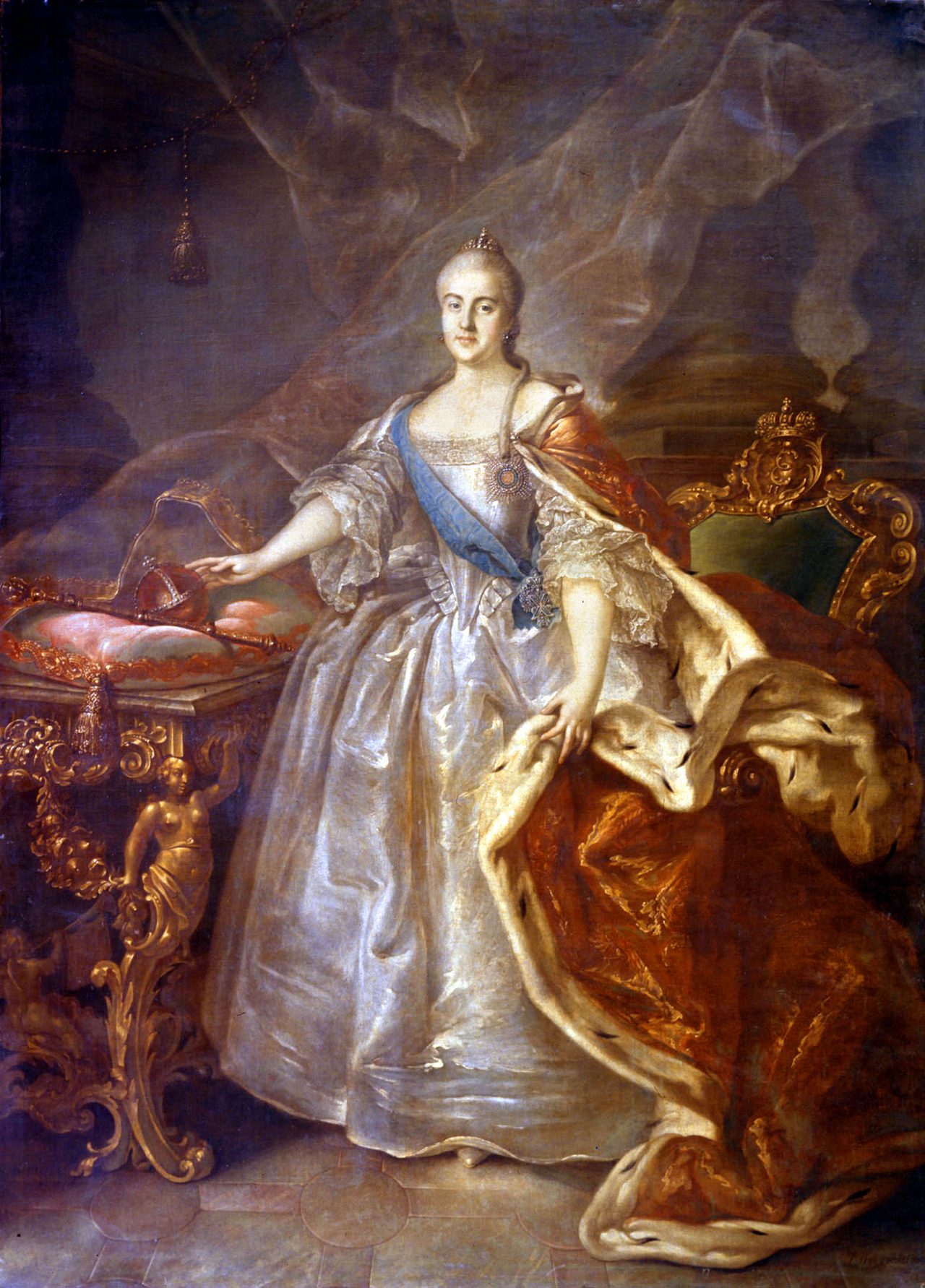
One of the pioneers of the chamber portrait in Russia. He painted formal portraits of nobles and even of Empress Catherine II. The empress did not pose for the artist – Argunov was permitted to observe her during palace events. As a result, Catherine praised the portrait for its likeness and took it with her to Moscow for her coronation.
His ‘Portrait of an Unknown Peasant Woman in English Costume’ is a classic image that has become a symbol of peasant beauty in Russian art. In addition to painting, Argunov served as the manager of the Sheremetev household and taught other serf artists.
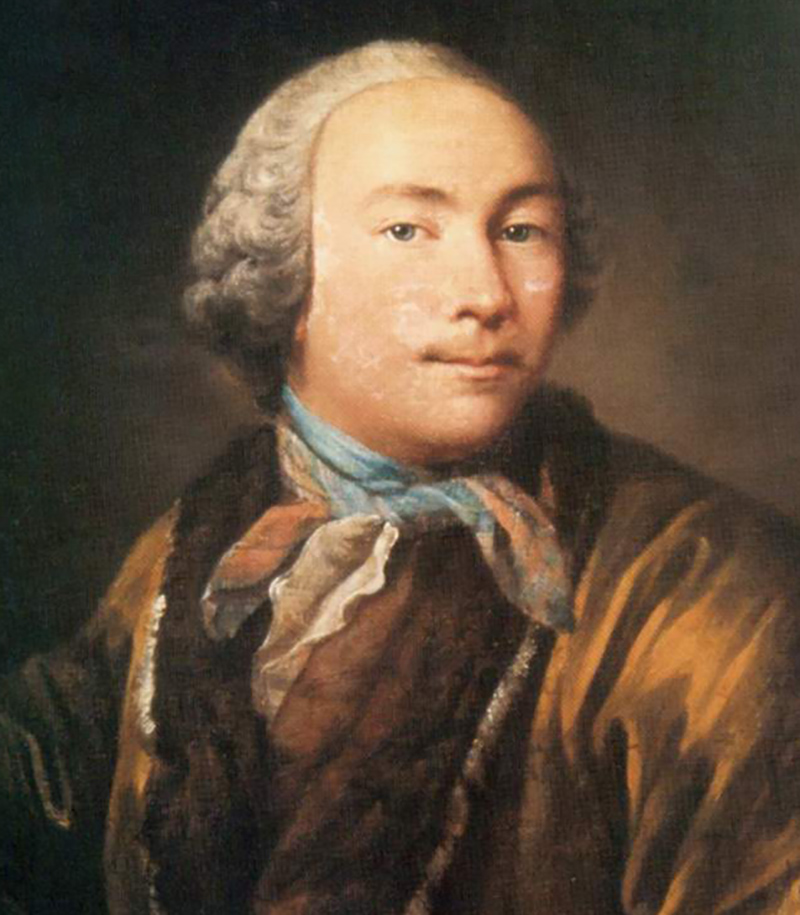
His sons Nikolai, Pavel and Yakov inherited their father’s talent and profession. Ivan Argunov died in 1802, remaining a serf of Count Sheremetev. His sons were granted their freedom 14 years later. Pavel became an architect, while the other two became artists.