
8 works by Sergei Prokofiev you should know (PICS)
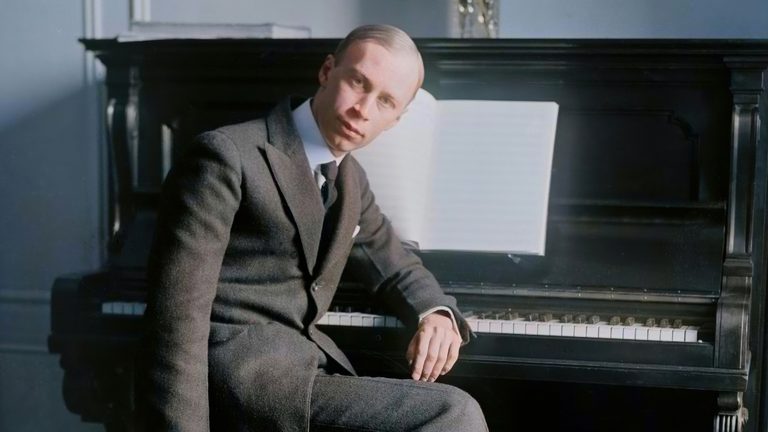
"The future human being was formed by music," the composer once said of himself.
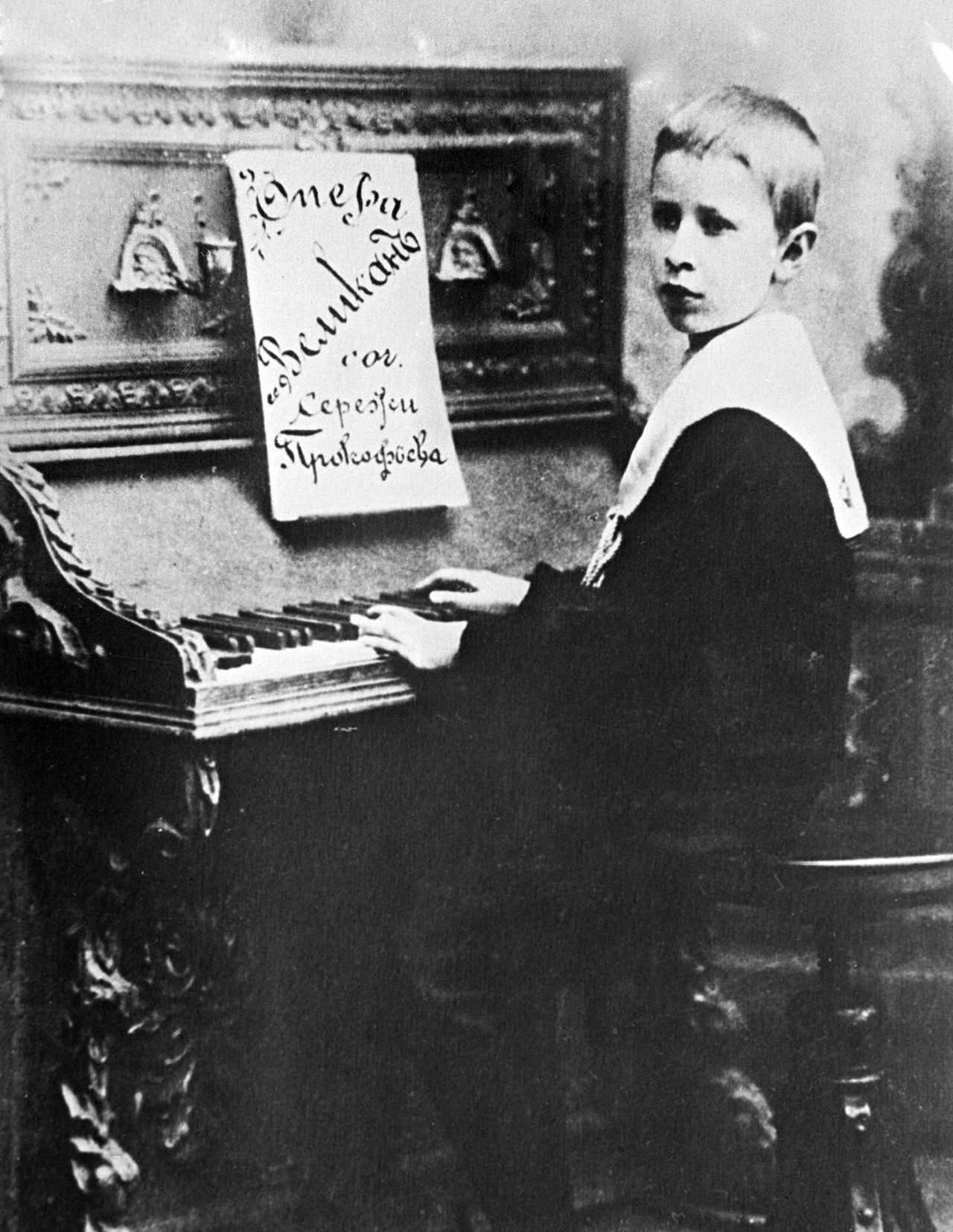
Prokofiev's mother, while pregnant, played the piano for six hours a day. And with this act, she effectively “passed on” her love of music to her son. He wrote his first pieces at the age of four and the opera ‘The Giant’ at nine. In 1904, at the age of 13, young Sergei applied to the St. Petersburg Conservatory: he entered the exam "bent under the weight of two folders containing four operas, two sonatas, a symphony and quite a few piano pieces". Nikolai Rimsky-Korsakov, the examiner, smiled and said: "I like this!"
1. First Piano Concerto, 1911–1912
At his final exam at the Conservatory, Prokofiev performed his own composition. Although this was against the rules, an exception was made for him.
The young composer received a gold medal and won the Anton Rubinstein Piano Competition, receiving a Schroder piano as a prize. However, critics were divided. Some believed that Prokofiev's music combined "brilliance, wit, piquancy and humor within a framework of opulent grandeur". Others called it musical filth.
2. ‘The Love for Three Oranges’, 1919
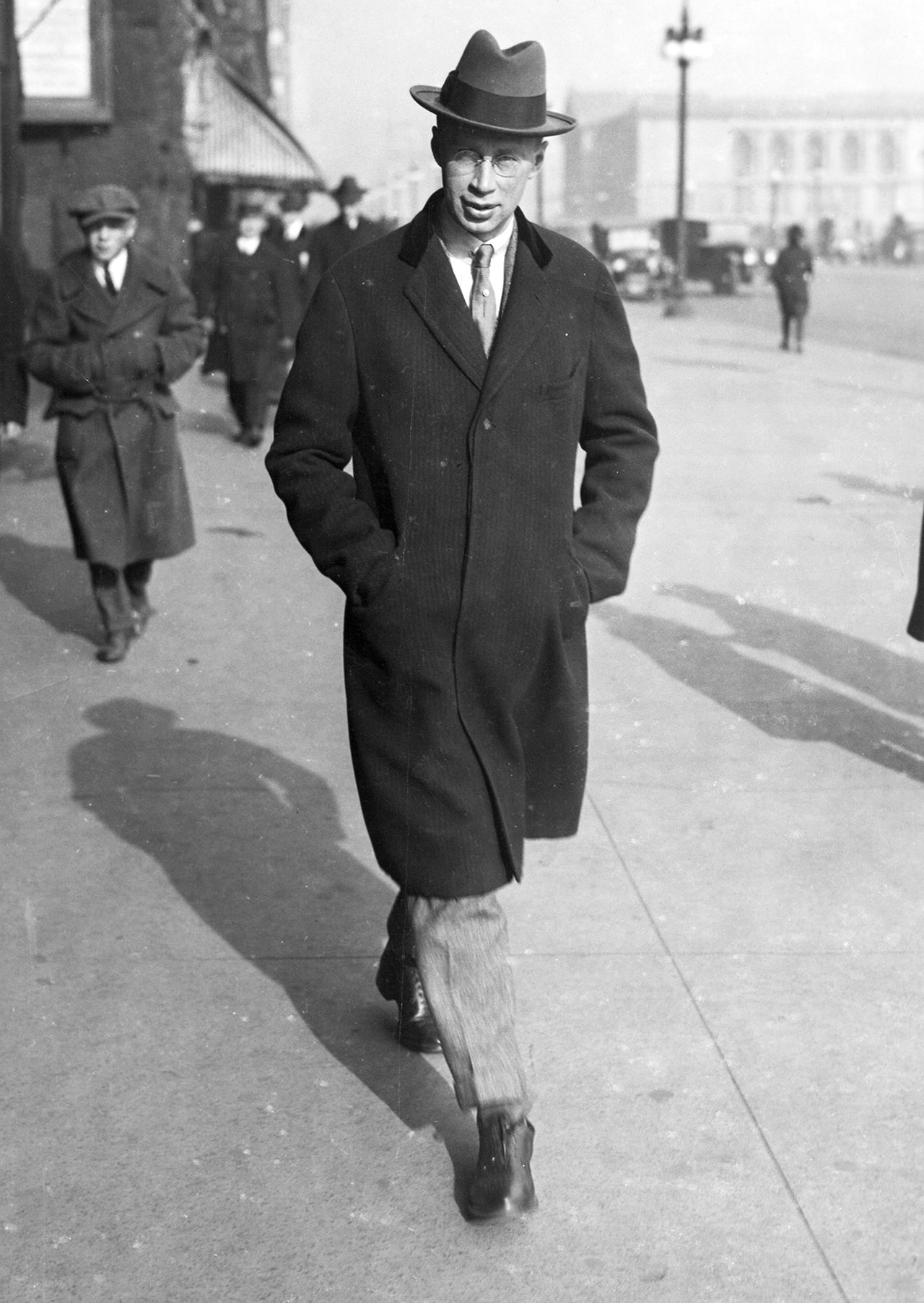
In 1918, Prokofiev left Russia for the U.S. He took with him a magazine containing Vsevolod Meyerhold's screenplay based on Carlo Gozzi's comedy ‘The Love for Three Oranges’. He had begun work on the comic opera about a prince who had forgotten how to laugh back in Petrograd and completed it overseas. Its world premiere took place there, in Chicago, with him conducting.
It was first staged in the Soviet Union in 1926 at the Kirov Theater in Leningrad (now the Mariinsky Theater in St. Petersburg).
3. ‘Romeo & Juliet’, 1935
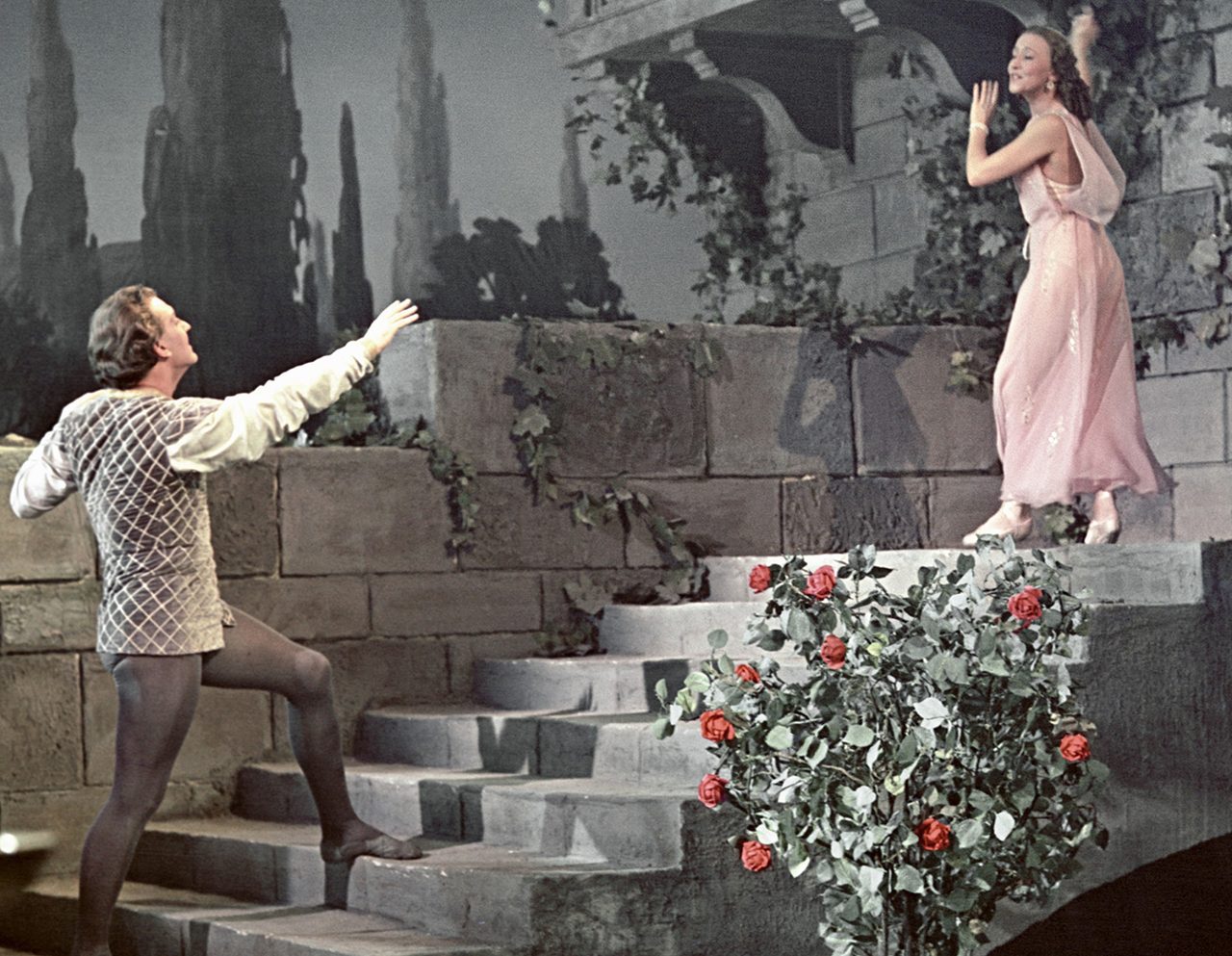
After living in Europe for 17 years, the composer began considering returning to his homeland in the early 1930s. Upon learning that ‘Romeo and Juliet’ was to be staged in Leningrad, he decided to participate in the creation of a ballet based on Shakespeare's story. However, due to his struggle with formalism, it was not immediately possible to see it performed. In anticipation of the production, the composer arranged his ballet music into orchestral suites. Soviet audiences saw the ballet only in 1940.
"There is no sadder story in the world than Prokofiev's music in a ballet," was the grim joke about ‘Romeo and Juliet’. Several weeks before the premiere, the Kirov Theater orchestra refused to play, fearing failure. During rehearsals, the dancers tried to hum melodies more familiar to them. But, their fears were unfounded. The production won the ‘Stalin Prize’ and, in 1946, it premiered at the Bolshoi Theater.
4. ‘Peter and the Wolf’ 1936
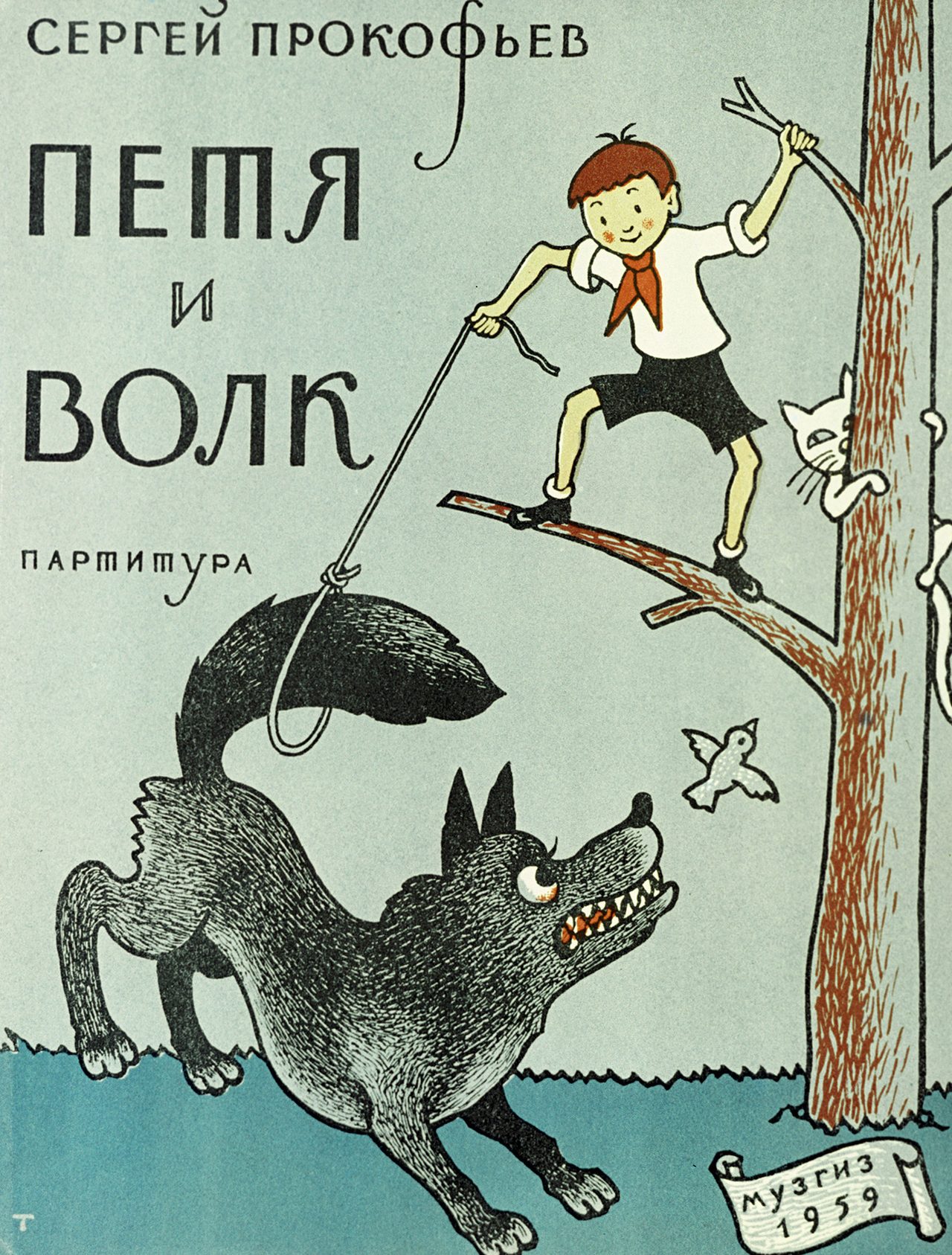
The composer composed this musical introduction to the symphony orchestra in four days. At the request of Natalia Sats, founder of the Central Children's Theater, he wrote the story of Peter the young pioneer, who encounters birds and animals on a meadow. Each character "speaks" with the voice of a specific musical instrument.
This symphonic fairy tale was Prokofiev's first composition after returning from exile to the Soviet Union. The story proved so relatable and relatable that it began to be performed worldwide. In 1946, Walt Disney made an animated film based on ‘Peter and the Wolf’.
5 5th Cantata for the 20th Anniversary of October, 1937
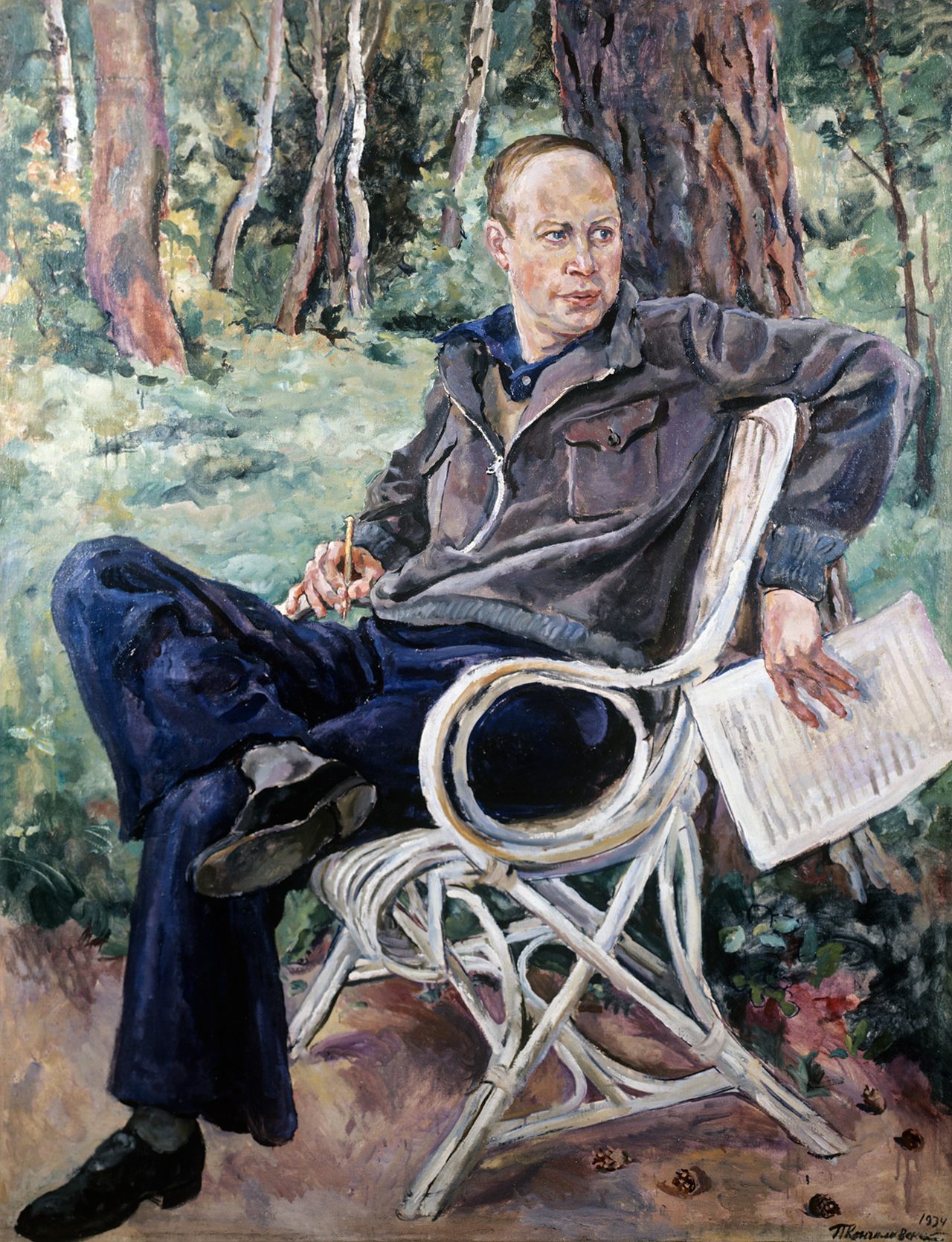
This was Prokofiev's only work based on documentary texts – by Lenin, Stalin, Marx and Engels. Authorities initially hesitated to set the words of the revolutionary leader to music. Vyacheslav Molotov settled the dispute, leaving the composer to decide on the libretto. The cantata begins with the famous phrase from Marx and Engels's ‘Manifesto’: "A spectre is haunting Europe, the spectre of Communism," interspersed with letters and speeches by Lenin and Stalin's report on the Constitution.
The cantata only premiered in 1966, without the sections featuring Stalin's texts.
6. ‘Alexander Nevsky’ (1938)
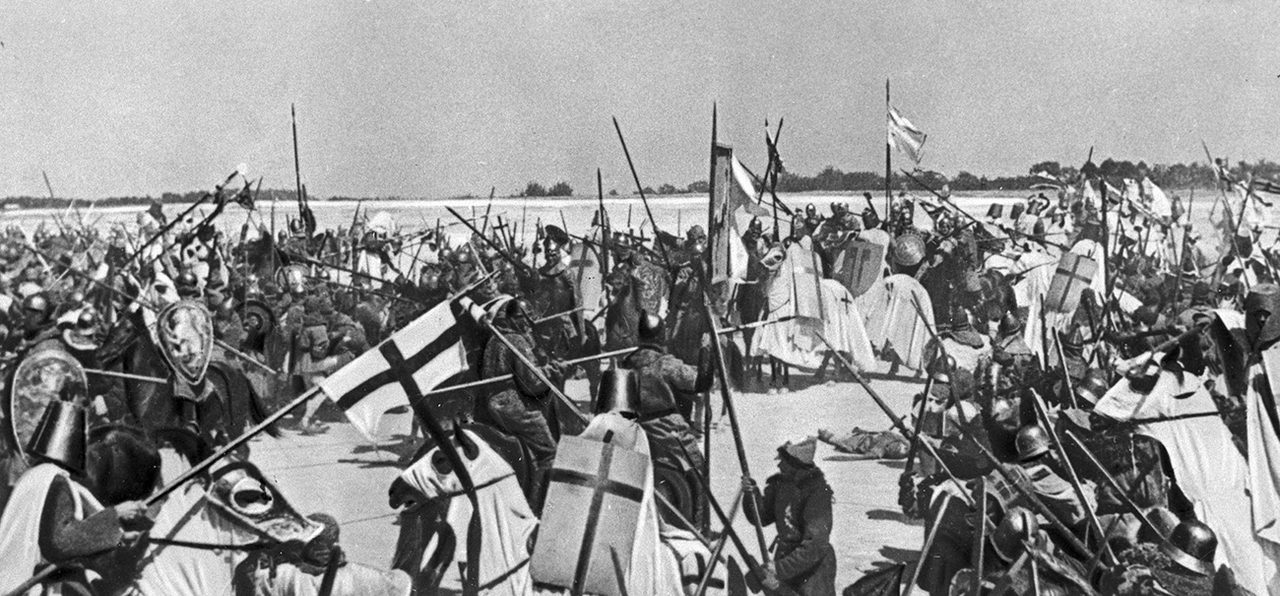
In the early 1930s, Prokofiev began writing music for movies. His first was an adaptation of Yuri Tynyanov's short story ‘Lieutenant Kizhe’. Four years later, director Sergei Eisenstein approached the composer with a proposal to write music for his movie about Alexander Nevsky. The beginning of their collaboration conveniently coincided with Prokofiev's next trip to the United States, where he specifically studied how cinema music was created in Hollywood.
Following the movie’s popularity, Prokofiev arranged the music into a cantata, which premiered in 1939.
7. ‘Cinderella’, 1940–1945
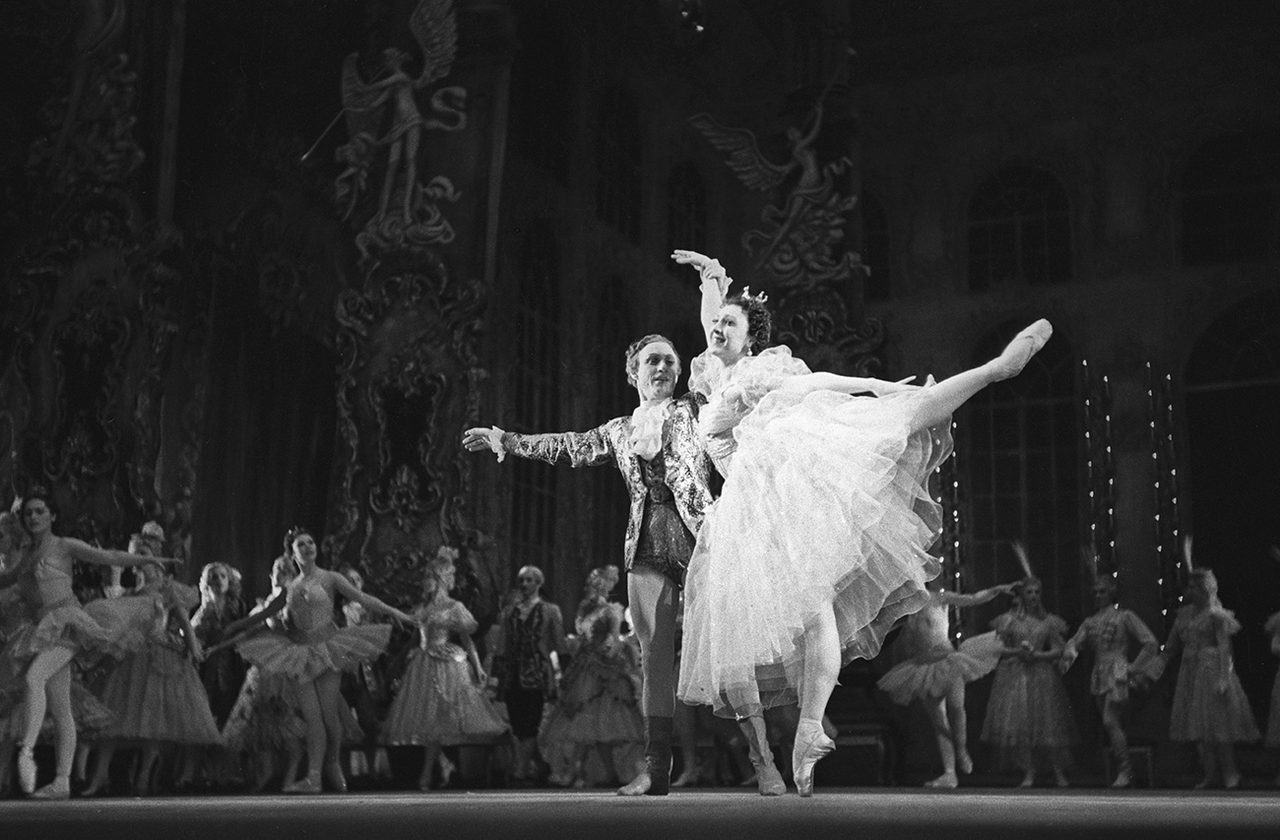
When working on the libretto, Prokofiev drew not so much on Charles Perrault's famous fairy tale as on the Russian version of ‘Masha-Chernusha’ (‘Black Masha’). In his Cinderella, the composer admitted, he wanted "to see in the heroine not a fairy tale, semi-real character, but a living person with human experiences."
The composer wrote this ballet specifically for the ballerina Galina Ulanova, who had starred in ‘Romeo and Juliet’. "For me, Cinderella is the sum total of all that is good in a person," she once confessed.
8. Fifth Symphony, 1944
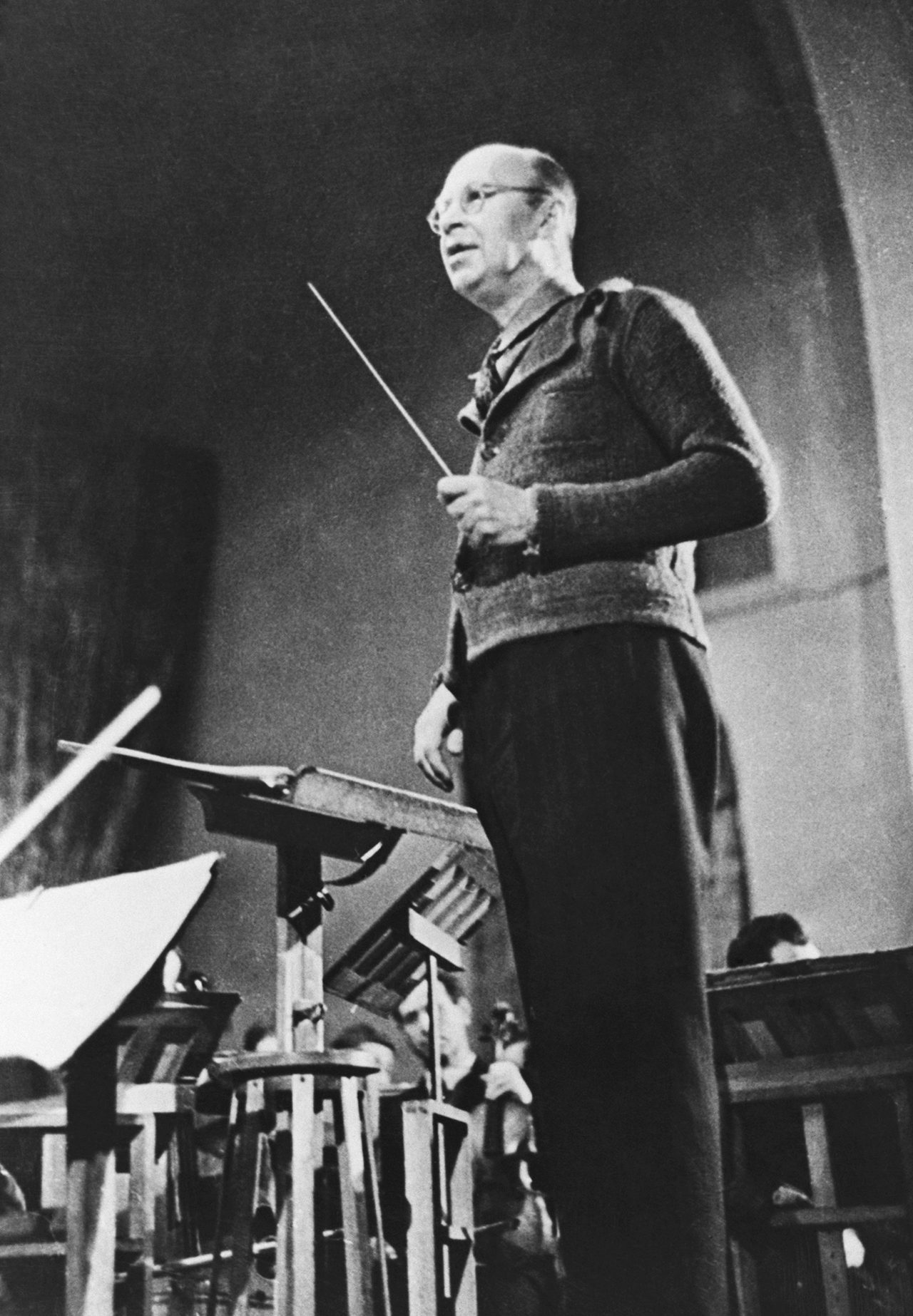
The composer himself called this work about the Great Patriotic War "a symphony of the greatness of the human spirit".
At the premiere, which took place at the Moscow Conservatory in January 1945, Prokofiev himself conducted the work – it would be his last time at the podium.