
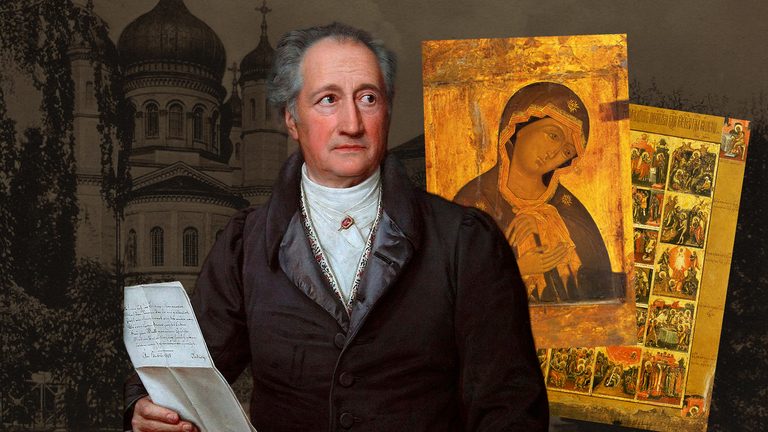
How a Russian aristocrat brought Franz Liszt to a monastery
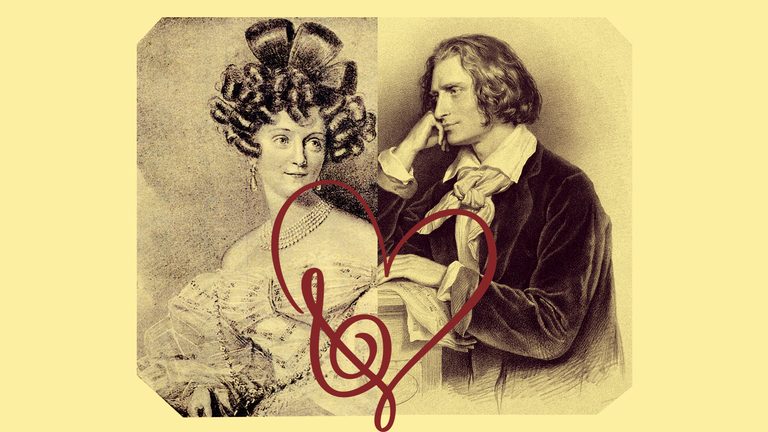
“I believe in love – for you, with you, thanks to you. Without love, I need neither heaven nor earth. Let us love each other, my only and glorious Love. I swear by God that people will never be able to separate those whom God has united forever…”
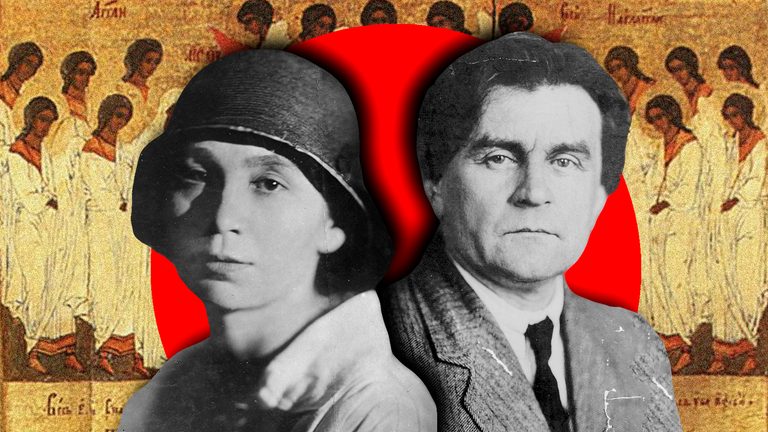
These lines were written by Hungarian composer and pianist Franz Liszt to his beloved, Russian Princess Caroline Wittgenstein. They met during the musician's tour of Russia. He visited three times: among his audiences were Nicholas I and Empress Alexandra Feodorovna and the critics were overwhelmed with admiration. "We've never heard anything like it in our lifetime and, indeed, we've never met such a brilliant, passionate, demonic nature," marveled critic Stasov.
In 1847, everything was going on as usual: concerts, applause. Until one day, a mysterious buyer purchased a ticket to Liszt's charity performance for 100 rubles, a huge sum at the time. It turned out that Princess Wittgenstein had made the generous gesture. They immediately hit it off: Caroline was his great admirer. But, Franz lost his head… There was just one "but": his Russian lover was married.
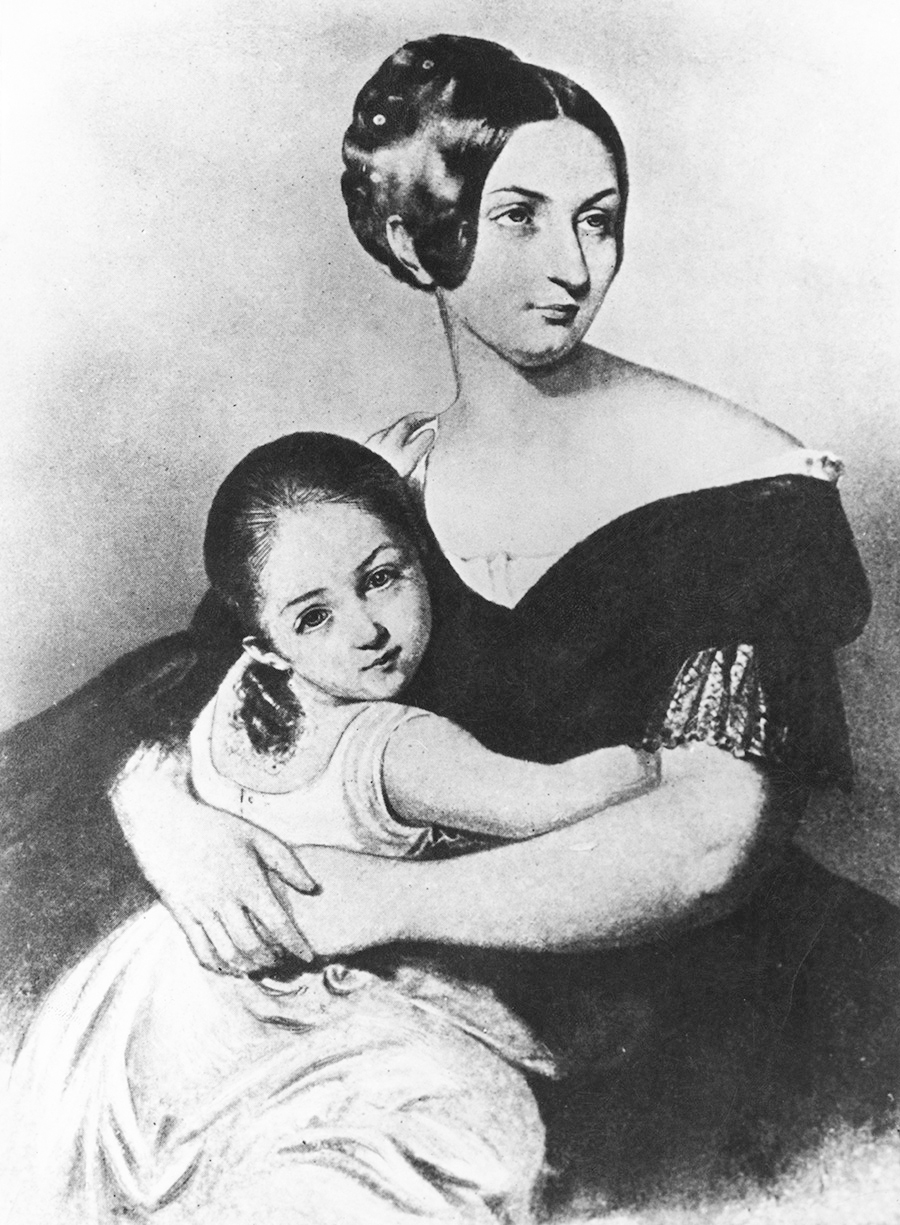
A year later, Wittgenstein and her daughter left Russia for Liszt, hoping to secure a divorce. Since she was Catholic, the annulment had to be approved by the Russian emperor and the Pope. The divorce dragged on for a whopping 14 years. However, throughout this time, the lovers remained inseparable. When the formalities were finally settled, they decided to marry in Rome. Everything was ready for the ceremony, but, the day before, the divorce decree was revoked… Caroline couldn't bear this blow: seeing this as divine providence, she abandoned further attempts and turned to religion. Even after all the documents were signed, the princess did not change her mind.
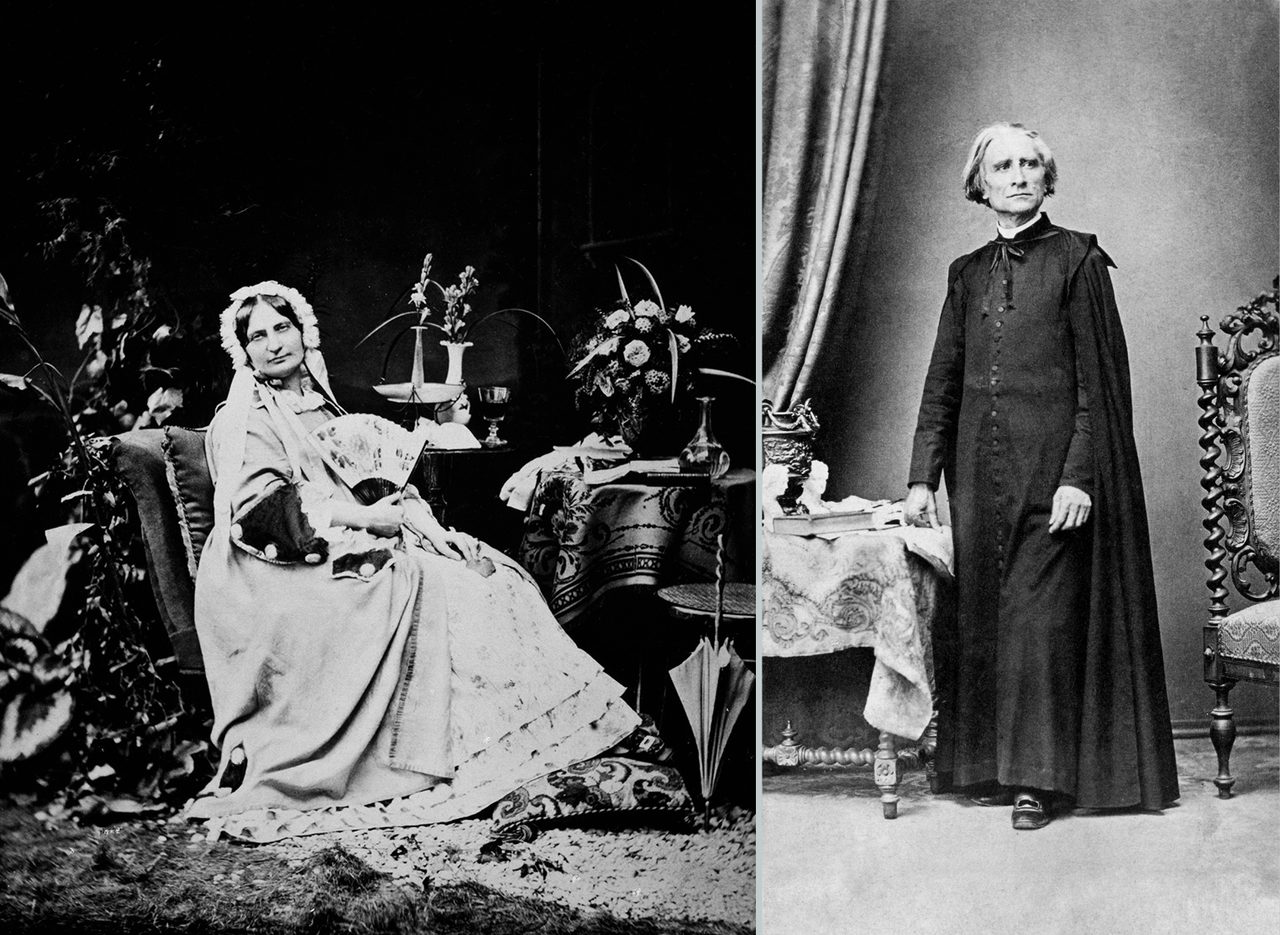
From then on, she and Liszt lived apart. The composer, following his beloved, focused on his sacred music. And, in 1865, he took minor vows, becoming an acolyte, a lay cleric. In the last years of his life, the composer wore a cassock, which led to him often being called an abbot and he lived for a long time in the Vatican. The composer confessed to loving Caroline Wittgenstein until the end of his life: "I owe everything I have done in the last 12 years to the woman I longed to call my wife, a task that, however, was thwarted by the evil and vile intrigues of certain individuals. "The name of this beloved woman is Princess Caroline Wittgenstein. She is the source of all my joys and the healer of my suffering," Franz Liszt wrote in his will.