

What were the most POPULAR musical instruments among the peoples of Russia?
Why is only a shaman allowed to touch a tambourine and what is the Circassian violin, the ‘shichepshin’, made of?
Russian folk instruments
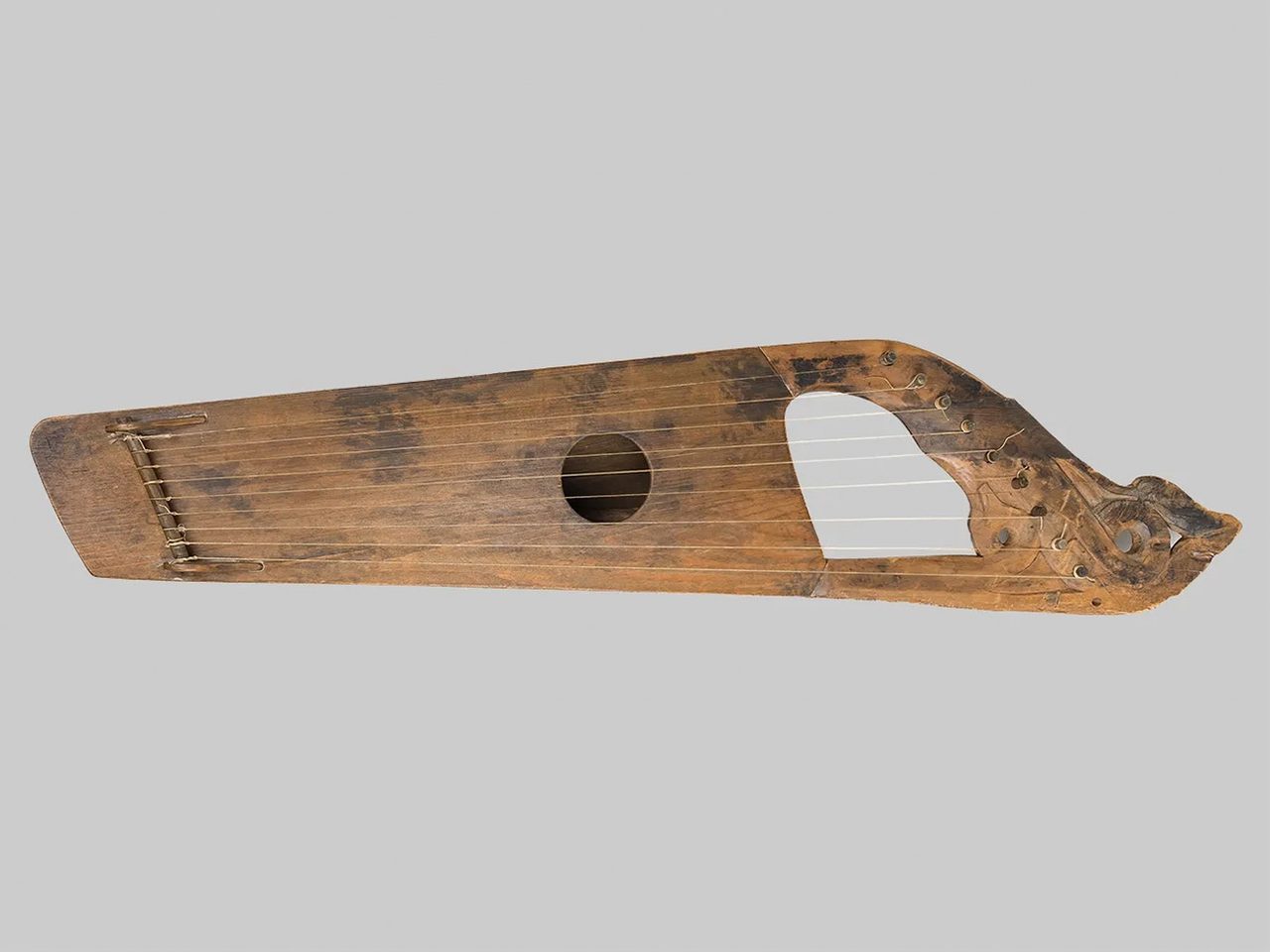
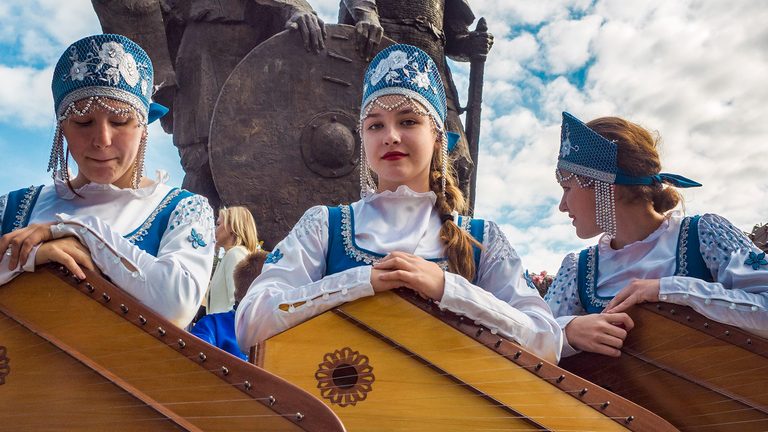
One of the most popular folk instruments in ancient Russia was the ‘gusli’. It was played in village huts and at princely feasts. ‘Byliny’ (epic folk tales) were performed to the accompaniment of this instrument.
Wind instruments were mainly played by shepherds in Russian villages. A person skilled in playing a birch-bark horn or a wooden pipe, the ‘zhaleika’ was often chosen for this position. With the sound of such an instrument, a shepherd could gather his herd or scare off predators and, during rest periods, he would amuse himself by playing folk songs.
Volga Region: ‘Shun-Shushpyk’ & ‘Shybr’
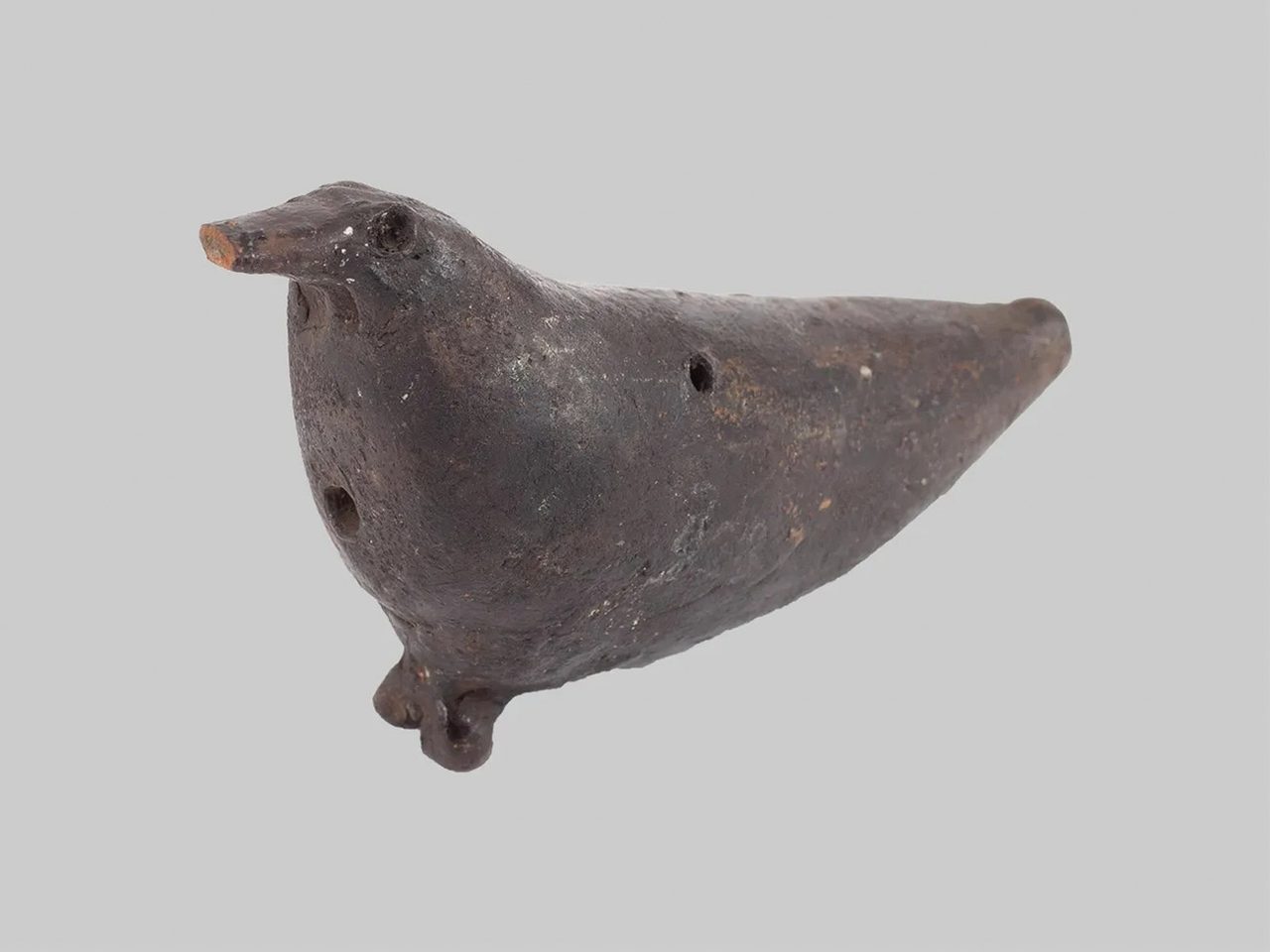
The Mari people have used clay whistles called ‘shun-shushpyk’, which imitated bird trills, since ancient times. The name of this instrument translates as ‘clay nightingale’.
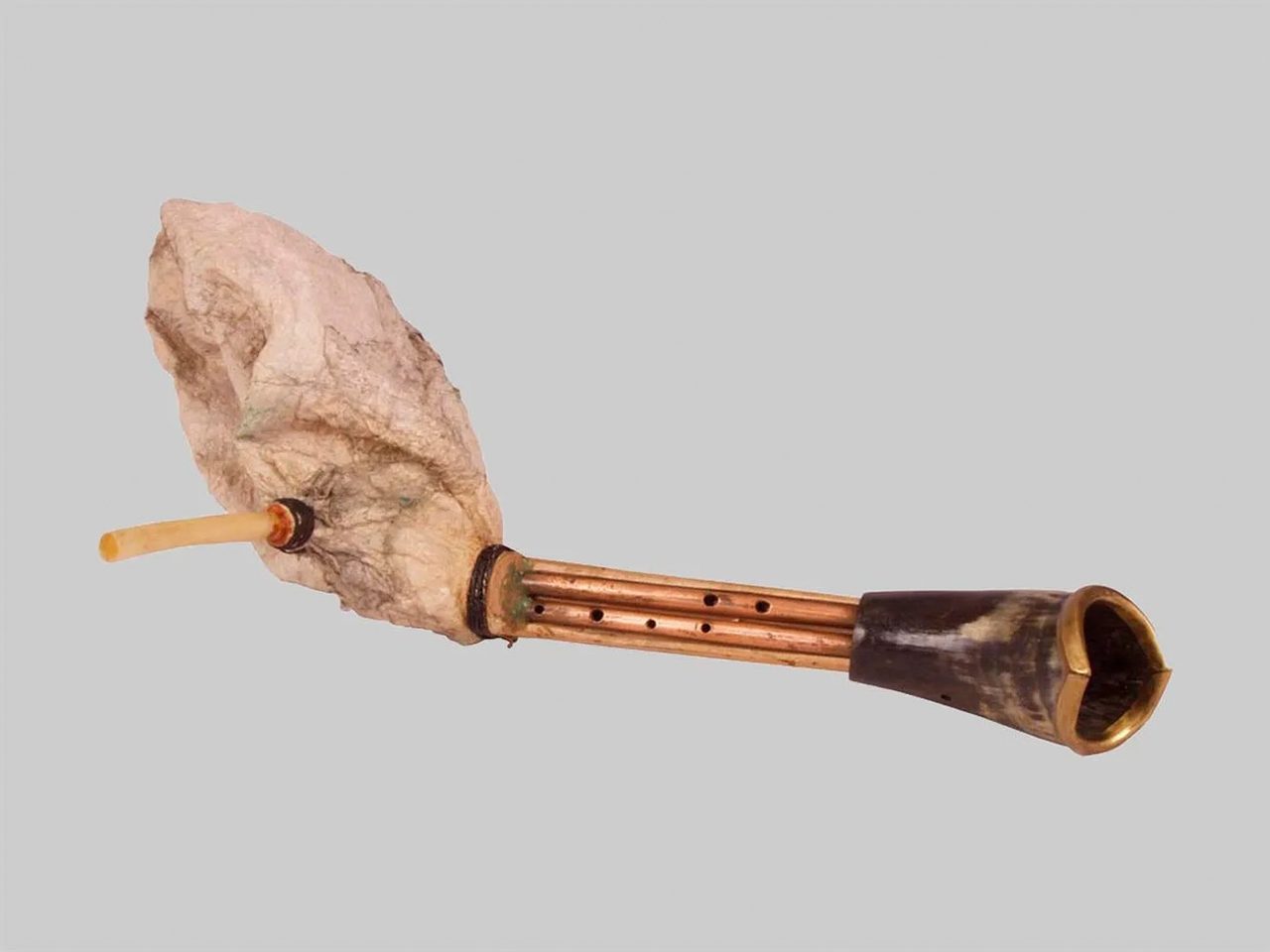
Among the Chuvash, no important event was complete without a ‘shybr’, a type of bagpipe. Its base was made from a bull's bladder, into which several pipes were inserted: a bone pipe for blowing air and two tin pipes for creating the melody.
Siberia: ‘Dungur’, ‘Khomus’, ‘Chatkhan’
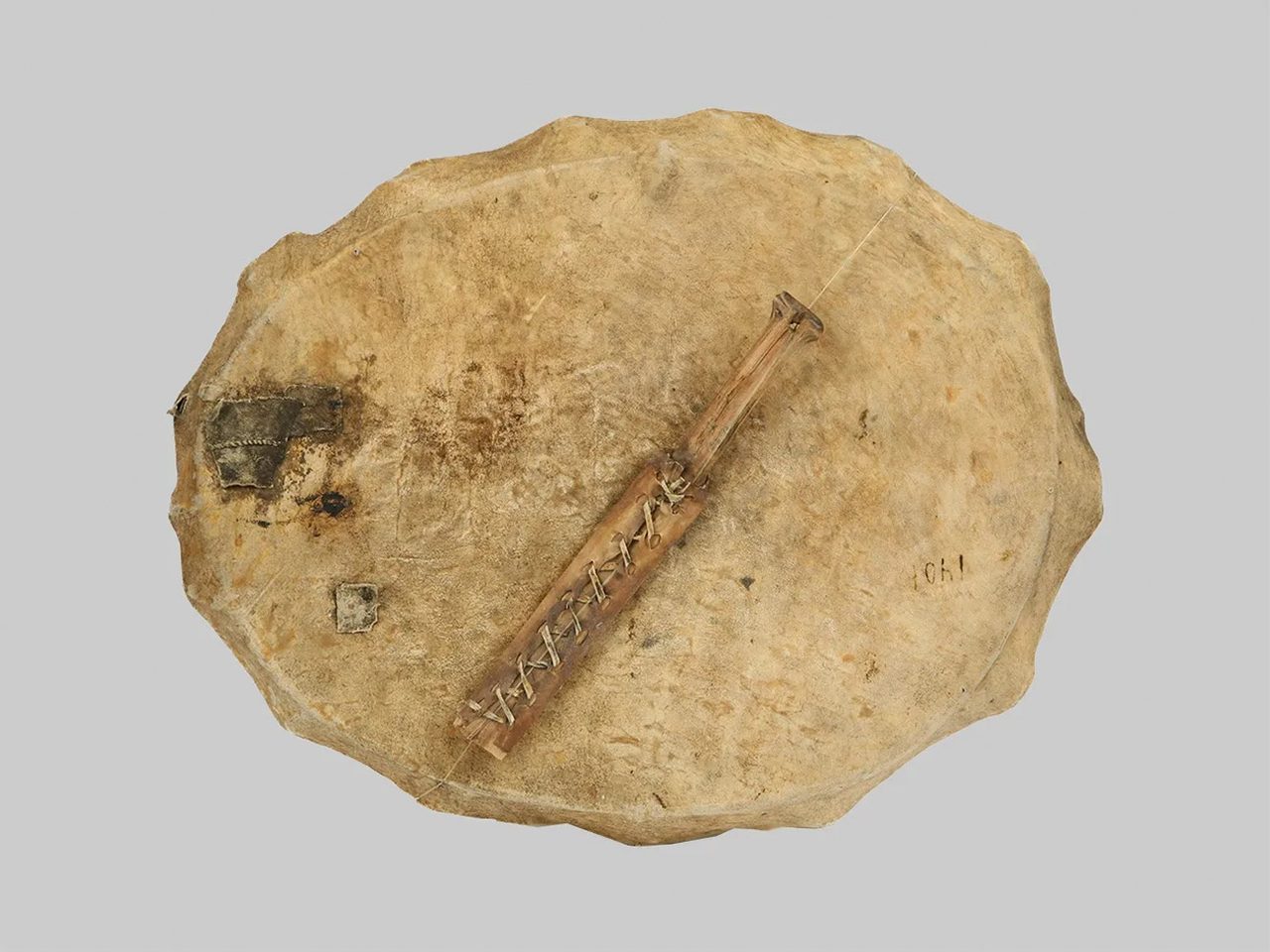
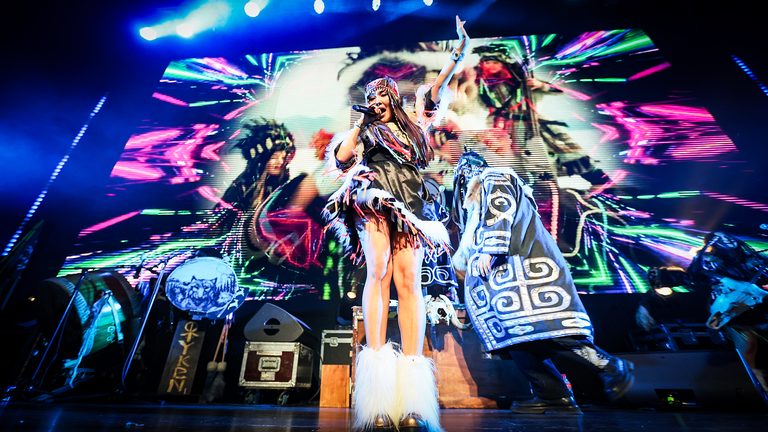
One of the main instruments in the culture of Siberian peoples was the tambourine. Among the Tuvans, Yakuts, Tofalars and Dolgans, it was called ‘dungur’ or ‘dunur’. It was considered a sacred instrument, the sound of which evoked the spirits, so striking it without need was strictly forbidden and only the shaman was allowed to touch it.
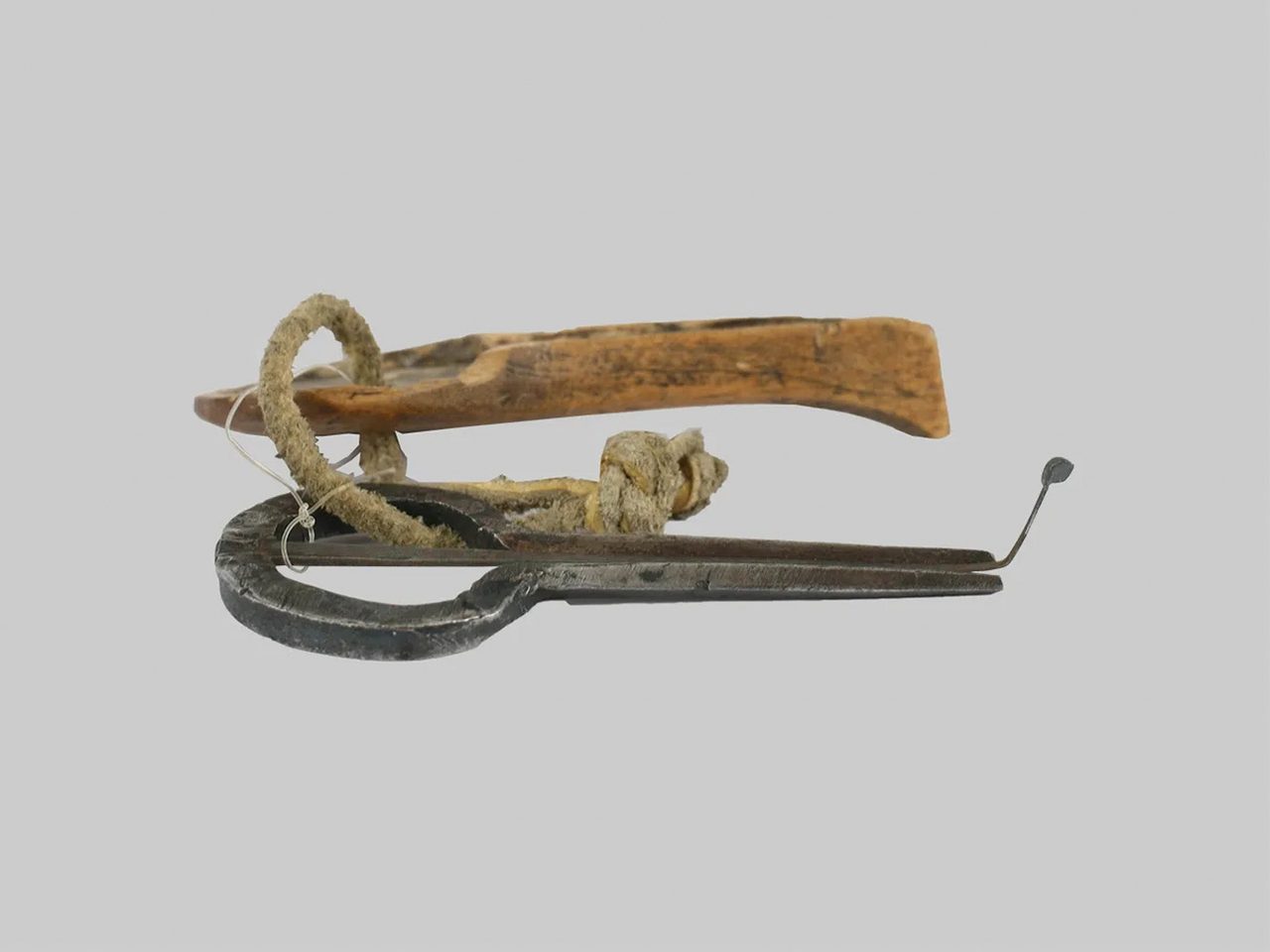
Among Yakut musical instruments, the ‘khomus’ is particularly well-known. It was a small horseshoe-shaped instrument with a flexible reed in the center. The ‘khomus’ produced a monotonous buzzing sound, with the performer's teeth serving as a kind of resonator.
The folklore of the Khakas people could not exist without their local version of the ‘gusli’, which they called the ‘chatkhan’. It was played by storytellers whose repertoire consisted of heroic songs.
Caucasus: ‘Balaman’, ‘Shichepshin’, ‘Phachich’
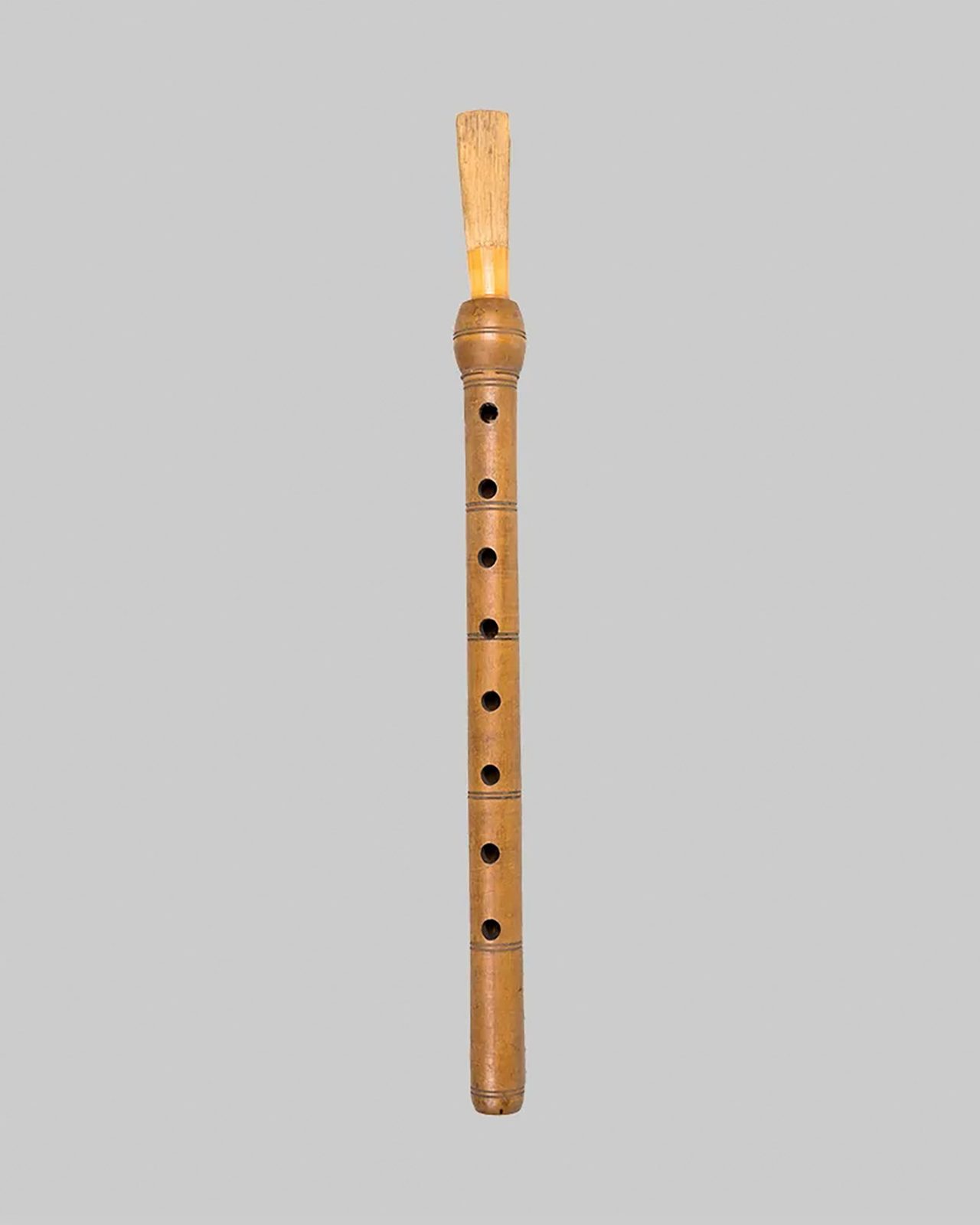
Traditional Dagestani melodies often feature a ‘balaman’, a wind instrument with a body carved from mulberry or apricot wood.
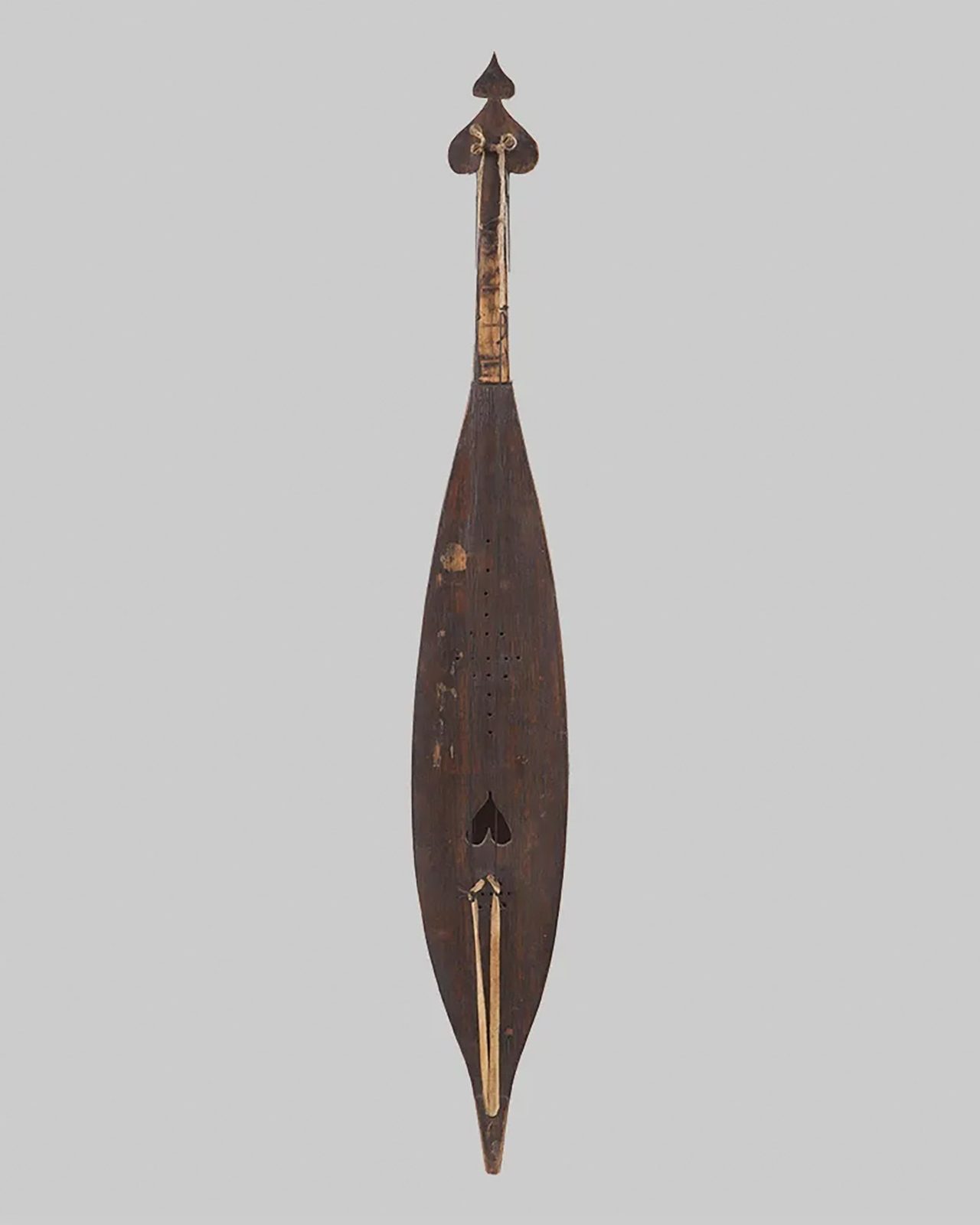
Among the Adyghe people, the first musical instruments appeared as early as the 4th century BC. One of them was the Circassian violin or ‘shichepshin’. Its elongated spindle-shaped body was carved from a single piece of linden, maple or ash wood and strung with horsehair strings. Hence the name of the instrument: ‘shiche’ in the Adyghe language meant ‘horsehair’, while ‘pshine’ meant ‘music’.
Another popular instrument among the Adyghe was the ‘phachich’, a type of rattle. It was usually used in an ensemble with the ‘shichepshin’ or other instruments.
Read the full version of the text in Russian on the Culture.Ru website.