

7 places in Russia for catching the ‘White Nights’

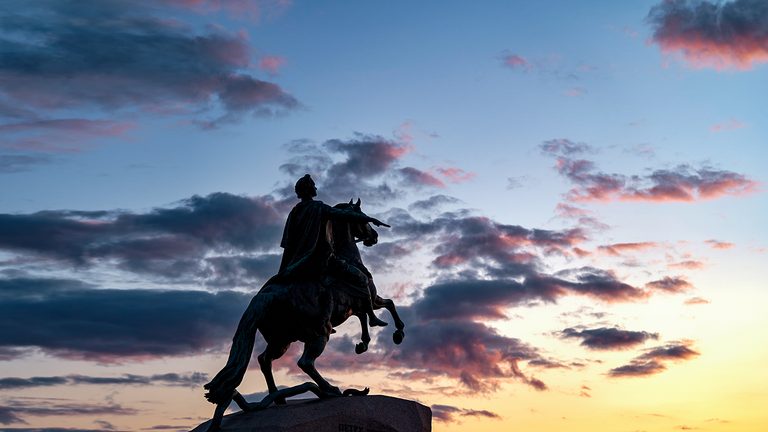
Summer nights in northern Russia are so bright, you might even believe it's daytime outside.
‘White Nights’ typically occur in late spring and early summer at latitudes above 60°34', as well as above the Arctic Circle (at latitudes above 66°33'), before and after the Polar Day (which ranges from a single day at the Arctic Circle to nearly six months at the pole itself). The difference between the two phenomena is that the Polar Day only happens beyond the Arctic Circle, where the sun doesn’t set below the horizon for the abovementioned periods. During the ‘White Nights’ (scientifically known as ‘civil twilight’), the sun does set, but complete darkness never falls. Between sunset and sunrise, there are only light twilight hours for a couple of hours. This phenomenon can be observed in almost any northern city in Russia.
1. St. Petersburg
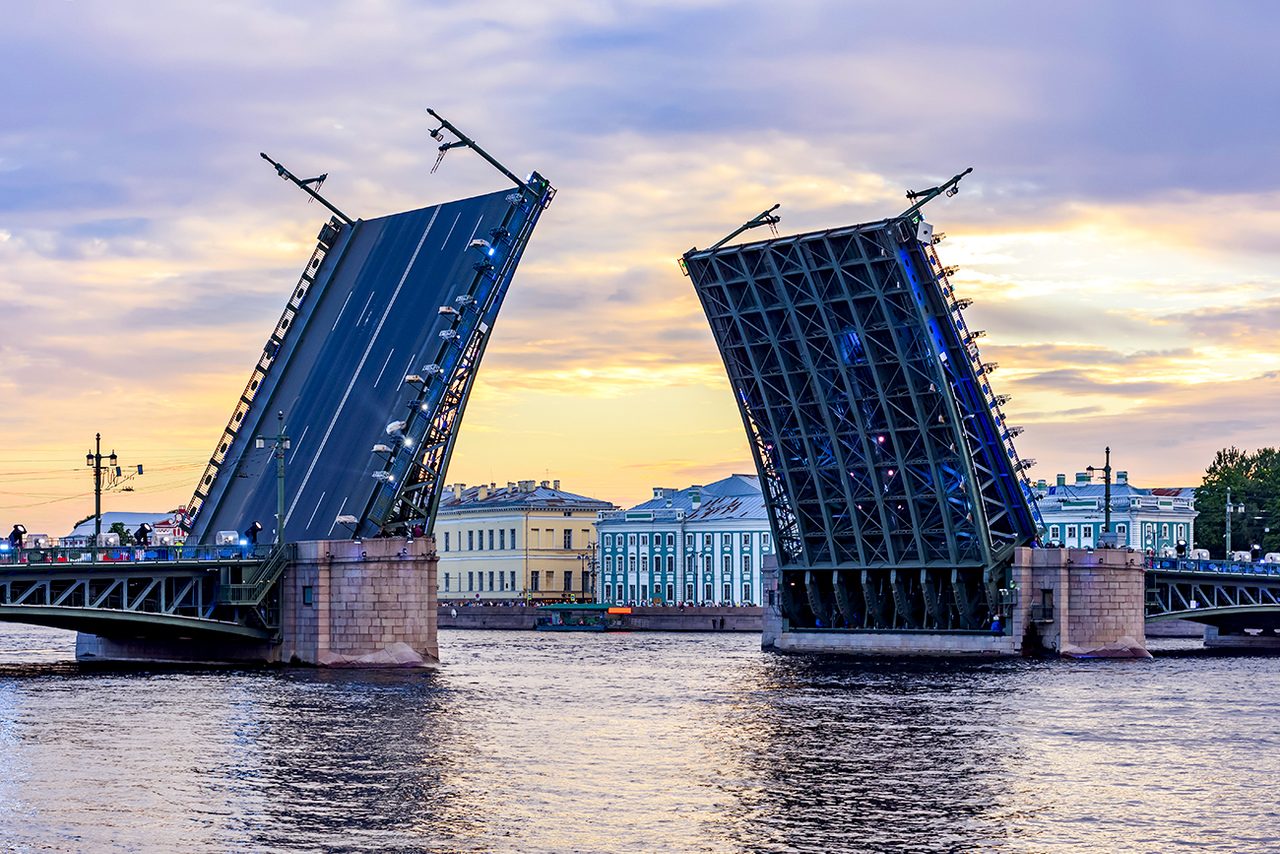
Strictly speaking, St. Petersburg is located slightly south of the official boundary for "true" ‘White Nights’ – there, you’ll see a ‘nautical twilight’ (which means stars can still be spotted in the night sky). But, it’s St. Petersburg that is considered Russia's main city of the ‘White Nights’. They last from June 11 to July 2, but, in reality, the nights in the city remain very bright from late May to mid-July. During this time, musical, theatrical and sporting events take place, drawing crowds of spectators. The most popular spot to observe the ‘White Nights’ is Palace Embankment. At night, you can enjoy magnificent views of the Spit of Vasilievsky Island, the majestic Hermitage, as well as the opening of the Palace Draw Bridge beneath an incredible lilac-pink sky.
2. Petrozavodsk
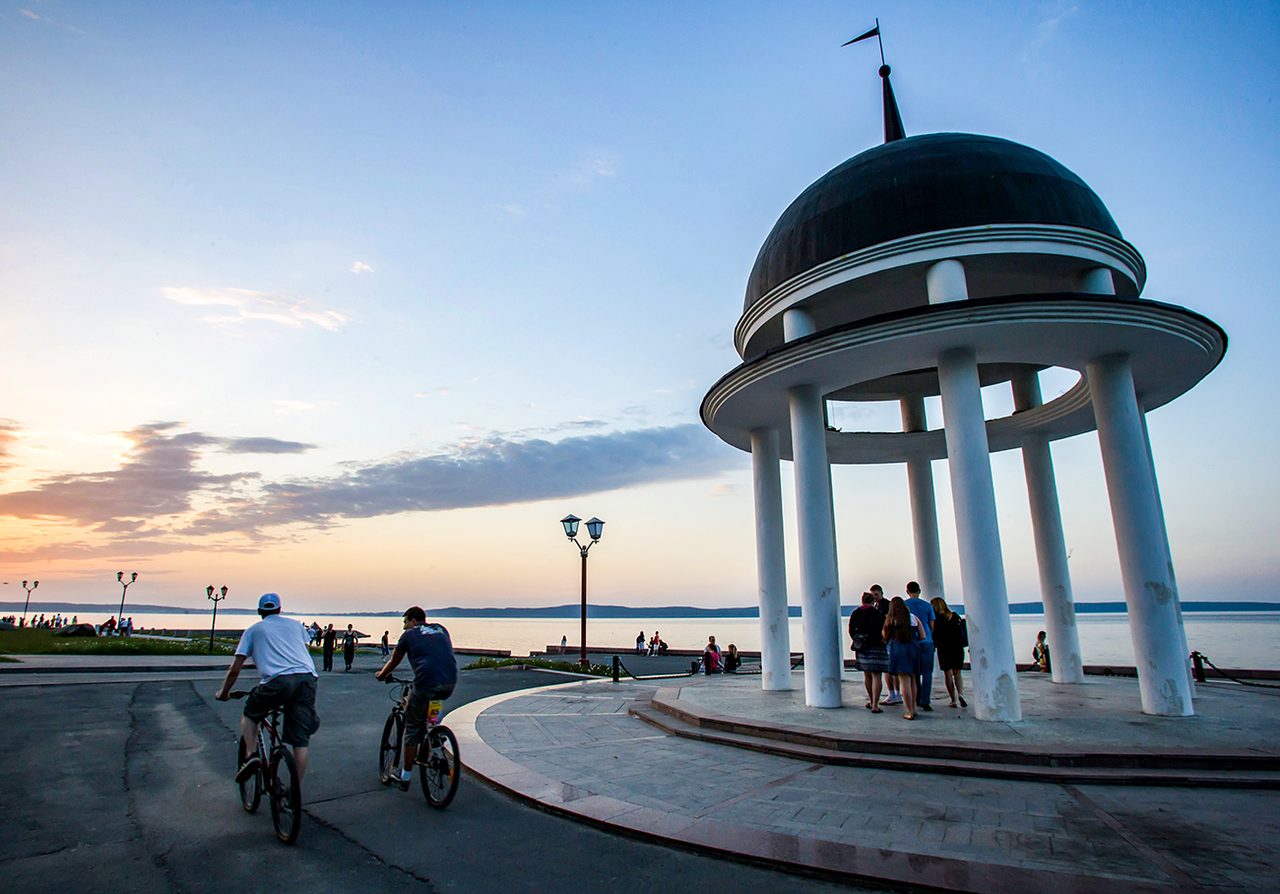
Very beautiful ‘White Nights’ can be seen in Karelia. In Petrozavodsk, they last from May 26 to July 17. The phenomenon is especially picturesque on the embankment of Lake Onega, when the sky above the water glows in bright crimson and lilac hues and tones. Romantics take note: At this time, Petrozavodsk hosts many open-air music festivals. The atmosphere is fantastic!
3. Vyborg
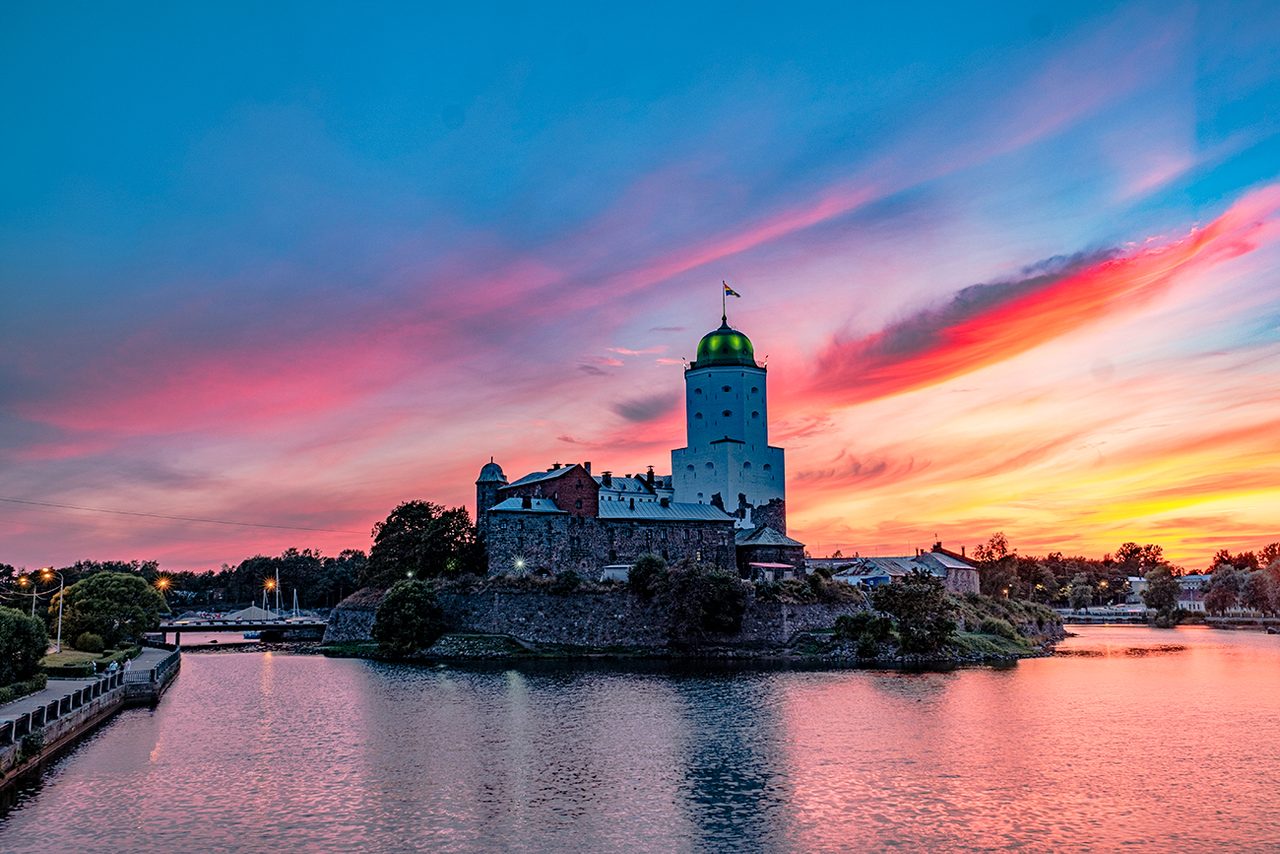
If you want to see the ‘White Nights’ against the backdrop of a medieval castle, then Vyborg is definitely the place for you. This charming town in Leningrad Region (138 km north of St. Petersburg) has ‘White Nights’ starting in late May and lasting until early July. Be sure to stroll along the cobblestones near the Clock Tower and visit Monrepos Park, where the skerries and secluded bridges look especially beautiful in the twilight light.
4. Yakutsk
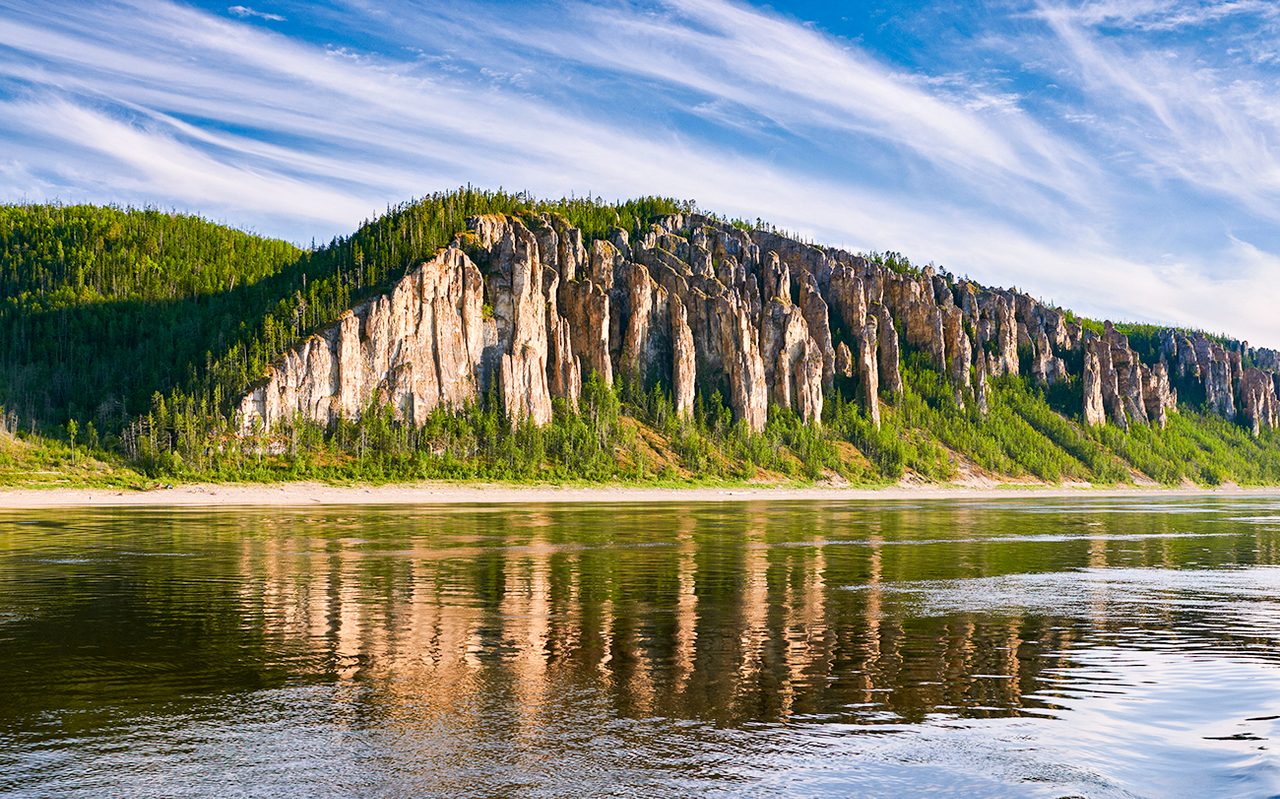
The largest city on permafrost becomes one of the best places to observe the ‘White Nights’ in summer. There, they last incredibly long: from mid-May to mid-August. During the summer solstice, Yakutsk (and other towns in Yakutia) hosts a grand festival called ‘Ysyakh’ – the summer New Year, which symbolizes the awakening of nature.
5. Arkhangelsk
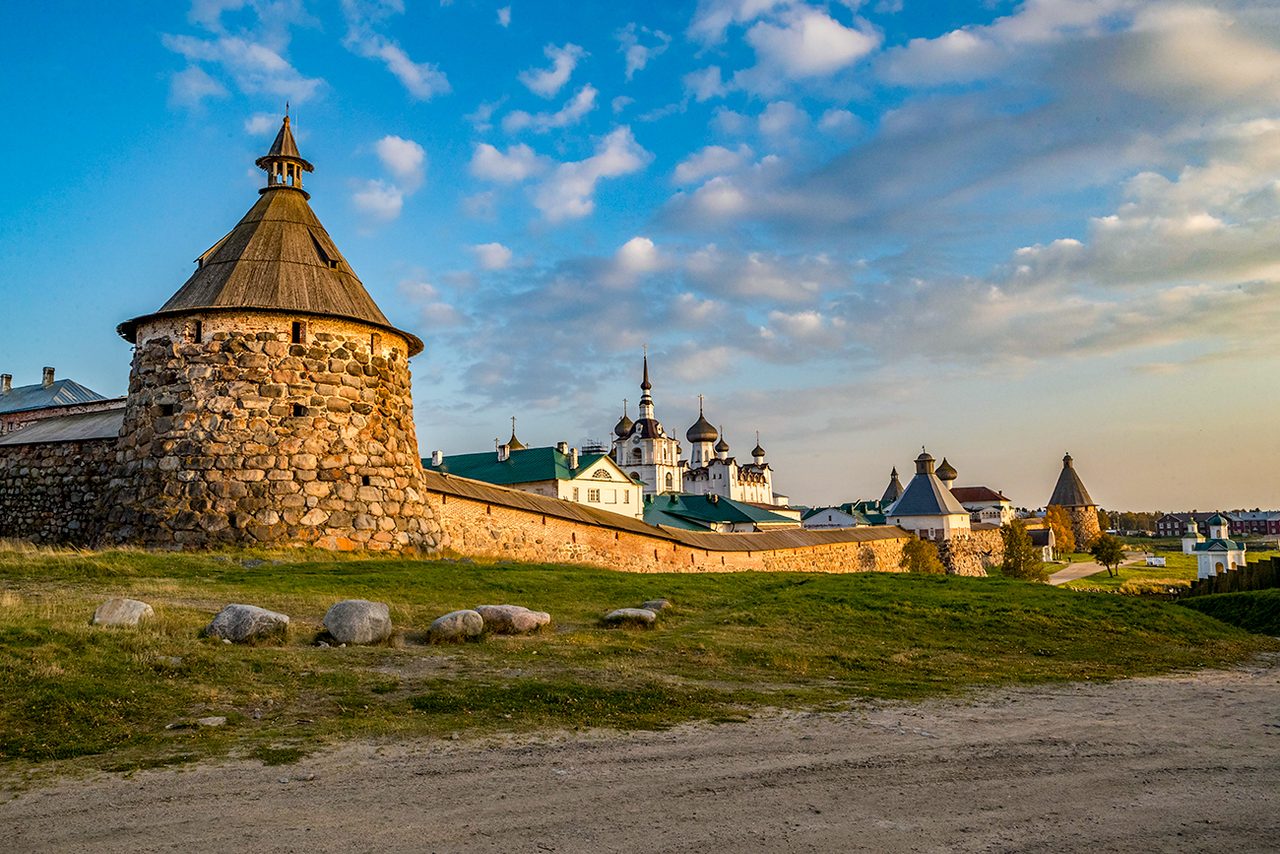
In Arkhangelsk, the season of ‘White Nights’ is even longer – from mid-May to almost the end of July – and the daylight can stretch up to 21 hours. During this time, you can walk almost all night and admire the views of the Northern Dvina River. During the ‘White Nights’ period, Arkhangelsk hosts a large street theater festival, accompanied by a noisy carnival procession. For the most vivid impressions, you should head to the Solovetsky Islands.
6. Salekhard
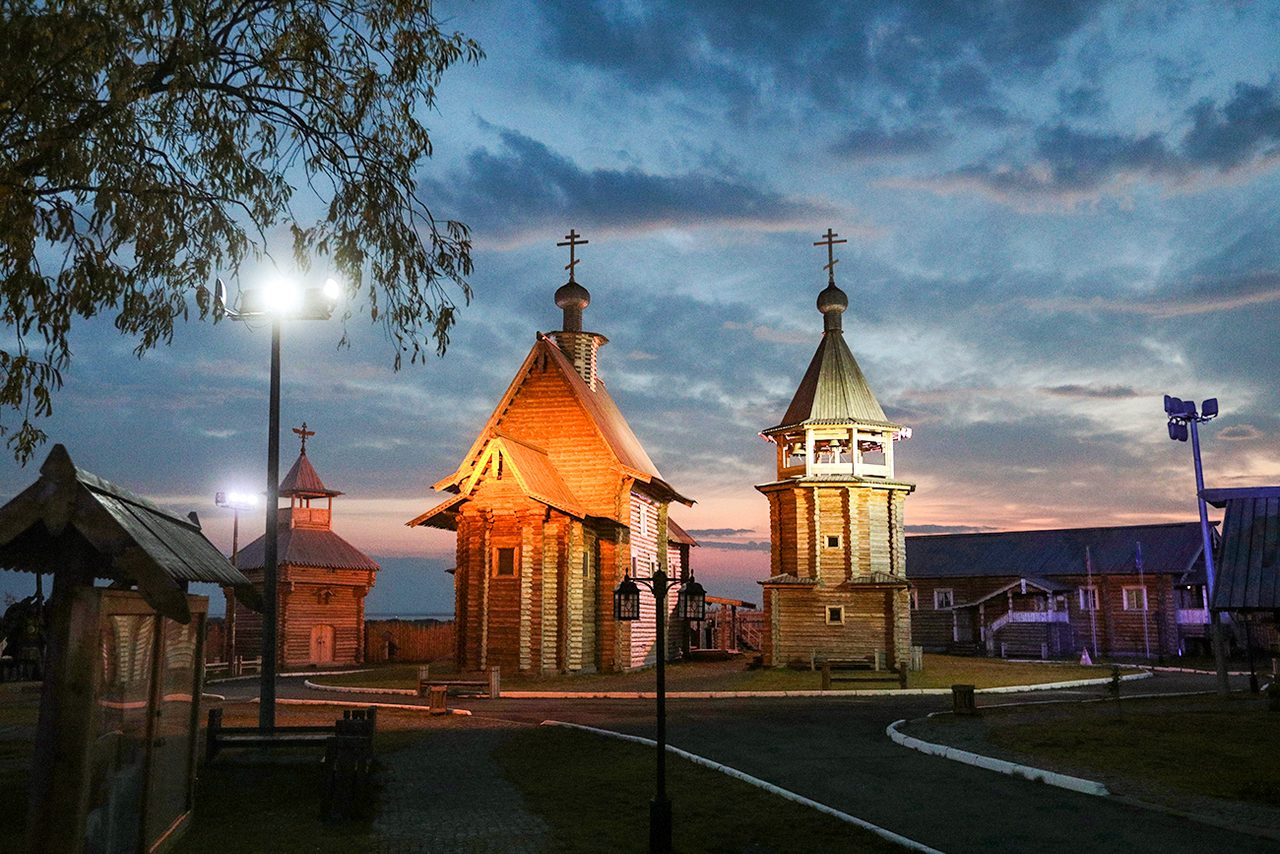
This is the only city in the world located directly on the Arctic Circle. There is no Polar Night there, but there is a Polar Day, which lasts from June 7 to July 7 and you can see ‘White Nights’ for around two months before and two months after. In Salekhard, you can spend hours gazing at the Arctic murals on buildings, visit an ethno-park with chums and reindeer in Gornoknyazevsk and, of course, see the Arctic Circle arch.
7. Murmansk
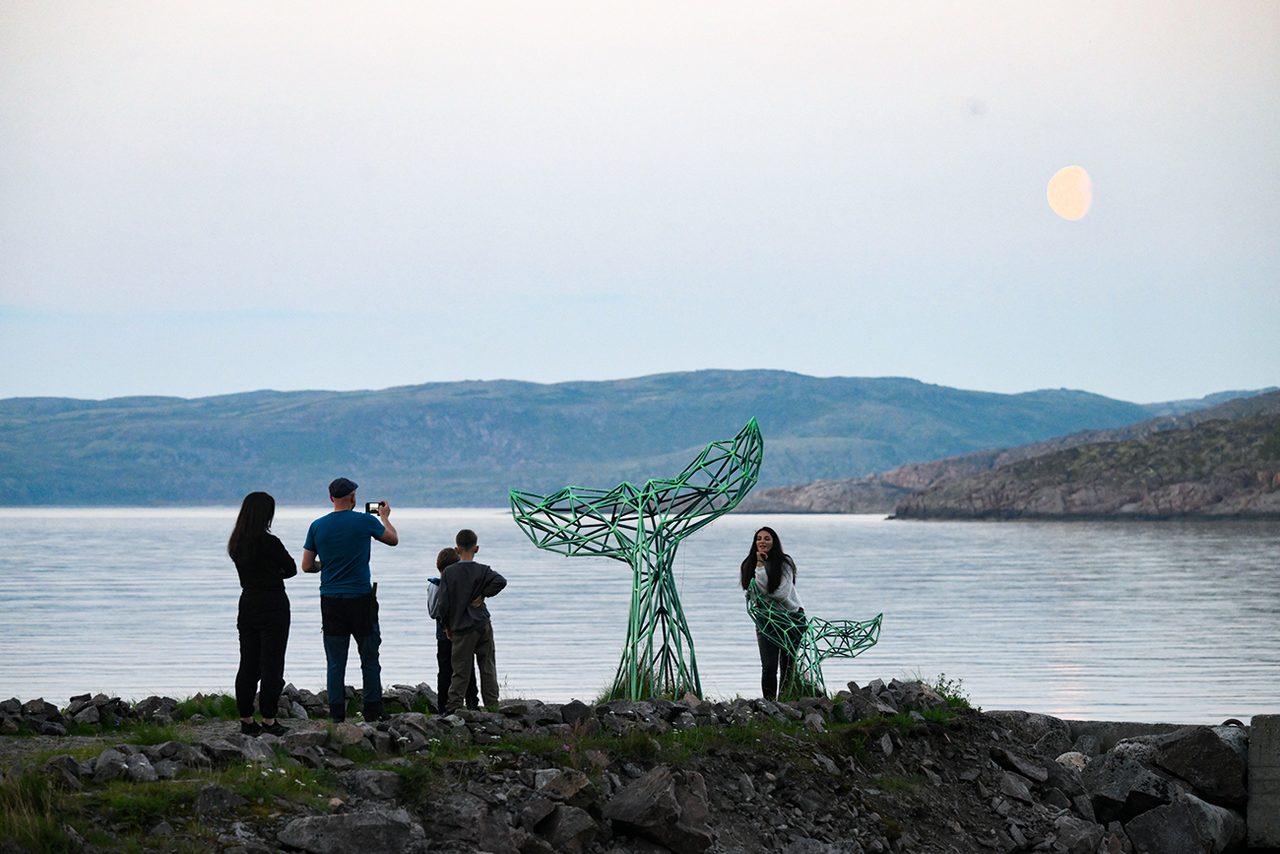
Murmansk is the world's largest city above the Arctic Circle. There, the ‘White Nights’ smoothly transition into the Polar Day. The ‘White Nights’ season starts as early as May. Murmansk is especially good because you can witness the transition from ‘White Nights’ to Polar Day and back again. You can also travel to the village of Teriberka, where the ‘White Nights’ enhance the views of the Barents Sea. If you're lucky, you might even see whales!