

What to see in the Vitoslavlitsy museum-village in winter (PHOTOS)

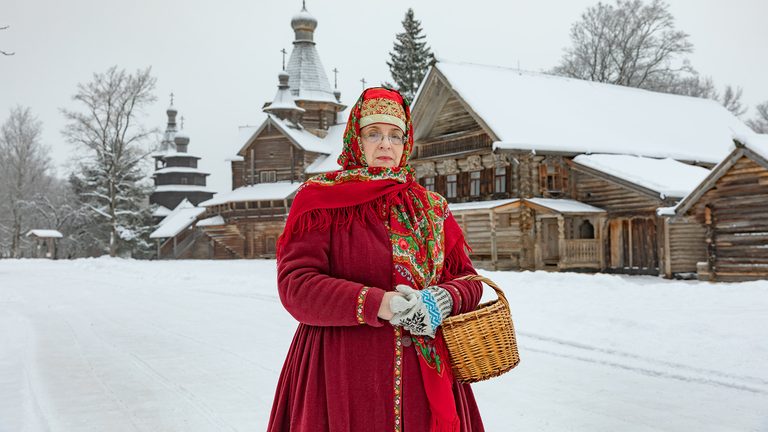
When the Novgorod land is covered with snow, the local open-air museum transforms. It's not just history that comes alive there, but the Russian winter itself. Let's take a closer look at this fairy-tale Russian village!
The museum's first residents
Many centuries ago, there really was a village of the same name on this site and, in the 1960s, an open-air museum of wooden architecture opened there. It's like a time machine, transporting you to an old Russian village. Soviet enthusiast-scientists would often travel to remote villages of the Novgorod region in search of unique buildings.
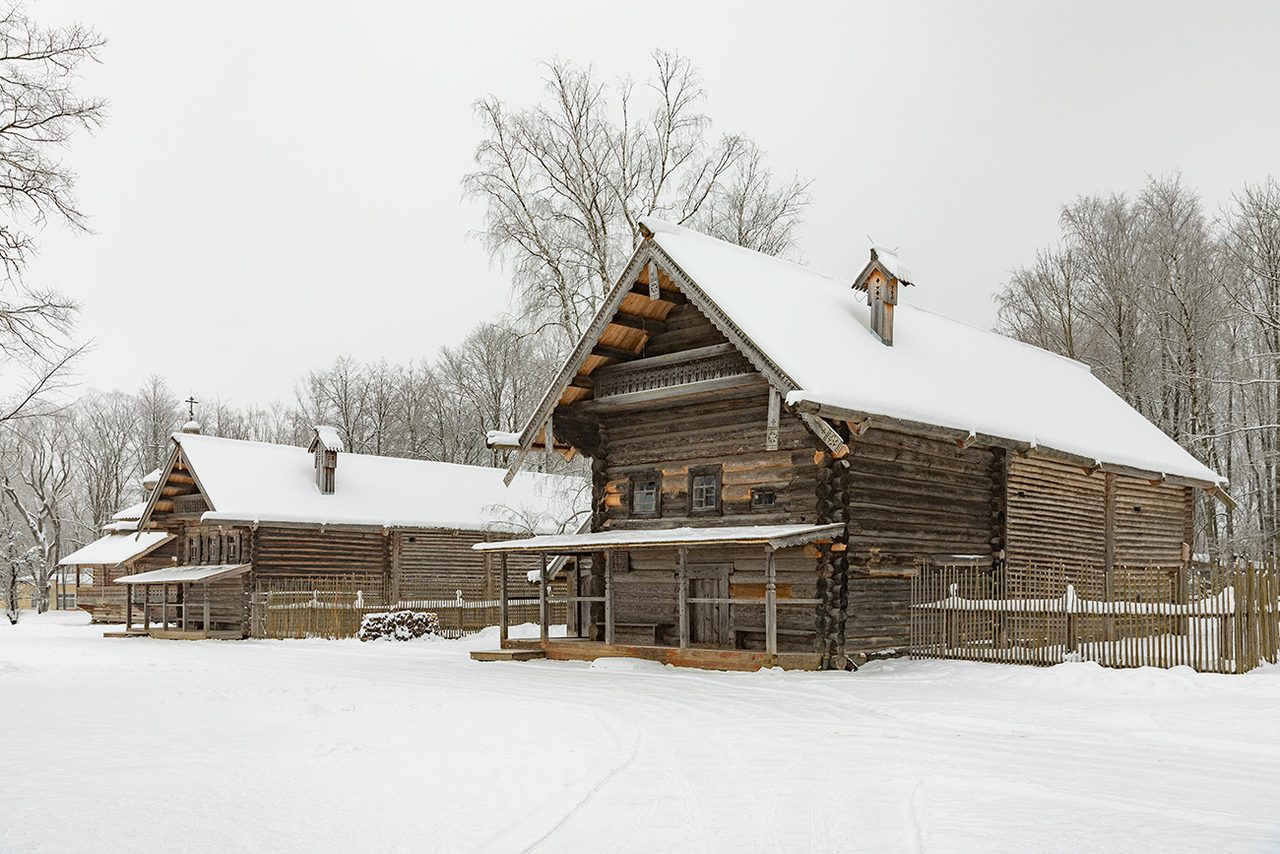
The first thing that catches your eye are three ancient Orthodox churches standing side by side, setting the tone for the entire museum. They are the Church of the Nativity of the Theotokos from the village of Peredki (1530s), the Church of the Dormition from the village of Nikulino (1590s) and the Church of St. Nicholas the Wonderworker from the village of Vysoky Ostrov (1760s). They were carefully dismantled, transported and reassembled.
Visiting Russian peasants
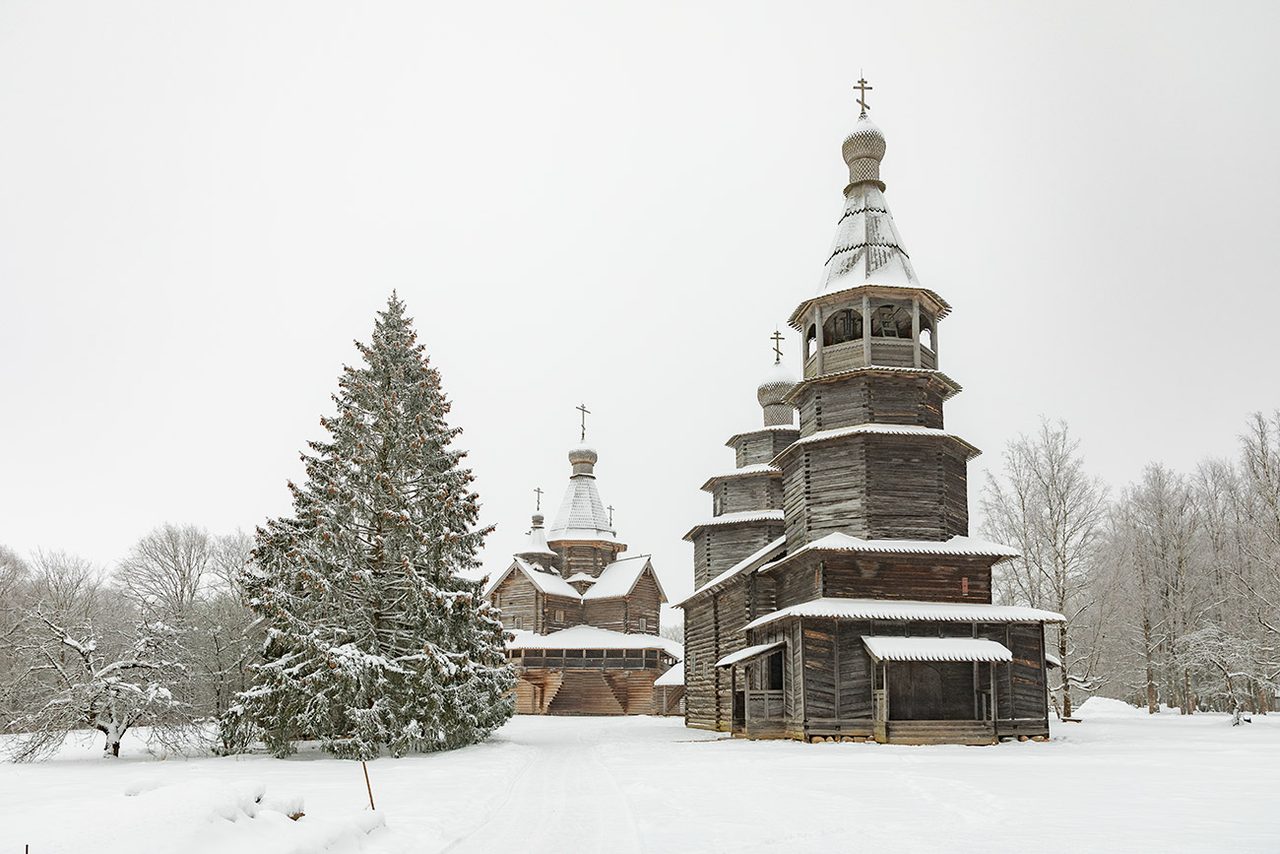
Now, let's look inside the houses. This large ‘izba’ (wooden log house) is the farmstead of Maria Ekimova from the village of Ryshevo, built in 1882. She was its last owner and handed the house over to the museum in the 1960s.
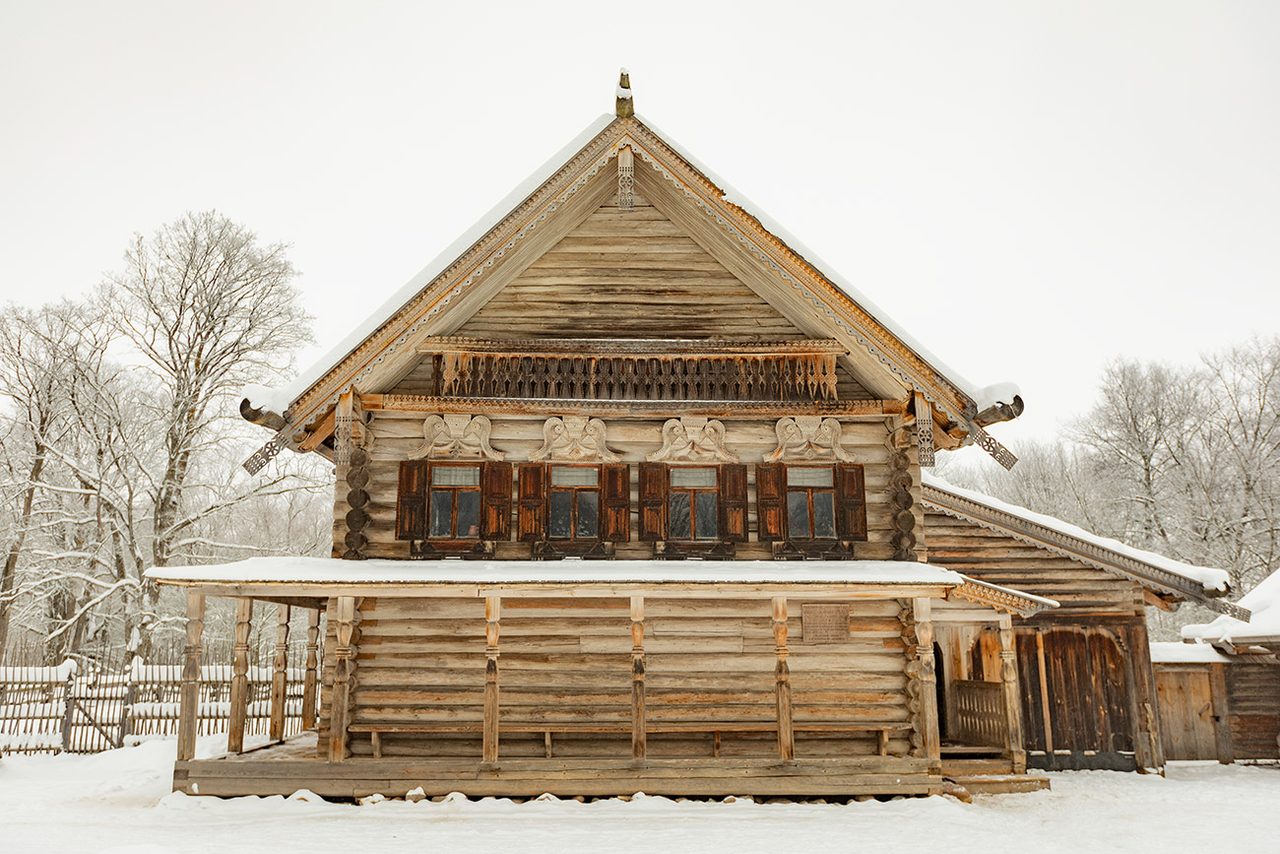
Do you know how they used to determine a house's wealth in the old days? By the state of its windows and stove. For example, in Ekimova's house, there were as many as four windows with carved frames and the stove had a proper chimney that vented smoke outside. That means the house was heated "the white way" (with a chimney).
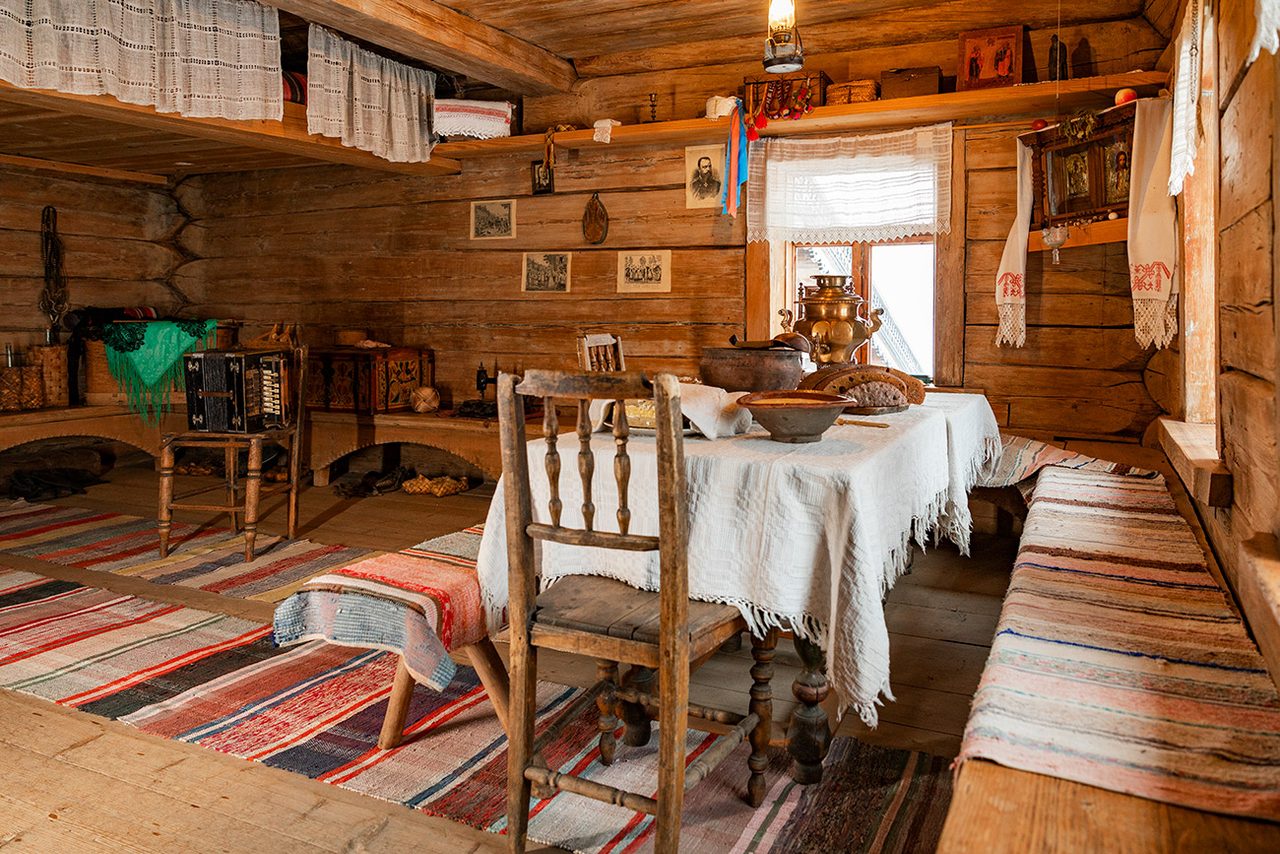
The interior recreates the atmosphere of past centuries: you can see where people slept, ate and did household chores. Essentially, a large family lived in a single room (‘gornitsa’).
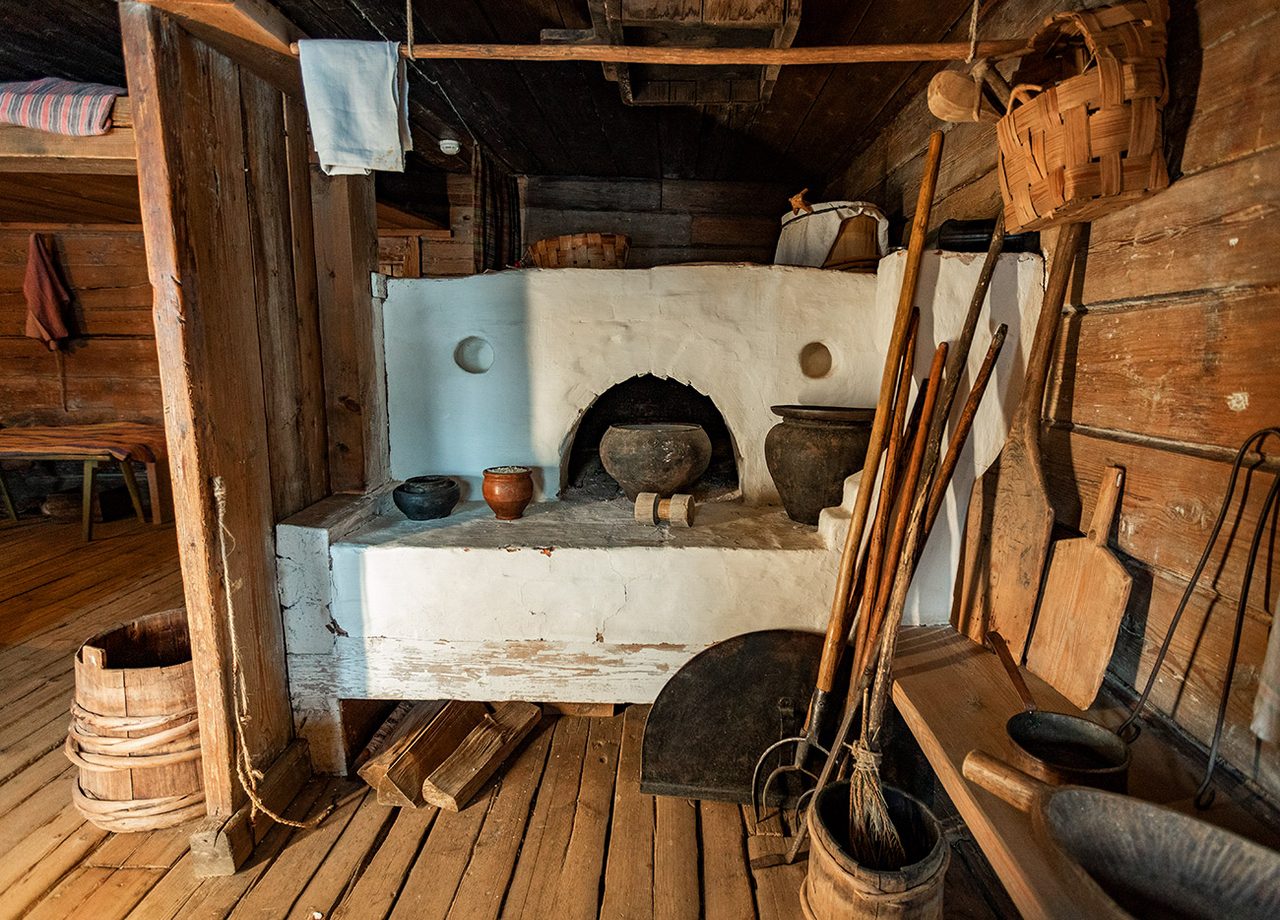
The ‘izba’ opposite was much more modest, heated "the black way" (without a chimney). This kind of "little house" on the roof was called a ‘dymnitsa’ (smoke vent) – it's simply a damper through which the smoke escapes.
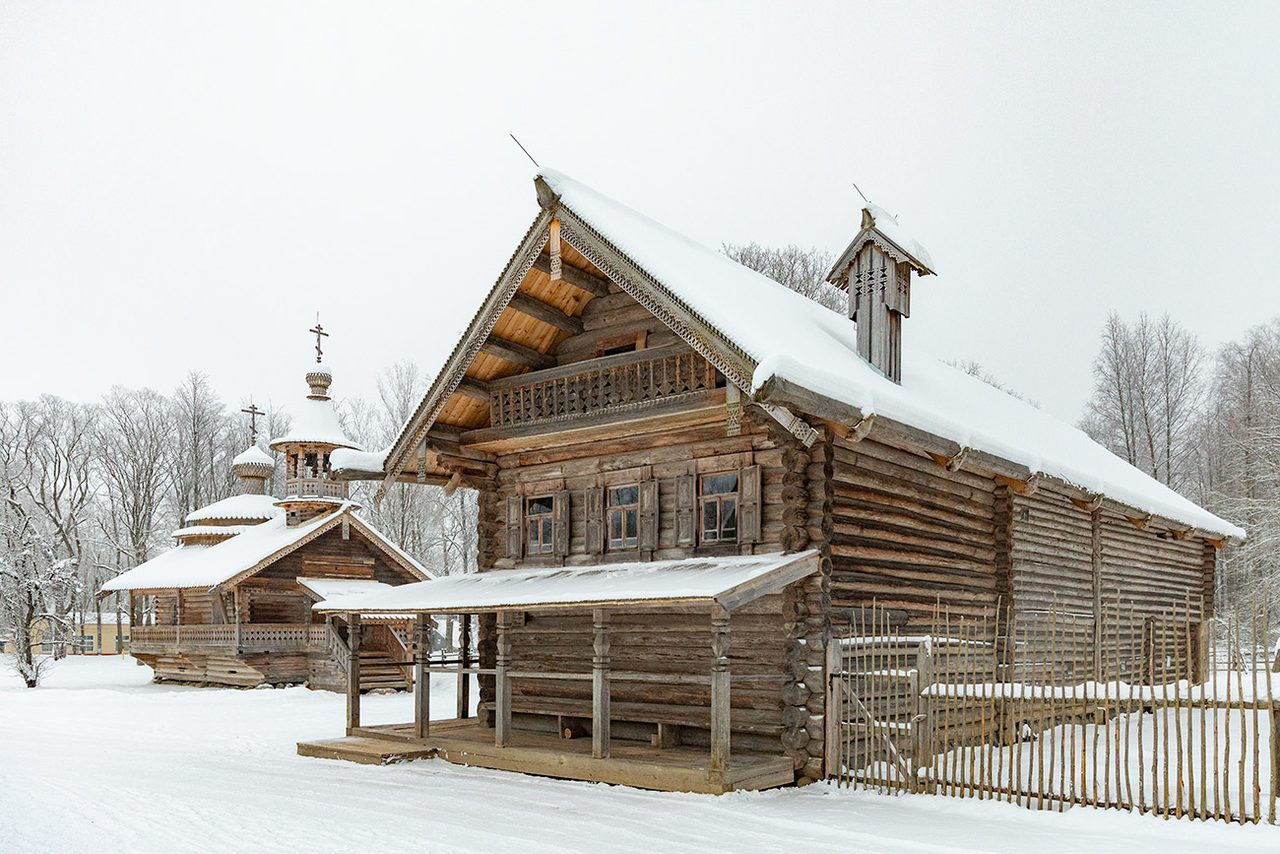
The fact that the house was heated "the black way" is evident from the soot on the walls and the damper above the stove.
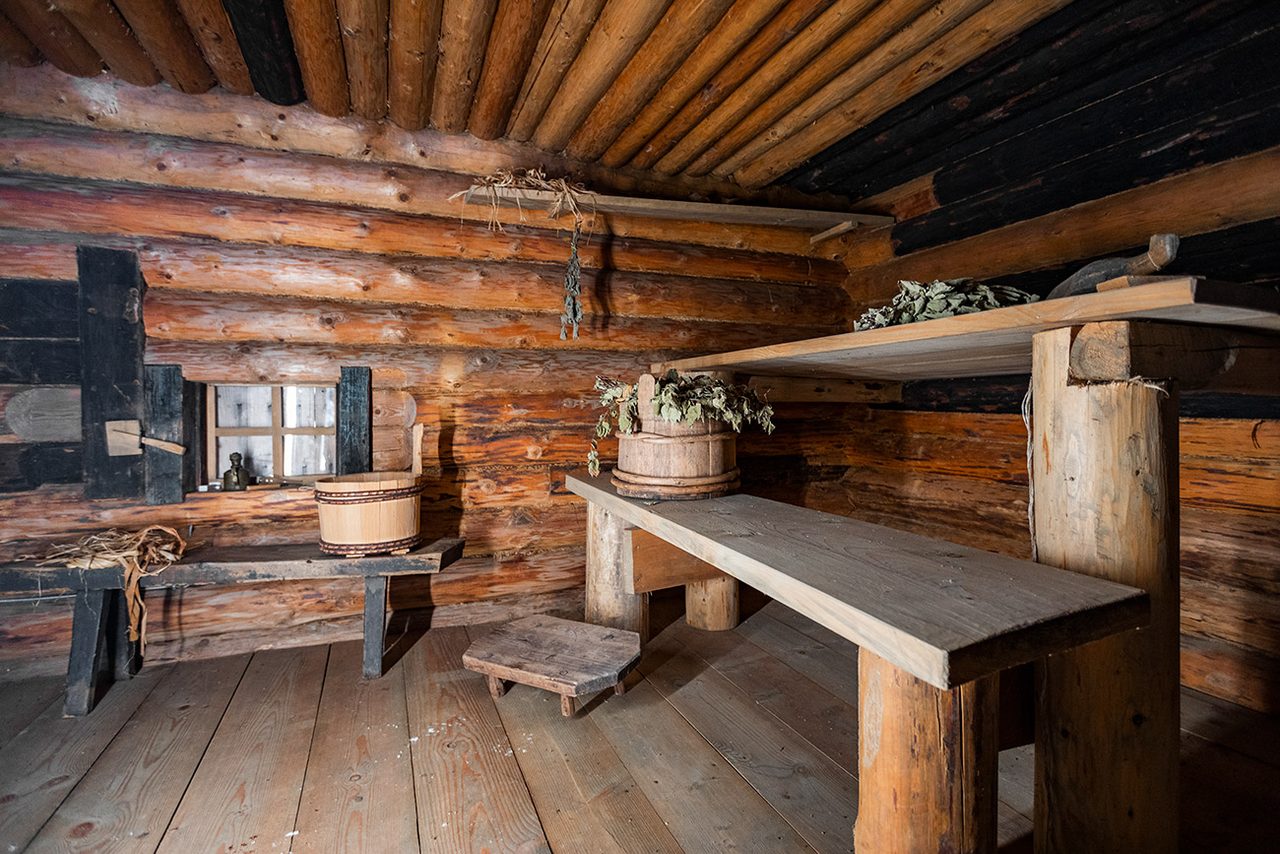
This is how people lived for many centuries and, by the way, ‘banyas’ (Russian bathhouses) were heated in the same "black" way. Moreover, in some villages, this tradition continued into the 20th century. This bathhouse is just over 100 years old.
Water for the village
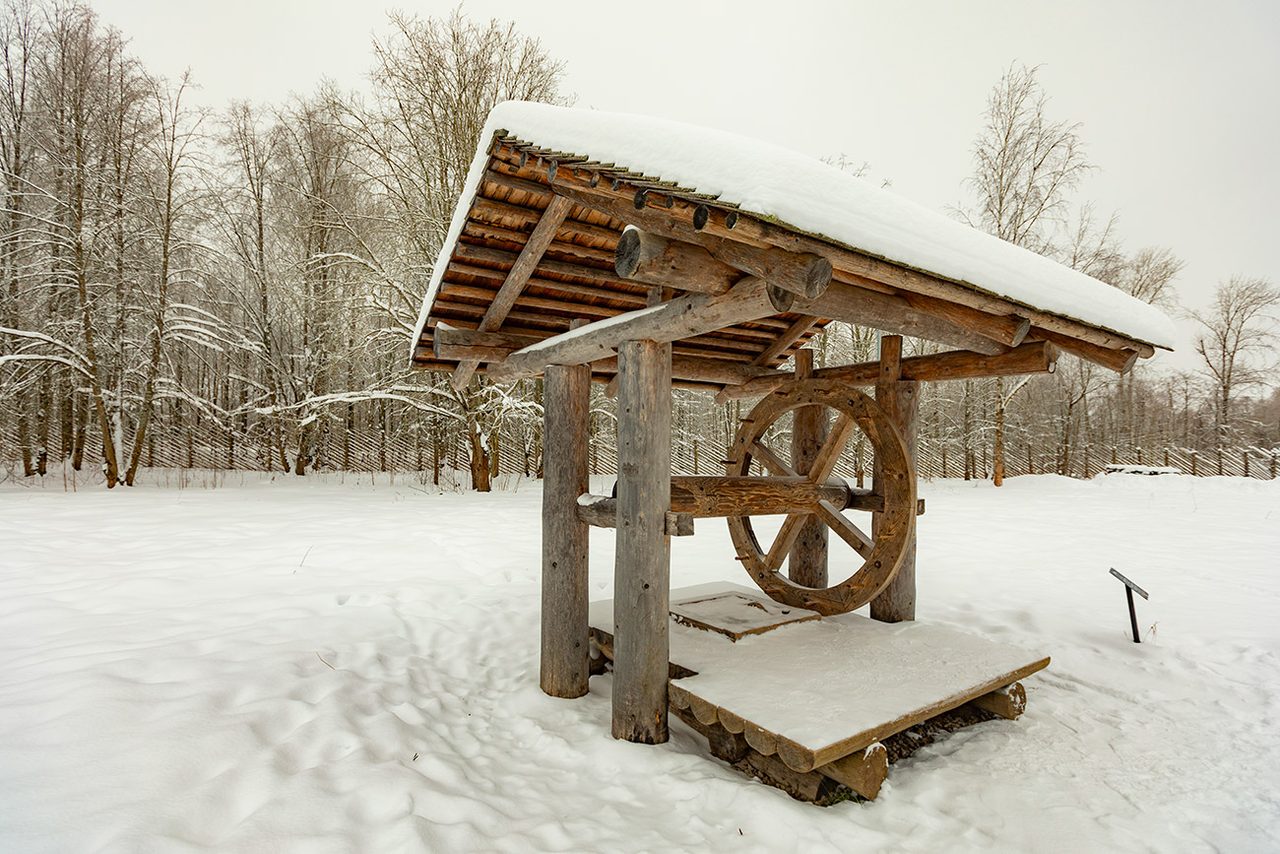
And this is one of Vitoslavlitsy's "novelties" with an ancient history. It's a well with a ‘vorot’ (windlass). Such wells are typical of the Russian North and are designed for lifting water from depths of over four meters. You can try turning the windlass with your own hands.
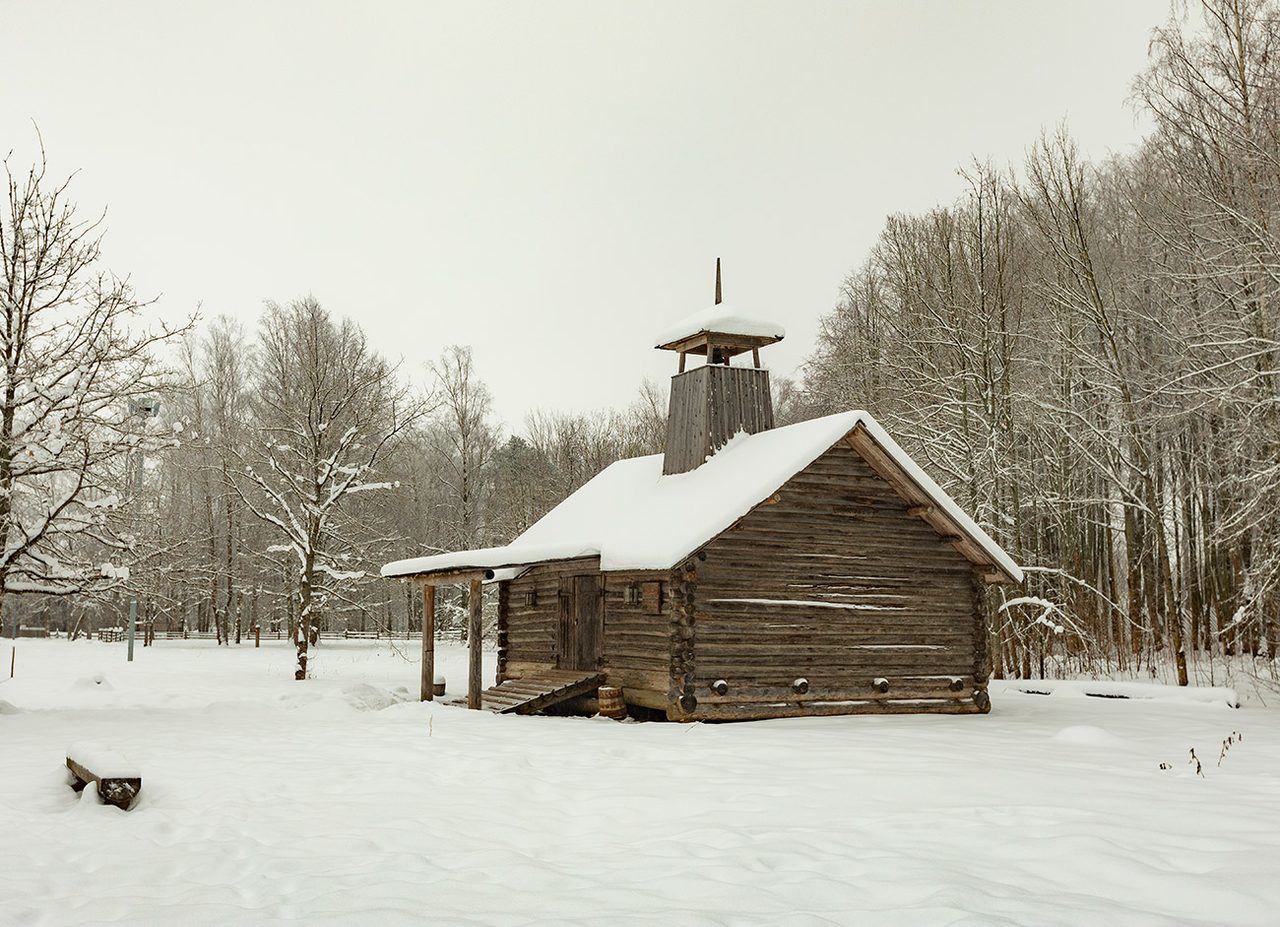
This is a fire shed from the village of Mintsy from the early 20th century. Such structures were built with funds from the peasant community. Necessary firefighting equipment was stored inside, along with a bell. The building now houses an exhibition.
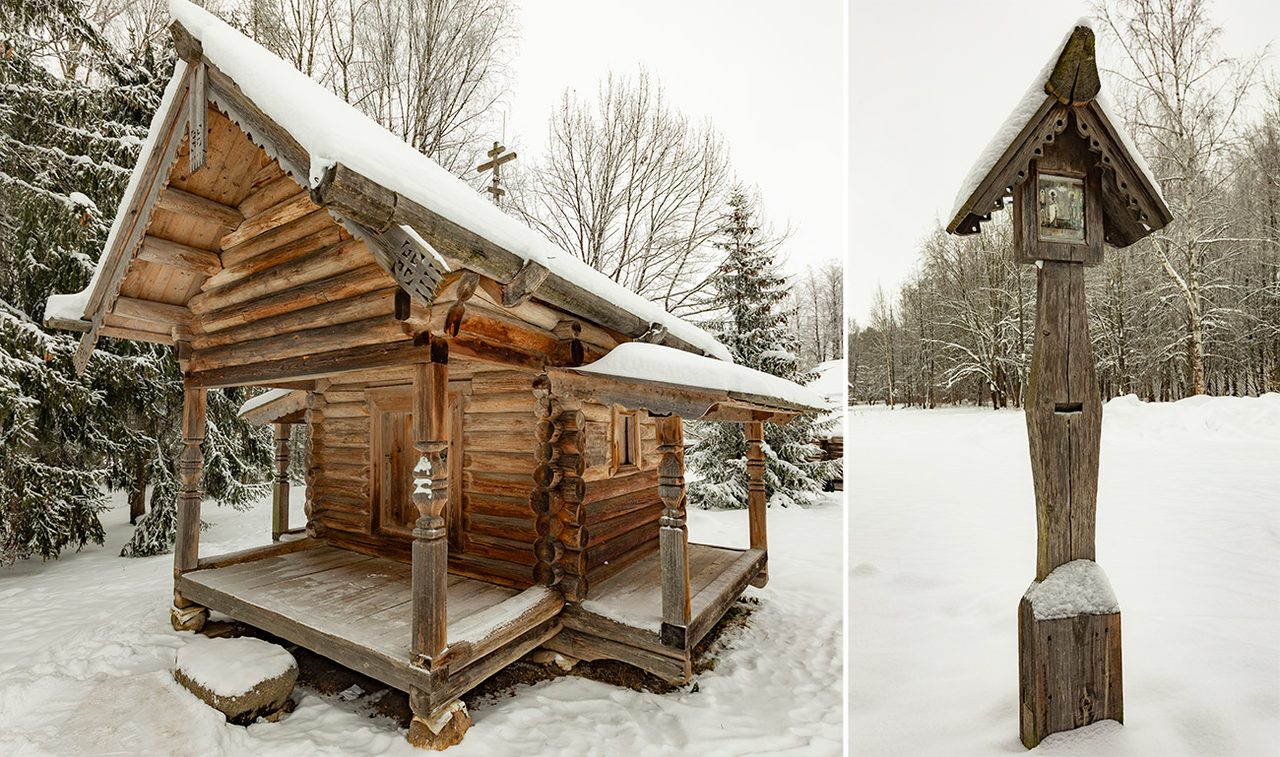
Another notable church is the small Chapel of Saints Kyrikos and Ioulitta (Kirik and Iulitta) from the village of Kashira, dating back to the 17th century.
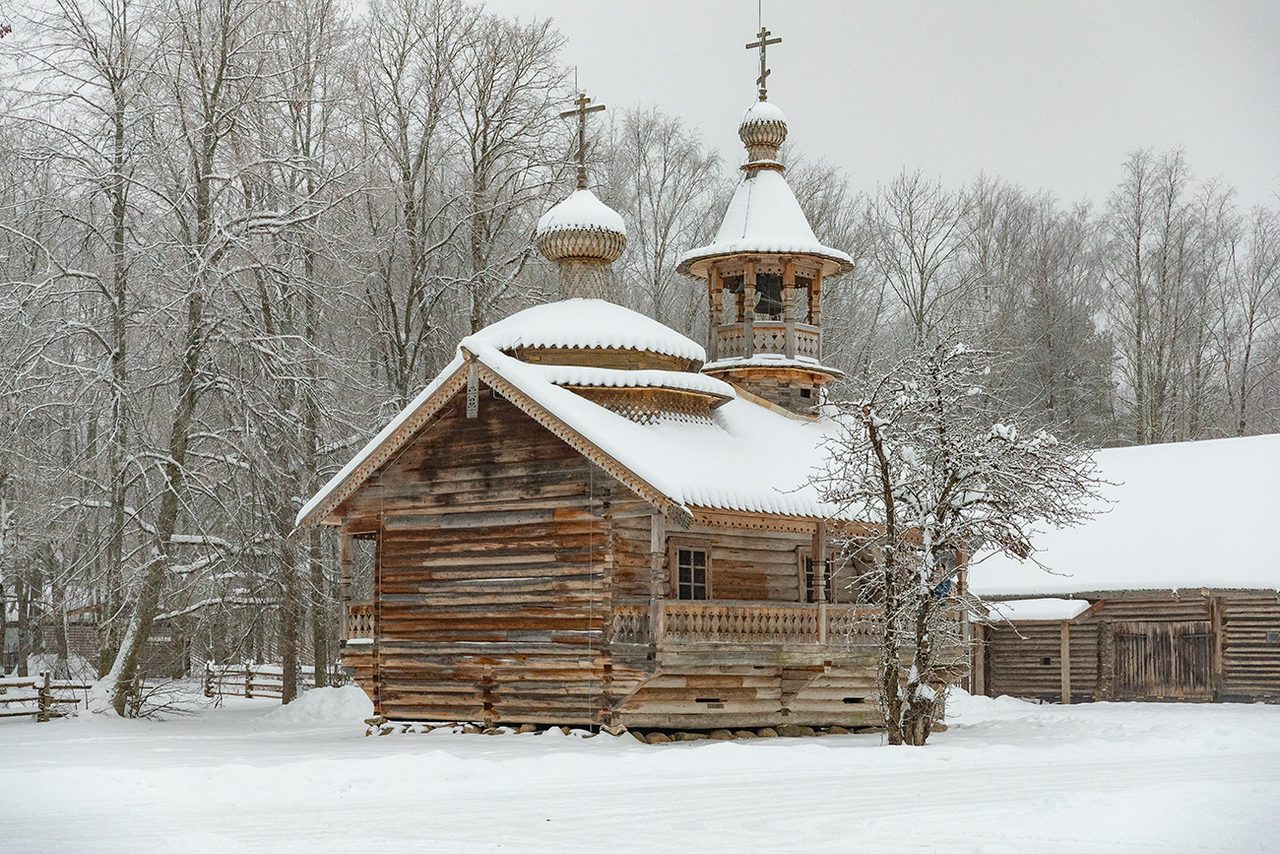
On the outskirts of the museum village, don't miss the Chapel of Saints Peter and Paul from the village of Gar, also from the 17th century. A roadside ‘poklonny krest’ (memorial cross) is also erected next to it. Find out more about them here.
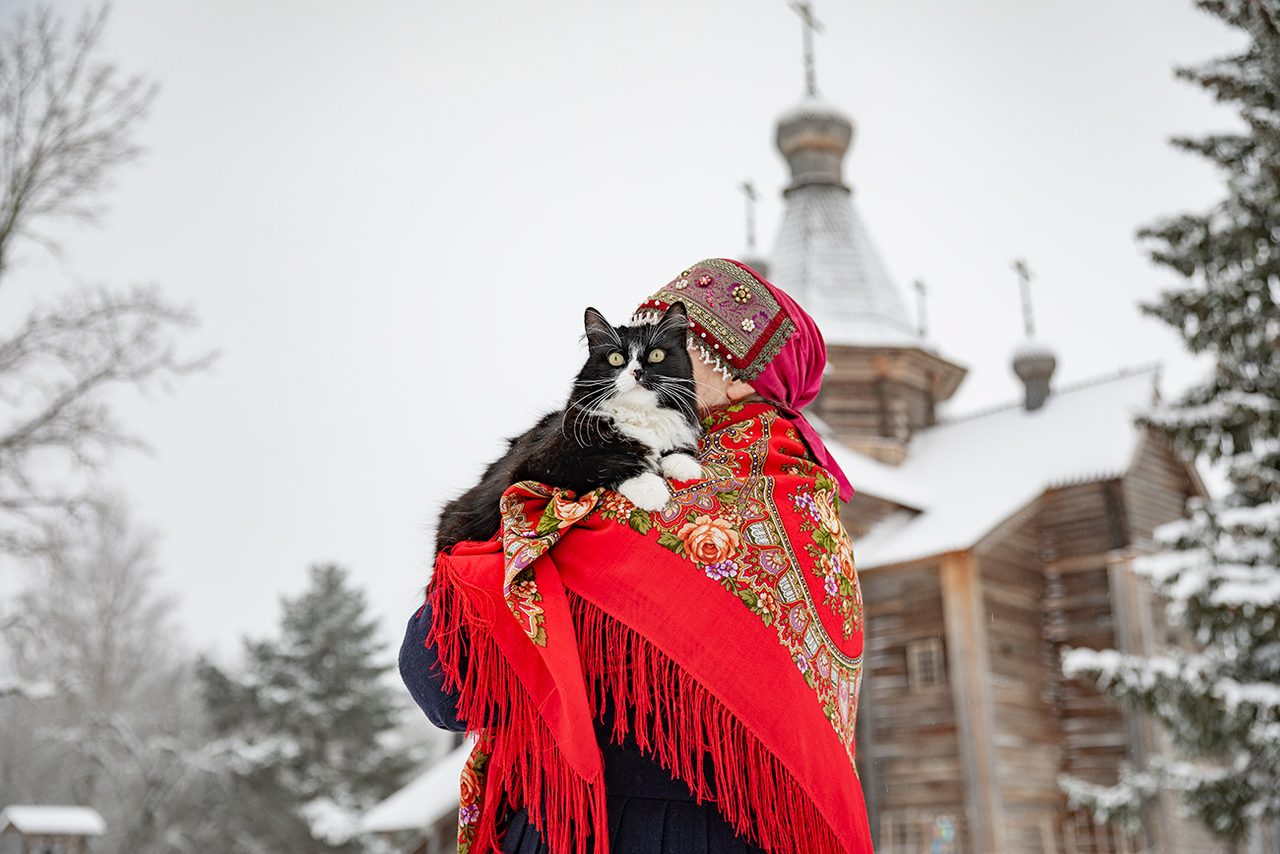
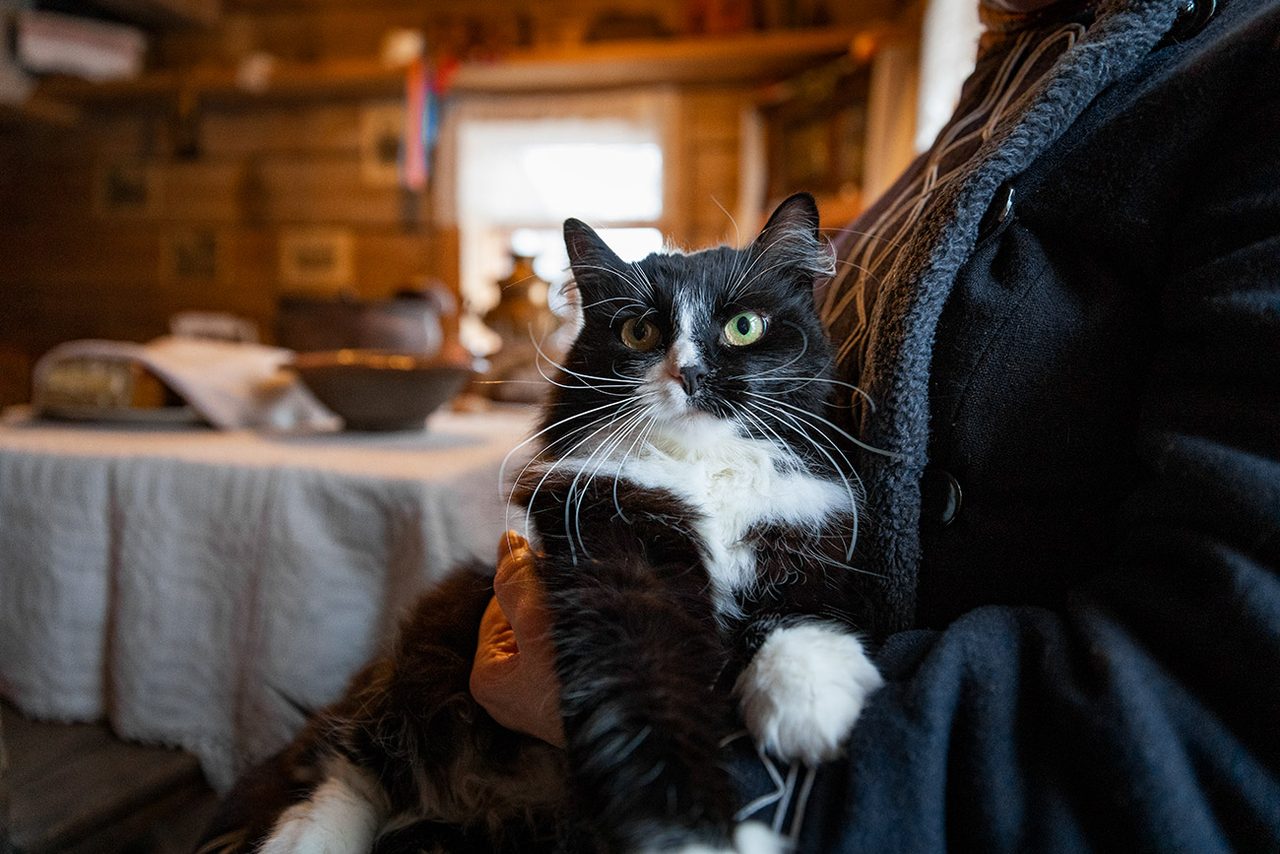
And, if you're lucky, the tour will be led personally by Ksyusha the cat – she knows every exhibit like the back of her paw!