
The Hermitage's legendary clock was created thanks to a British adventurer-duchess
In 1777, a yacht moored near the Winter Palace. The owner of the yacht didn't turn away onlookers; instead, she graciously invited them on board to see the ship and told everyone that her dream was to meet Catherine the Great at least once.
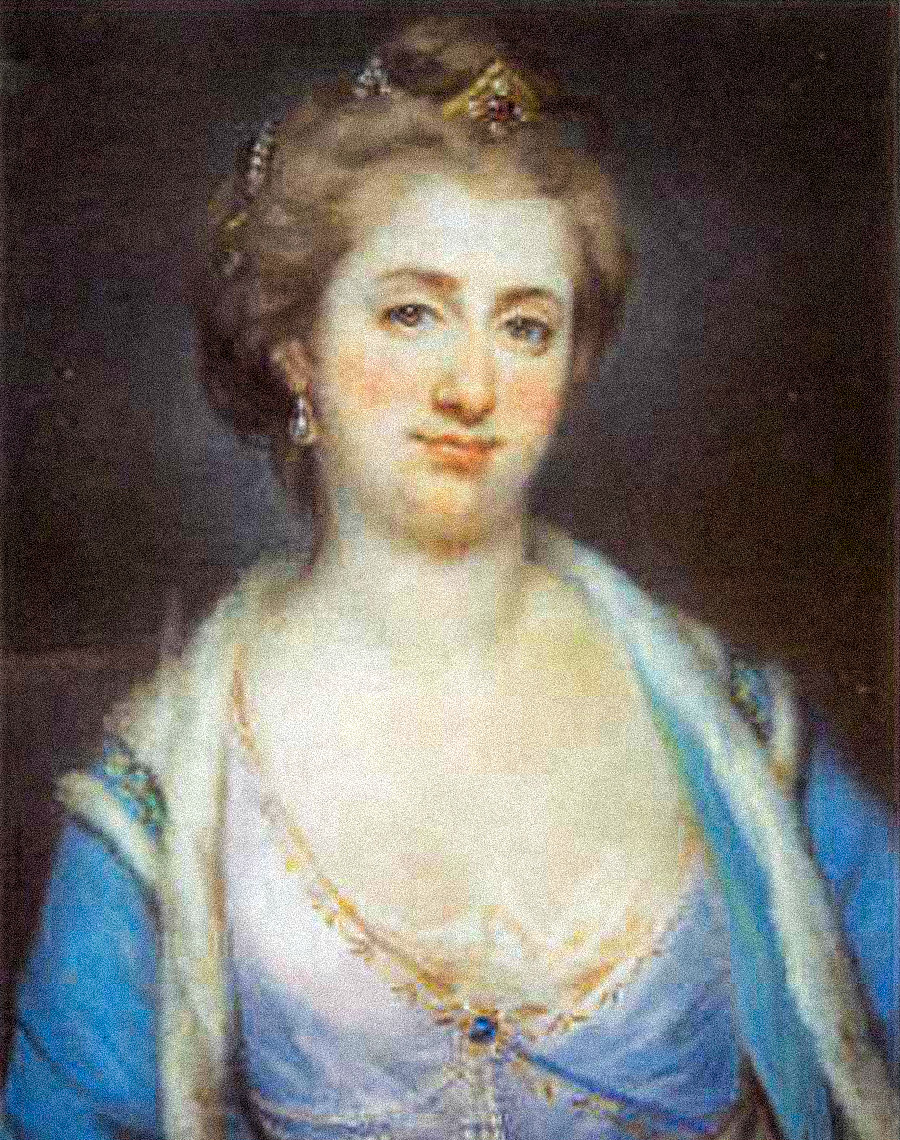
The yacht contained countless treasures, which Duchess Elizabeth Pierrepont Kingston had brought as a gift to the Russian empress. She was forced to leave England by a lawsuit brought by her deceased husband's relatives: they found a witness willing to testify that she had married the Duke… while married to another man! The court stripped her of her title, but left her inheritance. Fearing further claims from her relatives, Elizabeth left for Russia, offering the empress the old master paintings from the inherited collection.
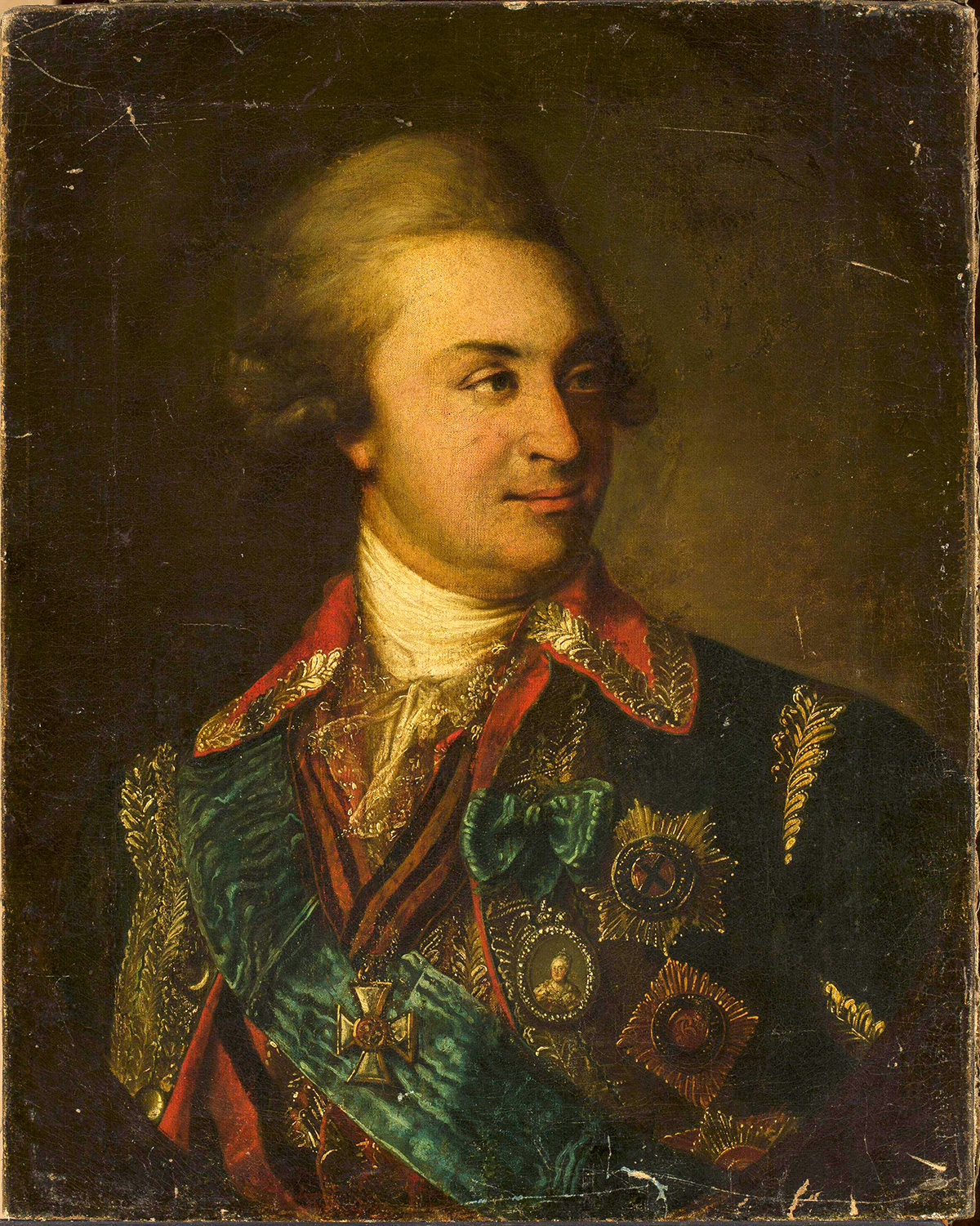
The duchess was received at court, where she made useful connections, including with Prince Grigory Potemkin. It’s believed that it was the Englishwoman who told the prince about jeweler and goldsmith James Cox, who was famous for his amazing mechanisms featuring singing birds. Potemkin immediately commissioned an automaton with a clock for Catherine II. It arrived in St. Petersburg in 1781.
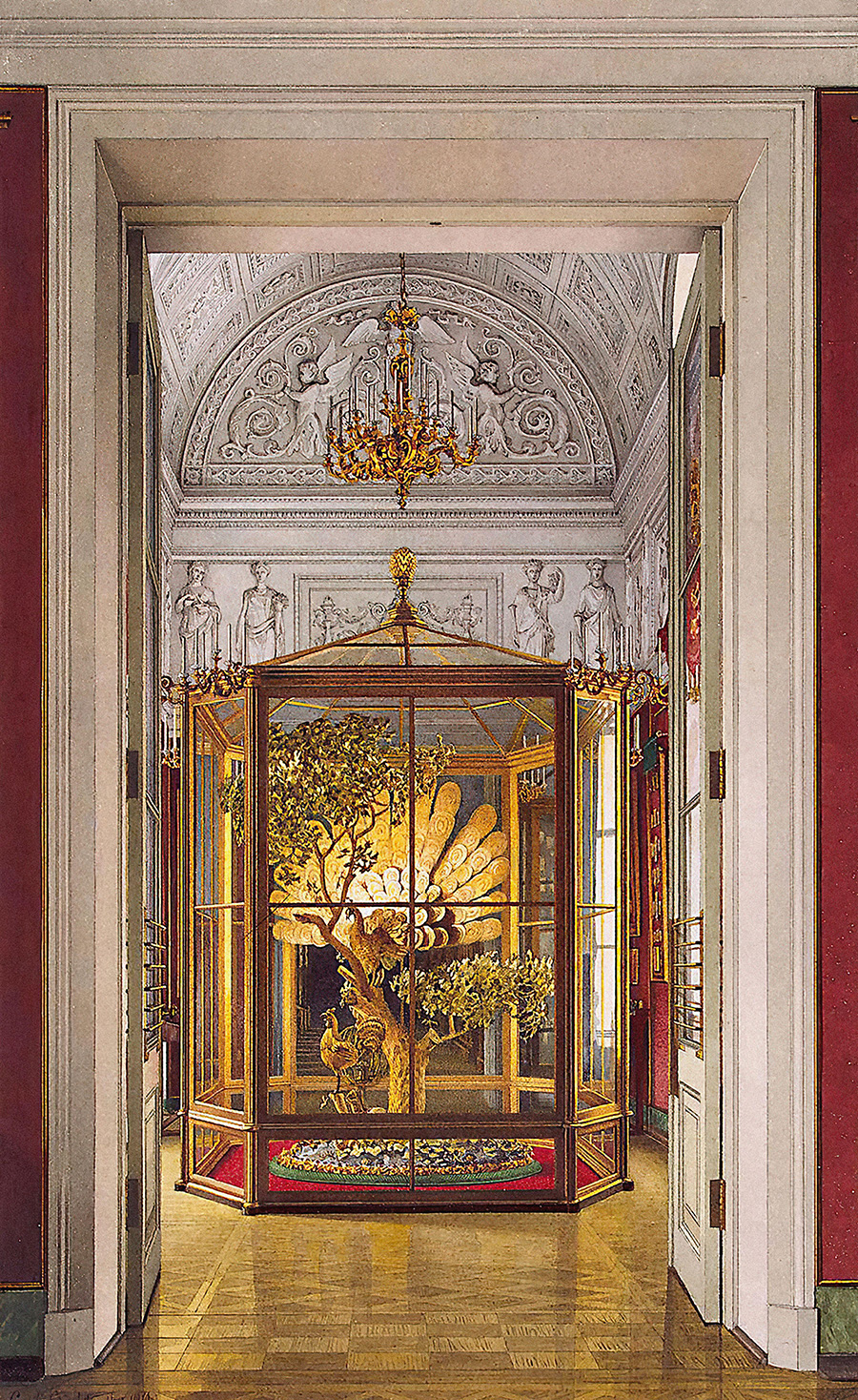
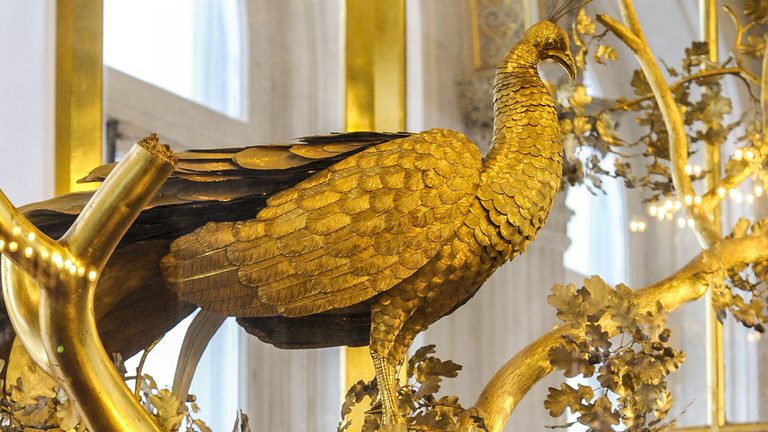
This device, with its clockwork mechanism and figures of a peacock, as well as a rooster, an owl and squirrels, is the only surviving large 18th-century automaton in the world that still functions. It’s also one of the most famous exhibits in the Hermitage.