
How Pyotr Tchaikovsky opened Carnegie Hall
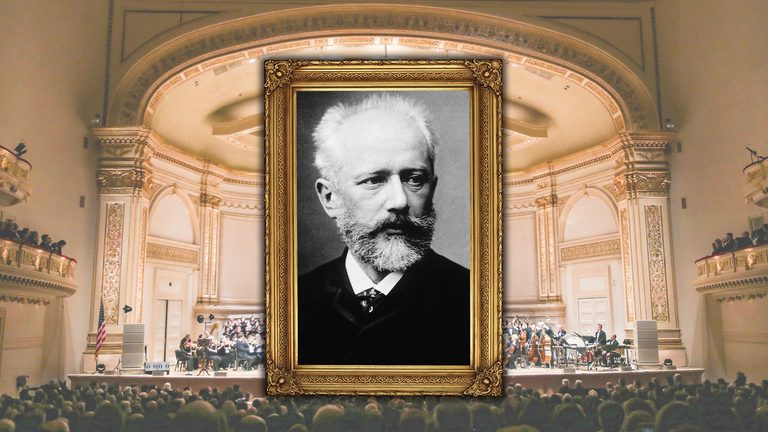
One hundred and thirty-five years ago, one of North America's premier music venues was opened… by a Russian composer.
In 1890, Pyotr Tchaikovsky was invited to perform at the opening of Carnegie Hall, which, at the time, was still simply called ‘Music Hall’. It would later be named in honor of its founder, Andrew Carnegie. By that time, the composer had already written several operas, two ballets and a number of symphonies and concertos. He was, essentially, a world-renowned musician.
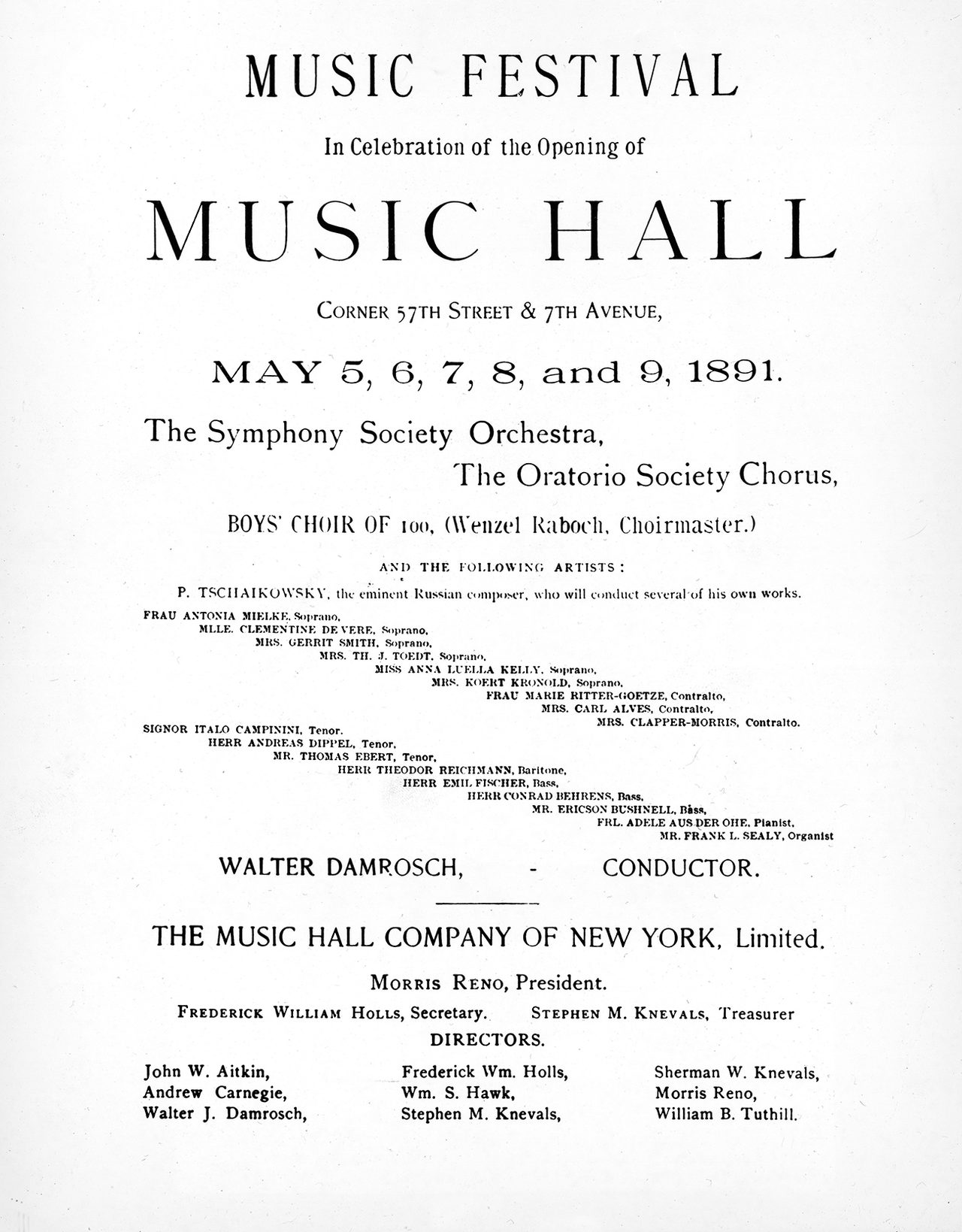 The first page of the festival program
The invitation came from Walter Damrosch, a renowned American conductor who was set to become the new hall's music director. Tchaikovsky gladly accepted the invitation. The American public was already familiar with his music, so he was awaited not as a newcomer, but as a long-awaited guest. For his part, he had long wanted to visit the United States. Moreover, the terms of the trip were "so favorable and easy that it would be madness to miss the opportunity," he wrote to his publisher friend Peter Jurgenson. His fee for the performance was $2,500 (a sum comparable to a conductor's annual salary at the time). In addition to the money, his travel expenses were covered and he received a security deposit.
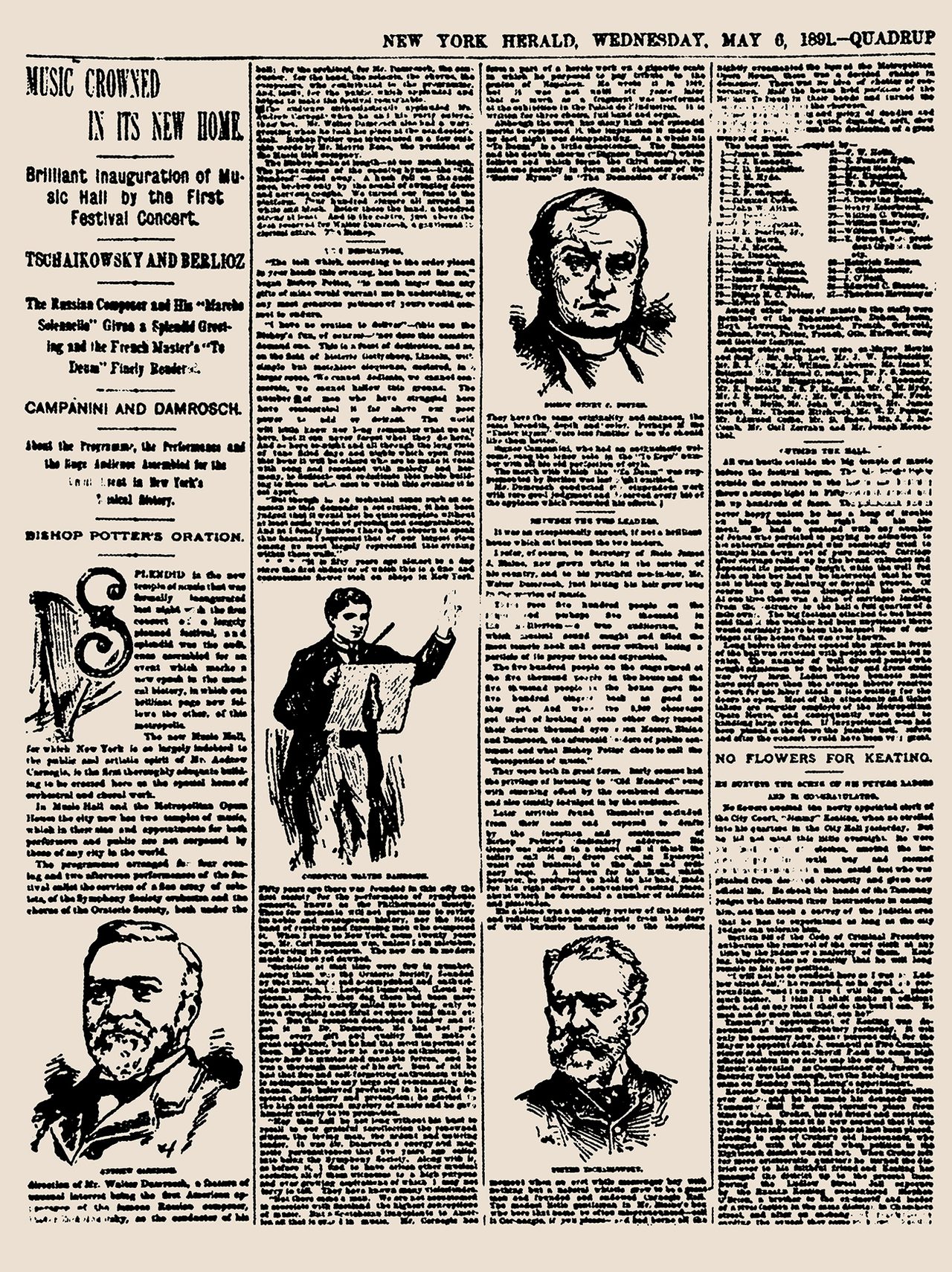 The New York Herald, May 6, 1891
So, on April 26, 1891, Tchaikovsky arrived in New York. The city struck him with its sheer scale. But, what touched the composer more than the architecture was the warm hospitality of the Americans. He also left very warm comments about Andrew Carnegie in his diary.
On May 5, there was a stir at the entrance to the Music Hall; the main auditorium was packed to capacity. The audience included the cream of New York society: the Whitney, Sloan, Rockefeller and Frick families.
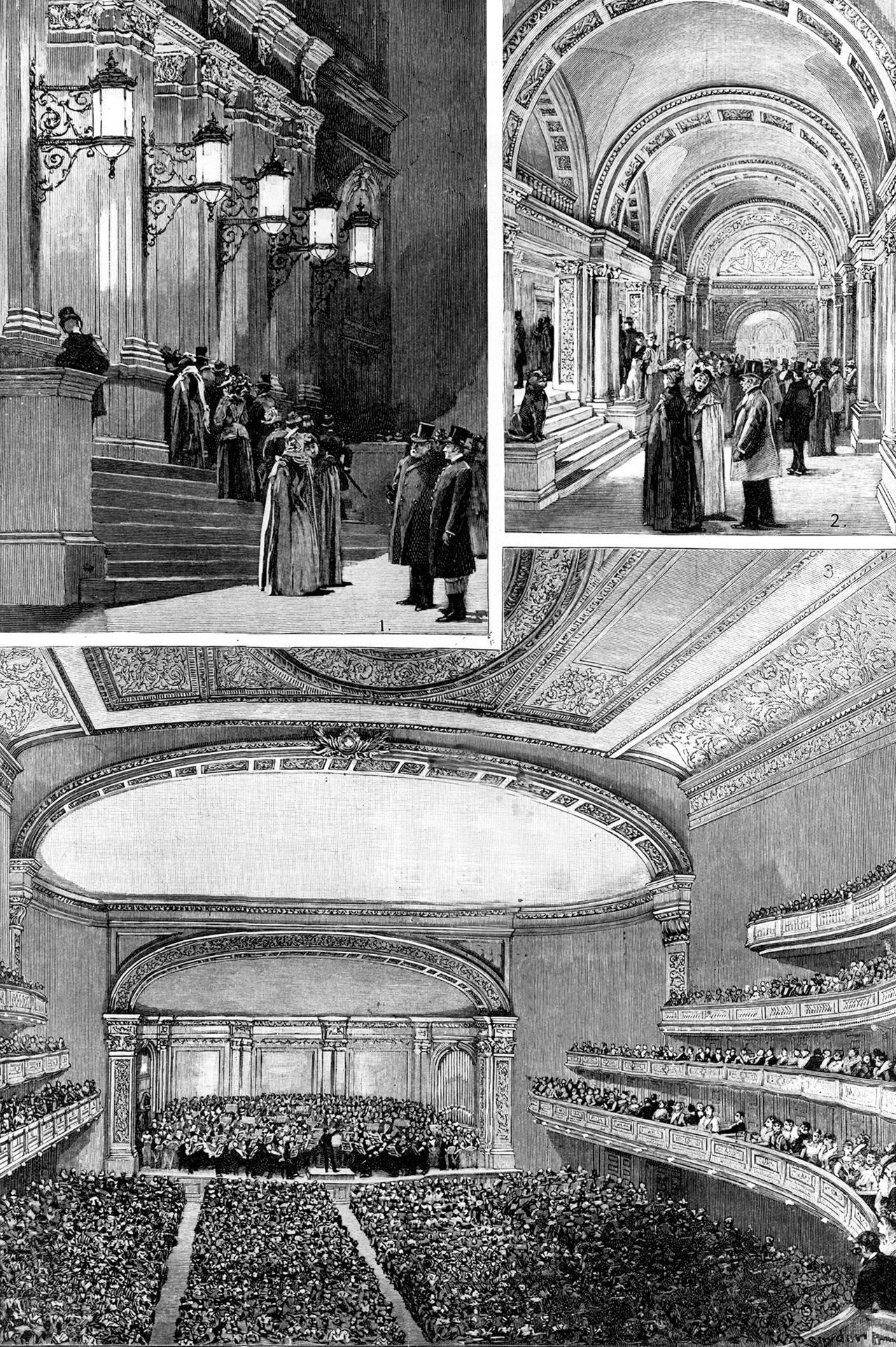 Carnegie Hall auditorium in 1891
After Bishop Henry Potter's opening address, the orchestra, conducted by Walter Damrosch, performed the national anthem ‘America’ and Beethoven's overture. Tchaikovsky then took the stage, conducting the New York Symphony Orchestra. One of his pieces was the ‘Solemn Coronation March’, which he wrote in 1883 for the coronation ceremony of Emperor Alexander III. His performance left a huge impression on the audience and the composer was called upon to take his bow several times.
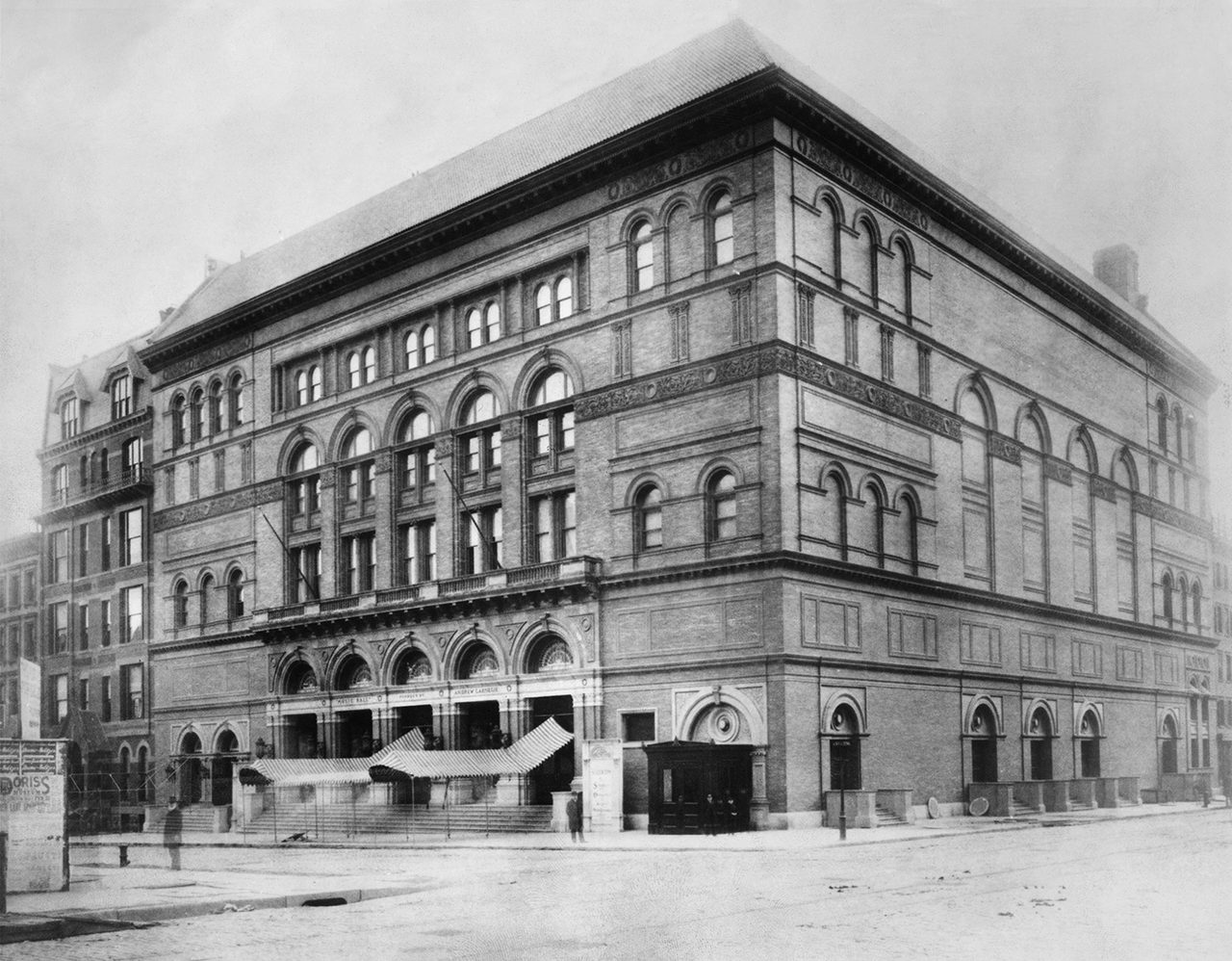 Carnegie Hall
The opening was part of a five-day festival, from May 5 to 9, and the Russian composer was one of its main stars. During these days, he conducted his own works at four concerts, presenting to the public, among others, his ‘First Piano Concerto’, the ‘Third Orchestral Suite’ and the ‘Serenade for String Orchestra’.
The success was resounding. His portrait was in every newspaper and people asked for his autograph at every turn. "Overall, I was pleased with my American trip, that is, I am pleased to recall my successes and the warm welcome," wrote the composer to his brother Nikolai.