‘KamAZ’ turns 50! The history of Russia's main truck (PHOTOS)

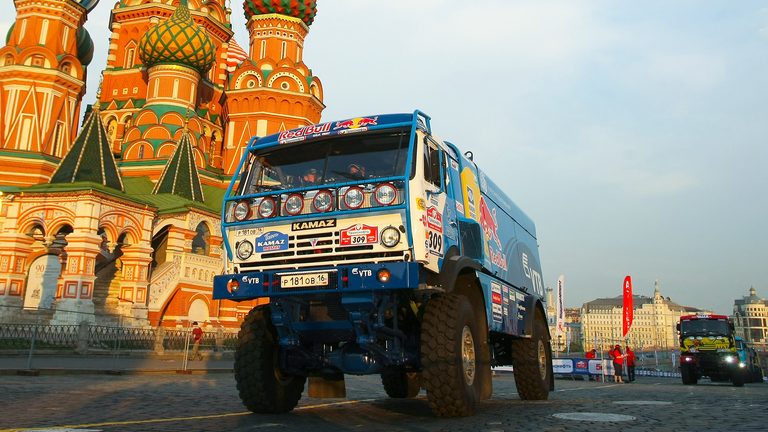
The production of the legendary truck was and remains so widespread that its title has become a household name.
On February 16, 1976, the first ‘KamAZ’ truck rolled off the assembly line at the Kama Automobile Plant – a truck destined not only to become the most common diesel truck in the USSR, but also a true automotive legend!
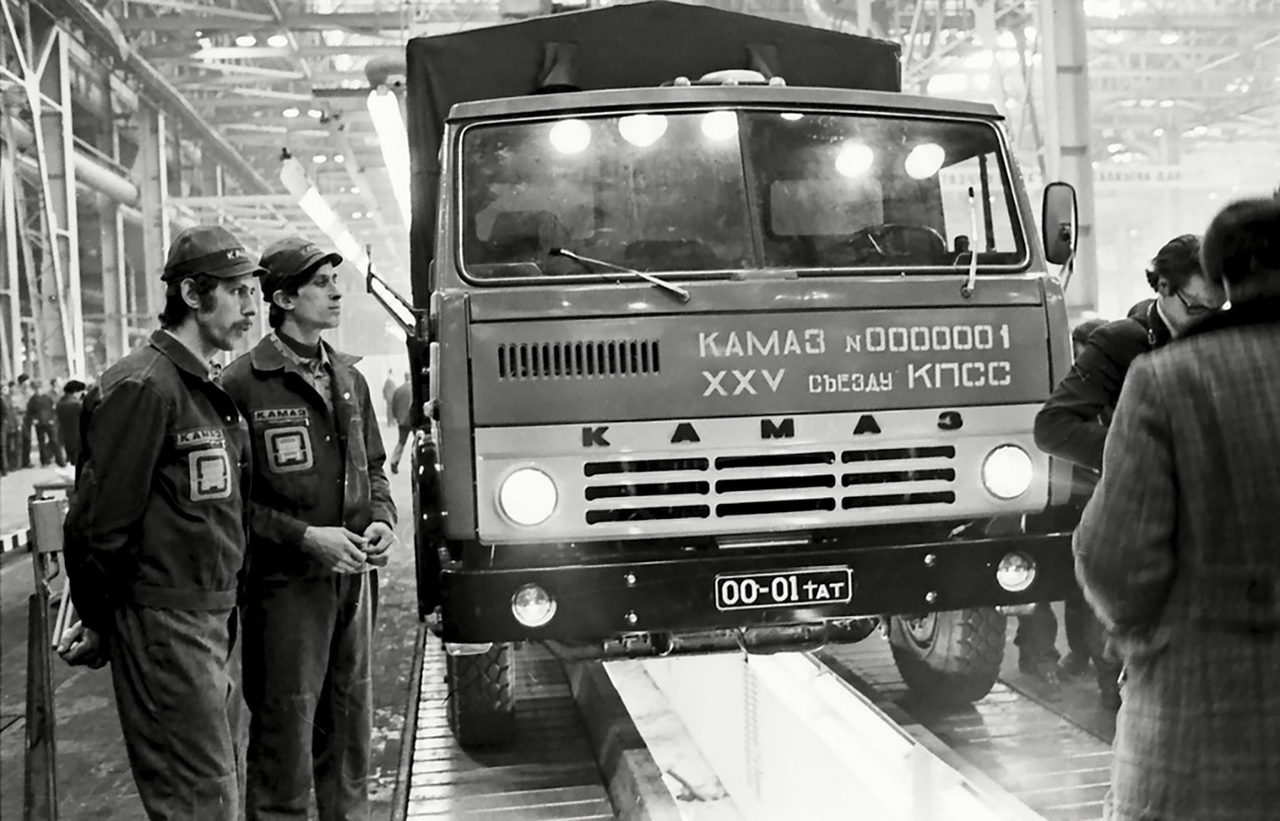 The first KAMAZ truck rolls off the assembly line.
By the end of the 1960s, due to a construction boom in the Soviet country, there was an urgent need for a large number of trucks. They needed to have greater cargo capacity and be more economical with fuel consumption. So, the Soviet government decided to invest in a completely new production facility.
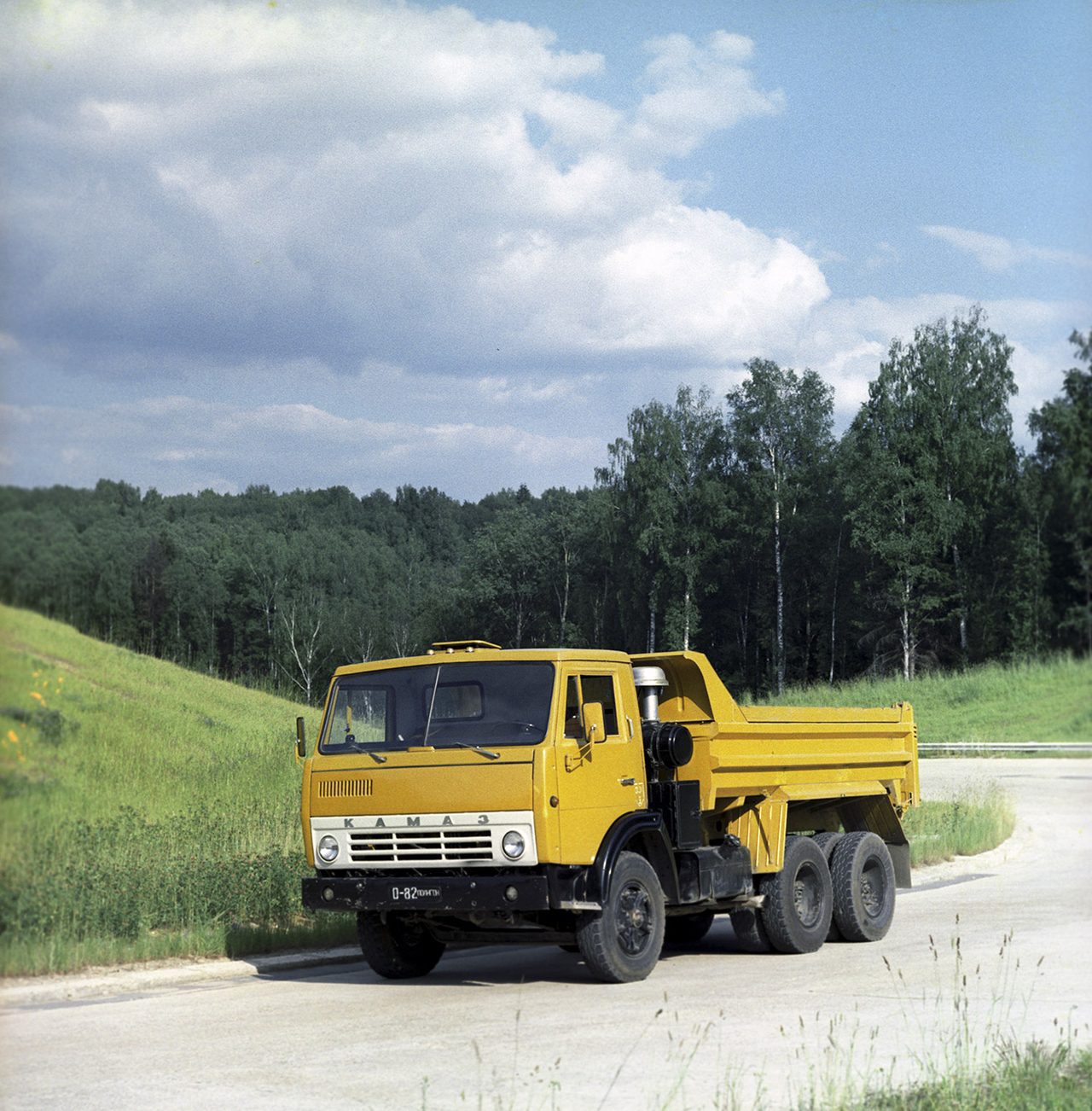 Kamaz dump truck
Thus, the Kama Automobile Plant was built on the banks of the Kama River in the city of Naberezhnye Chelny (Republic of Tatarstan). In essence, it became a company town, completely rebuilt to serve the needs of the plant. Many of its residents solely came to work on ‘KamAZ’ production. And ‘KamAZ Day’, first held in 1979, became the city’s main holiday.
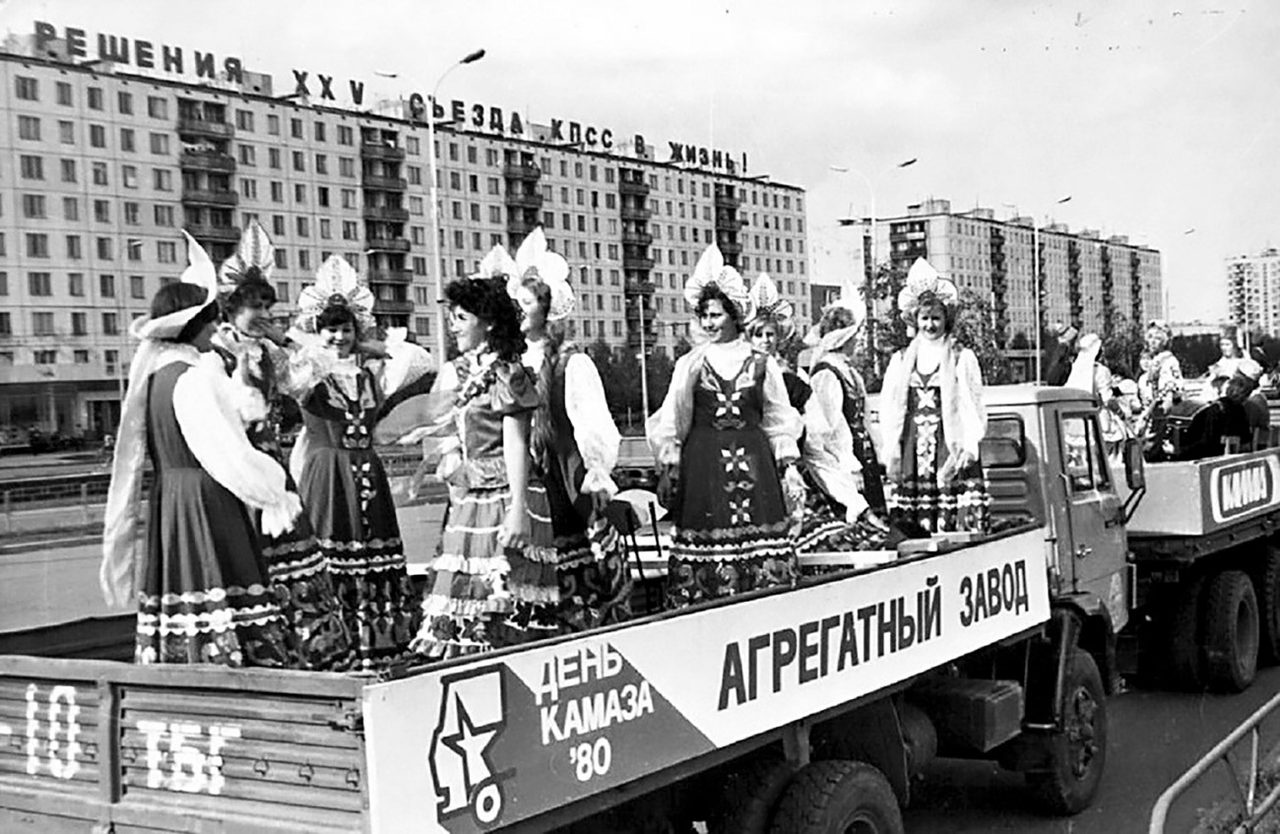 Kamaz Day in Naberezhnye Chelny
Foreign companies (‘Swindell-Dressler’, ‘Renault’, ‘Liebherr’) were involved in the design and launch of production. The design was based on developments from the Moscow ‘ZIL’ plant.
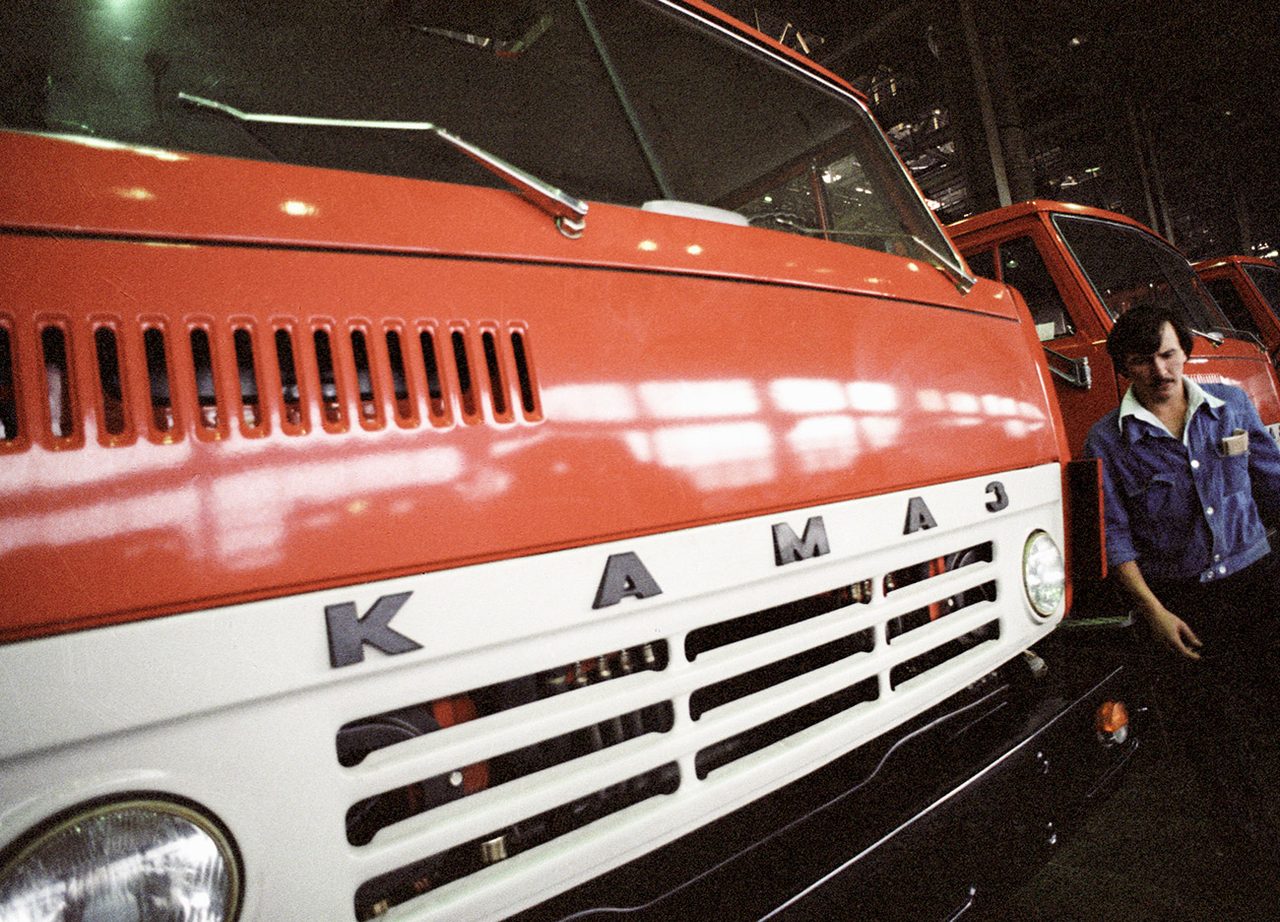 Workers carry out the final inspection of Kamaz vehicles ready for shipment
The plant operated at full capacity and, in 1980, was producing about 240 vehicles per day! In 1988, ‘KamAZ’ produced its millionth truck! And, at the same time, they also prepared five modifications, including all-wheel-drive versions.
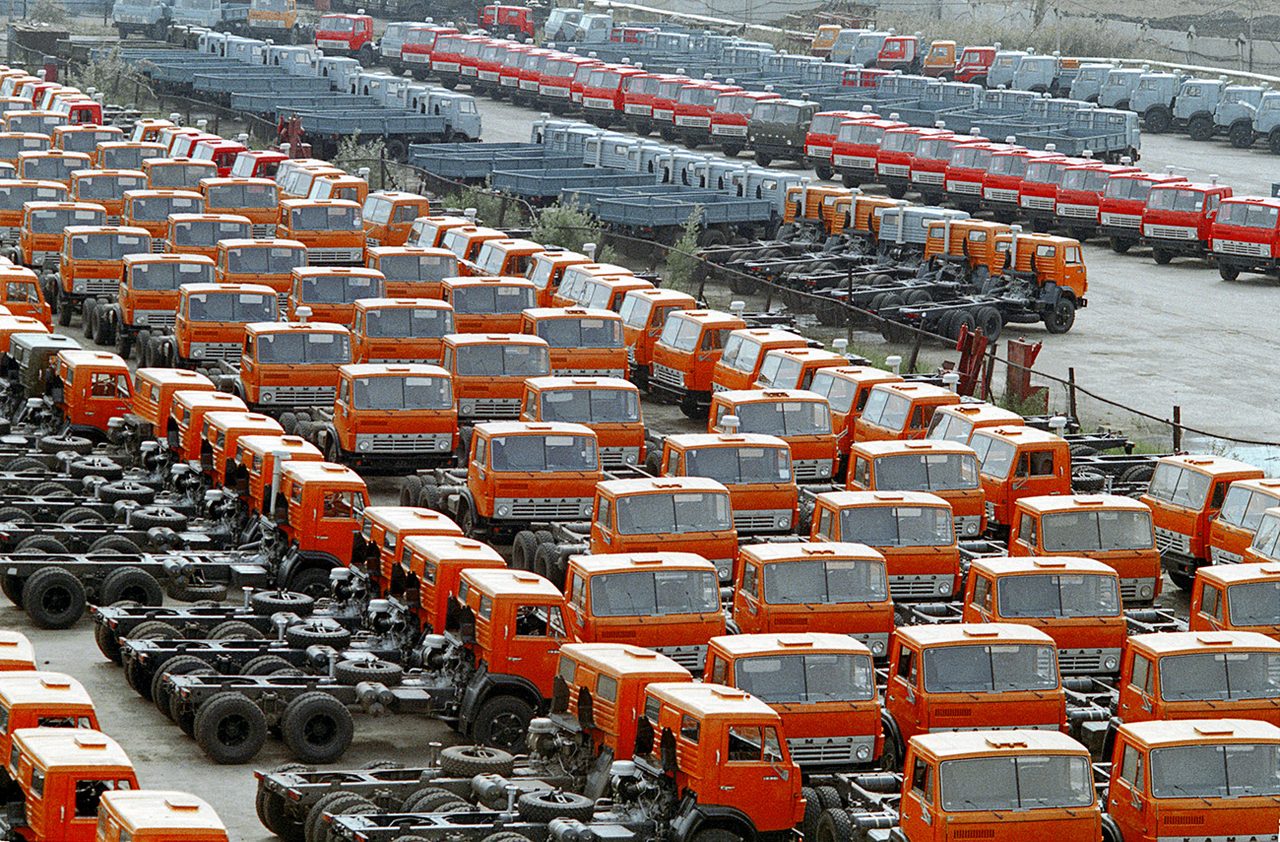 Kamaz trucks production in Naberezhnye Chelny
Today, the variety of ‘KamAZ’ trucks is astounding. There are dump trucks, heavy-duty flatbed trucks, tractor units, as well as a huge amount of special-purpose vehicles.
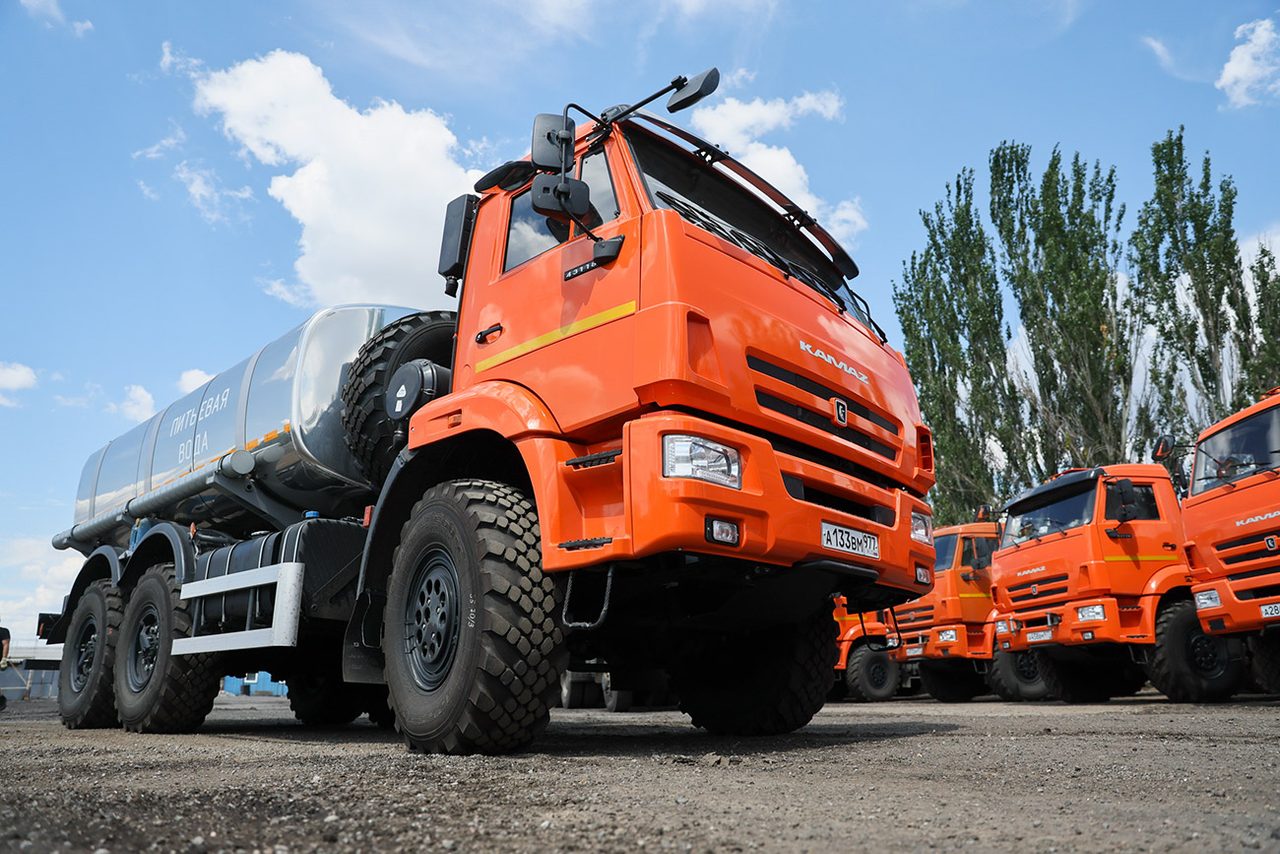 Kamaz water trucks
Fuel tankers, fire trucks, truck cranes, military armored vehicles and many other special vehicles are all adorned with the recognizable ‘KamAZ’ logo, a galloping horse.
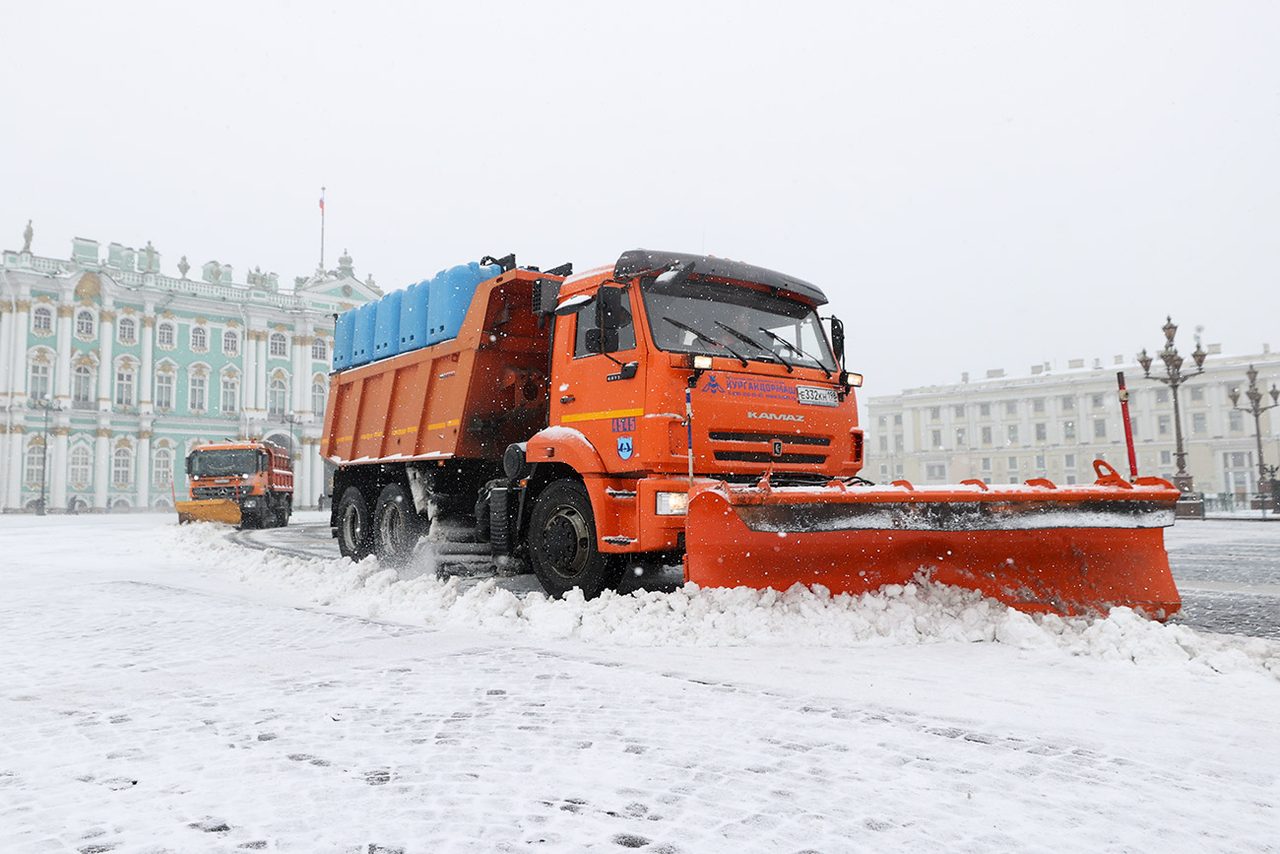 Snow removal equipment in St. Petersburg.
‘KamAZ’ trucks clear snow from city streets, participate in harvests and other agricultural work, transport construction materials…
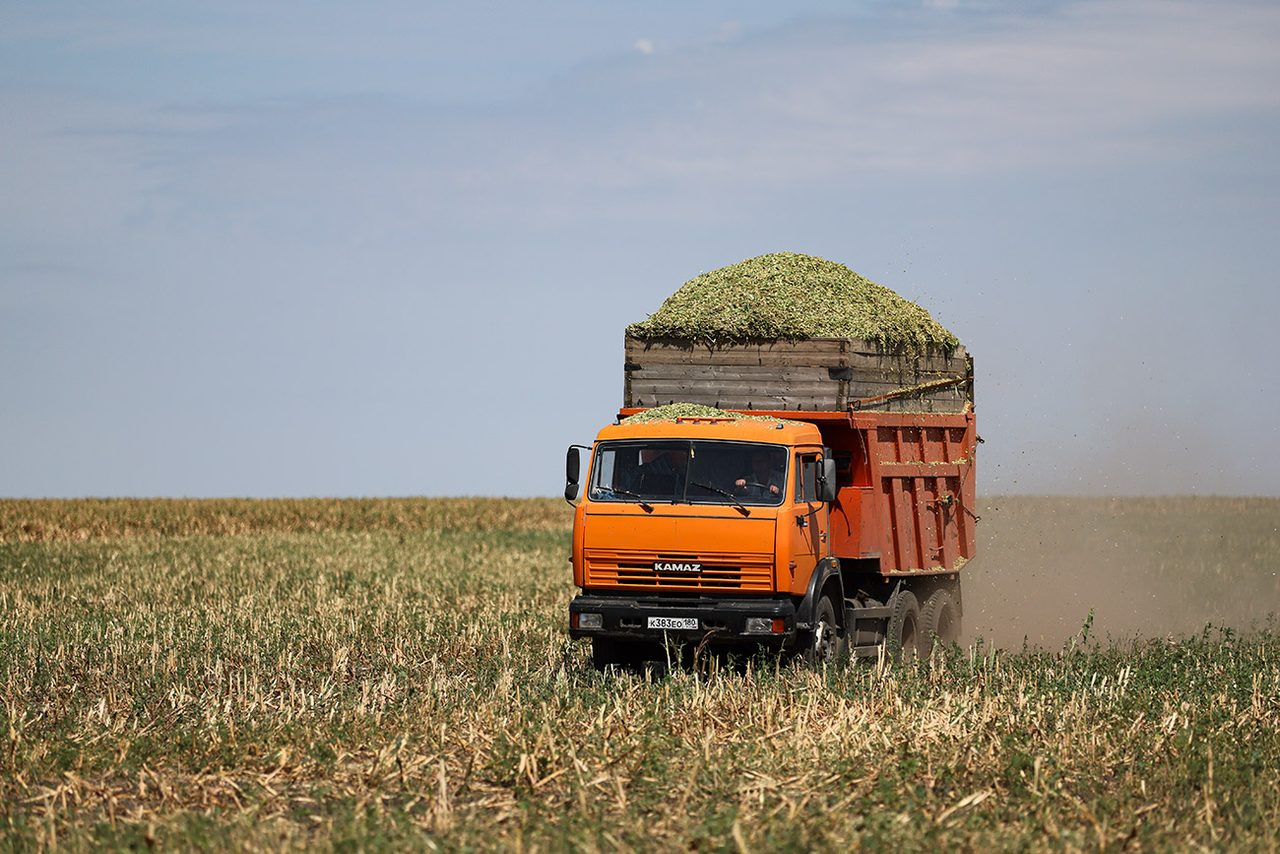 A Kamaz truck during harvesting
And even the buses and electric buses that run in many Russian cities are produced by ‘KamAZ’.
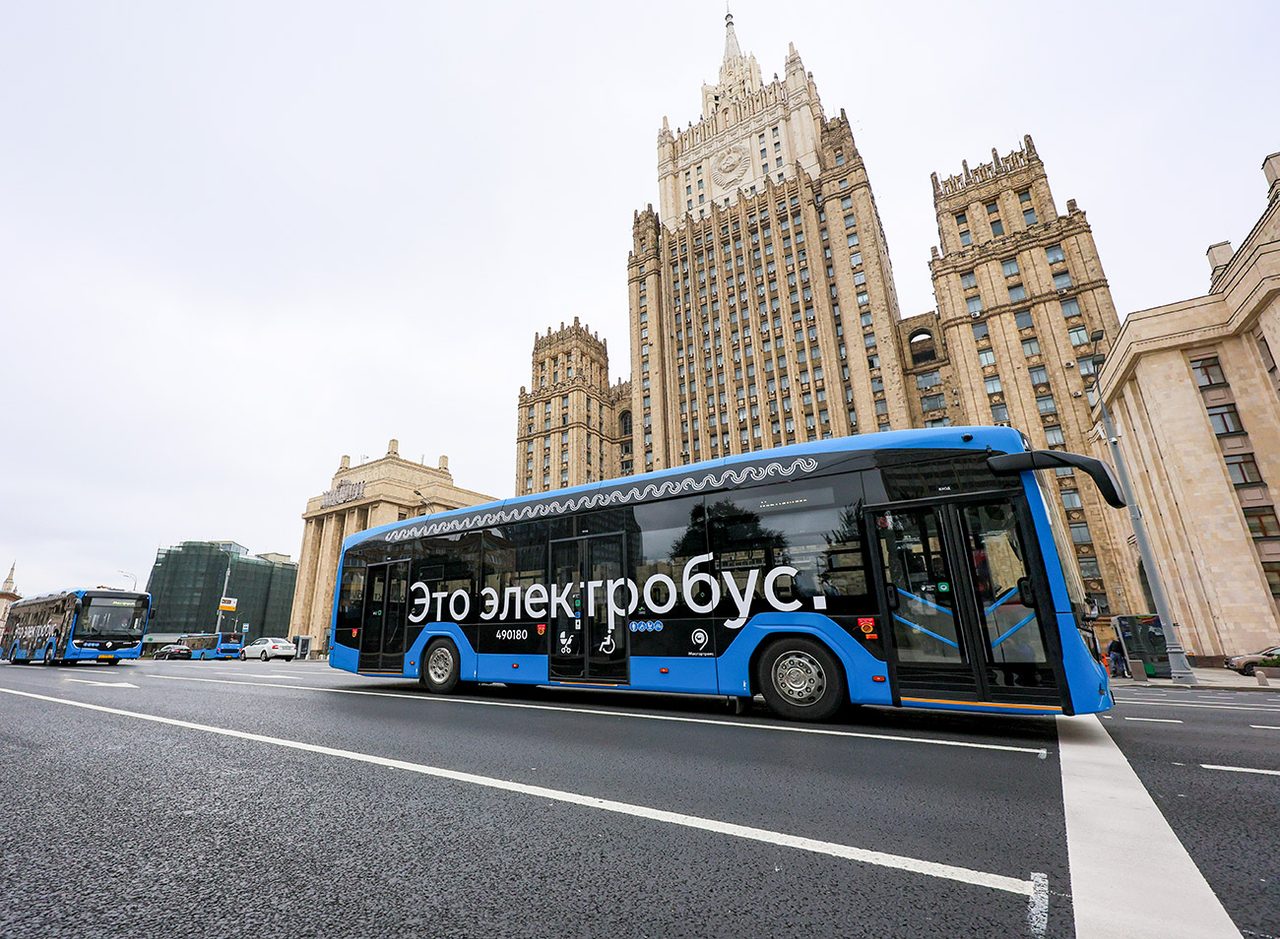 Electric bus on the Garden Ring in Moscow.
In 1993, a major fire broke out at the plant and, due to the economical crisis, it took several years to recover. But ‘KamAZ’ successfully survived that difficult period and, in 2024, the plant celebrated the production of its 2.5 millionth vehicle.
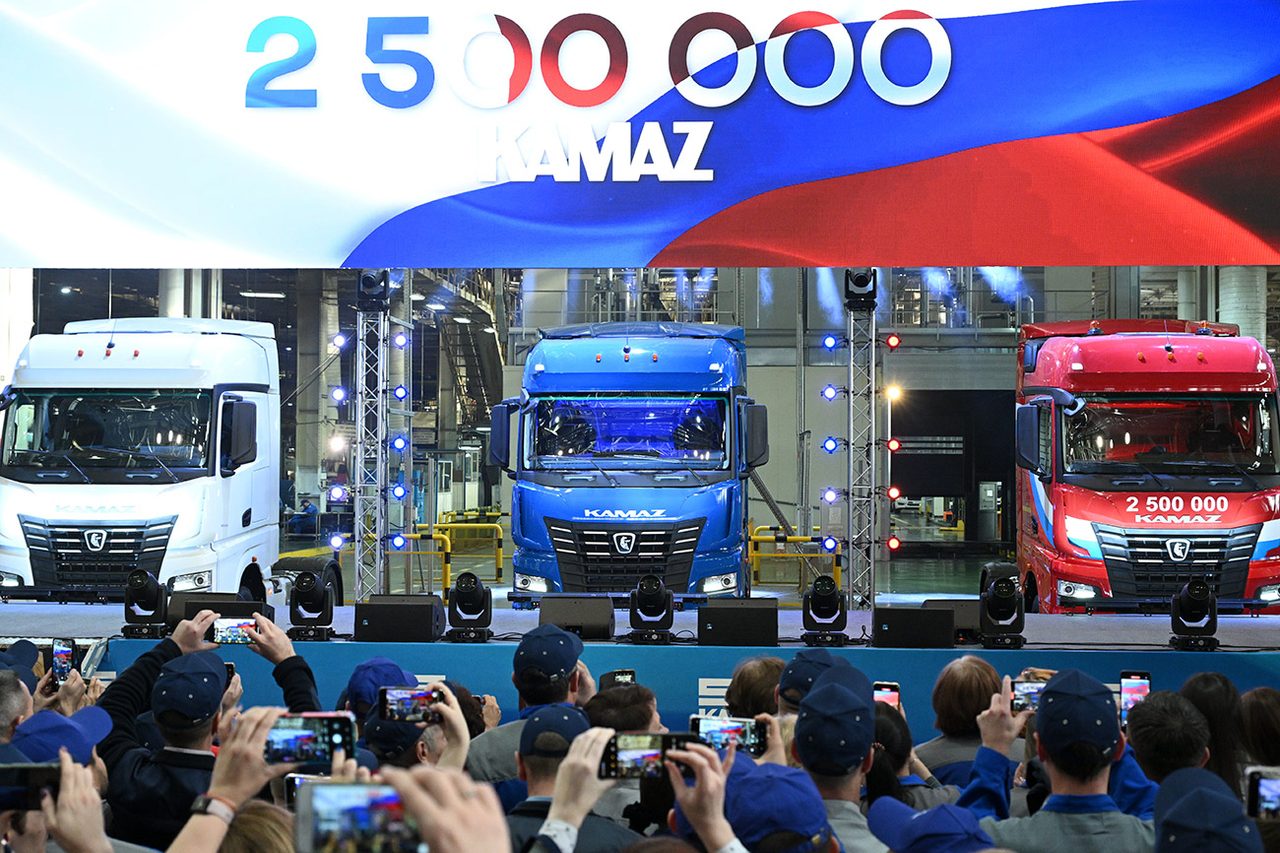 Celebrating the production of the 2.5 millionth Kamaz vehicle at the plant in Naberezhnye Chelny.
An exciting ongoing chapter in the history of ‘KamAZ’ was the trucks' participation in international racing events. In the late 1980s, ‘KamAZ’ formed its own racing team, ‘KamAZ-Master’.
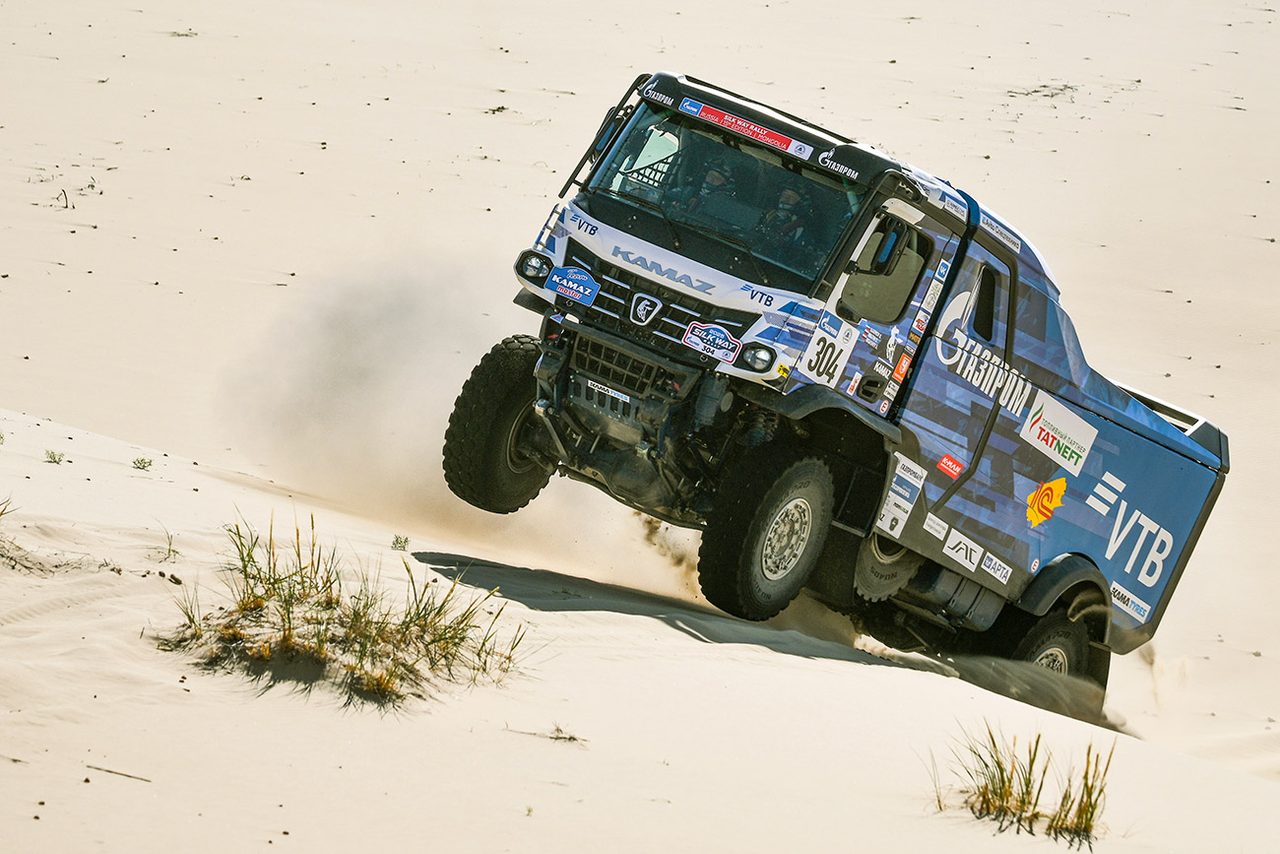 Crossing the desert
In the early 1990s, ‘KamAZ-Master’ began competing in the international ‘Dakar Rally’ and has since won it 19 (!) times, becoming one of the most decorated teams in the world.
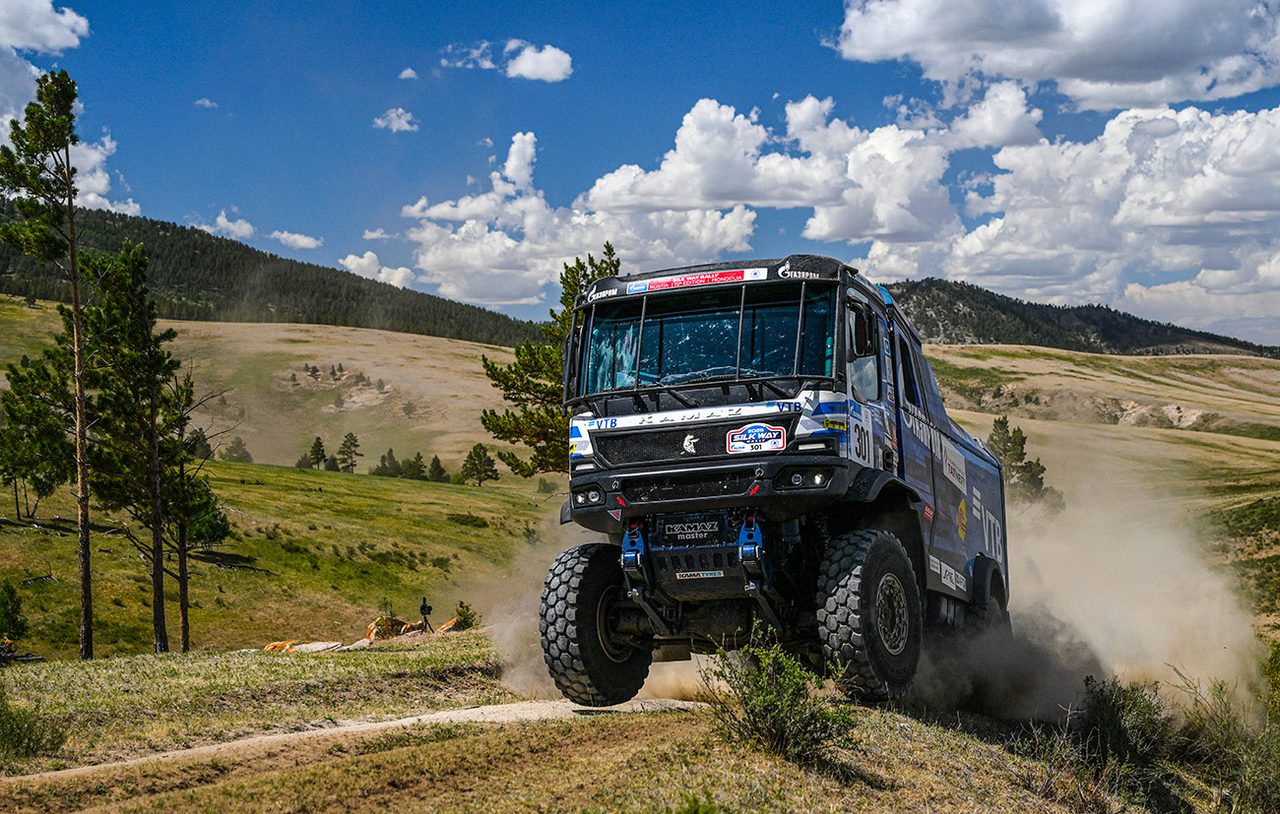 Kamaz master motorsport team in the 4th stage of 2025 Silk Way Rally
In February 2026, ‘KamAZ’ celebrated its 50th anniversary. Today, ‘KamAZ’ trucks can be found not only in Russia and the post-Soviet space, but also in many countries around the world, where the trucks have been delivered for many years.
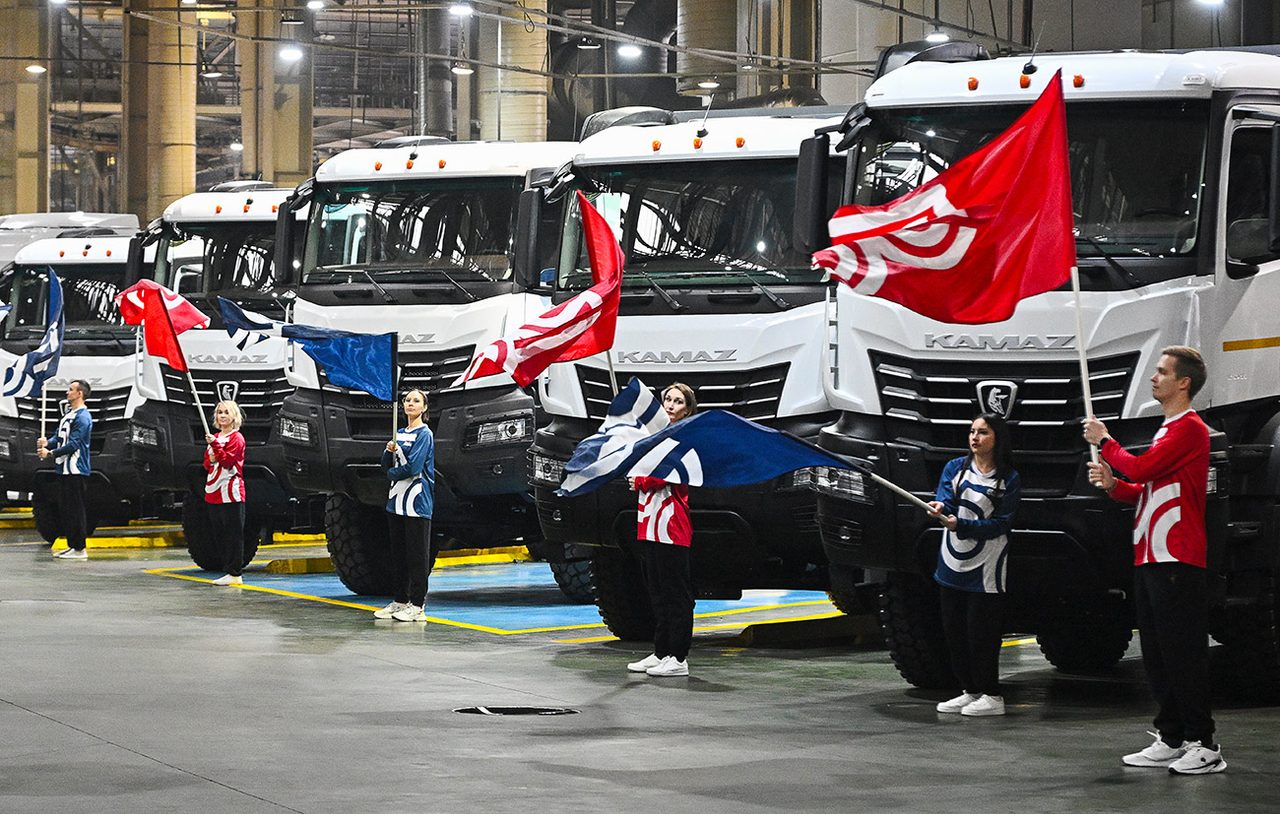 Kamaz celebrates its 50h anniversary