
7 striking examples of Brutalism in Soviet architecture (PHOTOS)

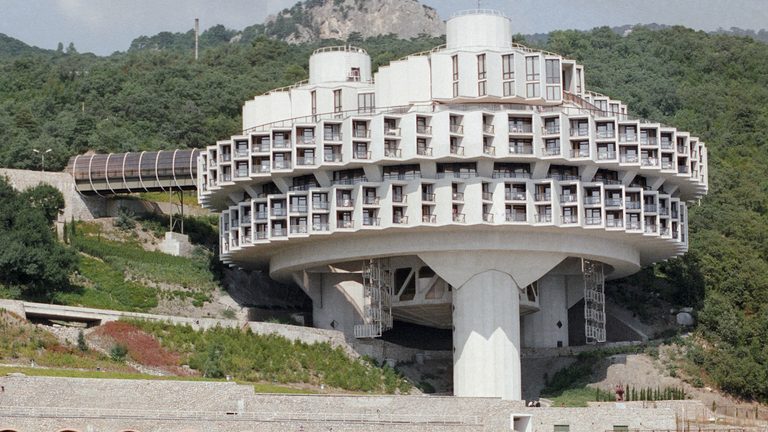
The construction boom of the 1960s–1970s demanded maximally functional and inexpensive buildings. The solution was simple, reinforced concrete monolithic structures.
The main distinguishing feature of this architectural style is not its brutal appearance, but rather the raw concrete, literally from the French ‘béton brut’.
In the USSR, the style emerged in the 1960s, when, after Stalin's death, new General Secretary Nikita Khrushchev set a course for the “elimination of excesses in design and construction”. Minimal decoration and raw, reinforced concrete became extremely popular in the Soviet Union.
Below are some examples of Soviet brutalism.
1. Chuvash State Opera and Ballet Theater, Cheboksary
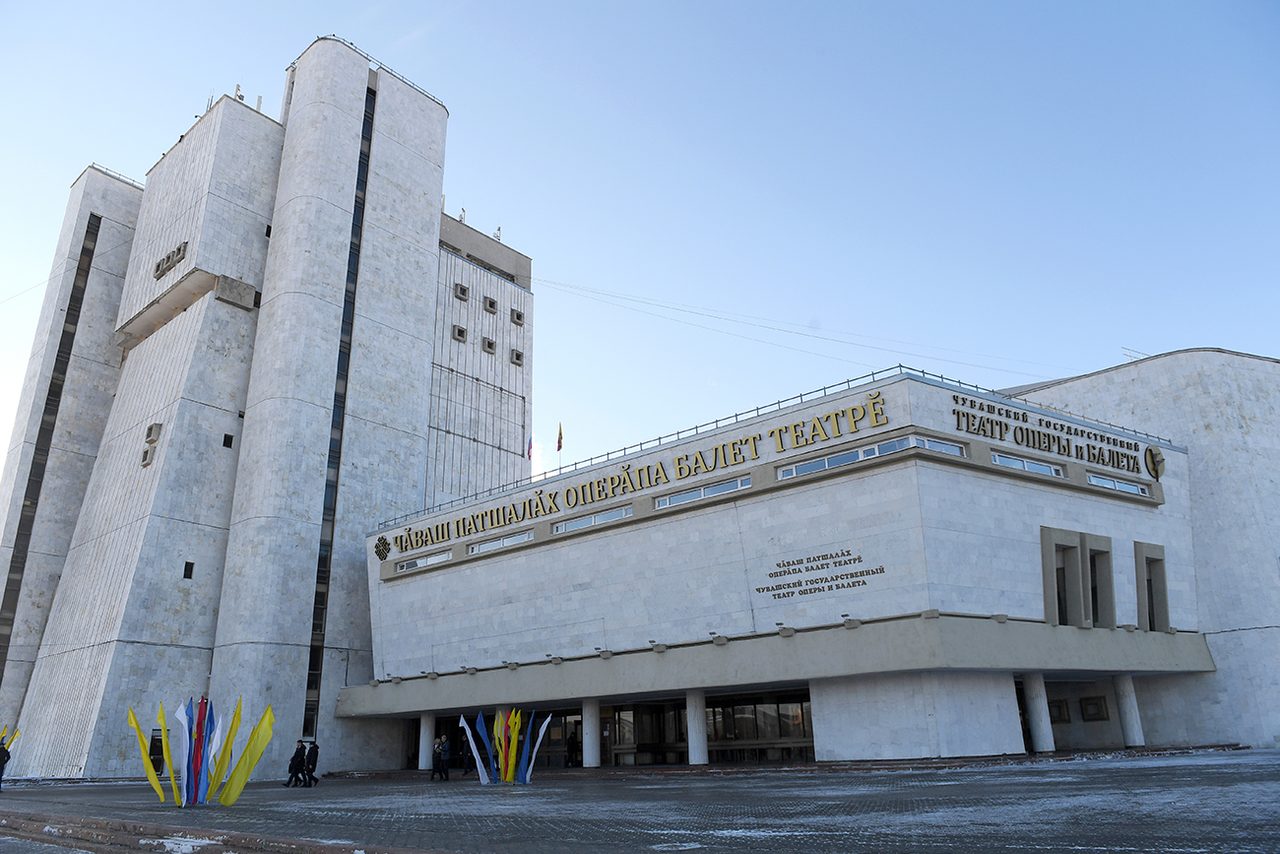
This building complex was completed in 1985. Architects Ruben Begunts and Victoria Teneta received a State Prize for the project.
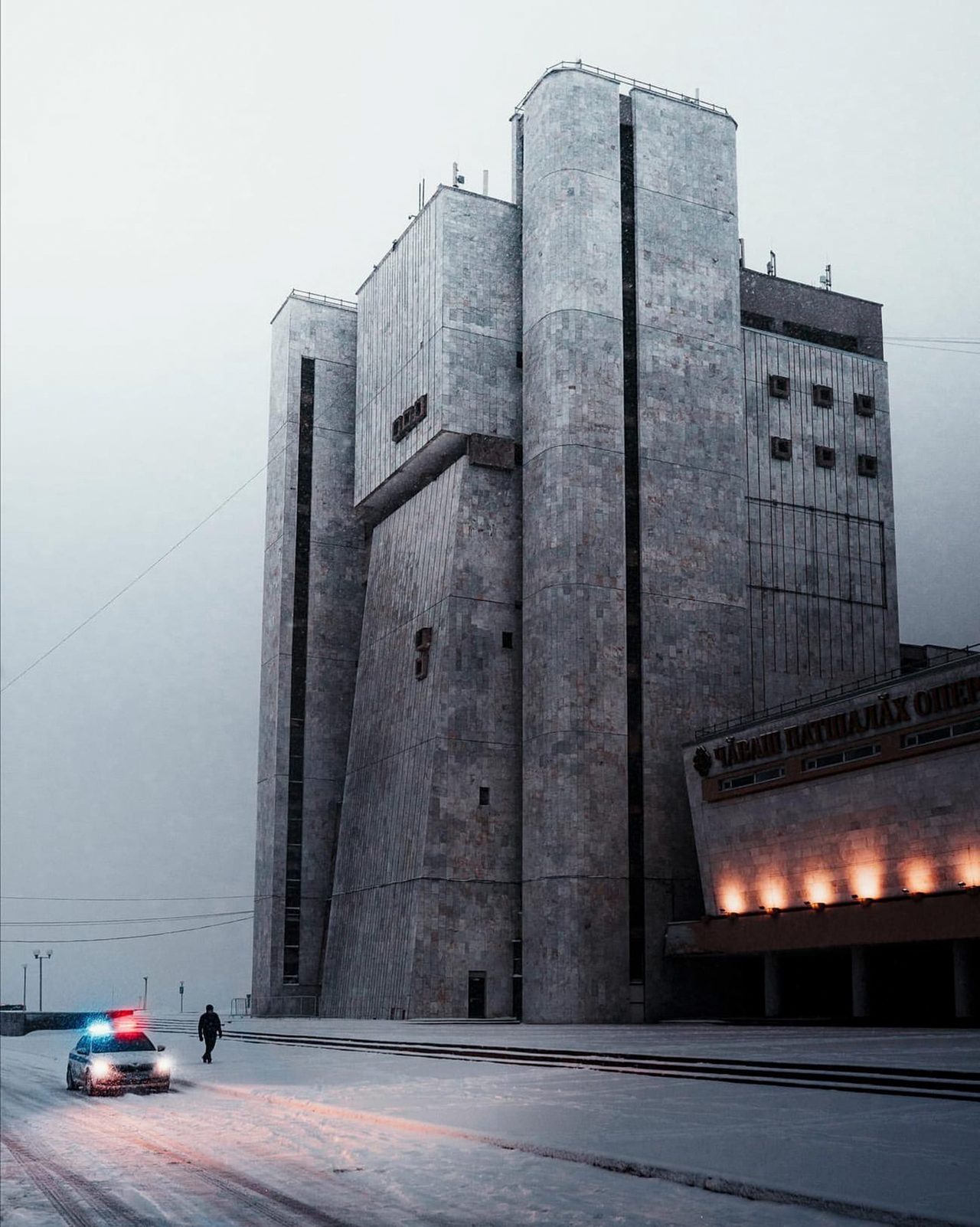
The theater's futuristic silhouette went viral on the Internet, with users creating collages and memes, fantasizing that the theater resembles a spaceport for Darth Vader in ‘Star Wars’.
2. Novgorod Academic Drama Theater
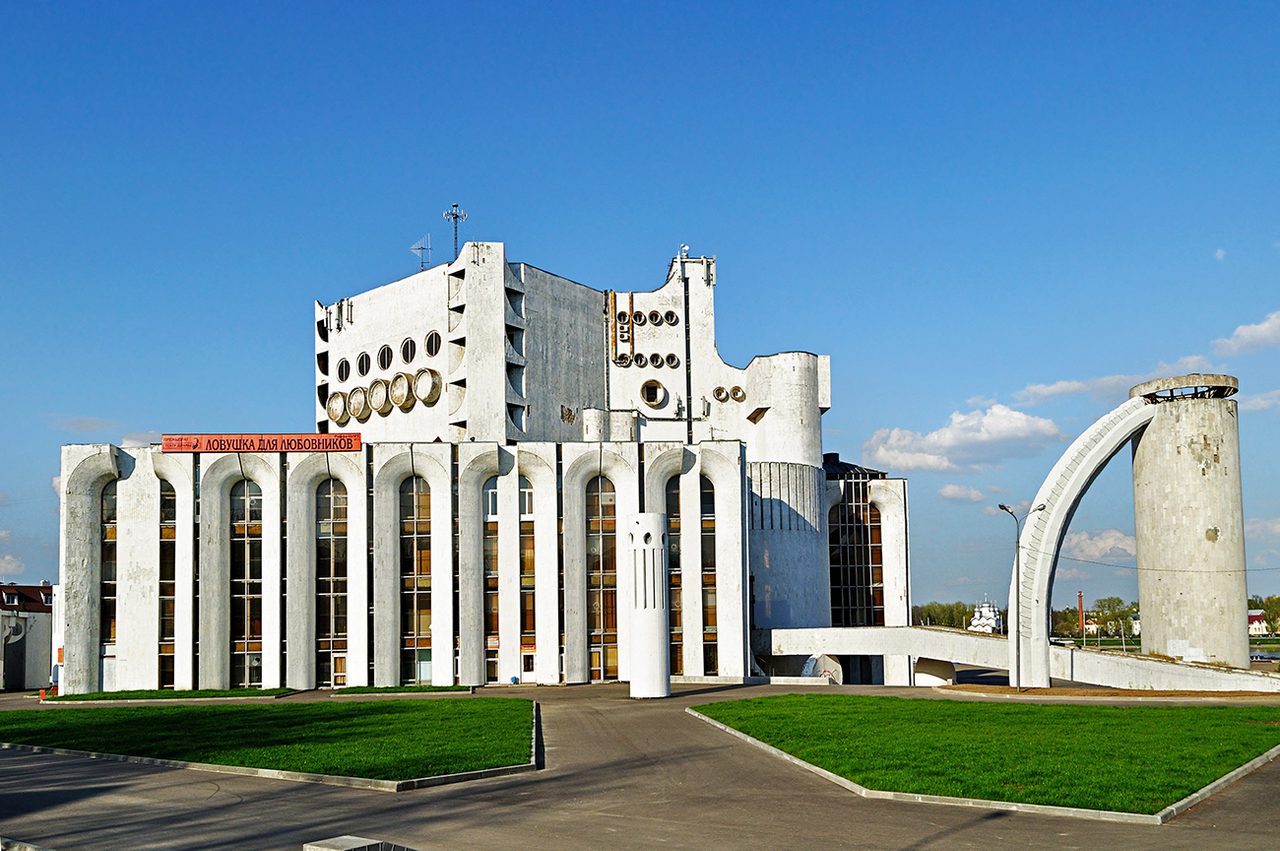
This theater, built in 1987, has also been compared to a spaceship. According to architect Vladimir Somov, the theater was meant to fit into the architectural ensemble of ancient Veliky Novgorod. The series of concrete arches was inspired precisely by the city's church architecture.
3. Central Research Institute of Robotics & Technical Cybernetics, St. Petersburg
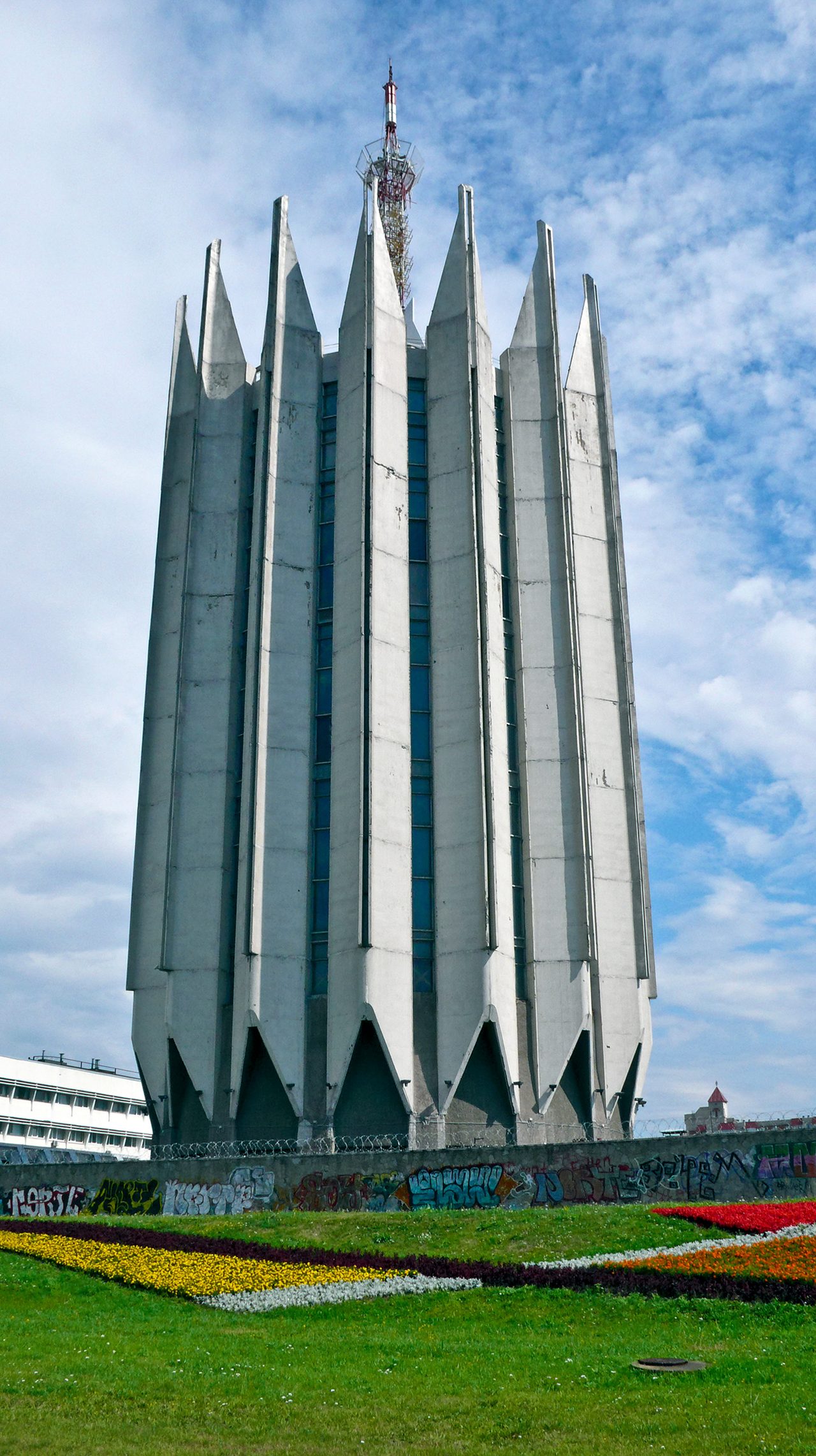
This tower-laboratory for testing space technology was built in the late 1970s – early 1980s by architects Boris Artyushin and Stanislav Savin. Locals call the 77-meter structure nothing other than the ‘Tulip Building’.
4. Institute of Bioorganic Chemistry in Moscow
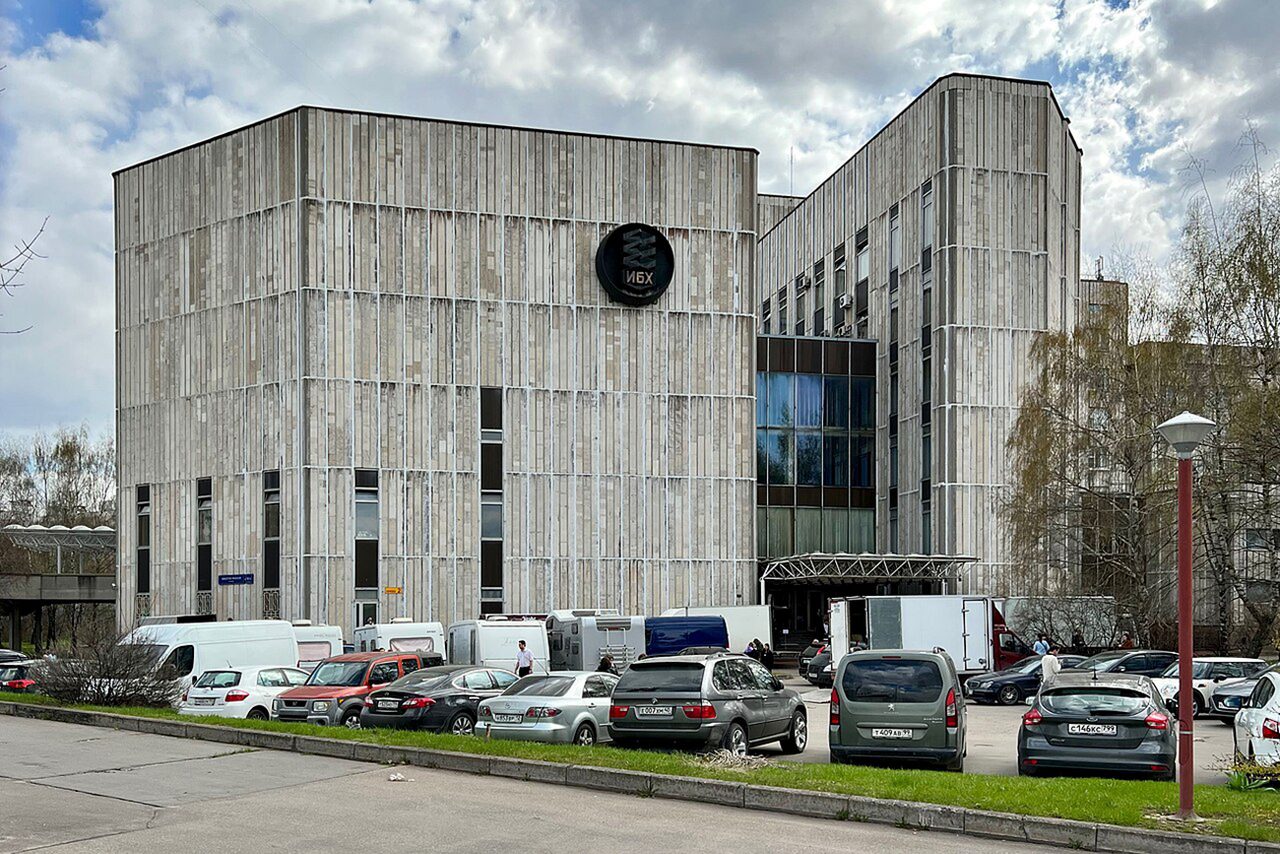
The building, constructed between 1976 and 1984, is popularly known as the ‘Molecule’. An ordinary passerby will only see the monumental concrete facade. But, in fact, architect Yuri Platonov designed the institute's buildings in the shape of a DNA helix.
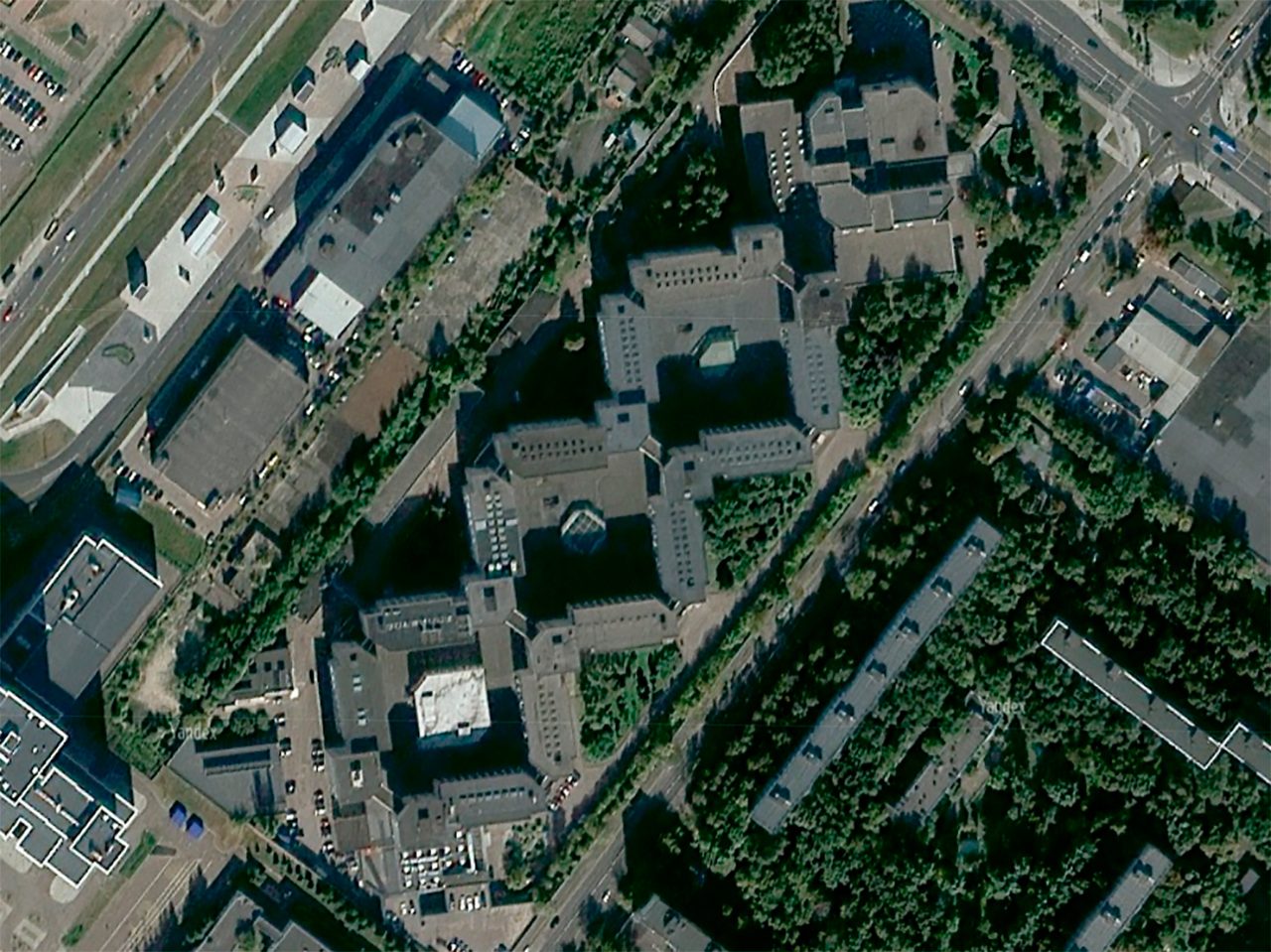
This is only visible in aerial photographs.
5. N. N. Blokhin Cancer Research Center, Moscow
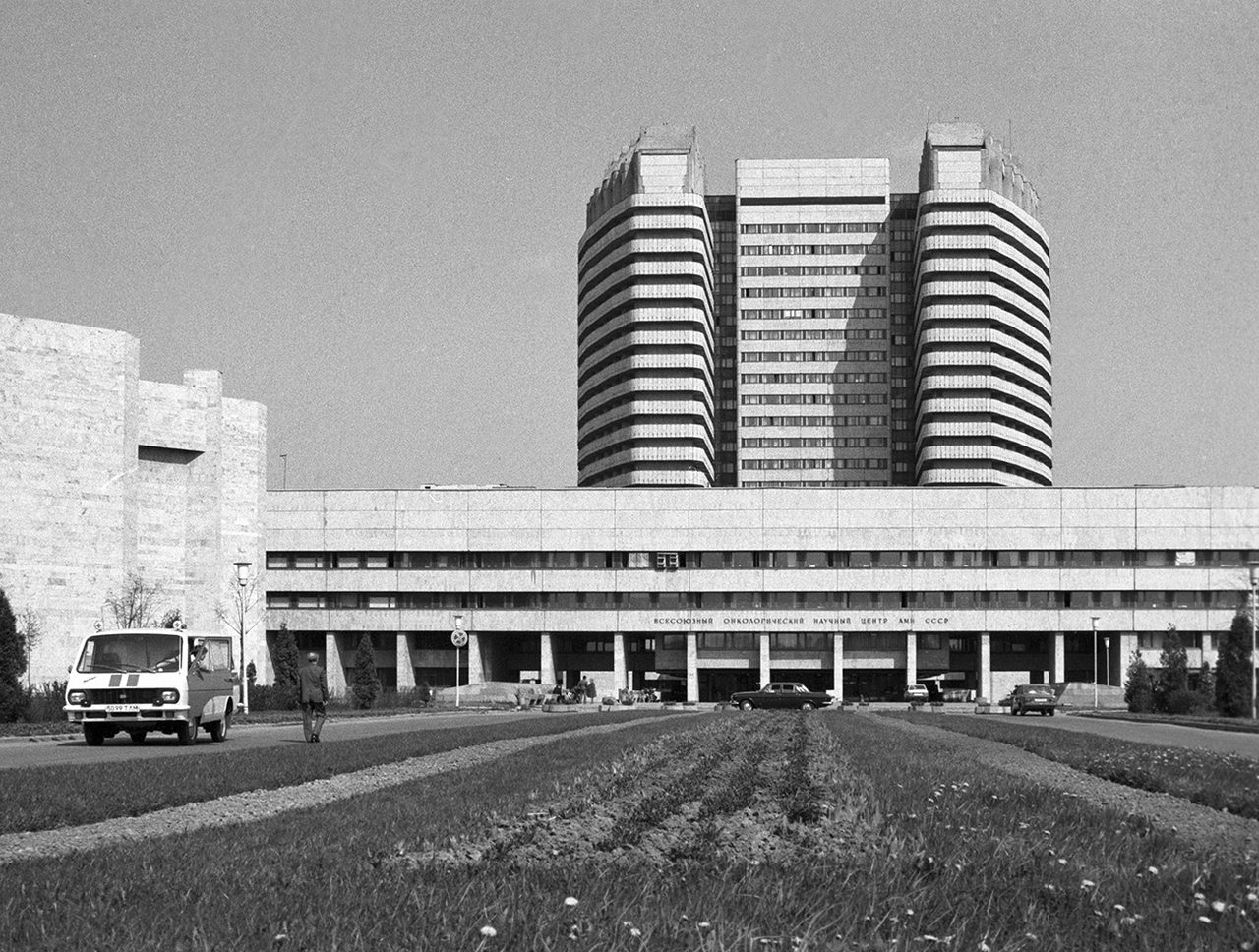
The advanced hospital and research center was built in the 1970s according to a design by a group of architects. The brutalist building turned out to be quite heavy and massive, unsettling local residents. However, its grim reputation was also influenced by the severity of the diseases treated there.
6. Aviators' House on Begovaya Street, Moscow
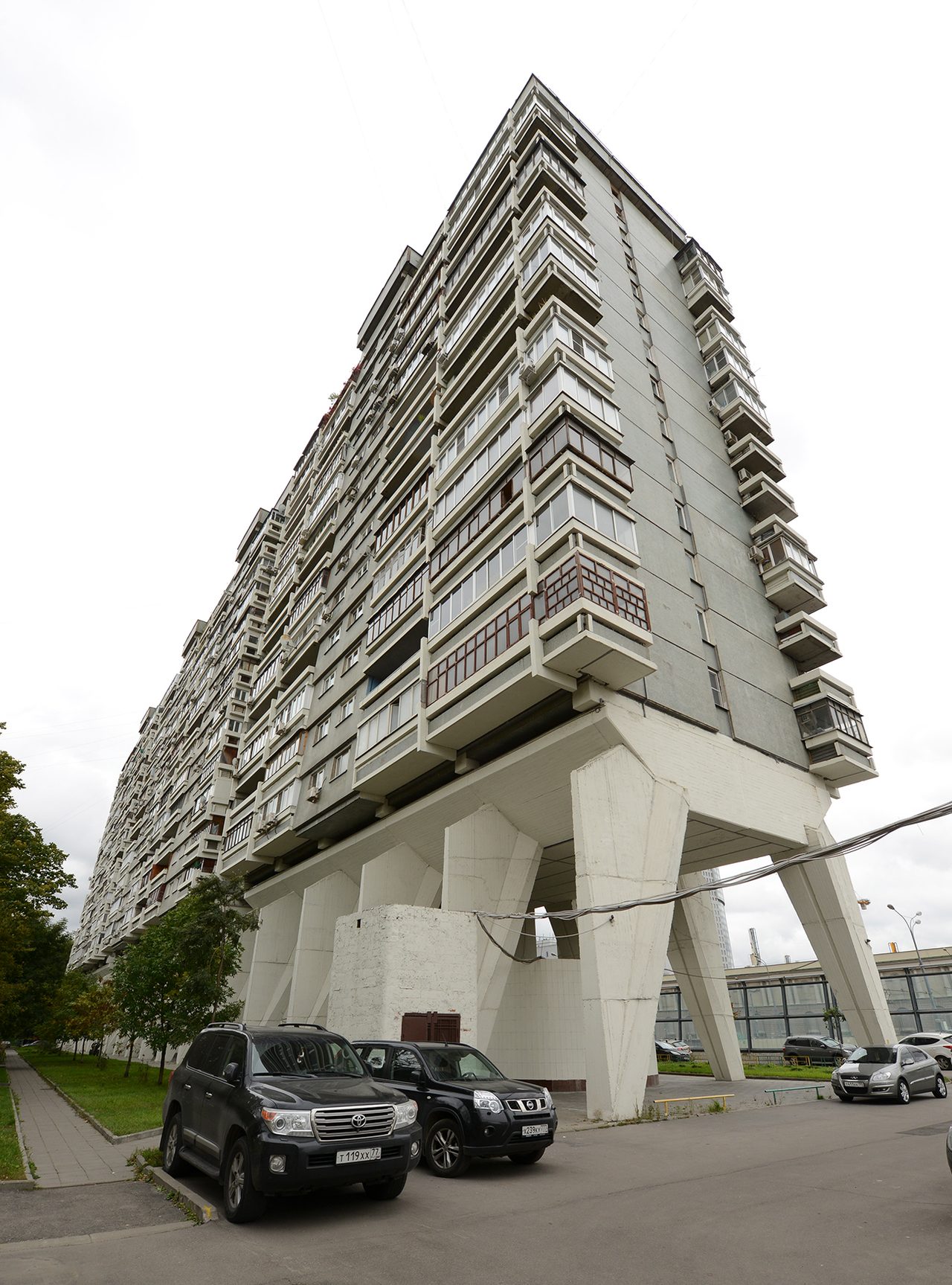
Locals call it the ‘Centipede’ or the ‘House on Legs’. Architect Andrei Meyerson had prepared the project as a hotel for guests of the 1980 Olympics, but the 1978 building was, instead, transformed into an apartment block for workers of the aircraft plant.
The idea of buildings on concrete supports was not new – constructivist architects had used it back in the 1920s. In this case, the main functional reason for this solution was to allow air from the exhaust fumes of Leningradsky Prospekt, which the building adjoins, to ventilate.
7. ‘Druzhba’ Sanatorium in Yalta
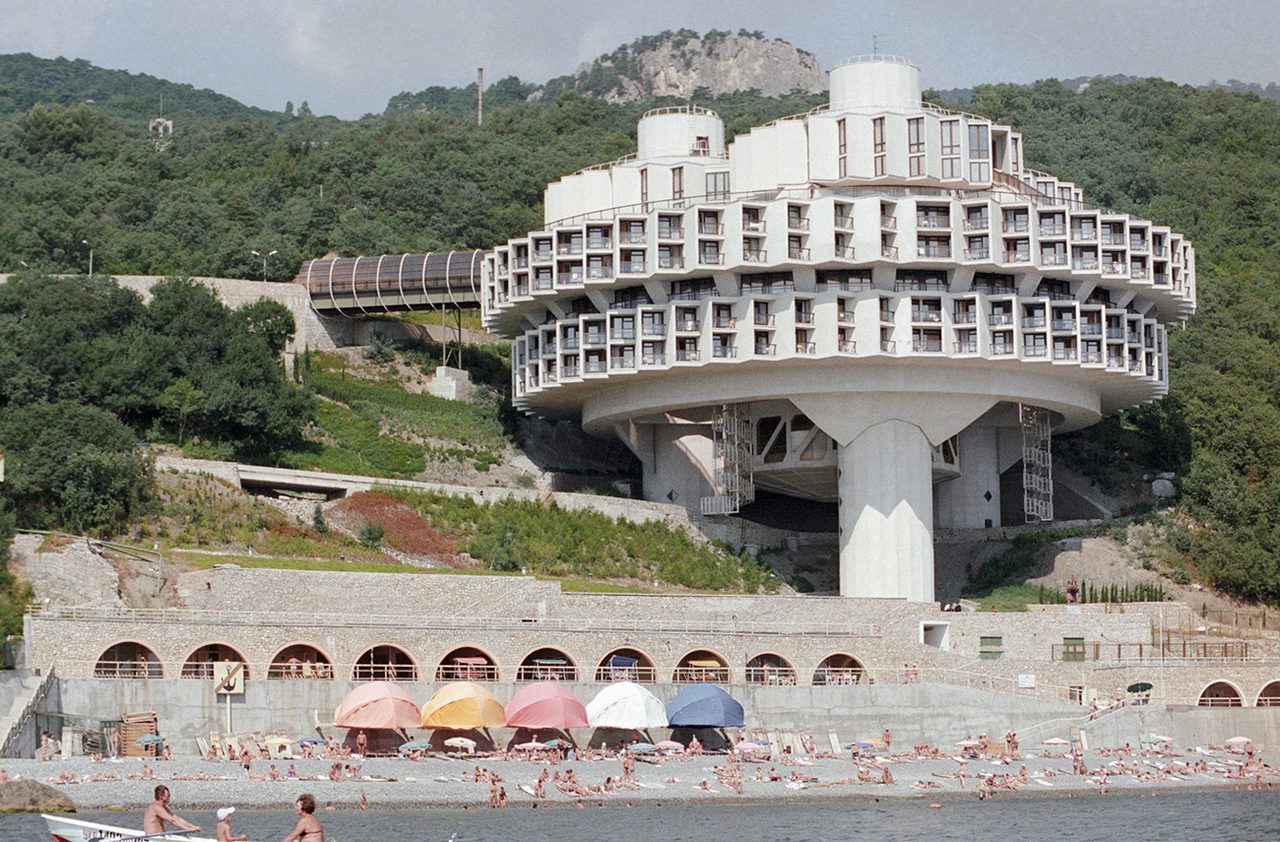
This building on the rocky Crimean coast is nicknamed as the ‘Flying Saucer’. To solve the complex landscape challenge, architect Igor Vasilevsky placed his reinforced concrete structure on three massive supports. The abundance of “honeycomb” windows somewhat lightens the brutalist appearance of the building.