
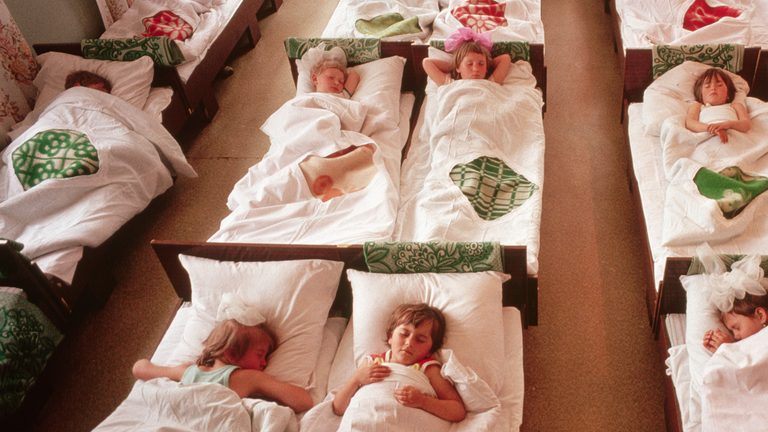
10 foreign leaders who traveled around the USSR
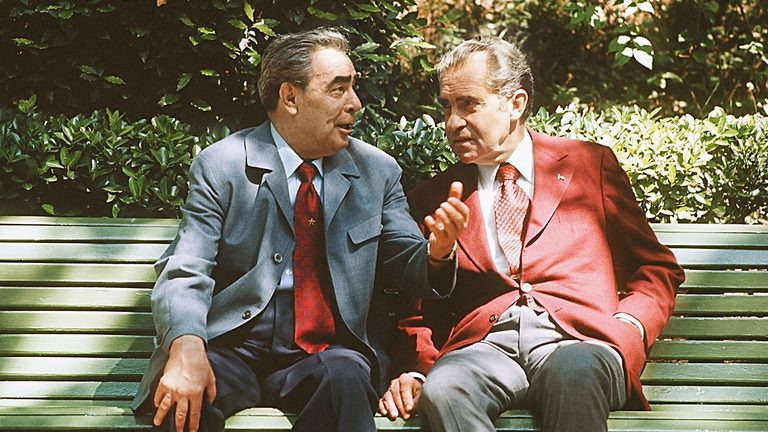
Not negotiations in the Moscow Kremlin, but a hike in the mountains! Where else did high-ranking politicians go during their visit behind the Iron Curtain?
1. Amanullah Khan, Afghanistan
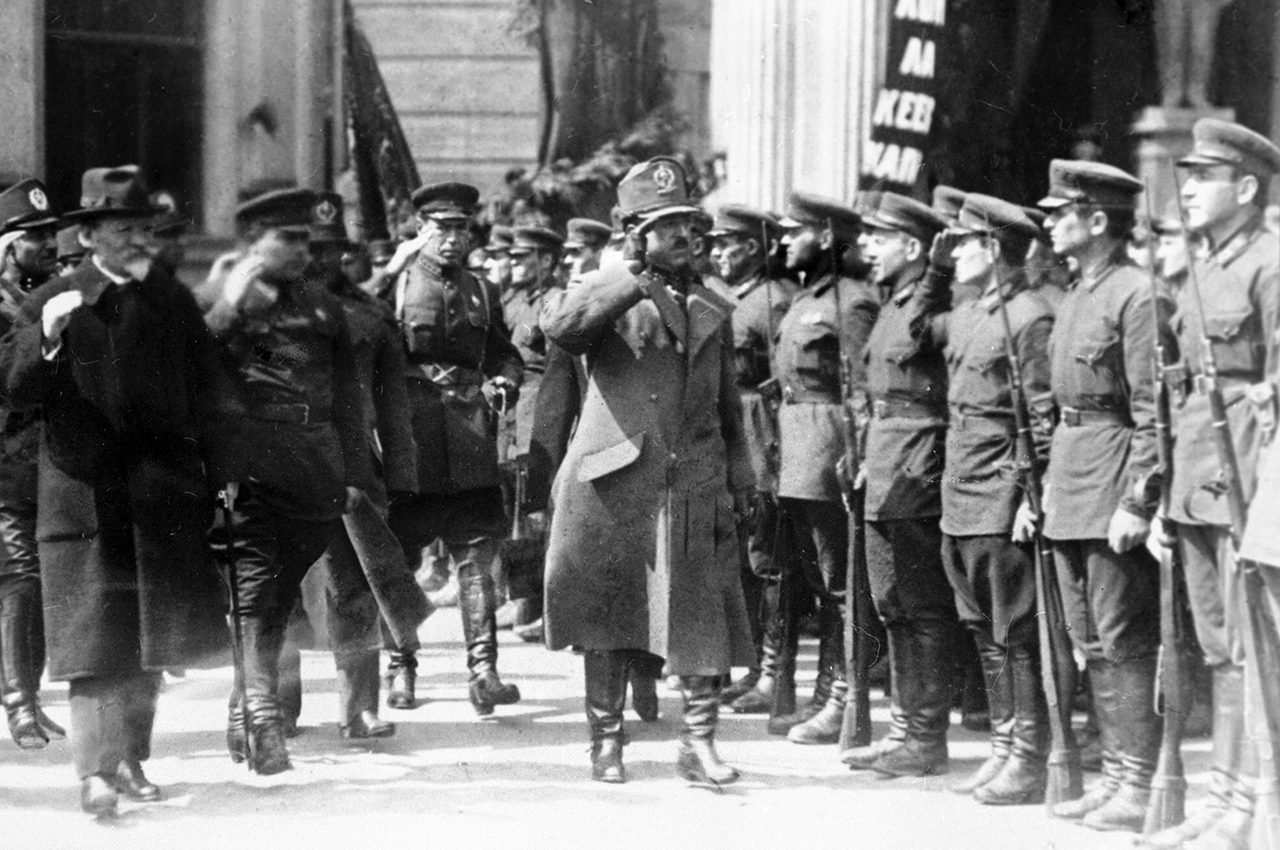
In late 1927, the King of Afghanistan became the first foreign leader to visit the Soviet Union. A mansion on Sofiyskaya Embankment in Moscow was specially prepared for him and Joseph Stalin invited Amanullah to a "men's dinner" in the Kremlin. During his week in the capital, he visited the Mausoleum, the Bolshoi Theater, the Trekhgornaya Manufactory and a defense plant in the Moscow suburbs.
In Leningrad (now St. Petersburg), the Afghan monarch stayed at the Winter Palace, in the apartments of Alexander II. However, the former imperial residence did not impress him.
In Crimea, Amanullah behaved like an ordinary tourist: he explored Bakhchisaray, drove behind the wheel of a car himself and happily chatted with the locals. The final stop on his journey was Georgia, where the king relaxed on the beach and visited a tea plantation.
2. Jawaharlal Nehru, India
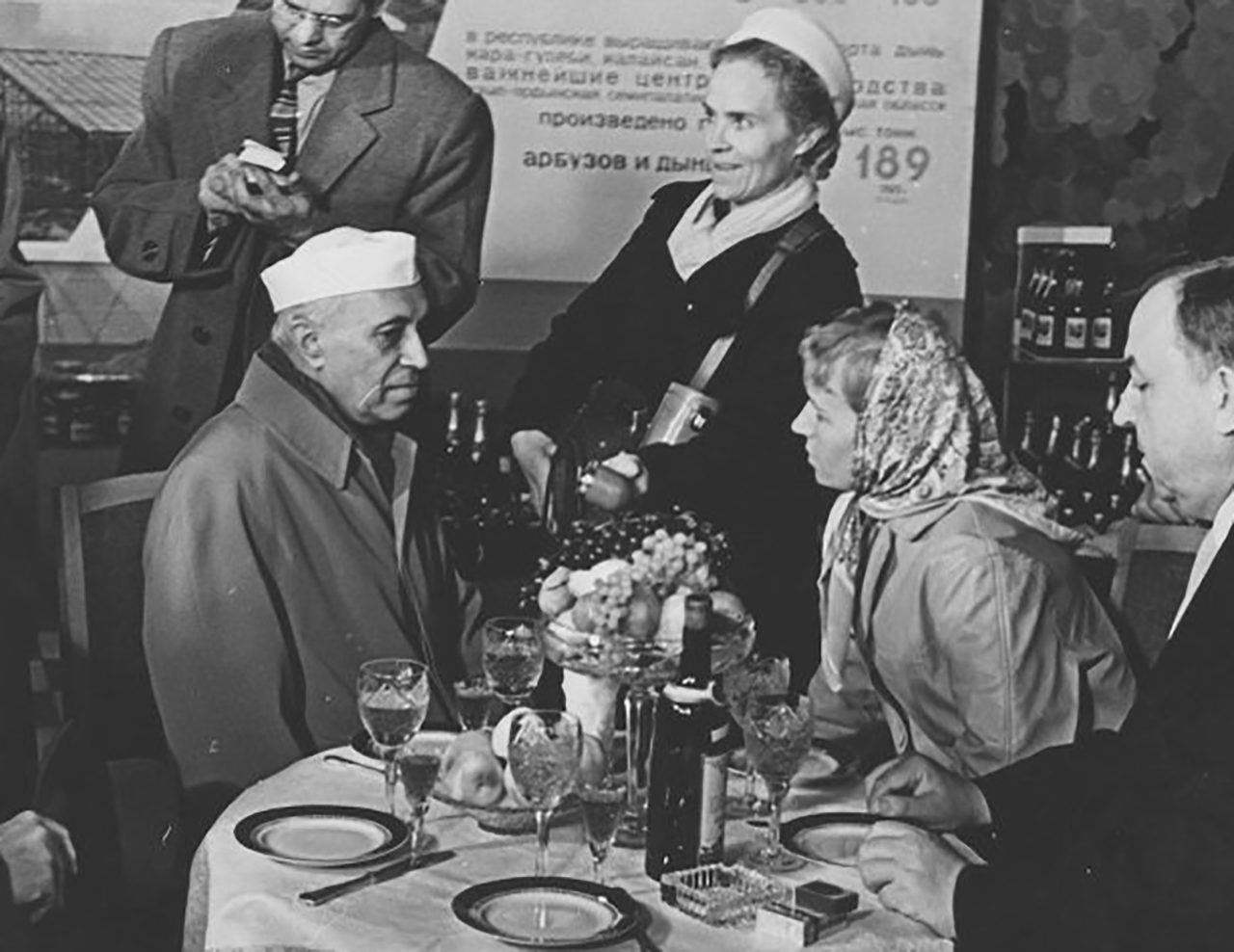
Along with his daughter Indira, Jawaharlal Nehru spent 16 days in the USSR. During that time, they traveled almost the entire country, visiting Moscow, Stalingrad (now Volgograd), Yalta, Tbilisi, Tashkent, Leningrad (now St. Petersburg), Sverdlovsk (now Yekaterinburg), Magnitogorsk and Samarkand. In Altai, Nehru studied the development of virgin lands and received a small bag of grains from the local harvest as a gift. And, in Rustavi, he toured a local steel mill.
3. Gamal Abdel Nasser, Egypt
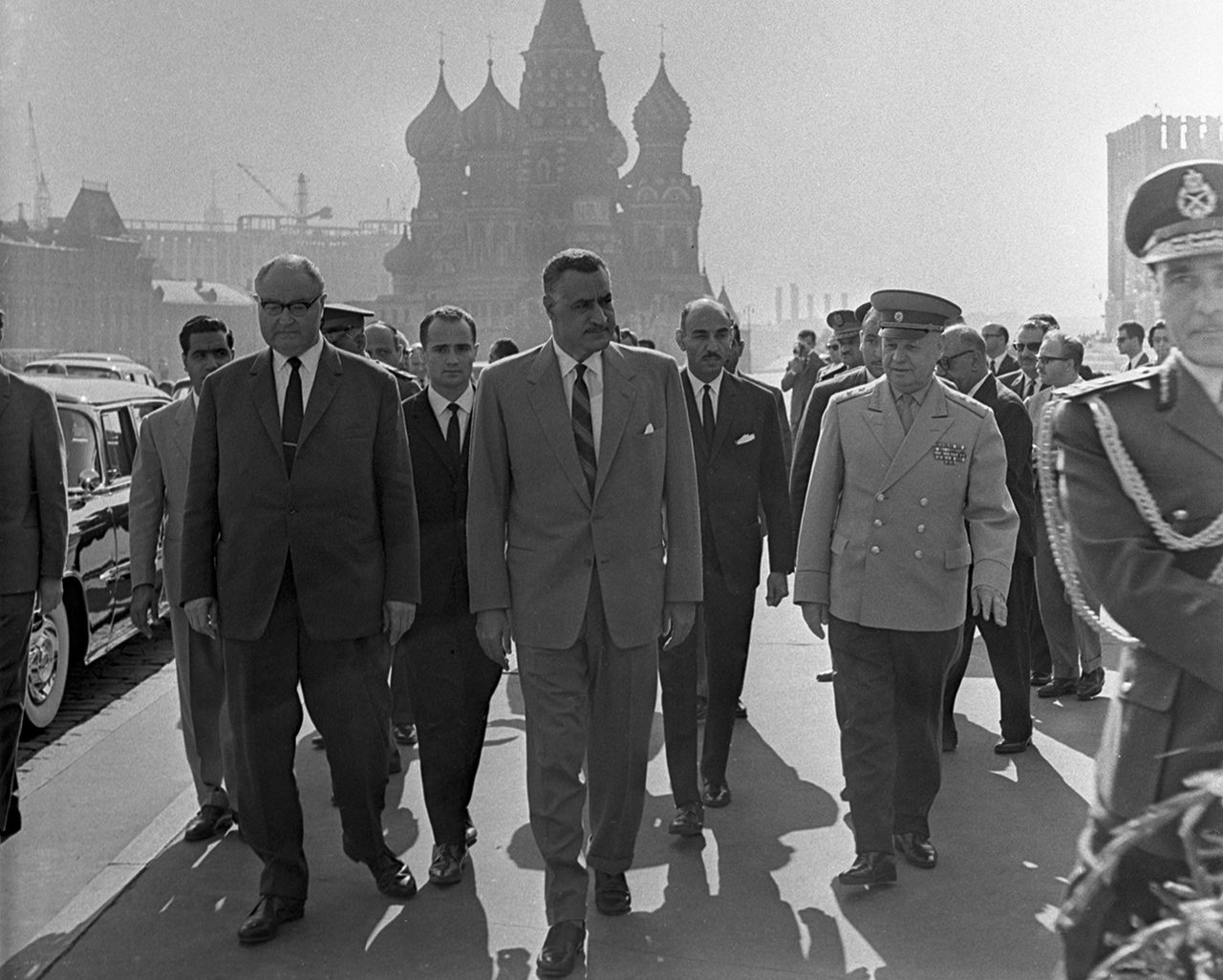
The Egyptian president visited seven times. In 1958, he became the first leader of an Arab state to visit the USSR. His interest extended beyond the usual attractions of Moscow. Nasser visited the nuclear center in Dubna near Moscow, stopped by the newly opened ‘Mir’ movie theater – which had the world's largest screen at the time – and then embarked on a tour of the Soviet republics. He was welcomed in Sukhumi, Tashkent, Sochi, Zaporizhzhia, Kiev, Leningrad (now St. Petersburg) and Stalingrad (now Volgograd). Later, the Egyptian leader returned several times, not for talks or negotiations, but for medical treatment: to a sanatorium (heath resort) in Barvikha and to the radon springs in Tskhaltubo, Georgia.
4. Harold Macmillan, United Kingdom
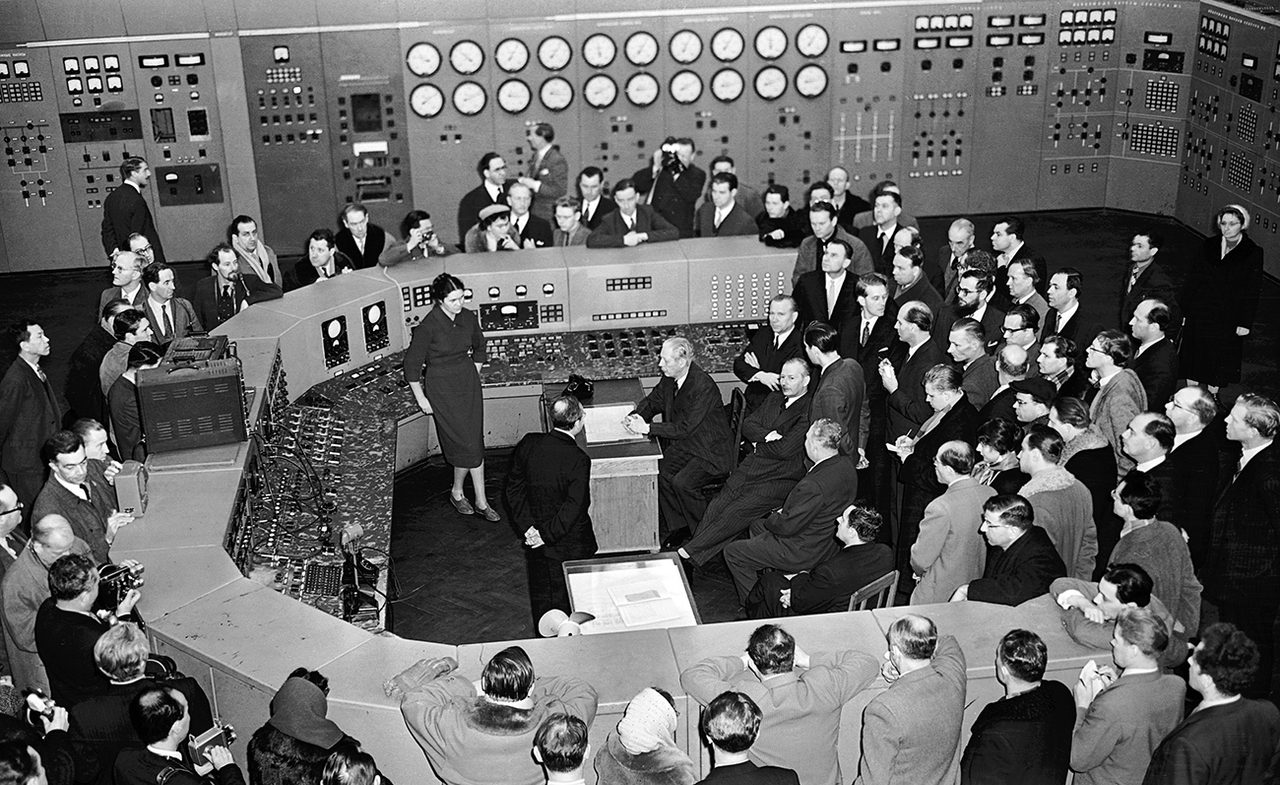
In Winter 1959, a man wearing a strange white fur hat – something between a hussar's ‘shako’ and a ‘papakha’ – stepped off a plane that had landed at Vnukovo Airfield. It was British Prime Minister Harold Macmillan. Foreign journalists joked that the British politician looked more Russian than the Russians themselves. He spent 10 days in the country. He vacationed at Stalin's ‘Dalnaya’ dacha (country house) in Semyonovskoye and visited a stud farm near Moscow with Khrushchev, where he rode a Russian ‘troika’. He then traveled to Leningrad (now St. Petersburg), where he toured the Admiralty Shipyard and observed the elections of the Supreme Soviet, surprised that there was only one candidate on the ballot. Almost every evening, Macmillan was taken to the theater to see the ballet. The politician lamented in his diaries an overly diligent clerk, because of whom he was forced to sit for hours at the theater, although he would have much rather attended a Russian circus performance.
5. Fidel Castro, Cuba
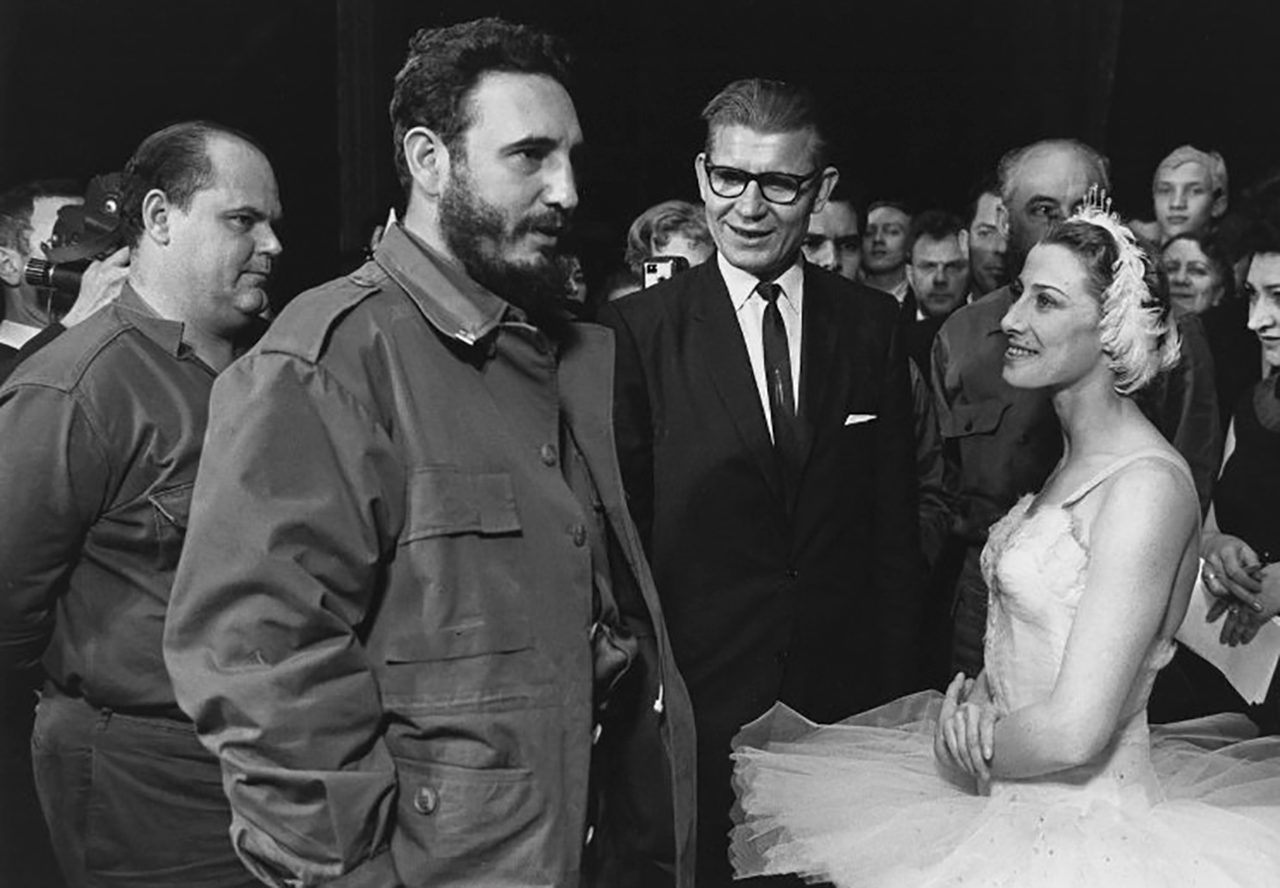
The Cuban leader didn't waste time on trivialities: his first visit to the Soviet Union (he visited a total of 10 times) lasted 40 days! It didn’t begin in Moscow, as one might expect, but in Murmansk. There, he went skiing for the first time and tried fish pelmeni (dumplings). And then, he set off on a journey across the entire country. In Moscow, Castro spoke from the Mausoleum – never before had a foreign leader been accorded such an honor. He went hunting in Zavidovo, saw ‘Swan Lake’, chatted with Maya Plisetskaya at the Bolshoi Theater and vacationed on the Black Sea coast of the Caucasus. The Cuban leader also visited Mamayev Kurgan in Volgograd, received a bear cub as a gift at Lake Baikal and toured a submarine base in Severodvinsk: he was the only foreign leader to see inside a Soviet intercontinental ballistic missile base. Castro tried to avoid any official events, preferring to interact with ordinary people. In the capital, he decided to take an evening stroll without security and attracted a large crowd and, in Bratsk, he treated workers to cigars.
6. Charles de Gaulle, France
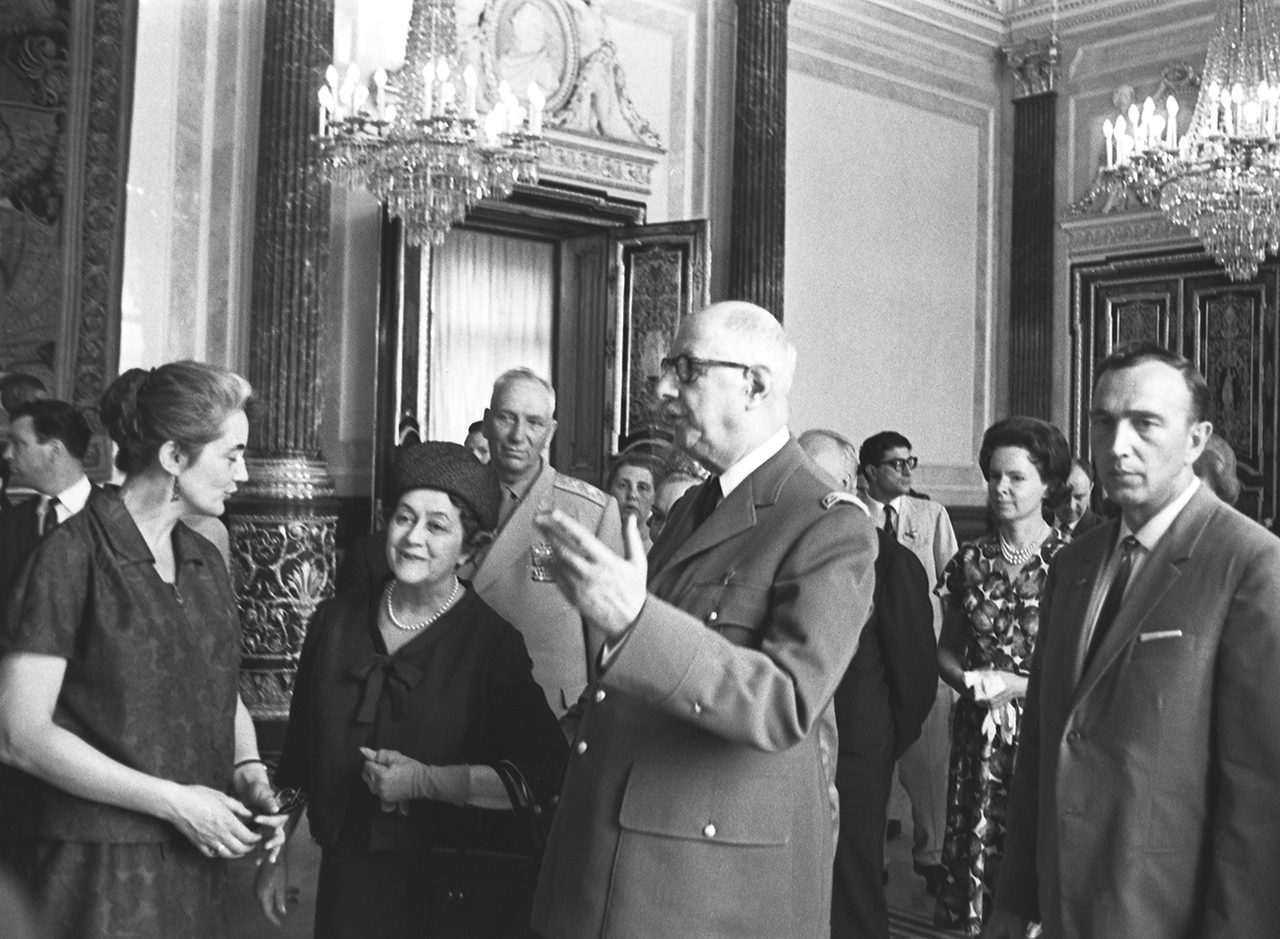
The French president had never undertaken such a lengthy trip: he spent 11 days in the USSR. De Gaulle arrived in Moscow on June 20, 1966. The Western press awkwardly joked that the French tricolor was flying over the Kremlin once again – for the first time since the fire of 1812. However, Soviet citizens were charmed: the president, in addition to the obligatory visits to the Bolshoi Theater and Moscow State University, addressed Muscovites from the balcony of the Moscow City Council. He concluded his speech with a few phrases in Russian.
From the capital, he traveled to Novosibirsk, where he stayed in a wooden house on the Ob River and became the first foreign leader to visit Akademgorodok.
At the Baikonur Cosmodrome, he observed rocket launches; in Leningrad (now St. Petersburg), he strolled through the halls of the Hermitage, and, in Stalingrad (now Volgograd), he admired the rebuilt city – he had seen it in ruins in 1944 on his way from Baku to Moscow.
7. Urho Kekkonen, Finland
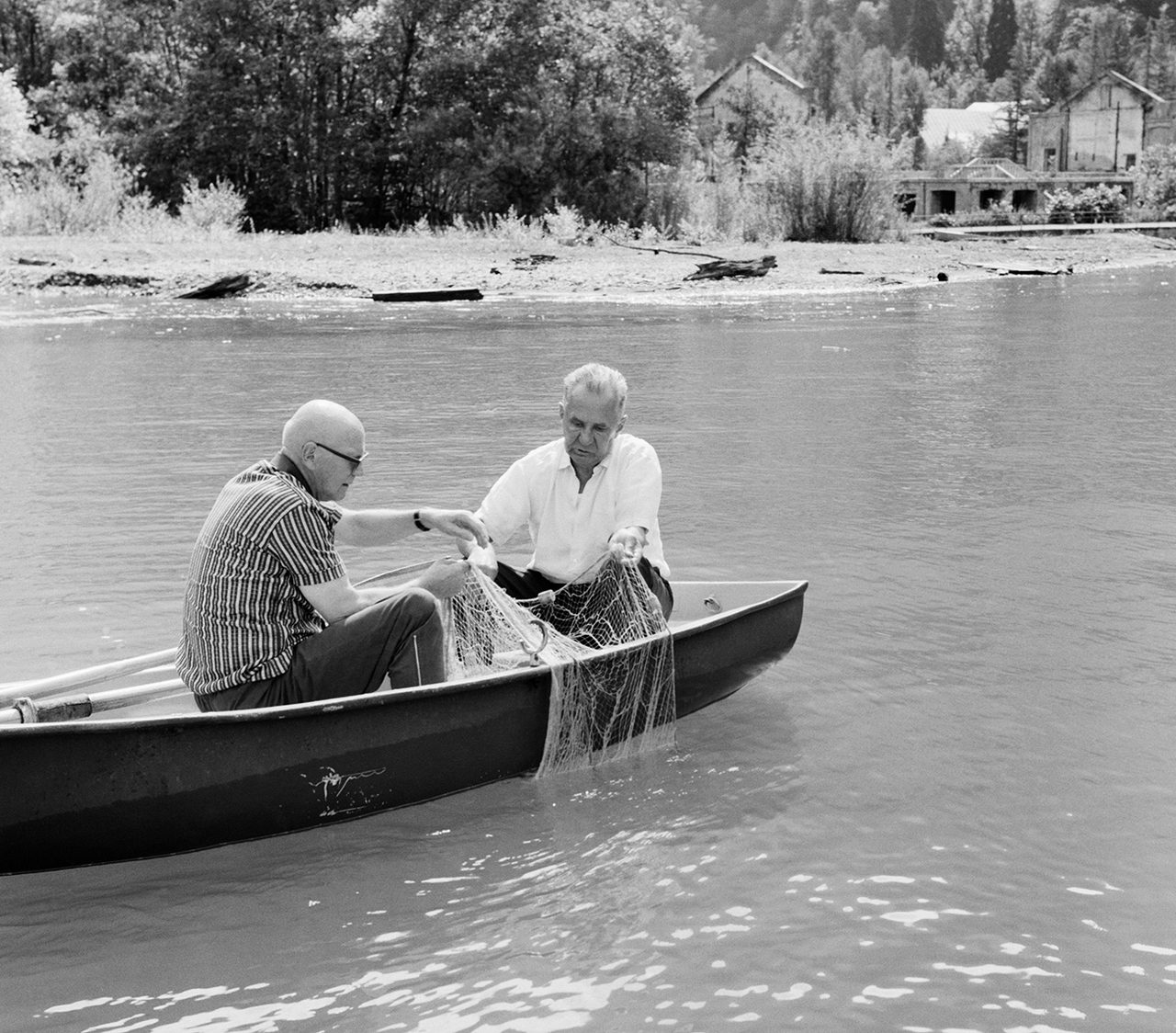
The President of Finland visited the Soviet Union many times and valued, above all, simple pleasures – the banya (Russian bathhouse), hunting and leisurely conversations. Kekkonen developed a friendly relationship with Andrei Kosygin, the then Chairman of the USSR Council of Ministers. They traveled to Lake Baikal together and, in Summer 1969, they set out on a hike across the Caucasus Mountains. The two politicians covered 200 kilometers together: they climbed the Klukhor Pass and descended to the Black Sea coast. Moreover, both high-ranking hikers were no longer young: the Finnish president was 69 at the time, while the Chairman of the Council of Ministers was 65.
8. Willy Brandt, West Germany
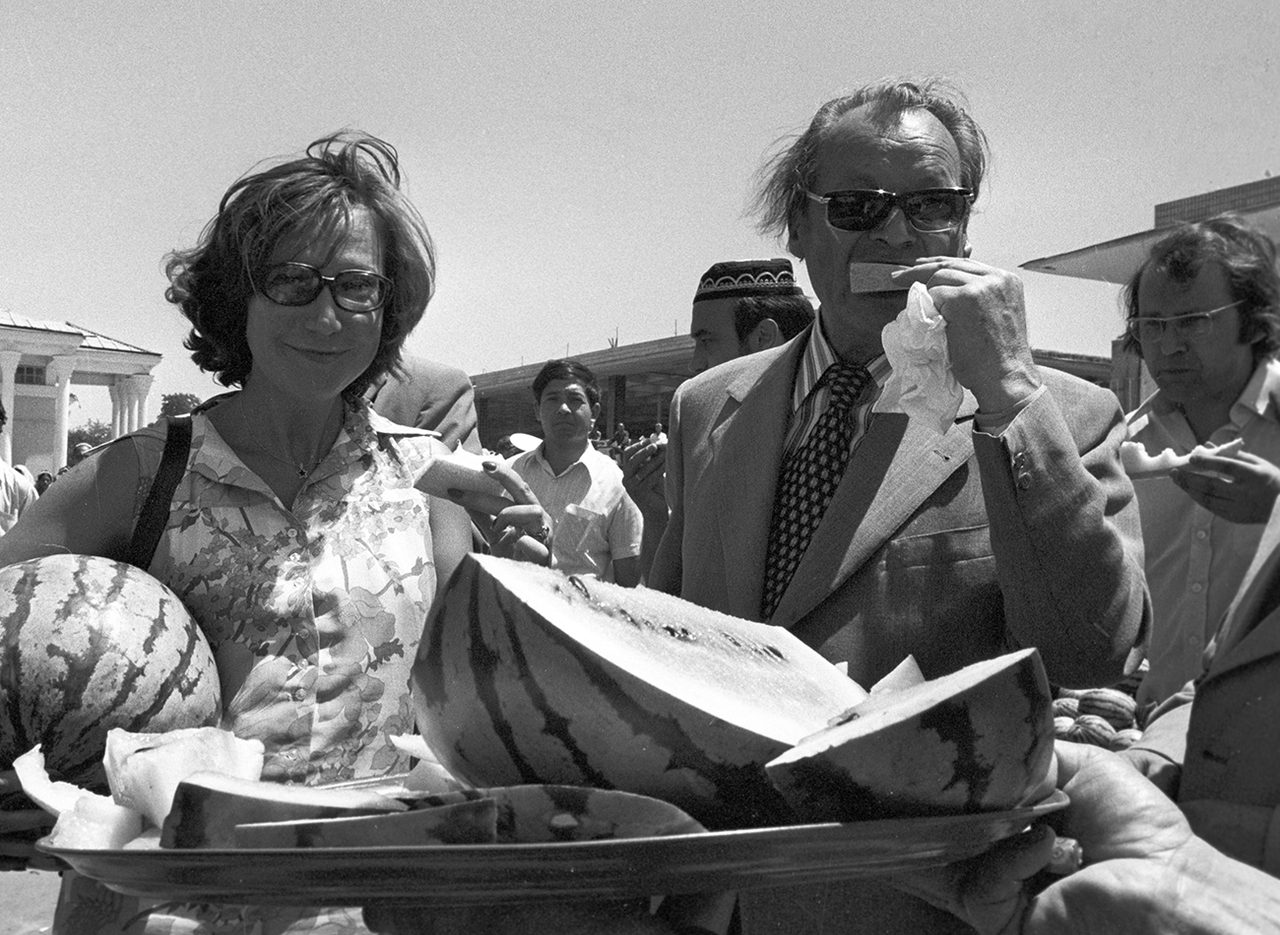
The chancellor first visited the Soviet capital in 1970 for the signing of the Moscow Treaty, which recognized the inviolability of the new borders of European countries. When Brandt returned a year later, Leonid Brezhnev suggested moving their meeting to a government dacha in Oreanda, Crimea. Although the chancellor was not prepared for a "beach-style” format of negotiations, he agreed. They spent the next two days chatting, taking boat trips and swimming in the pool. The German guest didn't have any swimming trunks, so Brezhnev offered to let him borrow some from his own wardrobe.
9. Pierre Elliott Trudeau, Canada
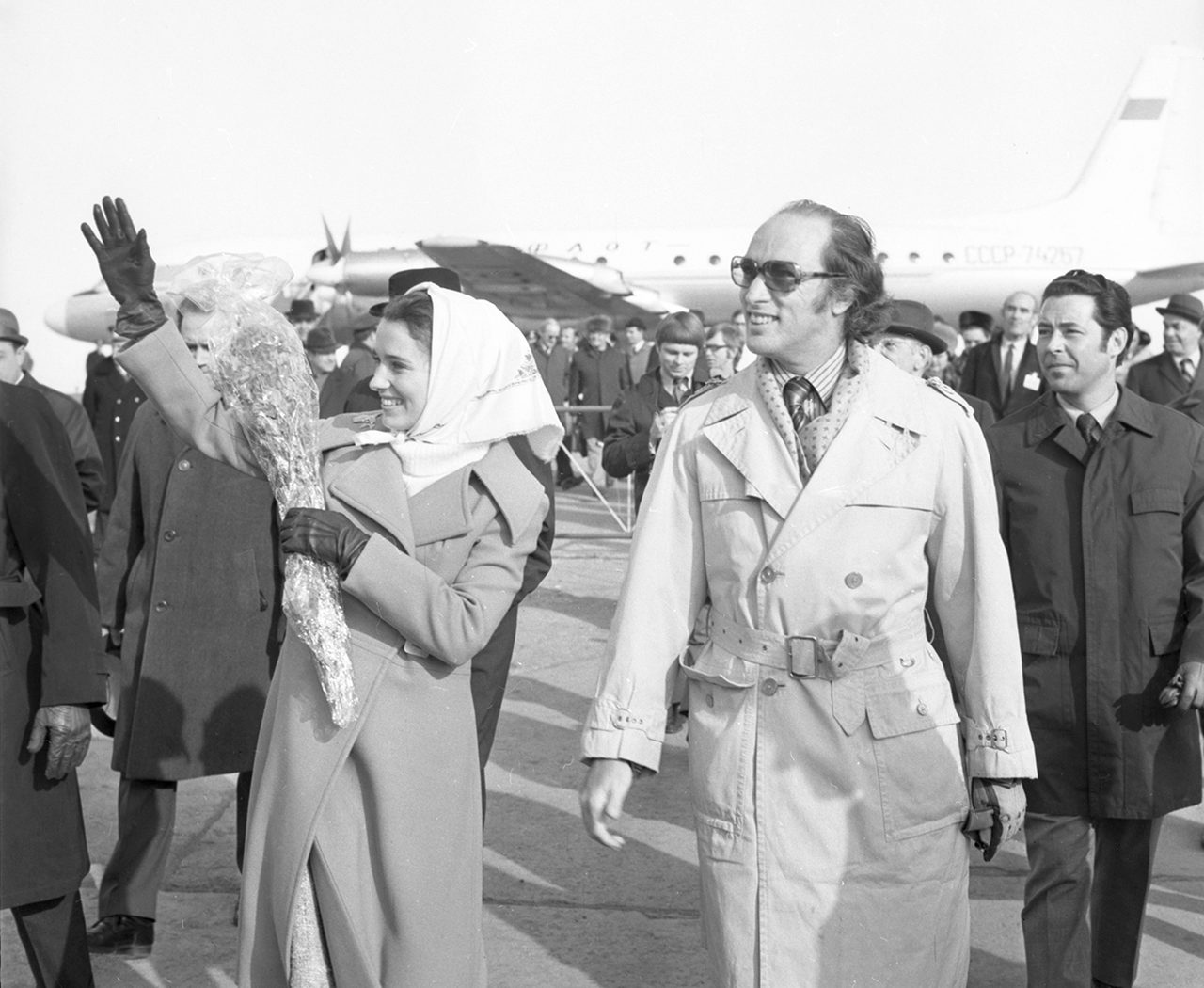
The Canadian Prime Minister visited Norilsk in 1971: he was interested in cities built on permafrost. And, although the city was closed to visitors, an exception was made for the foreign guest. It was a harsh spring: by mid-May, snow still lay on the streets and the temperature had dropped to -15°C (+5°F). For the Canadians, who had previously visited the warmer cities of Samarkand and Tashkent, such weather fluctuations were quite noticeable. The foreign delegation was greeted by almost all the city's residents. Trudeau and his colleagues toured the multi-story buildings on stilts and the Ice Palace, where they watched children play ice hockey. In 1984, after he had already retired, Trudeau took a trip along the Silk Road and, together with his son Justin, visited Soviet Armenia and Georgia.
10. Richard Nixon, U.S.
In 1959, while serving as vice president, Richard Nixon spent three days in Sverdlovsk (now Yekaterinburg), visiting the ‘Uralmashzavod’ factory and the pipe factory in Pervouralsk. Along the way, Nixon was shown the Europe-Asia monument, where he drank champagne and toasted in Russian: “Za mir vo vsem mire!” ("To peace throughout the world"). In Degtyarsk, the politician descended into a copper mine, joking that in his miner's uniform he looked like a man from Mars.
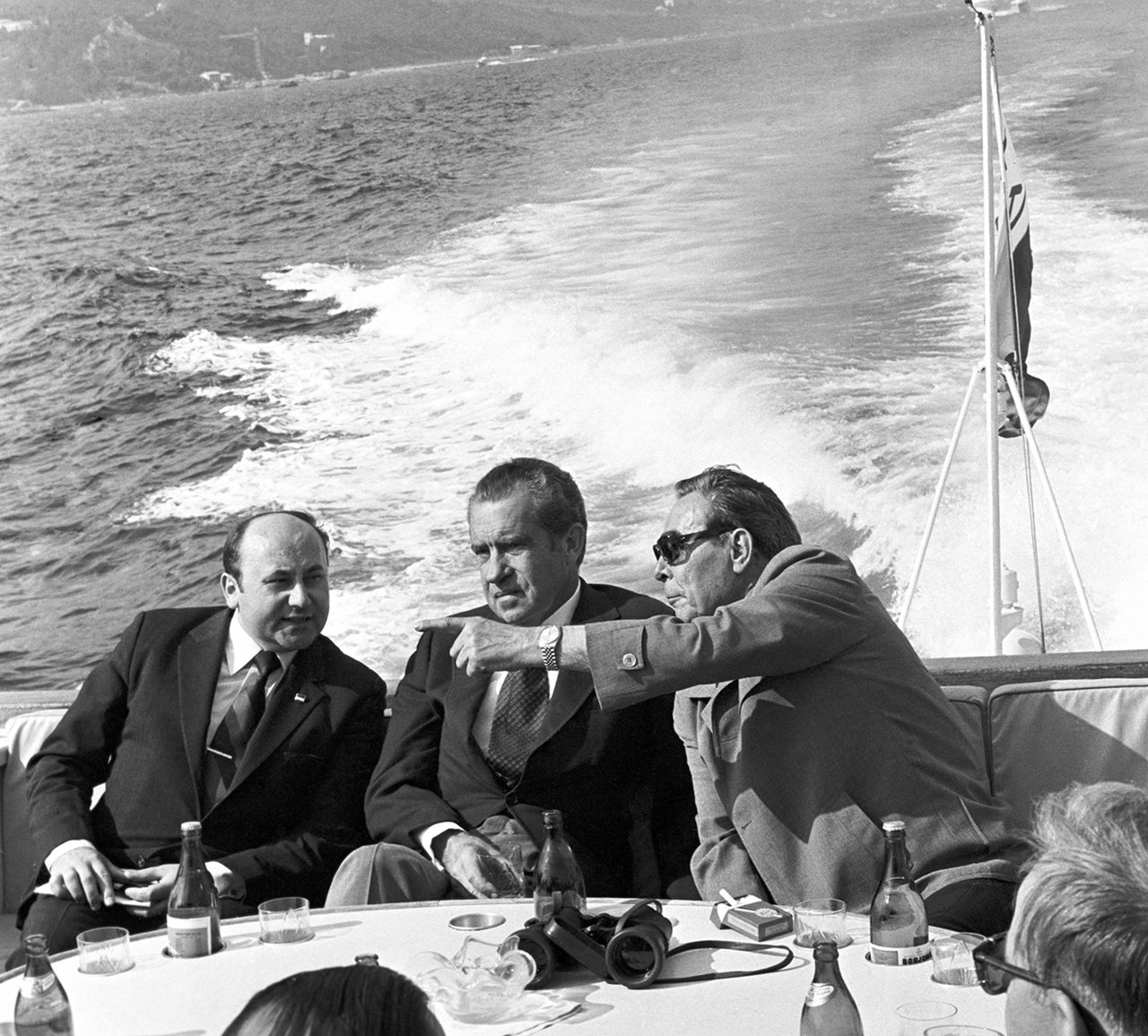
In 1974, Nixon, this time as U.S. president, visited Crimea. His meeting with Leonid Brezhnev in Oreanda was informal and more reminiscent of a get-together between two old friends. The formal meeting room gave way to a grotto on the seashore and the gala banquet to lunch on a motorboat. While the men discussed the fates of the two superpowers, Nixon's wife, Patricia, toured the Livadia Palace and the Swallow's Nest castle.