
Why did Patriarch Nikon gouge out the eyes of icons?
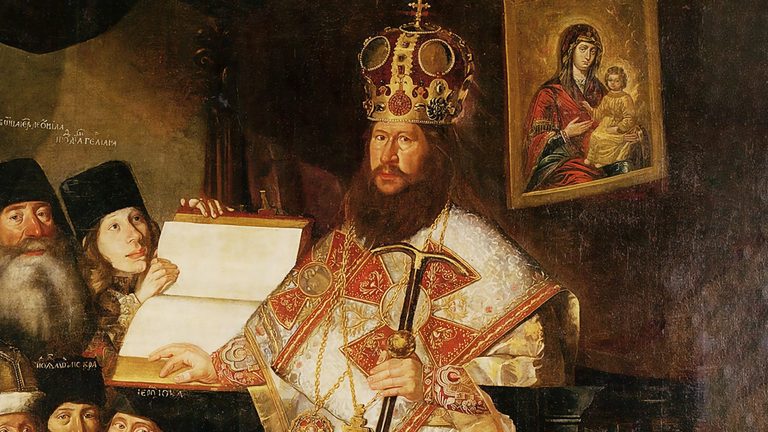
In the 17th century, some artists in Russia began painting icons in a more realistic style. However, the patriarch strongly disapproved of this.
In the mid-17th century, the Russian Orthodox Church was led by Patriarch Nikon. He came from a peasant background, but, thanks to his intelligence and energy, he became the head of the church and the closest advisor to Tsar Alexei Mikhailovich. Nikon initiated large-scale, sweeping reforms: he wanted to bring Russian liturgical rites into line with Greek models, which he considered more ancient and correct. These reforms later led to a schism – some believers (Old Believers) refused to accept them.
One of the most brutal episodes of the reform was Nikon's campaign against the so-called "Fryazh" icons. At that time, Western European art was making its way into Russia and some Russian icon painters began to depict saints in a more realistic, lifelike style – similar to Italian art. Such icons were called ‘fryazhinskie’ (from the word ‘fryazin’ – aka foreigner, Italian). But, what upset Nikon most of all was that these icons sometimes depicted not so much the saints as the actual patrons – noblemen who posed for the artists. The patriarch considered this blasphemous, turning a sacred image into a secular portrait.
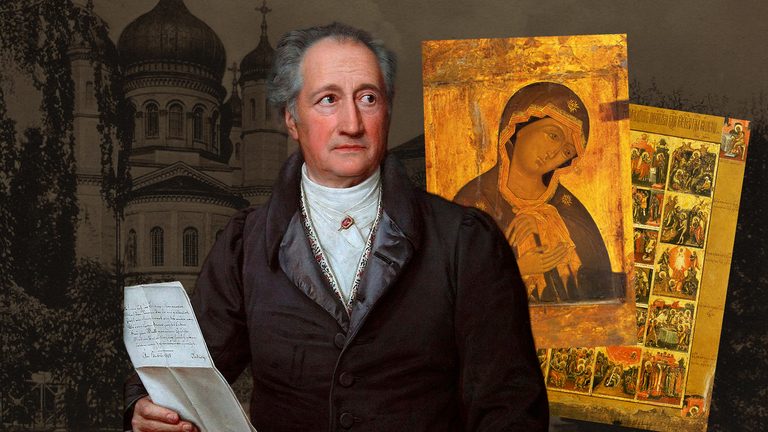
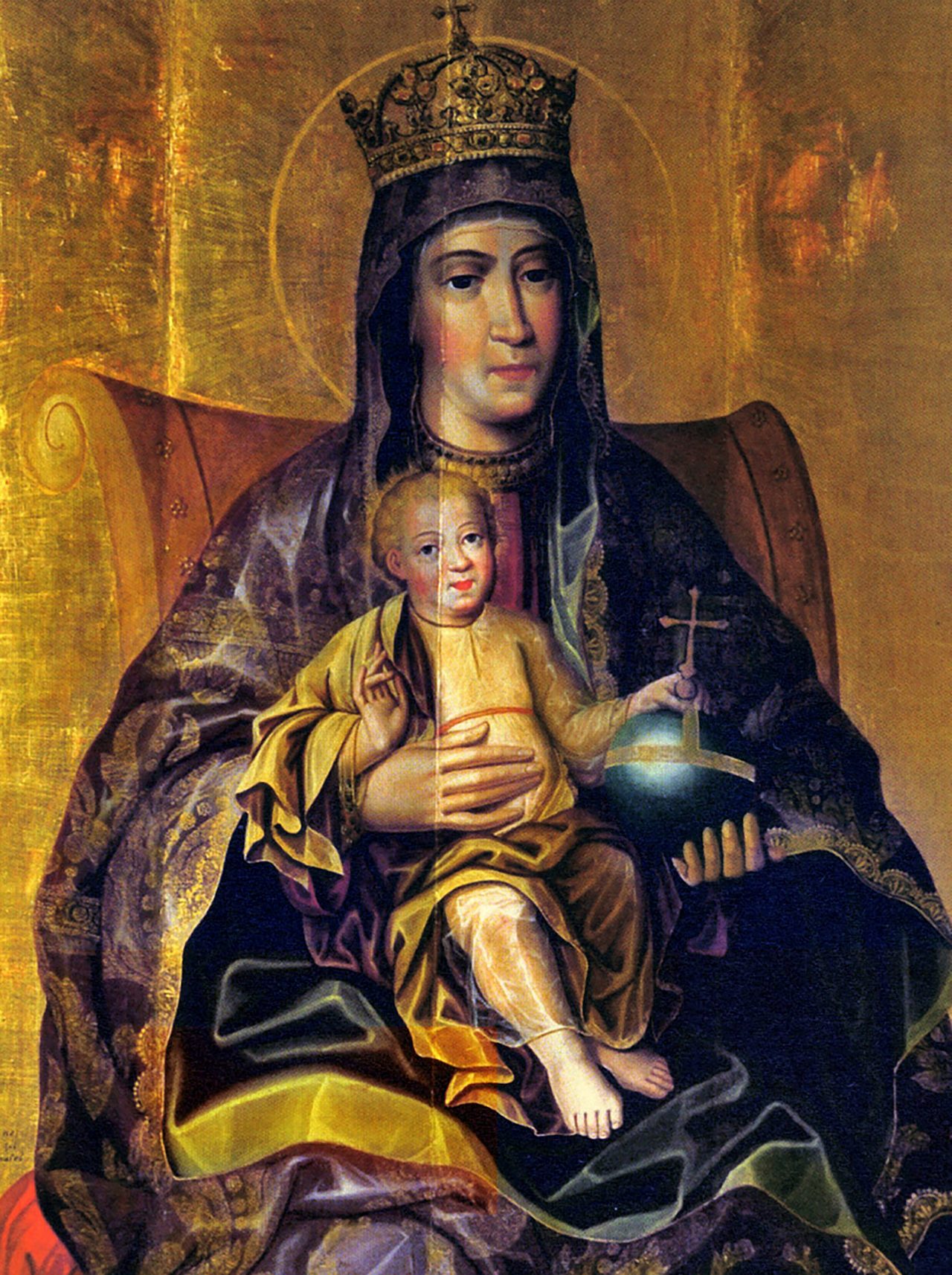 Karp Zolotarev's icon "The Virgin and Child" (late 17th century, Central Museum of Archaeology and Astronomy). A striking example of the Fryazh style.
In Summer 1654, Nikon ordered that all icons painted in such a “heretical” style be confiscated from the people. They were collected from the homes of both noble boyars and ordinary townspeople. A Syrian archdeacon, Paul of Aleppo, who was traveling through Russia at the time, witnessed these events. He left detailed accounts of them.
According to his testimony, Nikon personally participated in the reprisal against the icons. He gouged out the eyes of the saints depicted with his own hands. He then ordered the tsar's ‘streltsy’ (armed guards) to carry these defaced boards through the streets of Moscow. Heralds shouted out a decree, warning that anyone who painted such icons or kept them would face punishment. In this way, Nikon wanted not only to destroy what he considered heresy, but also to publicly intimidate the people.
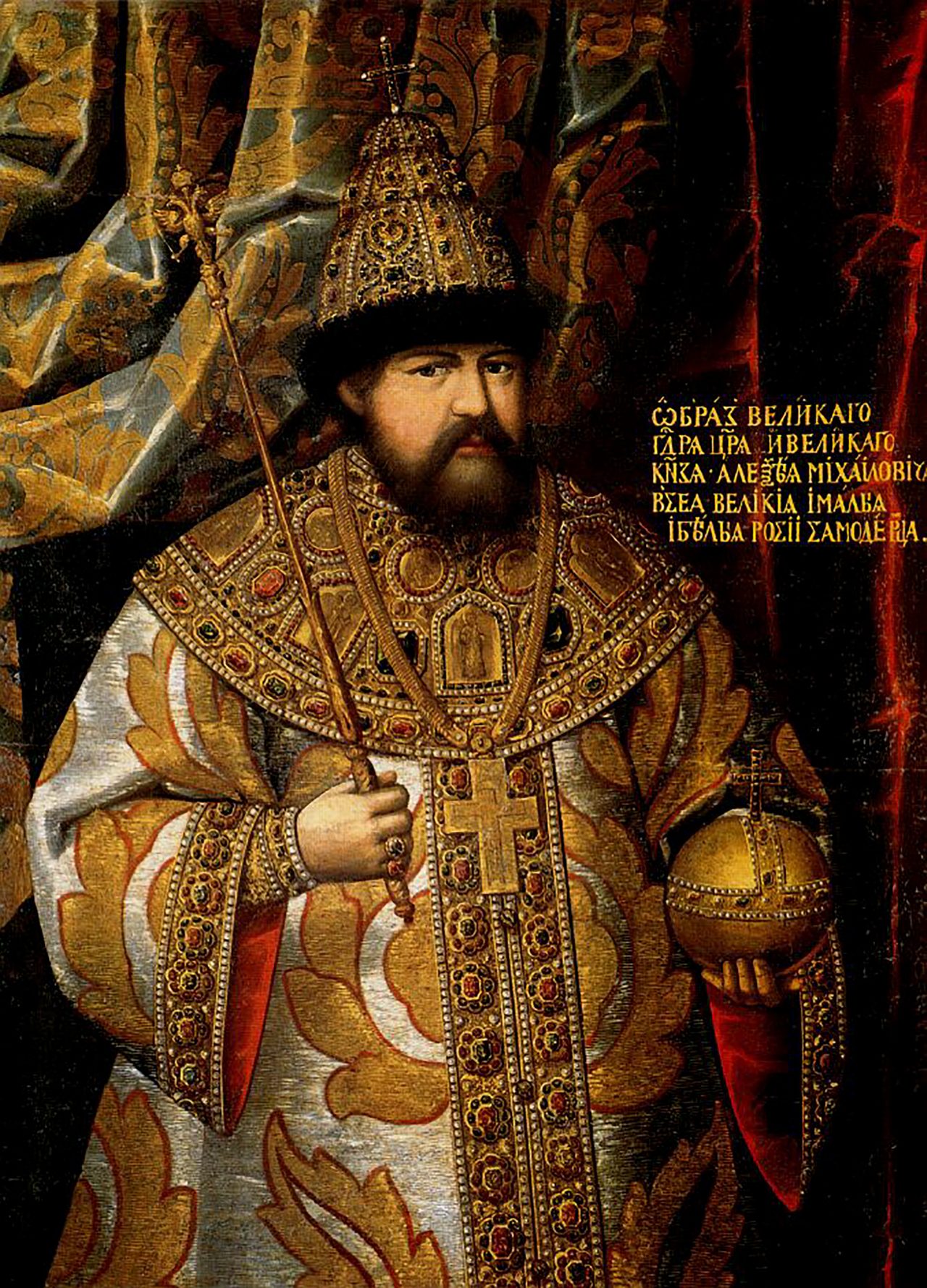 Portrait of Tsar Alexei Mikhailovich
According to Paul of Aleppo, Nikon smashed many of these icons to pieces and threw them into the fire. The patriarch's fury deeply impressed Tsar Alexei Mikhailovich. He intervened and ordered that these icons not be burned, but, rather, buried in the ground, as was customary with worn-out icons beyond repair. Furthermore, some icons were not completely destroyed; the top layer of paint was merely scraped off and new faces were painted over it – this time in strict accordance with Byzantine canons.
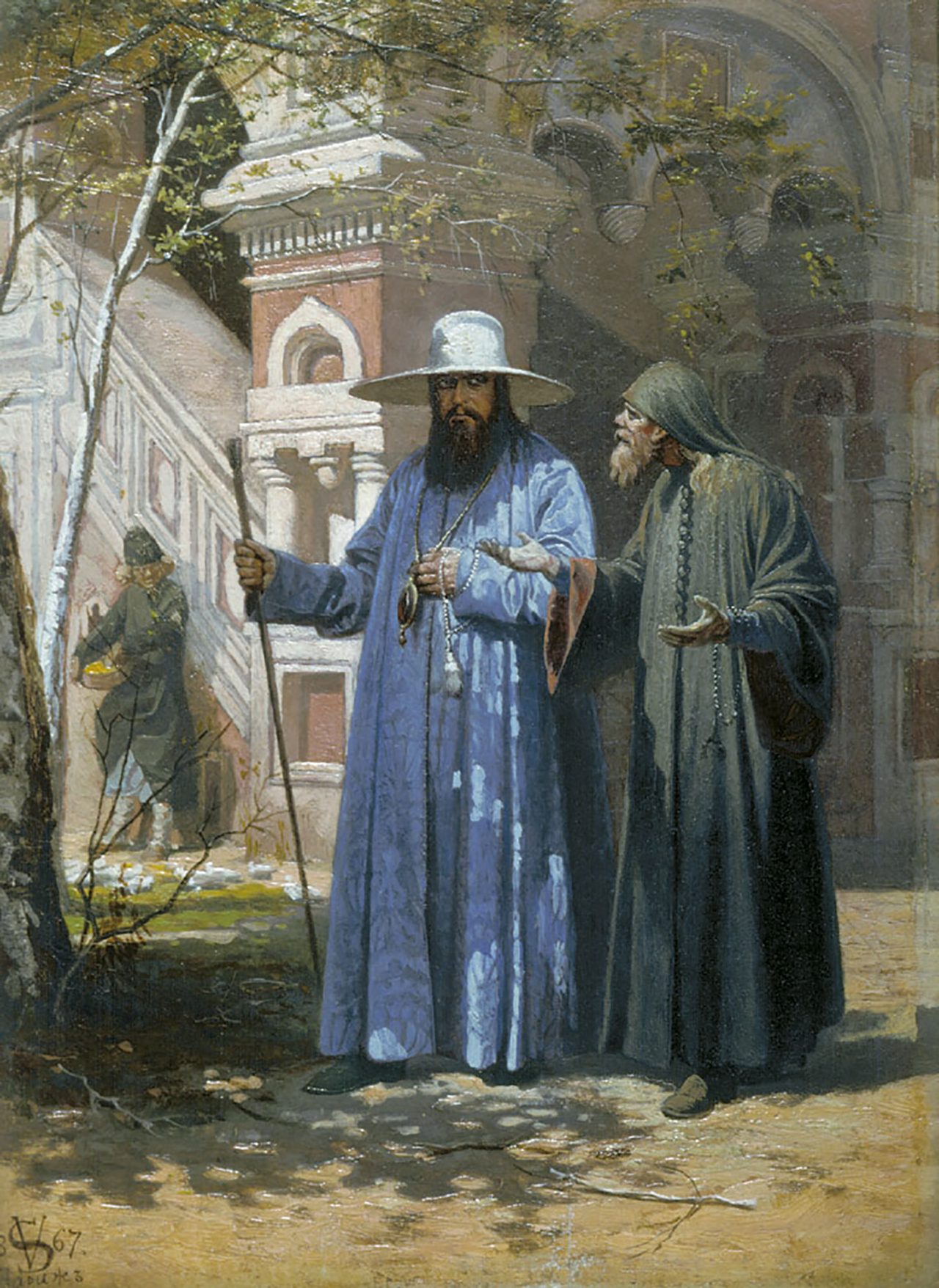 Vyacheslav Schwartz. Patriarch Nikon in New Jerusalem. 1867
The final verdict on the "Fryazh" icons was handed down at a church council in 1656. The council officially excommunicated (that is, subjected to a church curse) anyone who would, henceforth, paint or possess icons in the "Western" style. The remaining icons were declared heretical and subject to destruction.