What lengths did people go to in the USSR to get an apartment?
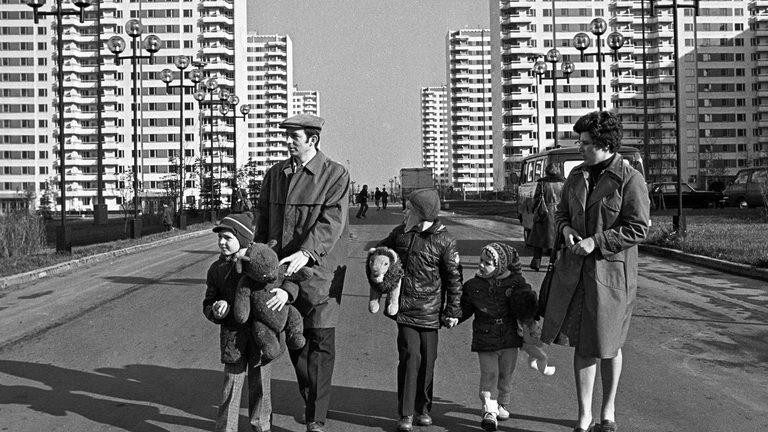
The housing issue has been one of the main life problems for millions.
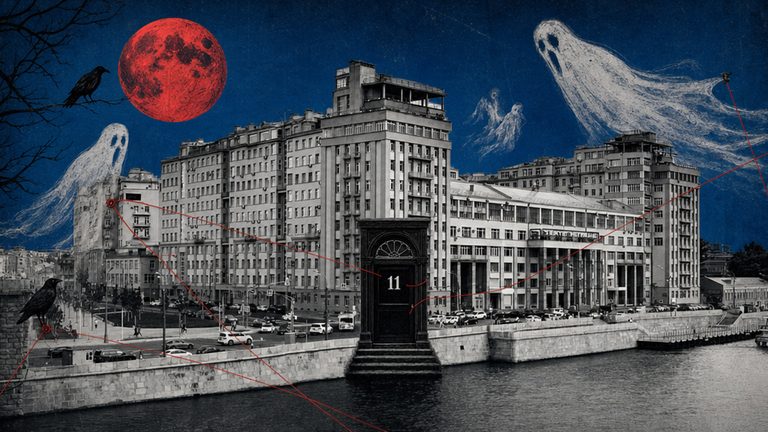
“People are like people. They love money… The housing problem only spoiled it…" says Woland, one of the antagonists in ‘The Master and Margarita’, about Muscovites in the 1930s
In a system where private property rights for real estate did not exist and apartments were allocated by the state, it was extremely difficult to secure one’s own living space. People waited in line for years or even decades for an apartment. This situation gave rise to many inventive schemes that Soviet citizens undertook in order to improve their living conditions.
Through work
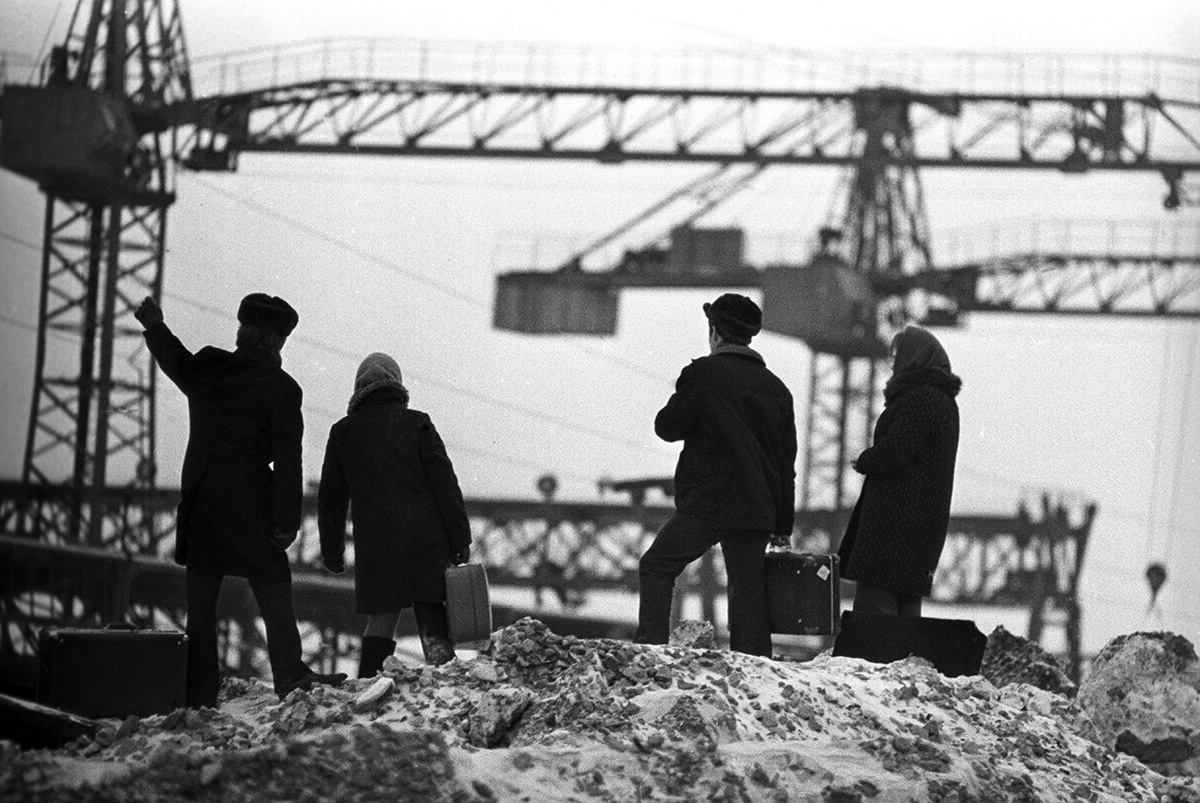
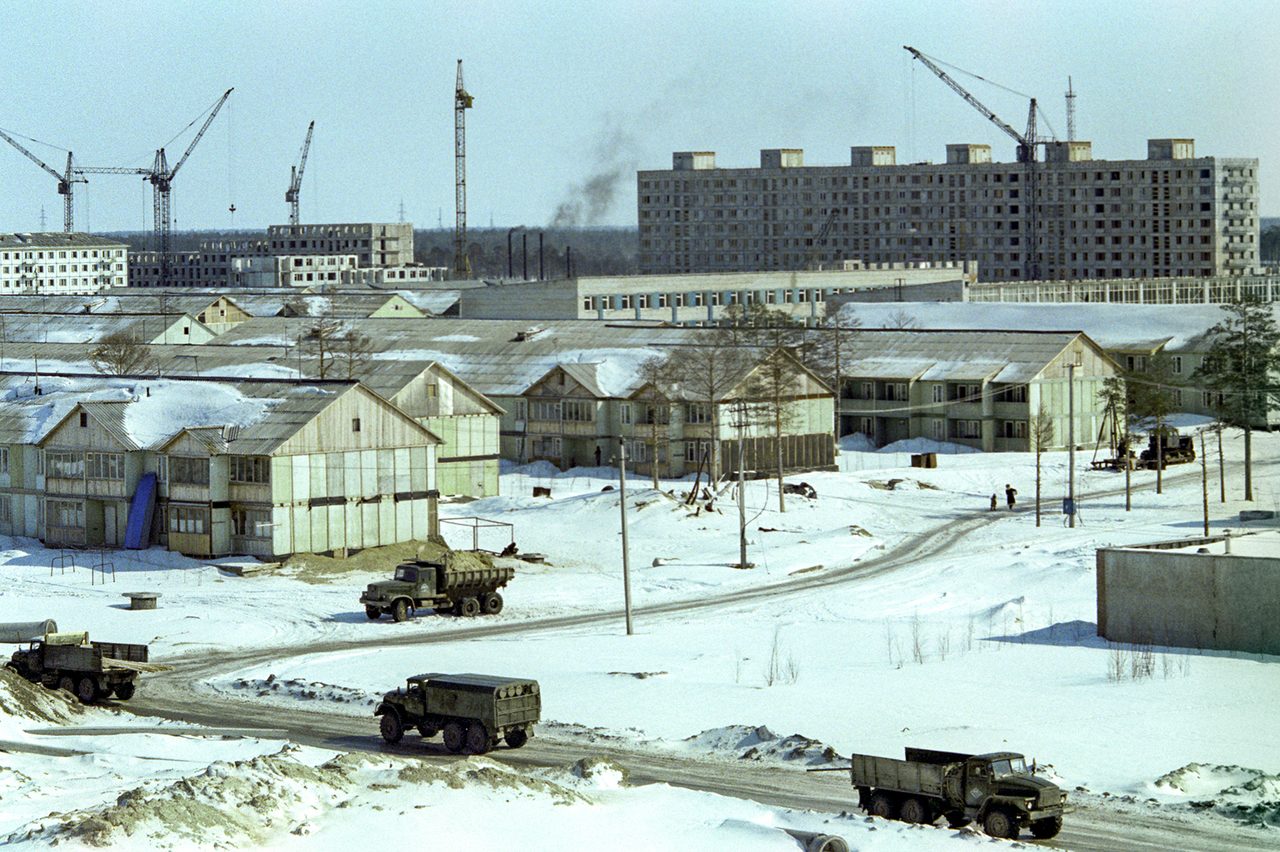
The fastest and most legal way to an apartment was through hard and unprestigious work in remote regions: in mines, construction sites in Siberia and the Far East. There, the state was in dire need of workers and housing could be obtained within a year or two. In large cities, on the contrary, there was a “quota” system in place: nonresident workers lived in dormitories and, after 4–5 years of impeccable work, could receive permanent registration and the right to a private apartment.
The path of the majority
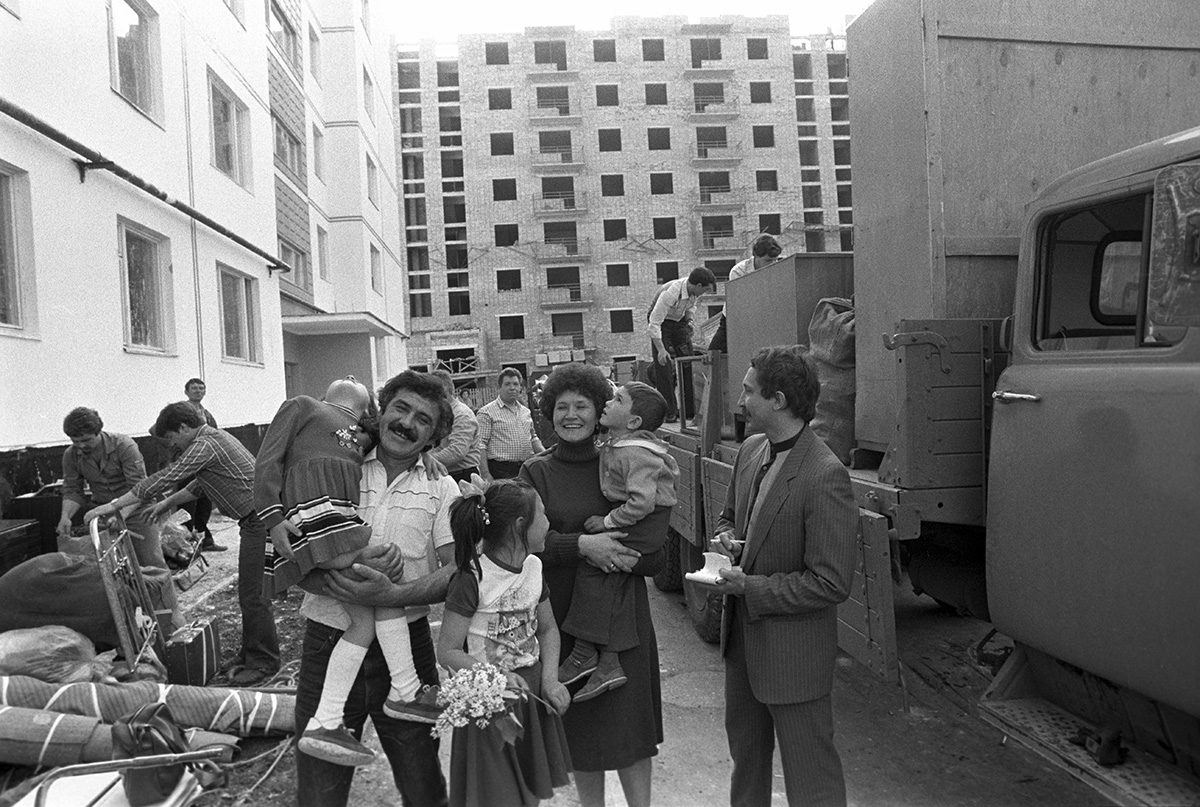
The most legal, but also the longest way was to get on the waiting list for improved housing conditions. The state established a sanitary standard – a minimum number of square meters per person. To be eligible for the waiting list, one had to prove that each family member had less than this standard (for example, six square meters, while in Moscow and Leningrad – five square meters). People lived in crowded conditions: in communal apartments, dormitories or several generations of one family in one apartment. The average waiting period ranged from 10 to 15 years and, sometimes, stretched for decades. During this time, the composition of the family might have changed: not only new children would be born, but also older family members would die. In the latter case, the family could be removed from the waiting list, since the remaining members now had more space.
Fictitious marriages & registration
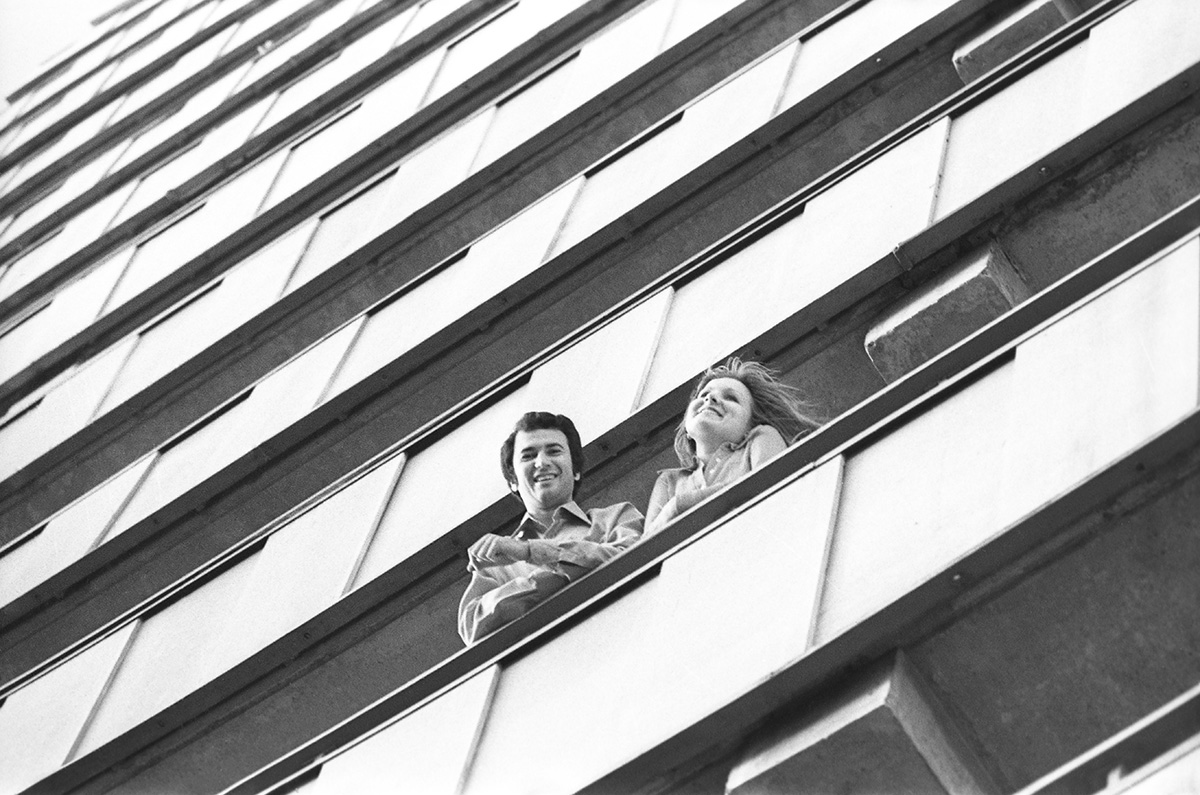
Realizing that they could wait forever, people looked for workarounds. Many of these schemes were illegal or semi-legal. Some entered into fictitious marriages with holders of the coveted registration. Registration for elderly relatives was also practiced: after their death, one could claim their living space. Sometimes, relatives were registered with them, in order to artificially worsen living conditions and qualify for the housing waiting list.
Other family lifehacks
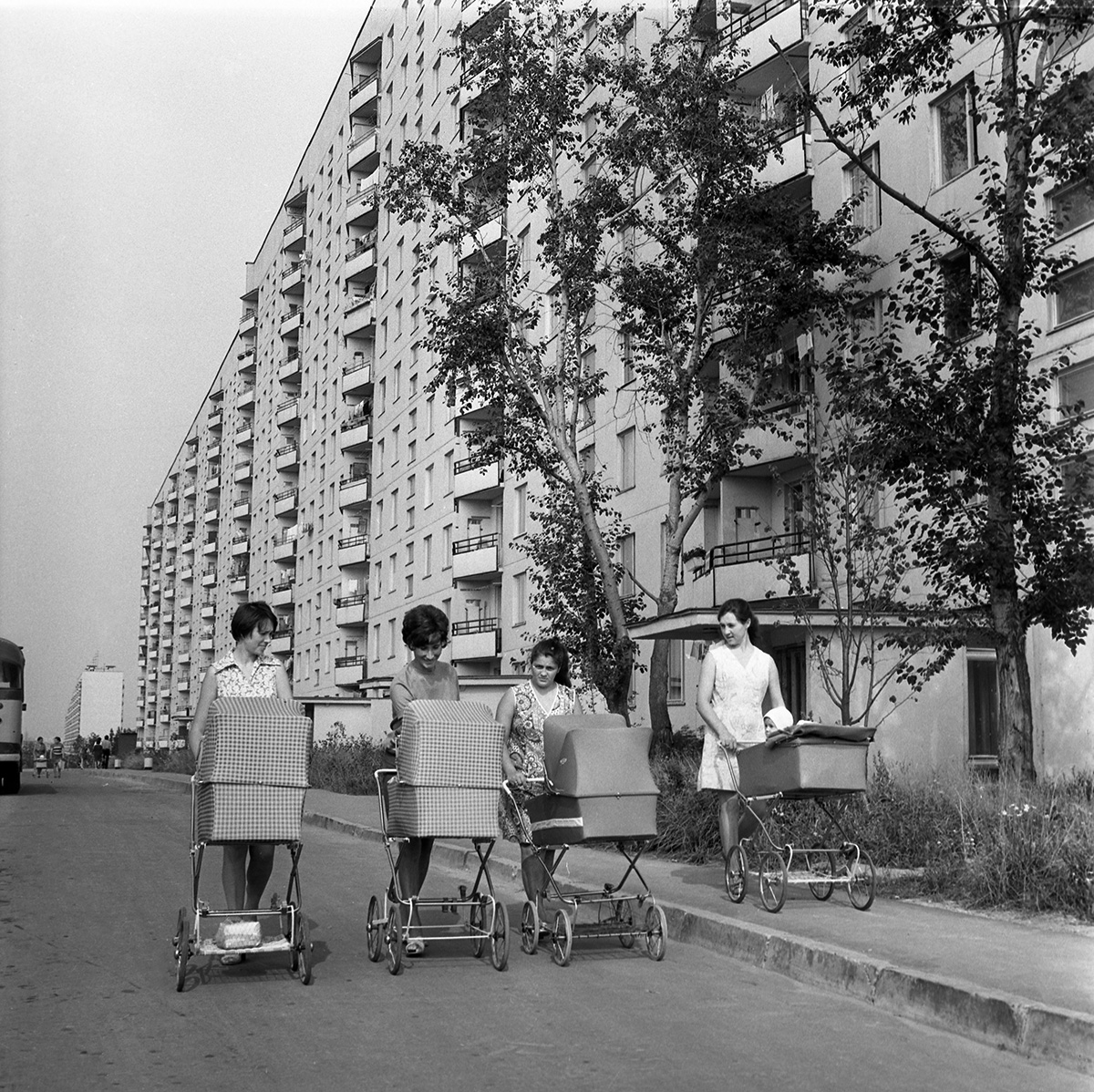
There were other ways to change the composition of the family. For example, in order to improve their living conditions, some decided to have another child, as this increased the need for meters and increased their chances on the waiting list. To pull off a complex swap, people could even resort to a sham divorce – in which case, one of the spouses would remain in the original apartment, while the other could be allocated a new one. As a result, the family ended up with two apartments, instead of one.
Exchanges with a surcharge
Since it was illegal to buy or sell an apartment, the only legal way to move was through an exchange. However, clandestine brokers (intermediaries) operated in this market, whose activities were illegal (punishable by up to 3 years in prison). For a fee, they arranged complex chains of exchanges. Exchanges involving an unofficial surcharge for a better area or larger area were widely practiced. The rate could be, for example, 250 rubles (approx. 80,000 modern rubles or $1,000) per square meter.
Cooperative apartments
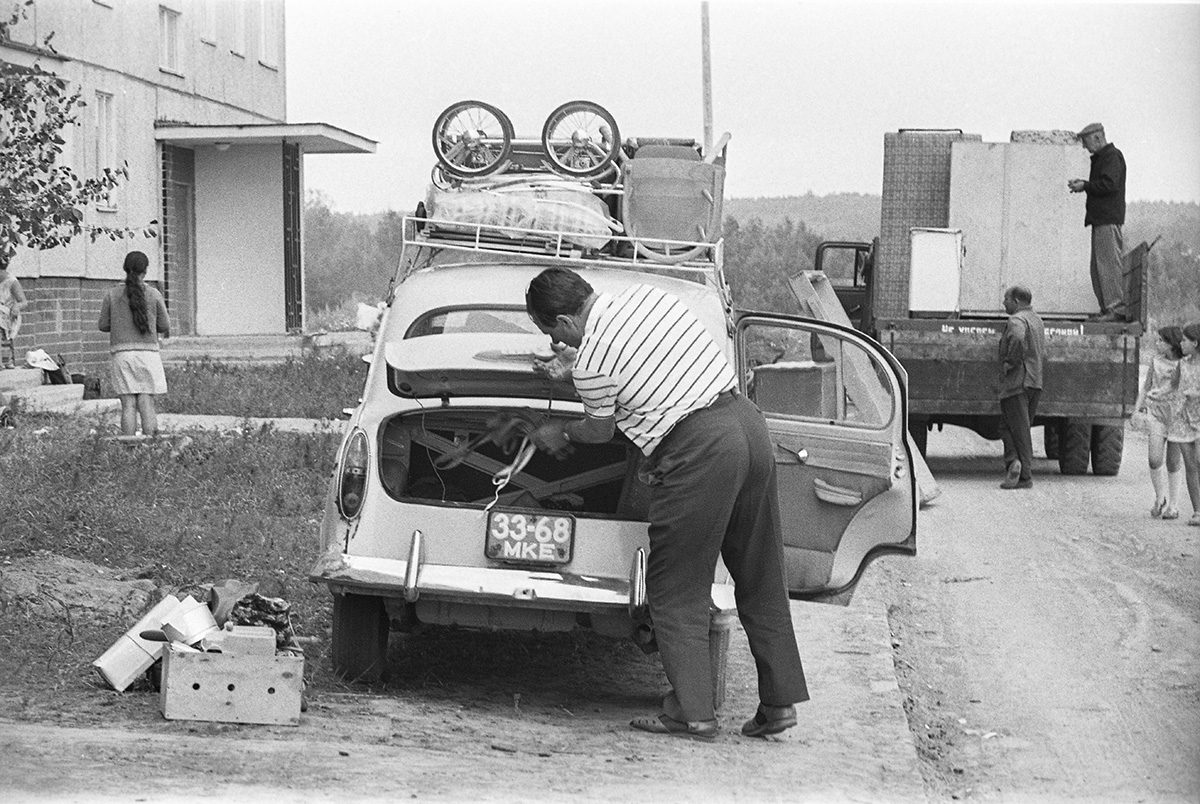
In 1958, the opportunity arose to join a housing construction cooperative (HCC). People would band together, make a down payment (20%–30% of the cost) and pay the remainder in installments. In addition, some enterprises practiced a way to build a house on their own: after their shift, workers labored on the construction of a house in order to later get apartments in it.