Why did Russian bakers SIT on their bread?
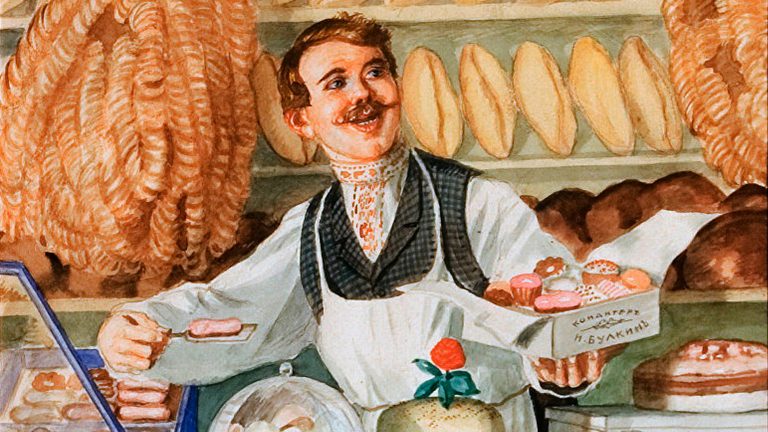
In the autobiographical novel ‘Darkness Falls Upon the Old Steps’ by literary scholar Alexander Chudakov, we read the following:
"The baker Filippov would check his bakers' work by sitting on a loaf or a ‘kalach’ (a traditional ring-shaped bread). If the loaf then returned to its original shape, it meant the bread was good."
The reason for this is that bread should not be baked using freshly ground flour. The flour needs to "mature" for about a week, allowing damaged intracellular structures to heal, while some fats break down, leading to the accumulation of fatty acids. The better-baked and more porous the bread – and the higher its gluten content – the more slowly it will go stale or grow mold.
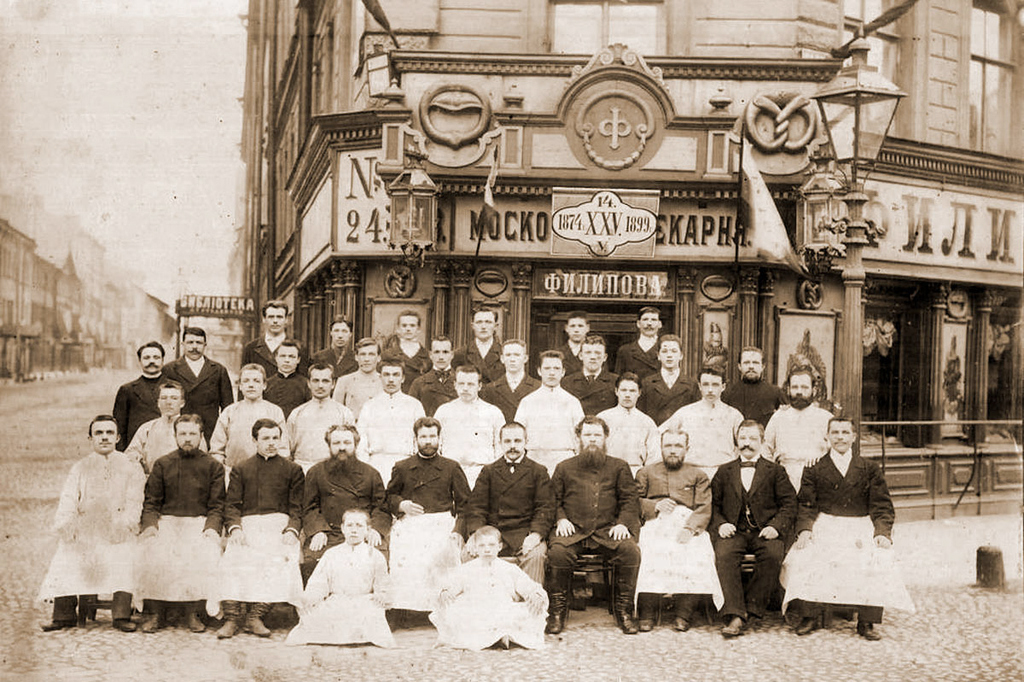
It’s hard to say whether Ivan Filippov, a purveyor to the Imperial Court, actually sat on his bread himself. However, it is a documented fact that his shop assistants would regularly place a fresh loaf on the counter, press down on it with their palms and observe how quickly it regained its original shape (or "took in air"). High-quality, fresh baked goods would rapidly spring back to their original volume. "Defective" or “spoiled” loaves that failed to rise were sold for half the price.
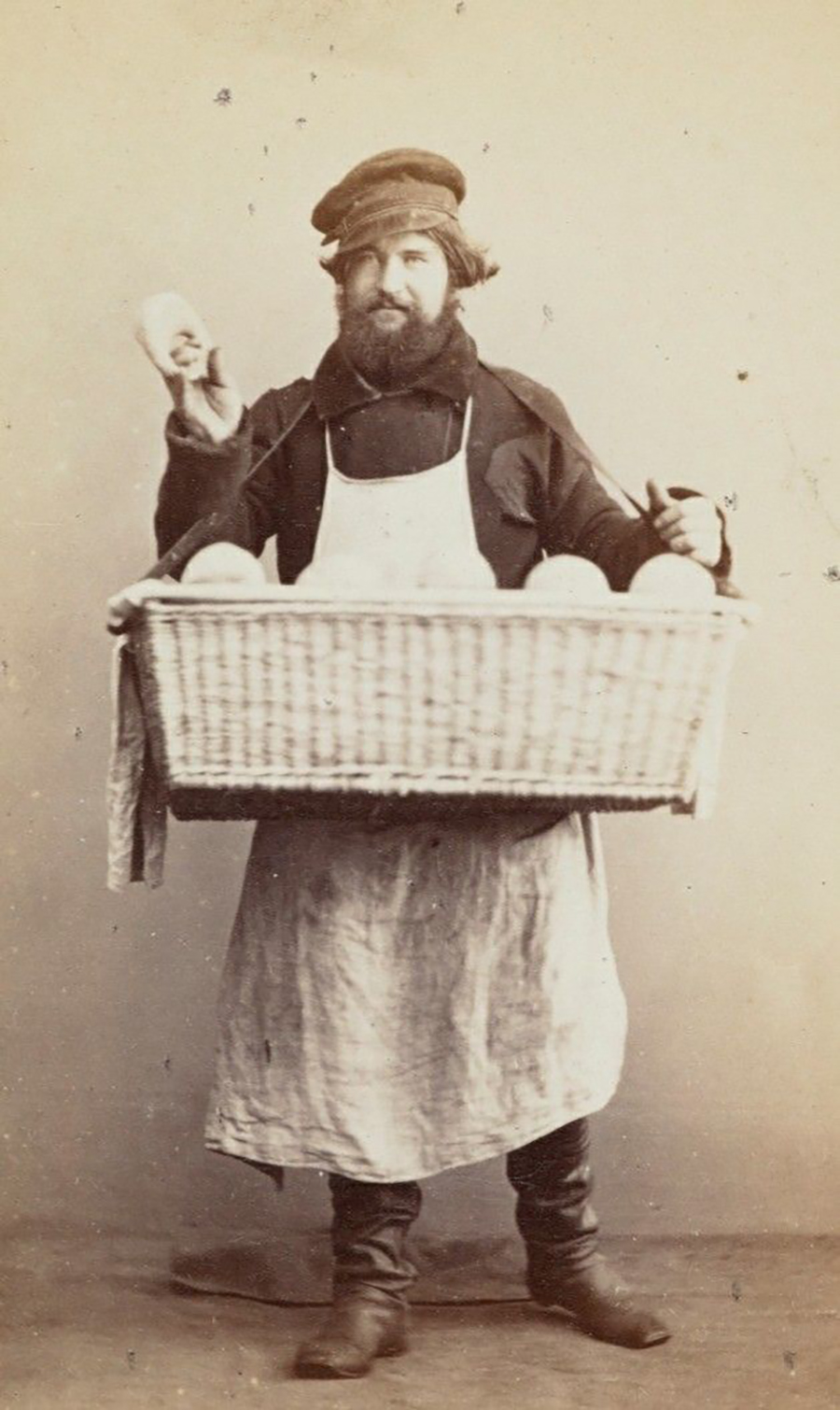
The name of Ivan Filippov (and his dynasty) is generally shrouded by numerous stories and anecdotes in Russian culture. The most famous of these, recounted by writer Vladimir Gilyarovsky, tells of a time when the baker allegedly pulled a cockroach out of a ‘sayka’ (a type of small white roll), ate it and claimed it was merely a "raisin" – thereby "inventing" ‘sayki’ with raisins.