
Martyrs of Alapayevsk: How Nicholas II's relatives were executed

Everyone knows how the life of the last Russian emperor ended. However, another tragedy is less well known.
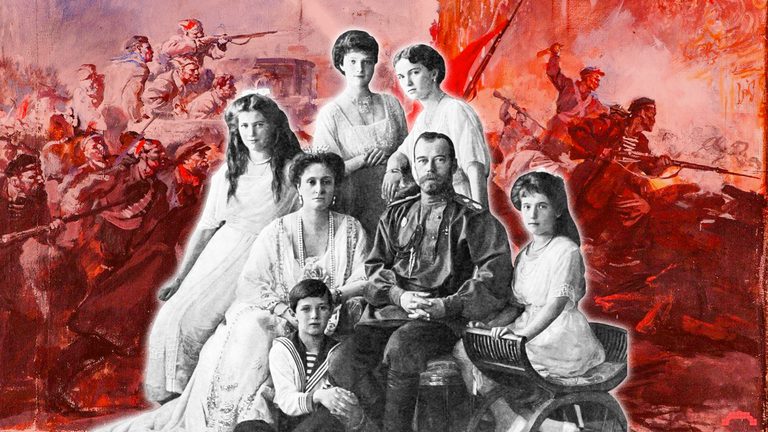
On the night of July 17, 1918, Nicholas II, along with his wife, children, pets and accompanying servants, were executed in the basement of a house in Yekaterinburg.
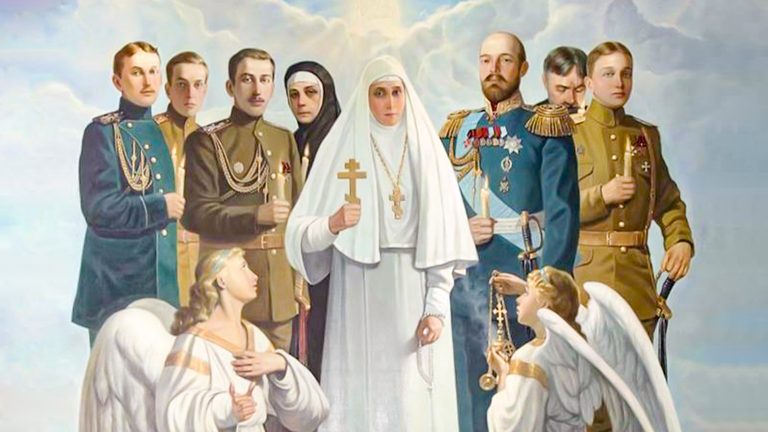
The very next night, in Alapayevsk, a town near Yekaterinburg, the Bolsheviks also eliminated the tsar's closest relatives – six princes and princesses of the Romanov dynasty. They were simply thrown into a mine shaft. According to one version, the shaft was then pelted with grenades.
Among the victims were:
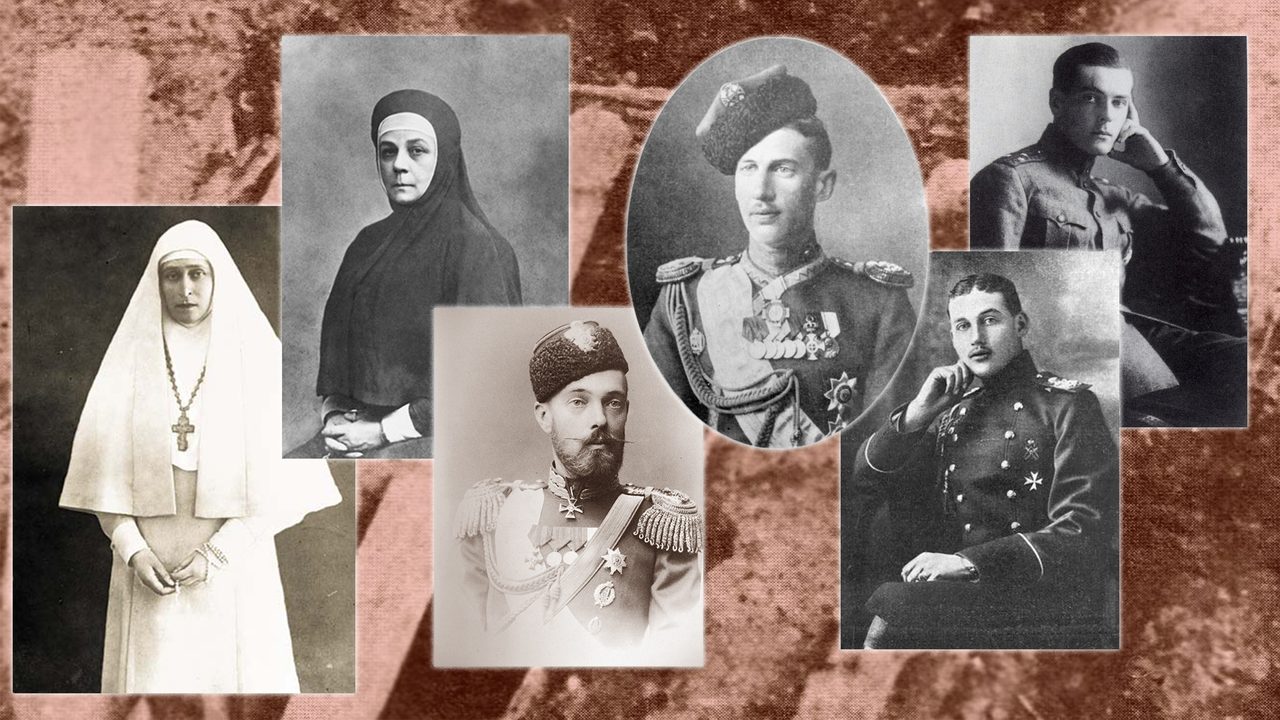 The Alapayevsk martyrs: Grand Duchess Elizabeth Feodorovna (dressed in white as a nun) and nun Varvara, Grand Duke Sergei Mikhailovich, Princes Ioann Konstantinovich, Konstantin Konstantinovich, Igor Konstantinovitch, and Prince Vladimir Paley
- Grand Duchess Elizabeth Feodorovna, the emperor's sister-in-law (sister of Empress Alexandra). She was known for her mercy, missionary work and charitable activities. She founded the Martha & Mary Convent in Moscow and headed the Orthodox Palestine Society. After the 1917 Bolshevik Revolution, she refused to leave Russia and lived in her convent, living as a nun. The Grand Duchess was thrown into the mine along with her cell attendant, Nun Barbara.
- Grand Duke Sergei Mikhailovich, Nicholas II's cousin, a military man and Inspector General of the entire Russian artillery. He resisted his guards, so he was shot before being thrown into the mine. Along with him, his estate manager Fyodor Remez was also killed.
- Princes of Imperial Blood Ioann Konstantinovich, Igor Konstantinovich and Konstantin Konstantinovich-junior. Those three brothers were the first in history to bear this title. It was specially created to designate the tsar's distant relatives (they were great-grandsons of Nicholas I). All three were military officers and heroes of World War I.
- Prince Vladimir Paley, Nicholas II's cousin. The 21-year-old hussar and World War I veteran did not bear the Romanov surname, because he was born from a morganatic marriage of Grand Duke Pavel Alexandrovich. There is a legend that the Bolsheviks offered Vladimir the chance to renounce his father, but Paley remained steadfast (in 1919, his father was also killed by the Bolsheviks).
Holy martyrs
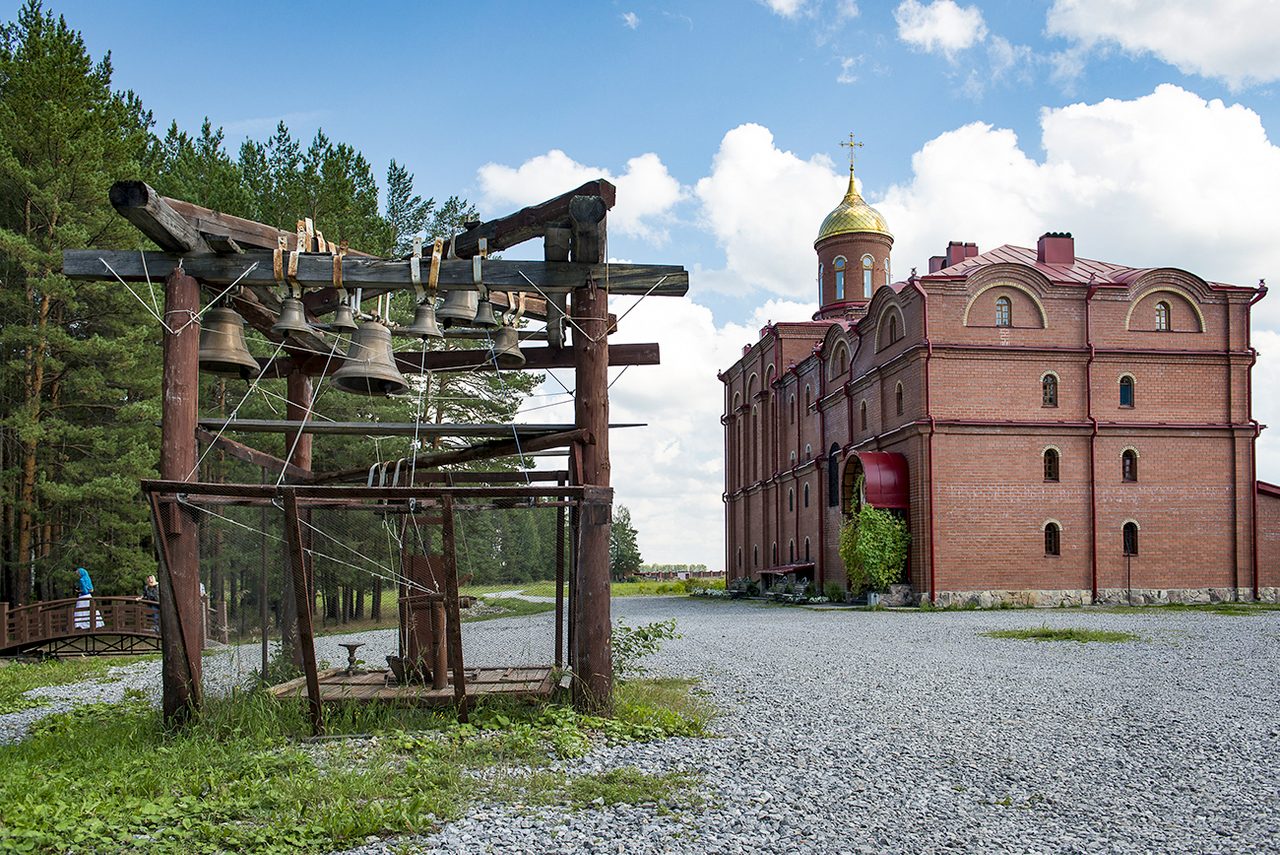 Monastery of the New Martyrs and Confessors of the Russian Church
In Fall 1918, during the Civil War, Yekaterinburg was taken back by the White Army. The remains of the ‘Martyrs of Alapayevsk’ were recovered and taken to China, where they were buried in a crypt at the Church of St. Seraphim of Sarov in Beijing (the church was later destroyed and it is believed that the remains now lie in the Russian Cemetery in Beijing).
The coffin bearing the bodies of Elizabeth and Nun Barbara, meanwhile, was transported from China to Jerusalem, where they were buried according to the Grand Duchess' wishes.
In 1981, the Russian Orthodox Church Outside of Russia canonized all those killed near Alapayevsk (except Fyodor Remez) as martyrs.
However, in 1992, the official Russian Orthodox Church canonized only Elizabeth and Nun Barbara as holy martyrs.
In 2005, a monastery was established at the site of the tragedy in Alapayevsk in honor of the New Martyrs and Confessors of the Russian Church.