

What languages were spoken in pre-revolutionary Russia?
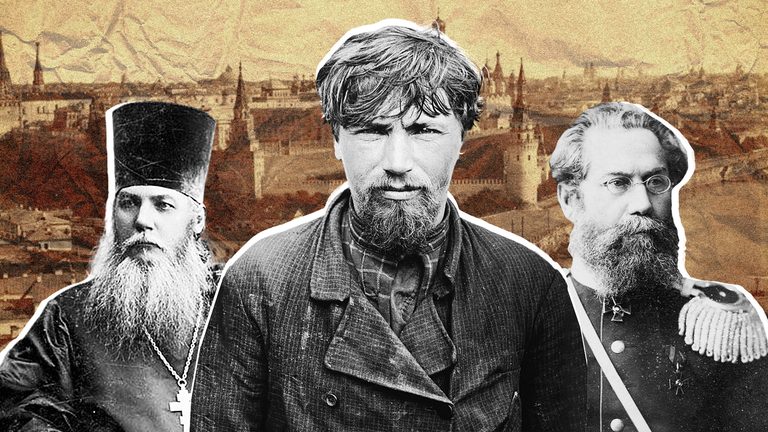
Each social class spoke its own set of languages and this language revealed a person's social origins and class background.
While in today's world, the decision to learn a particular foreign language depends on one's field of activity, profession, place of residence and, sometimes, simply on an individual’s personal preference, in pre-revolutionary Russia, knowledge of foreign languages wasn't a matter of personal choice. It was a clear marker that determined a person's social status, occupation and even worldview.
The nobility
For the nobility, French was their second native language and, sometimes, their first. Beginning in the mid-18th century, French became the language of aristocratic culture, court etiquette, love letters and philosophical debates. The nobility spoke French fluently, often better than Russian – one need only recall Pushkin's Tatyana Larina, who "expressed herself with difficulty in her native tongue". French was the language of everyday communication, especially in the capital and large cities. Provincial nobles had a lesser command of it, which led to ridicule.
German (as the language of science and military affairs) was also widely used among the nobility, as were, to a lesser extent, English and Italian. Latin and Greek were sometimes included in the home schooling curriculum, but more as electives.
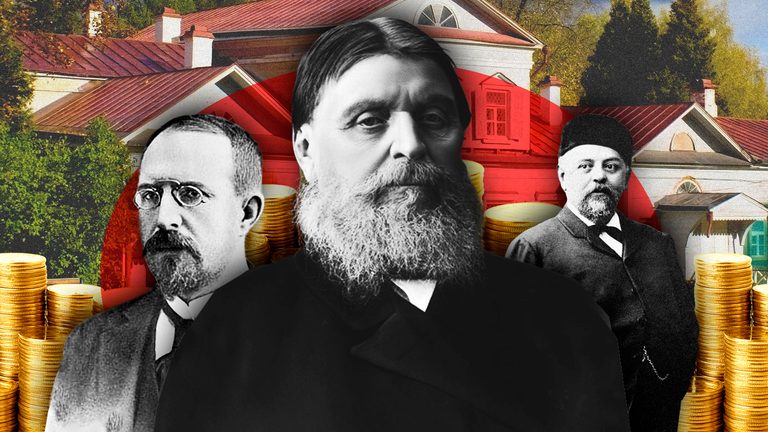
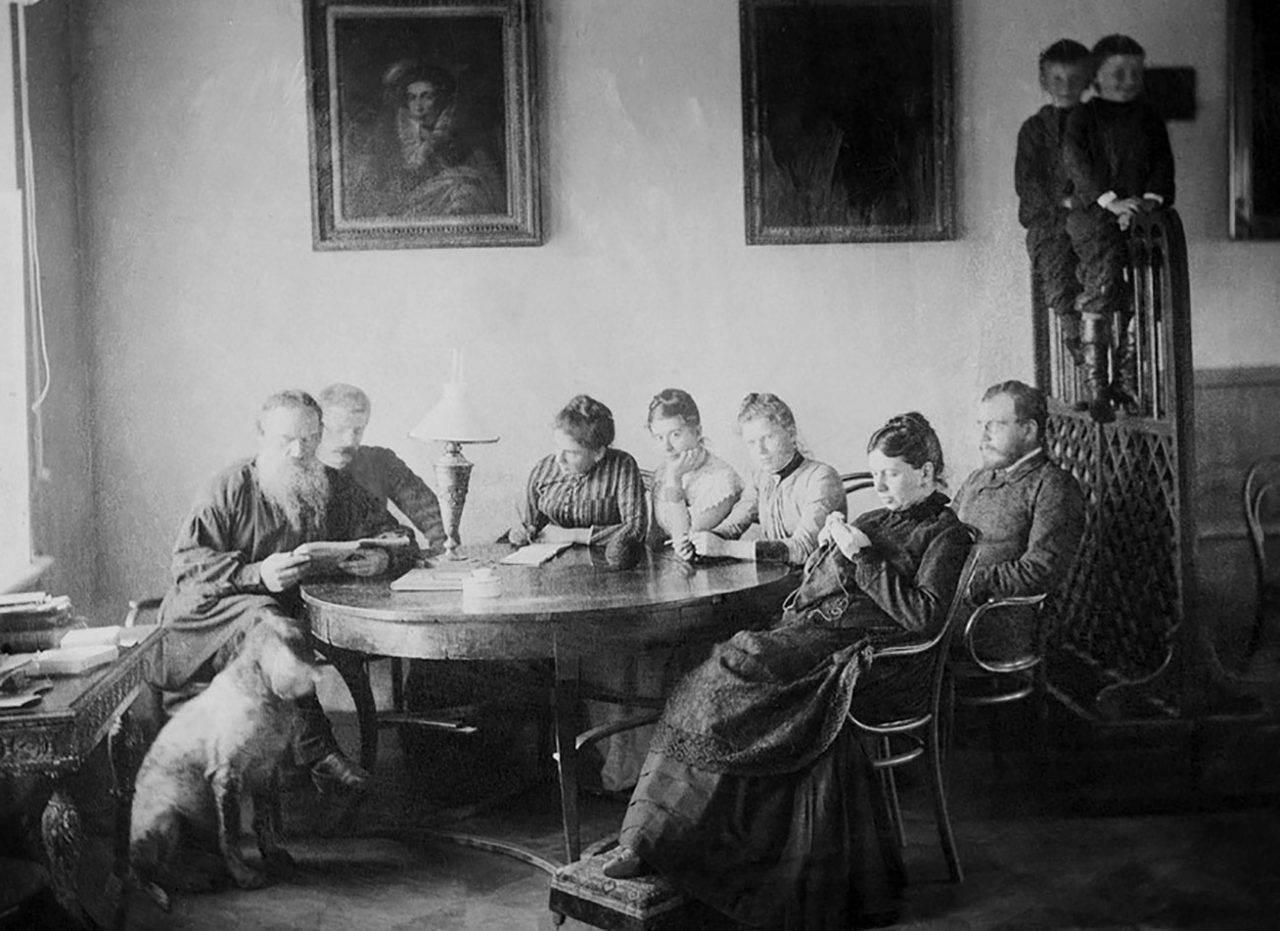 Leo Tolstoy with his family and Mikhail Stakhovich
Priests
Church Slavonic – the language in which worship services were conducted and which students learned to read from the Psalter and the Book of Hours – and Latin were the dominant languages. In the 18th and 19th centuries, Latin became the primary language of theological seminaries and academies, serving as the "language of scholarship" and separating the educated from the uneducated clergy. For a long time, almost all seminary subjects were taught in Latin and graduates were expected not only to read, but also to write in this dead language.
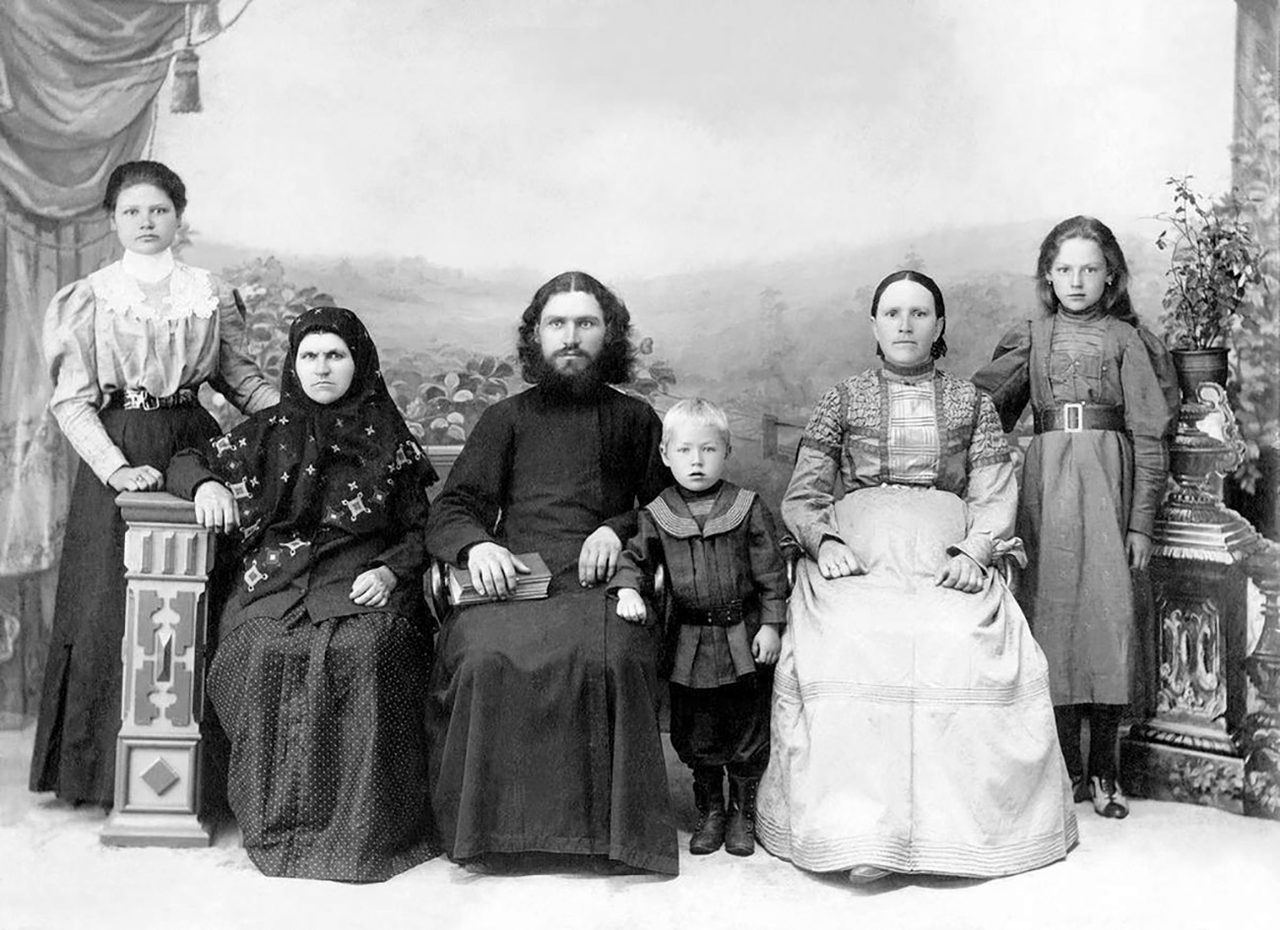 The family of a clergyman
The ‘Raznochintsy’
Between these two worlds lay the ‘raznochintsy’ – a strata of society comprising former members of the clergy, townspeople, merchants and minor officials. Their linguistic background was extremely heterogeneous. Those who received a classical university education were proficient in Latin and German, which remained the languages of science and natural history. However, among the ‘raznochintsy’, there were quite a few who came from clerical backgrounds and knew Church Slavonic or those who were born into the impoverished nobility and retained their knowledge of French.
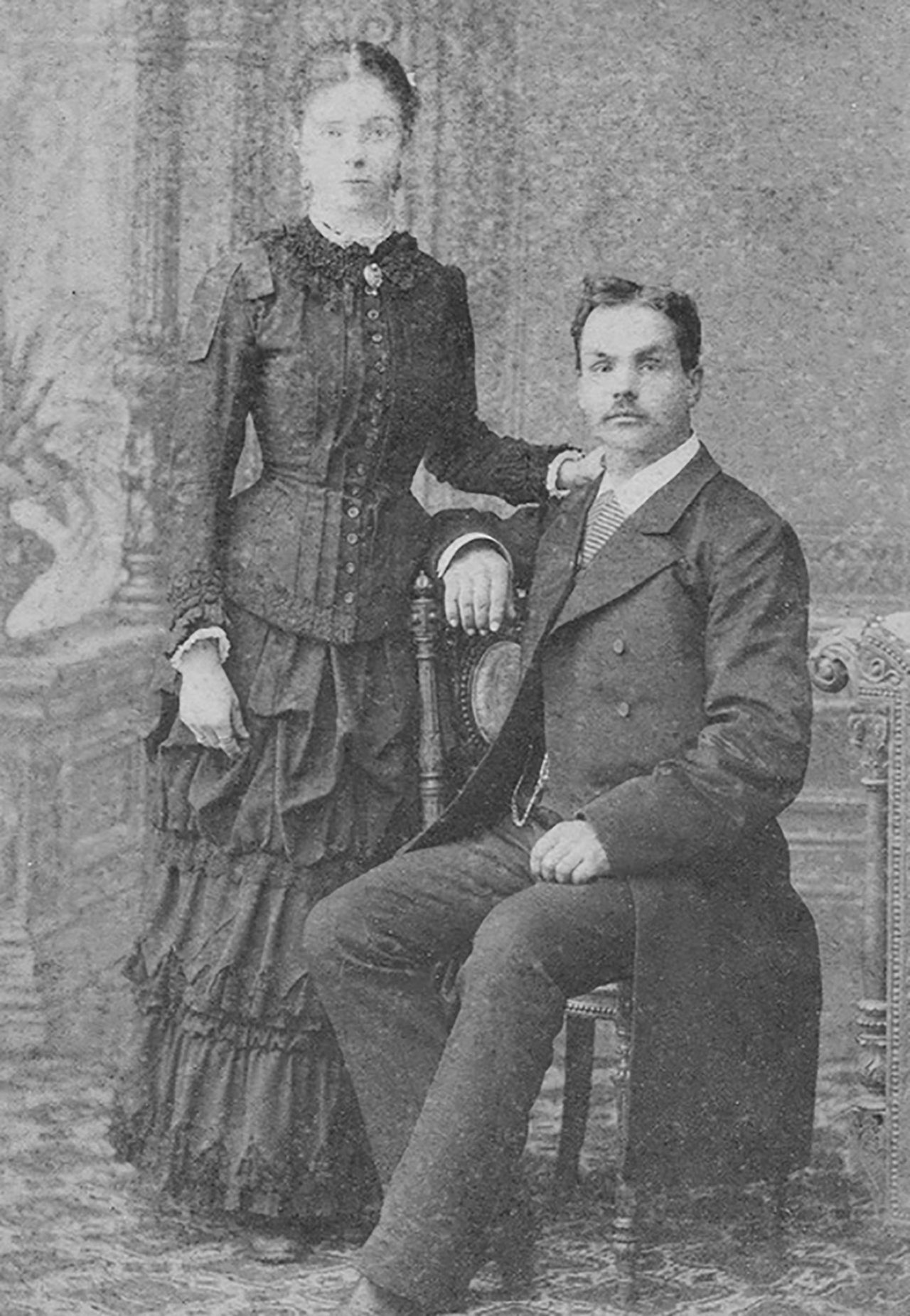 Portrait of a married couple
Peasants
Peasants made up the majority of the population and the vast majority of them were illiterate. Even by the end of the 19th century, the literacy rate in rural areas did not exceed 20%. The few who could read had learned to read using Church Slavonic books – the ‘Psalter’ and the ‘Book of Hours’ – by rote memorization of syllables. As a result, a peasant could fluently read church texts, but struggled to understand literary Russian. Knowledge of any foreign language was usually out of the question.
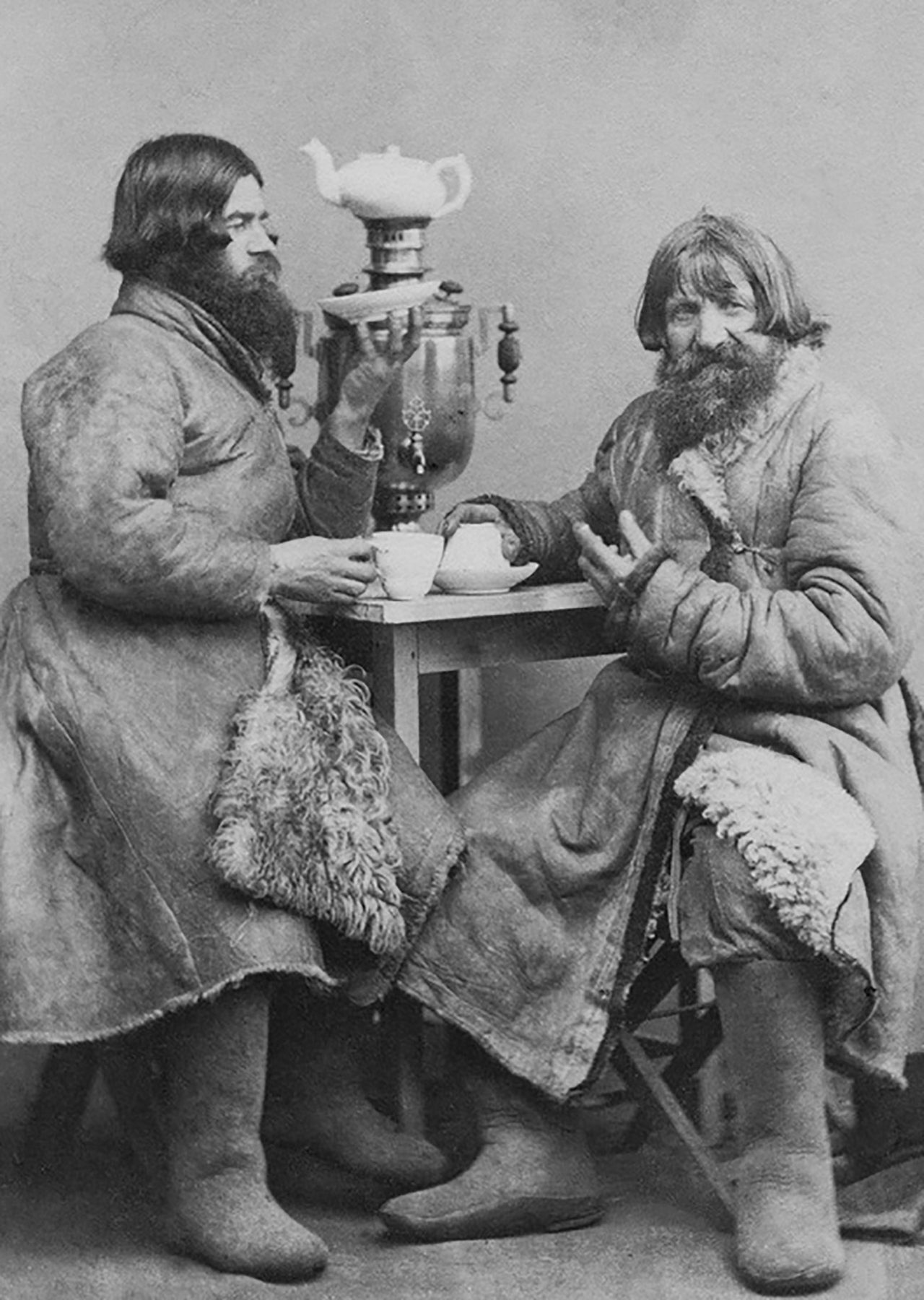 Tea party