

5 favorite books of Joseph Stalin

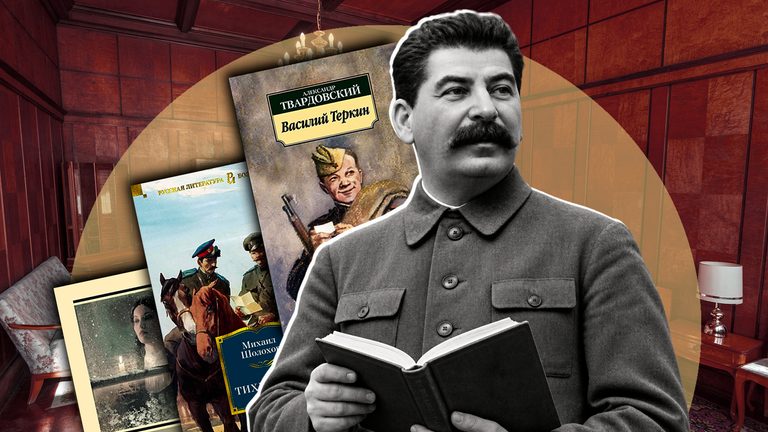
He read an enormous number of various books, making emotional notes in the margins, which biographers later studied carefully. We’ve selected a few books that definitely made a huge impression on him.
From the age of 13, the future Soviet leader read up to 500 pages every day. Reading helped him master the Russian language, which he only began learning as a teenager, in order to enter a theological seminary.
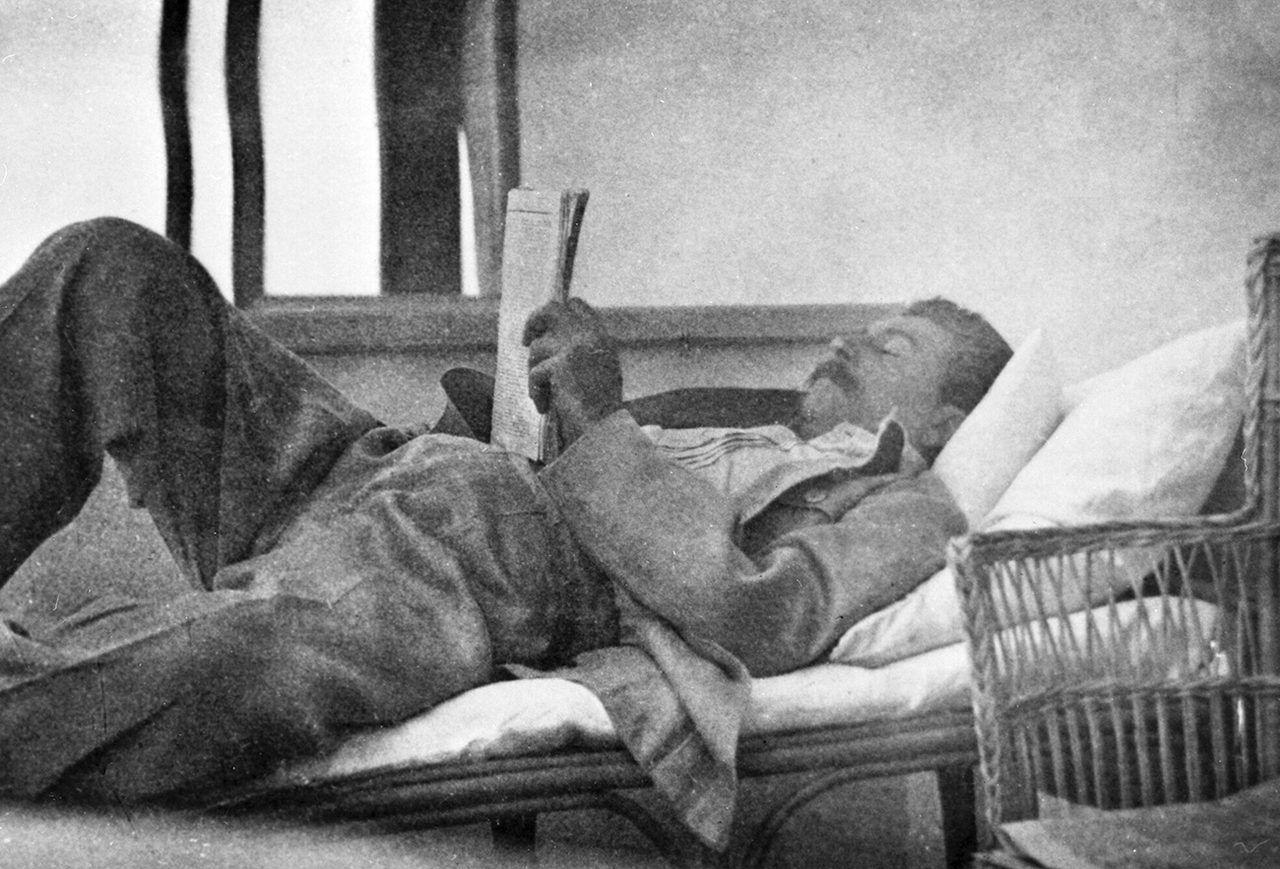
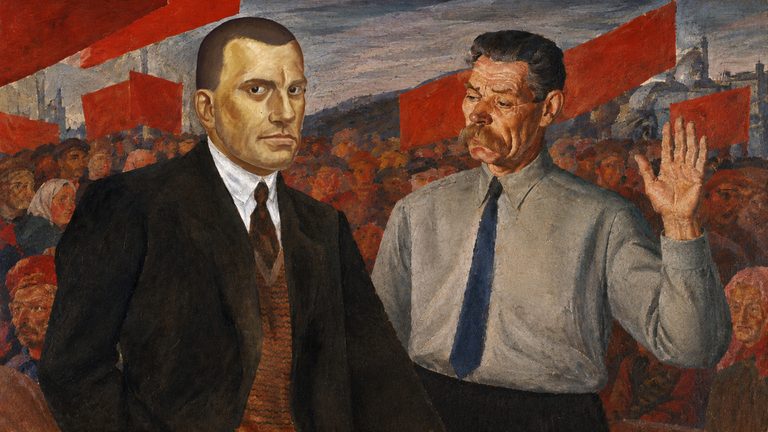
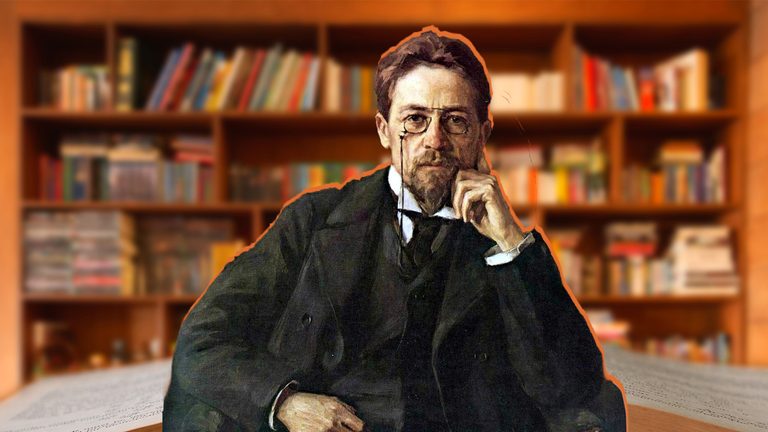
He was particularly fond of poetry and he himself wrote poems in Georgian. According to biographer Roy Medvedev, Stalin at one time dreamed of becoming a writer himself. He also began assembling a library back in his revolutionary underground days. It’s known that he loved Victor Hugo and admired Anton Chekhov, Fyodor Dostoevsky and Vladimir Mayakovsky.
After taking the helm of the USSR, Stalin read not only all the fiction being prepared for publication, but also a multitude of historical, philosophical and scientific works – including, for example, works on biology. And he kept all publications under his personal control.
1. Alexander Kazbegi – ‘The Patricide’
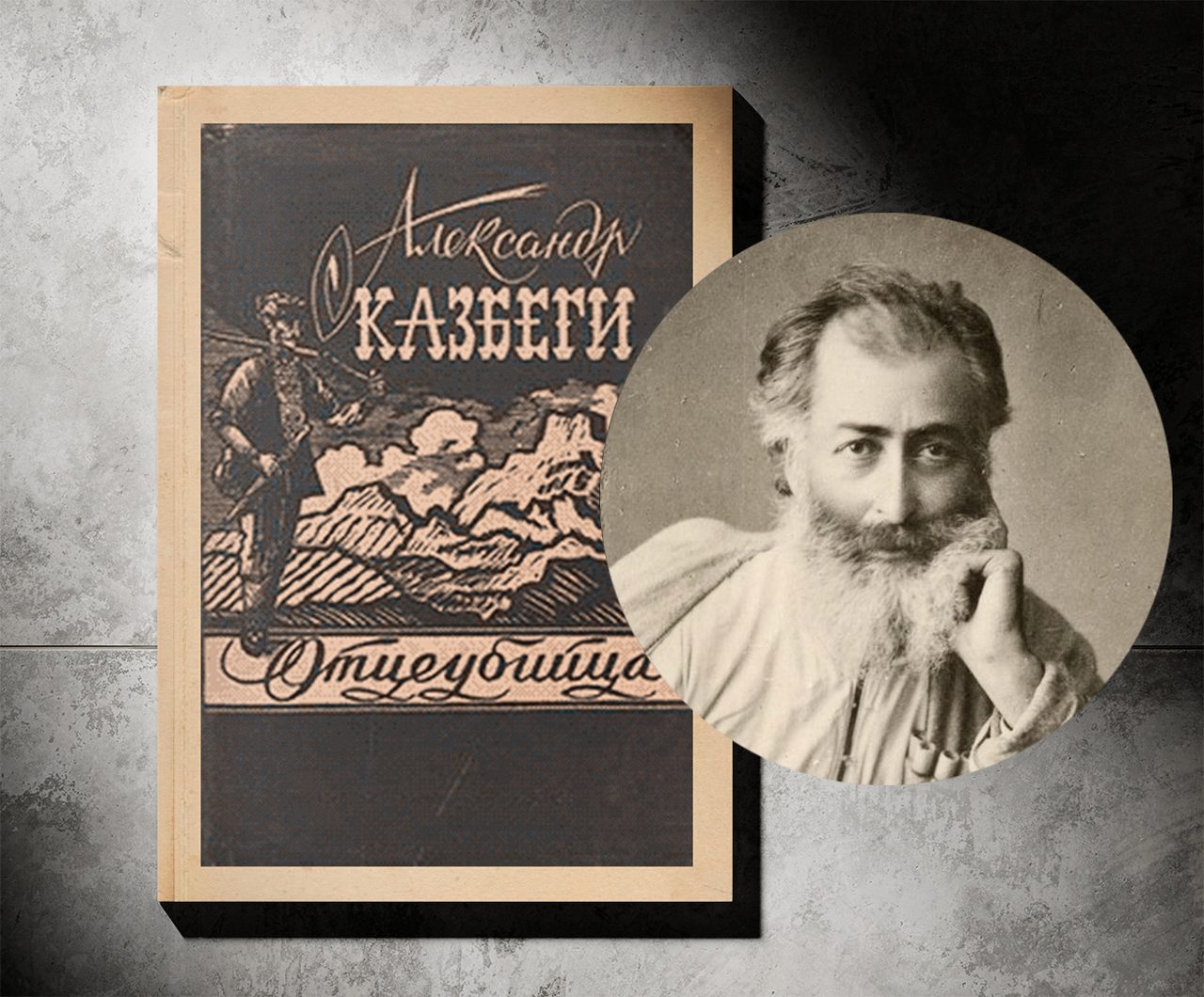
This novel by the famous Georgian writer, about an honest outlaw, fighter and hero, appealed to the young Joseph Dzhugashvili (Stalin's real name). Biographers believe that he wanted to like the central character of the novel, which is why he took the character's name, ‘Koba’, as his first party alias.
2. Alexei Tolstoy – ‘Ivan the Terrible’
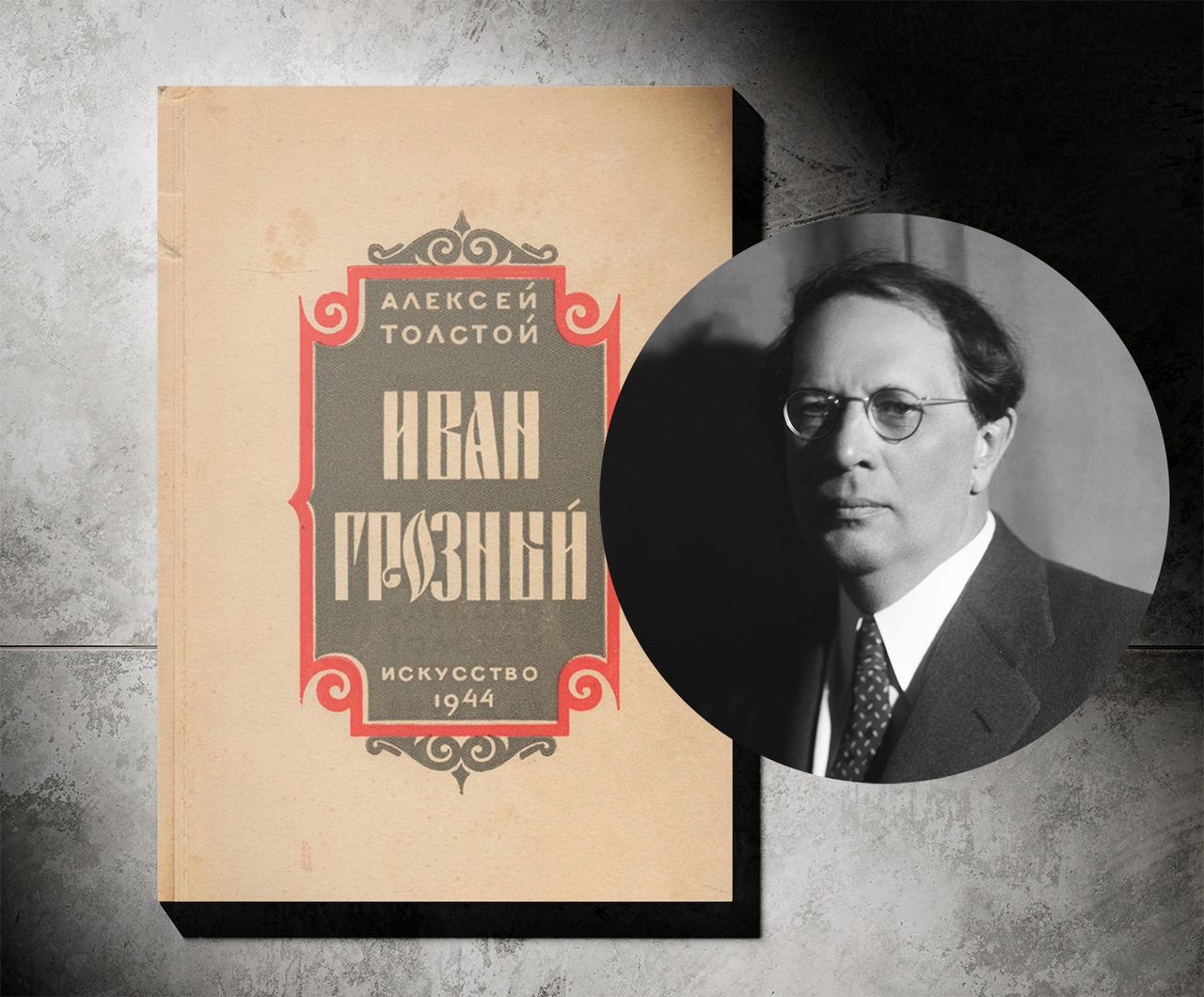
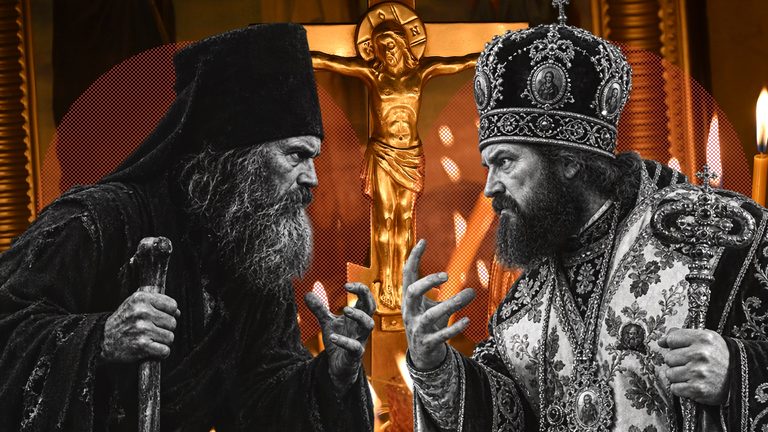
Stalin read this play in 1942, at the height of World War II, amid the direst situation at the front. He wrote the word ‘teacher’ several times in the margins and also made notes on military tactics that came to mind while reading. It was Stalin who initiated the production of a movie about Ivan the Terrible and personally approved Sergei Eisenstein's script. Historians find many similarities between the figure of Ivan the Terrible and Stalin himself.
3. Mikhail Sholokhov – ‘And Quiet Flows the Don’
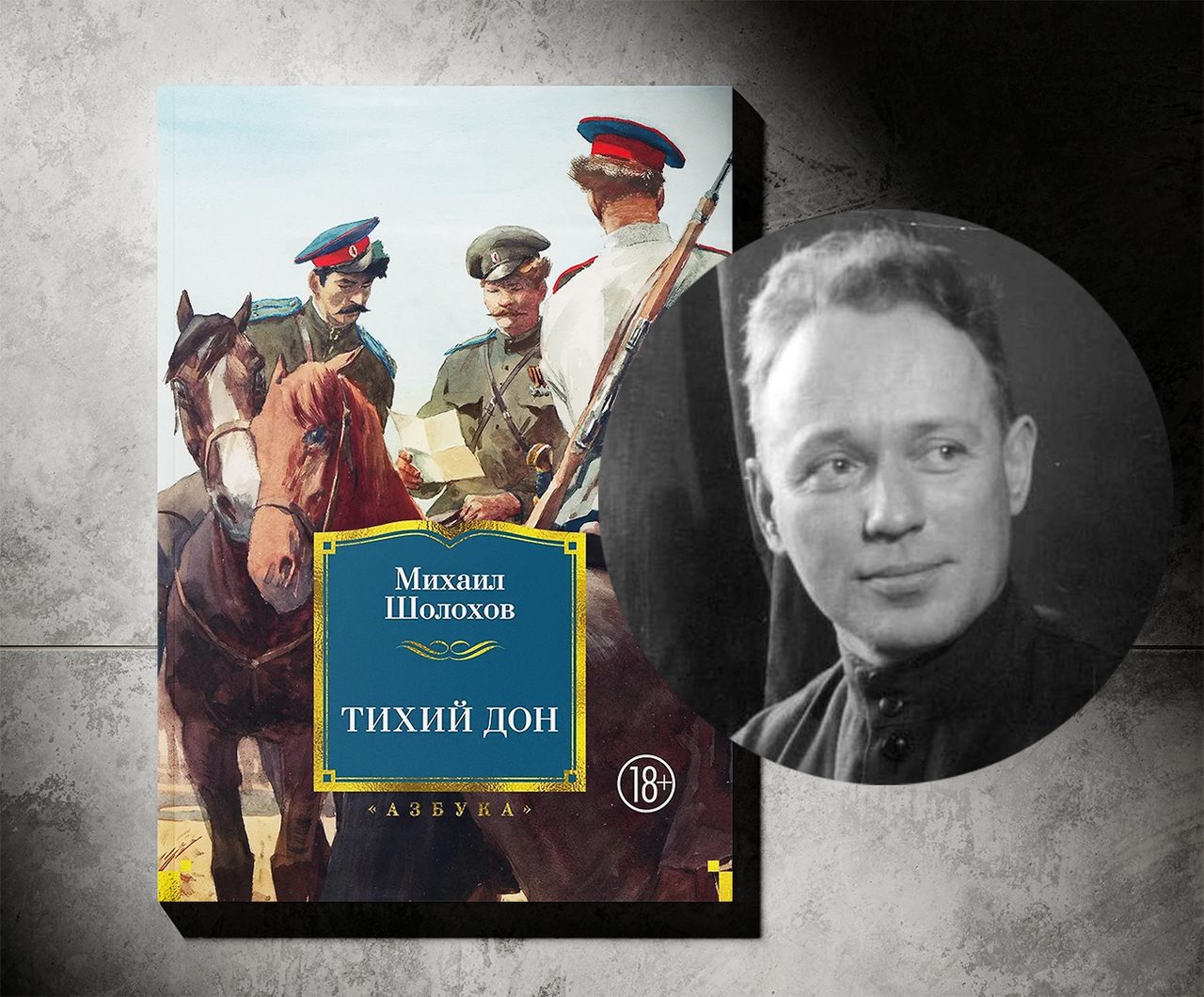
In this Cossack saga about the Civil War, it’s very difficult to discern which side the author is on – the Whites or the Reds. The work was published in installments: the first two volumes caused universal delight, but the third was long delayed, because censors decided it excessively glorified the Whites.
Sholokhov appealed directly to Stalin, who gave the go-ahead for publication. “Sholokhov, in my opinion, has great artistic talent. Moreover, he is a deeply conscientious writer: he writes about things he knows well,” wrote Stalin regarding the novel.
4. Alexander Tvardovsky – ‘Vasily Tyorkin’
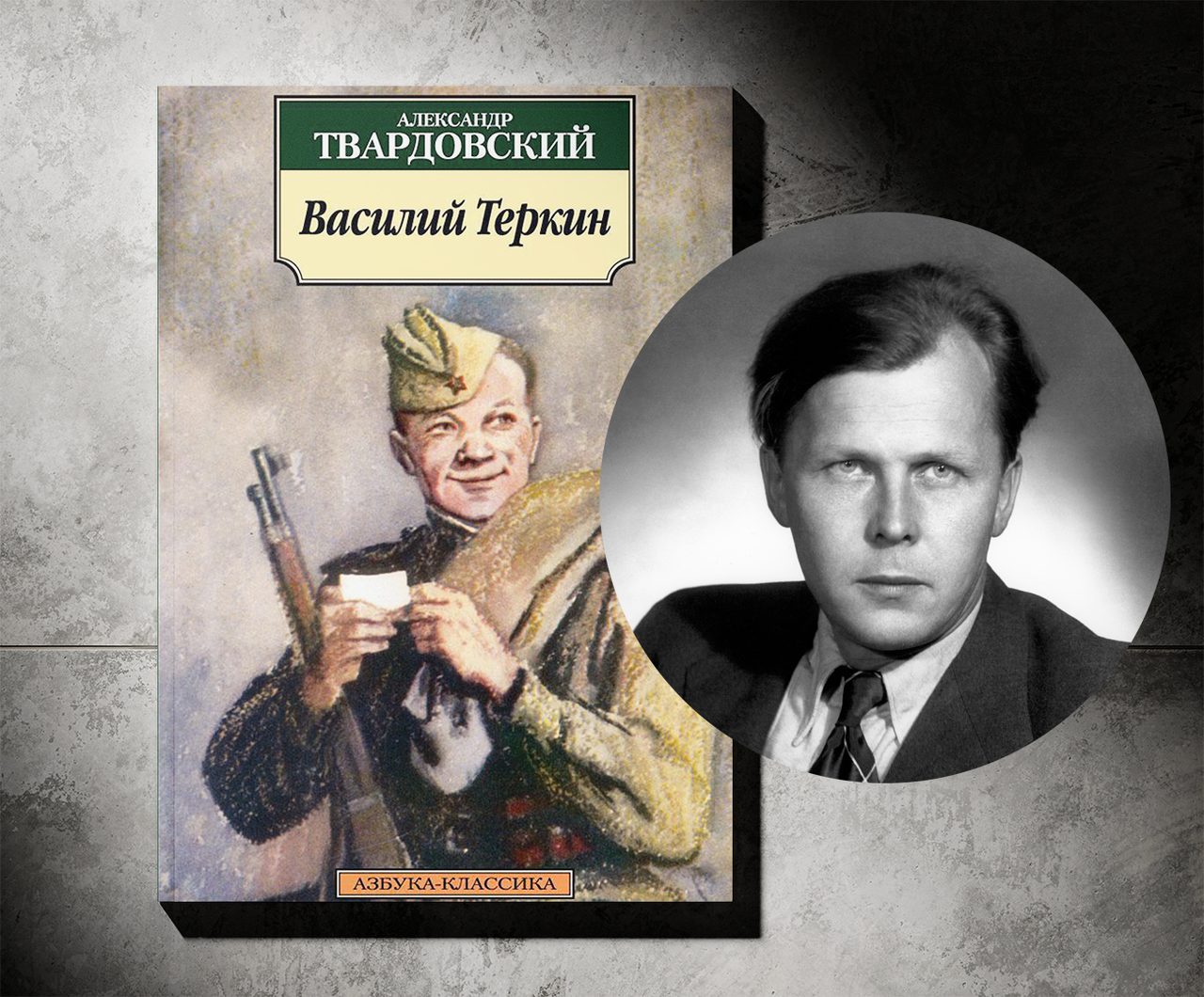
Stalin valued it when writers described the truth, especially the events they had witnessed themselves. The young Tvardovsky worked as a war correspondent on the World War II front lines. And he created his poem about a cheerful and fearless soldier based on his own experience. There is a legend that Tvardovsky was not on the award list for the ‘Stalin Prize’, because the poem doesn’t mention Stalin at all. But, at the prize committee meeting, Stalin was reportedly outraged that Tvardovsky was not on the list and ordered that he be given the ‘Order of Lenin’ instead.
5. Mikhail Bulgakov – ‘The Days of the Turbins’
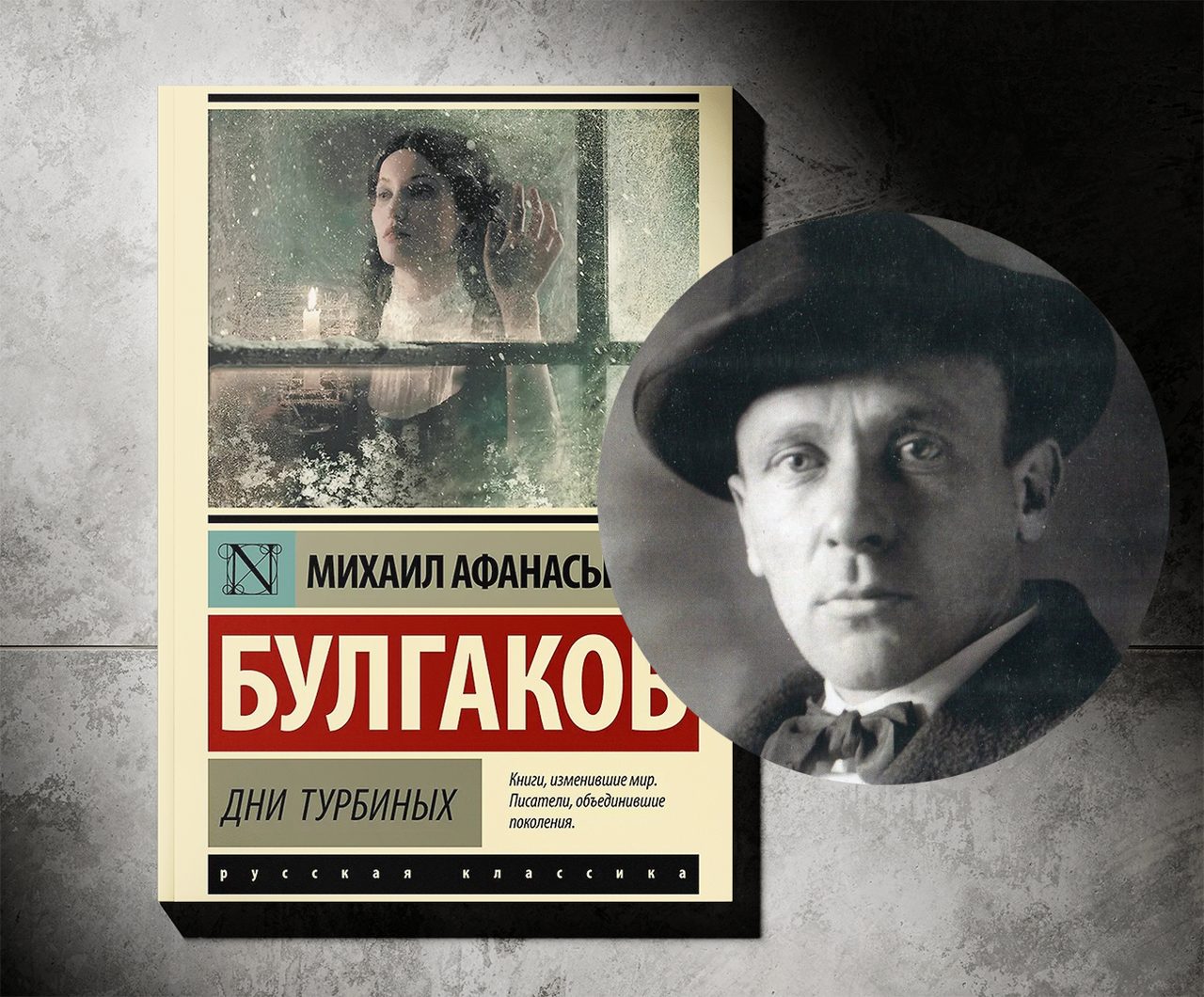
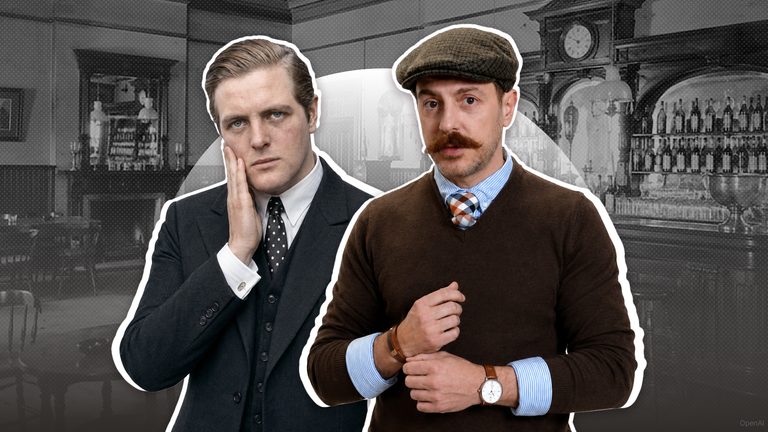
Stalin considered this non-proletarian play useful, because it shows how the sympathetic intelligentsia, like the Turbins, still end up submitting to the Reds. “The Days of the Turbins is a demonstration of the all-crushing power of Bolshevism,” Stalin wrote.
Stalin recognized Bulgakov's literary talent and even personally saved the writer from press persecution and a ban on his works being published. Stalin's telephone call to Bulgakov is widely known; after it, Bulgakov was reinstated at his theater job and his plays were restored to the repertoire.