Who did ‘Pinocchio’, ‘Doctor Dolittle’ and others become in Russian literature?
In Russia, these well-known characters took on different names and personalities.
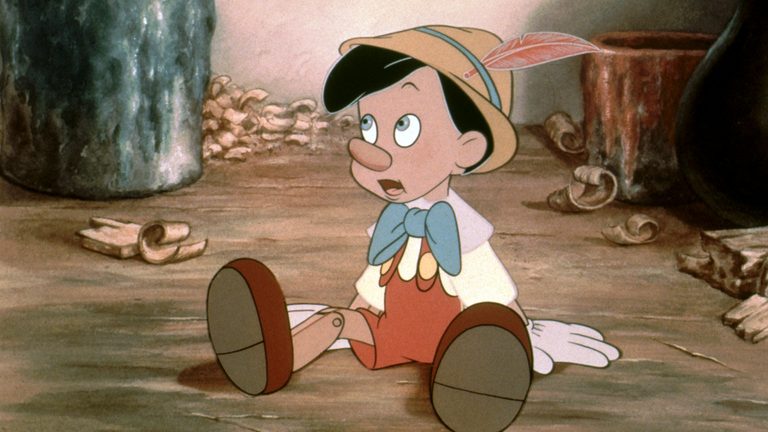
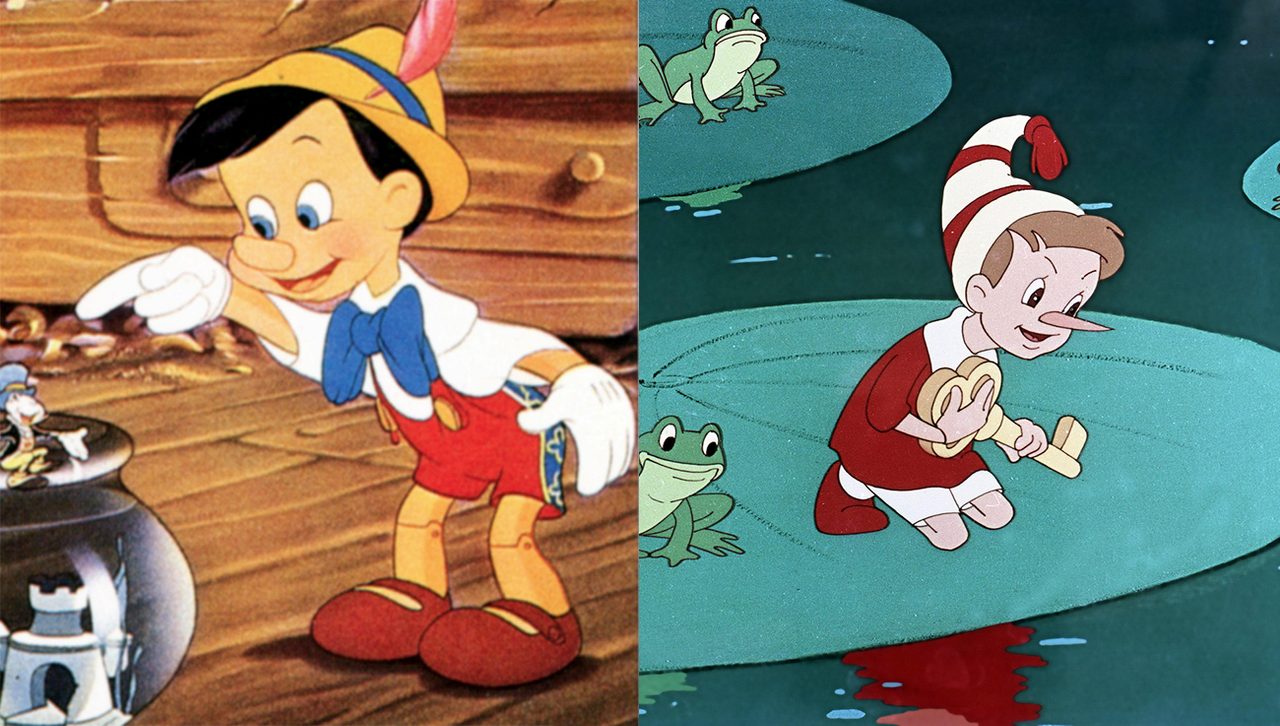
‘Pinocchio’ vs. ‘Buratino’
The transformation of ‘Pinocchio’ into ‘Buratino’ began in the 1920s, when Aleksey Tolstoy, while working on a Russian translation of Carlo Collodi’s fairy tale, decided to retell the story in his own way. By 1936, he had written an entirely original fairy tale: ‘The Golden Key or The Adventures of Buratino’. The connection between the two characters is limited to their physical appearance: both are carved from a log, both are disobedient and both have long noses. The key difference lies in their personalities and the authors' intentions. Through suffering and hard work, ‘Pinocchio’ undergoes a process of purification and reform, eventually being transformed by a fairy into a real, living boy. ‘Buratino’, by contrast, is an incorrigible mischief-maker and rebel, who does not change or turn into a human. Instead, thanks to his own wit and ingenuity, loyal friends and a bit of luck, he finds the golden key and acquires his own theater, all while remaining a wooden puppet. Thus, while ‘Pinocchio’ is a story about the attainment of a living human soul, the story of ‘Buratino’ is a celebration of freedom, friendship and the triumph over injustice.
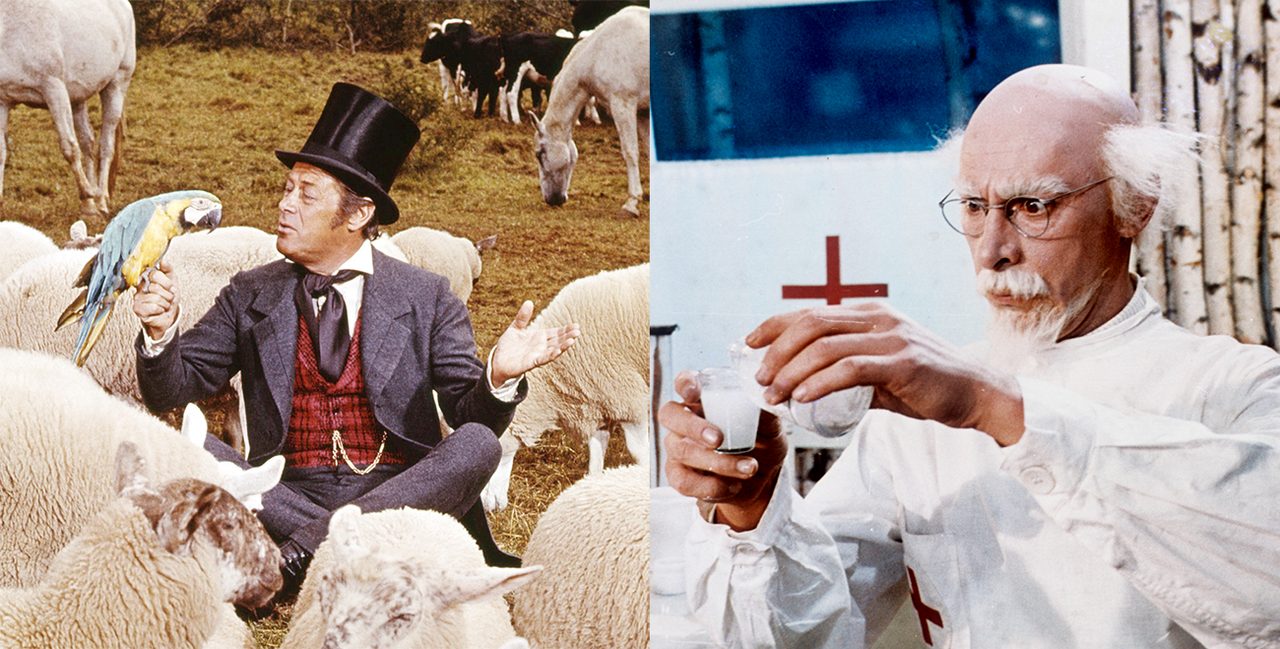
‘Doctor Dolittle’ vs. ‘Doctor Aybolit’
In the 1920s, children’s author and translator Korney Chukovsky, drawing inspiration from the books by English author Hugh Lofting about ‘Doctor Dolittle’ wrote his own fairy tale about an "animal doctor". The characters share several similarities: both treat animals for free, understand their language and are willing to embark on dangerous journeys, such as traveling to Africa, to save them. However, a key difference lies in their personalities: while ‘Dolittle’ is an absent-minded, eccentric "clumsy fellow" who often relies on his parrot’s advice and whose world is full of English humor, ‘Aibolit’ is a decisive, all-knowing and heroic doctor, whose actions are driven by pure, absolute kindness.
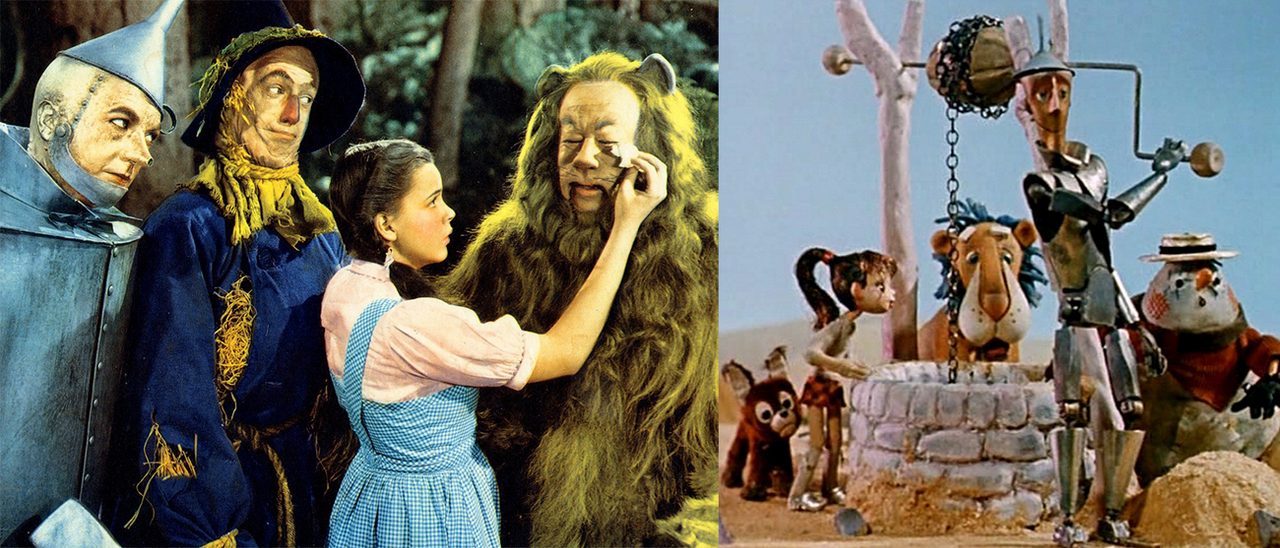
‘The Wonderful Wizard of Oz’ vs. ‘The Wizard of the Emerald City’
When the children of mathematician Alexander Volkov were young, he would retell them L. Frank Baum’s ‘The Wonderful Wizard of Oz’. He soon became captivated by the story himself, beginning to add his own episodes, rework plot lines and Russify the characters' names. In this way, a new work emerged based on the existing one; it was first published in 1939. The initial books by both authors bear a strong resemblance to one another: a young girl from Kansas (‘Dorothy’/‘Ellie’), accompanied by her little dog (‘Toto’/ ‘Totoshka’), the ‘Scarecrow’, the ‘Tin Woodman’ and the ‘Cowardly Lion’, set off along a yellow brick road toward the Emerald City to meet a wizard (‘Oz’/‘Goodwin’) and have their deepest and most cherished wishes granted. Yet, the two versions differ significantly in their narrative style: while Baum’s secondary characters often function as somewhat abstract figures, Volkov develops his episodic characters with greater depth and detail. Later, independently of Baum, Volkov wrote five sequels: ‘Urfin Jus and His Wooden Soldiers’, ‘The Seven Underground Kings’, ‘The Fiery God of the Marrans’, ‘The Yellow Mist’ and *The Secret of the Abandoned Castle’ – which ultimately transformed the Emerald City into a distinct universe, with only minor borrowings from the world of ‘Oz’.
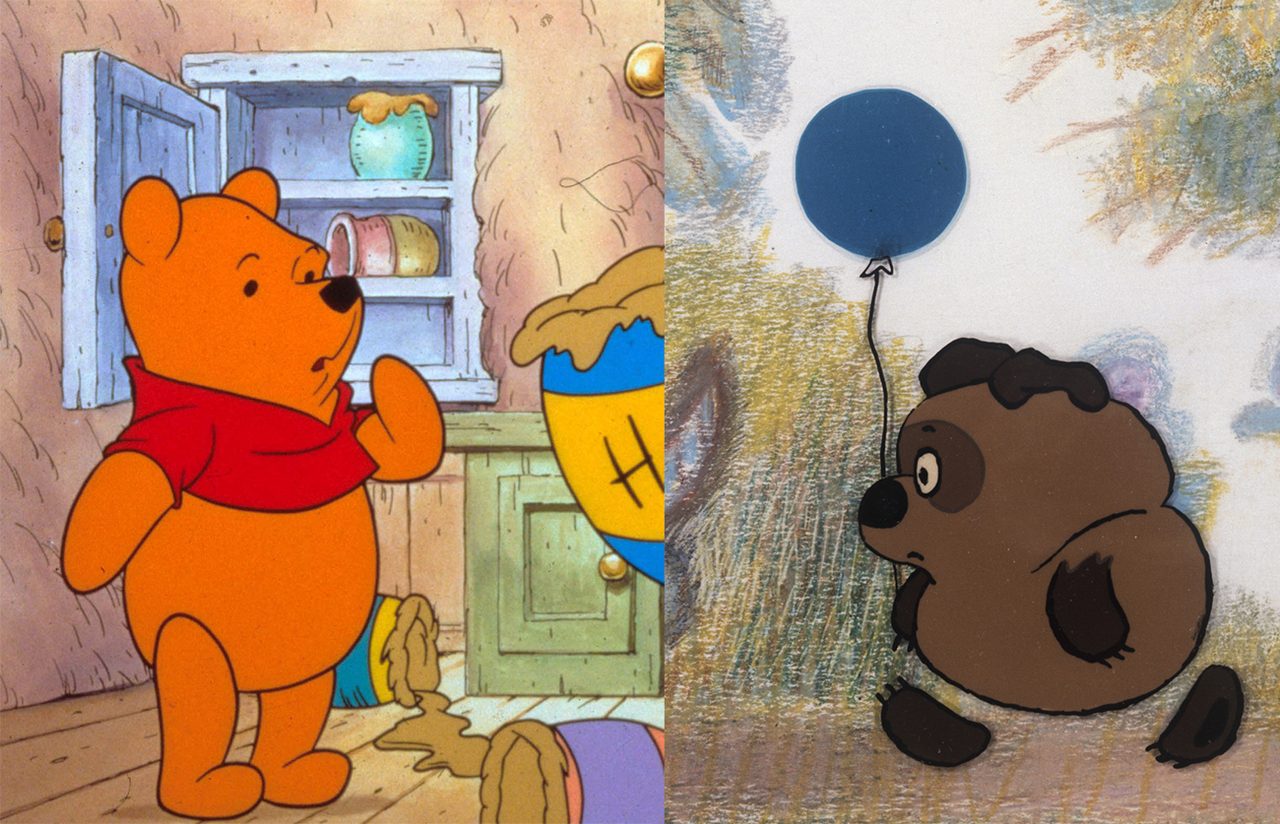
‘Winnie-the-Pooh’: English & Russian versions
When translator Boris Zakhoder discovered A. A. Milne’s book in 1958, he did not produce a direct translation, but rather a free adaptation. The similarities between the characters are limited to the general plot: a teddy bear who loves honey, is friends with ‘Piglet’, ‘Eeyore’ and ‘Christopher Robin’ and goes through a series of comical adventures. However, the key difference, again, lies in their characters and personalities. In Milne’s version, ‘Winnie’ is a naive, unassuming, good-natured bear, whose life depends entirely on the boy Christopher Robin. Zakhoder, by contrast, transformed him into an independent, creative individual, endowing him with a way of speaking rich in wordplay and puns. Furthermore, the structure was altered in the Russian adaptation: Zakhoder combined Milne’s two books into one, omitted the prefaces and dedications and shortened or rearranged certain chapters.
‘Mary Poppins’: English & Russian versions
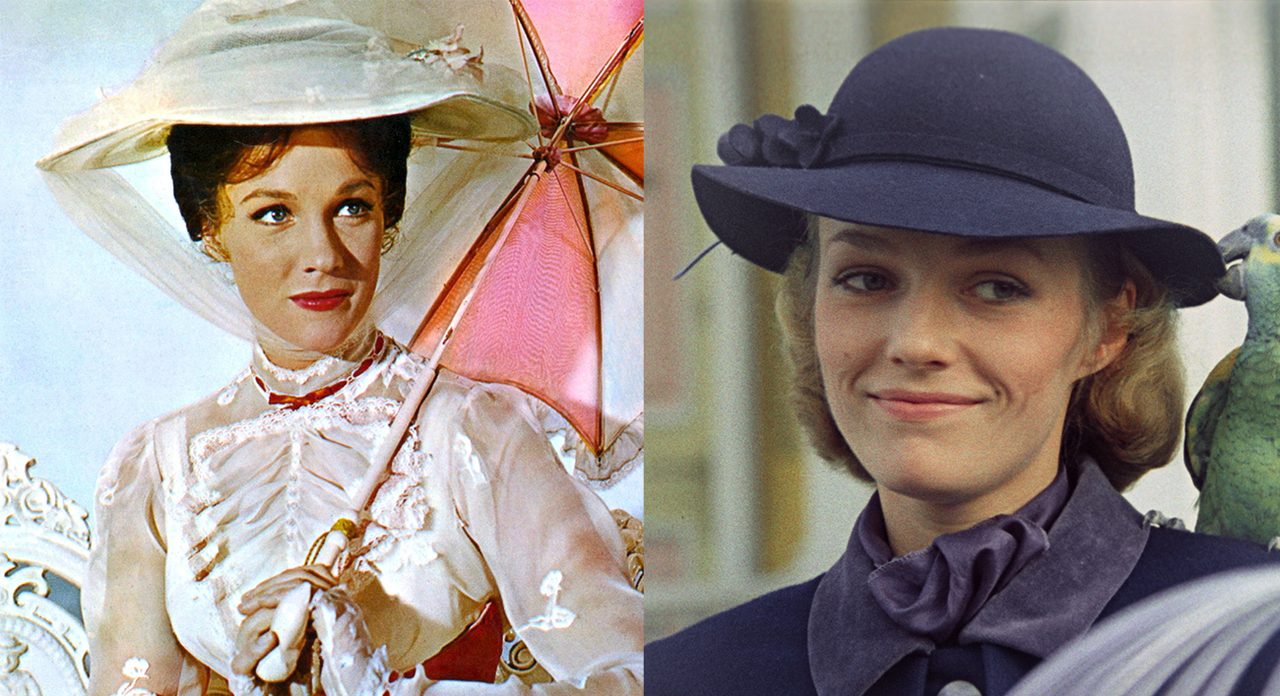
Similar changes also affected ‘Mary Poppins’ in the adaptation by the same Boris Zakhoder. The resemblance to Pamela Travers’ original is limited to the retention of the protagonist – a strict, yet charming magical nanny, who arrives with the wind, understands the language of animals and teaches children important lessons. Yet, the fundamental differences are significant. Zakhoder included only eight of the 12 chapters from the first book in the Soviet edition, along with select chapters from the sequels. But, the most significant divergence lies in the interpretation of the character: while in Travers’ original, ‘Mary Poppins’ is a largely mystical figure, in the Russian-language version she has become a somewhat complex, but charming governess, in her own right.