
A neural network finished writing Nikolai Gogol’s ‘Dead Souls’. What was the result?
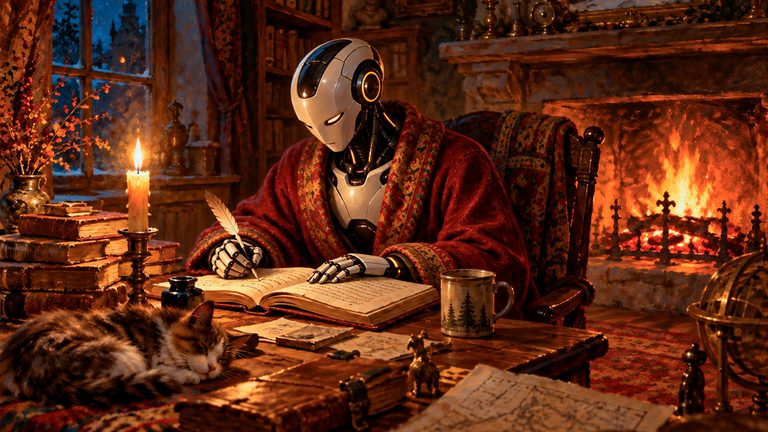
A book titled ‘Dead Souls: Volume Two – Rebirth’, written by GigaChat, has been published in Russian.
The ‘GigaChat’ neural network created 350 pages of text and 21 illustrations in the style of artist Alexander Agin, the artist who illustrated the first edition of Nikolai Gogol’s book. The draft manuscripts of Gogol’s second volume of ‘Dead Souls’ were deliberately not used, but it appears they did not abandon the overall concept of guiding the protagonist toward the path of virtue.
How Gogol Burned ‘Dead Souls’
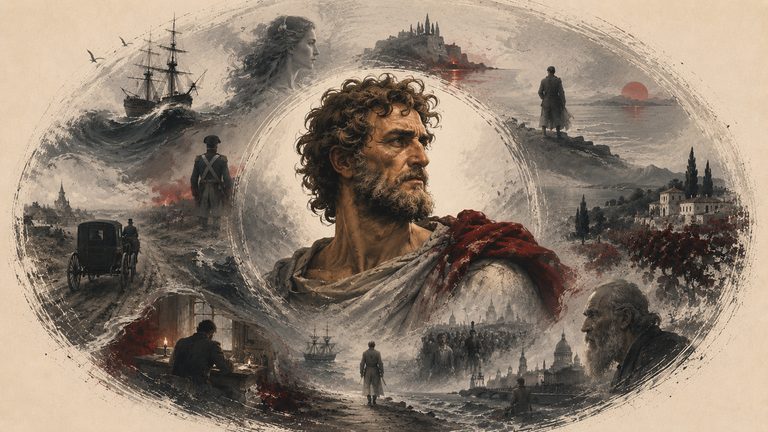
Nikolai Gogol (1809–1852) conceived ‘Dead Souls’ as a trilogy similar to Dante’s ‘Divine Comedy’. The first volume, published in 1842, was a roguish travel novel. An adventurer named Pavel Chichikov travels across Russia buying up "dead souls" – deceased peasants, who were still officially listed as alive – from landowners, intending to use them as collateral to secure funds. The second volume was intended to serve as a Purgatory for the protagonist; the author wanted to depict his journey toward moral rebirth. And the third book was meant to describe his ultimate transformation. However, these plans never came to fruition.
Gogol set aside two years to write the second volume, but he worked on it for over 10 years. He wrote slowly and painstakingly, rewriting chapters repeatedly and reading them aloud to friends and spiritual mentors. The author wanted the book to lead the reader toward Christian truths. But, the longer he worked on it, the clearer it became that the rogue and swindler Chichikov had no desire or intention of transforming into a virtuous hero.
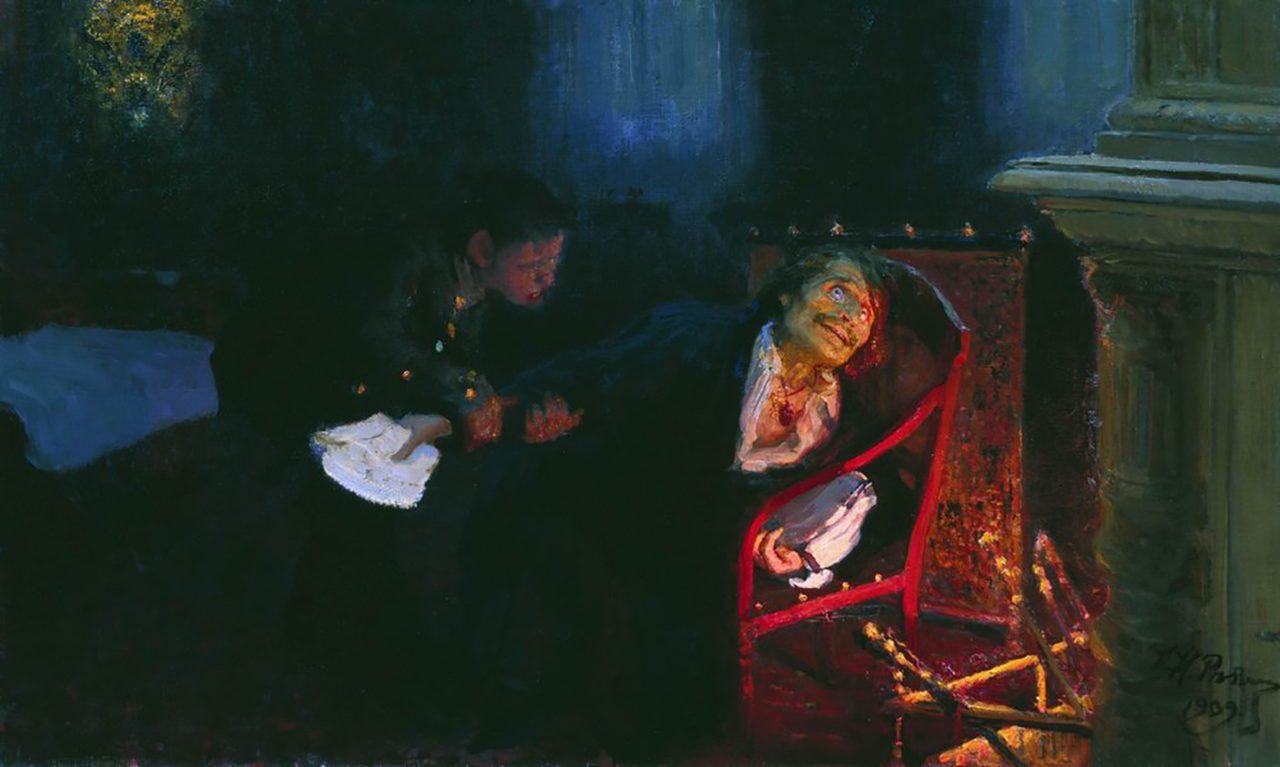 Ilya Repin. Gogol Burning the Manuscript of the Second Part of "Dead Souls"
In 1845, he burned the manuscript for the first time. Gogol felt that the content of the volume did not match his original vision, and in a fit of emotion, he destroyed the manuscript. By 1852, a new version of the novel was nearly complete. But on the night of February 24, a gravely ill Gogol woke his servant, ordered him to stoke the stove and bring a briefcase containing his notebooks. And once again, he threw the manuscript into the fire. The writer spent the next few days delirious, after which he died.
Explanations for why Gogol chose to destroy his work range from accidentally mistaking the fair copy for rough drafts to deep depression. After the writer's death, five chapters of the second volume were discovered among his papers. A friend of Gogol’s, critic Stepan Shevyrev, transcribed them and they were published in 1855. These surviving chapters are all that remain of the trilogy he had envisioned.
How ‘Sber’ & GigaChat "Finished" the Second Volume of ‘Dead Souls’
In 2024, ‘Sber’ decided to use its neural network, ‘GigaChat’, to create a version of the second volume of ‘Dead Souls’. The idea wasn’t to resurrect the late classic author, but to train the neural network to write a substantial work of fiction – and, of course, to draw attention to Gogol’s legacy.
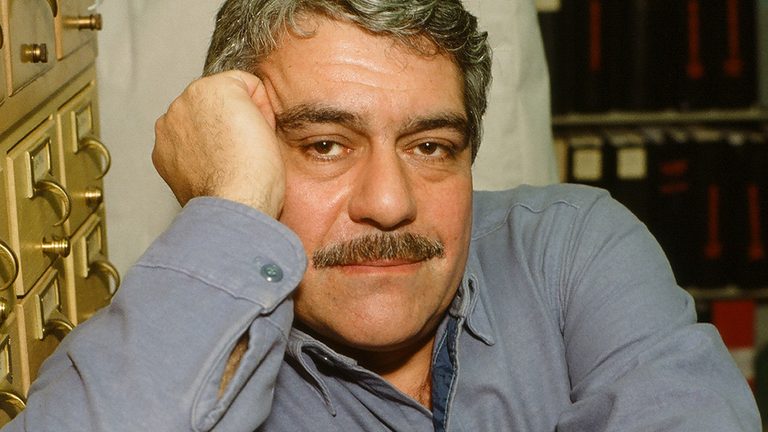
The project was overseen by writer Vladislav Otroshenko, author of the book ‘Gogoliana’. The team included historians, literary scholars, linguists, engineers and writers. According to Otroshenko, the process resembled filmmaking: first, they wrote a “shot-by-shot script”, then turned the scenes into prompts for the neural network.
 An anthropomorphic robot featuring Sber’s GigaChat neural network, presented at the 10th international AI Journey conference
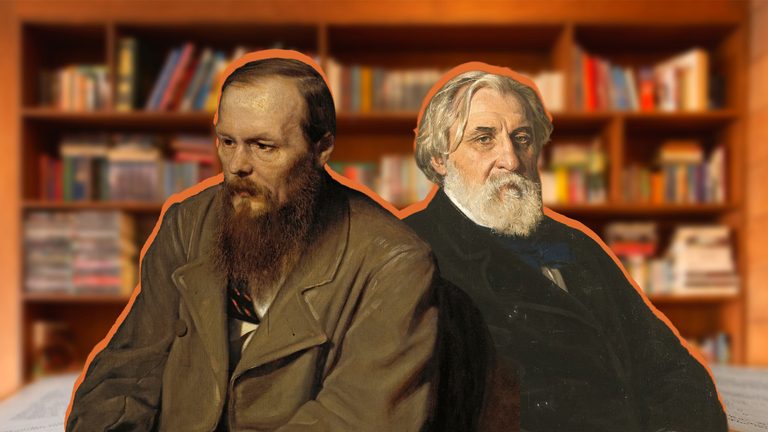
But, before work began, ‘GigaChat’ was trained on the complete works of Gogol – including letters, drafts and notebooks – as well as texts by Pushkin, Dostoevsky, Turgenev and other Russian classics, along with philosophical treatises and the Bible. His correspondence with Countess Anna Vilegorskaya was particularly useful for the romance subplot in the novel, since Gogol was in love with her and even proposed to her, while his correspondence with Alexander Danilevsky – a classmate and friend – provided the casual, playful tone. They also fed the system books that Gogol read while working on the second volume and even reproductions of his favorite paintings.
The results were evaluated based on several criteria: lexical diversity, the use of archaisms, the grotesque and the fluidity of dialogue. Experts reviewed every segment to ensure the neural network was "creating semantic images with new meanings rather than simply compiling existing Gogol texts". The team admitted that, initially, the neural network produced text that didn't match their vision, often requiring revisions. Eventually, however, it "found its voice" and even surprised the professionals with its sense of humor when writing the dialogues.
The result
The main difference between this new volume and Gogol’s surviving drafts lies in the approach to Chichikov’s fate. Gogol had intended to "redeem" his protagonist, whereas the team consciously chose not to take that path. The concept of "rebirth" is built on the premise that Chichikov does not suddenly become virtuous and continues to seek out less-than-honest ways of making money.
He continues his travels across Russia, encountering new landowners and officials along the way. For instance, Chichikov arrives in a southern Russian town and visits the estate of the landowner Bakhvalova – a widow surrounded by marriageable daughters, one of whom the protagonist nearly falls in love with. The novel also retains the grotesque and absurd elements typical of Gogol: In one episode, the neural network generated a dream featuring fish-like officials and an interrogation that morphs into a game of whist.
A neural network cannot think, but it can imitate. Consequently, the text contains direct allusions to the first volume of ‘Dead Souls’ – ranging from the quote in Chichikov’s father’s will about "saving every penny" to character traits of landowners reminiscent of Plyushkin, Manilov or Sobakevich. The second volume also features extensive lyrical digressions – on female allure, enlightened readers, the Russian character and the breadth of the Russian soul, the practice of denunciation in Old Russia and the nature of living and dead souls.
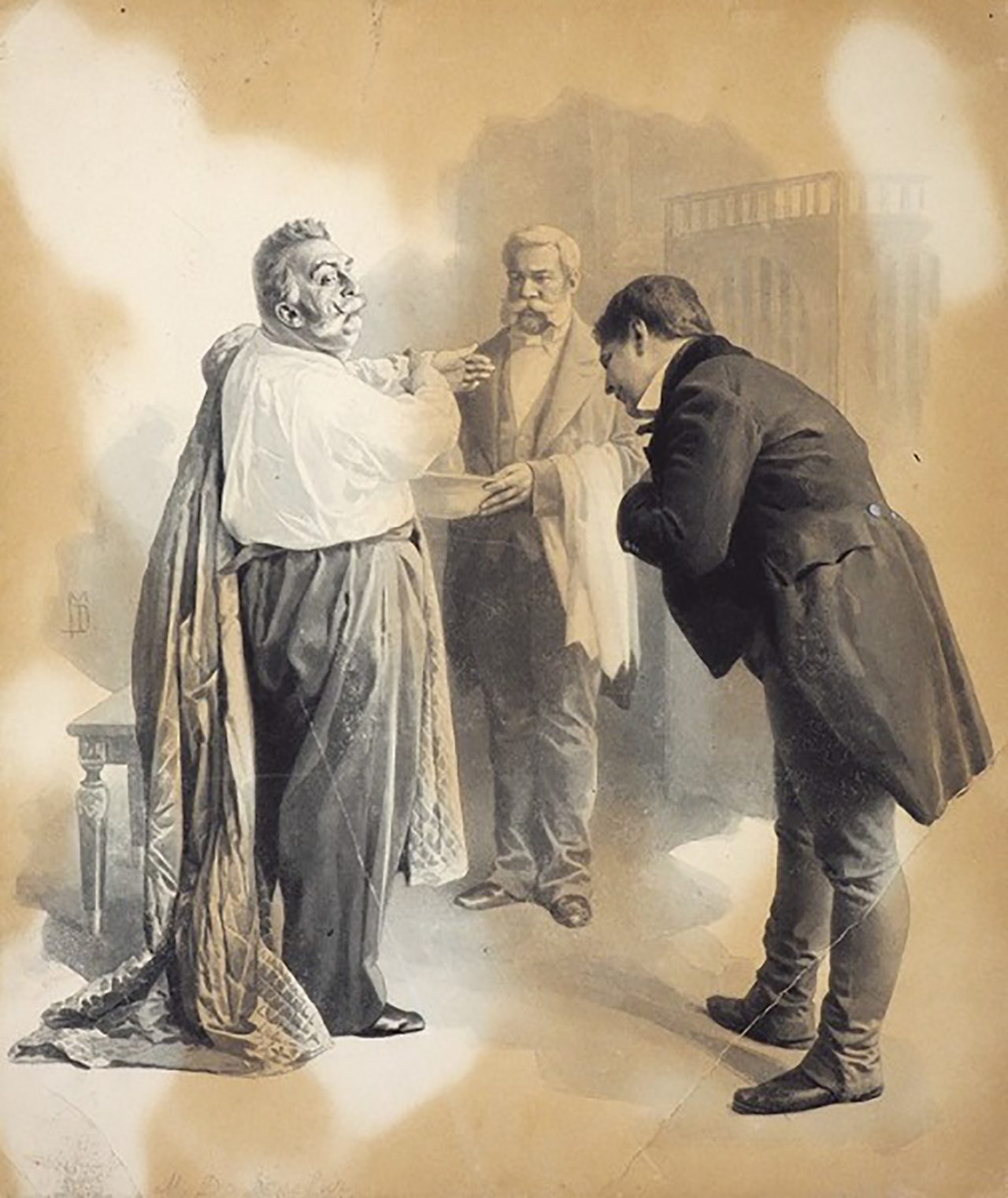 Chichikov at Nozdryov’s. Illustration for N. Gogol’s poem "Dead Souls". 1901
There are references to other works by Gogol, as well. The descriptions of feasts seem drawn from ‘Old-World Landowners’, while character sketches hint at ‘The Nose’, ‘Marriage’ or ‘The Government Inspector’. Here and there, one catches a glimpse of ‘Viy’s eyelids’ or a turn of phrase from ‘The Overcoat’. There are broader borrowings, too. The motif of the double – Chichikov has no fewer than two doppelgängers in the novel – is expanded from a theme familiar to Gogol into something approaching Dostoevsky’s scale. Some characters even take on traits reminiscent of Don Quixote or Hercule Poirot.
The diversity of genres deserves special mention. While the first volume of ‘Dead Souls’ featured interludes and short stories that did not affect the narrative, which was close to that of a picaresque novel, ‘Resurrection’, in this sense, resembles a patchwork quilt: sometimes, a mystery, sometimes, a romance, sometimes, a comedy of disguise and, sometimes, even a phantasmagoria.
Despite Otroshenko’s stated refusal to rework Chichikov, the hero has, nonetheless, undergone a metamorphosis. The secretive and outwardly even-tempered character remained in the first volume. The new Chichikov is not only capable of getting involved in scams, but also of being rude, telling bawdy jokes, falling in love and even dreaming of justice. So, there is some chance that the rogue will embark on the path of virtue if the project continues.