
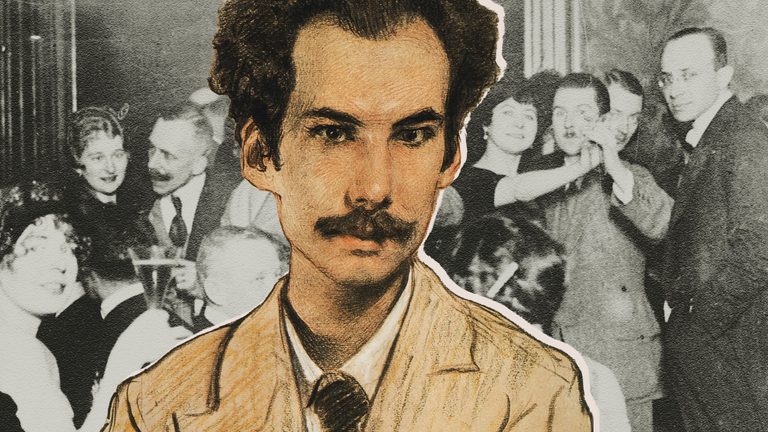
8 Odysseuses of Russian Literature (PICS)
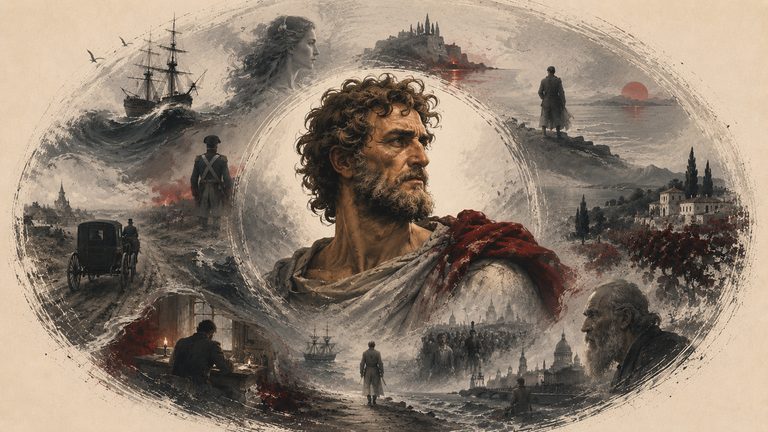
Hero, wanderer, cunning husband or spiritual seeker – how did Russian writers see Homer’s Odysseus?
In 18th- and 19th-century Russia, classical culture was an important component of a nobleman’s education. In gymnasiums and higher education institutions, the study of ancient Greek and Latin, as well as mythology and classical history, was mandatory. Furthermore, the upper classes, who were fluent in French, read Homer in French translations.
From the second half of the 18th century onward, prose translations, adaptations and imitations of the Odyssey began to appear in Russian. Therefore, by the time poet Vasily Zhukovsky's translation of ‘The Odyssey’ appeared, the story was already part of the Russian cultural code.
The image of the ancient Greek hero inspired many Russian writers. And they interpreted his fate and goals differently.
1. The Veteran – Konstantin Batyushkov, ‘The Fate of Odysseus’ (1814)
This poem was written immediately after the Russian army's foreign campaigns of 1813–1814, when Russia defeated Napoleon. Poet Batyushkov, who himself had fought in the war, does not glorify victory; he portrays the hero's weariness and emotional pain. His Odysseus is a "God-fearing sufferer" who has endured and survived the underworld, Scylla and Charybdis. When he finally reaches his native Ithaca, he awakens on the shore and does not recognize his homeland. For Batyushkov's generation, Odysseus became a symbol of post-war trauma and alienation.
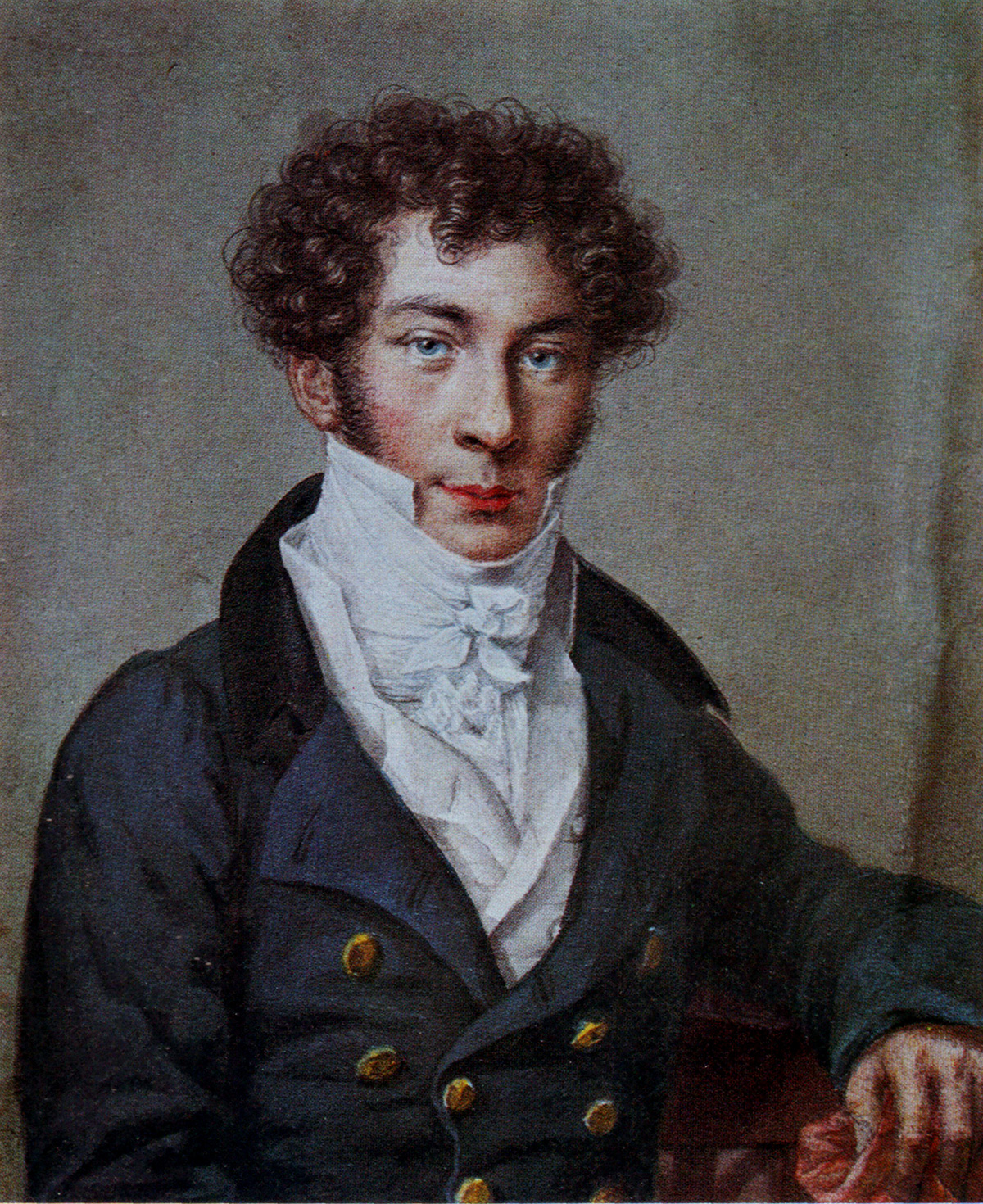 "Portrait of K. N. Batyushkov" by artist Nikolai Utkin (1815)
2. The Adventurer – Pavel Chichikov in Nikolai Gogol's poem ‘Dead Souls’ (1842)
Great Russian writer Nikolai Gogol wrote a poem about a swindler named Pavel Chichikov. He travels across Russia, buying up "dead souls" from landowners – the names of deceased serfs still listed in the census records – so he can later pledge them as collateral at a bank to obtain a loan. Gogol deliberately parodies Homer's epic poetry. Chichikov, like Odysseus, is constantly on the road and encounters a wide variety of people (from the sweet-tempered Manilovs to the greedy Sobakevich). He, too, resorts to cunning and trickery: when asked who he is, he answers evasively, trying to remain "inconspicuous", just like Odysseus did in the Cyclops' cave. But, while Odysseus is a noble hero, Chichikov is a rogue. His "odyssey" ends not with a return home, but with an escape from exposure.
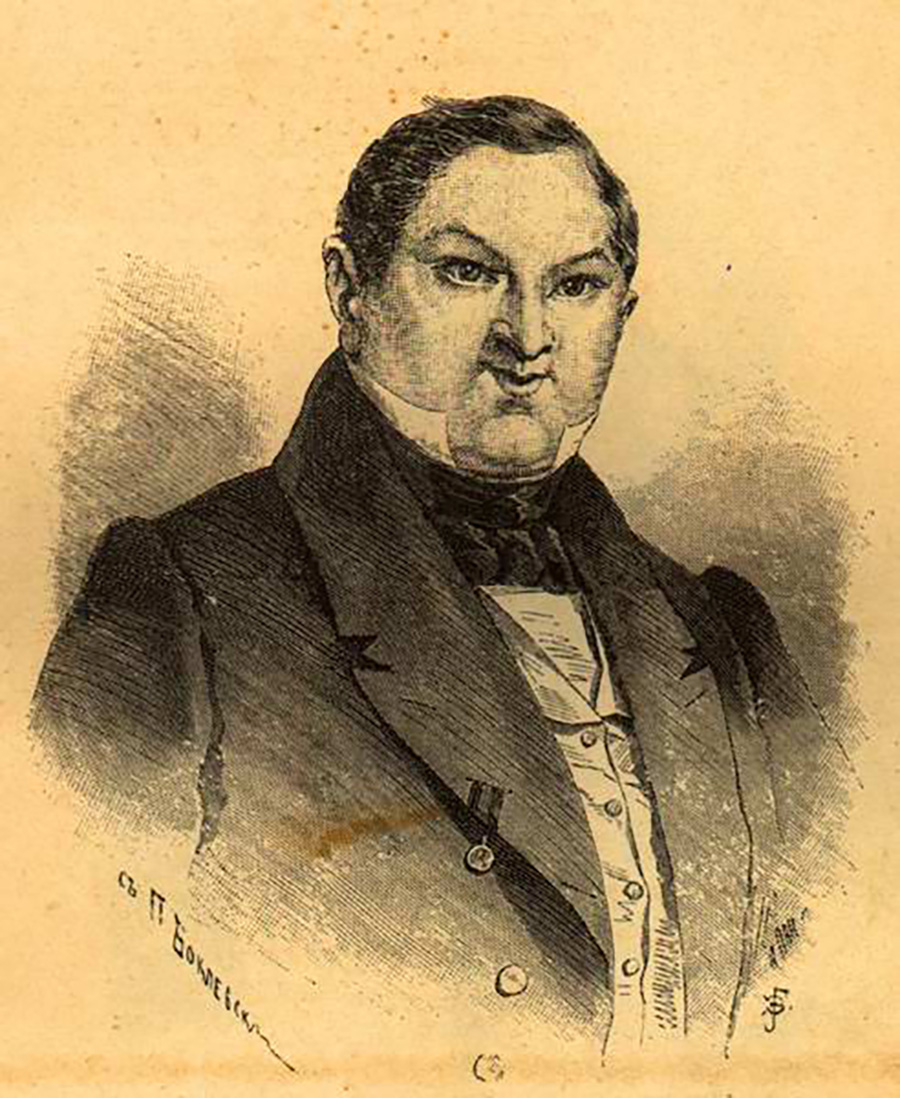 A postcard with an engraving based on P.M. Boklevsky's drawing "Chichikov"
3. The Ordinary Traveler – Ivan Goncharov, ‘The Frigate Pallada’ (1858)
This is a collection of travel essays in which the famous Russian writer describes his actual voyage around the globe on a military frigate in the 1850s. The author ironically compares himself to the Greek hero. The humor lies in the fact that Goncharov is not a daring seafarer, but a gentle, homebody writer, who suffers from seasickness, misses St. Petersburg and constantly complains about his daily life. He jokes that Odysseus "didn't endure even a tenth of the inconveniences" that befell him. Thus, Goncharov transforms the great epic into a mundane story about an ordinary person experiencing an extreme adventure.
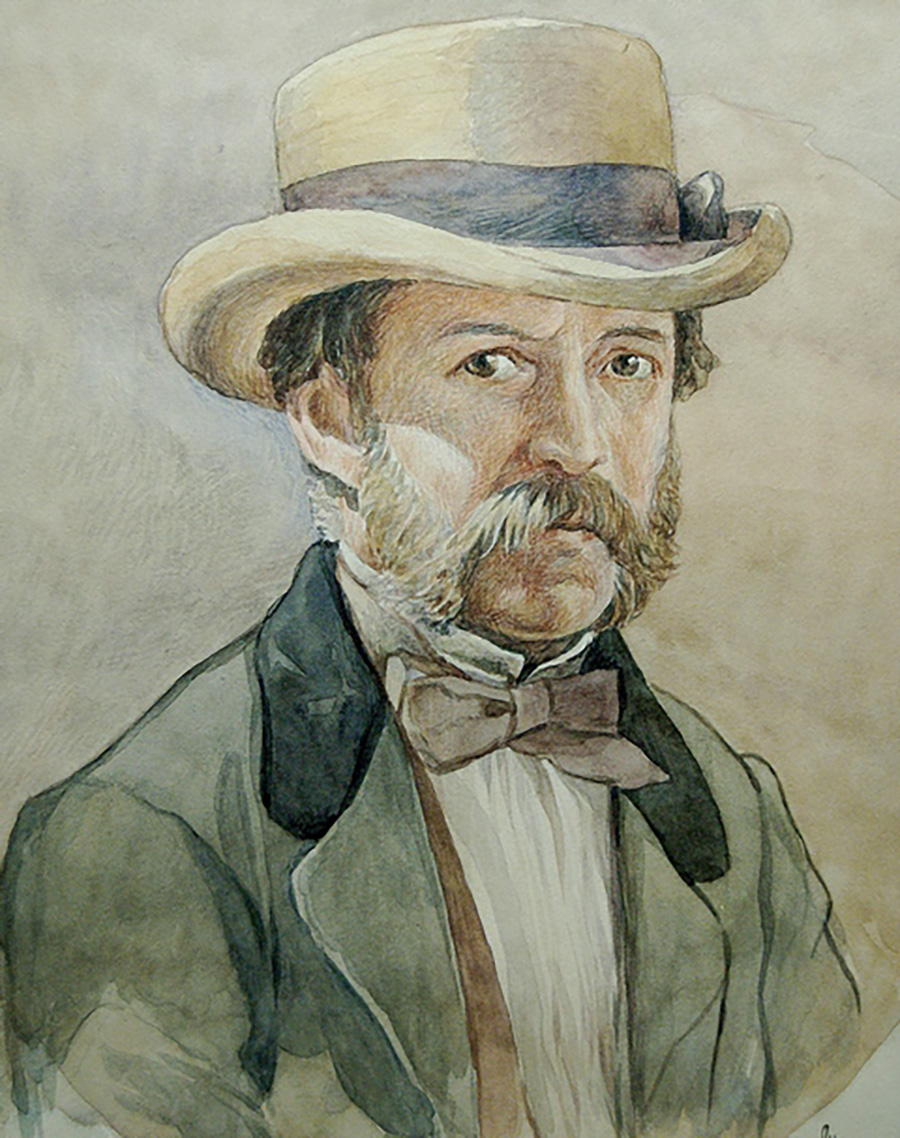 Portrait of I. A. Goncharov by the artist I. P. Raulov (1868)
4. The Spiritual Seeker – Pierre Bezukhov in Leo Tolstoy's ‘War and Peace’ (1869)
This is probably the most profound and serious "Russian Odysseus". True, his journeys are primarily spiritual. He lurches from one passion to another: Freemasonry, charity and attempts to change the lives of peasants for the better. He experiences a duel, heartbreak, the horrors of the ‘Battle of Borodino’ and captivity. While in captivity, he meets Platon Karatayev, a simple soldier whose wisdom helps Pierre find inner harmony. Pierre's final return is a return to his "Penelope", Natasha Rostova. After all his trials and torment, he finds happiness in family and simple human life. The long journey home is over.
 Sergei Bondarchuk as Pierre Bezukhov (right) in the epic film "War and Peace"
5. The Tempted Hero – Valery Bryusov, ‘Odysseus at Calypso's’ (1909)
Russian Symbolist poet Valery Bryusov drew on the famous episode from ‘The Odyssey’, in which the hero spends seven years with the nymph Calypso, who offers him immortality and eternal bliss on her island. Calypso promises Odysseus liberation from all suffering, but he still turns to the sea and thinks of Penelope and Ithaca. The hero chooses the path of duty and remembrance, rejecting the comfort of oblivion. This is a struggle not against monsters, but against temptations.
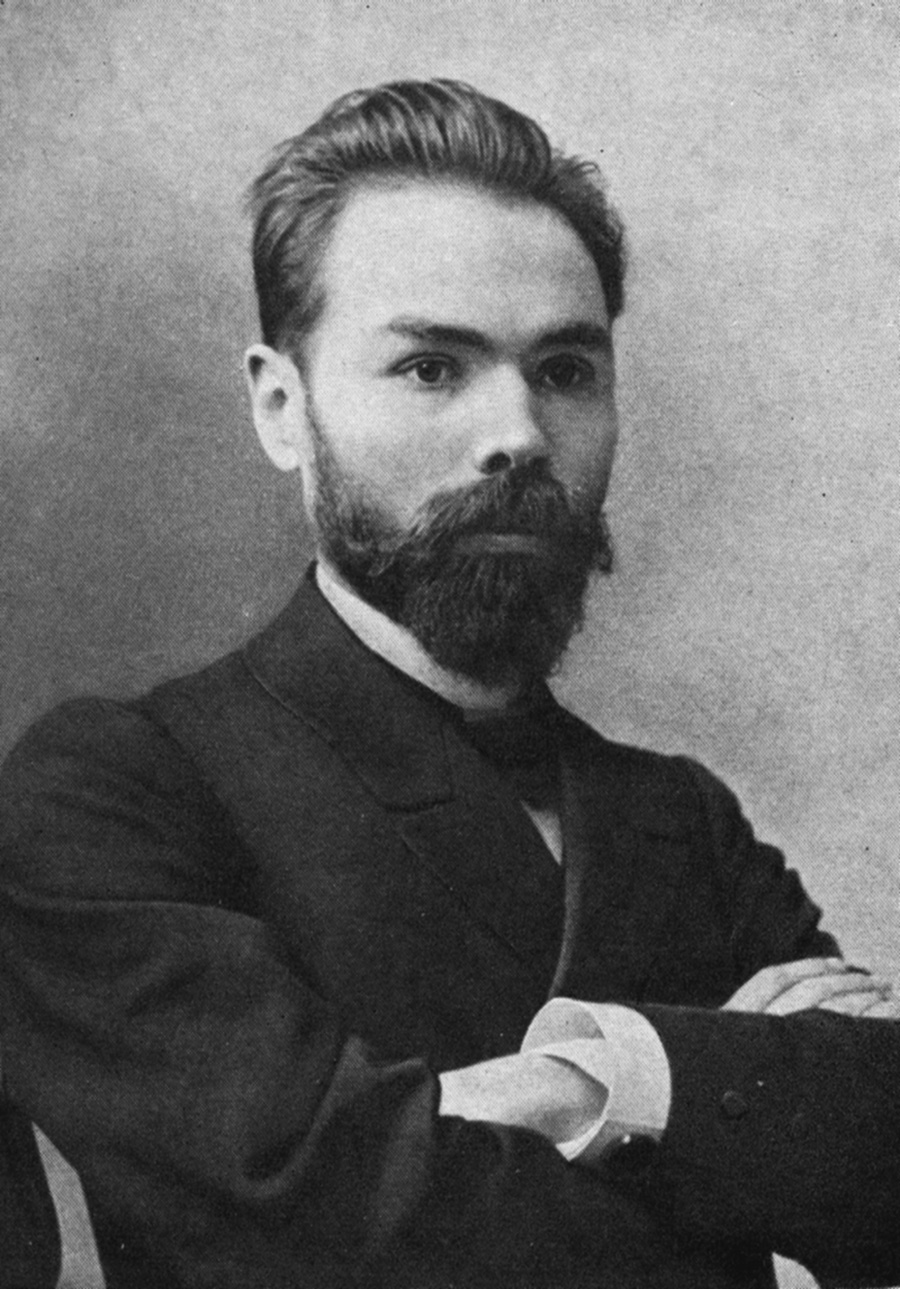 Poet Valery Bryusov, 1906
6. The Eternal Wanderer – Nikolai Gumilev, ‘The Return of Odysseus’ cycle (1909)
Gumilyov creates his own version of the myth in a cycle of three poems: ‘By the Shore’, ‘The Massacre of the Suitors’ and ‘Odysseus at Laertes’ In the first poem, Odysseus appears less as a warrior and more as a poet: "My heart is a beehive, full of honeycombs, / Golden, incomparable!" But, even when he has almost reached his native shore, the hero is tormented by doubt. Returning brings no peace – Poseidon's curse makes him an eternal wanderer.
The second poem describes the bloody massacre of the suitors. But, Gumilev does not stop at revenge: his Odysseus consciously rejects domestic happiness.
In the final monologue, he bids farewell to his father Laertes and sets out to sea once more. For him, wandering becomes not a punishment, but a calling.
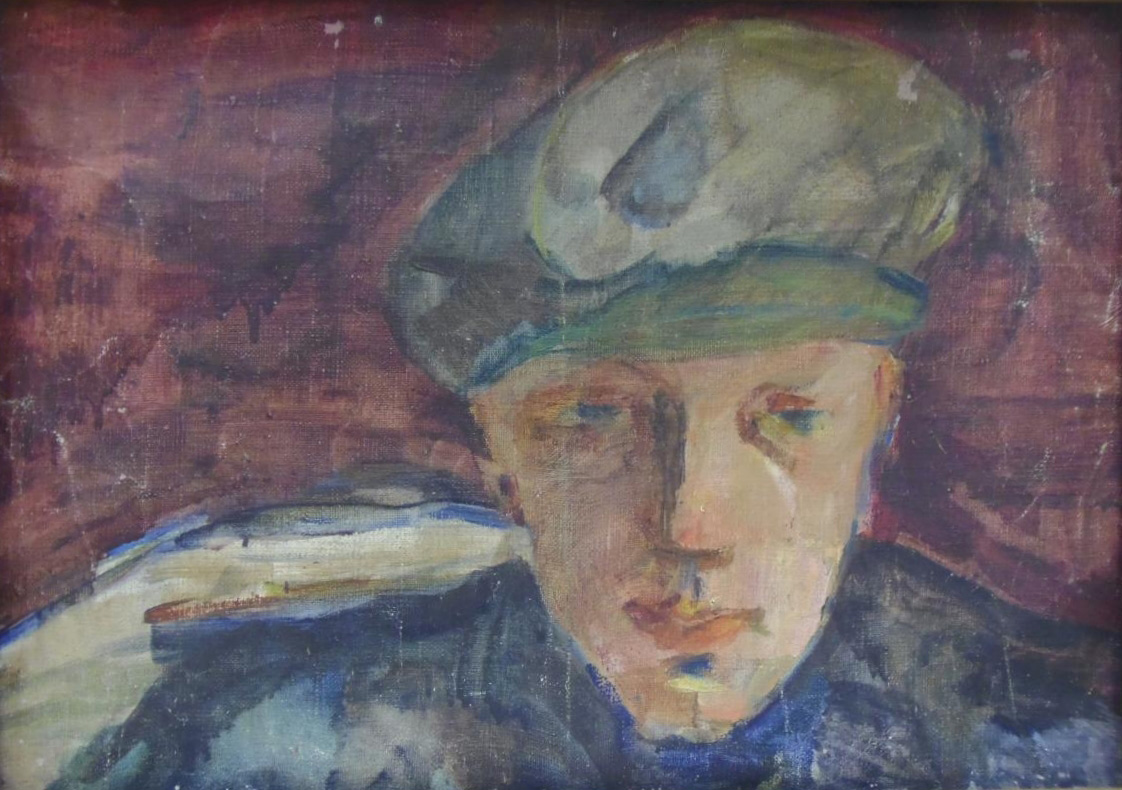 A lifetime portrait of Nikolai Gumilyov by Natalia Ponomareva
7. The Returned Sage – Osip Mandelstam, "A Stream of Golden Honey Flowed from the Bottle..." (1917)
The poem was written in Crimea, in "sad Taurida", which, in the pivotal year of 1917, became "Russian Hellas" for the poet. In this world of peace, where days roll "like heavy barrels" and grapes are likened to "an ancient battle", Mandelstam reflects on the connection between times and lost ideals. In the finale, Odysseus returns after long wanderings, "full of space and time". For Mandelstam, Odysseus' return represents hope for overcoming chaos and finding home.
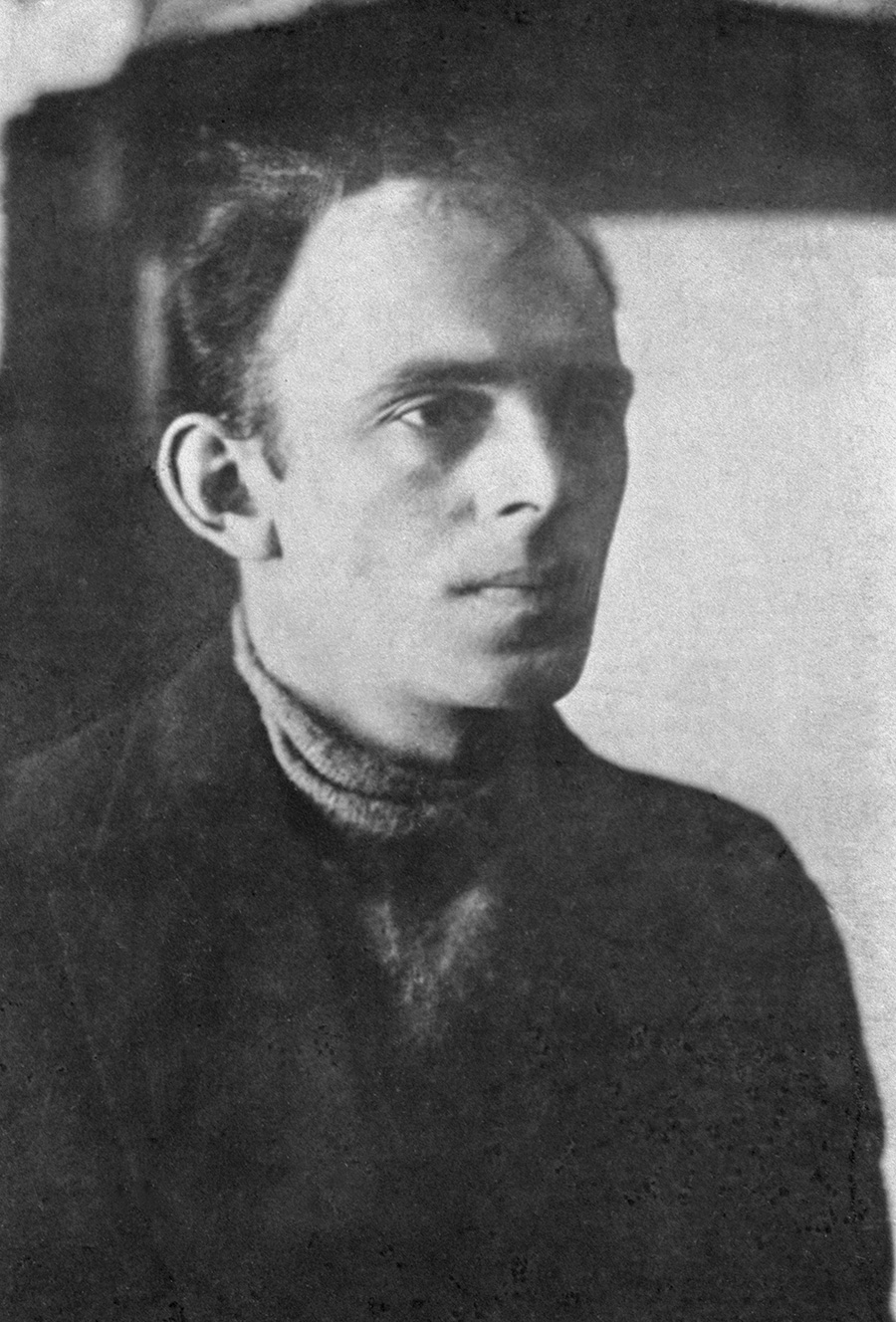 Poet Osip Mandelstam, 1925
8. The Exile Who Lost His Memory – Joseph Brodsky, ‘Odysseus to Telemachus’ (1972)
A poem written during the author's year of forced emigration. It’s a letter-monologue from Odysseus addressed to his son. Unlike Homer's hero, this Odysseus doesn't remember exactly who won the Trojan War, doesn't know how old his son is and barely recognizes the world around him, where all the islands "look alike". Brodsky projects his own fate onto Odysseus: a breakup with the woman he loves and separation from his son and parents.
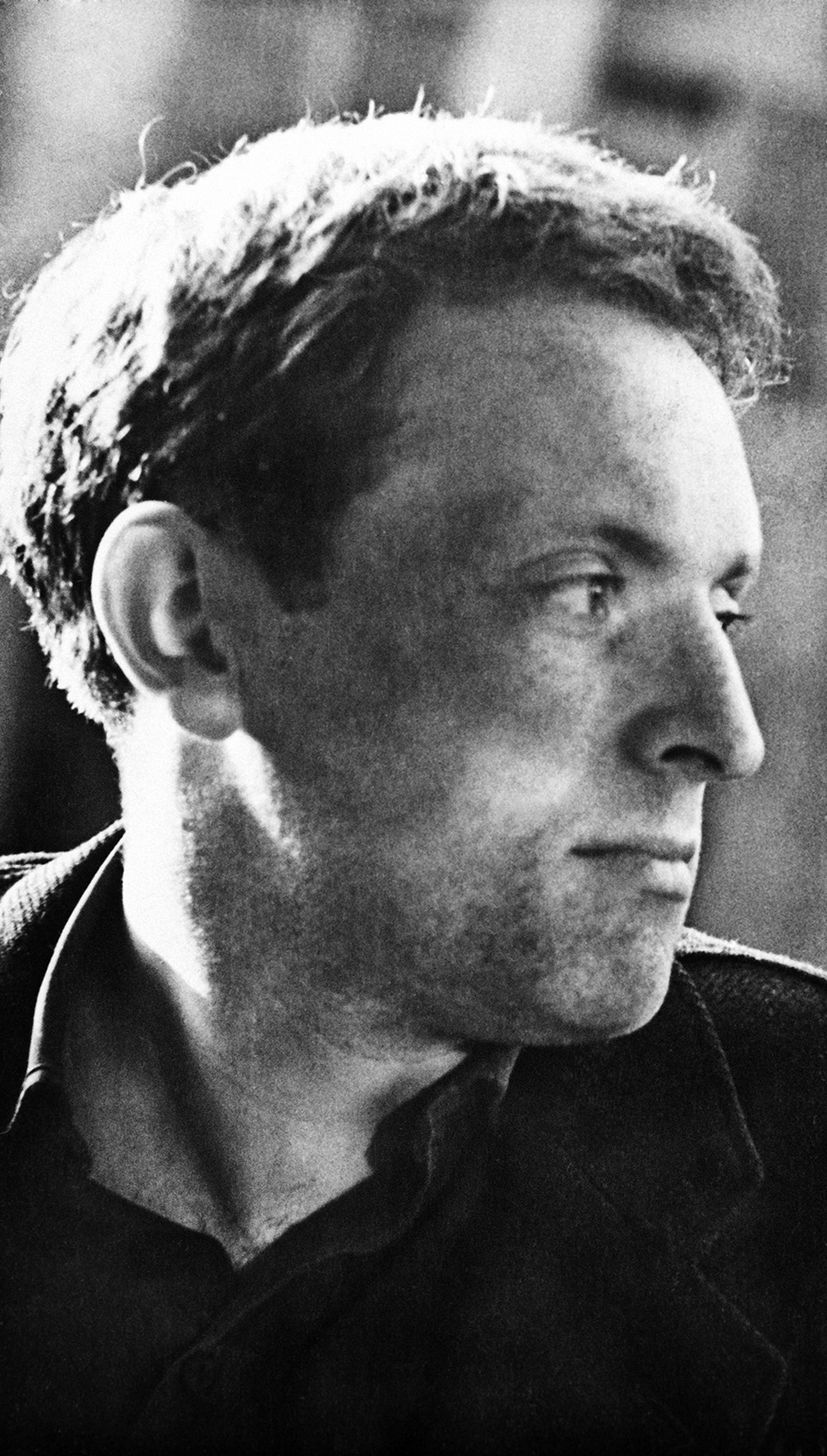 Poet Joseph Brodsky
This Odysseus is a man whose memory has been shattered by time and wanderings. His return remains uncertain: "Only the gods know if we shall ever see each other again."