

How Leo Tolstoy continues to honor foreign writers
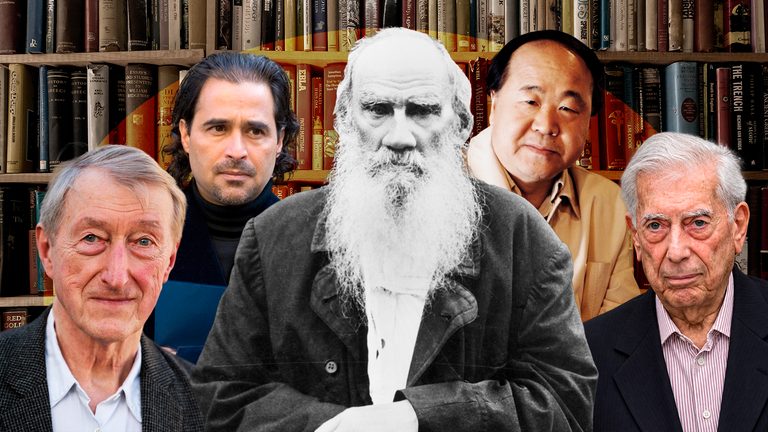
The 2026 ‘Yasnaya Polyana’ Literary Award was recently presented to Angolan author José Eduardo Agualusa for his novel ‘Creole Nation’.
Since 2003, the ‘Yasnaya Polyana’ Literary Award has been presented to writers whose works carry on the traditions of classical Russian literature and embody Tolstoy’s principles of humanism, compassion and morality. In 2015, a category for ‘Foreign Literature’ was introduced to recognize international authors.
This season’s laureate is the Angolan writer José Eduardo Agualusa, honored for his novel ‘Creole Nation’.
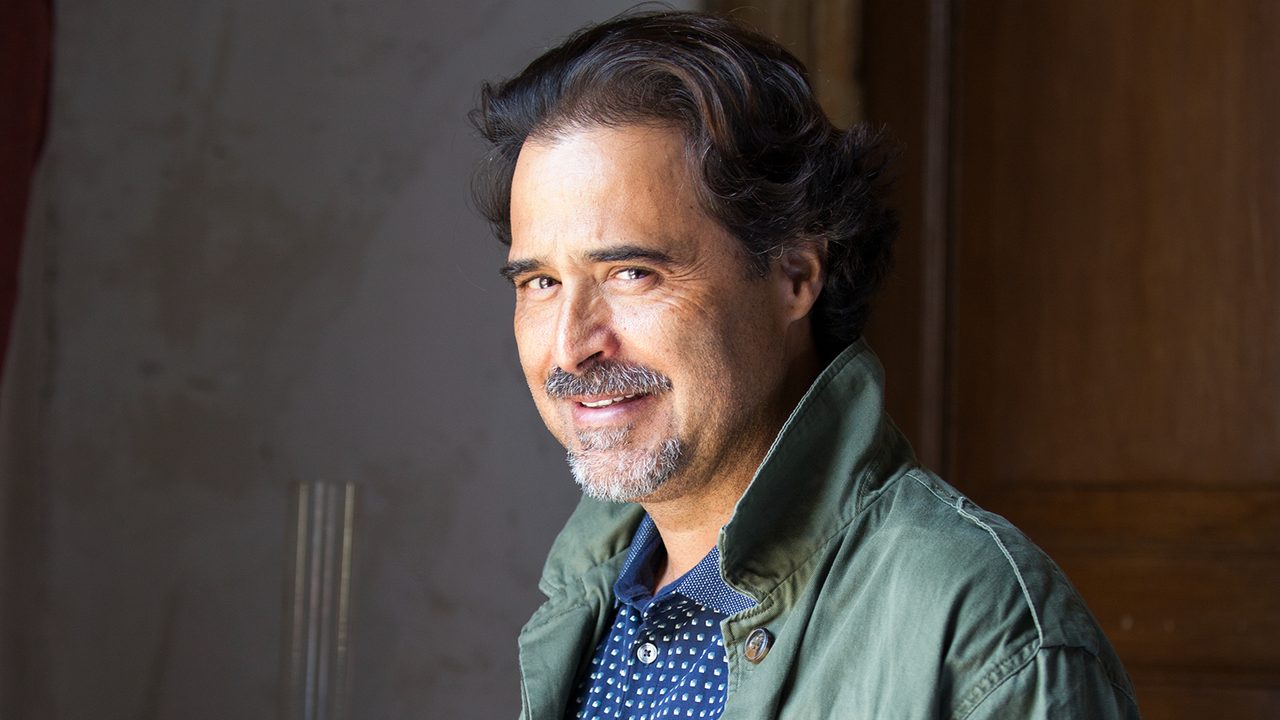 JosÈ Eduardo Agualusa
The following are a select few of the other international authors who have received the award in the ‘Foreign Literature’ category:
In 2016, the award went to Turkish author Orhan Pamuk for his novel ‘A Strangeness in My Mind’. The works of this Nobel laureate explore themes of cultural dialogue, memory and identity at the crossroads of East and West. His novel is a family saga spanning three generations of Istanbul residents, centered on the life of a street vendor named Mevlüt.
In 2017, the award was presented to Mario Vargas Llosa for his book ‘The Discreet Hero’. This Peruvian writer and playwright was one of the key figures in the "Latin American Boom" (and, incidentally, also a Nobel Prize laureate in Literature). His novel weaves together two stories: that of Felisito Yanaqué, a modest transport business owner in the provincial city of Piura, who falls victim to a mysterious extortion plot, and that of Ismael Carrera, a successful businessman in the capital who, in his twilight years, decides to marry his maid.
In 2018, the award went to Israeli writer Amos Oz for his novel ‘Judas’. Set in Jerusalem in 1959, the story follows Shmuel Ash, a perennial student left without funds or a clear purpose, who responds to an advertisement and moves into an old house. There, he engages in conversations with an elderly intellectual, with whom he attempts to unravel the mystery of Judas’s betrayal and re-examine the history of the founding of the State of Israel.
In 2021, the prize was awarded to acclaimed British author Julian Barnes for his book ‘Nothing to Be Frightened Of’. This deeply personal essay explores themes such as the fear of death, faith, Barnes’s relationship with his brother (a philosopher) and his own family history.
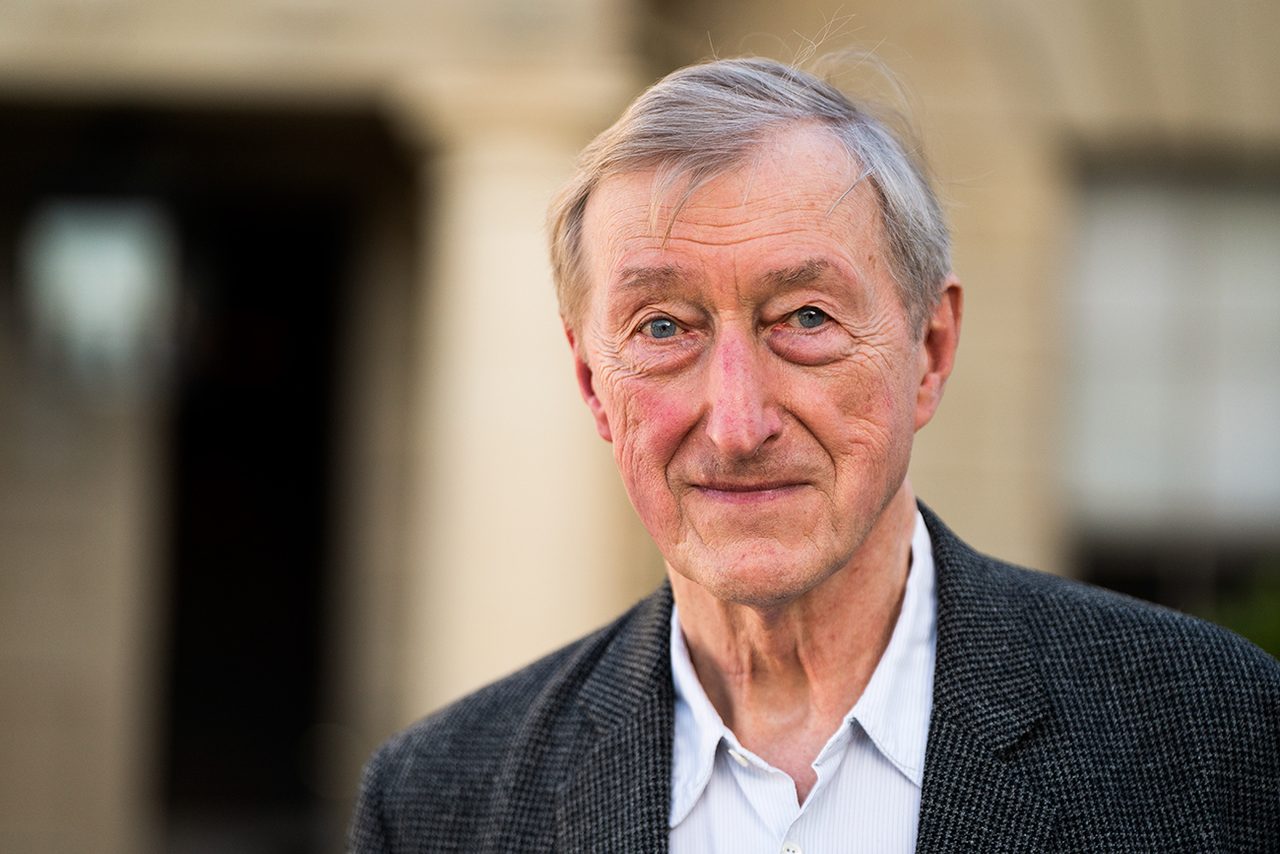 Julian Barnes
In 2025, the award was given to another Nobel laureate – Chinese novelist Mo Yan – for his novel ‘Sandalwood Death’. This historical saga, set during the twilight of the Qing Dynasty, is rooted in an actual event: the Boxer Rebellion of 1899–1901.
Other recipients of the award over the years have included Ruth Ozeki (‘A Tale for the Time Being’), Hernán Rivera Letelier (‘The Art of Resurrection*), Yu Hua (‘Brothers’), Venko Andonovski (‘The Navel of the World’), Juhea Kim (‘Beasts of a Little Land’) and Patricia Duncker (‘James Miranda Barry’).