
How (STRANGELY) did Russian writers work?
Accounts by contemporaries show that the creative process of the Russian literary greats was no less fascinating than their works.
Alexander Pushkin
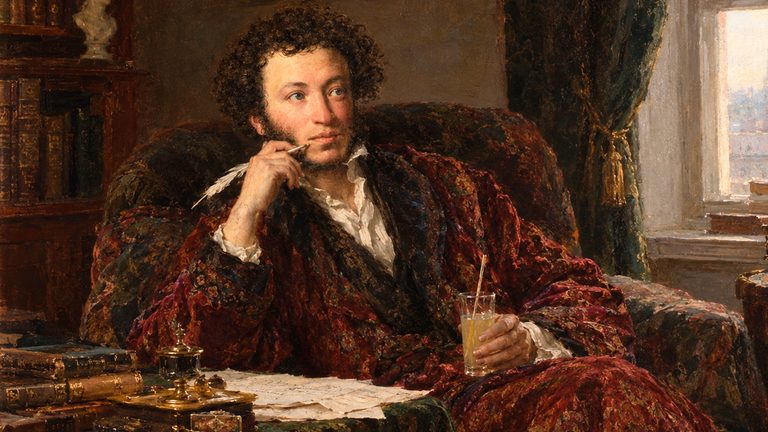
In a letter to his wife from the village of Boldino (Fall 1833), he admitted that he "wakes up at seven o'clock, drinks coffee and lies in bed until three o’clock." Pushkin loved to work while lying in bed. While working, he always kept a carafe of lemonade (lemon juice and caramelized sugar mixed with mineral water) within reach. Nikifor Fedorov, the poet’s valet, recalled: "Sometimes, when he wrote at night, you’d just set out a glass of lemonade for him to drink before bed." While honing his lines, Pushkin would sketch women's legs and figures, small boats, horses, as well as portraits of friends, enemies and himself in the margins of his drafts. According to Pushkin scholars, these sketches helped him concentrate and served as a sort of graphic diary.
Nikolai Gogol
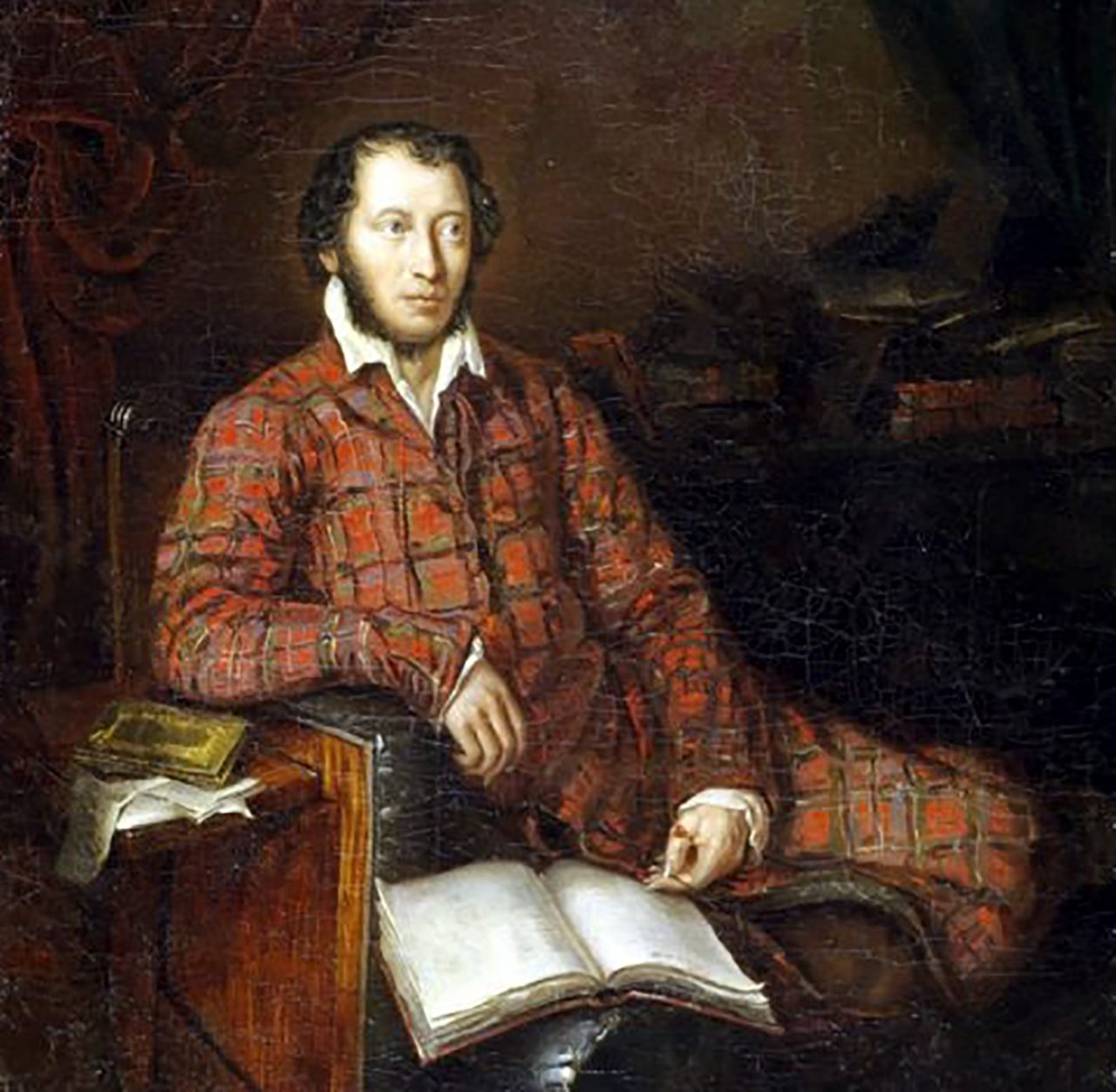
According to contemporaries, the writer worked while standing at a high writing desk. While working, he would roll dozens of small balls out of white bread, claiming they helped him solve "impossible problems". If inspiration failed to come, he would place carafes of cold water around the room and pace rapidly from one room to another, drinking a glass every ten minutes. He would rewrite his manuscripts by hand up to eight times in pursuit of perfection and he would repeatedly burn what he had already written.
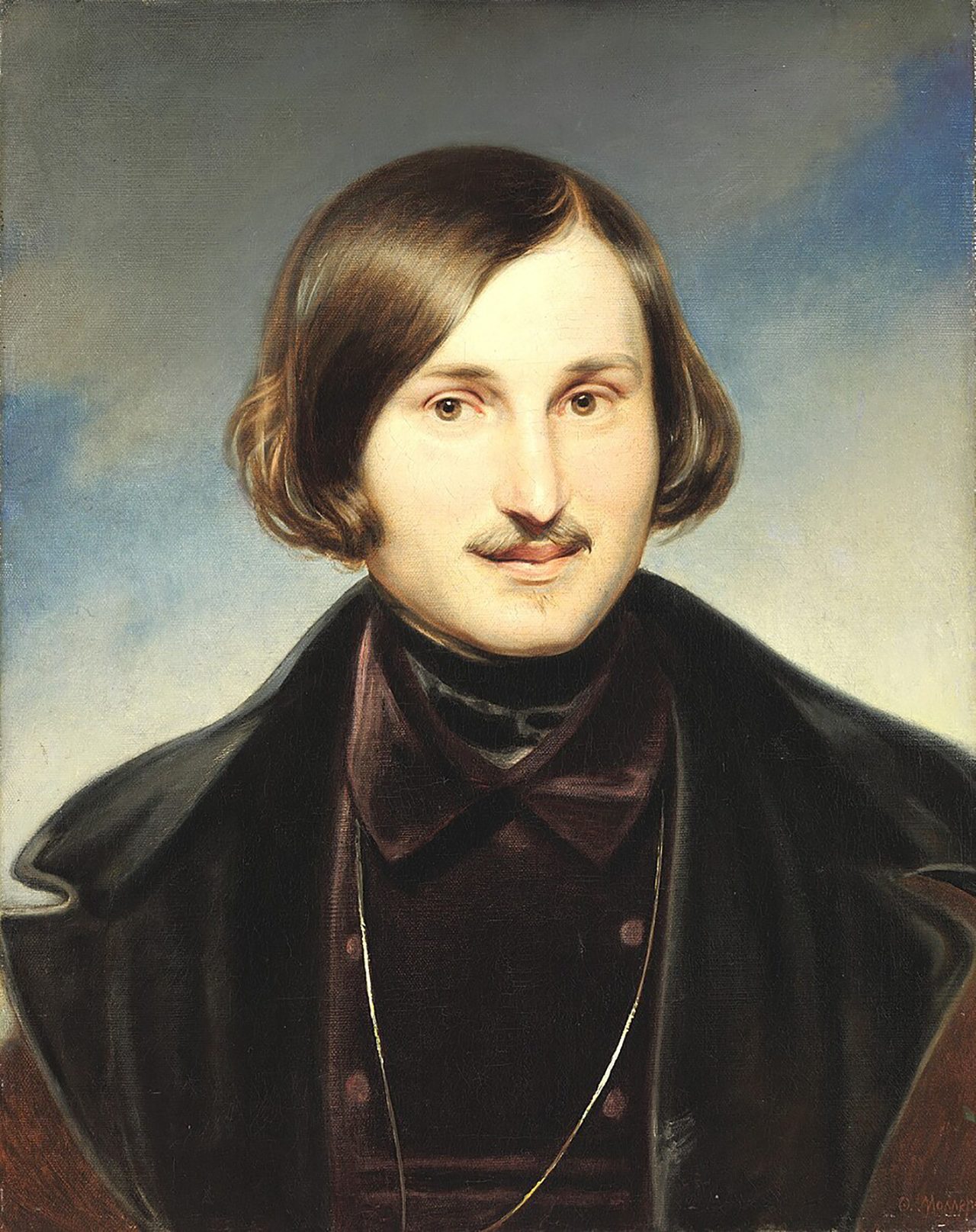 Portrait by Fyodor Moller, 1840s
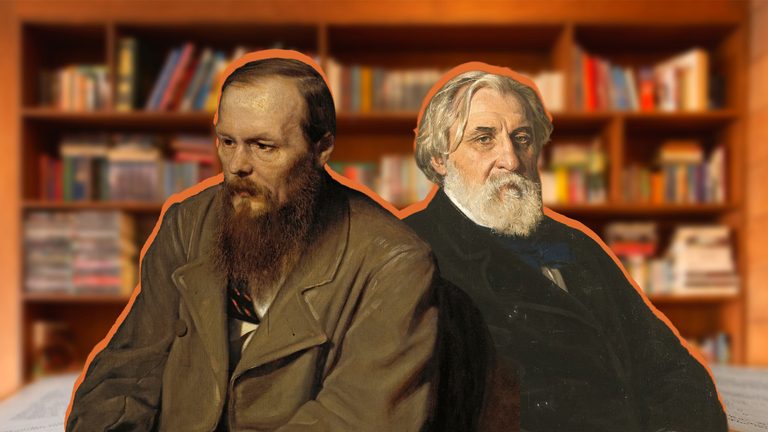
Fyodor Dostoevsky
Dostoevsky liked to recite his texts aloud while working. Once, while he was working on ‘Crime and Punishment’, a manservant overheard his musings about the murder of an old moneylender and refused to serve him, convinced that the writer was plotting a crime. He wrote primarily at night. Having grown accustomed to a nocturnal lifestyle after his return from Siberia, he maintained this routine even after marrying Anna Grigoryevna: he would get up around one o’clock in the afternoon, have breakfast, dictate the previous night’s work to his wife, go for a walk and have dinner; then, late in the evening, he would shut himself in his study again and work until six in the morning, chain-smoking and drinking incredibly strong tea. In addition, he would draw in the margins of his manuscripts – sketching male and female faces, oak leaves, Gothic arches and lancet windows (such sketches are particularly abundant in the margins of the novel ‘Demons’) – and practice calligraphy.
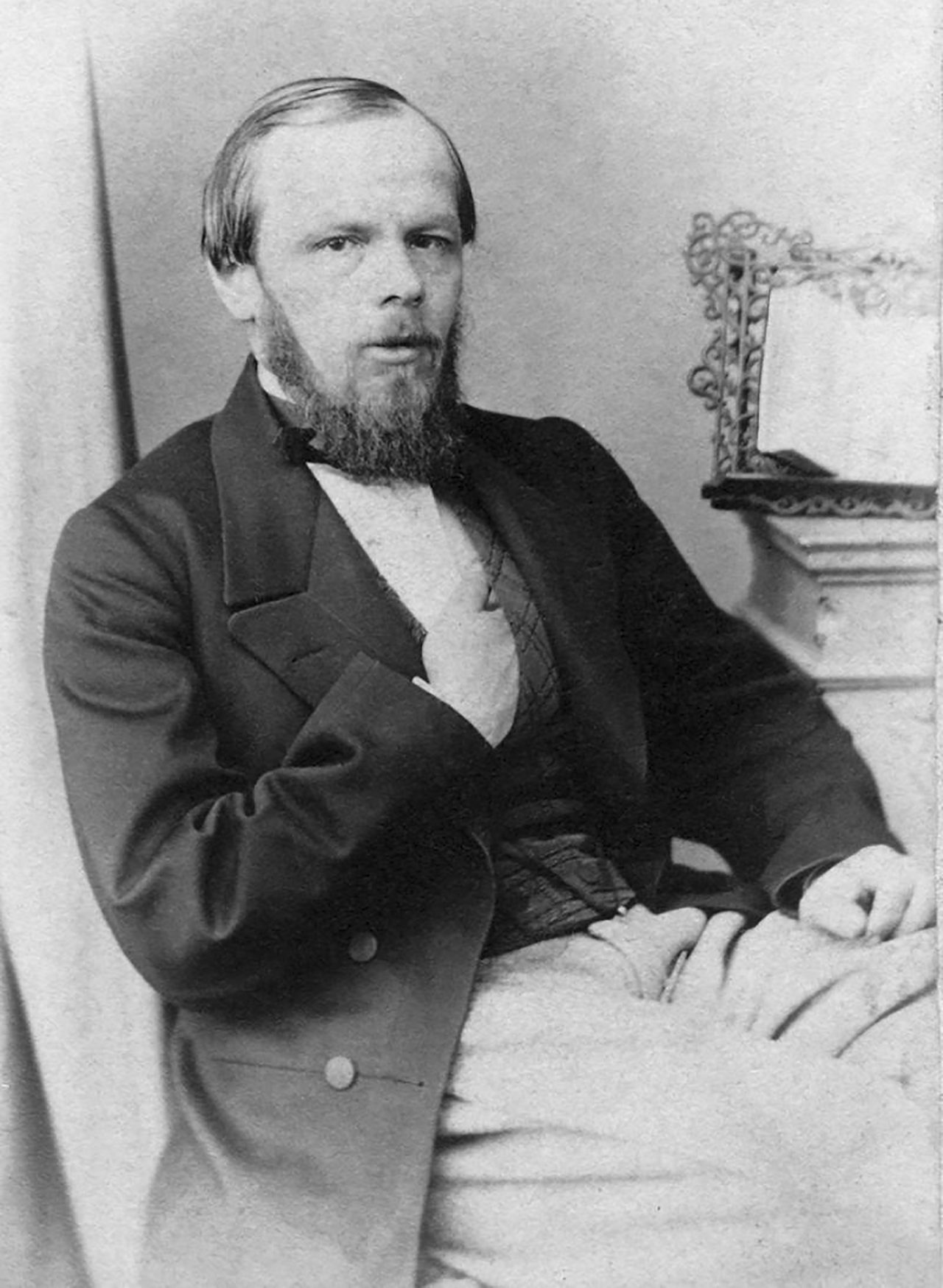 Early 1860s. Photograph by I. A. Gokh
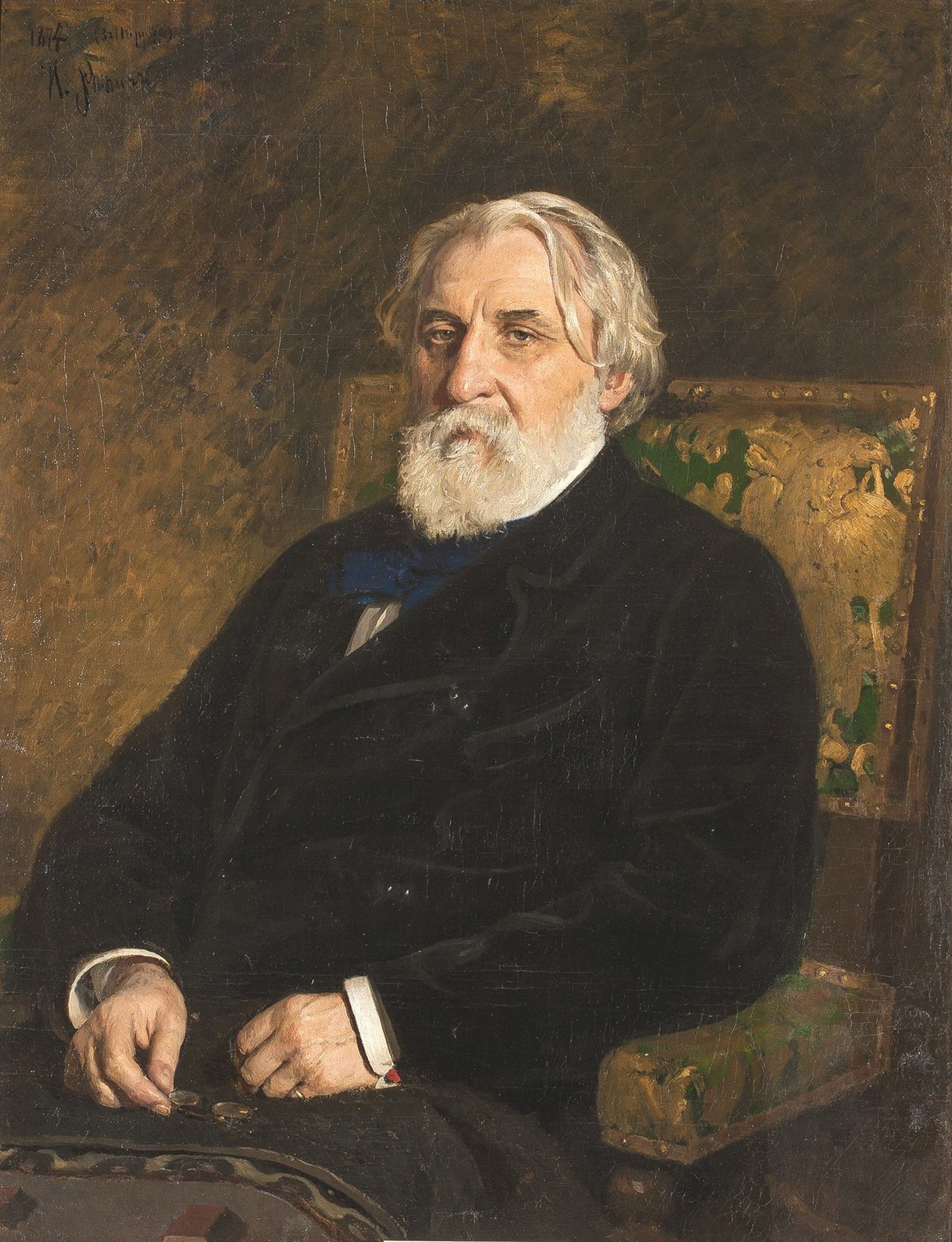
Ivan Turgenev
Turgenev loved rituals and discipline. First, he would put his room and papers in perfect order – he couldn’t work if even a single item was out of place. Before starting work, he would spend a long time grooming his hair: brushing it 50 times to the right and 50 to the left, followed by 100 strokes with a fine-toothed comb and a brush. When working on a novel, he would first draft detailed biographies for each character and even their ancestors and make notes in the margins that he would later seamlessly incorporate into the text. Upon finishing a rough draft, he would meticulously record the year, date, day of the week and sometimes even the exact hour he placed the final period. At the same time, he would leave huge margins – taking up half the page – in the final manuscript to accommodate any future revisions or additions.
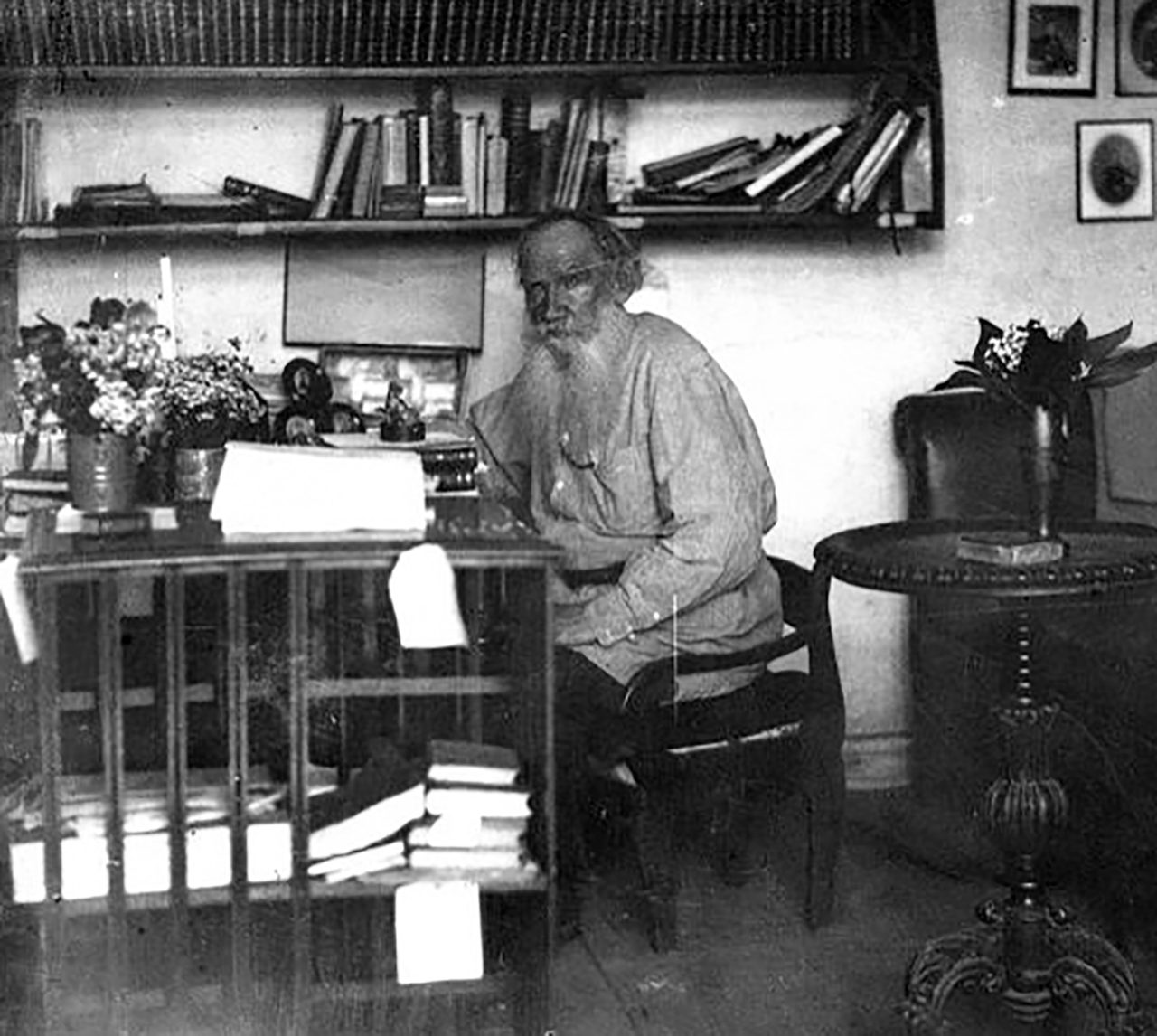
Leo Tolstoy
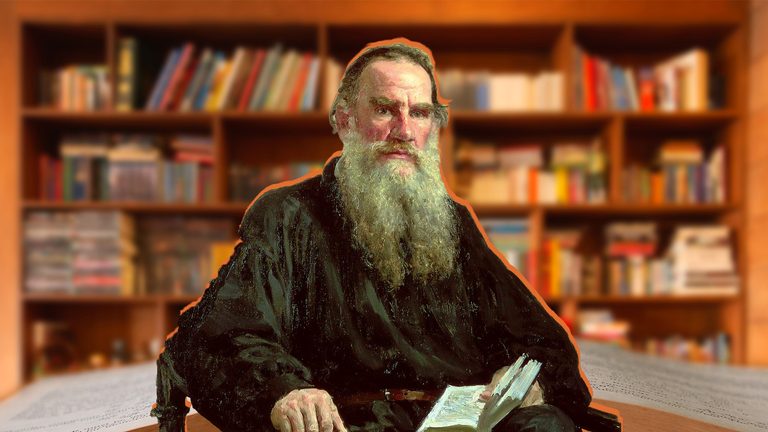
Leo Tolstoy worked exclusively in the mornings. He would get up early, drink coffee and retreat to his study, allowing no one to enter. He explained this by saying that his inner critic was at its strictest in the morning, but slept at night; therefore, in his opinion, writers who worked at night (such as Dostoevsky) "sinned against their own talent". To focus and concentrate, he required an empty desk, tightly closed doors and silence. Tolstoy did not wait for inspiration; he worked daily, never taking a day off. At the same time, he was known for his habit of endless revisions and digressions. He would write on any scrap of paper – cufflinks, torn shreds – just to capture a thought. And his handwriting was so atrocious that copyists often could not decipher the words; even Tolstoy himself, leaning over the manuscript to study it, was sometimes forced to admit he could not understand what he had written.
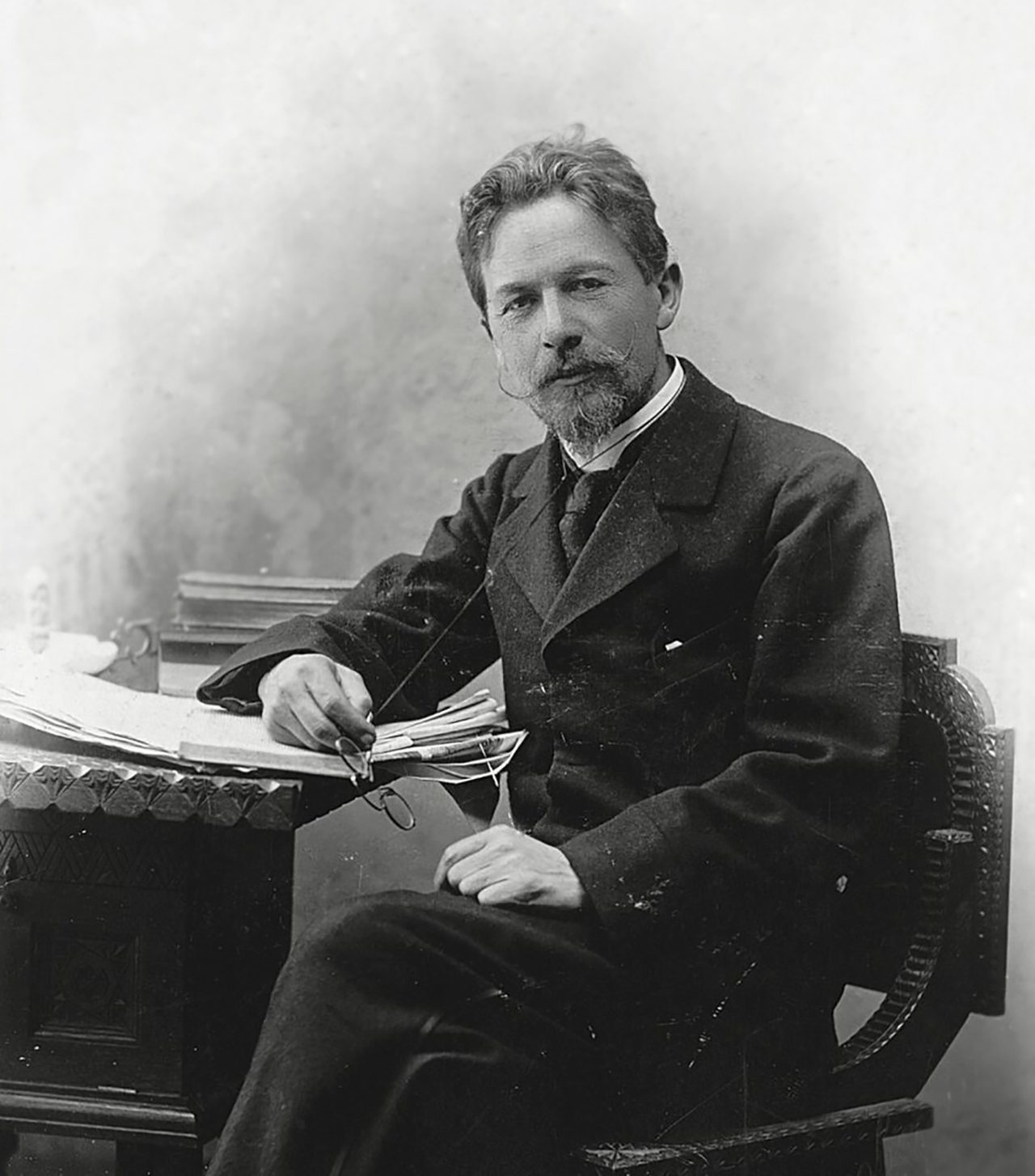
Anton Chekhov
Chekhov also favored a strict routine. During periods of intense literary work, he would rise at five in the morning, drink coffee (he preferred Mocha) from seven to eight, and write from nine until one in the afternoon, alternating between writing and pacing the room. He would sit at his desk only while wearing a clean shirt, a jacket, and a bow tie, believing that a neat appearance instilled discipline. Lunch was meager—usually just broth—because "to write, one must above all avoid feeling full." On days of heavy work, dinner was replaced by evening tea, after which he would work again until 11 p.m. He recorded all his ideas in notebooks; if a notebook wasn't at hand, he would jot them down on a scrap of paper, a business card, or the back of a letter addressed to him, as he believed "a theme comes by chance." Chekhov also had a sweet tooth, with a particular fondness for fruit jellies and chocolate.
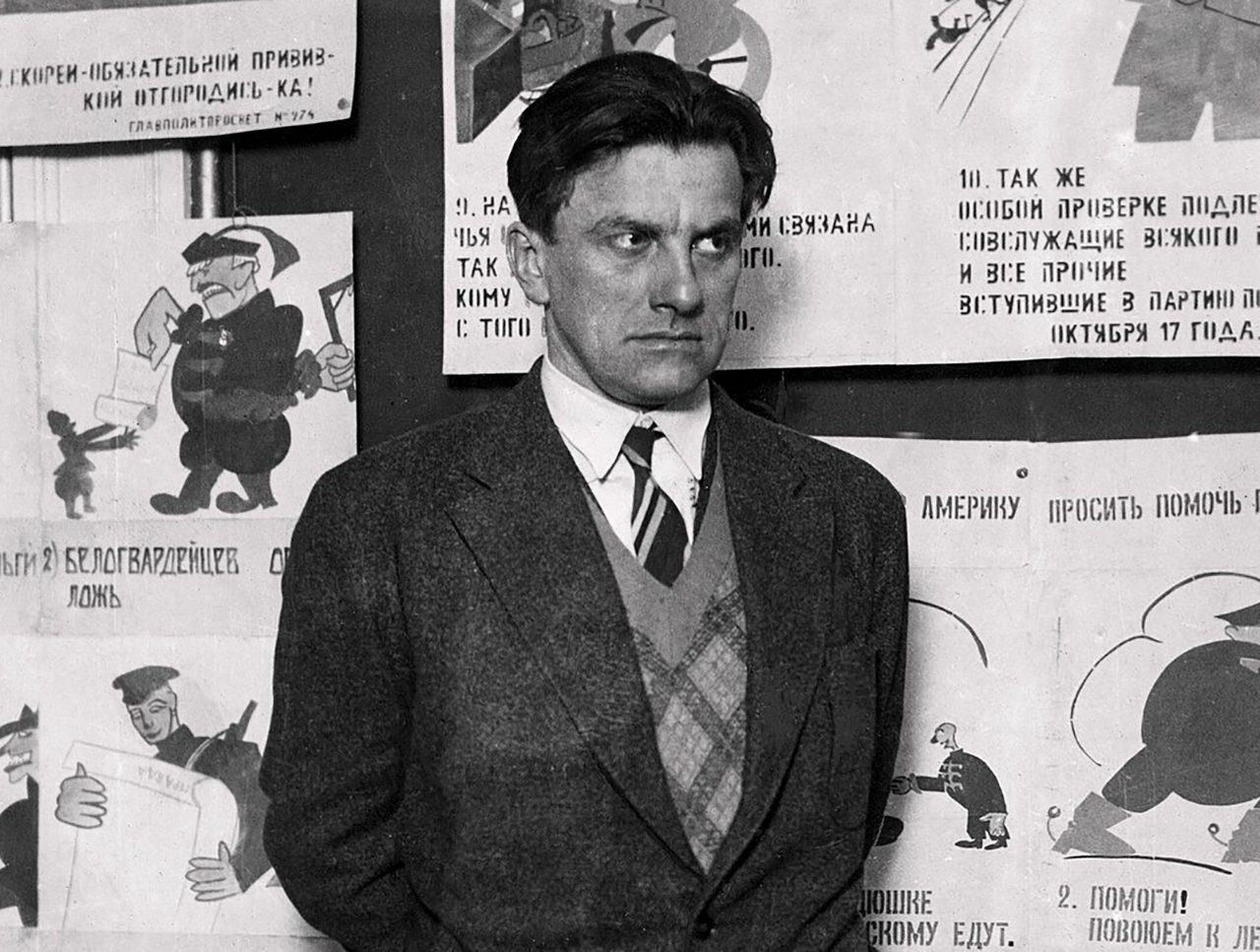
Vladimir Mayakovsky
The poet did not work at a desk, but while walking. He carried out almost the entire process of drafting a poem in his head. By his own admission, he would "walk about, swinging his arms and mumbling, almost without words, sometimes shortening his stride so as not to disrupt the mumbling, at other times mumbling faster to match the rhythm of his steps." It was normal to produce six to eight good lines a day; the rest of the time was spent on "poetic preparations". To ensure he didn’t lose a single line, Mayakovsky would jot down anything that might prove useful later. In his essay ‘How Are Verses Made?’ he recounted how he had long racked his brain over how to express a lonely man's tenderness toward his one true love – how he would cherish and love her. The answer came to him in the middle of the night: "I will cherish and love your body, just as a soldier, maimed by war, useless, belonging to no one, cherishes his one remaining leg." "I jumped up, half-awake. In the darkness, by the light of a charred matchstick, I scribbled 'one remaining leg' on the lid of a cigarette box and went back to sleep. And, in the morning, I spent two hours wondering what this 'one remaining leg' was all about!"
Vladimir Nabokov
One could say that he invented hypertext. From 1950 onwards, Nabokov wrote in pencil on lined library index cards, which he kept in long boxes. He claimed to visualize the entire novel before even beginning the work. This method allowed him to write out of sequence – rearranging cards and entire chapters at will – while the box of cards served as a portable writing desk. He wrote the first draft of ‘Lolita’ late at night in the back seat of a parked 1946 Oldsmobile, explaining that it was the only place in the U.S. where he was undisturbed by noise or drafts. He likened the process itself to a game of chess: he would jot down fragments haphazardly and then manipulate them like chess pieces on a board.
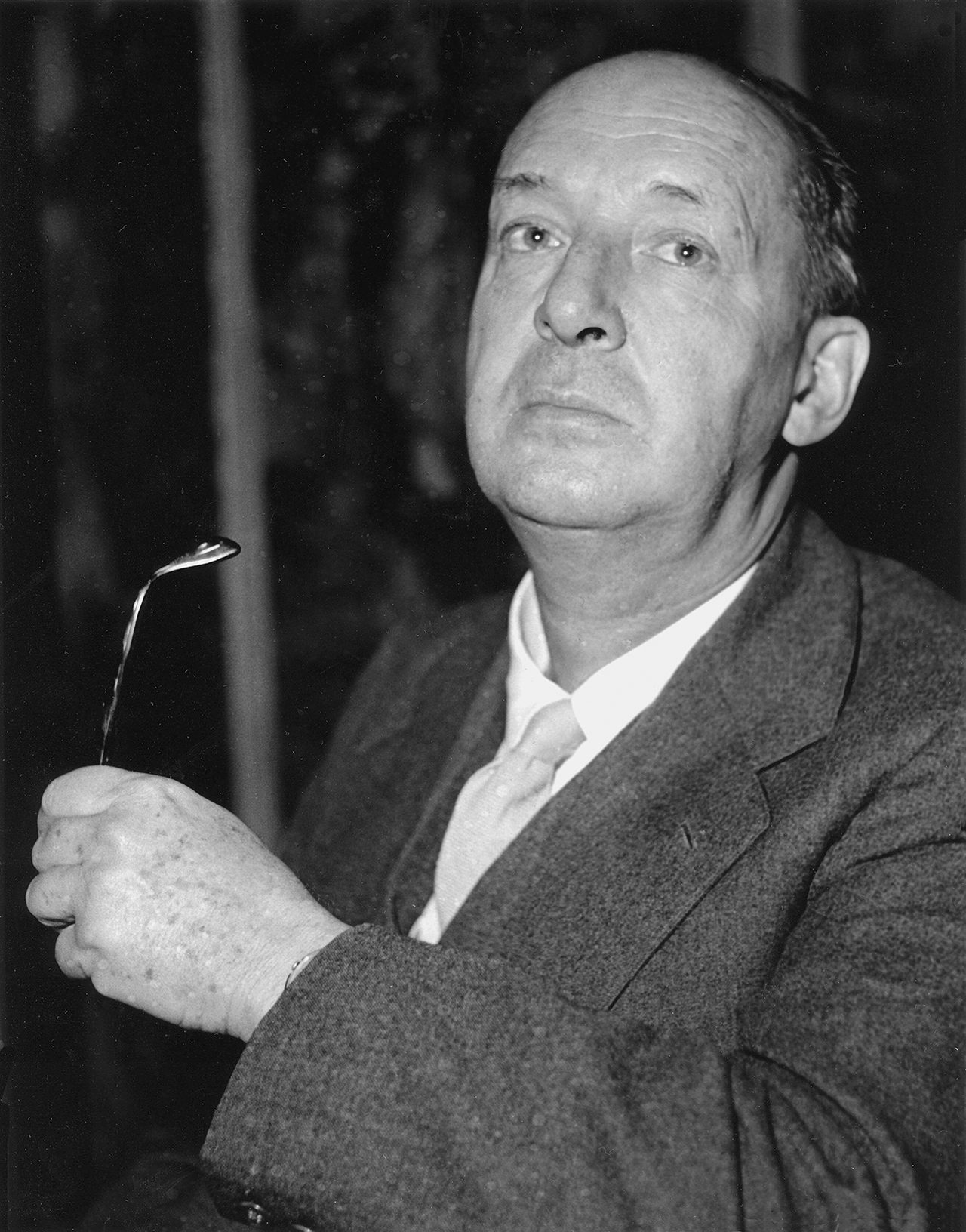 1958, by Fred Stein