
5 Russian writers who benefited from the revolution
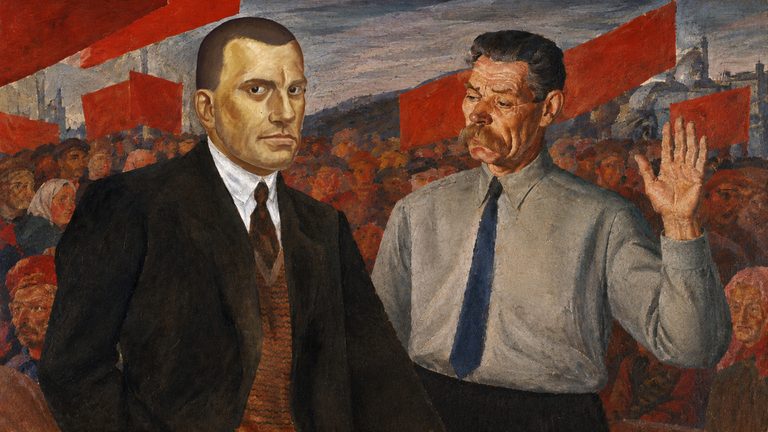
They compromised with the authorities – and came out ahead.
1. Maxim Gorky (1868–1936)
By 1917, Gorky had already authored numerous works, including the novel ‘Mother’ and the plays ‘The Lower Depths’ and ‘Vassa Zheleznova’. His ‘Song of the Stormy Petrel’ had established him as a symbol of revolutionary sentiment. However, he viewed the October Revolution critically; in ‘Untimely Thoughts’, he condemned the Bolsheviks' barbaric methods and the premature nature of the revolution, stances that led him to emigrate in 1921. His return to the USSR in 1932 was the result of a complex compromise. In exchange for loyalty to the Soviet regime, Gorky received a luxurious mansion in central Moscow, country estates, the ‘Order of Lenin’, the renaming of his hometown in his honor, the leadership of the Writers' Union and the status of "founding father" of Socialist Realism. He officially became the country's leading writer.
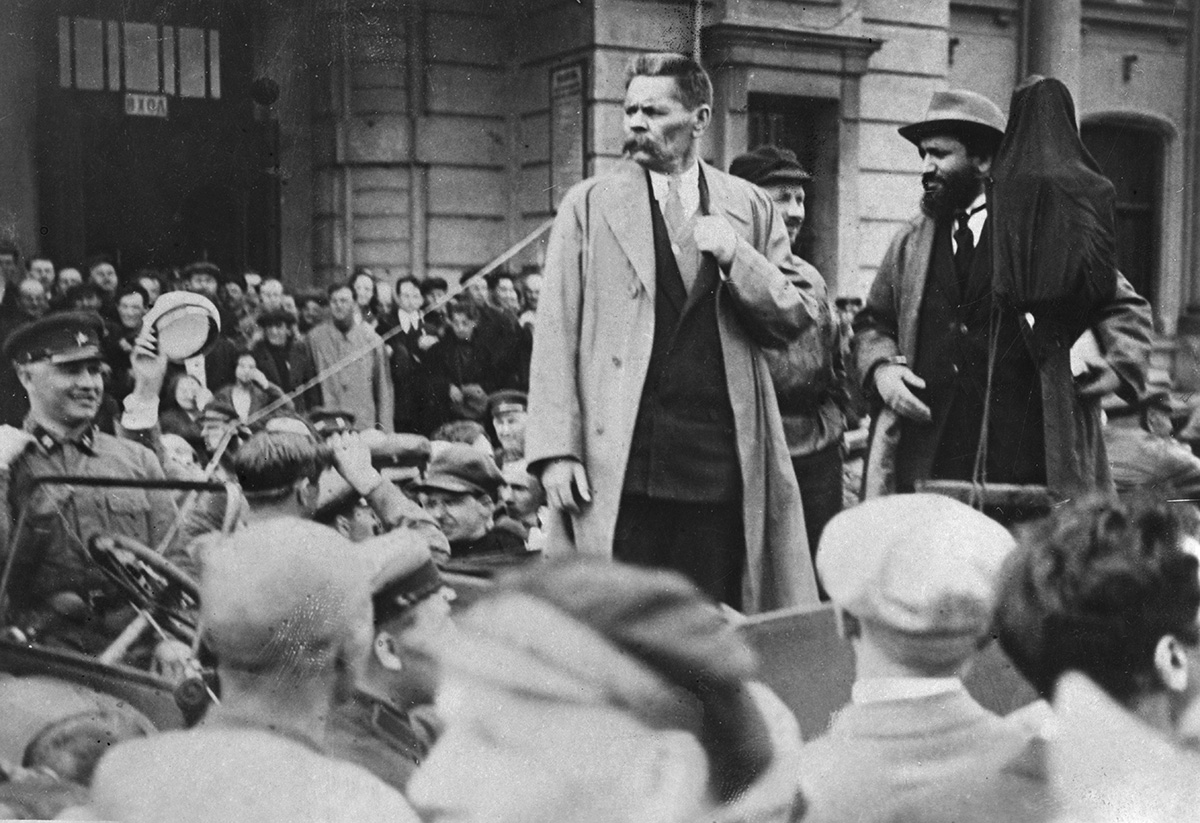 Maxim Gorky upon his arrival in Moscow
2. Samuil Marshak (1887–1964)
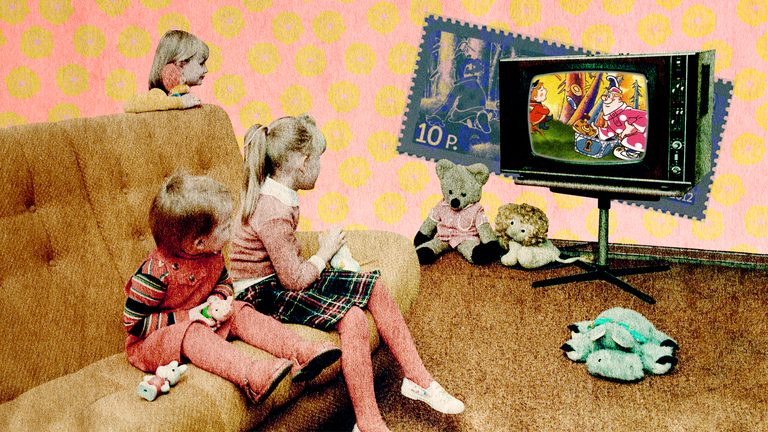
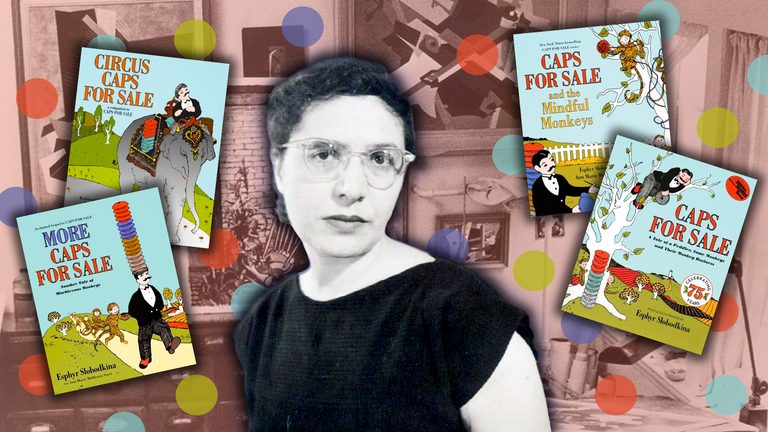
During the Civil War, this future classic author of children's literature was in southern Russia, where he actively collaborated with the White Guard press. Writing under the pseudonym ‘Doctor Friken’, he worked for the liberal ‘Utro Yuga’ (Morning of the South) newspaper and even served as its editor-in-chief. According to researchers, his defection to the Bolsheviks was a matter of necessity; nevertheless, Marshak subsequently became one of the most widely published and officially acclaimed Soviet children's writers. His career in the USSR was successful: he served as a deputy to the Moscow City Council of Workers' Deputies, received four ‘Stalin Prizes’ and one ‘Lenin Prize’ and was awarded numerous orders.
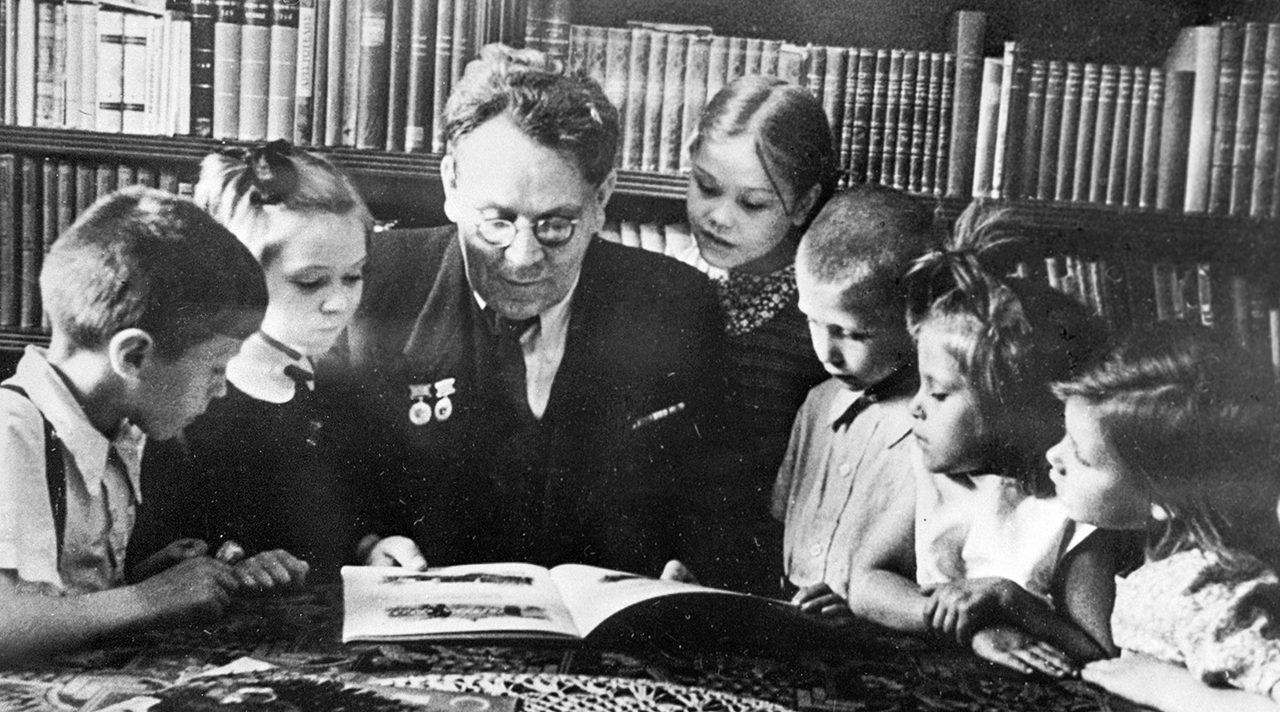 The poet Samuil Marshak and his young readers
3. Alexei Tolstoy (1883–1945)
By 1917, he had already authored short stories, novellas and plays that were staged in the capital's theaters. He emigrated in 1918 and wandered across Europe, but returned to the USSR in 1923, where he quickly mastered the rules of the game and aligned himself with the authorities. As a result, he received a mansion in Moscow, country estates, substantial royalties, orders of merit and ‘Stalin Prizes’, while his trilogy ‘The Road to Calvary’, the novel ‘Peter I’ and his science fiction works became Soviet classics. The ‘Red Count’ became a deputy of the Supreme Soviet, an academician and an "engineer of human souls" favored by the regime.
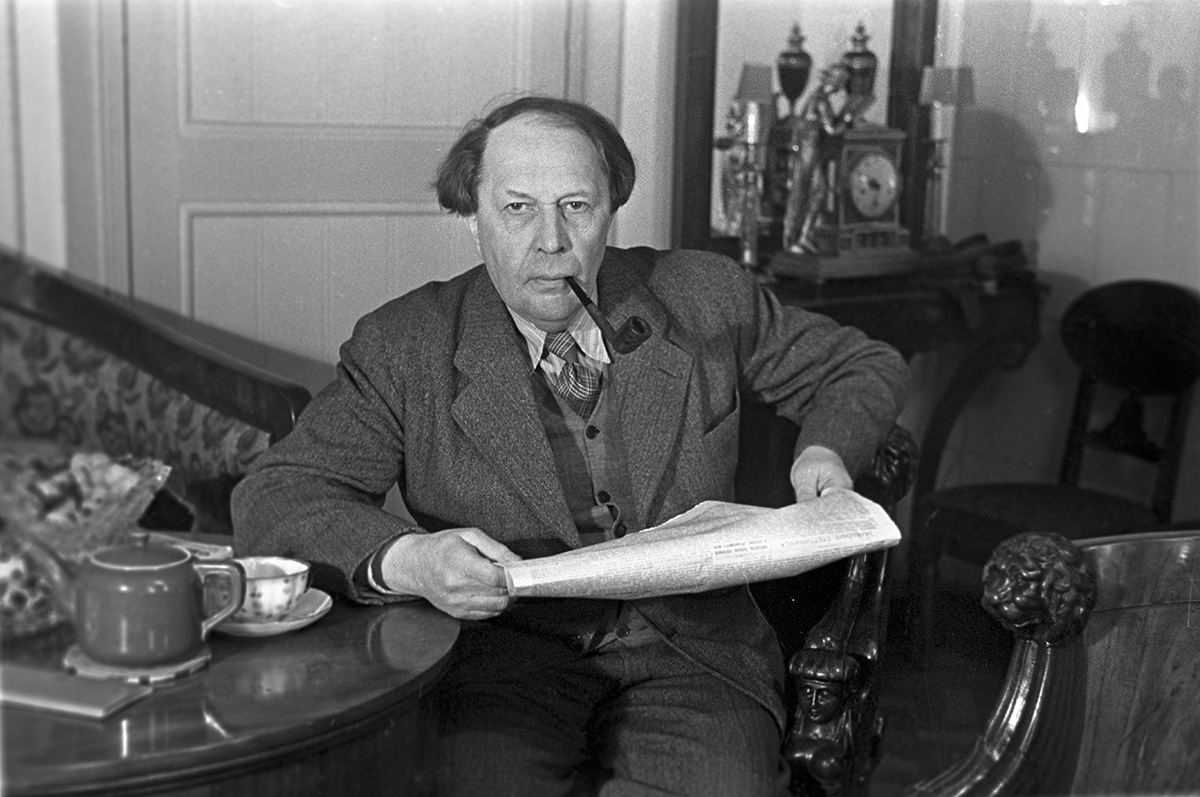 Alexei Tolstoy
4. Sergei Yesenin (1895–1925)
He embraced the revolution with enthusiasm. Publications in major Bolshevik journals brought in large fees that allowed him to support himself and his two sisters in Moscow, while a contract with ‘Gosizdat’ for a three-volume collected works – worth 10,000 rubles, a considerable sum at the time—made him one of the wealthiest writers. He released collections with evocative titles like ‘Soviet Russia’ and ‘Soviet Country’ and wrote patriotic poems such as ‘Song of the Great Campaign’ and ‘Ballad of the Twenty-Six’. Yet, he remained a "hooligan". Neither material prosperity nor inner freedom could save the poet from a tragic death in 1925.
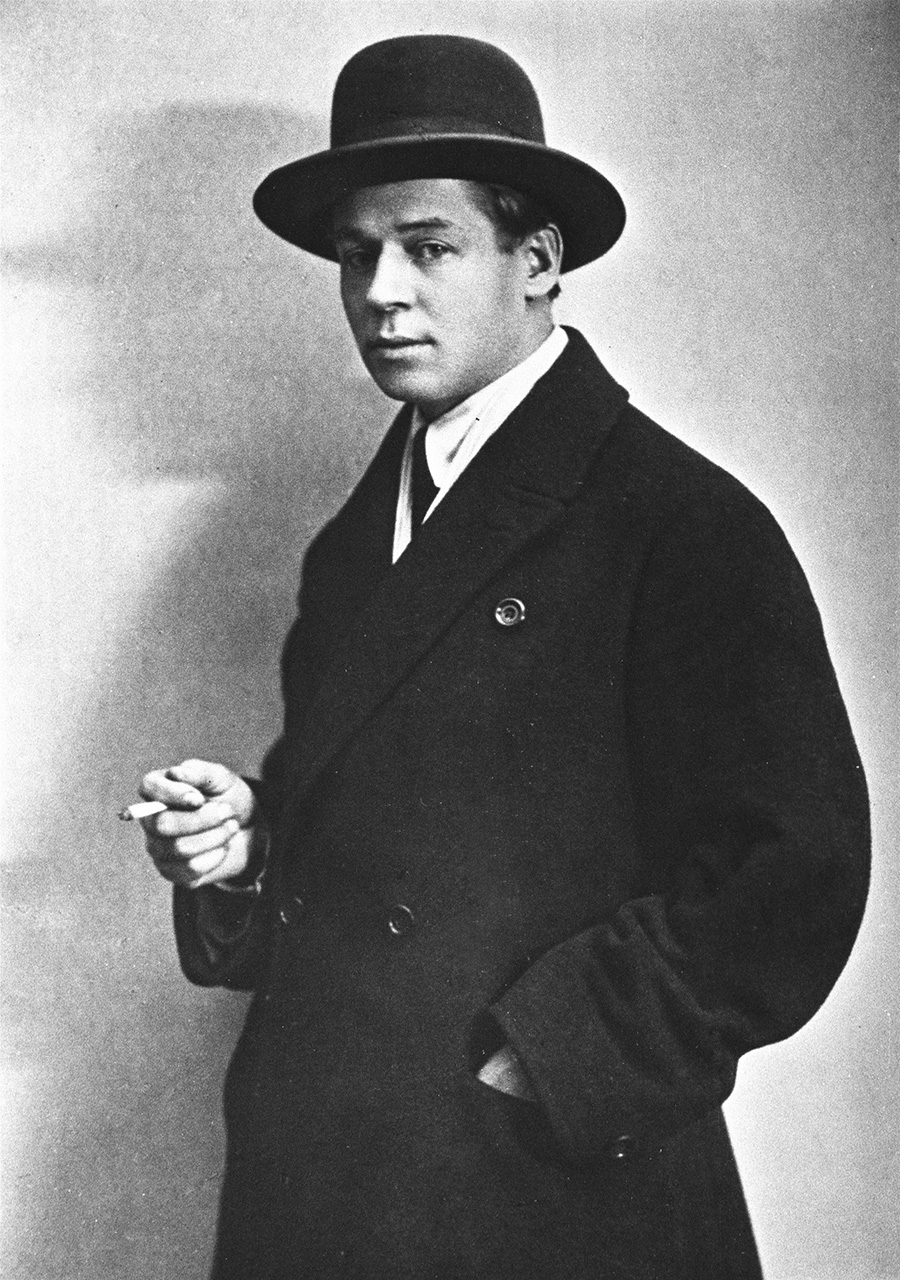 The poet Sergei Yesenin in 1925
5. Vladimir Mayakovsky (1893–1930)
By 1917, the poet was already a star of Futurism. He embraced the revolution unconditionally, calling it "my revolution". His collaboration with the authorities was exceptionally active and fruitful: he worked for propaganda publications, created agitprop posters and poems and extolled the ideology. In return, he enjoyed official state support. He became the country’s leading "tribune-poet", gaining unprecedented opportunities for publication, public appearances and travel. He retained his status as the preeminent poet of the Soviet era even after his death.
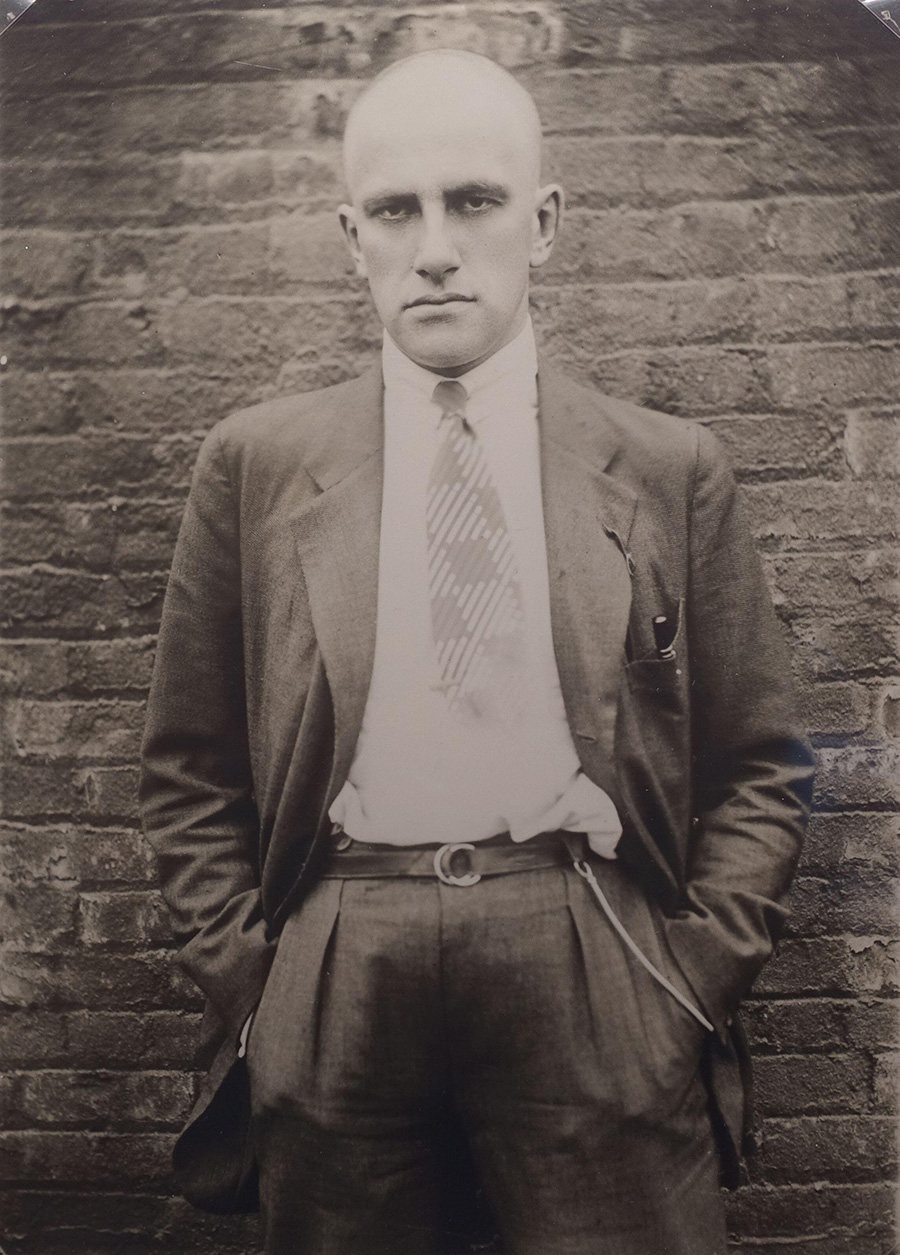 Vladimir Mayakovsky. New York, 1925. During a reading of the poem "Lenin" at a workers' meeting