
Why did Joseph Stalin call Russian writers?

It happened twice – he spoke with Mikhail Bulgakov and Boris Pasternak.
In Spring 1930, Joseph Stalin called Mikhail Bulgakov, author of ‘The Master and Margarita’. And, in May 1934, he called Boris Pasternak, author of ‘Dr. Zhivago’. Both conversations lasted only a few minutes, but became legendary and were seen as the most important events in the lives of both writers.
A Call to Bulgakov
By Spring 1930, Mikhail Bulgakov's situation had become dire. His plays were removed from the repertoire, his prose was not being published and he was vilified in the press. Basically, the writer was being deprived of his livelihood. On March 28, Bulgakov wrote a candid letter to Joseph Stalin and the Soviet government, in which he predicted his imminent demise and asked either to be allowed to leave the country or to be given the opportunity to work in his specialty – as an assistant director at the Moscow Art Theater.
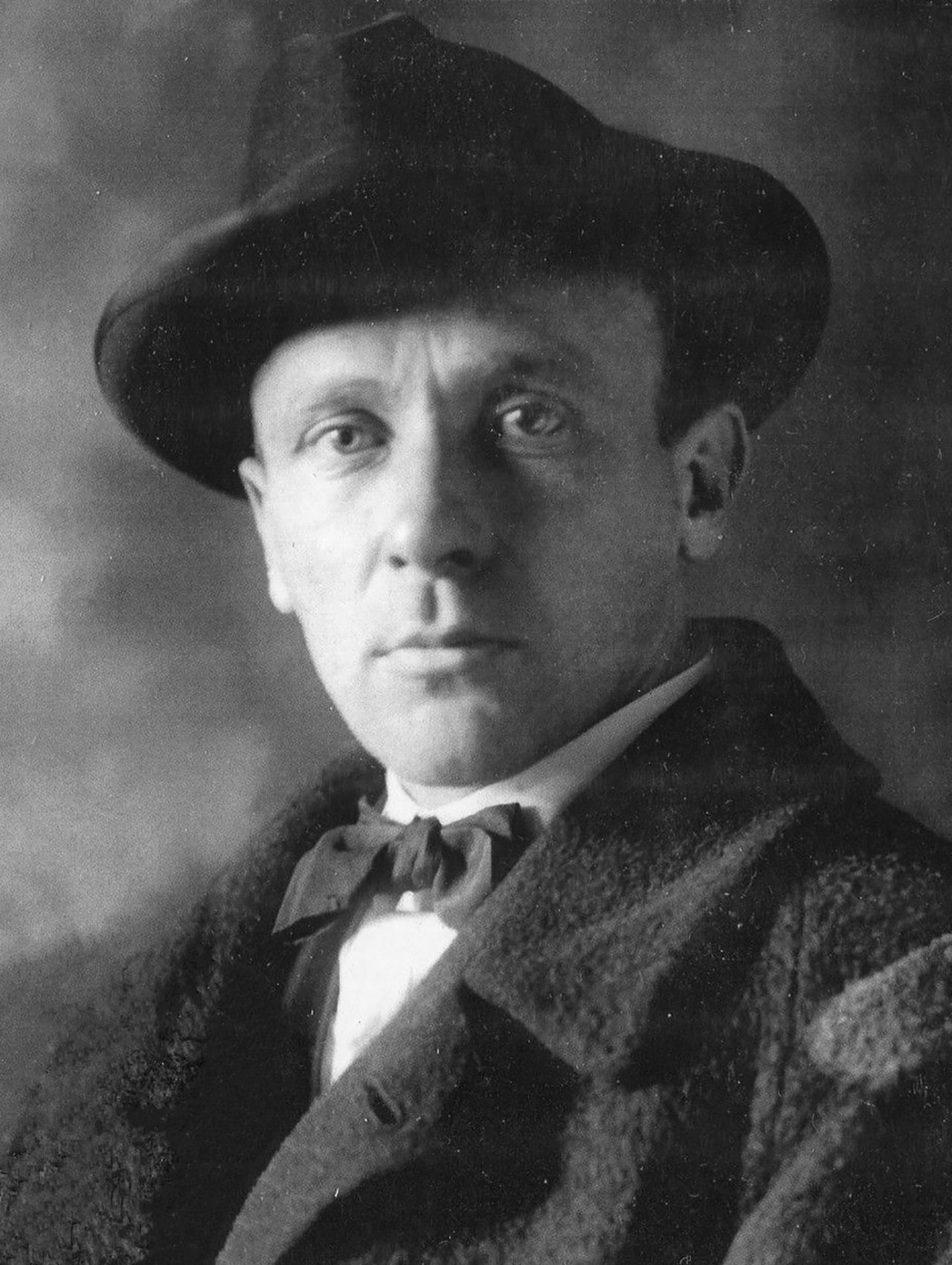 Mikhail Bulgakov
As the writer himself later recounted, on April 18, around 6 or 7 pm, the phone rang in his apartment on Bolshaya Pirogovskaya Street. His wife answered and was told the call was the Central Committee. Bulgakov, assuming it was a prank, answered the phone irritably.
"We received your letter. We read it with my comrades. You will receive a favorable response to it… But, perhaps, it's true – you're asking to go abroad? What, have we really become a nuisance to you?" Stalin asked.
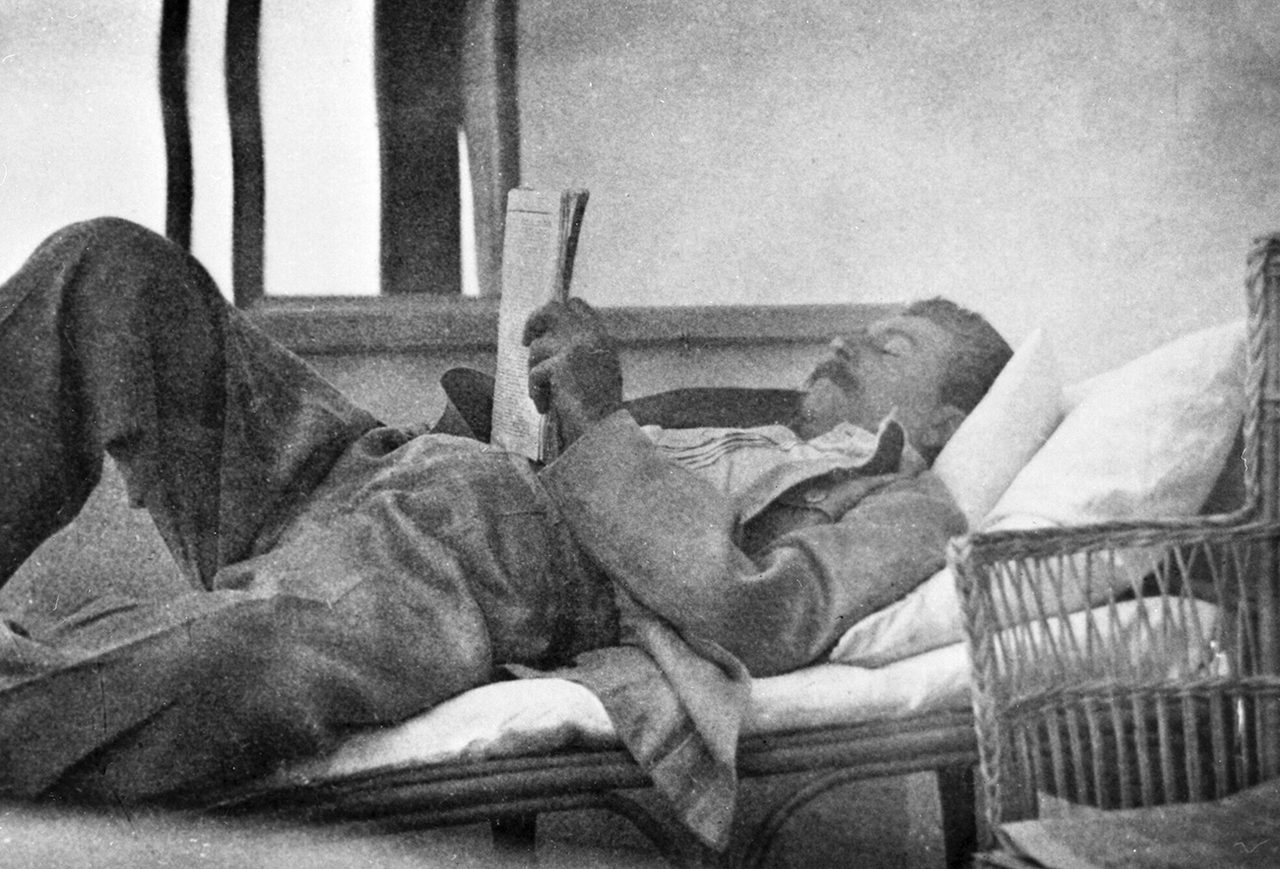 Joseph Stalin
"I've been thinking a lot lately about whether a Russian writer can live outside his homeland. And it seems to me that he can't," Bulgakov replied. And, the next day, Bulgakov was accepted into the Moscow Art Theatre as an assistant director.
A Call to Pasternak
The reason for the call to Pasternak was the arrest of poet Osip Mandelstam on the night of May 14, 1934. The reason was his famous epigram, ‘We Live, Not Feeling the Country Beneath Us’, which included lines about a "Kremlin Highlander" with "cockroach-like antennae". Rumors of the arrest spread throughout Moscow. Pasternak turned to Politburo member Nikolai Bukharin, who wrote a note to Stalin: "Pasternak is also worried."
Unlike Stalin's conversation with Bulgakov, which is confirmed by many sources, the conversation between the leader and Pasternak is subject to numerous conflicting accounts. Researcher Benedict Sarnov has counted at least 12 versions of this conversation. Moreover, there is reason to believe that Pasternak himself retold it differently to different people. One of the most credible versions comes from translator Nikolai Vilmont, who was in Pasternak's apartment when the call occurred. According to his recollections, Stalin asked about Mandelstam. Pasternak, knowing that Mandelstam had been arrested for his poems about Stalin, responded with extreme caution and began to change the subject: "Joseph Vissarionovich, let's talk about something else." Stalin then became angry: "We Bolsheviks have never betrayed our friends," he rebuked the poet.
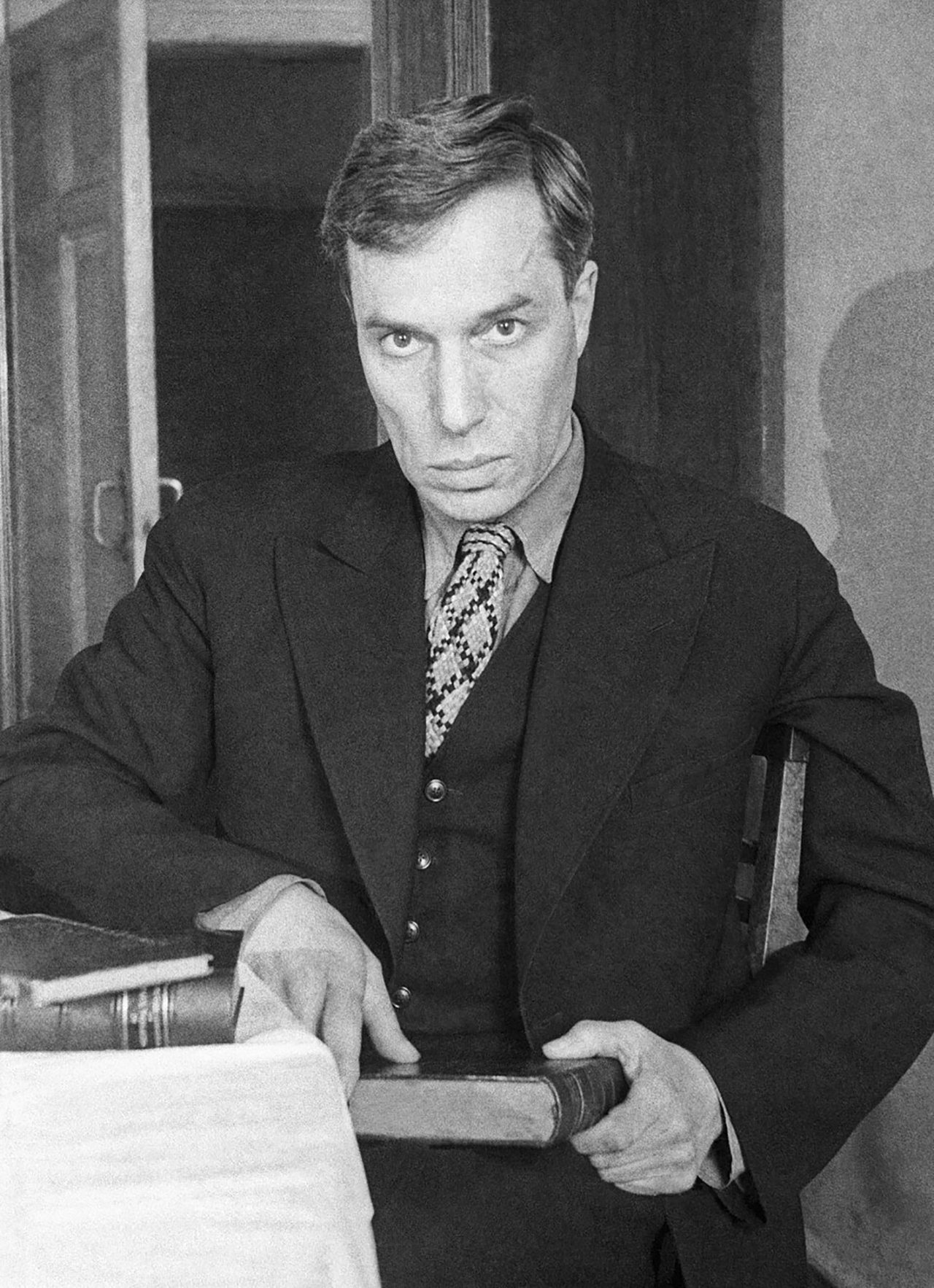 Boris Pasternak
According to those close to him, Pasternak was unable to write poetry for a long time after this call and was deeply distressed by his cowardice in failing to defend his comrade. However, despite the humiliating tone of the conversation, Mandelstam's sentence (initially exile to Cherdyn) was commuted. As a result, he ended up in exile in Voronezh.