
The 7 most famous horses in Russian literature
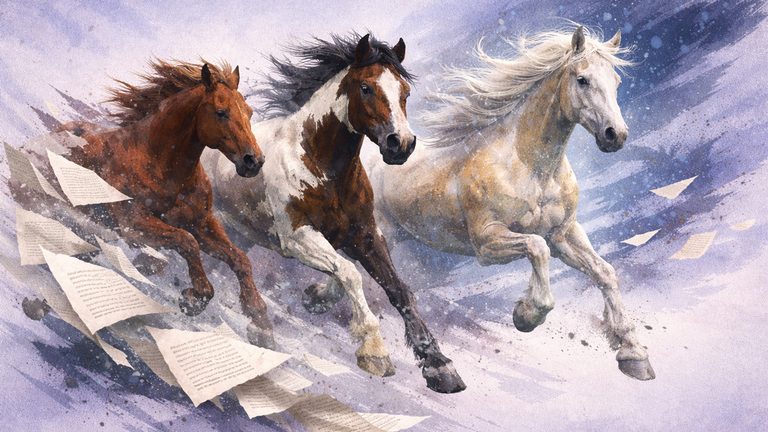
Fairy tales, poems and entire chapters in novels have been written about them. This is because they are just as important to the plot as people.
1. ‘Frou-Frou’
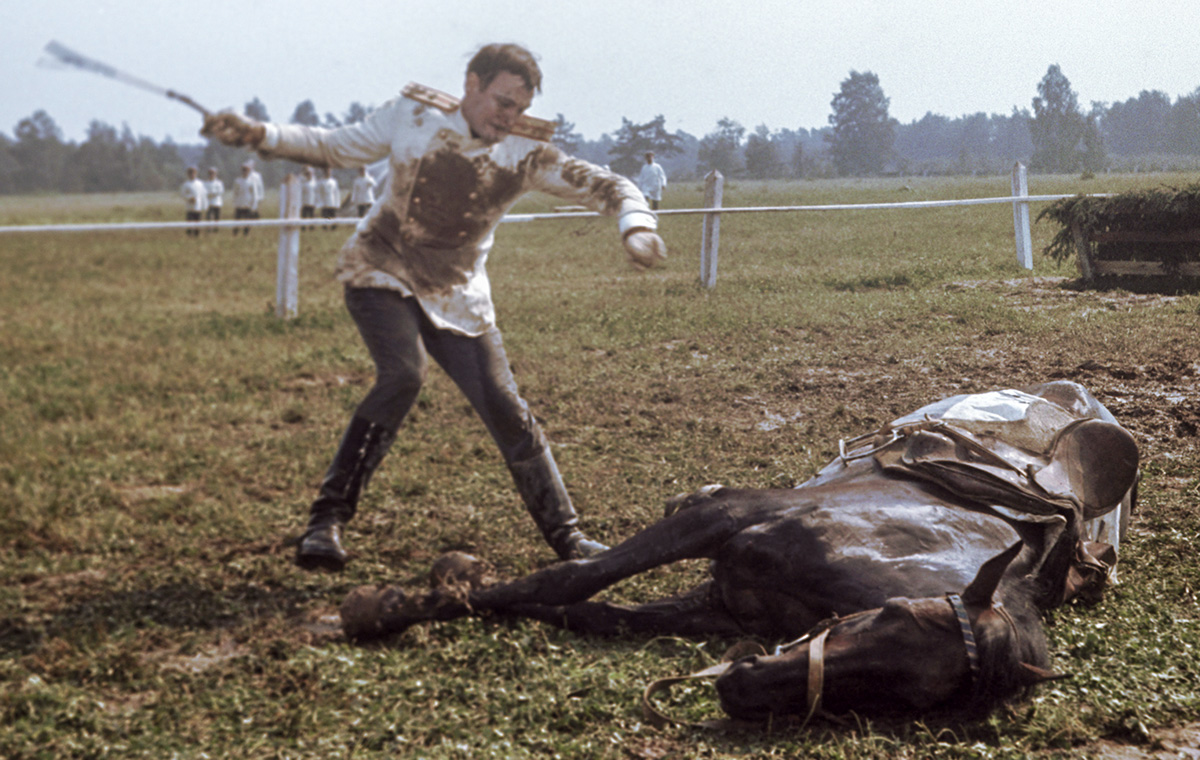
Alexei Vronsky, one of the main characters in the novel ‘Anna Karenina’, adored his English breed horse and decided to compete with it in the officers' races at Krasnoe Selo. In the heat of the race, he landed awkwardly in his saddle and broke his beloved horse's back. ‘Frou-Frou’ had to be put down. Vronsky was beside himself with grief, both from losing the race and from the loss of his horse, calling the incident a shameful, unforgivable mistake.
The writer actually borrowed the horse racing story from real life: a similar incident happened to Prince Dmitry Golitsyn. Tolstoy himself was a superb rider and owned a horse named ‘Frou-Frou’.
2. ‘Kholstomer’
It's no coincidence that contemporaries, half-jokingly and half-seriously, would often say that Leo Tolstoy had been a horse in a past life. That’s because no one has, perhaps, so poignantly and vividly described the suffering of these animals.
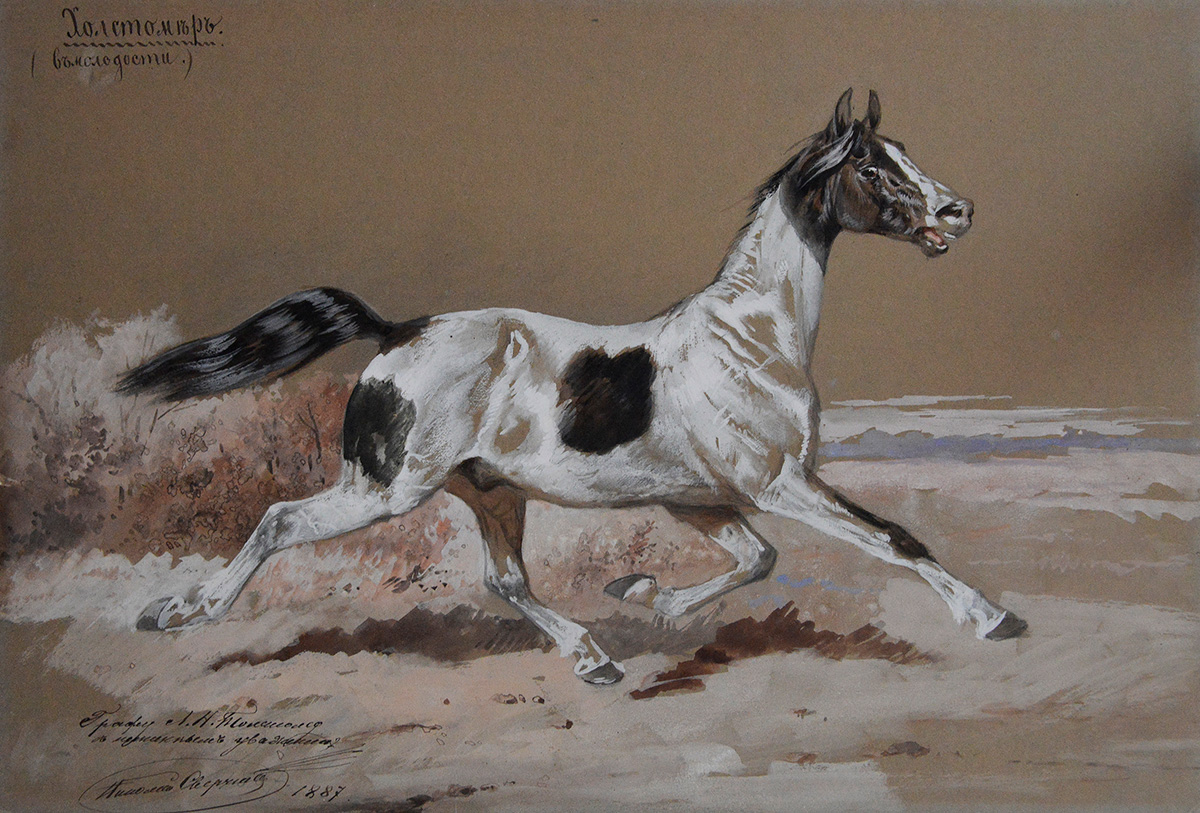
In the novella ‘Kholstomer’, an old male horse tells the story of his life to the young in the herd. He had been dogged by misfortune since birth. He was born the wrong color, with piebald spots and was therefore considered a failure. ‘Kholstomer’ seemed destined for racing, but, unfortunately, proved faster than the count's steed. Fearing the lord's wrath, the groom sells him to a visiting hussar. The latter, however, runs ‘Kholstomer’ to death in his haste to meet his mistress. The sick, old gelding is then killed, but, even after death, he continues to be useful: his skin, meat and bones are all used. ‘Kholstomer’ actually existed: Writer Mikhail Stakhovich originally intended to write his story, but he died before he could bring his plan to fruition. So, Tolstoy picked up the baton: he learned about the piebald's life from Stakhovich's brother, the owner of a stud farm.
3. ‘Emerald’ (‘Izumrud’)
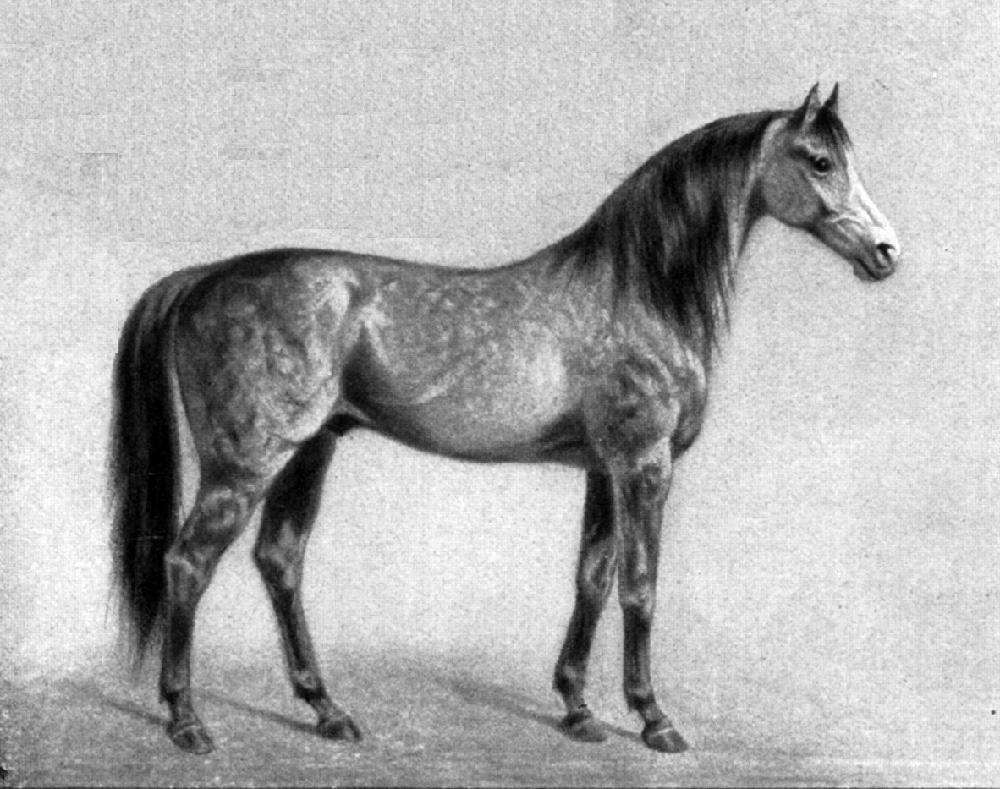
Alexander Kuprin dedicated his story ‘Emerald’ to Tolstoy's ‘Kholstomer’. The steel-silver stallion takes part in a race at the hippodrome. He’s the story's protagonist; it’s through his eyes that we witness the events. Memories of childhood, flirting with a black filly from a neighboring stall and impatience before the start. And the strange cries that the trotter is "fake" that ring out after ‘Emerald’ wins.
As with ‘Kholstomer’, the story of ‘Emerald’ is taken from real life. At the beginning of the 20th century, a scandal erupted at the Moscow Hippodrome: It was claimed that the star of the race, a gray Orlov trotter named ‘Rassvet’, was actually of American origin. This couldn't be proven and, soon after, someone poisoned the horse.
4. ‘Sivka-Burka’
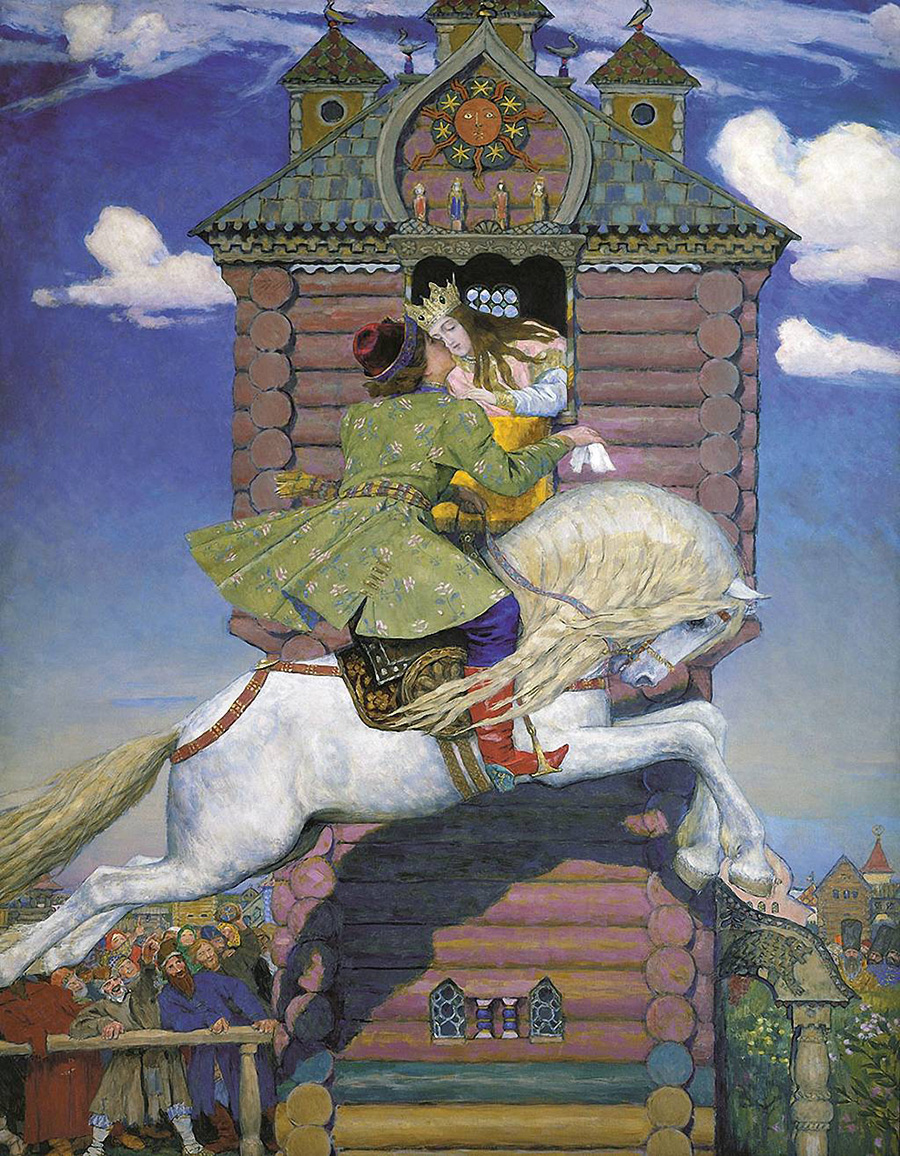
Russian folk tales feature not only bears, wolves and talking fish, but also magical horses. For example, the fairy-tale ‘Sivka-Burka’. According to the story, a pest begins wandering through a wheat field: every night, it tramples and crushes the wheat. The owner of the field sends his sons to find out who is doing this. As expected, Ivan, the youngest, is lucky: the pest turns out to be a chestnut horse with "one hair gold, the other silver". In exchange for freedom, the magical horse promises to answer Ivan's call and fulfill his every wish…
5. ‘The Little Humpbacked Horse’
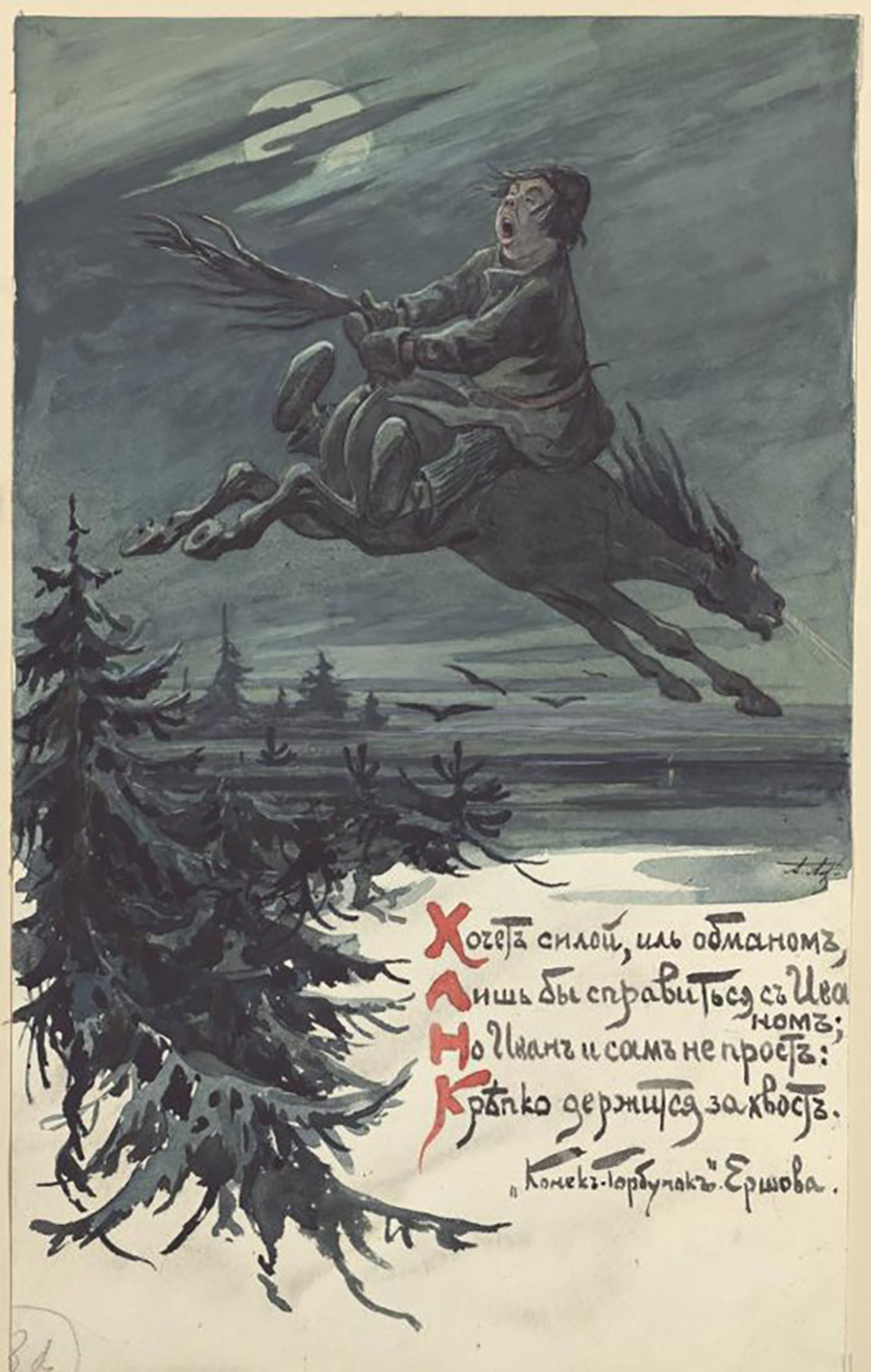
The horse from Pyotr Yershov's fairy tale, like ‘Sivka-Burka’, fulfills the wishes of the protagonist Ivan. However, it looks strange: tiny, just three inches (that is, no more than 15 cm!), with two humps and enormous ears. Despite its strange appearance, the horse becomes Ivan's faithful companion and helps him carry out the tsar's orders: catch the firebird, kidnap the tsar maiden and survive a bath in boiling milk and water.
6. The horse of Prophetic Oleg
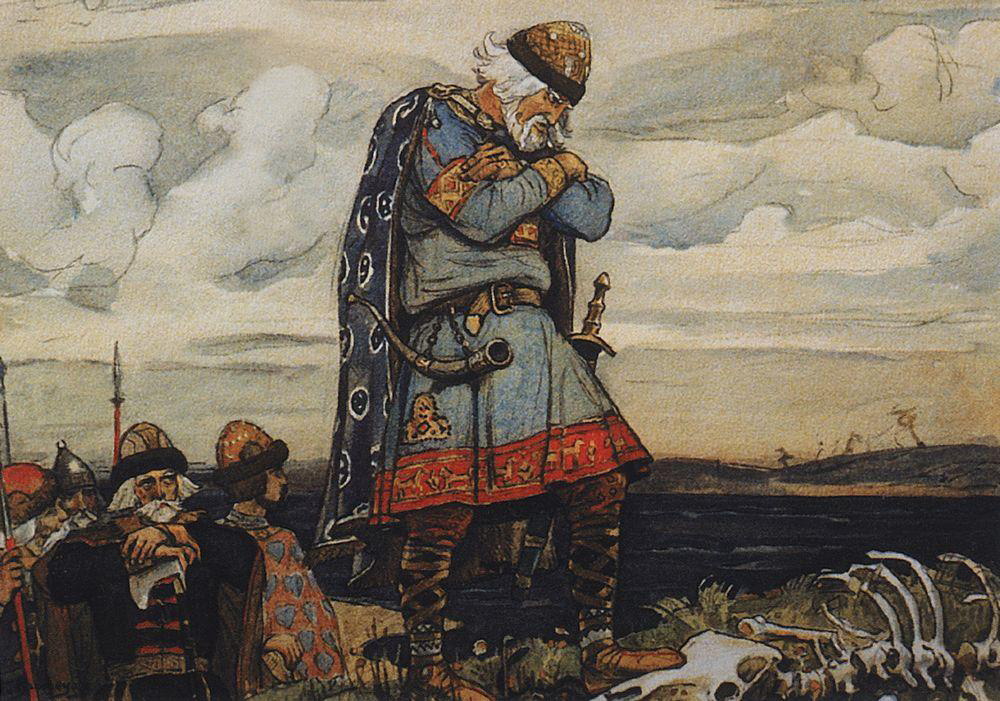
Without the horse, Pushkin's ‘Song of Prophetic Oleg’ would not have existed. According to the plot, a sorcerer predicts the prince's death: "You will receive death from your horse." He decides to send his favorite horse away, never to mount it again. But, some time later, learning that the horse has died, he decides to visit the meadow where it once grazed. There, the prophecy comes true: a poisonous snake living in the horse's skull fatally stings Oleg.
7. ‘The Foal’
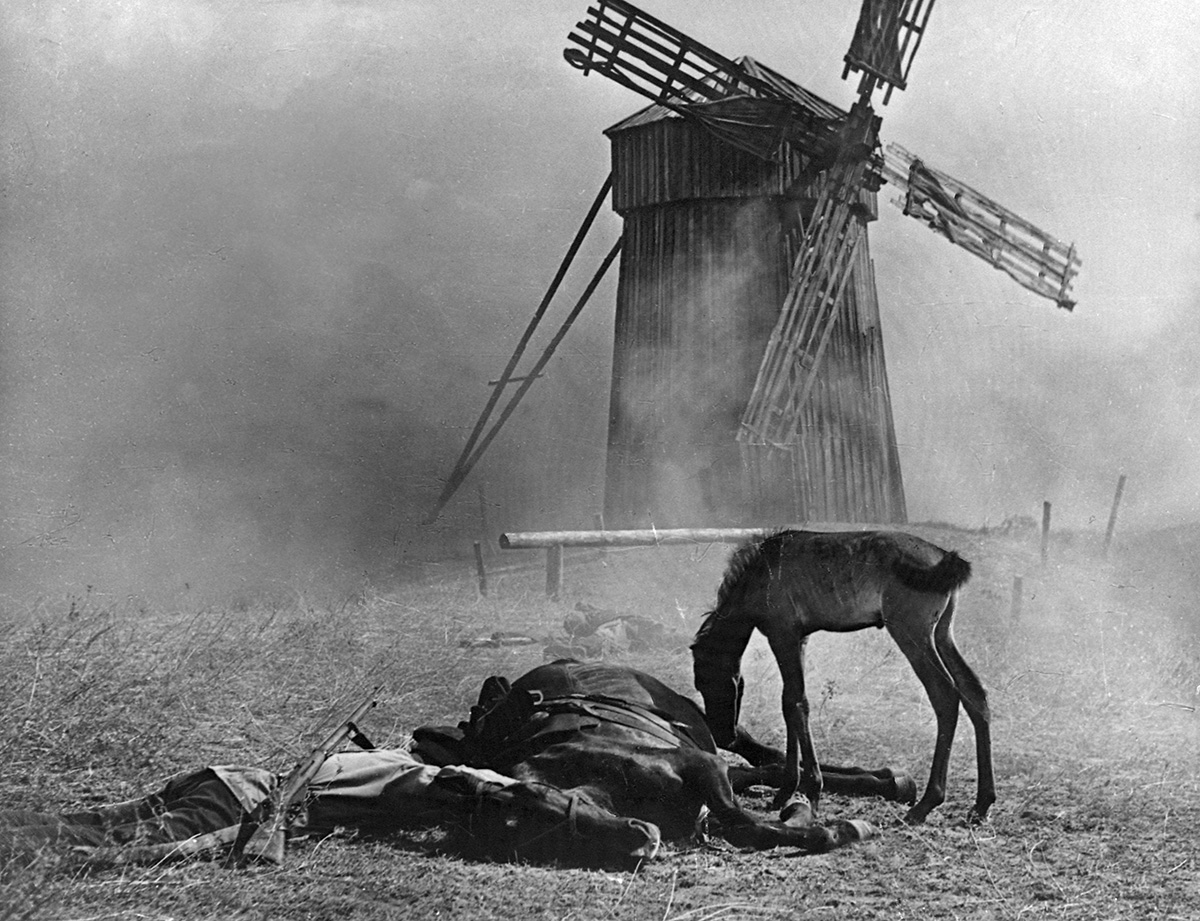
The hero of Sholokhov's story ‘Zherebyenok’ (‘The Foal’) is born in the midst of the Civil War. At first, people don't know what to do with it – everything seems out of place, frivolous and it looks so homely. But, they can't bring themselves to kill it. So, it remains with the squadron — a funny little foal with a cheerful tail, who, at the most inopportune moment, awakens something human in the soldiers, forgotten over five years of war. Therefore, when it gets caught in a whirlpool while crossing the river, Cossack Trofim saves him.