

The 5 most MOVING love scenes in Russian literature
Love in classic Russian literature is rarely happy. These love stories show how a single moment can change an entire life.
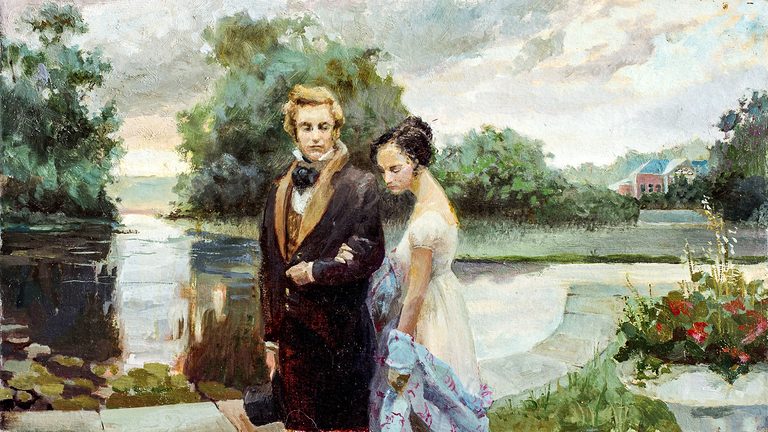
Alexander Pushkin, ‘Eugene Onegin’
The dreamy provincial young lady Tatyana Larina falls passionately in love with disillusioned socialite Eugene Onegin, who has arrived in her village. She writes him a letter declaring her feelings. And this letter plays a key role in Russian culture, much like Juliet's soliloquy on the balcony does in European culture. However, unlike Romeo, Onegin responds with a rather cold rebuke, saying that he is "not made for bliss".
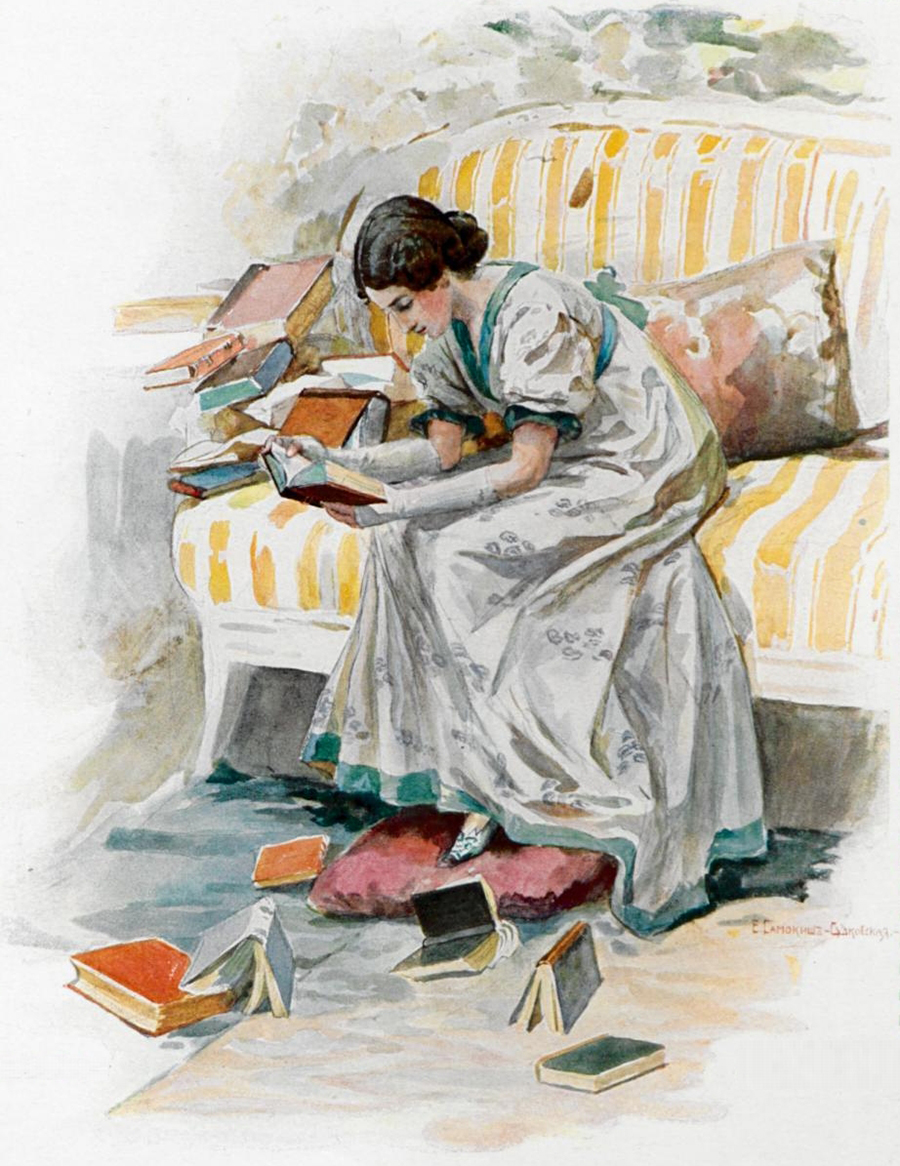
Several years later, after killing his friend in a duel and wandering far and wide, Onegin meets Tatyana again, this time in St. Petersburg. She is now a general's wife, a princess and a star of high society. Now he is captivated by her and seeks her love. But, the present-day Tatyana, all comme il faut, "the majestic and careless ruler of the hall", although she admits that her feelings are still alive ("I love you, / Why pretend?"), rejects him, remaining faithful to her marital duty and honor: "But, I am given to another; / I will be faithful to him forever." Her refusal is not coldness, but the crowning achievement of a mature decision, the highest expression of love. And this is one of the most moving love scenes in Russian literature.
Leo Tolstoy, ‘Anna Karenina’
At an evening ball in Moscow, a young Count Alexei Vronsky believes himself captivated by the young Kitty Shcherbatskaya and is almost ready to propose. Kitty herself, full of happy hopes, eagerly awaits this moment. Anna Karenina, who has come to Moscow on business, appears as a guest from St. Petersburg. Vronsky, who has only been paying attention to Kitty, suddenly notices Anna. And everything changes – now he sees only her. The entire scene is described as Kitty sees it, with her anxiety, jealousy and despair. Kitty watches in horror as Vronsky's mannerisms, intonations and entire appearance change in the presence of Anna: "She saw that startling expression of bewilderment and resignation, like the expression of a clever dog when it is guilty."
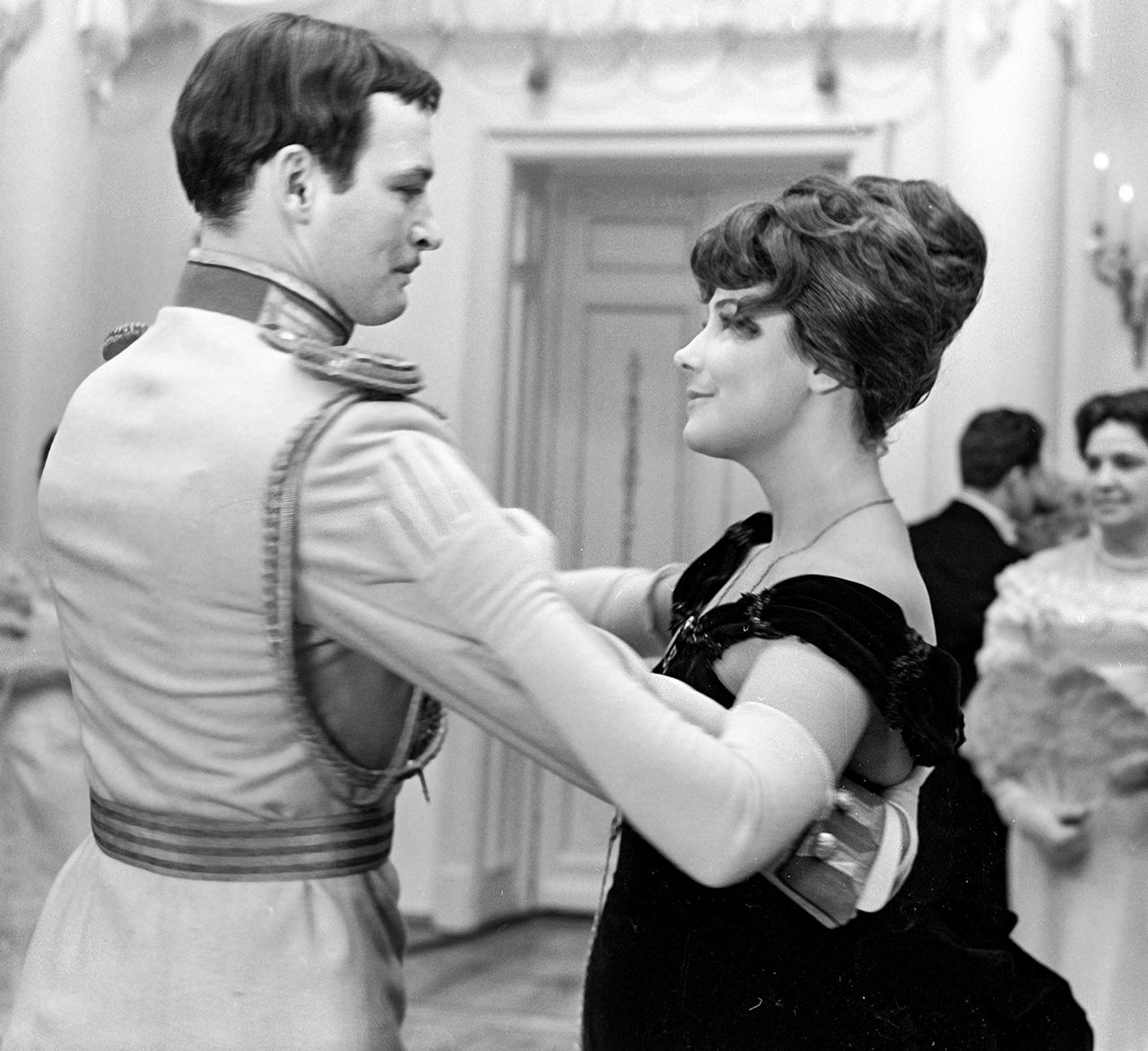
In Anna herself, Kitty sees "something alien, demonic". This scene is a point of no return for all three. For Kitty, it marks the end of her hopes. For Vronsky, it marks the beginning of an all-consuming passion that will destroy his former life. For Anna, it marks the awakening of a forbidden feeling that will lead to a tragic end.
Ivan Turgenev, ‘First Love’
A 16-year-old Vladimir, spending the summer at his parents' dacha, falls in love with his neighbor, a young princess named Zinaida. Surrounded by admirers, the girl flirts with Vladimir, sometimes drawing him closer, sometimes pushing him away. Vladimir soon realizes that Zinaida is truly in love, but he cannot figure out with whom. The tragic truth is revealed in a scene in the garden, when he accidentally overhears a love dialogue between Zinaida and… his own father. She shatters the young man's world, revealing to him a true, all-consuming, sacrificial love, unlike his romantic feelings.
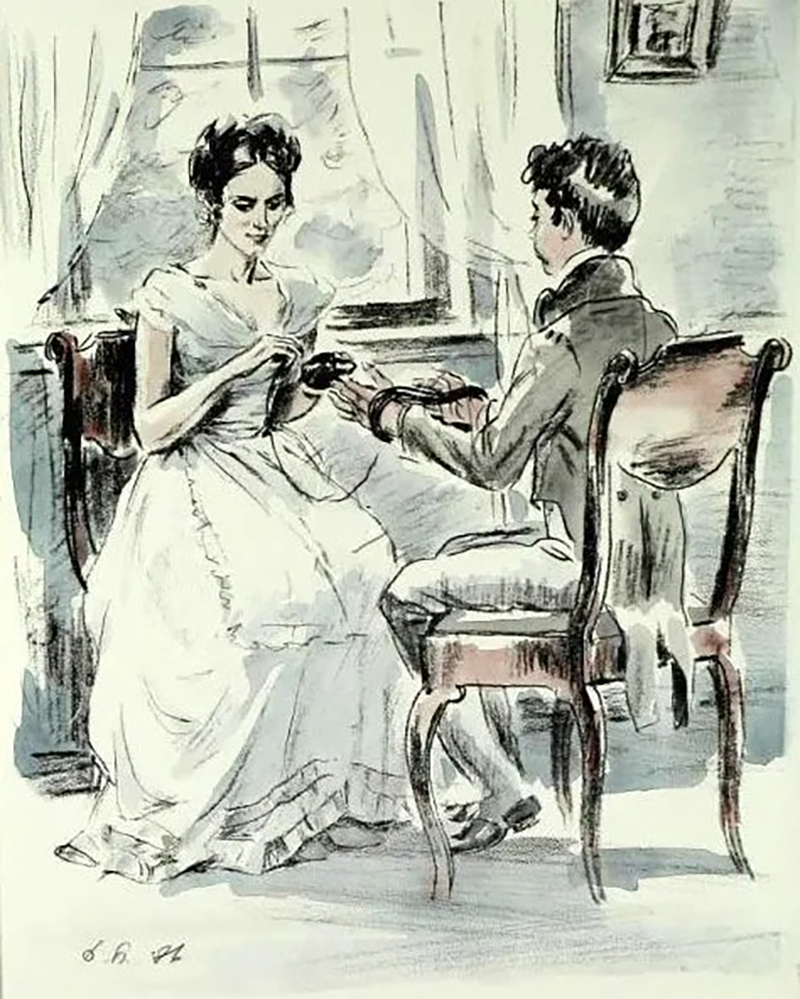
This work is largely autobiographical: In his youth, Turgenev was in love with Princess Ekaterina Shakhovskaya, who had an affair with the future writer's father.
Mikhail Bulgakov's ‘The Master and Margarita’
One of the plot lines of Bulgakov's novel about Pontius Pilate and Satan's (Woland's) spring ball is the love between the Master and Margarita, which begins with a sudden encounter on a Moscow alley. To save her lover, Margarita makes a deal with the devil, transforms into a witch and undergoes a series of trials. It’s her love that saves the Master: Woland, touched by her feelings, returns the burned manuscript to the Master and grants the couple an eternal refuge far from earthly suffering.
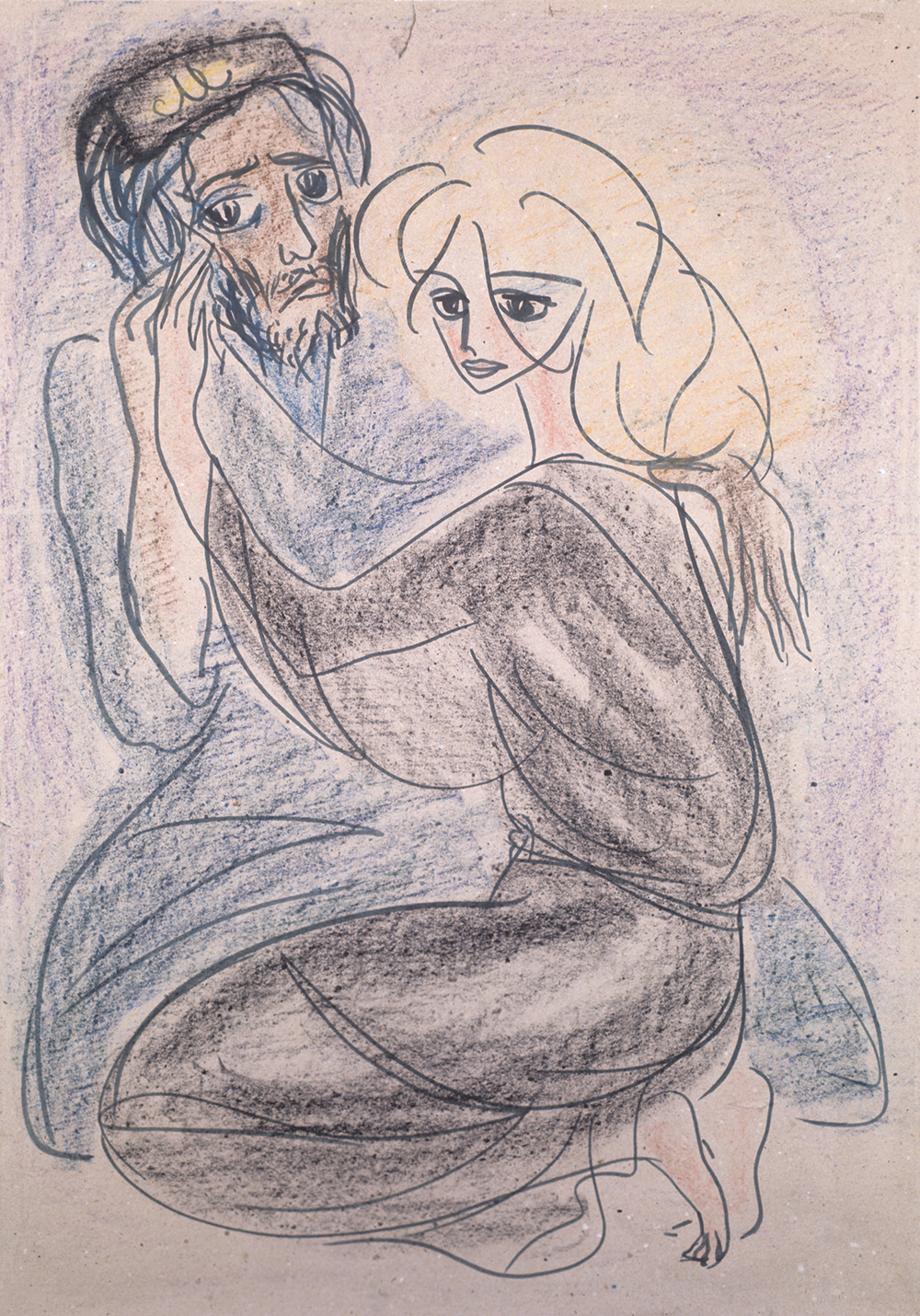
The Master's acquaintance with Margarita unfolds as follows. One spring day, the Master meets a woman in a black coat carrying a bouquet of yellow flowers. He is struck by the painful loneliness in her gaze. Obeying an inexplicable attraction, he follows her. She suddenly asks if he likes her flowers. He answers: "No," and, in that moment, he realizes he's loved her all his life. "Love leaped out before us, like a murderer leaping out of the ground in an alley and struck us both at once! It's like lightning strikes, like a Finnish knife strikes!" Soon, they secretly become husband and wife.
Ivan Bunin, ‘Dark Alleys’
The 38-story cycle ‘Dark Alleys’ presents love in all its forms: from fleeting attraction to all-consuming passion. The author himself considered the collection his finest work. It’s the culmination of his reflections on love as a phenomenon. The book is devoid of sentimentality and describes love as the fundamental and yet elemental force of life. For Bunin, love is stronger than reason and social conventions. The story ‘Dark Alleys’, which gives the collection its title, is entirely a scene of former lovers coming to terms with each other. On a stormy fall day, a middle-aged military man named Nikolai Alekseevich stops at an inn, where the hostess turns out to be Nadezhda, his former serf, whom he once passionately loved, but abandoned for a "respectable" marriage. As he leaves, Nikolai Alekseevich realizes that this woman was the most precious person in his life.
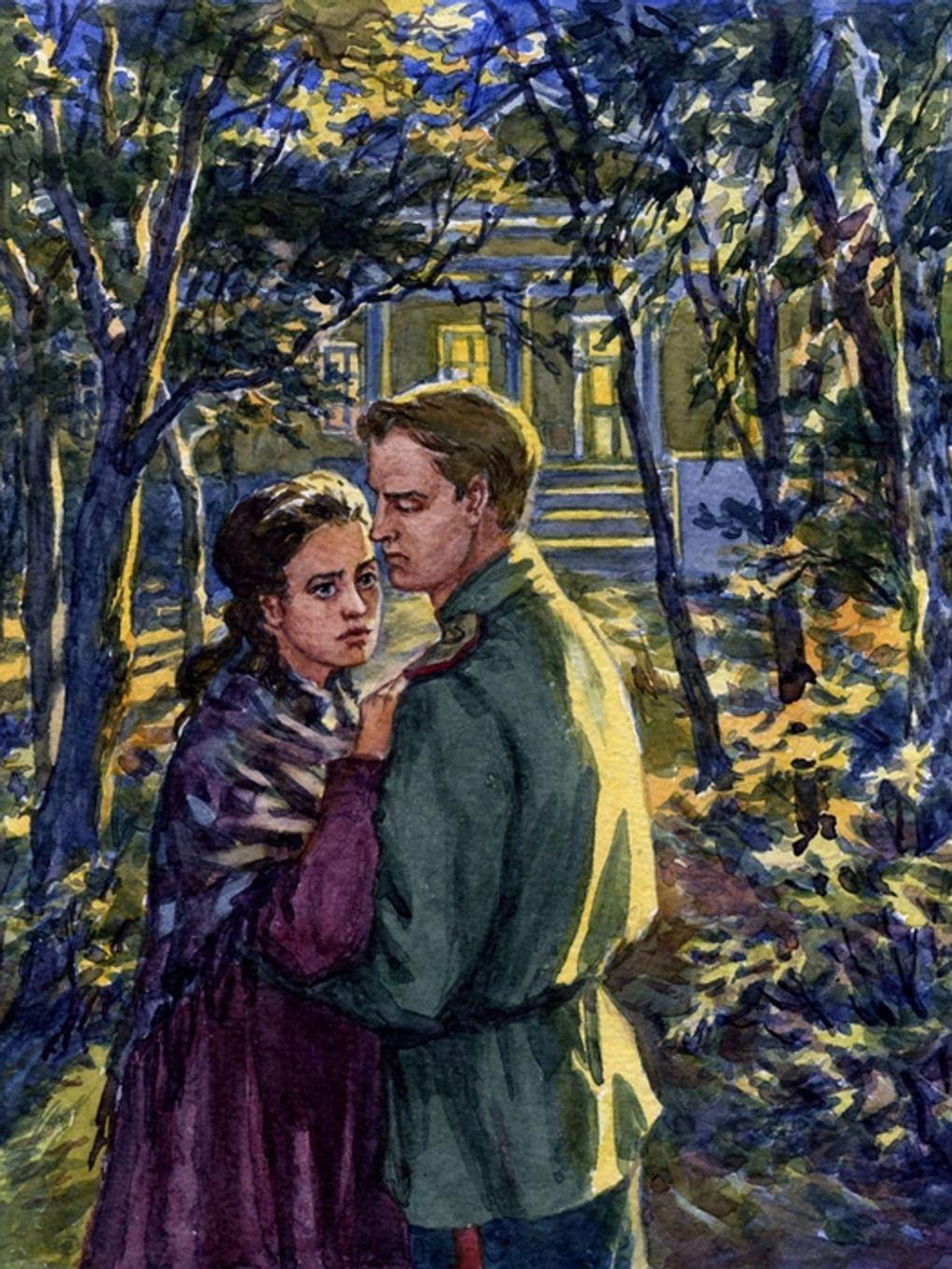
He, too, turned out to be the most important man in her life. And she never forgave him for that: "Since our conversation touched on our feelings, I'll say it frankly: I could never forgive you. Just as I had nothing more precious in the world than you then, so I haven't had anything since. That's why I can't forgive you. Well, what's the point of remembering? The dead are not carried from the graveyard."