
Russian literature in exile: 3 waves of emigration

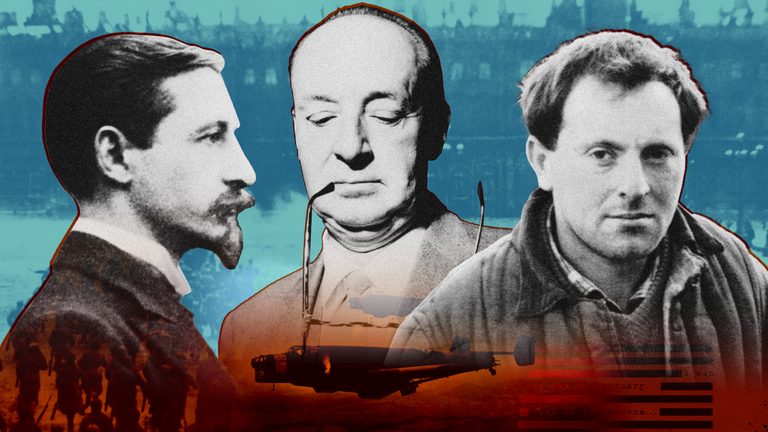
The biggest exodus of writers occurred after the 1917 Bolshevik Revolution. The drama and the impossibility of return left a distinct mark on their subsequent works.
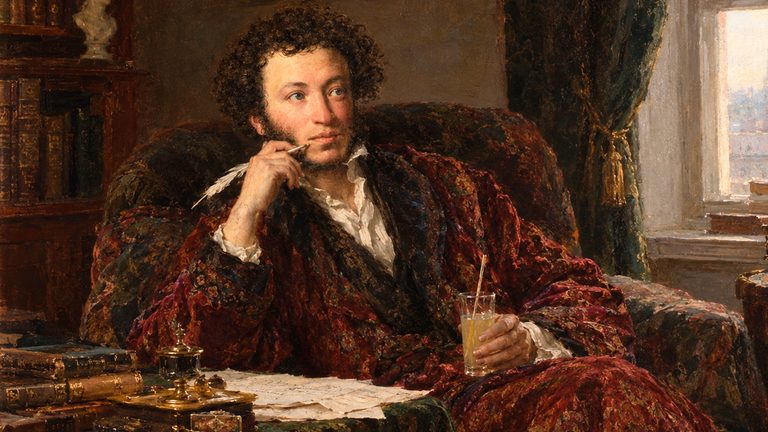
Exiled writers have been known in Russian literature since the 16th century, from the reign of Ivan the Terrible. Correspondence has survived between the tsar and disgraced Prince Andrei Kurbsky, who fled the country. Meanwhile, Alexander Pushkin and Mikhail Lermontov also spent time in exile and banishment.
However, mass emigration only emerged in the 20th century, due to the dramatic and turbulent course of Russian history. In most cases, the exile was permanent and writers held no hope of returning. Speaking about literature of the Russian diaspora abroad, scholars distinguish three chronological waves of the writerly exodus.
1. The first wave of Russian emigration (1918–1940)
After the 1917 Bolshevik Revolution and during the Civil War, the first major exodus of the intelligentsia occurred. Many writers and thinkers fled the country and the new authorities themselves deported many dissidents. The mass nature of this wave entered history under the collective term ‘philosophical steamship’ and many literary scholars consider it the most brilliant in the history of Russian emigration.
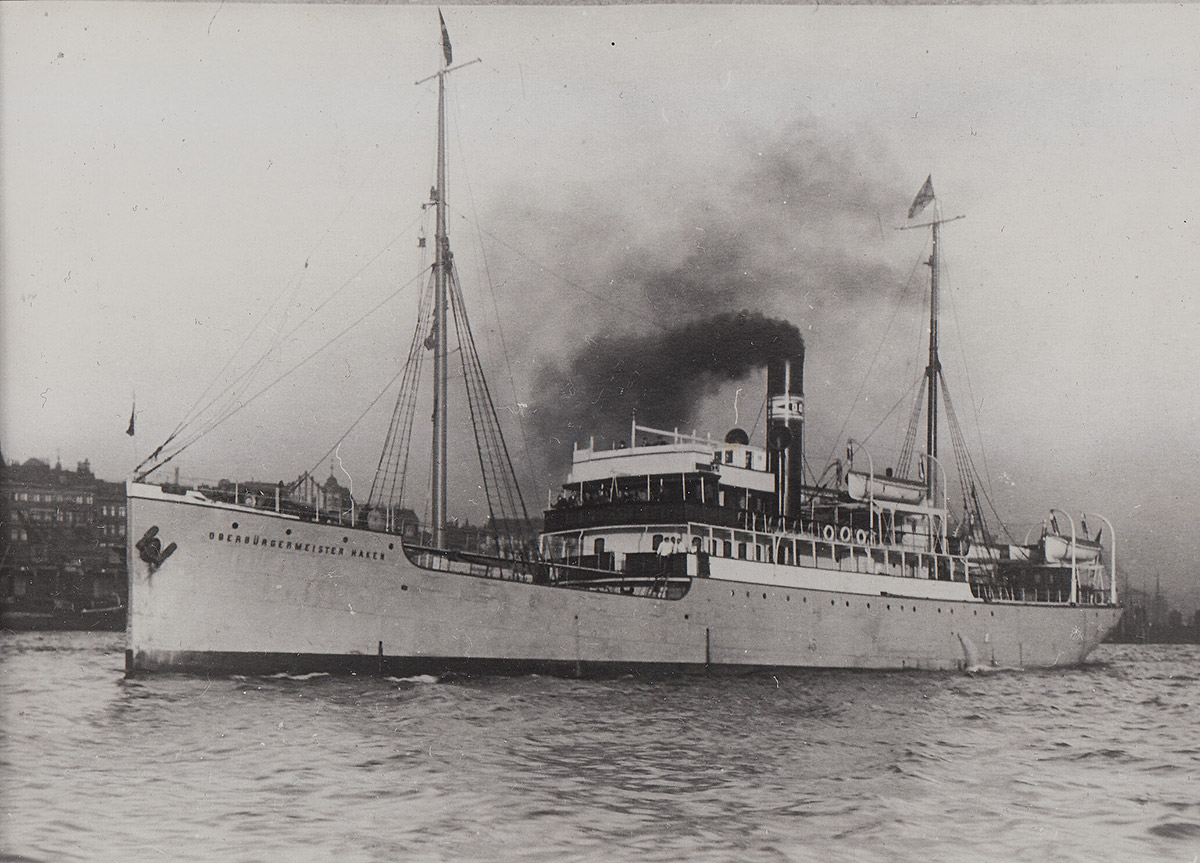 One of the ‘philosophical steamships’
It included the most talented representatives of the so-called Silver Age of Russian literature. Among them were the future Nobel laureate Ivan Bunin, Zinaida Gippius and Dmitry Merezhkovsky, Alexei Remizov, Ivan Shmelyov, Vladislav Khodasevich, Marina Tsvetaeva, as well as Vladimir Nabokov. There were also those who formed as writers abroad: for example, Gaito Gazdanov debuted in Paris with his first novel ‘An Evening with Claire’ (1929).
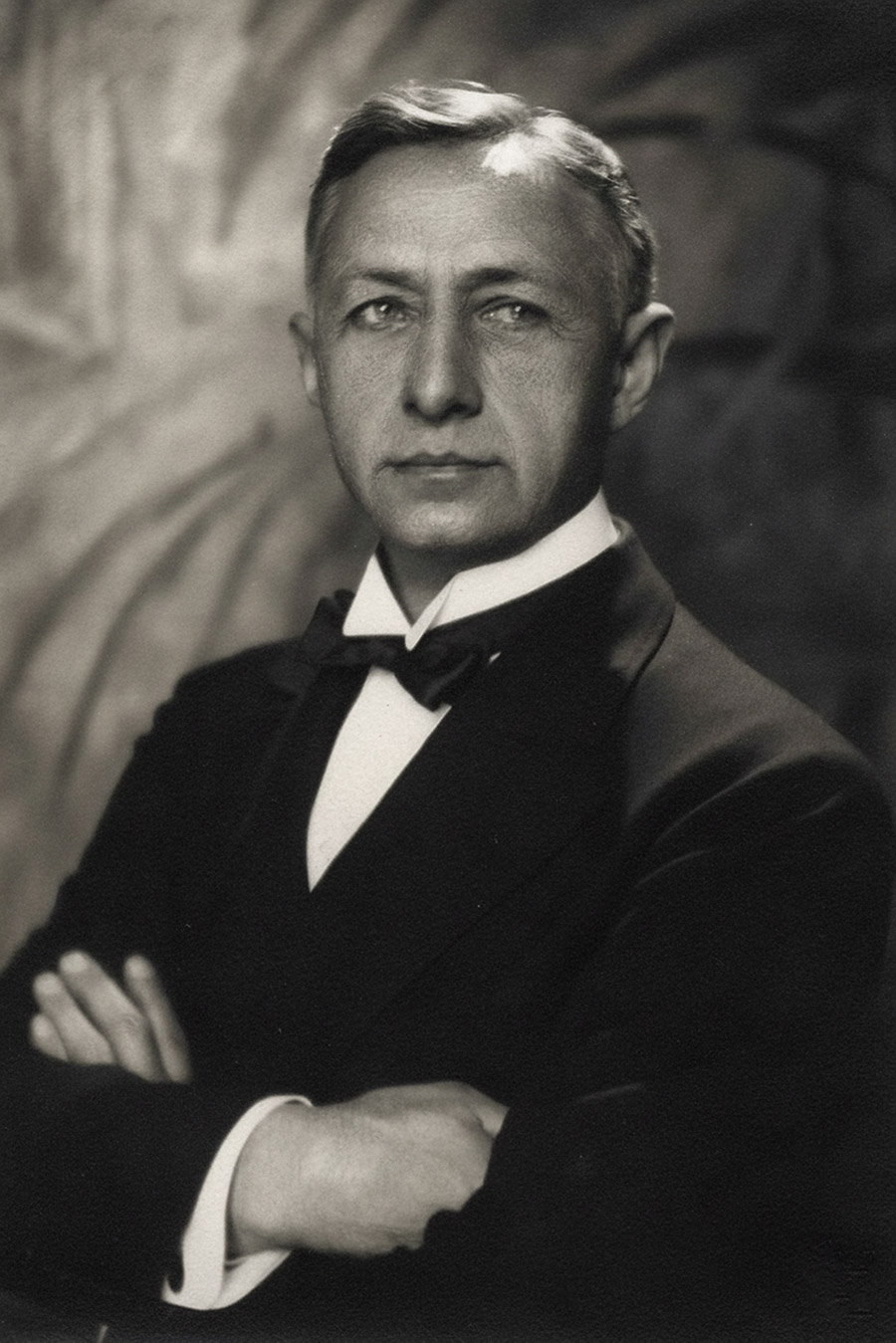 Ivan Bunin in Paris, 1928
The first wave is considered the continuers of the traditions of great Russian literature and is often contrasted with their counterparts who remained in the USSR.
2. The second wave of Russian emigration (1940s–1950s)
The next new wave was connected to World War II. The emigration of this period was significantly smaller in scale and left a lesser trace in literary history. It’s mostly associated with flight from the horrors of war and fear of Nazi occupation. Many then ended up in the U.S.
In this sense, Vladimir Nabokov can again be attributed to the second wave. Having fled Russia as the son of a Bolshevik opponent, Nabokov was forced to flee Europe because of the Nazis. In 1940, he and his wife, who was Jew, left for the U.S.
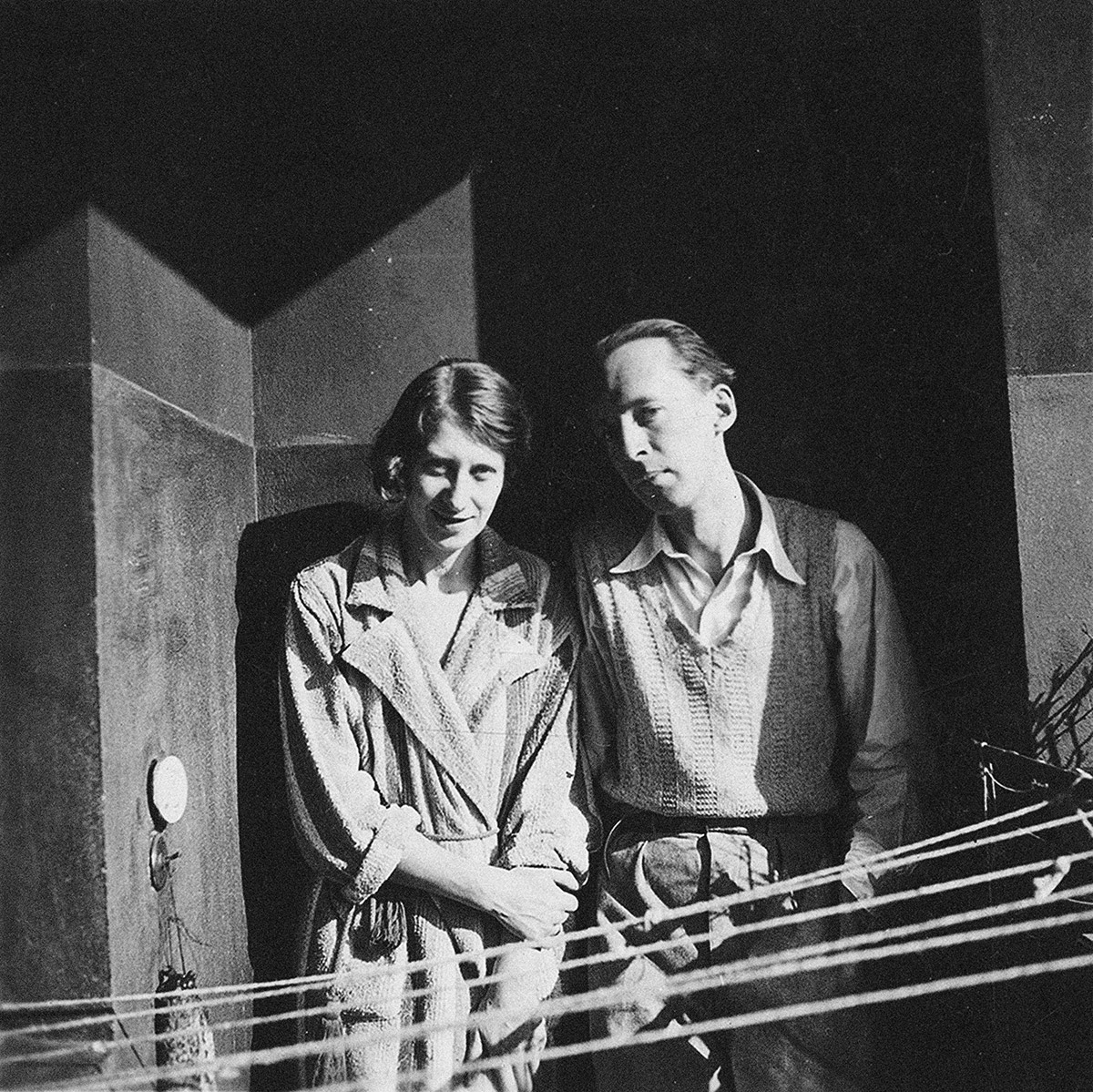 Vladimir Nabokov and his wife Vera in Berlin
Among the most notable names of the second wave are Ivan Yelagin, Valentina Sinkevich and Nikolai Narokov.
3. The third wave of Russian emigration (1960s – late 1980s)
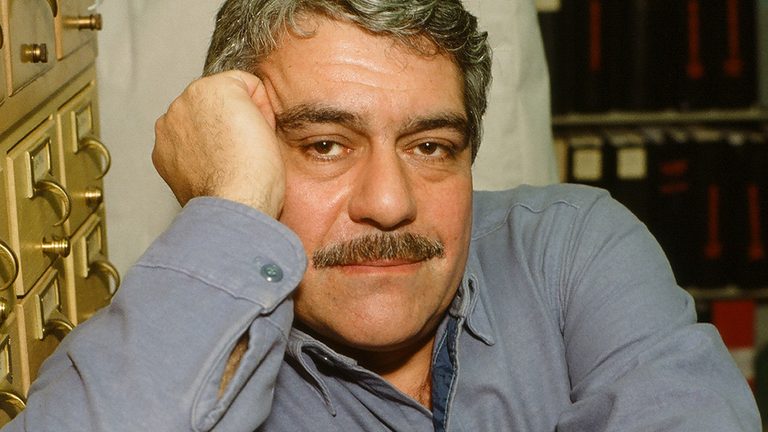
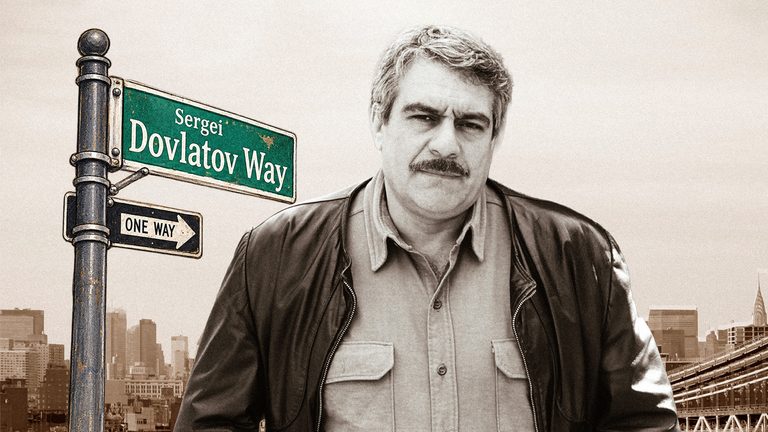
In the mid-1960s, the third wave began. Some were expelled abroad by the Soviet authorities, others were forced to leave, having no opportunity to publish their works and earn a living. Others sought freedom from censorship when leaving abroad. Among the prominent authors of that time are Alexander Solzhenitsyn, Vasily Aksyonov, Sergei Dovlatov, Eduard Limonov, Sasha Sokolov, Yuri Mamleev and Joseph Brodsky.
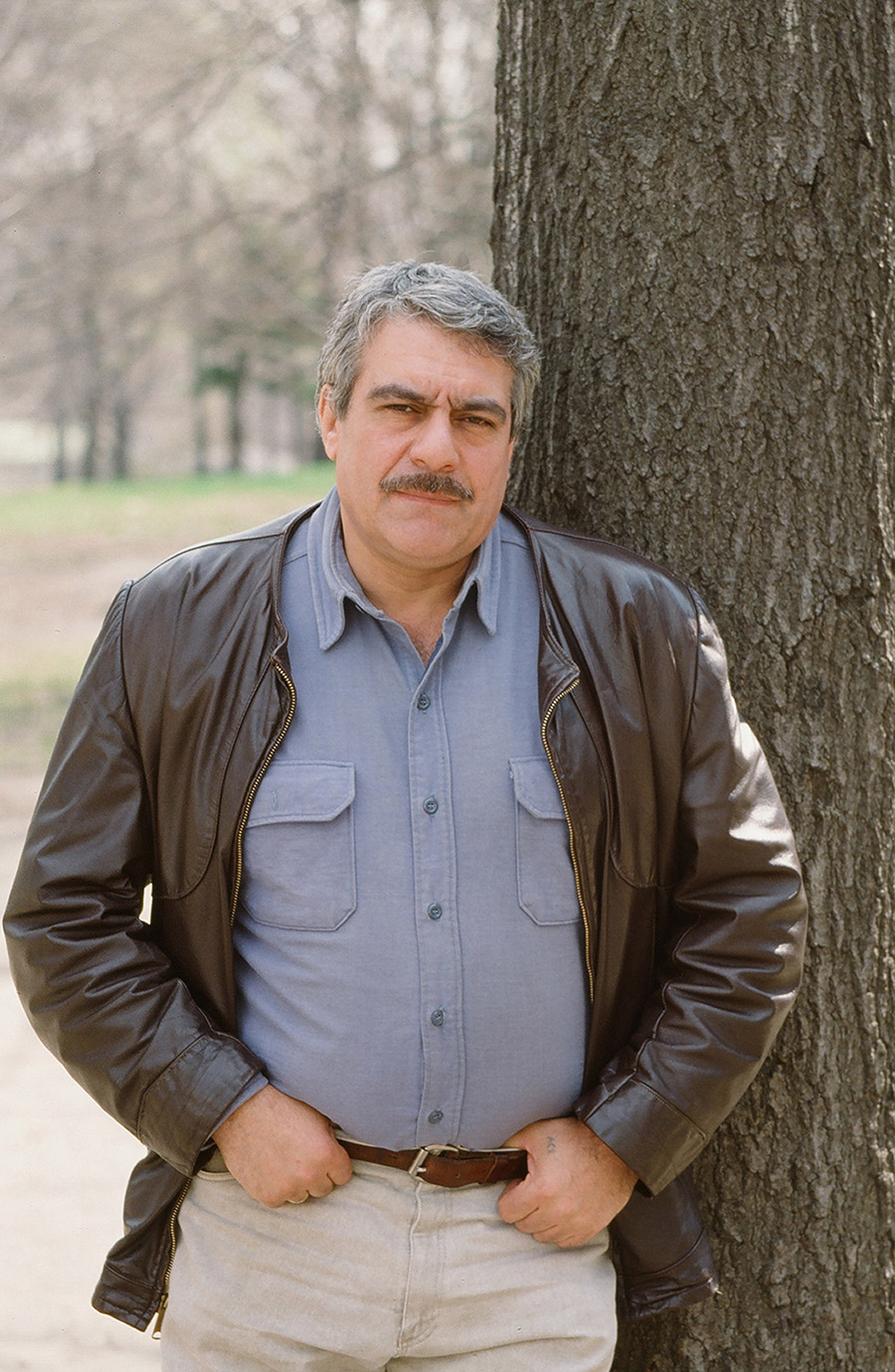 Sergei Dovlatov in New York, 1989
If many emigrants of the first wave were quite well-off, the representatives of the third wave most often had no savings at all. And they frequently found themselves abroad in a marginalized position: a similar situation was described by Eduard Limonov in his novel ‘It's Me, Eddie’ (1976).
The majority of representatives from this period ended up in the U.S., where an entire diaspora of Russian writers emerged.