
Three Lives of ‘Snegurochka’ (PICS)

The image of ‘Snegurochka’ (aka the ‘Snow Maiden’) has undergone amazing metamorphoses. She has been a girl made of snow, a tragic heroine with a destructive inner conflict, as well as the cheerful granddaughter of ‘Ded Moroz’, the main winter wizard.
‘Snegurochka’ in Russian Fairy Tales
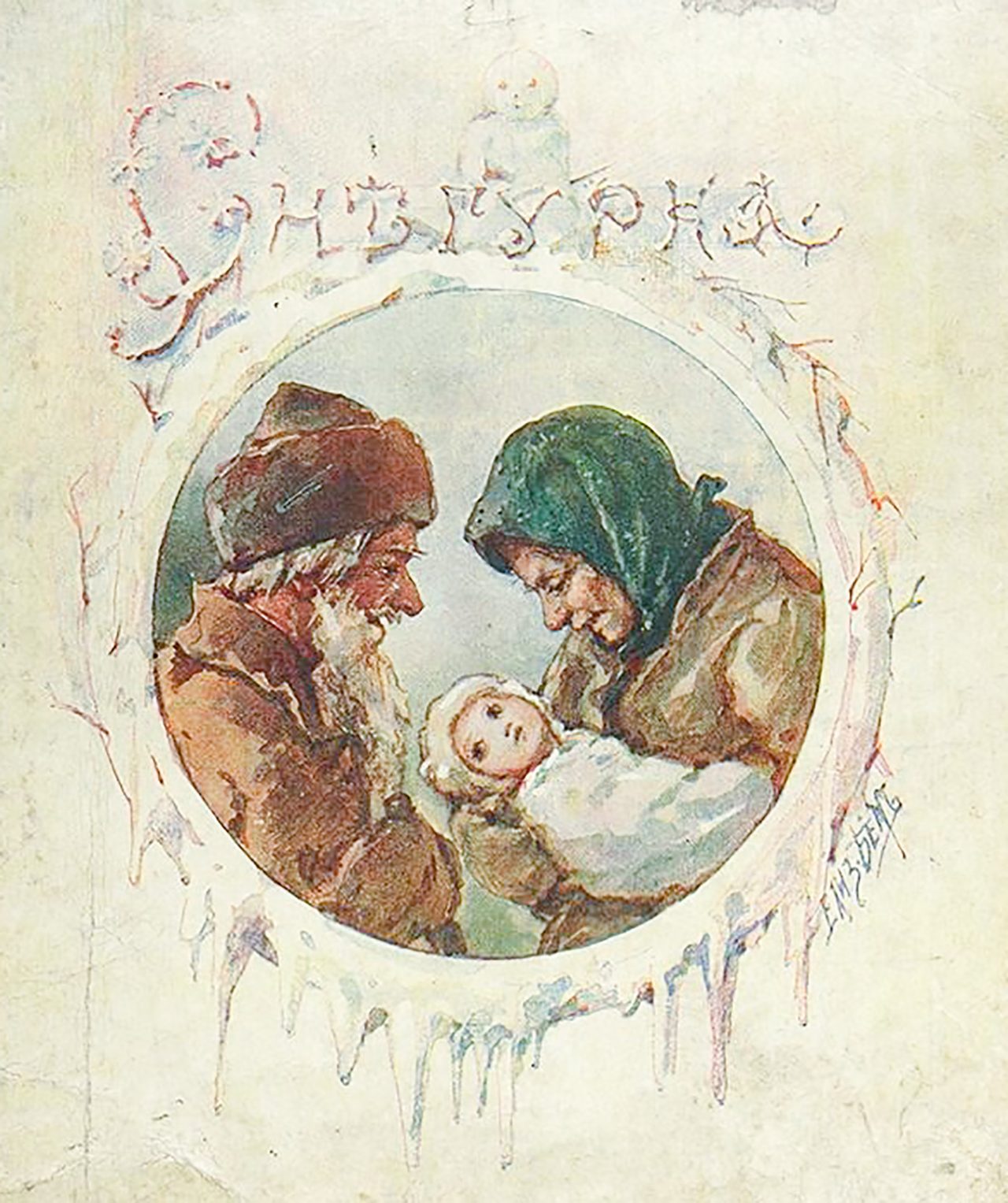 Snegurka. Khovronyushka
The oldest ‘Snegurochka’ appears in fairy tales. Just as ‘Pinocchio’ transformed from a wooden block into a boy, in folklore, ‘Snegurochka’ (also called ‘Snegurka’ or ‘Snezhevinochka’) is a girl made of snow. A childless old man and woman, watching the children's winter fun, make a "daughter" for themselves out of snow. ‘Snegurochka’ comes to life and becomes their comfort and joy. This plot appears in a collection of fairy tales by folklorist A. N. Afanasyev. At the end of the tale, ‘Snegurochka’ either melts while jumping over a fire or is killed in the forest by her envious friends.
‘Snegurochka’ in Alexander Ostrovsky's play
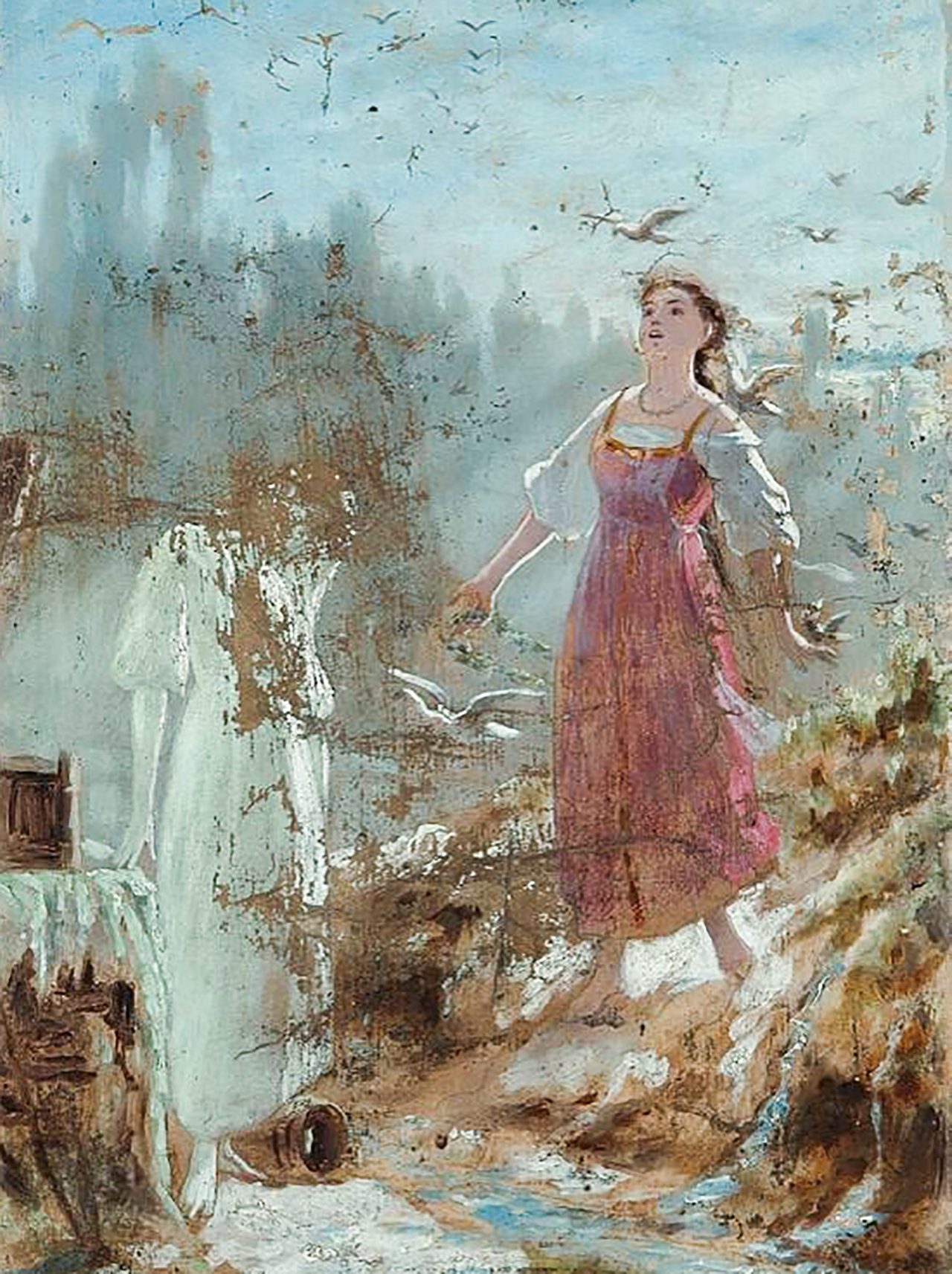 Spring-Beauty comes to Snegurochka
The plot of this play is well known throughout the world, thanks to the opera of the same name by composer Nikolai Rimsky-Korsakov. In it, ‘Snegurochka’ is no longer a snow maiden, but the daughter of ‘Ded Moroz’ (aka ‘Grandfather Frost’) and ‘Vesna’ (aka ‘Spring’). ‘Vesna’, a young, frivolous girl, once flirted with ‘Ded Moroz’ and the result of this fling is a girl. She fears warmth and sun, like her father. But, she is drawn to people and is capable of experiencing love, like her mother. ‘Ded Moroz’ rightly fears for his daughter's life and keeps her locked away. ‘Vesna’, however, believes this makes her daughter unhappy. In the end, everything happens exactly as ‘Ded Moroz’ feared: ‘Snegurochka’ falls in love and this love leads to her death.
Soviet Granddaughter of ‘Ded Moroz’
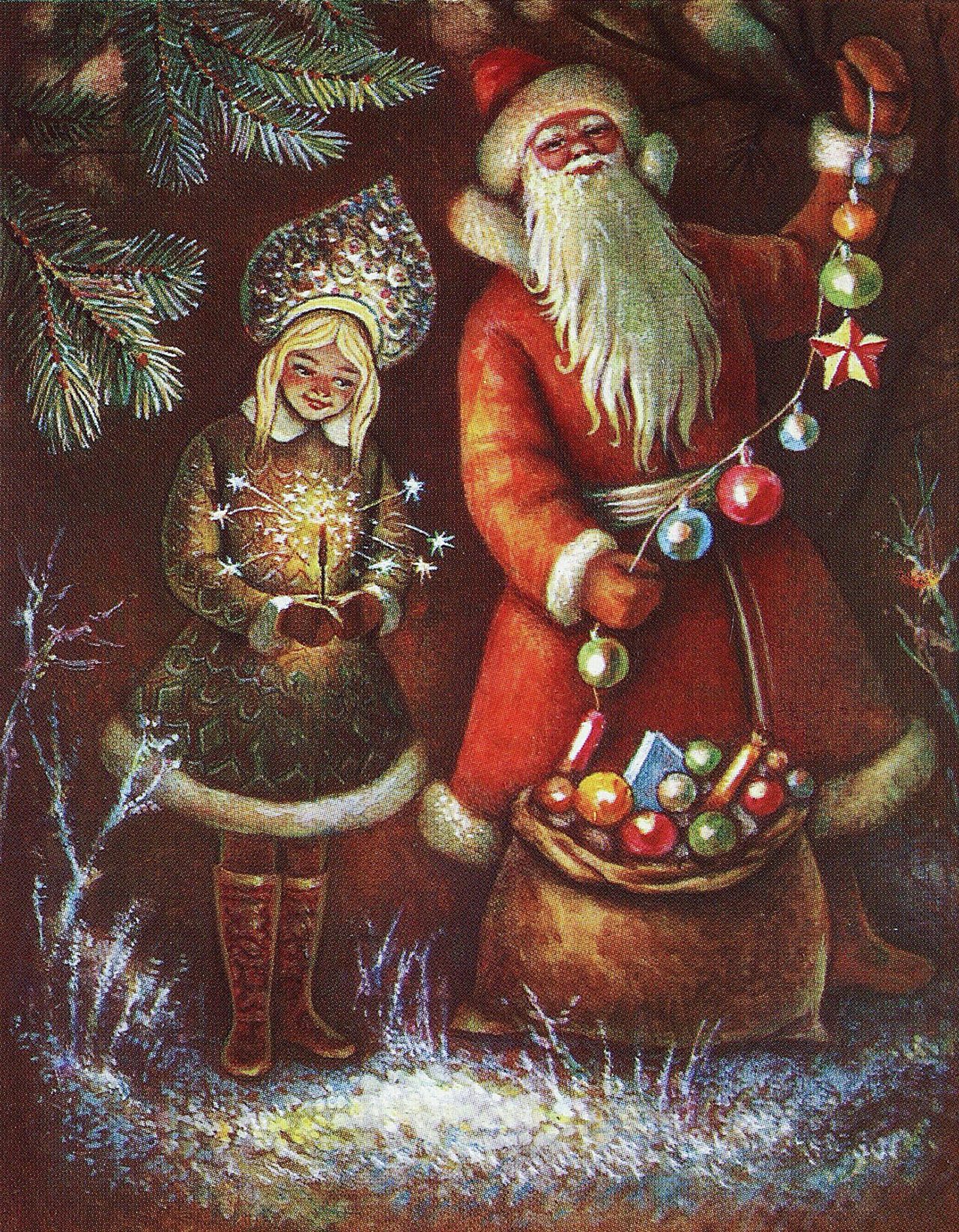 Postcard. 1980
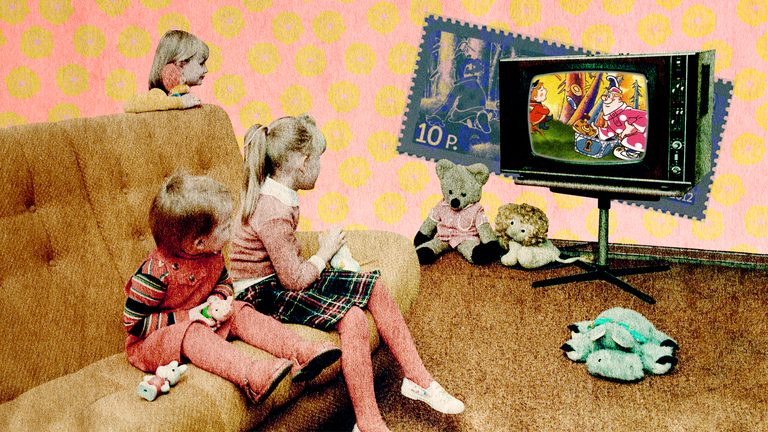
Of all the ‘Snegurochkas’, this one is the most cheerful and happy. Although it's unclear where her parents are or even who they are. The Soviet ‘Snegurochka’ is a cheerful granddaughter and indispensable assistant to ‘Ded Moroz’, whose image was created in the 1930s as part of a new, secular New Year's holiday. She is a school-age girl (much like the fairy tale ‘Snegurochka’), but she’s not afraid of warmth, light or the sun. She’s cheerful and active, often serving as an intermediary between children and ‘Ded Moroz’. As a result, she’s never sad — she has no shortage of interactions with her peers. Her image lacks the tragic quality of the first two depictions of the heroine. She’s the embodiment of joy and merriment. At children's parties, she plays a key role: she leads circle dances, asks riddles, distributes gifts and "finds common ground" with shy children.