
Mikhail Saltykov-Shchedrin: 5 essential books
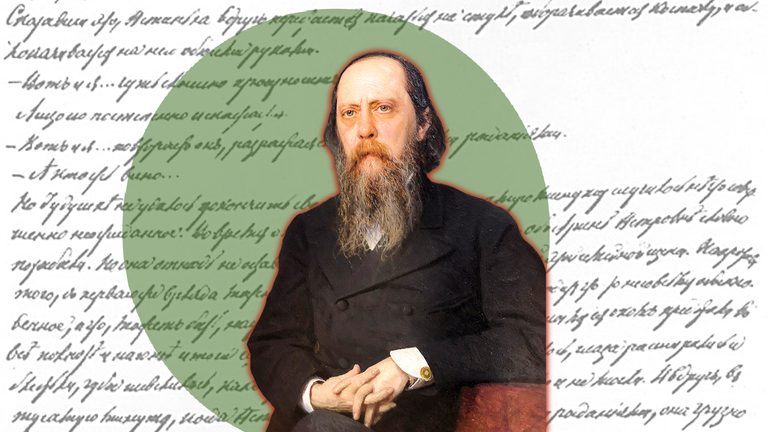
For a long time, the name of this Russian classic writer didn't exist. It only appeared after its owner's death.
There were two people. One was the successful statesman Mikhail Evgrafovich Saltykov, vice governor of the Ryazan and Tver provinces and chairman of the treasury chamber (Penza, Tula). The second was Nikolai Shchedrin, the fake name behind which Saltykov hid as a satirical writer. This duality became a key feature of his biography: as a high-ranking official, Saltykov studied the state system from the inside, while Shchedrin criticized it as a writer and journalist. Many of his works remain relevant today; we highlight five of his main ones below.
‘The History of a Town’
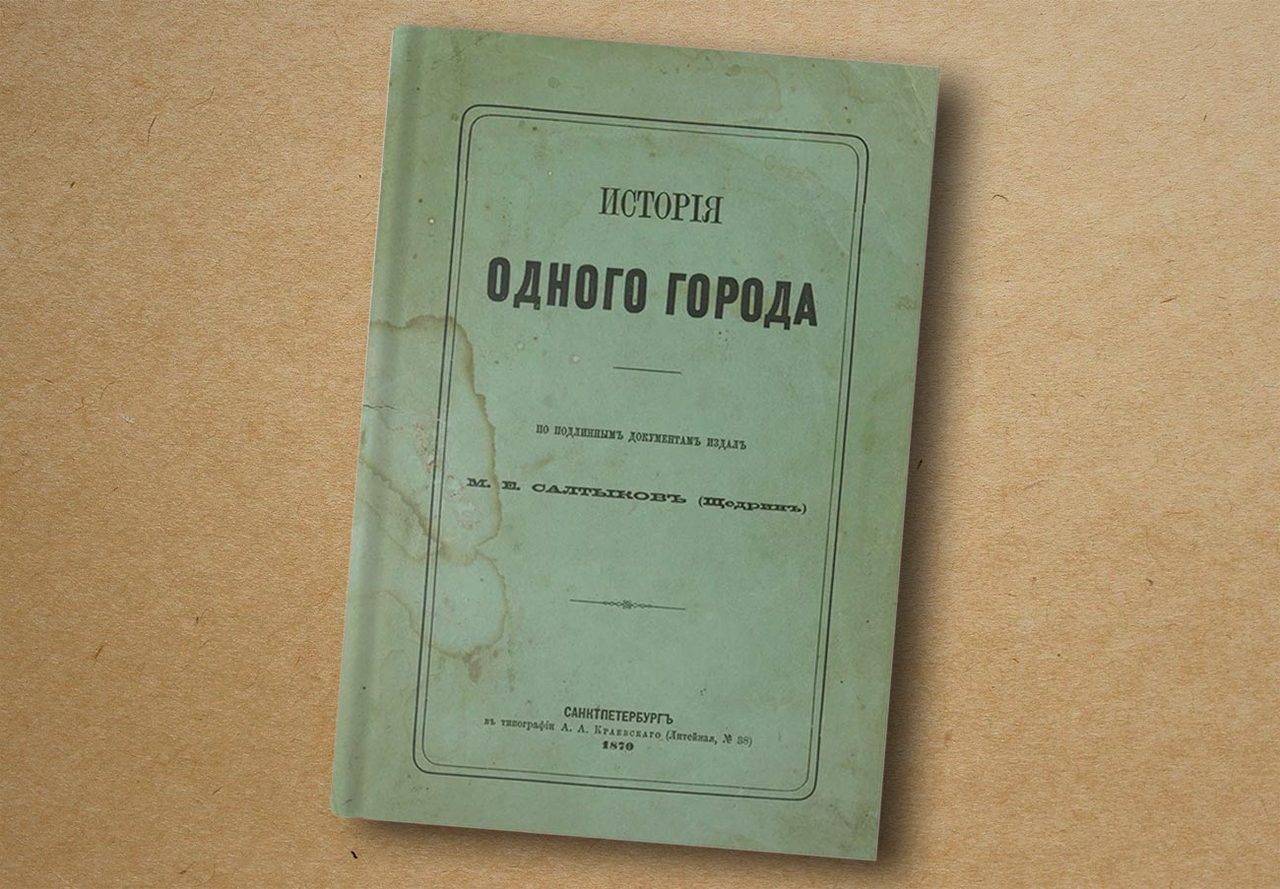
Through the chronicle of the fictional town of Glupov (Foolov) and its succession of strange mayors, the writer presents a model of the relationship between the authorities (always irrational and cruel) and the people (passive and patient). Characters like Ugryum-Burcheyev (a symbol of the dull, barracks-like discipline) or Organchik (a ruler with a "music box" for a head) have become household words. The town is a model of the world, an equivalent of Russia. The work confronts several perspectives on reality: the parodied view of an archaic chronicler, the equally conventional view of a historian and the sharp, modern perspective of the satirist himself. In this space, extremes converge – liberalism, despotism, anarchy, as well as the pursuit of order. But, all efforts ultimately drown in absurdity.
‘The Golovlev Family’
A novel whose social satire reaches the depths of a tragic family saga. The degeneration of the Golovlev noble family illustrates the decline of the social class and the moral decay of the human personality under the influence of greed, idleness and hypocrisy. The character of Judas Golovlev – a hypocritical murderer hiding behind pious speeches – is one of the most striking in Russian literature. It’s essentially a study of spiritual death that comes before physical death.
‘Fairy Tales’
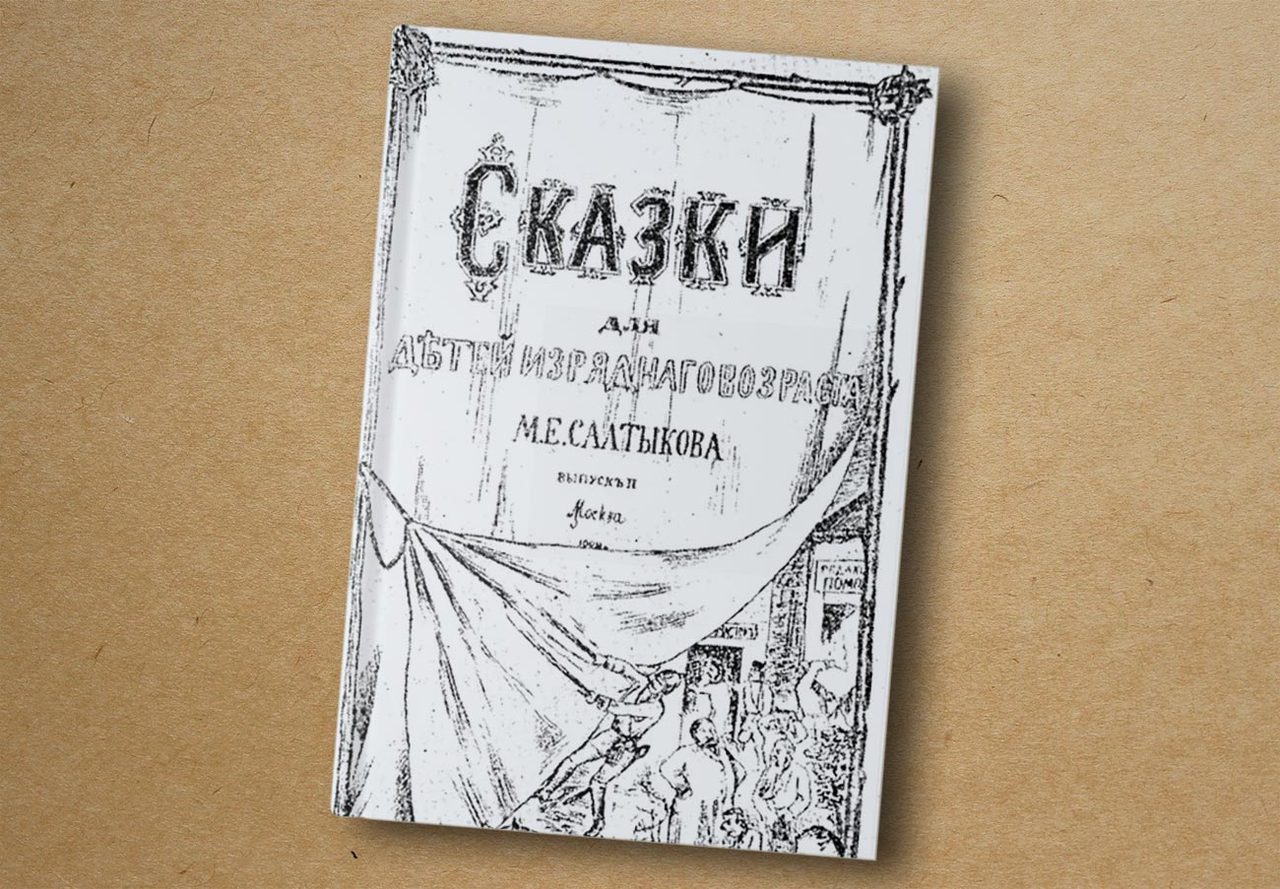
The pinnacle of Shchedrin's satire, presented in a condensed and accessible form. The author himself called them "fairy tales for children of a certain age". Under the guise of animal tales (‘The Wise Minnow’, ‘The Bear as a Voivode’) or folklore stories (‘The Tale of How One Peasant Fed Two Generals’, ‘The Wild Landowner’), the writer created an encyclopedia of Russian life and depicted the cowardly philistine, bureaucratic idiocy, the parasitism of the ruling classes and the submissiveness of the people. If, in the 1860s, Shchedrin's fairy tales exposed the "hot topic of the day" (how to treat the people), then, in the 1880s, during the reaction of Alexander III, they became parables about the relationship between the powerful and the powerless, about the nature of power that cannot be changed. They lack a straightforward fable-like moral – instead, an ironic mockery of any simple conclusions.
‘Poshekhonskaya Antiquity’
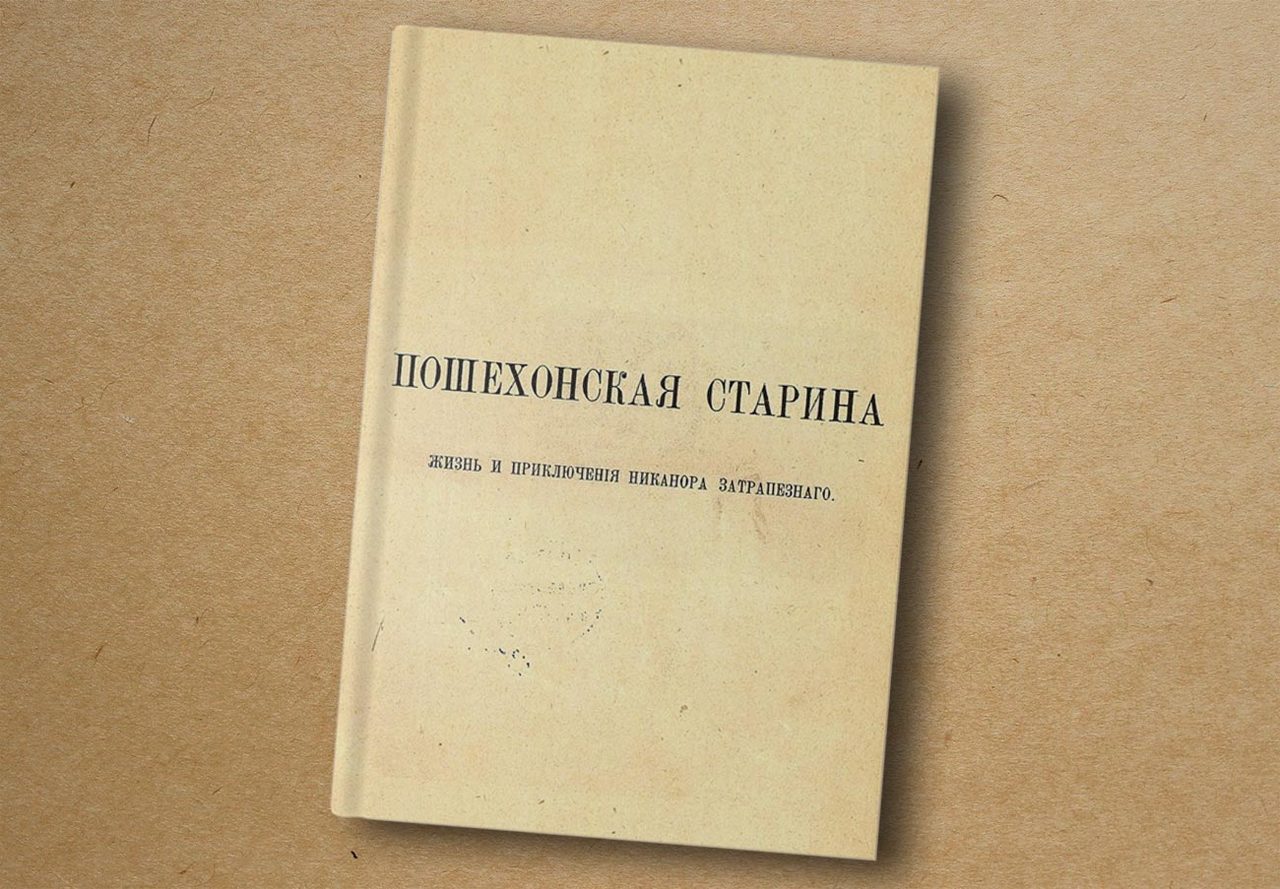
A merciless description of the life and customs of a landowner's estate during the era of serfdom. The book consists of 51 chapter-essays, each devoted to a separate phenomenon, but the main character is estate life itself, serfdom as a system of relationships. It deforms everyone: the landowners (lazy, cruel, superstitious), the peasants (downtrodden, disenfranchised, cunning). All the deformed types that Shchedrin ridiculed in his other books hail from this ‘Poshekhonskaya’ (meaning ‘remote’, ‘wild’) antiquity. In it, the writer takes issue with Turgenev, destroying the myth of the "golden age" of nobility. He depicts the Russian estate as a hell on earth, based on violence and moral decay.
‘Abroad’
![Complete Works of M. E. Saltykov [N. Shchedrin]. St. Petersburg: M. M. Stasyulevich Printing House, 1894-1895](https://cdn.gw2ru.com/images/2026.01/original/1280_0_697769c9dc76de65e563ece4.jpg)
In the form of travel essays about his trip to Europe, Shchedrin compared the Russian and Western European ways of life. No one was spared and everyone got their turn. He exposes both European philistinism and politicking, as well as the peculiarities of the Russian political system and national mentality. Shchedrin's trip to Western Europe (Germany, France, Belgium) coincided with a dramatic period: the height of the reaction in Russia following the assassination of Alexander II. The liberals' hopes for a constitution were dashed. Behind the traveler's guise lies an analyst, attempting to understand the root of social problems through comparison.