

How did Shakespeare's ‘Lady Macbeth’ find its way into Russian prose?
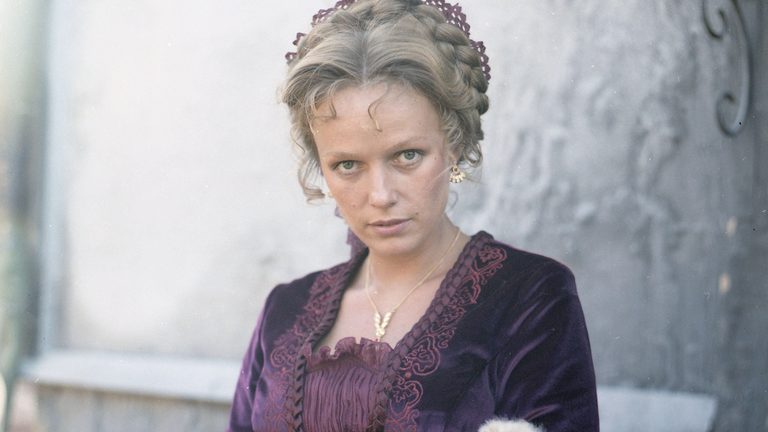
Russian readers know two Lady Macbeths. Both are criminals.
Russian writer Nikolai Leskov deliberately draws parallels between his heroine and Shakespeare's. Both Lady Macbeth, the heroine of Shakespeare's play of the same name, and merchant Katerina Izmailova, the heroine of the Russian novella ‘Lady Macbeth of the Mtsensk District’, achieve their goals by physically eliminating people. Both are strong, passionate and determined. To achieve their goals, they’re willing to transgress moral laws. However, their motives are different.
Shakespeare's heroine is driven by a thirst for power. Katerina, on the other hand, is driven by her passion for her clerk, Sergei. She commits murder after murder: first her father-in-law, then her husband and, finally, her young nephew Fedya, who is preventing her from receiving her inheritance.
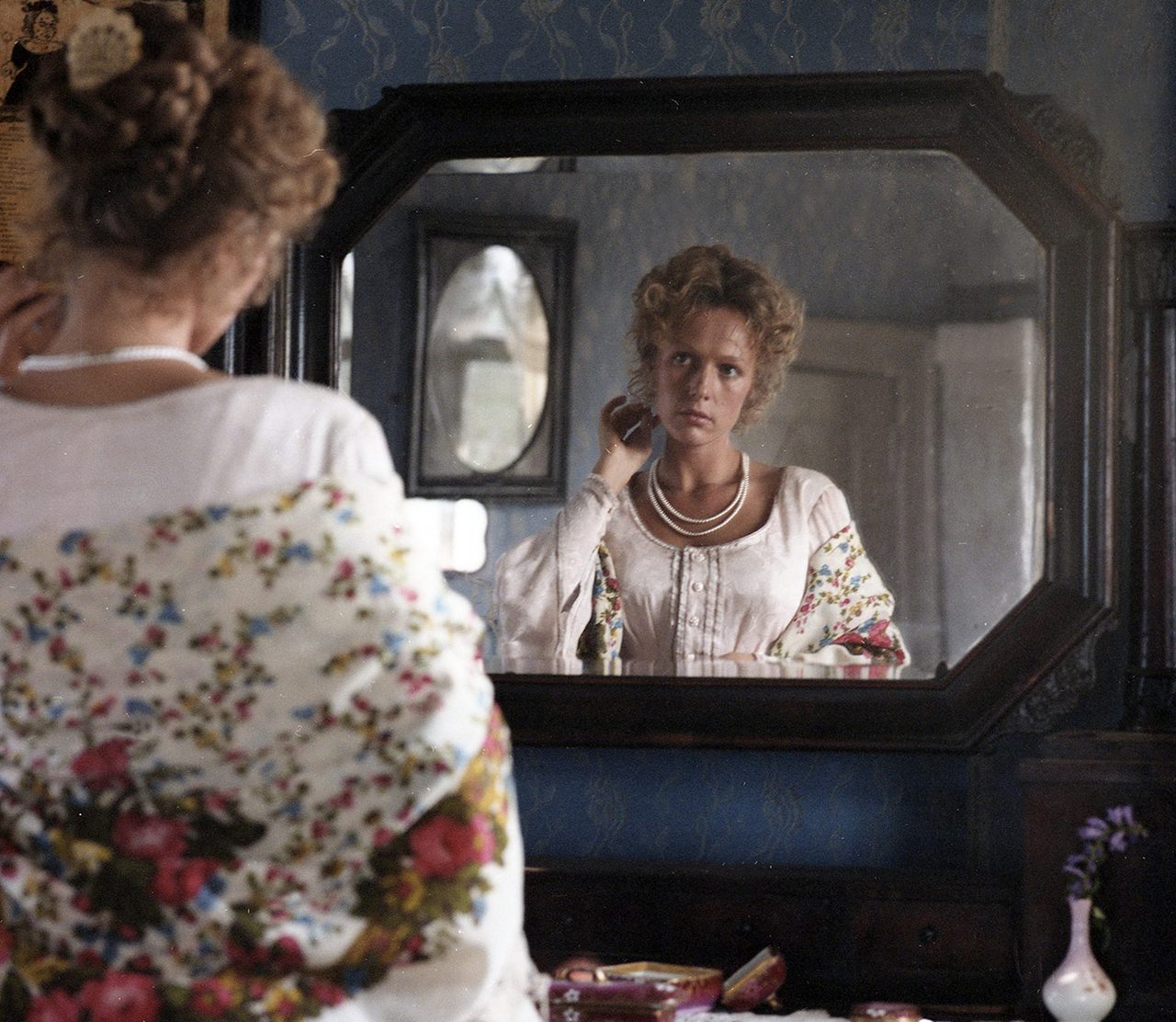 A still from the film "Lady Macbeth of Mtsensk"
Both seem to be insane. And the ending of both heroines is tragic: Lady Macbeth goes mad with guilt and dies, while Katerina commits suicide by drowning in the Volga River along with her rival.
The title of Leskov's novella, ‘Lady Macbeth of the Mtsensk District’, alludes not only to Shakespeare's tragedy, but also to a specific location in the Russian hinterland. Leskov seems to be saying: “Look, even in our backwater, in the tedium of merchant life, passions and tragedies worthy of Shakespeare himself can arise.”
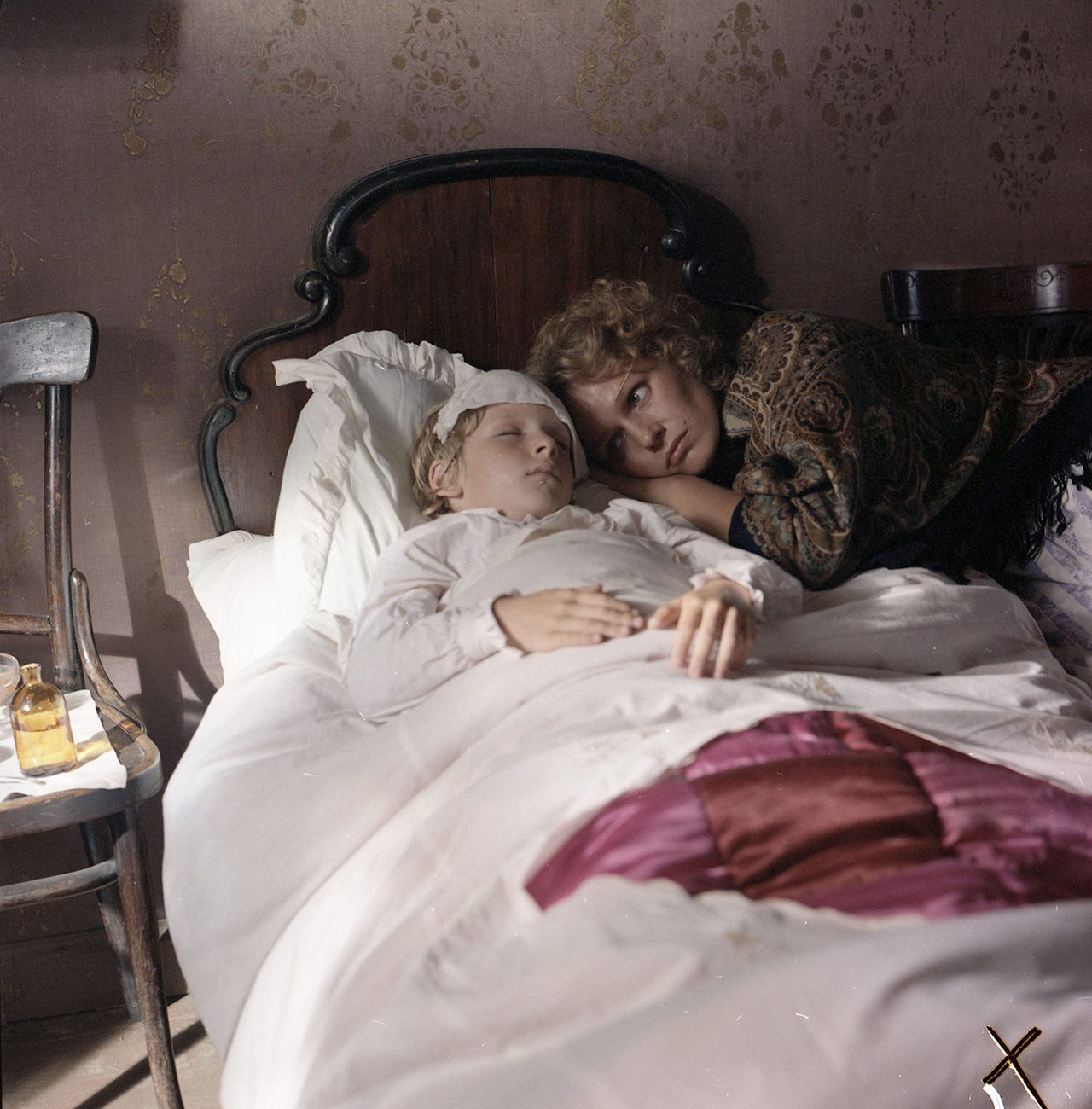 A still from the film "Lady Macbeth of Mtsensk"
By juxtaposing the common and the local in the title, Leskov elevated Katerina Izmailova's tragedy from an ordinary incident in a provincial town to a universal level. Strong and passionate natures can be found anywhere, including today in the Russian provinces.
Nikolai Leskov's biographer Maya Kucherskaya points out that "it all began with Karamzin, who once reminded the reader: 'Even peasant women know how to love!'".
Furthermore, Russian literature regularly reminded the educated reader that the world that was almost invisible to them – the world of merchants, for example, was filled with passions on a Shakespearean scale. Leskov knew from his work what kind of devils lurked in the quiet backwaters of a quiet provincial town, in the silence of a merchant's house. He served for several years as a clerk in one of the departments of the criminal court in the city of Orel, which means he personally copied many criminal cases, including thefts, fights, murders and other atrocities. So, he knew intimately what horrors could befall even the most modest village or town".
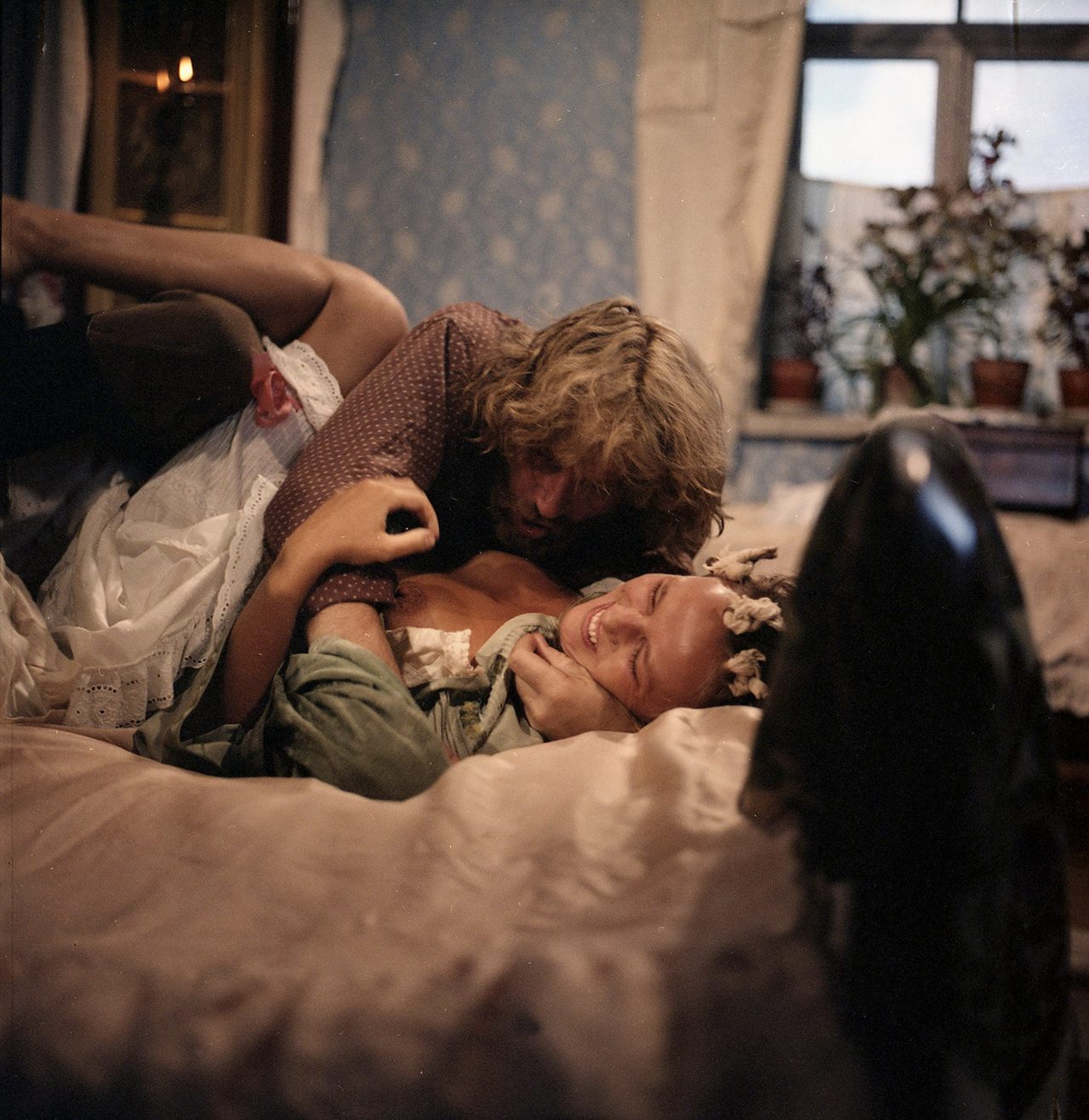 A still from the film "Lady Macbeth of Mtsensk"
There's another nuance. In Russian, the names of the characters in Shakespear’s play are pronounced with the stress on the second syllable – MacbEth – while, in the title of Leskov's ‘Lady Macbeth of Mtsensk’, the stress is usually placed on the first syllable. Why is this?
In Shakespeare's tragedy, MacbEth is a Scottish surname. The prefix Mac- is always unstressed. Leskov is known to have read the play: his personal library contains a four-volume edition of Shakespeare with his notes, including those in ‘Macbeth’. In other words, the writer knew the correct (Scottish) pronunciation of this name. But, when he came up with his title, he subordinated it to the rhythm of the Russian language, rather than to etymological accuracy to the original source. Therefore, the Russian heroine is called Lady MAcbeth.