

Why are there graves… in Moscow parks?
The transformation of the old city into a socialist metropolis required a reimagining of urban spaces.
During the Soviet era, especially from the 1930s to the 1950s, Moscow authorities actively closed and dismantled old cemeteries that found themselves in the center of the rapidly growing city. The reasons were both practical and ideological. Cemeteries occupied large areas of land that could be put to other uses. The destruction of church burial sites was part of the campaign against "relics of the past".
Whenever an old cemetery was converted into some other urban facility, in most cases the exhumation was carried out only as a formality: the tombstones were removed, but the remains were often left in the ground. For example, Semyonovsky Park was built on the site of a cemetery of the same name – one of the largest in pre-revolutionary Moscow. Heroes of the Patriotic War of 1812 were buried there. Part of the cemetery was liquidated in the 1930s, while the remaining graves were exhumed and the remains cremated around 1946. Fragments of old tombstones can still be found in the park.
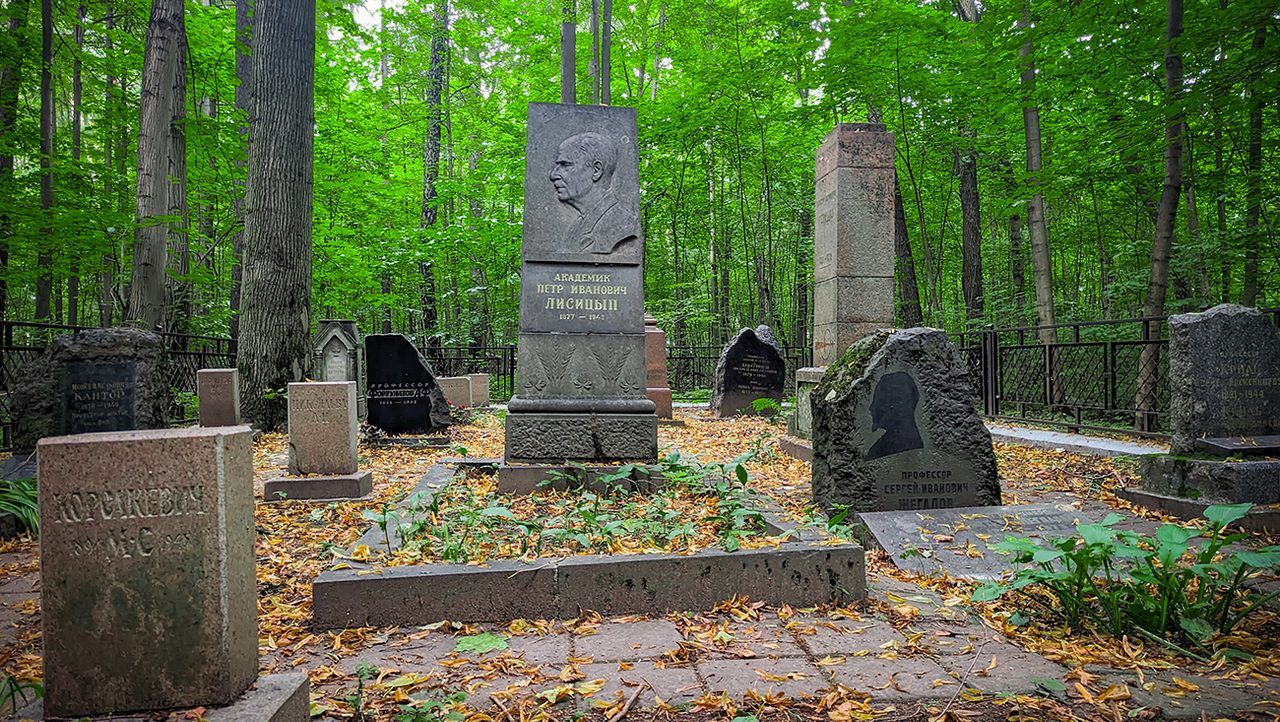
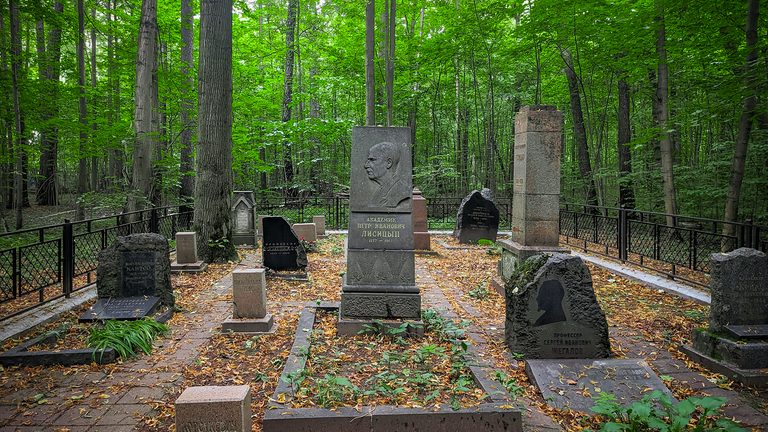
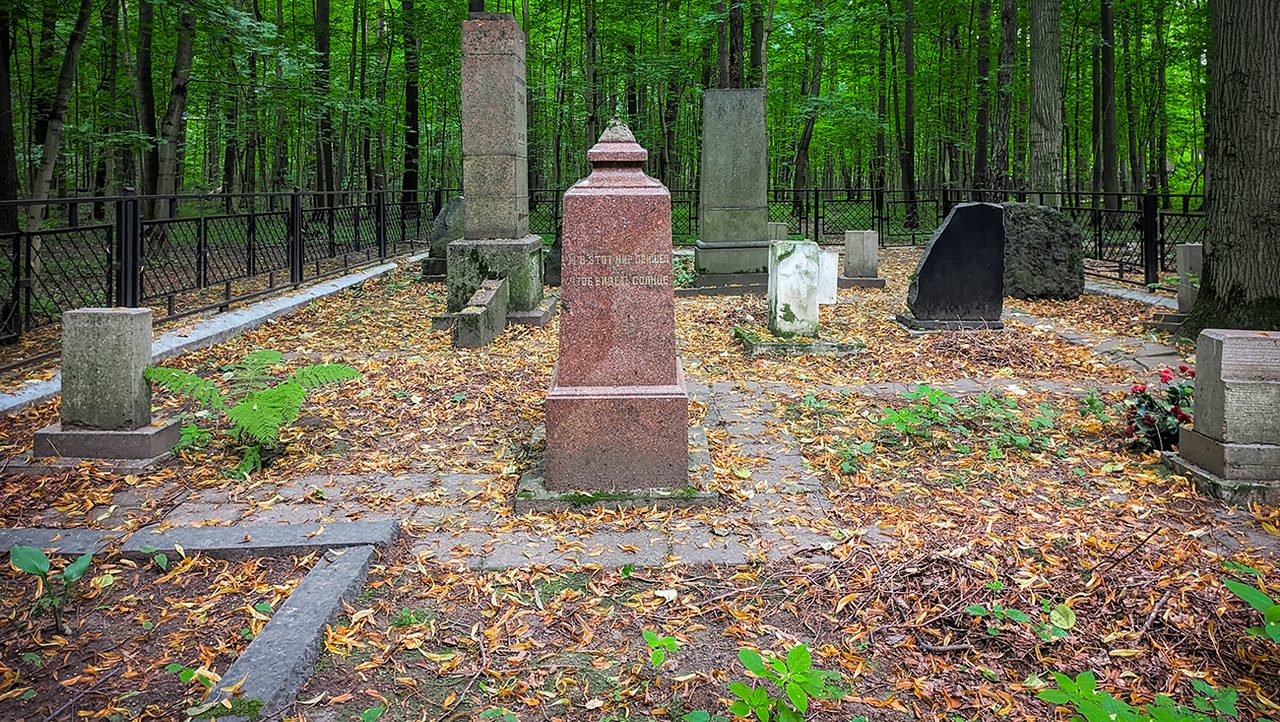
But, not all cemeteries are old. In Timiryazevsky Park in northern Moscow, a tiny cemetery has been preserved right in the middle of the forest. It was founded in 1941 specifically for the faculty and staff of the renowned Agricultural Academy. Prominent scientists such as soil scientist Vasily Williams and agronomist Alexei Fortunatov are buried there. The most recent burial there dates back to 2002, so it is an active, albeit largely closed, place of remembrance.