
Which writers did Soviet leaders adore? (PHOTOS)
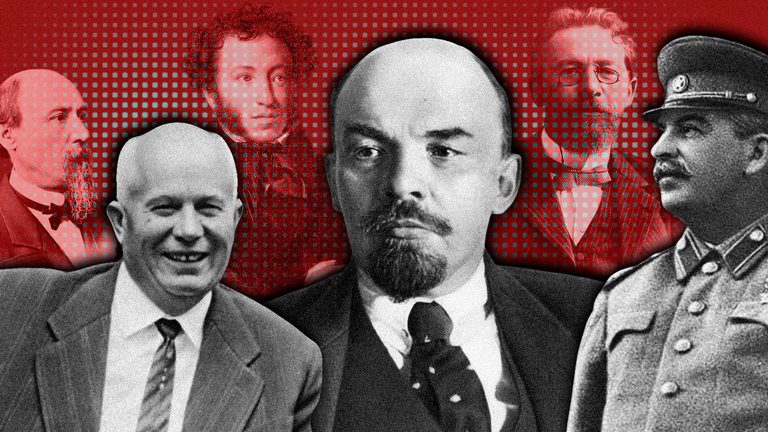
From Pushkin to Yesenin… and beyond.
The reading habits of the USSR's leaders reveal not only their personal tastes, but also the spirit of the times, their ideological principles and even their hidden contradictions.
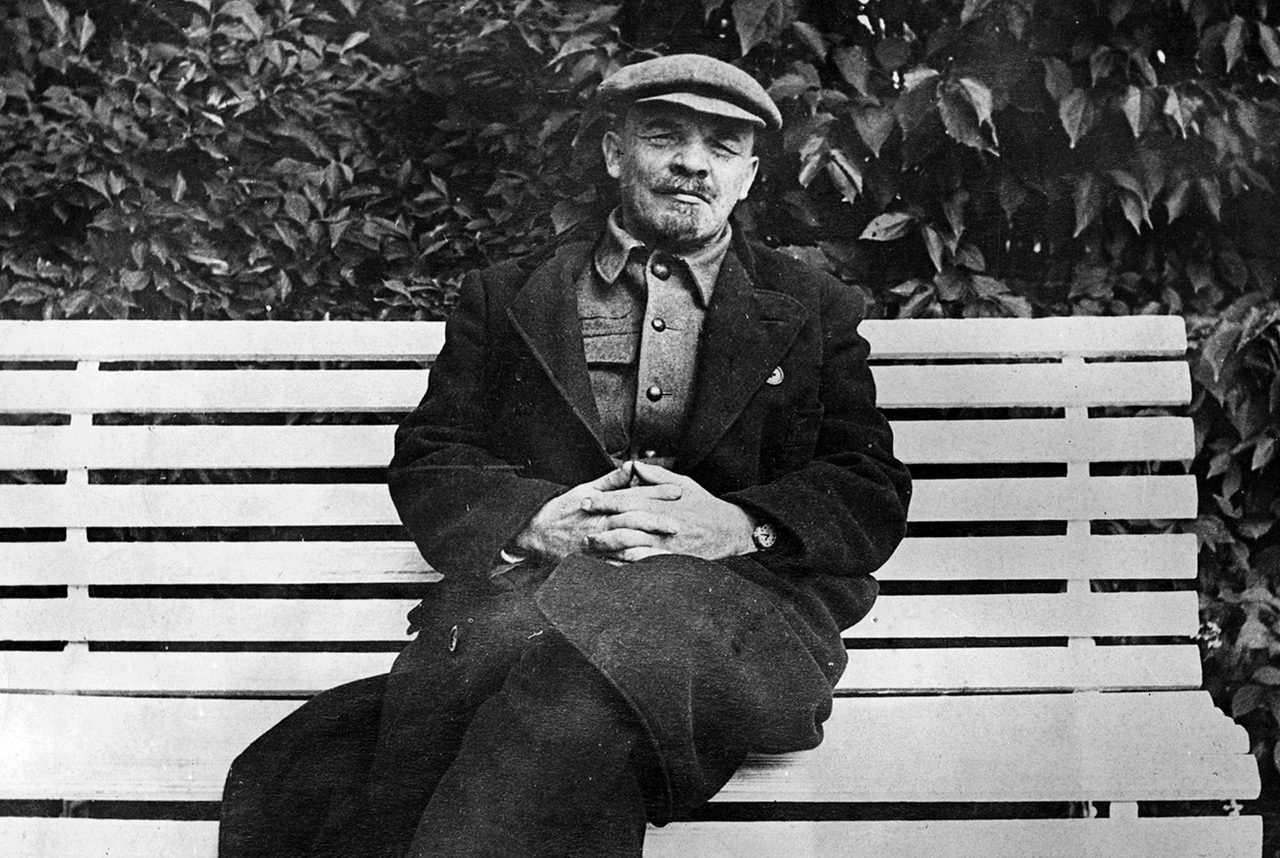
Vladimir Lenin (1917–1924)
The ideologue of the revolution was highly educated and widely read. Nevertheless, according to the memoirs of his wife, Nadezhda Krupskaya, among Russian writers, he loved and often reread the works of Alexander Pushkin and Ivan Turgenev. He knew the latter's novels almost word for word, especially ‘Smoke’ and ‘The New Moon’. He also devoted several articles to the works of Leo Tolstoy and considered him a master of the word, "unmatched in Europe".
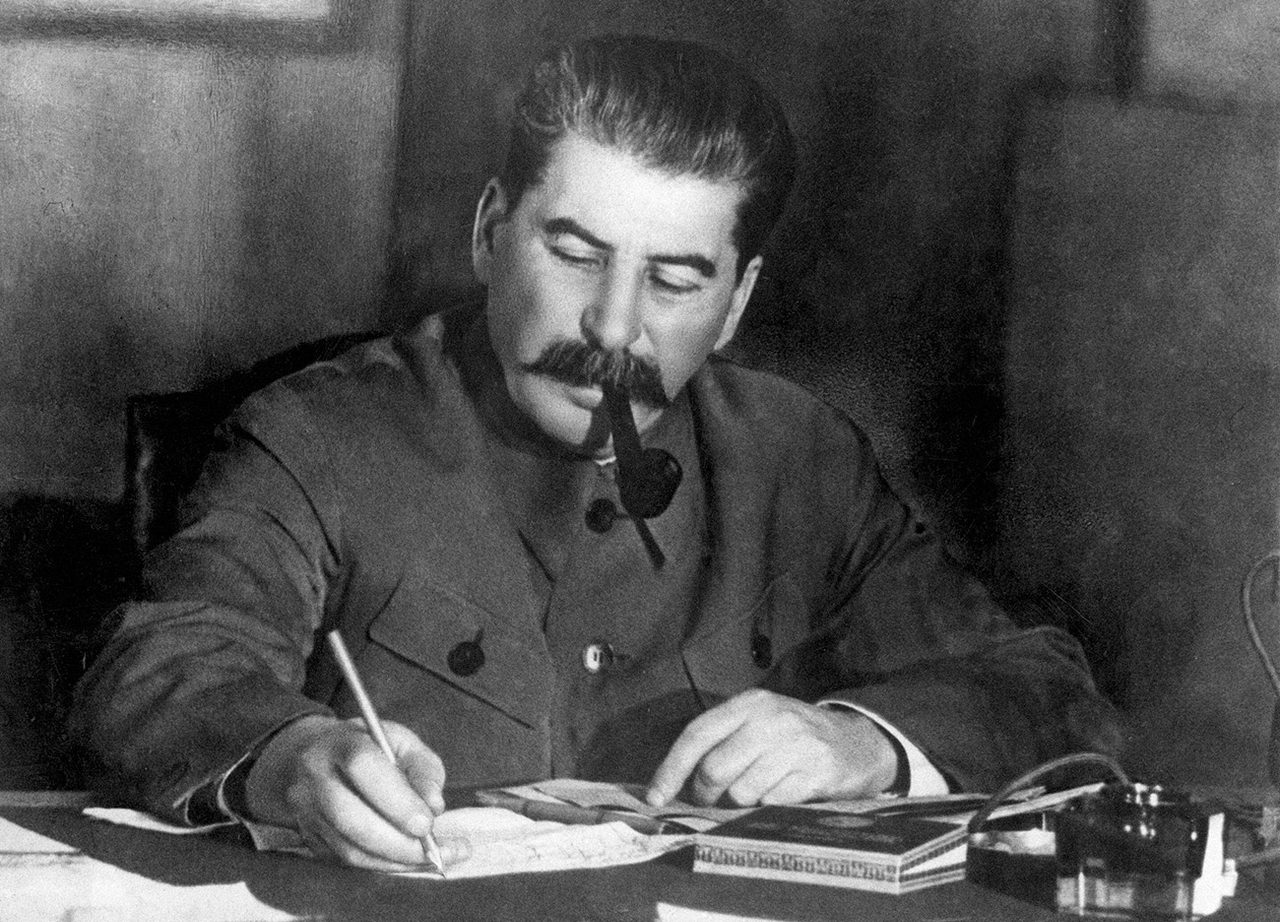
Joseph Stalin (1924–1953)
Judging by the recollections of his contemporaries and his personal library, Stalin appreciated subtle humor. His favorite writer throughout his life was Anton Chekhov, whom he constantly reread. The General Secretary was also a great admirer of Nikolai Gogol, often quoting him in conversation. He also held Mikhail Saltykov-Shchedrin in equal esteem.
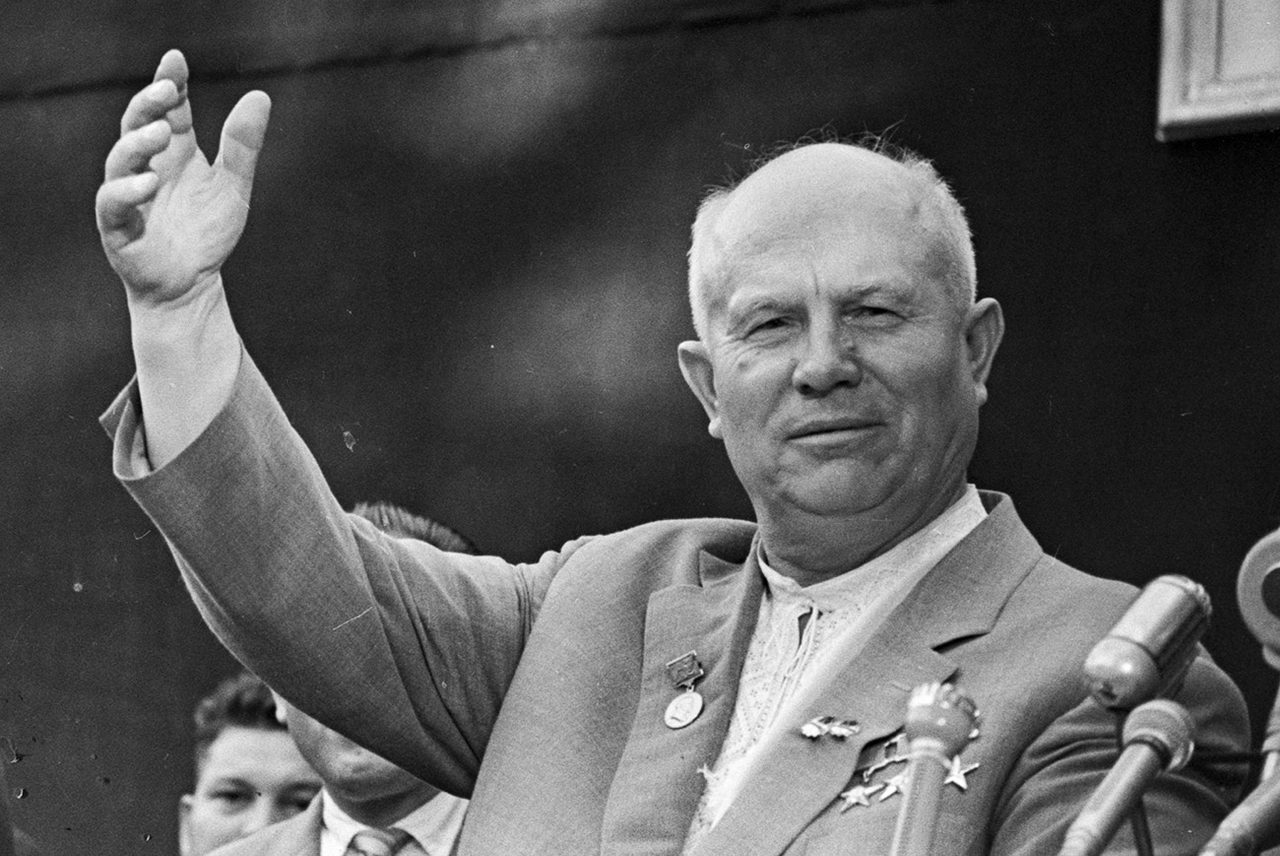
Nikita Khrushchev (1953–1964)
Khrushchev's literary preferences gravitated toward folk culture. His favorite poet was Nikolai Nekrasov – he knew his poems by heart and believed that no one else could convey "peasant thoughts" better. Alexander Tvardovsky, meanwhile, was Khrushchev's favorite Soviet poet. He also referred to Mikhail Sholokhov as "one of our great modern writers".
Leonid Brezhnev (1964–1982)
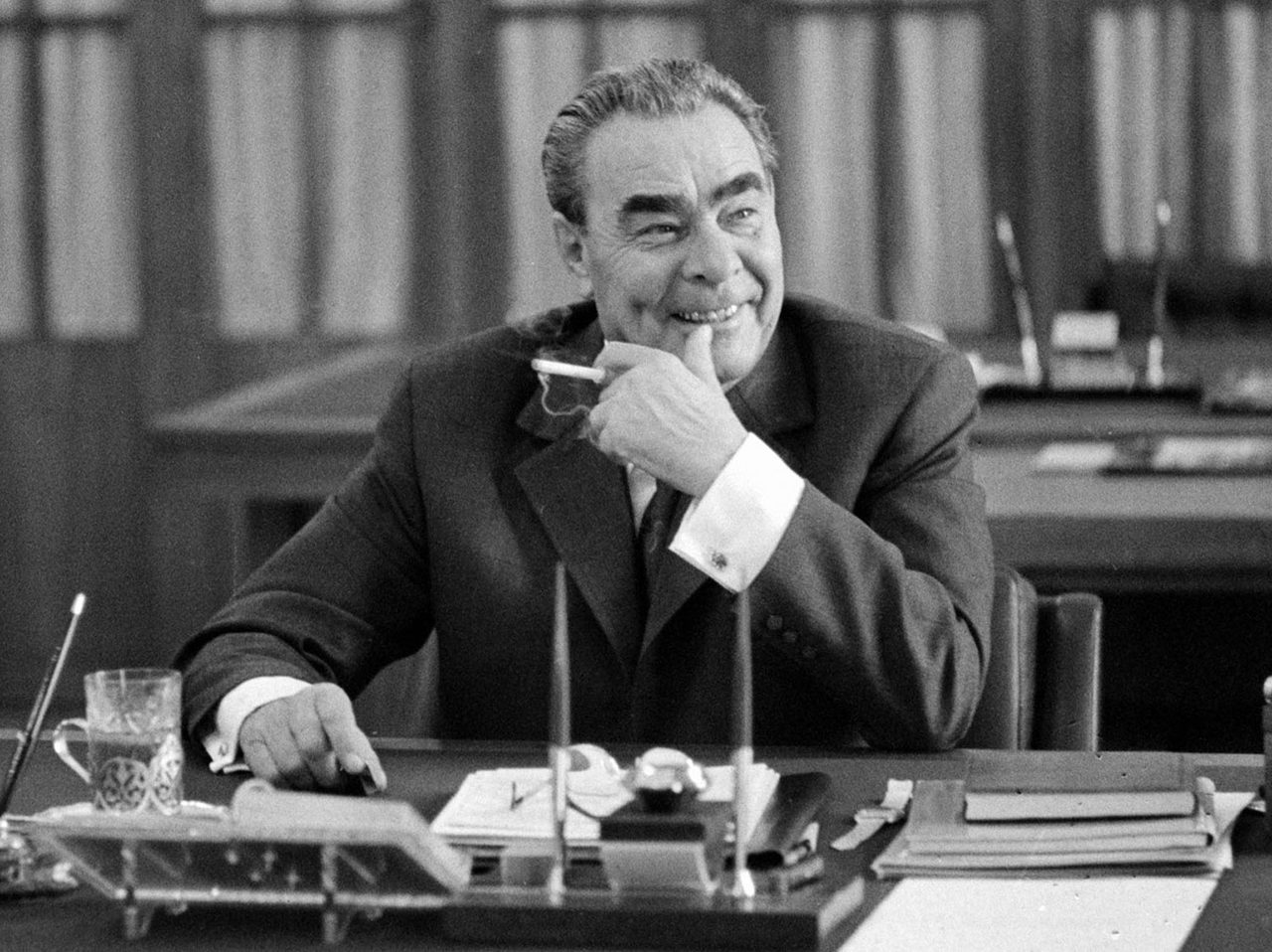
The General Secretary possessed a brutal exterior, but a sensitive soul. At any rate, this is evidenced by his literary preferences – he loved poetry. Among his favorite poets were Pushkin, Mikhail Lermontov, Alexander Blok and Vladimir Mayakovsky. But, he especially favored the poetry of Sergei Yesenin.
Yuri Andropov (1982–1984)
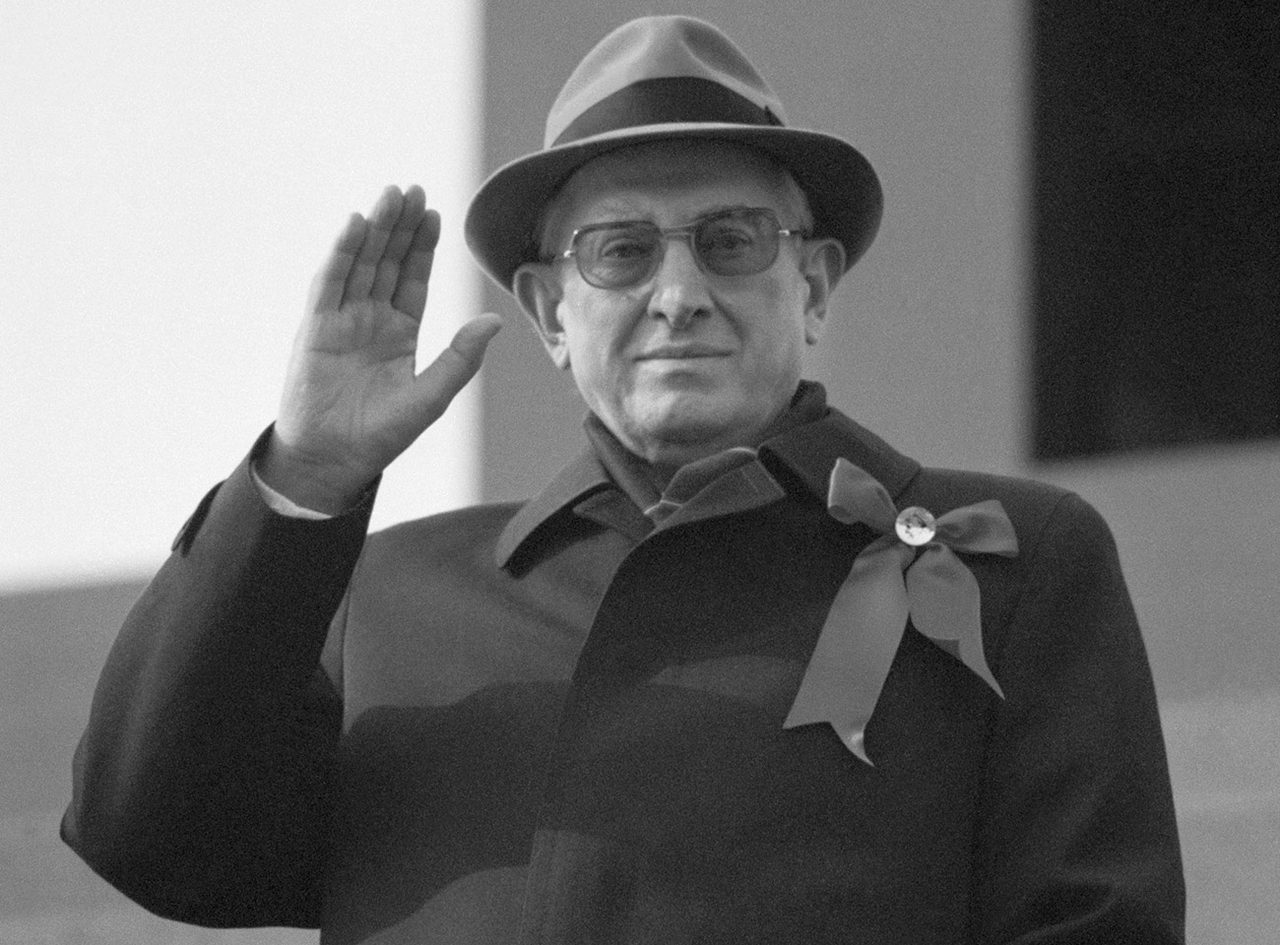
He tended toward philosophical reflection in his reading. He loved rereading Michel de Montaigne's ‘Essays’ and Arthur Schopenhauer's ‘The World as Will and Representation’. For the same reason, of all the works by Leo Tolstoy, he singled out ‘What Is My Faith?’
Konstantin Chernenko (1984–1985)
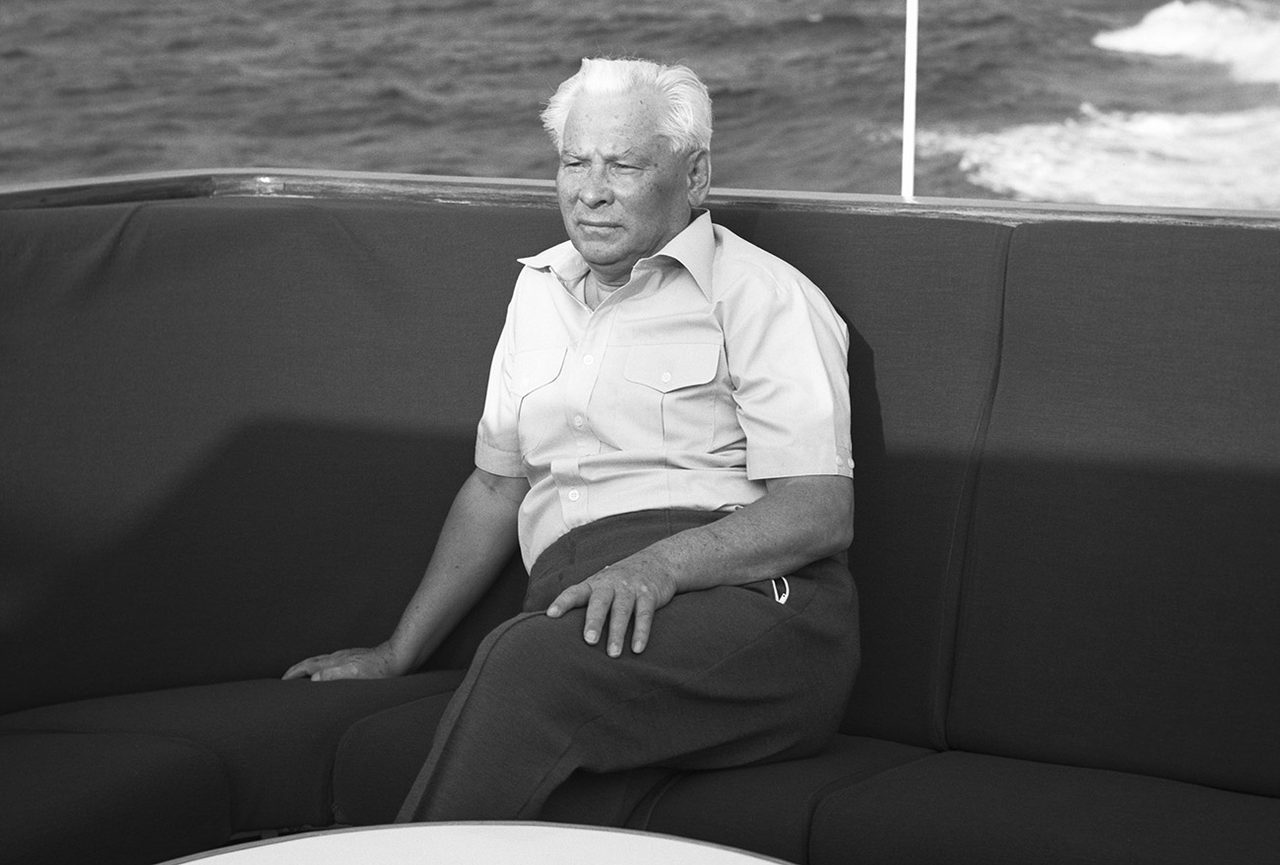
Because his tenure as head of state was extremely brief, no clear picture of his reading habits has survived. However, there is evidence that he was well acquainted with Russian classics – Pushkin, Tolstoy, Lermontov – and particularly admired the poetry of Yesenin.
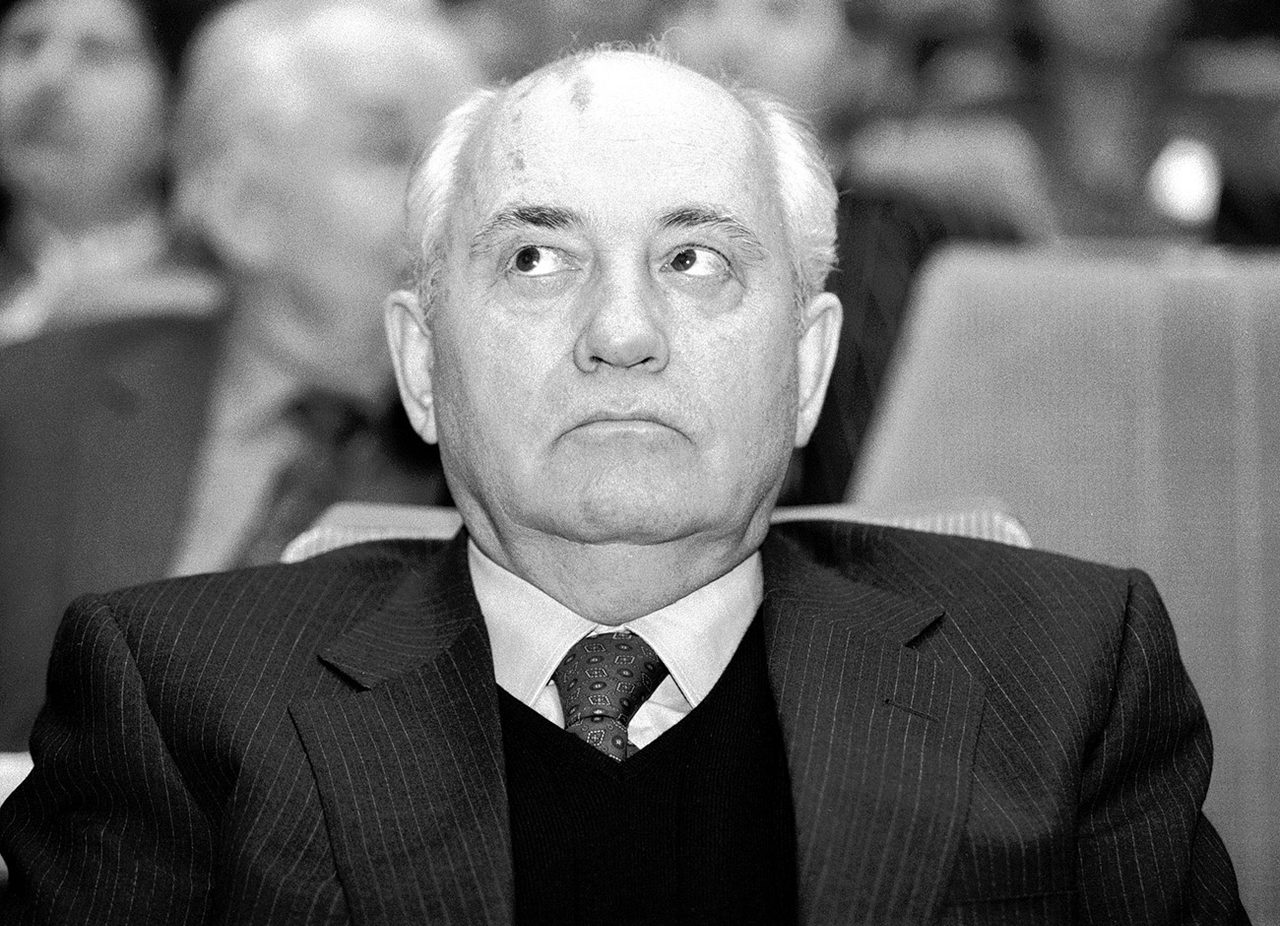
Mikhail Gorbachev (1985–1991)
The last leader of the USSR repeatedly named the figures who had the greatest influence on him. Among them were Pushkin and Lermontov, Leo Tolstoy, Dostoevsky, Turgenev and Chekhov. He also appreciated the novels of Chingiz Aitmatov and Daniil Granin. He also recognized the latter as a public figure and a "Russian intellectual".