
8 literary spots on the map of St. Petersburg

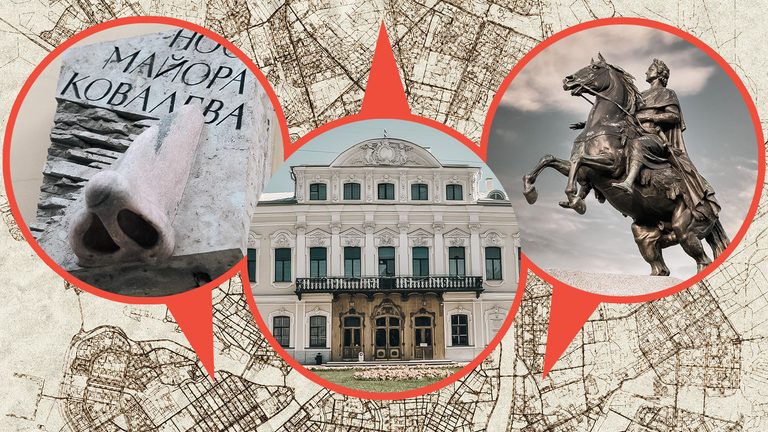
Over the centuries, the city itself has become a literary work, which you can, in essence, “leaf through” like the pages of Russian classics.
1. Bronze Horseman
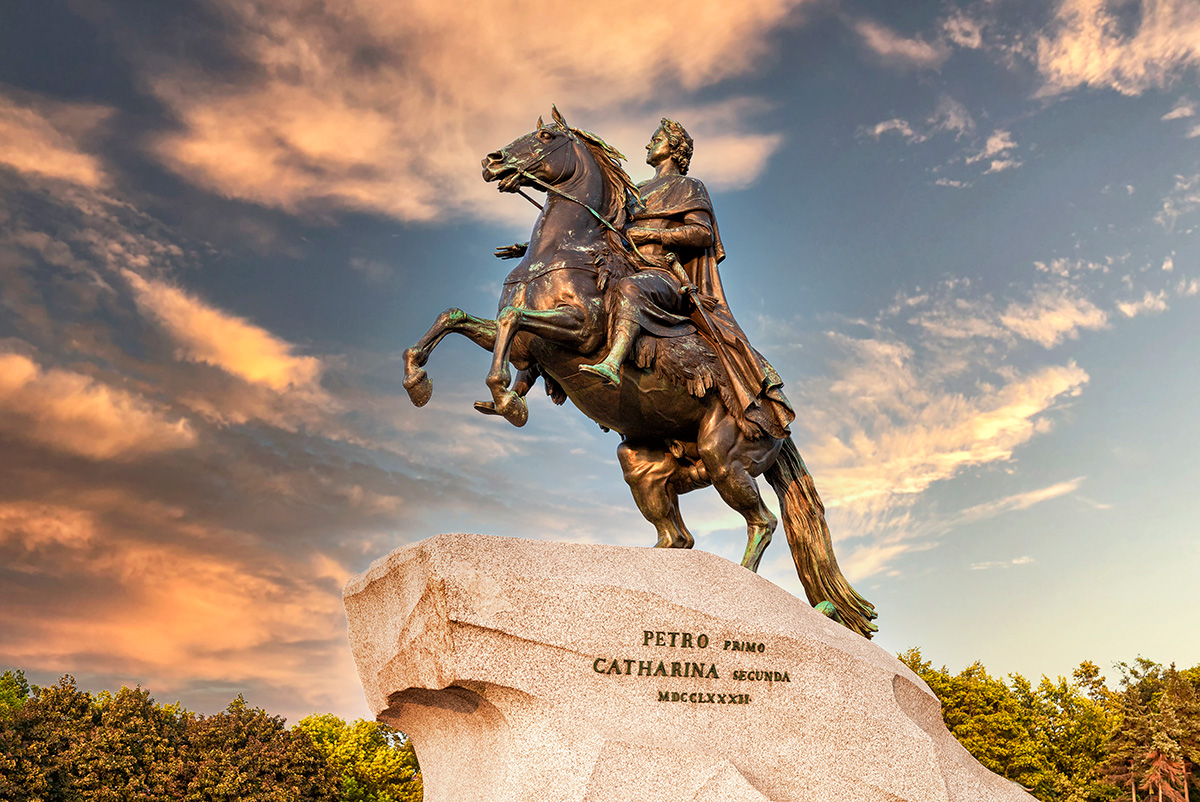
The equestrian monument to Peter the Great got its nickname ‘Bronze Horseman’ thanks to poet Alexander Pushkin. In his poem of the same name, the author glorifies the city and many of the text has been turned into idioms. According to the plot, the protagonist goes mad after losing his beloved in a devastating flood. So, he goes to vent his anger… at the ‘Bronze Horseman’ – Peter, the city's founder.
2. Kolomna, the neighborhood from ‘Crime and Punishment’
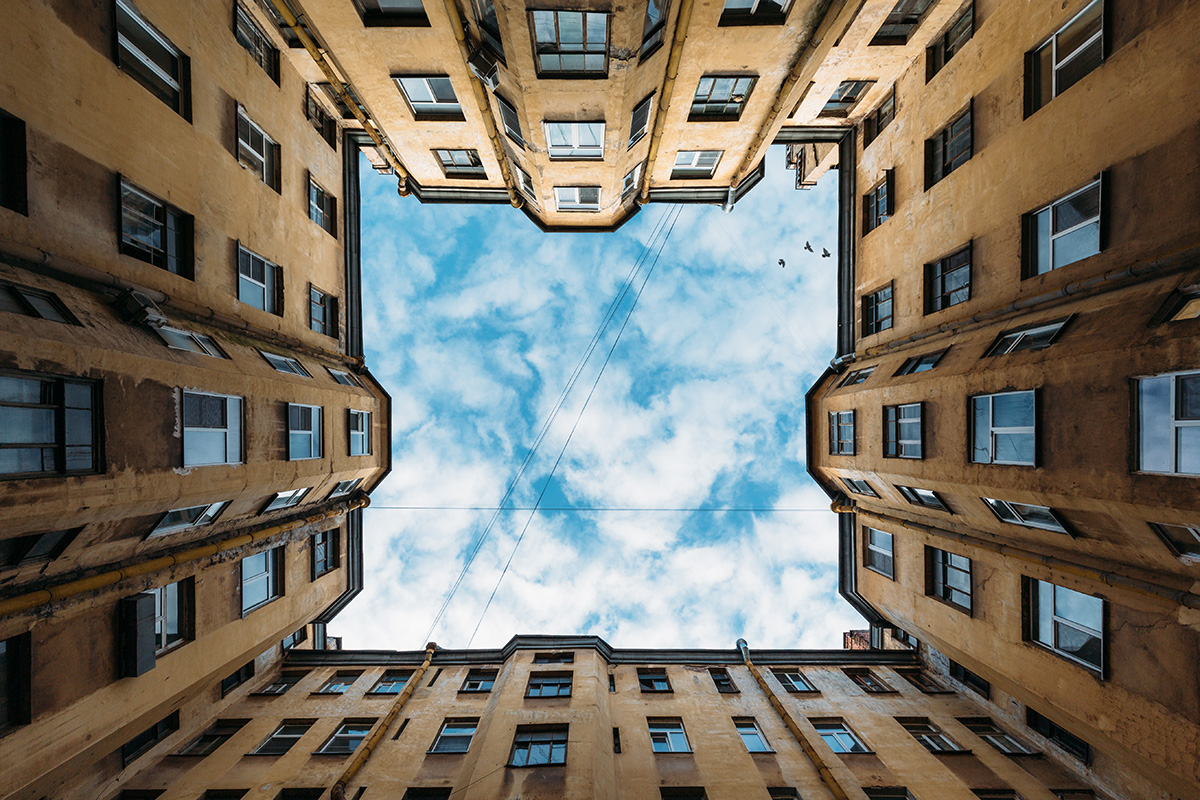
Walk in Rodion Raskolnikov's footsteps, step into a courtyard-well and count the 13 steps leading to the old pawnbroker's house… In St. Petersburg, many locations from Dostoevsky's novels still exist today. And the ‘White Nights’ themselves are immortalized in his book of the same name.
3. The ‘Stray Dog’ cabaret
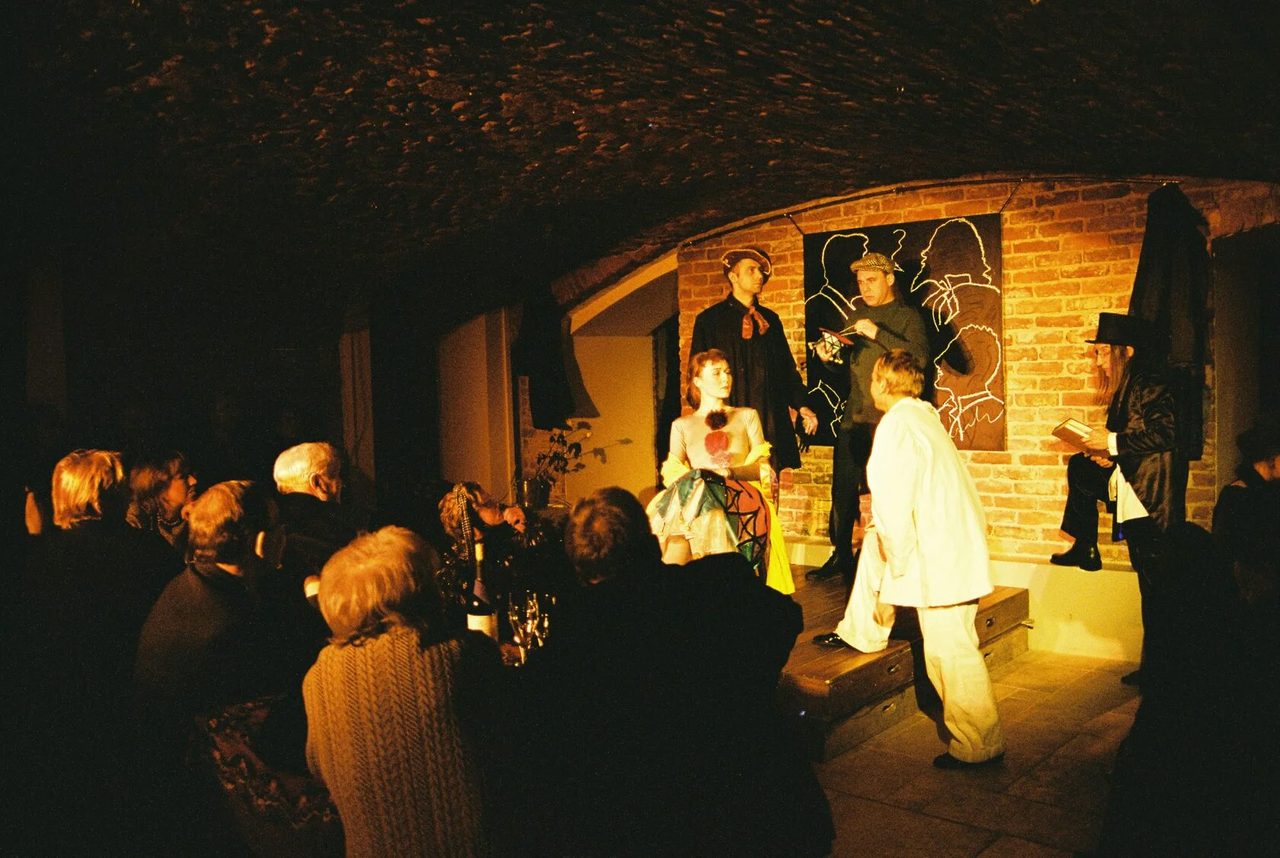
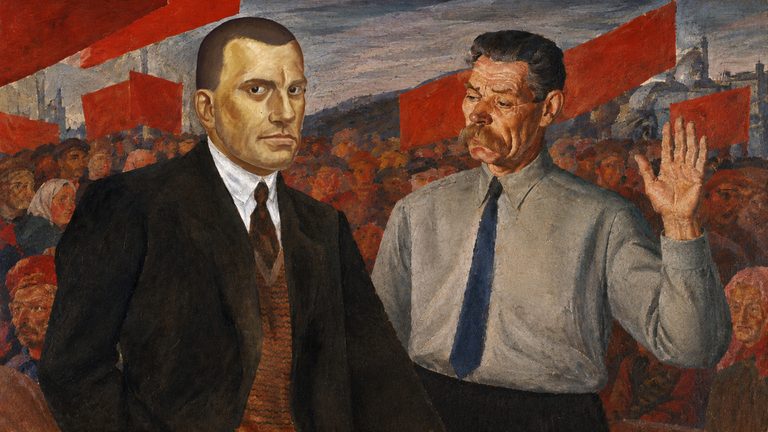
An iconic venue of the Silver Age of Russian literature. Before the 1917 Bolshevik Revolution, the most famous poets gathered there: Anna Akhmatova, Lev Gumilyov, Osip Mandelstam and Vladimir Mayakovsky. Today, it is still a bohemian theater-cabaret, where poetry is recited.
4. The Muruzi House
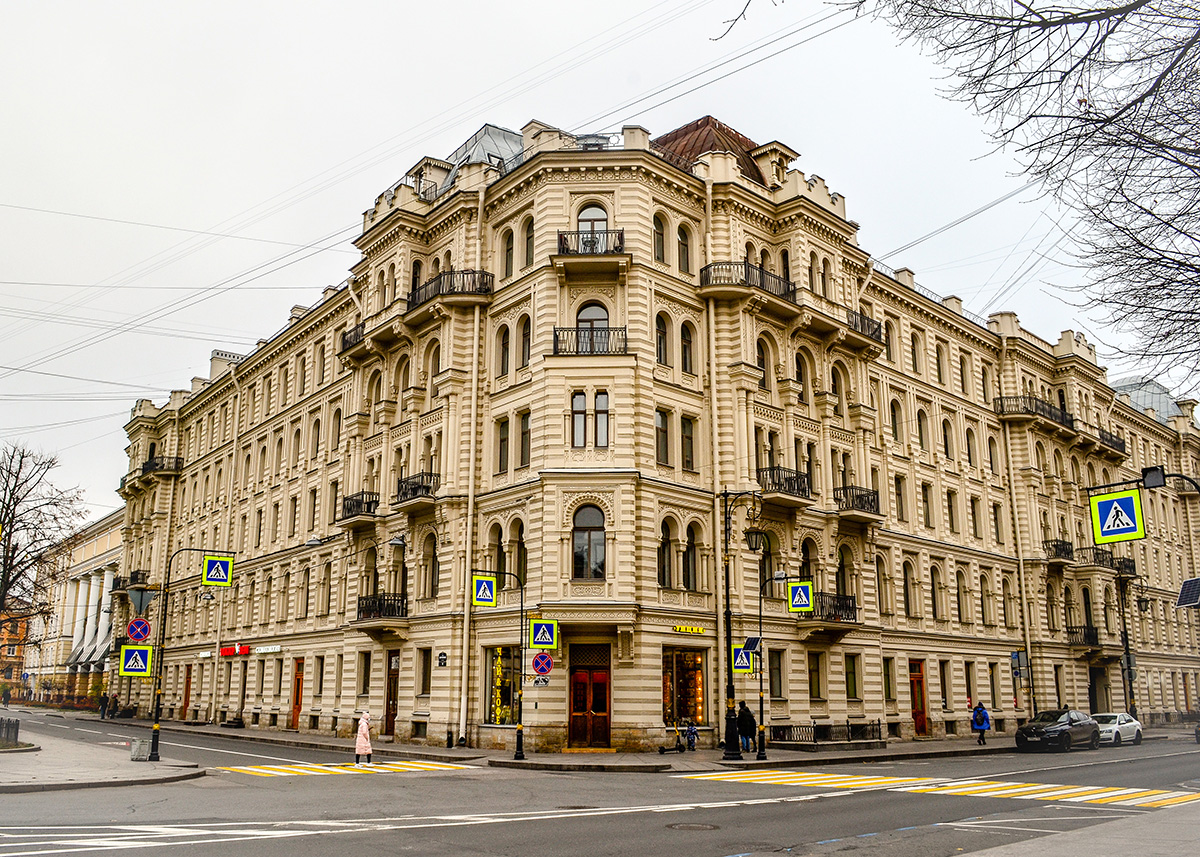
In this apartment building on Liteyny Prospekt, Nikolai Leskov lived and wrote his famous work ‘Lefty’. Later, the Symbolists Dmitry Merezhkovsky and Zinaida Gippius rented an apartment there and all the brightest figures of literature and art came to visit them. After the revolution, the ‘Soviet House of Poets’ was established in it. Moreover, it was there, in a small apartment, that Joseph Brodsky lived; now, his memorial museum, ‘Room and a Half’, is located there.
5. The Fountain House
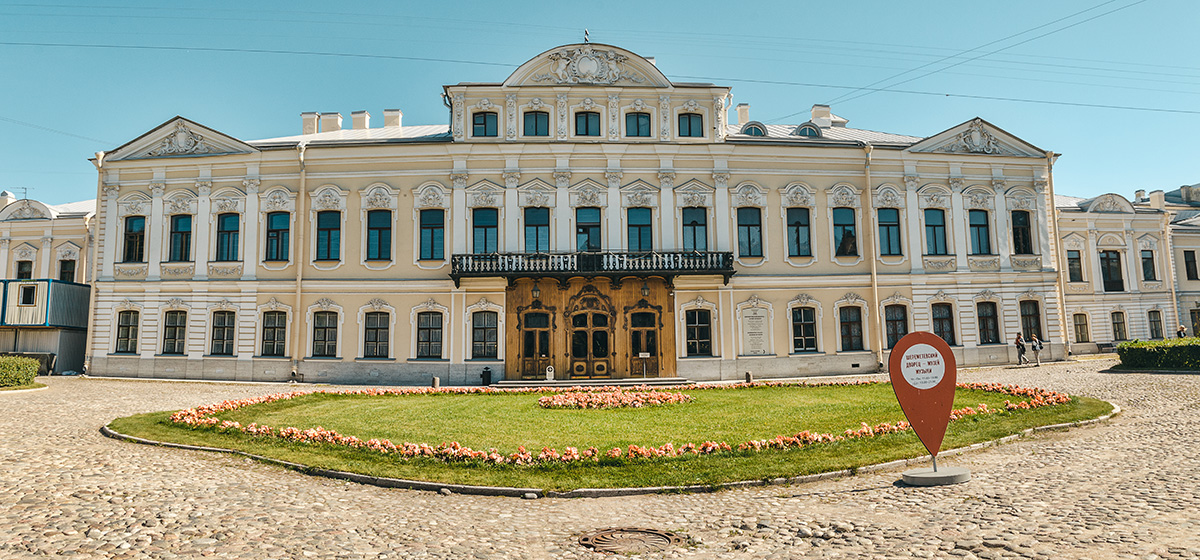
In this palace on the embankment of the Fontanka River, even under its first owners, the Sheremetev counts, there was a high-society salon, where writers, musicians, artists and scholars gathered. But, it’s better known as the place where 20th century poet Anna Akhmatova lived for over 30 years. Now, her apartment houses a memorial museum that has preserved its original furnishings, where you can listen to recordings of Akhmatova reciting her poetry.
6. Major Kovalyov's Nose
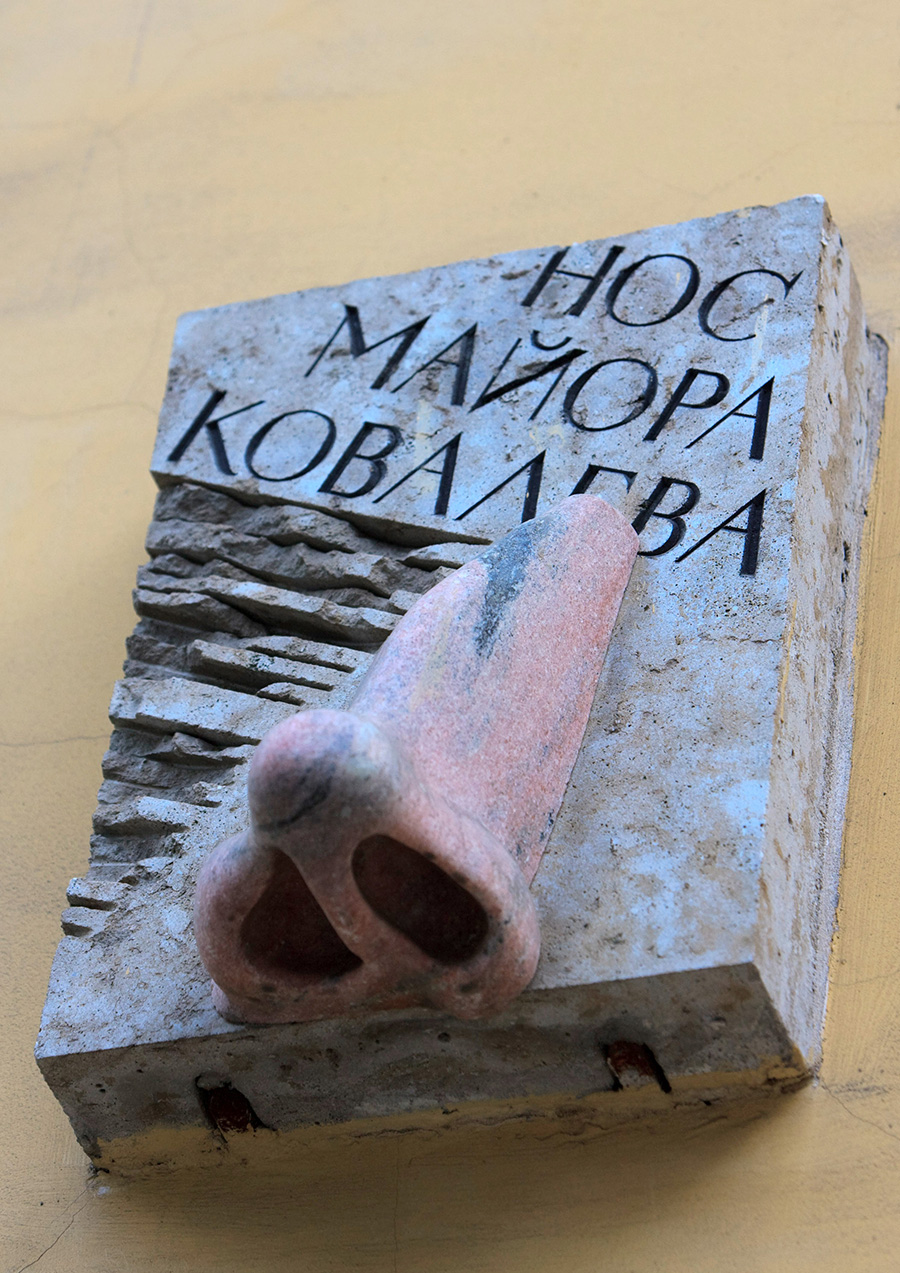
There are many monuments to literary characters in the city, but not to their individual body parts! Of course, this refers to the fantastical tales of Nikolai Gogol, who dedicated an entire cycle to St. Petersburg. In one of them – ‘The Nose’ – one fine day, Major Kovalyov's nose detaches itself and begins to live a life of its own. A monument to it has been erected.
7. Alexander Blok's memorial apartment
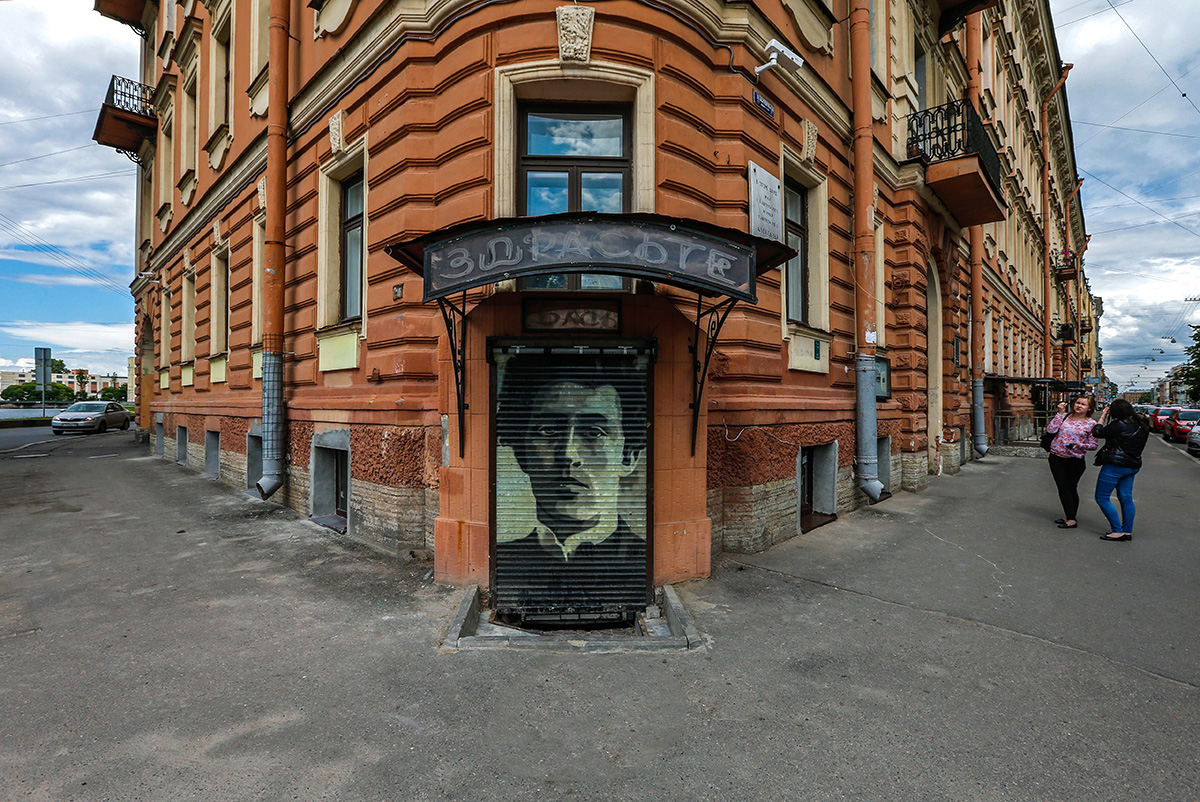
Alexander Blok, a key poet of the 20th century, spent the last years of his life in a modest apartment by the Pryazhka River – almost on the outskirts. But, it was this apartment that became a meeting place for many writers and iconic figures of the era. And it was there that poet Sergei Yesenin came to pay his respects – the same Yesenin, who would later become an equally iconic figure in Russian poetry.
8. Pushkin's apartment on the Moika River
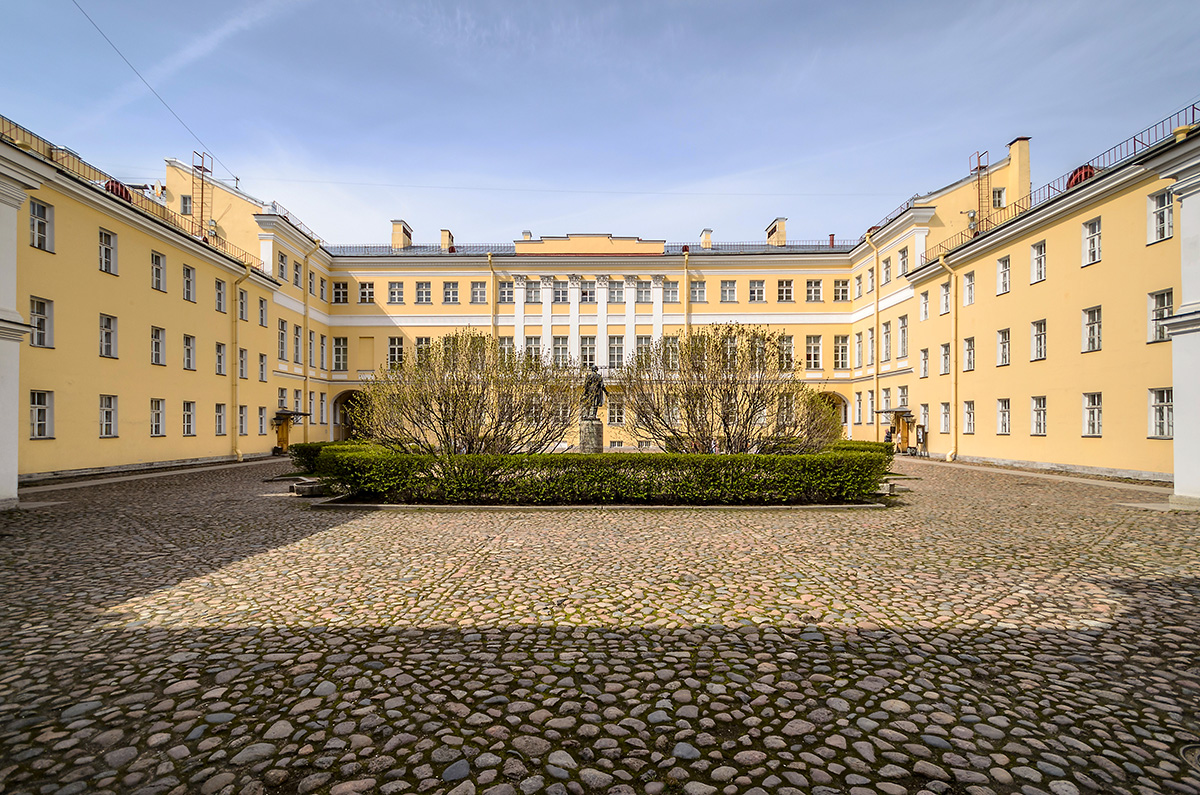
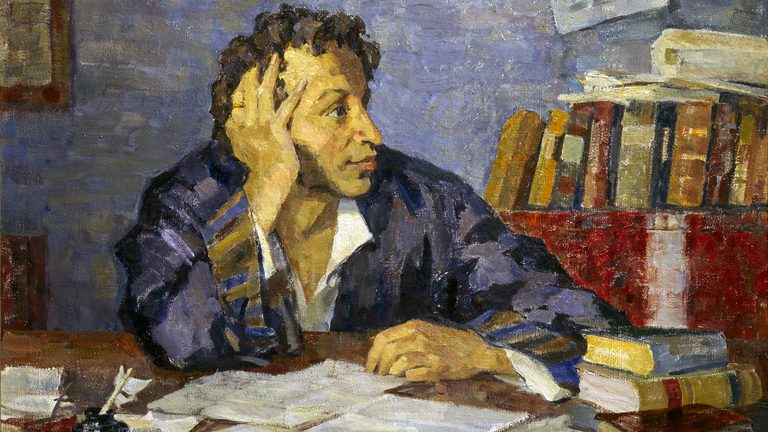
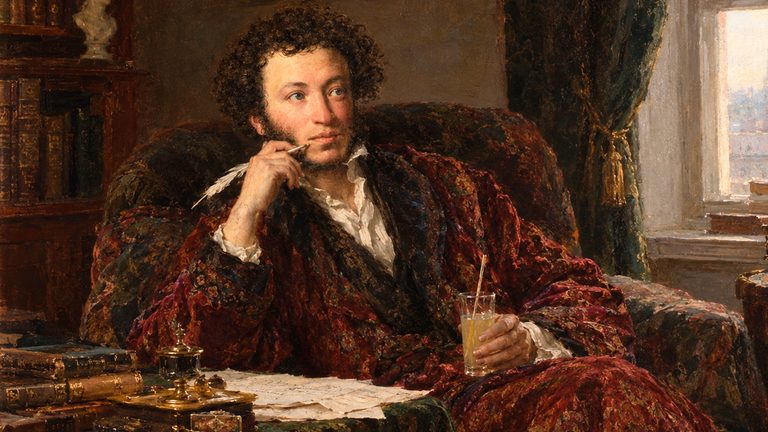
In Russia, the country's greatest poet of all time is held in special reverence and almost every place he lived or stayed in is now a museum. But, this apartment on the Moika River Embankment is rightfully considered one of the main memorial sites associated with Pushkin. In it, just a stone's throw from the imperial palace, the poet spent the last (rather happy) years of his life and it was there that he was brought, mortally wounded, after his last duel.
READ MORE: 7 iconic literary places in Moscow worth visiting