
Why did Tolstoy and Dostoevsky NEVER meet?

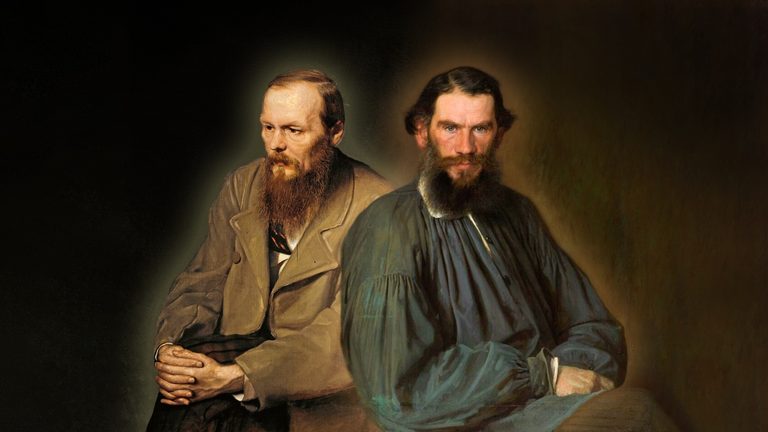
The personalities of the two greatest novelists of Russian literature still fascinate researchers to this day. And not only individually, but together, as well.
“How I would wish to be able to say everything I feel about Dostoevsky. <…> I never saw this man and never had any direct dealings with him and, suddenly, when he died, I realized that he was the very, very closest, dearest and most necessary person to me,” wrote Tolstoy to his friend, philosopher Nikolai Strakhov.
Tolstoy and Dostoevsky never met. This is, perhaps, called the greatest mystery of Russian literature. Why did two famous contemporary writers never communicate with each other, let alone correspond?
Their life paths never crossed
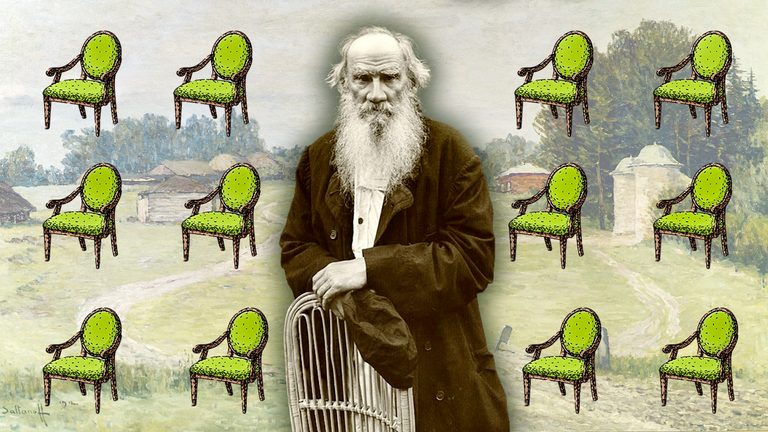
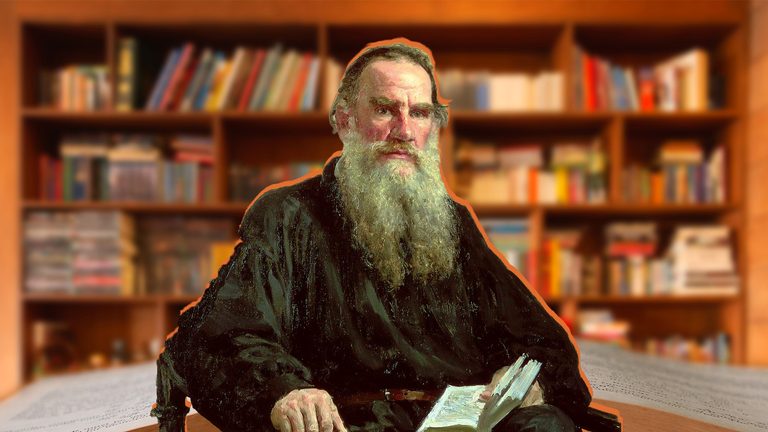
Tolstoy spent practically his entire life at his estate, Yasnaya Polyana, near Tula. He occasionally came to Moscow (where he bought a house and began spending winters each year after Dostoevsky's death). Those who wished to meet the writer traveled to him at his estate.
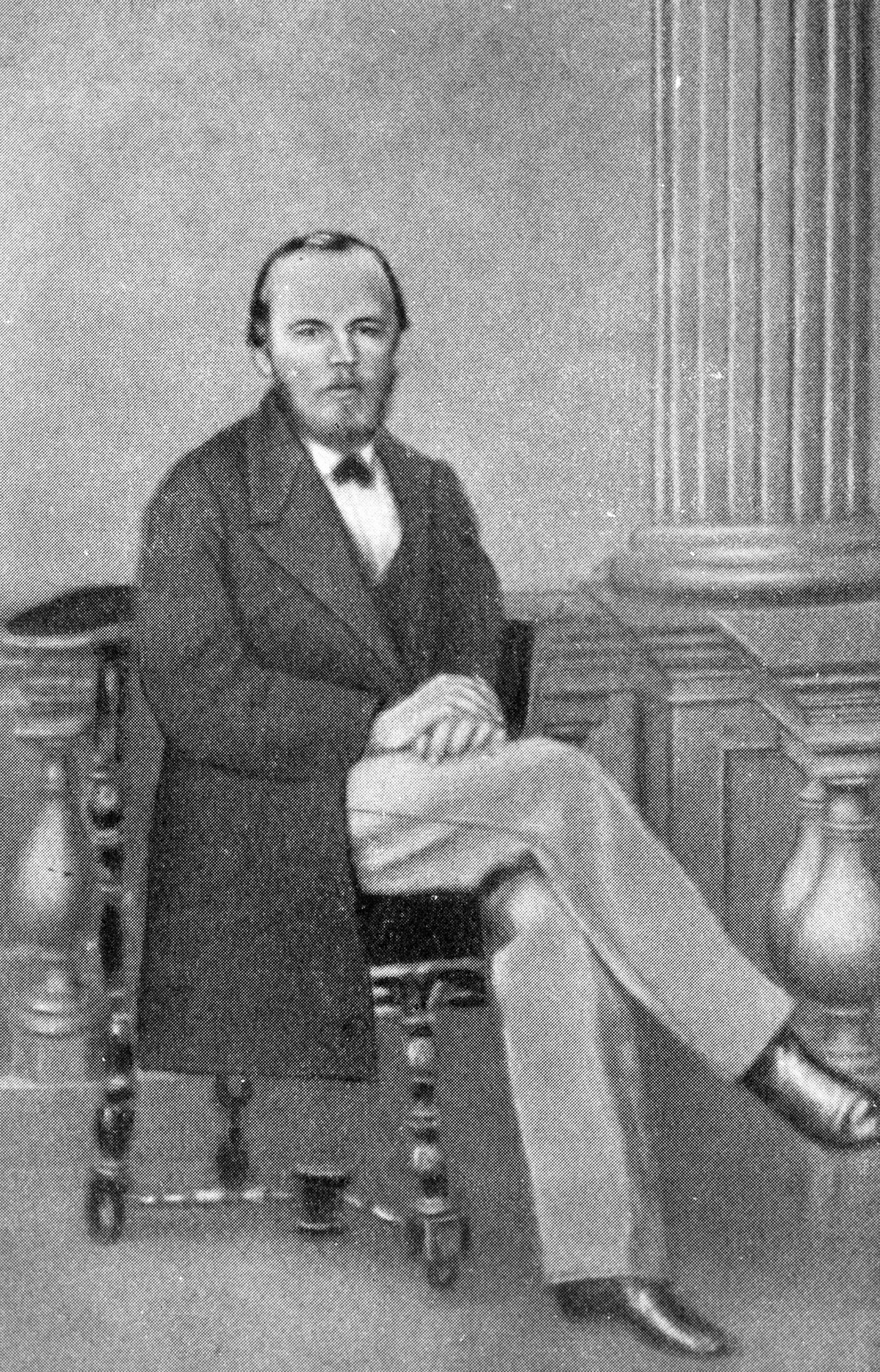 Fyodor Dostoevsky
Dostoevsky, meanwhile, was born in Moscow, but spent only his childhood there and lived almost his entire life in St. Petersburg, except for several years of Siberian exile. It was precisely during those years that Tolstoy visited St. Petersburg.
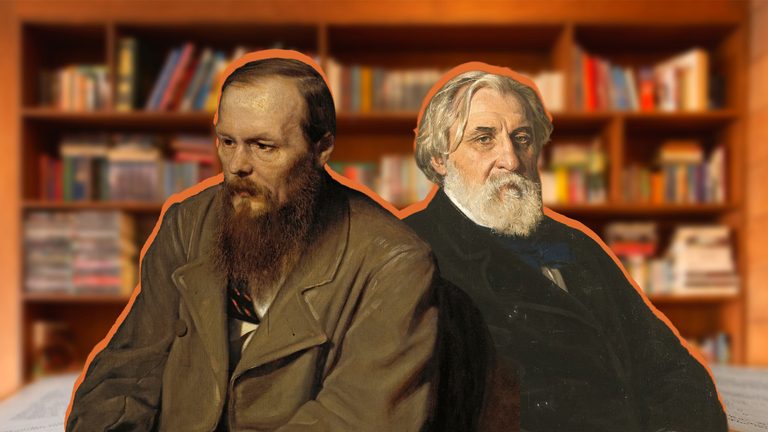
There is also a mysterious episode connected with the unveiling of the monument to Alexander Pushkin in Moscow in 1880. Tolstoy, despite the invitation and even persuasion from Ivan Turgenev, never showed up for the ceremony. Dostoevsky, however, did come and delivered his famous ‘Pushkin Speech’.
Deep religious contradictions
Tolstoy's refusal gave rise to numerous rumors and myths. One of them was that the author of ‘War and Peace’ did not come precisely because he knew Dostoevsky would be there.
There are versions that Tolstoy was not ready to meet Dostoevsky. At that time, Tolstoy was experiencing a spiritual crisis and writing religious treatises, for which he was later excommunicated from the church.
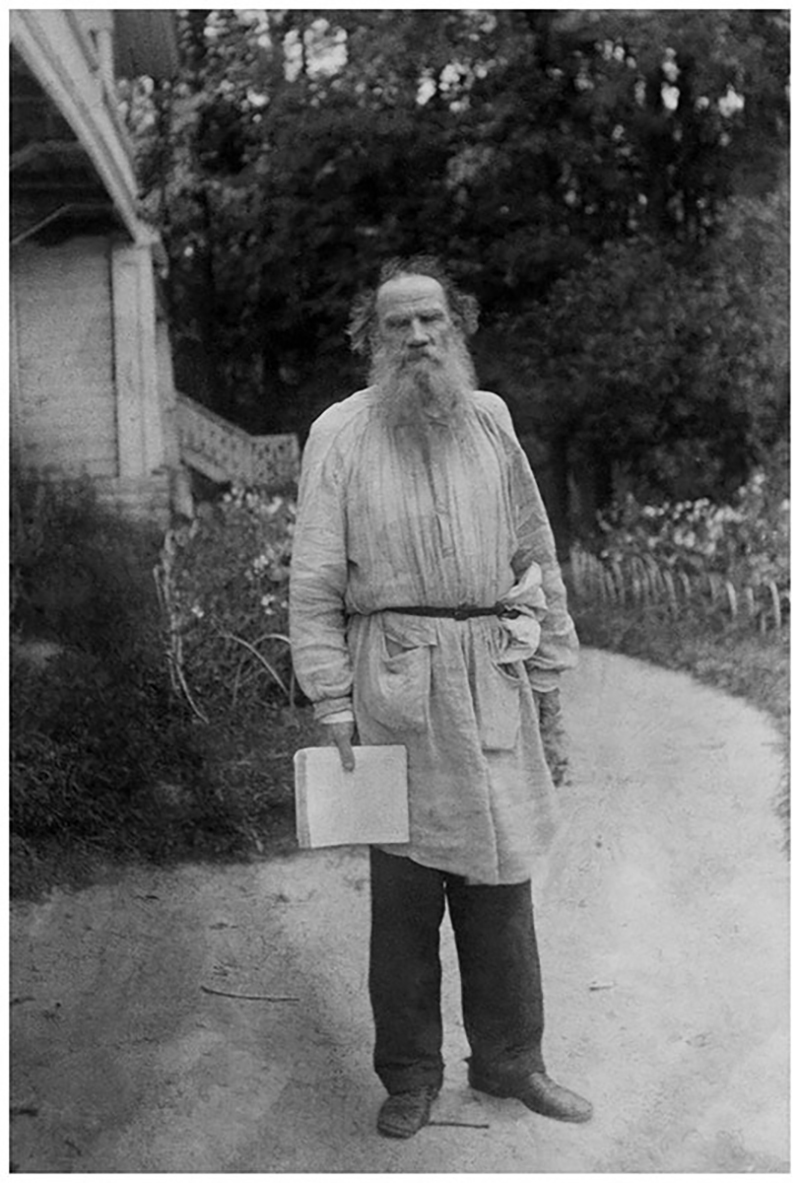 Leo Tolstoy in Yasnaya Polyana
Dostoevsky, on the other hand, was a devout Christian; all his works were permeated with one idea that only true faith and renunciation could bring salvation.
Dostoevsky was familiar with Tolstoy's treatises and was indignant about them. Apparently, it was even discussed in literary circles that Tolstoy had “gone mad” and this is reflected in Dostoevsky's diary.
At the same time, he deliberately did not go to pay his respects to Tolstoy, as other writers did, even though he was invited, as they had many mutual acquaintances. “Yuryev urged me to go visit him at Yasnaya Polyana <…>. But, I will not go, although I am very curious,” wrote Dostoevsky in his diary.
Nevertheless, Dostoevsky was interested in his colleague's views: once in St. Petersburg, he met Tolstoy's aunt and asked her to explain his ideas to him. In response, she gave him letters from Tolstoy. After reading them, Dostoevsky “clutched his head and repeated in a desperate voice: 'Not that, not that!’…” she wrote later.
No further discussion followed, as literally a couple of weeks later, Dostoevsky passed away.
There was a chance to meet
There was definitely an occasion when both writers were in the same space. In 1878, both attended a lecture by philosopher Vladimir Solovyov. But, neither of them knew the other was in the hall.
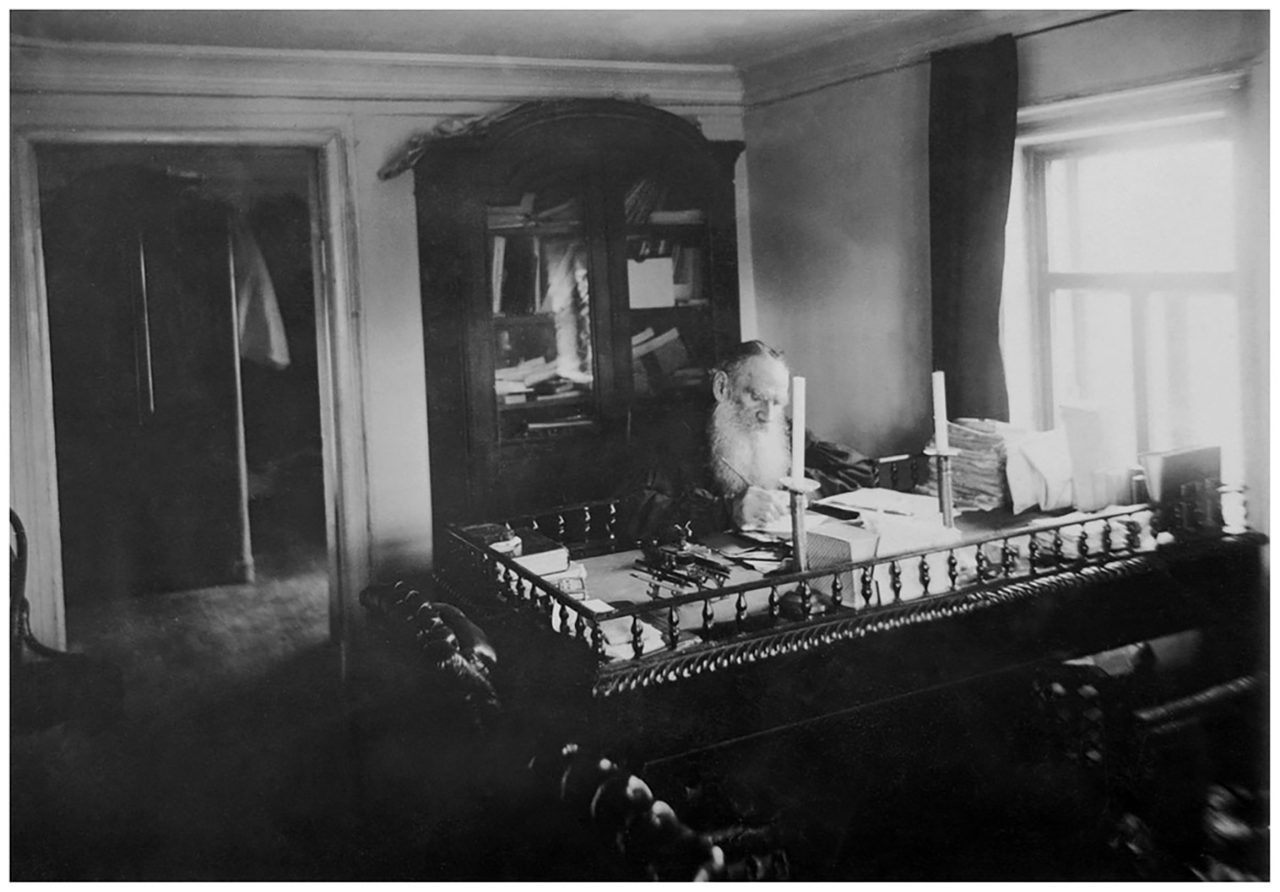 Leo Tolstoy in his Moscow house
Also present at the lecture was the aforementioned philosopher Nikolai Strakhov, who knew both men. Hence the conspiracy theory that Strakhov deliberately did not introduce the two writers to each other, if only to remain the sole intermediary between them.
After Dostoevsky's death, his wife Anna eventually met with Tolstoy. It was thanks to her that it came to light that both had been at that lecture. And it was to her that Tolstoy confessed that he regretted never having met his fellow writer.